Japan, part one: Tokyo and Mount Fuji
27 October to 2 November 2026
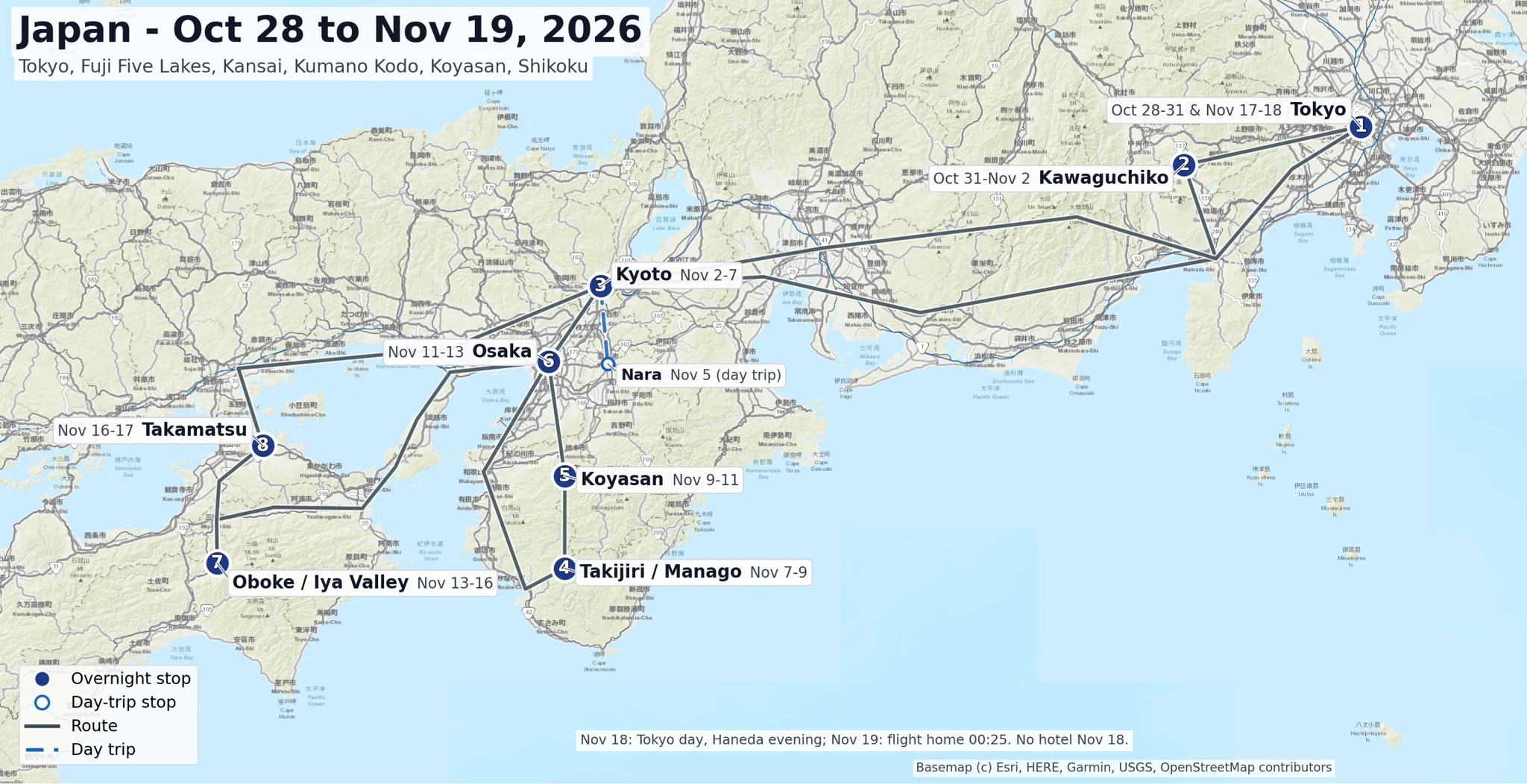
27–28 October: London to Tokyo
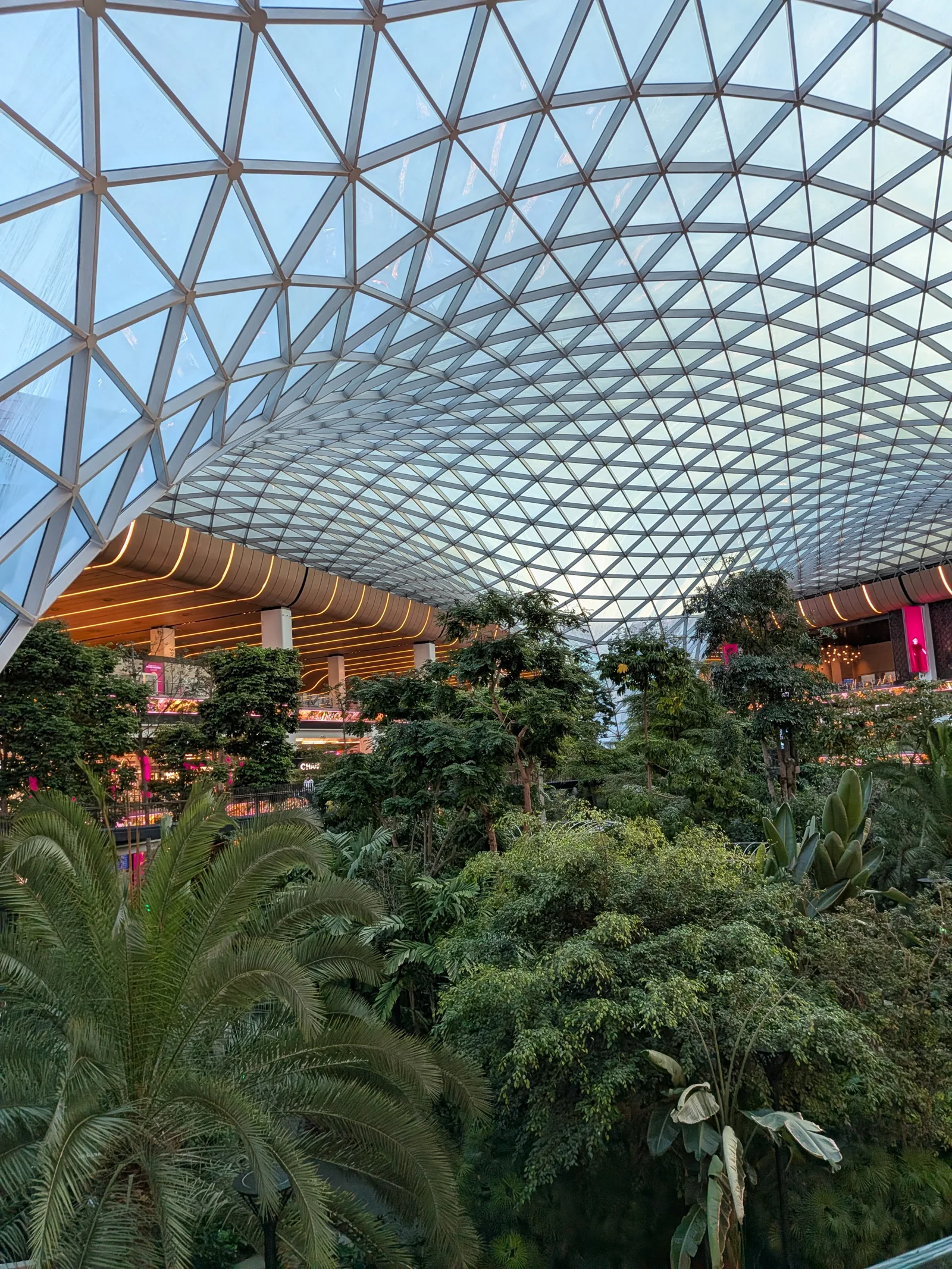
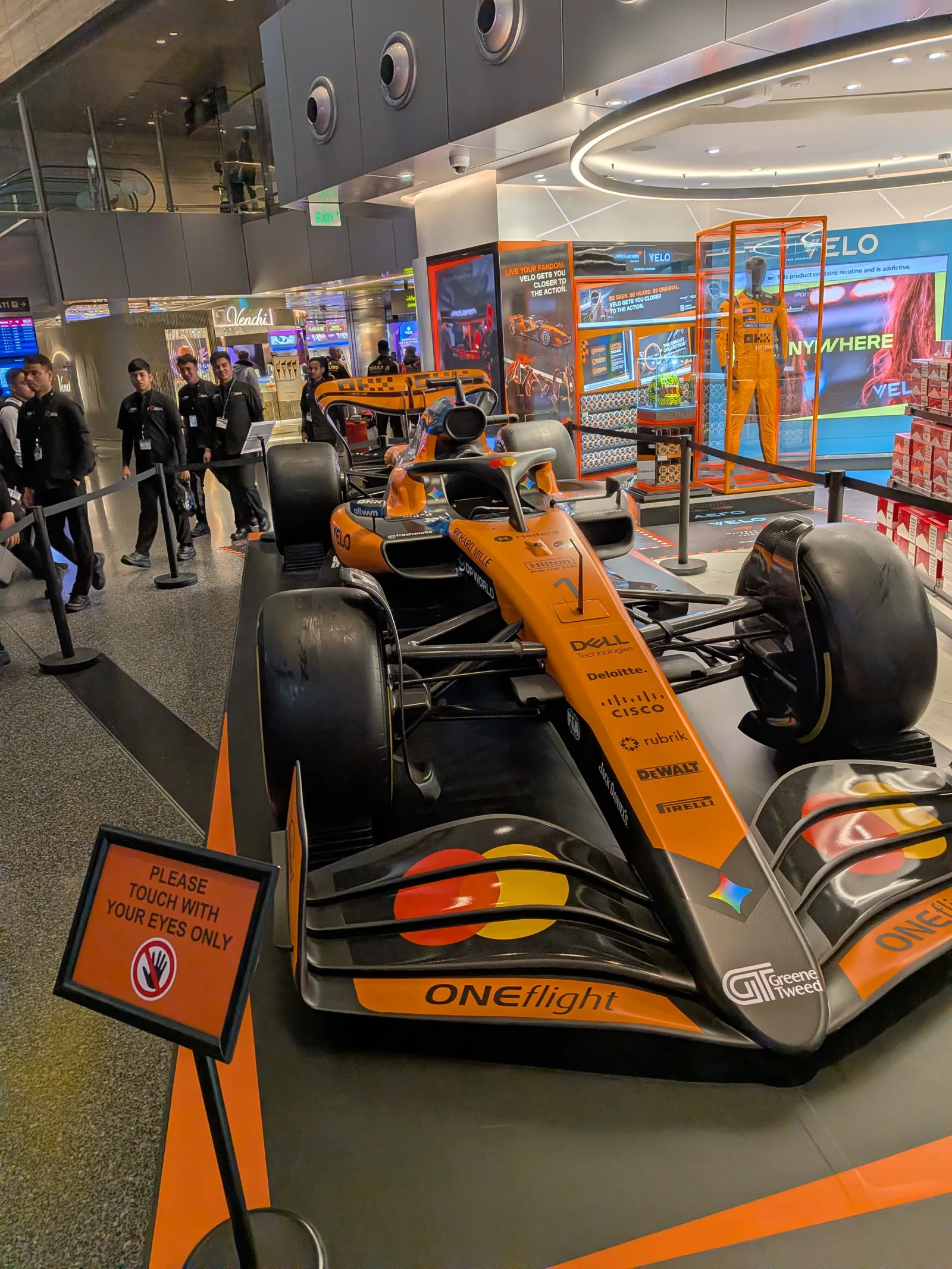
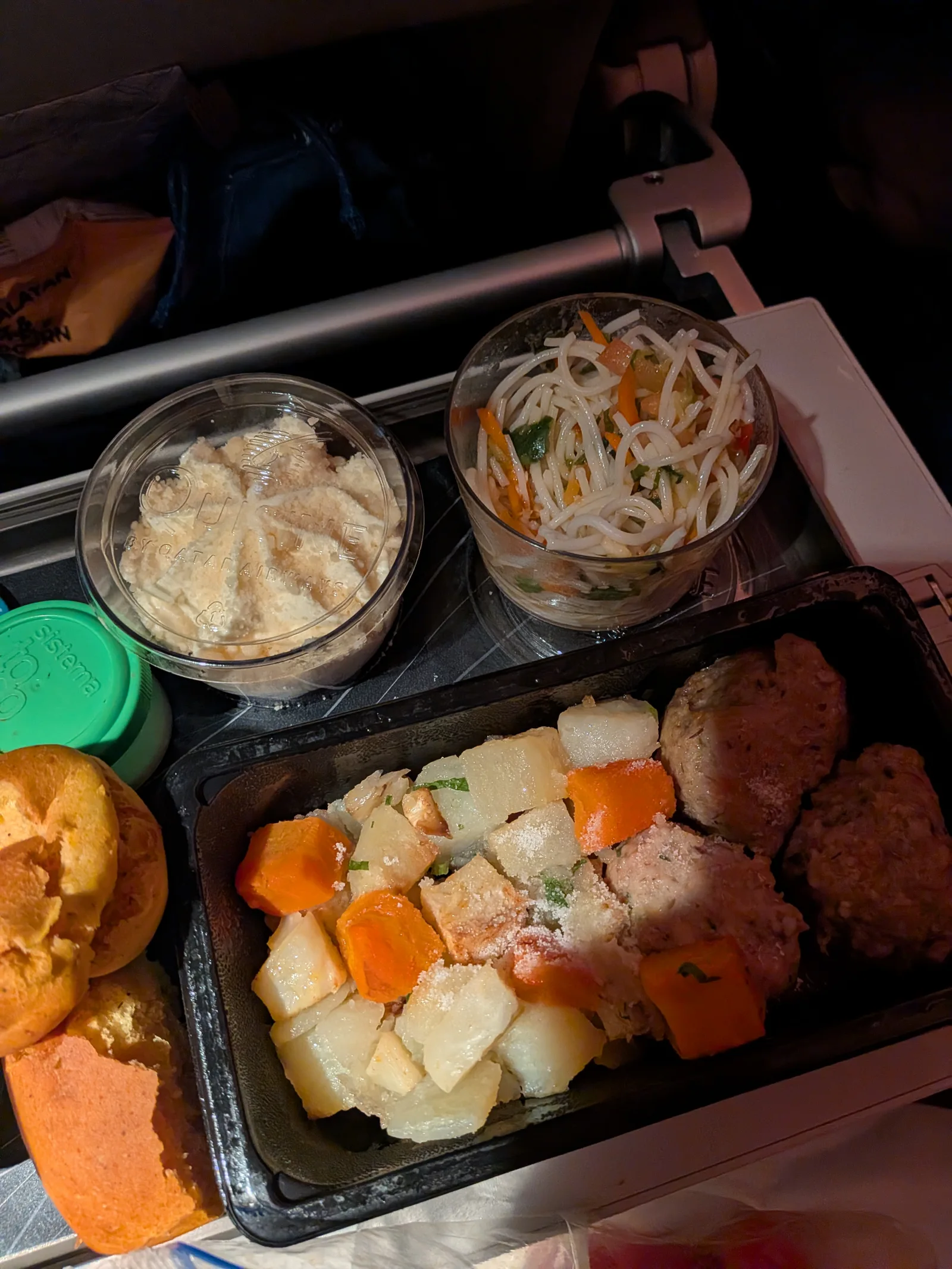
I left Heathrow on 27 October and flew to Tokyo Haneda via Doha, arriving on 28 October. The first flight took about six and a half hours, with roughly two hours of sleep in a middle seat. During the connection I walked around Doha Airport, which felt more like a shopping mall, albeit one with some interesting artwork. The second flight was about nine and a half hours, a little bumpy, and gave me another three hours of sleep.
We arrived around an hour late. By the time I had finished immigration and customs, it was nearly 1 AM and the final train had gone. At the taxi rank, an attendant with a light was organising the cars, the queue and the passengers. It was an early example of how orderly everything seemed. The taxi to Asagaya cost approximately ¥13,000, and at that point I was happy to pay to get straight to bed. Hotel Route-Inn Tokyo Asagaya was basic but had everything I needed, including excellent water pressure.
Thursday 29 October: Finding a local, then Yokohama
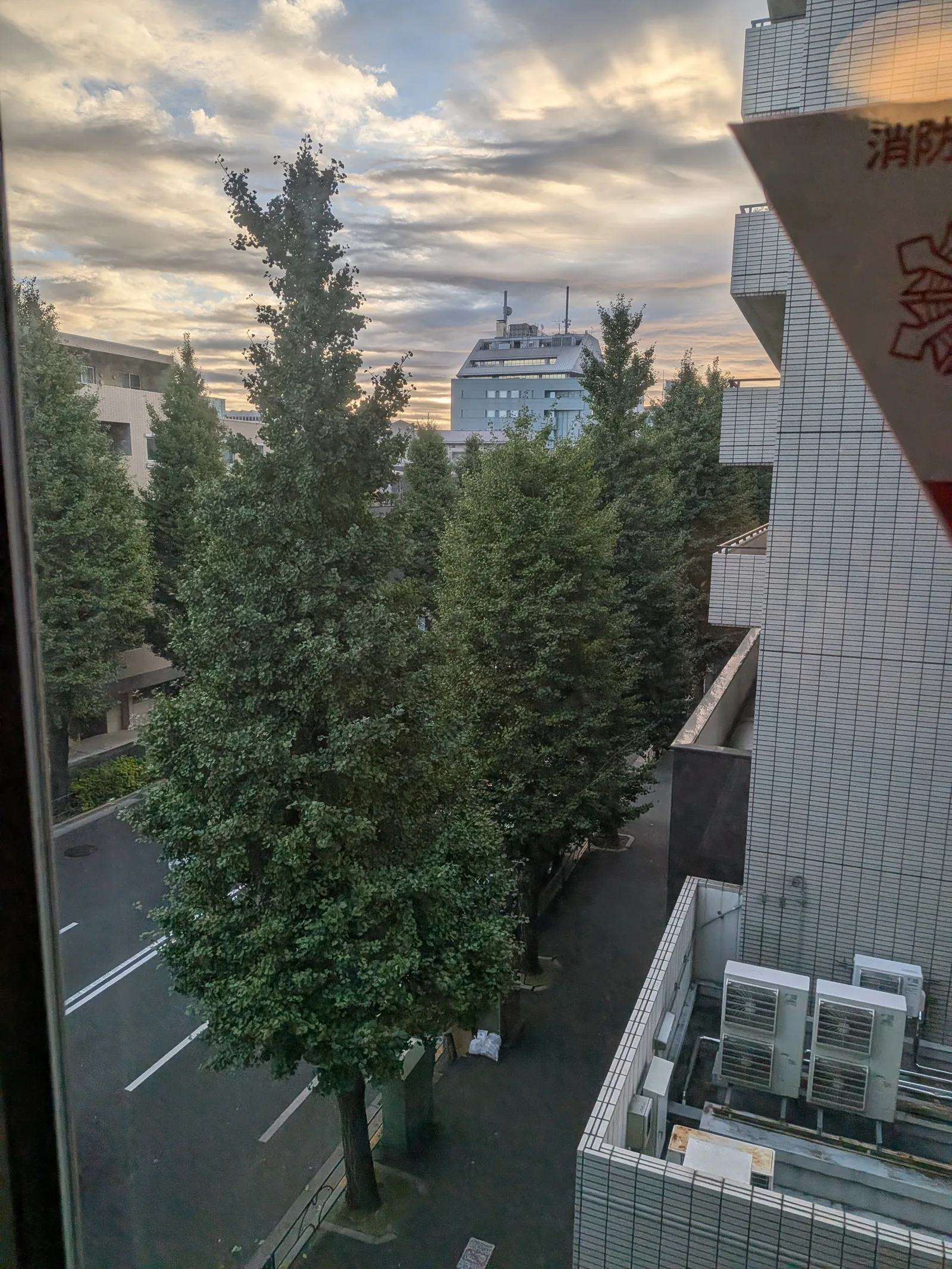
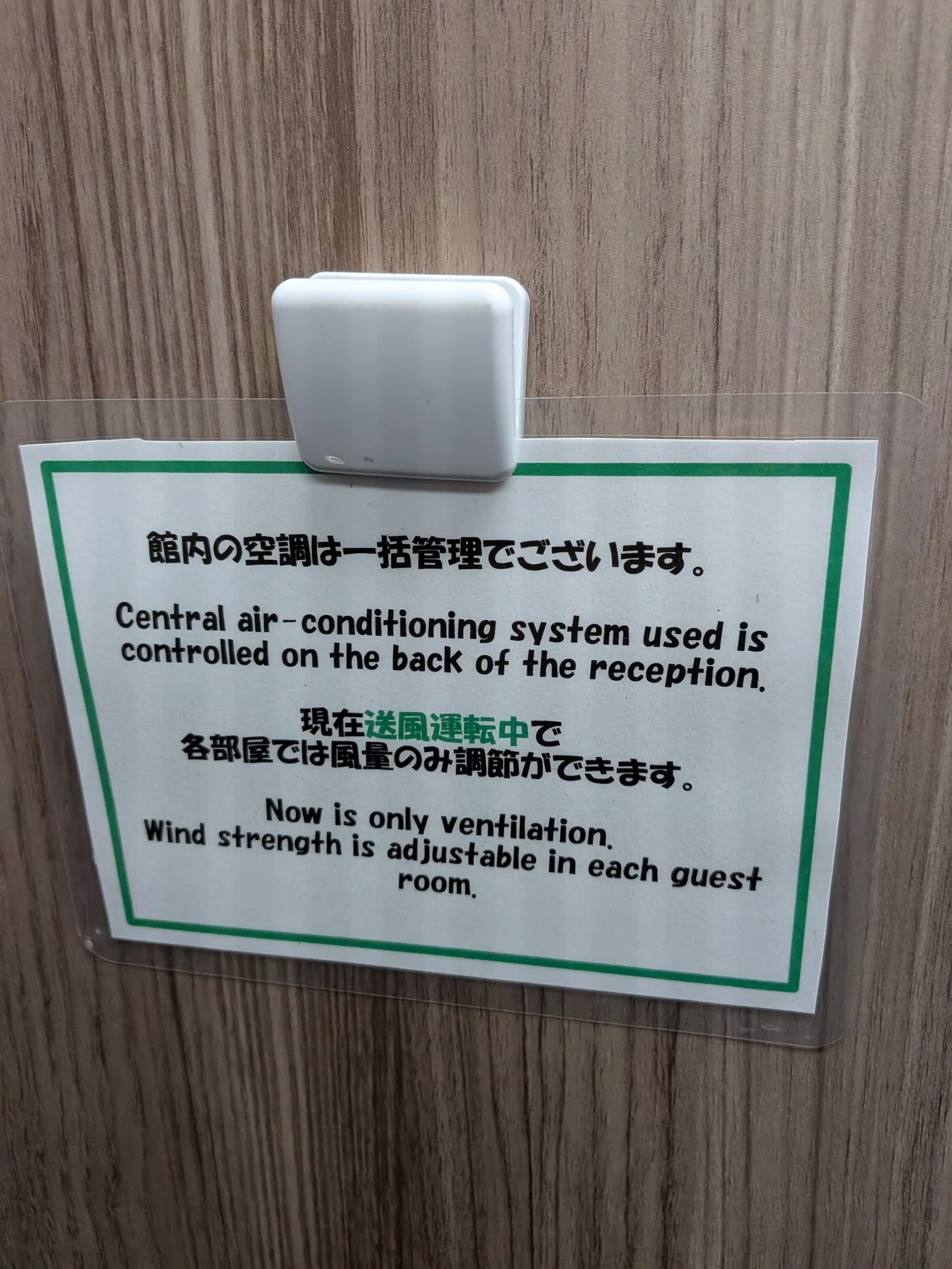
The lift at the hotel had a funny sign about controlling the strength of “wind” in your room.
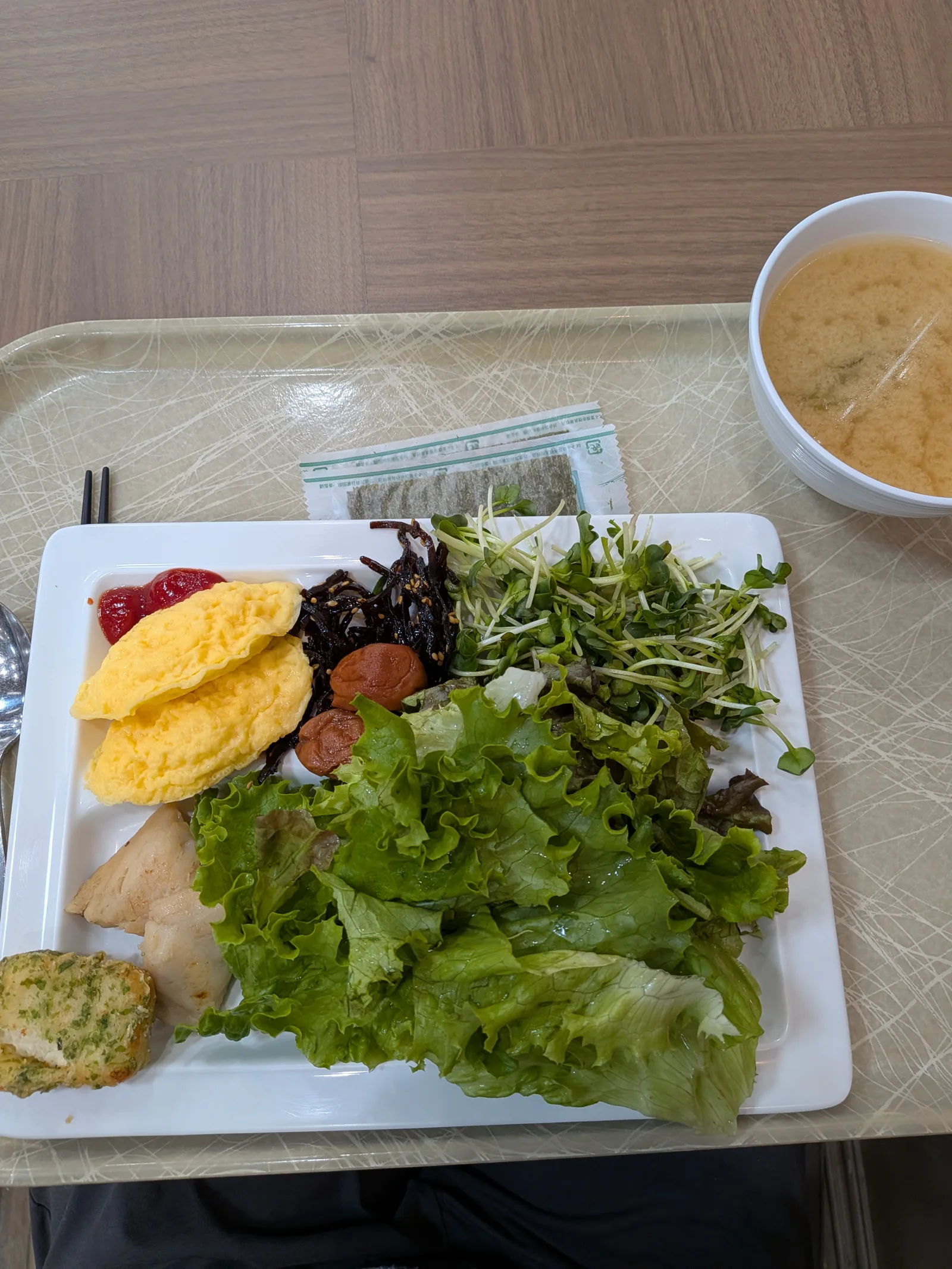
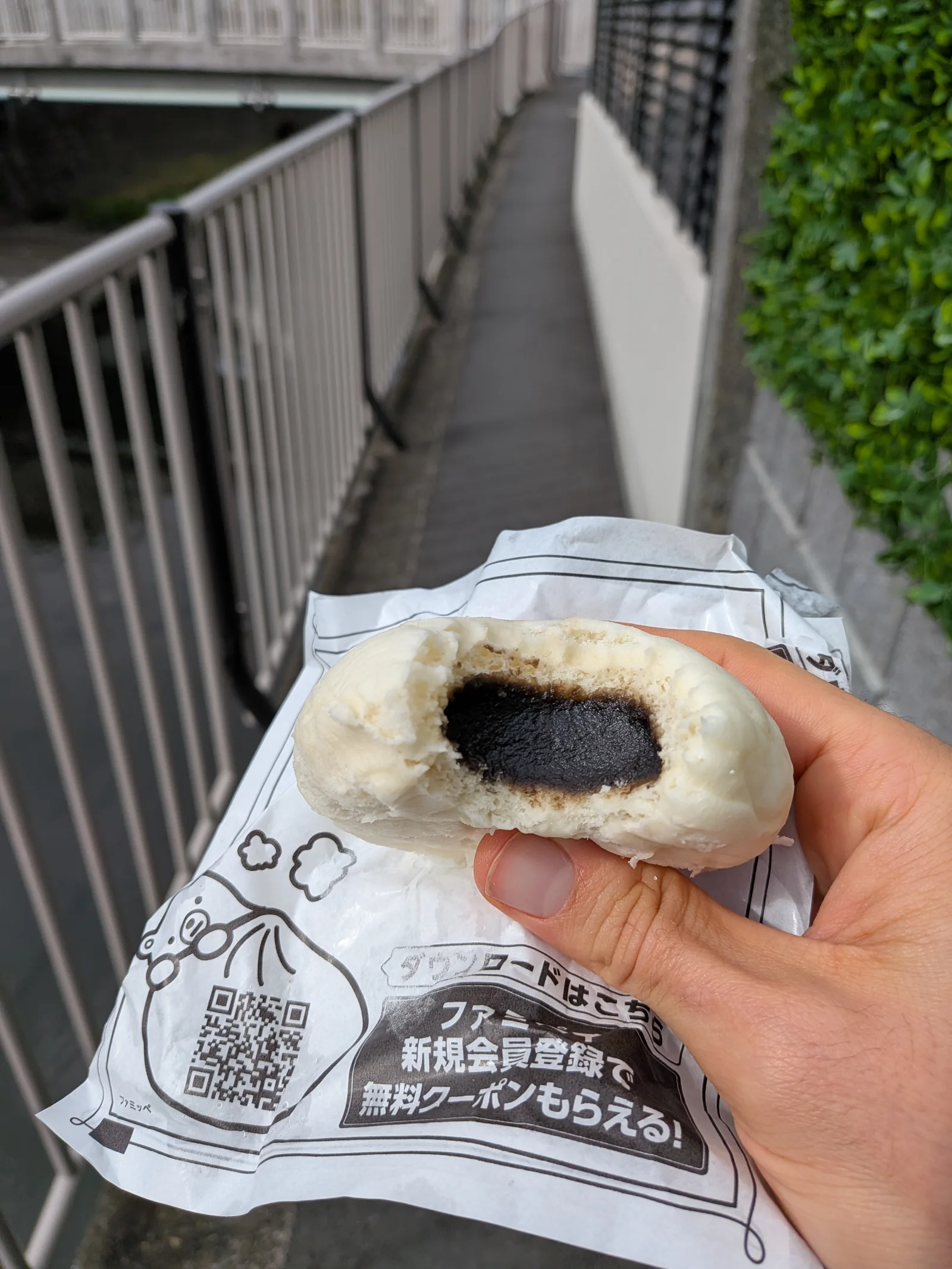
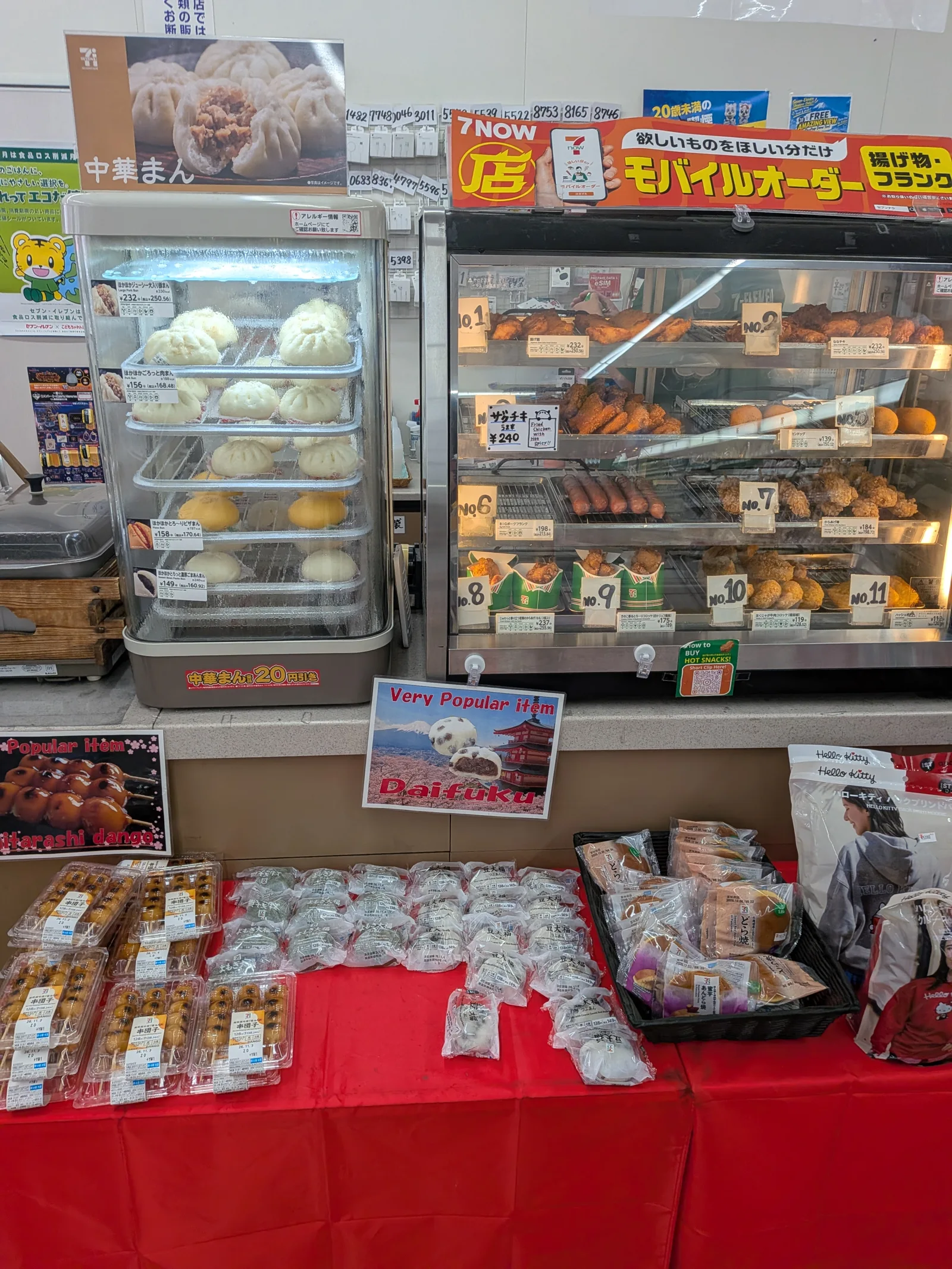
The hotel breakfast was pretty good: omelette, fish, vegetables, miso soup and tofu. I liked the tofu much more than the very sour pickled plums. Later I had a steamed red-bean bun from FamilyMart. I had loved these in Taiwan and hoped to find a specialist bakery in Japan, but even the convenience-store version was super good.
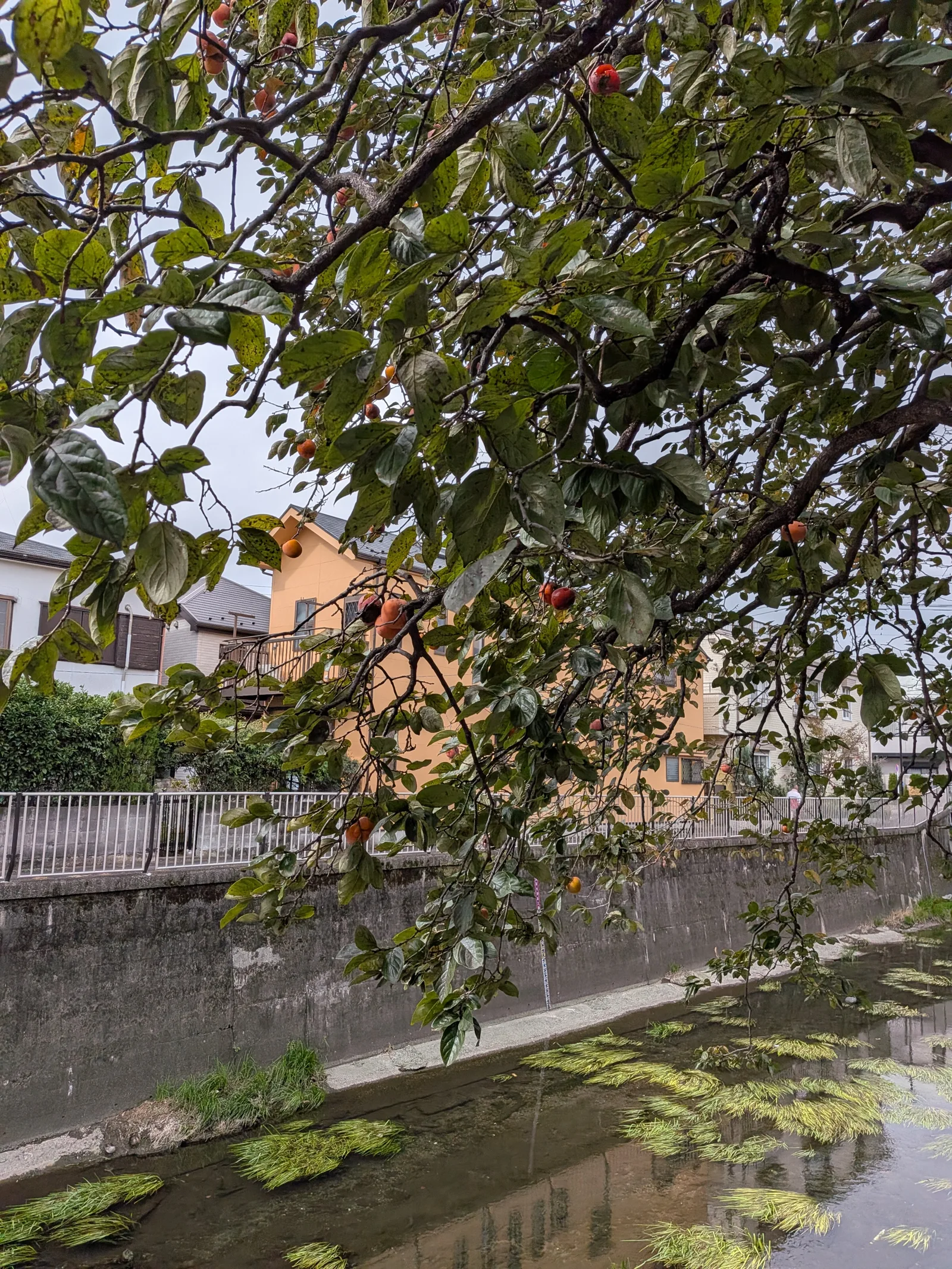
I walked alongside the Zenpukuji River around 11:30 AM and liked the feel of the neighbourhood. Coffee-ya 3158 was essentially a café downstairs in somebody's house. The Kilimanjaro coffee was fantastic, and I felt as though I had already found my own little local coffee shop.
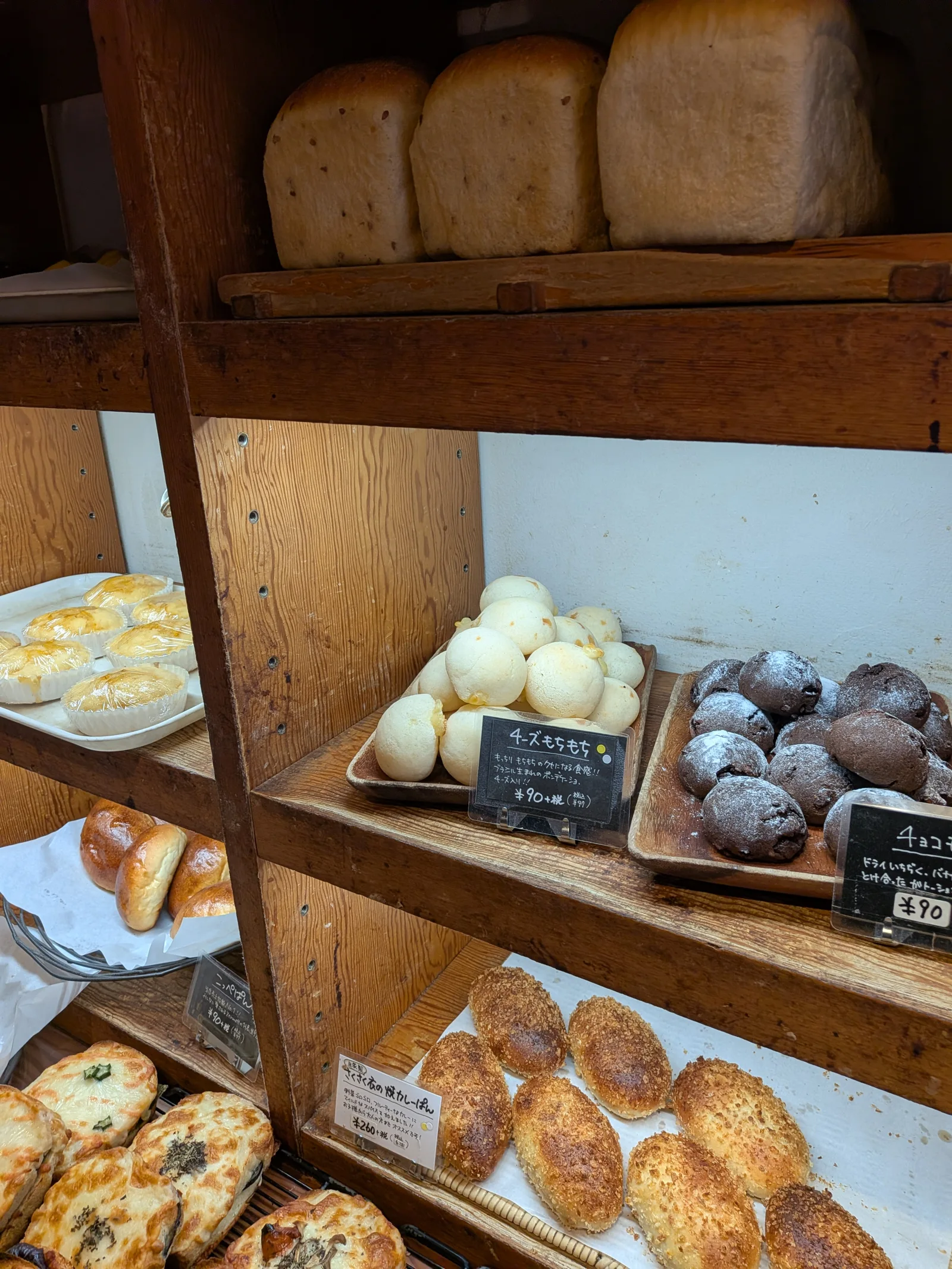
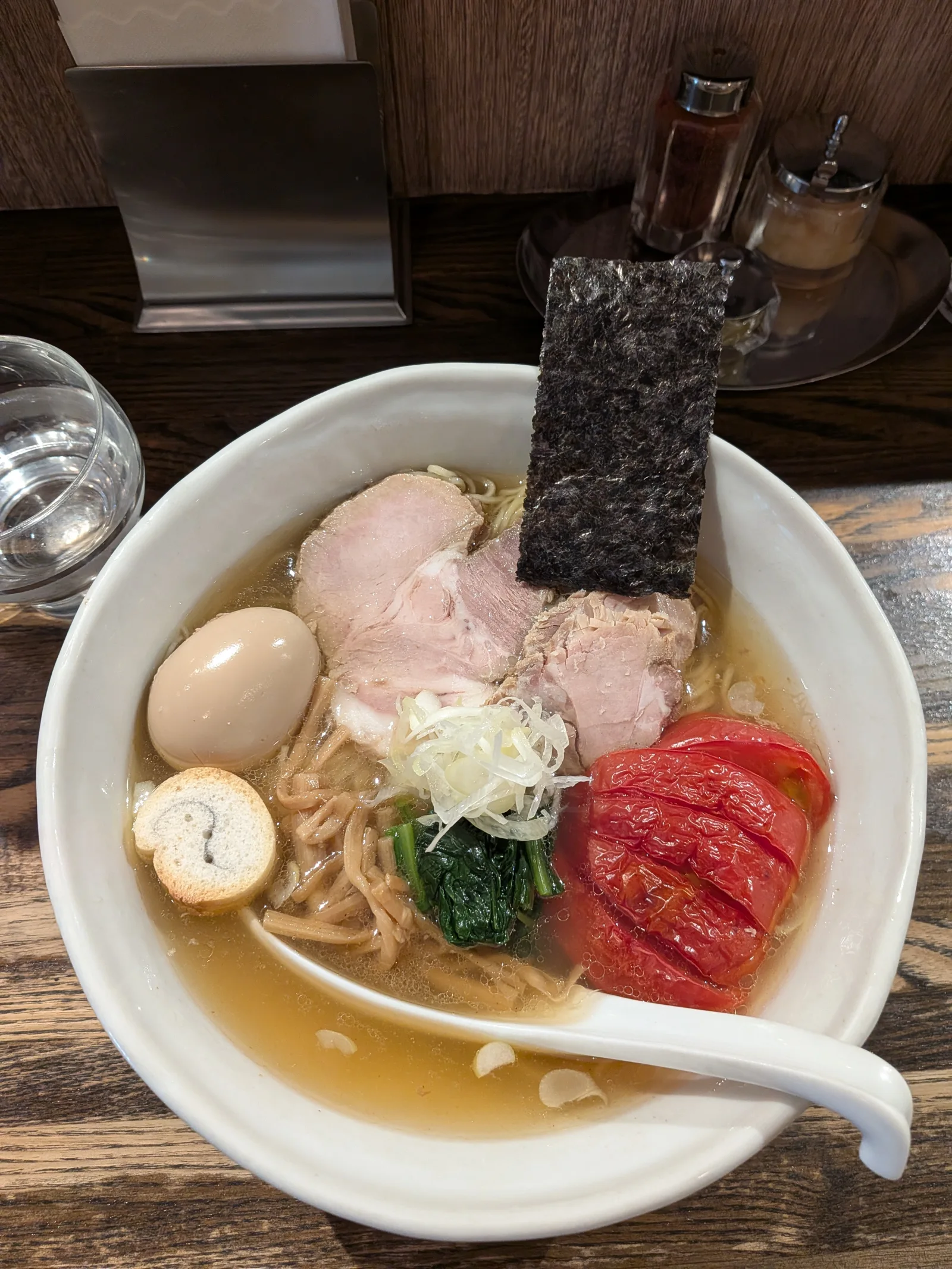
I tried Zermatt, where the sesame and cheese items looked excellent, but it was cash only and I did not yet have any. RAMEN CiQUE was also cash only. I went back to the hotel to grab some cash, thinking that cash was going to be a thing here, before going to eat. The tomato ramen with an egg was so good. The broth was salty but surprisingly light, and the person serving at the counter was very friendly.
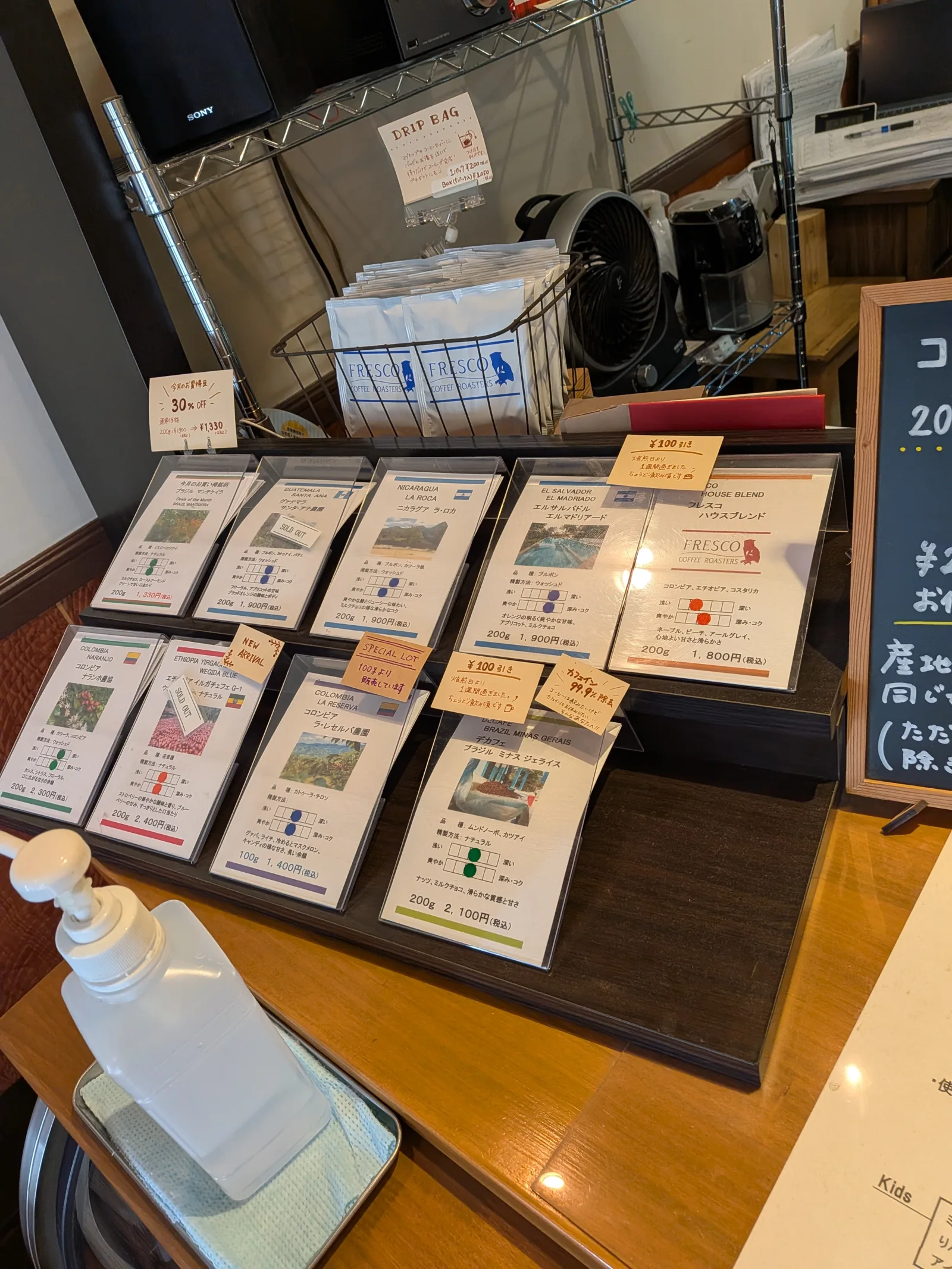
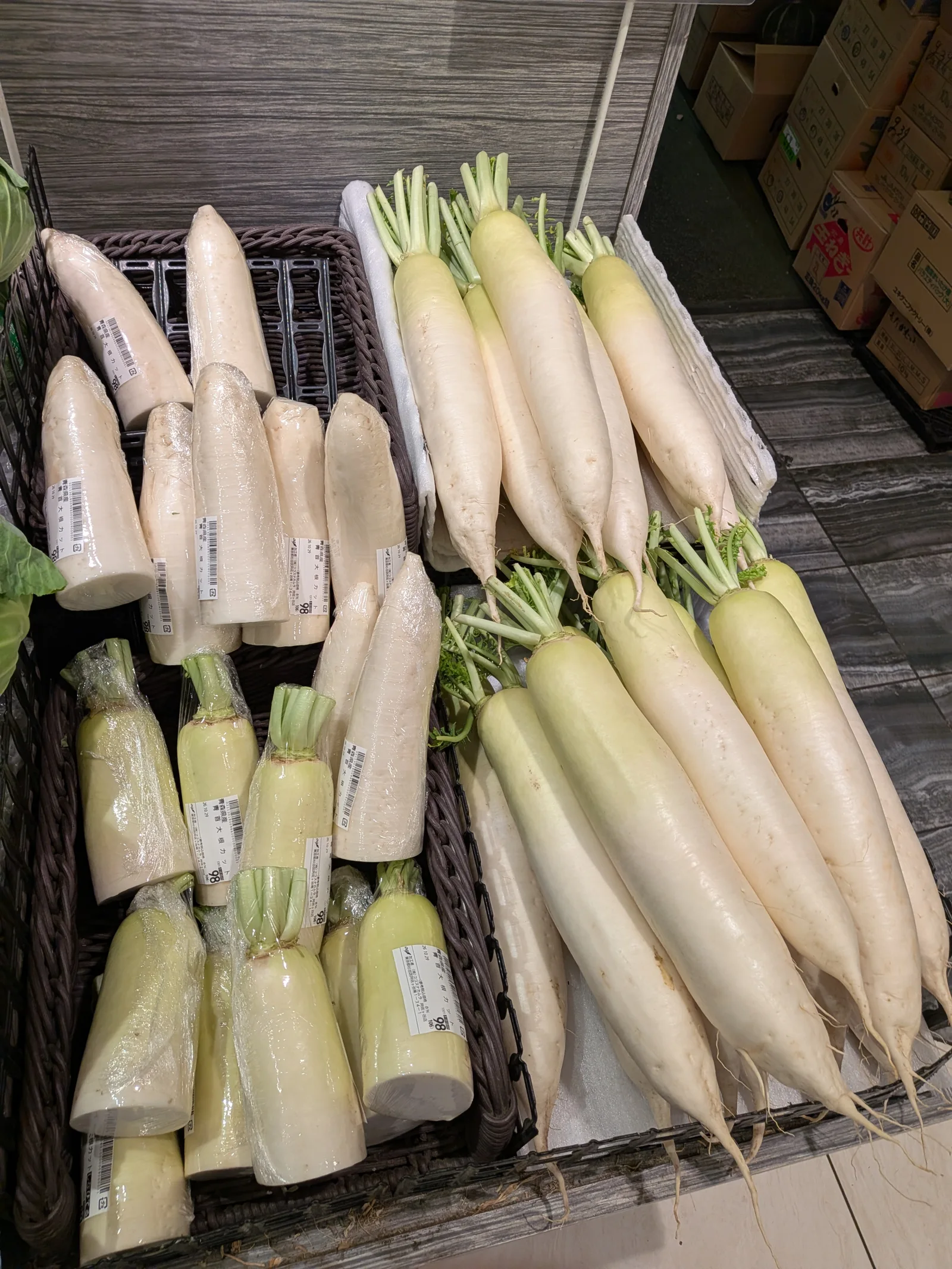
In the afternoon I found an excellent coffee roaster, Fresco Coffee Roasters, and grabbed a coffee to get me through the afternoon before wandering around a supermarket, admiring the insanely large radishes.
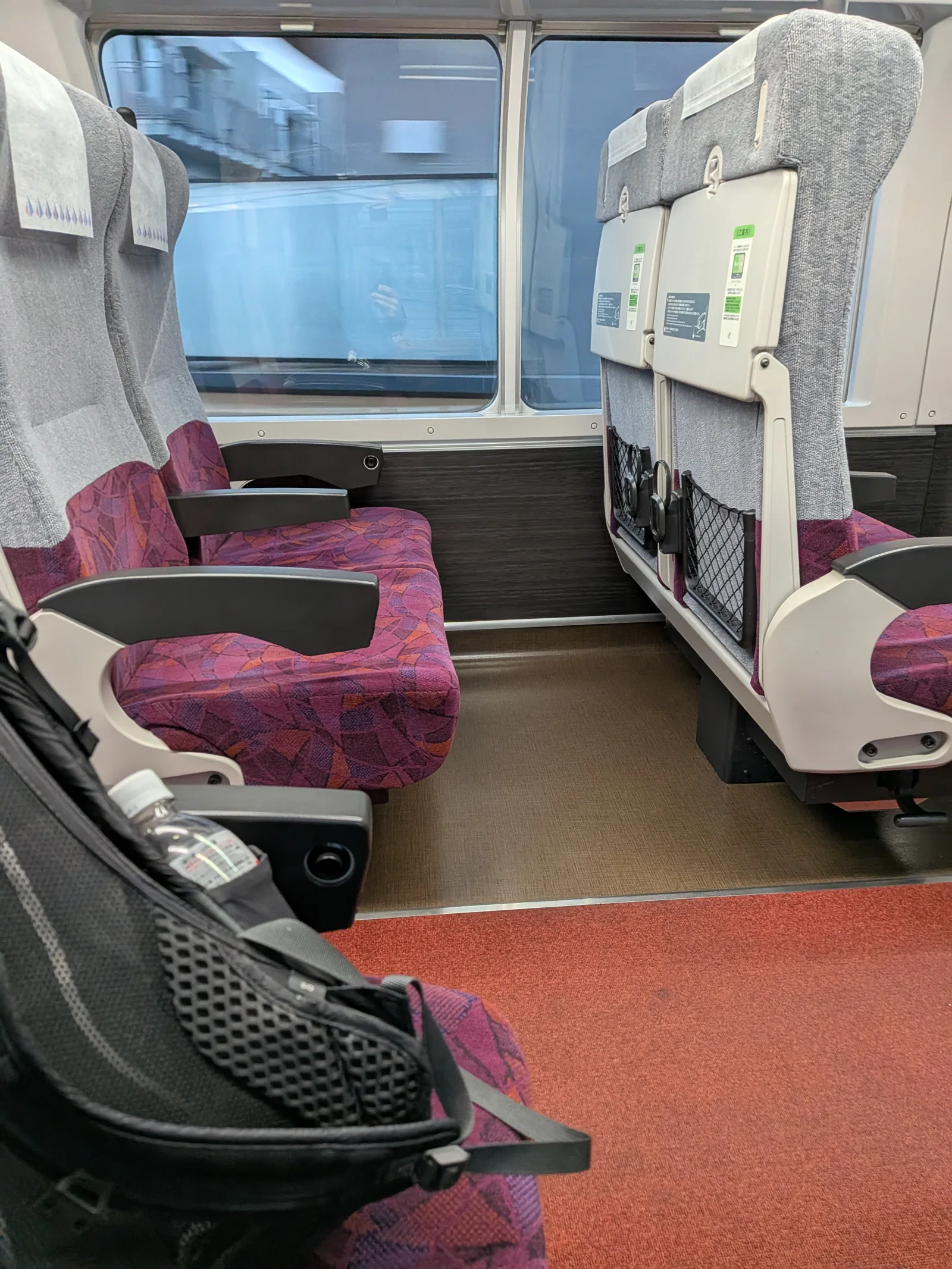
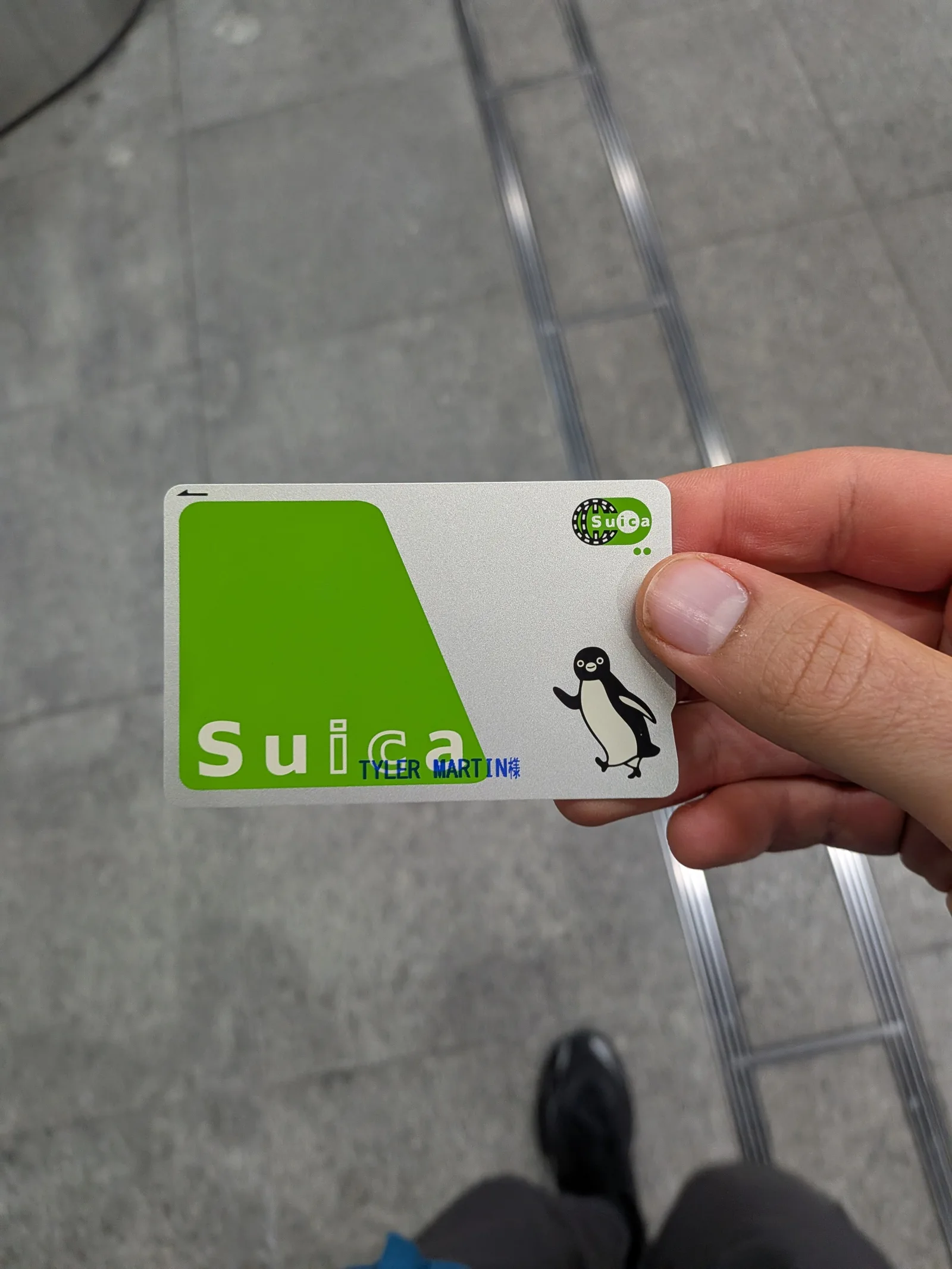
On the way to Yokohama that evening, the train carriage I boarded turned out to be a Japanese “Green Car”, the first-class carriage, which I had not initially realised. When I was asked to pay or leave, I moved to another carriage, which was much closer to what I was familiar with in London. I also got a Suica card with my name on it. I could not simply tap my bank card as I would in London, so this would be super useful: essentially the same idea, but with money loaded onto it in advance.
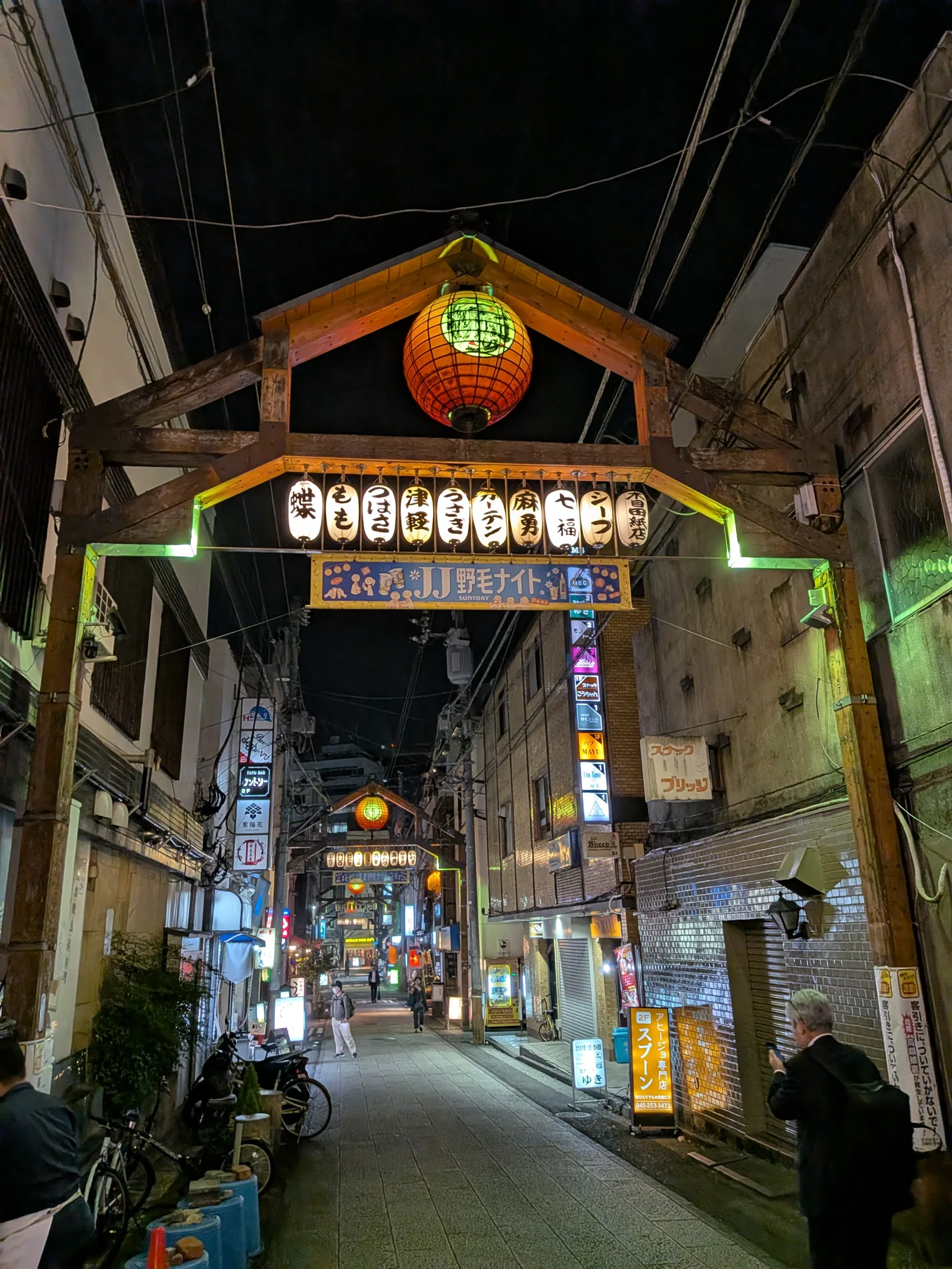
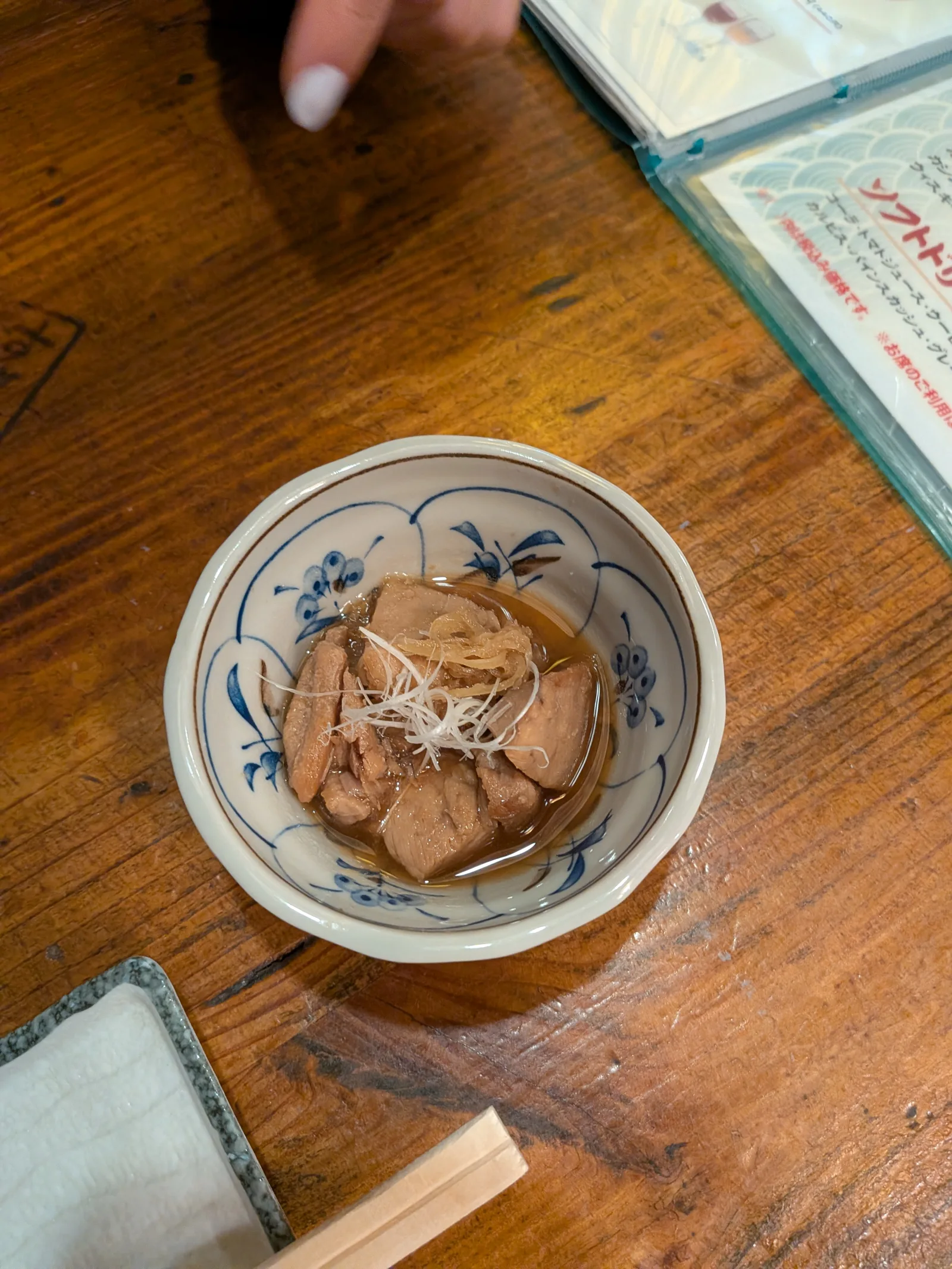
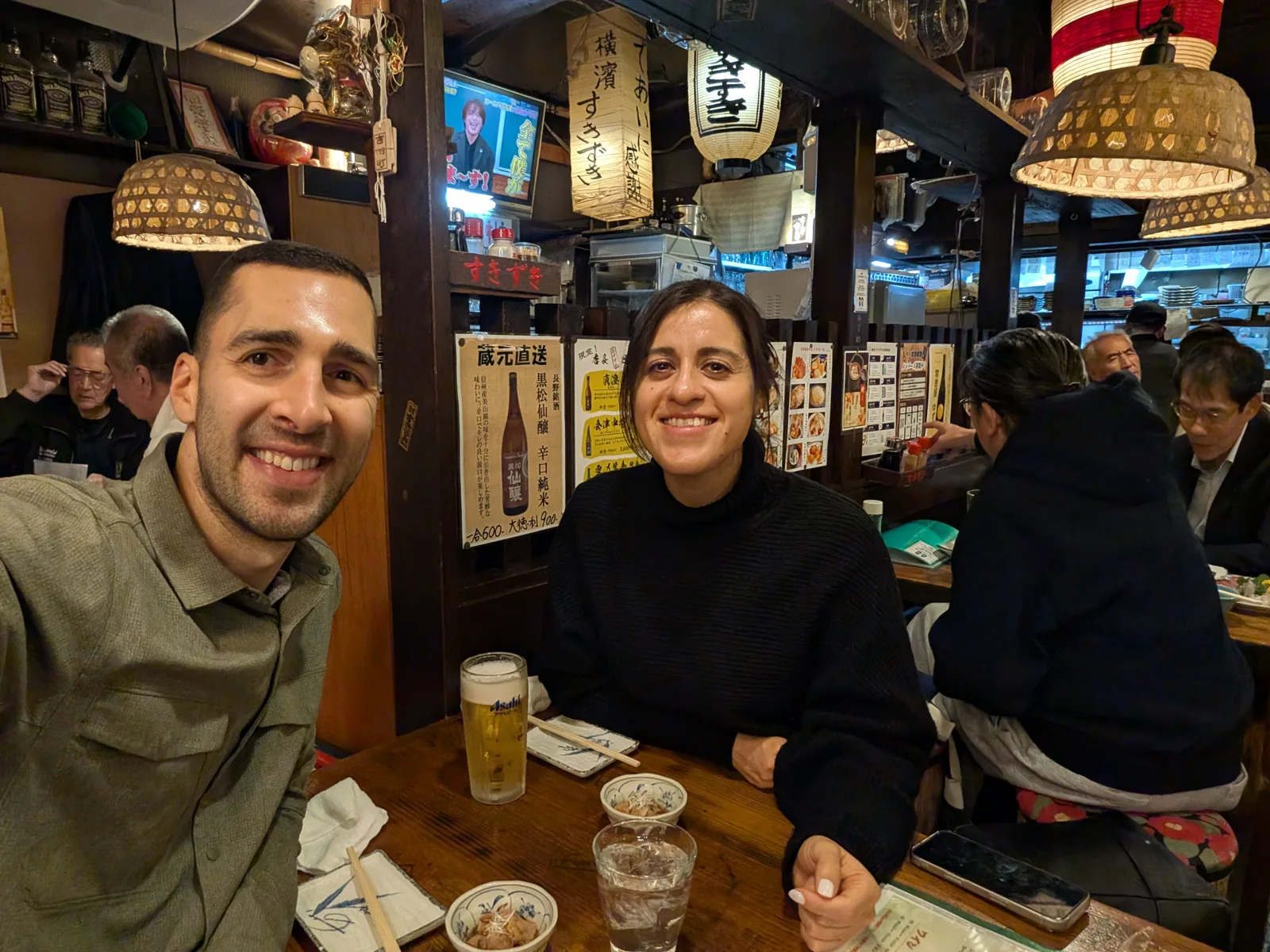
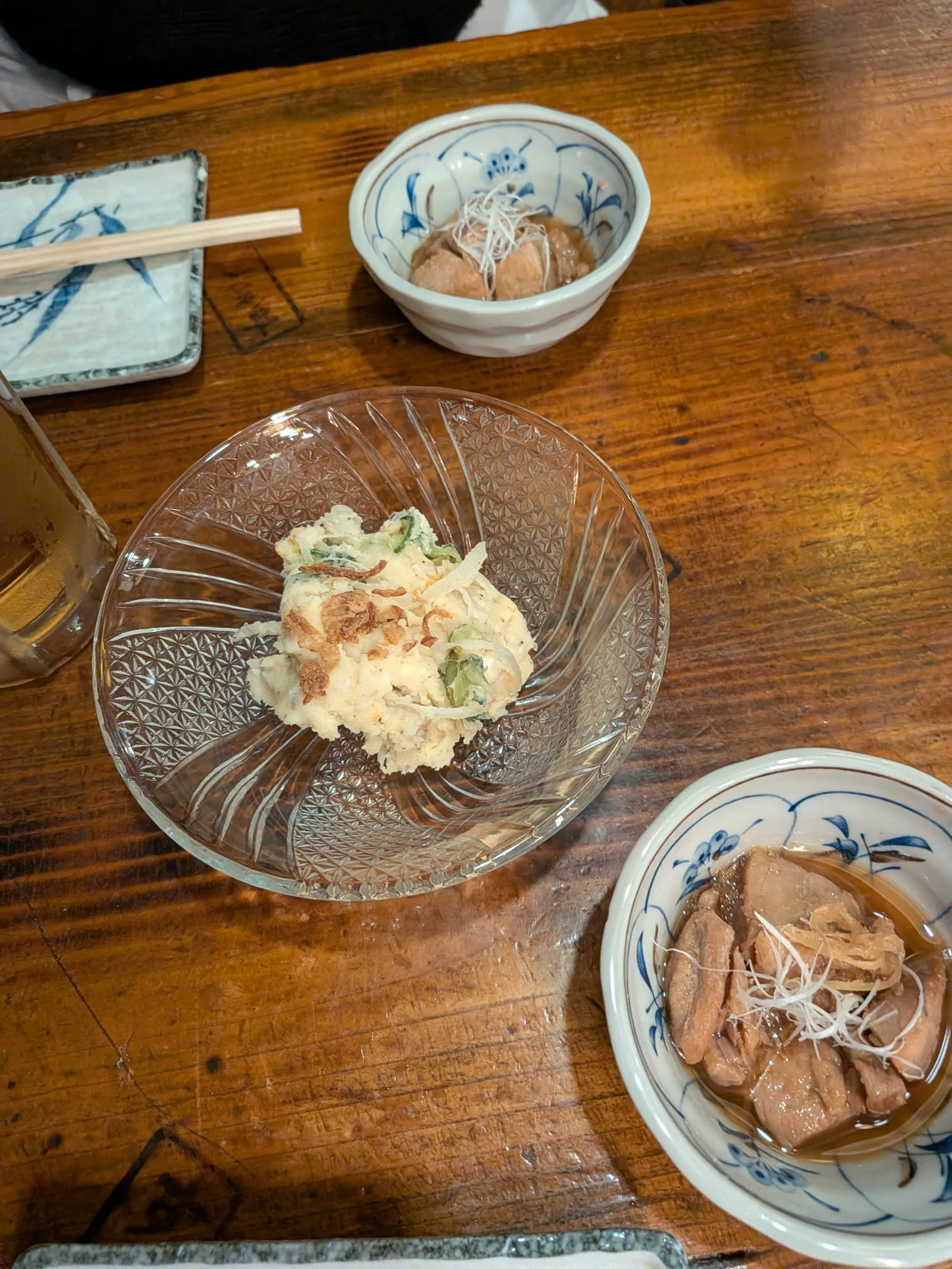
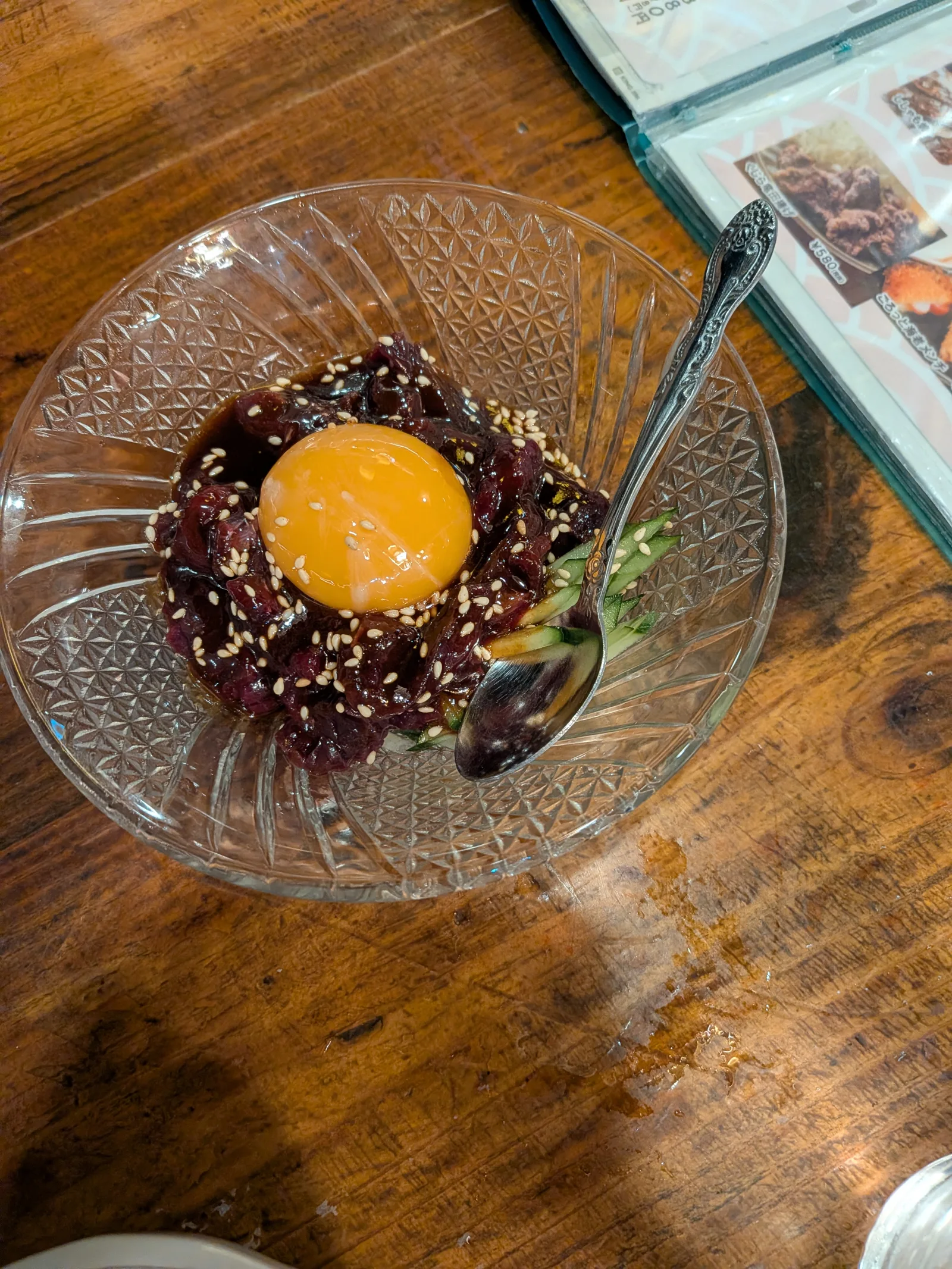
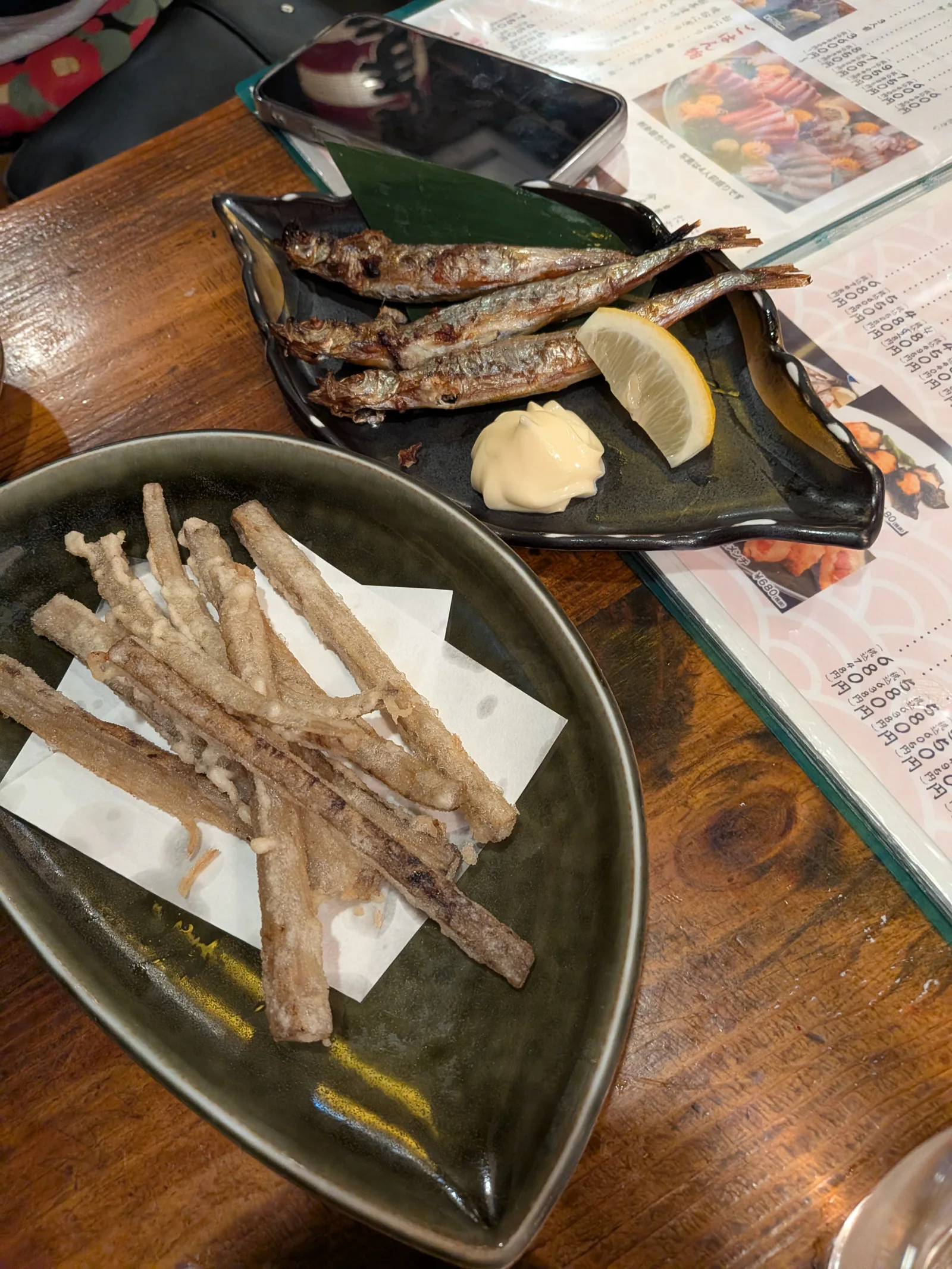
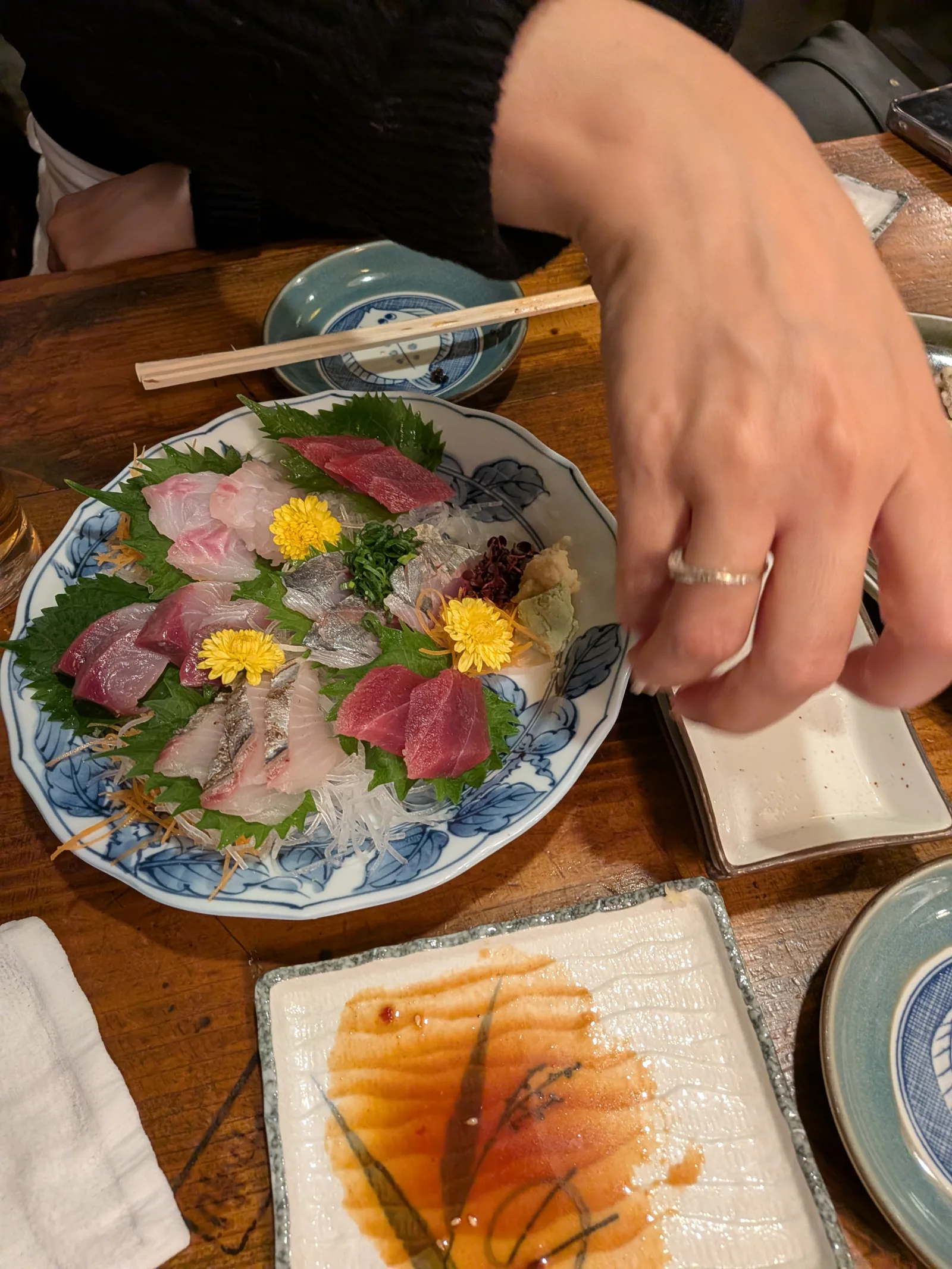
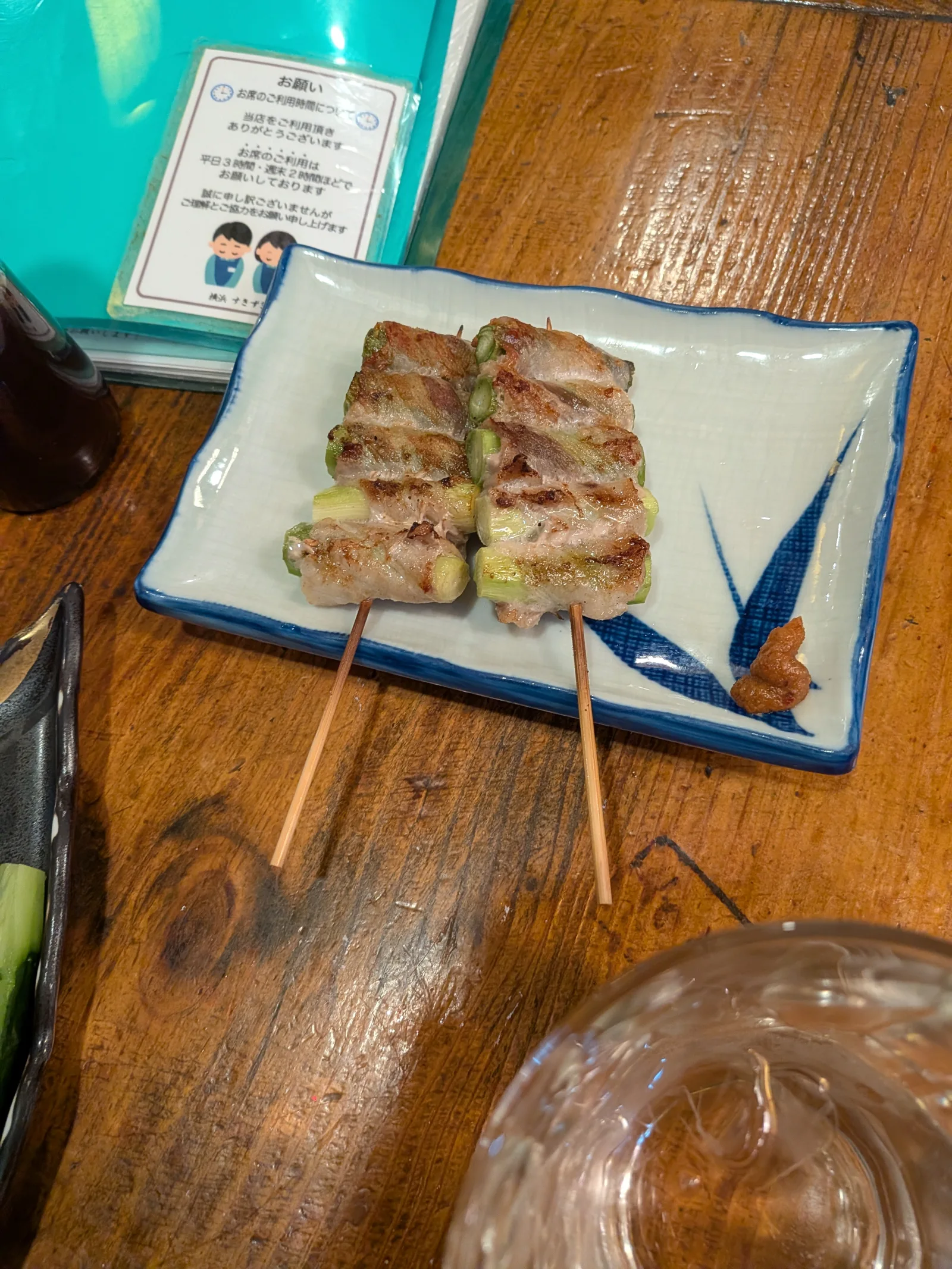
In the evening I went to Yokohama to meet Katia at Sukizuki in Noge. She did a fantastic job ordering, starting with several small dishes and adding further rounds once we knew how we were going. I really enjoyed the izakaya format: lots of small, delicious plates to share, a little like Spanish tapas. Some of the fish dishes were particularly good, as was the whale yukhoe, raw whale meat with egg yolk.
We talked about Katia's experience of living in Japan as a foreigner and how it compared with my experience in London, where I had not particularly felt like an outsider. I was extremely impressed by her Japanese. We spoke a little Spanish too, until my jet-lagged brain ran out of brain cells. The conversation ranged through work culture, drinking with colleagues, etiquette and education. I found it hilarious that fax machines were apparently still part of the picture. When I asked Katia for her favourite Studio Ghibli film, she explained her reasoning and discussed her favourite films for about three minutes before finally settling on Kiki's Delivery Service and recommending it. I thought this was the sign of a true fan. After hearing that I was going to the Murakami Library, she also recommended the Natsume Sōseki Museum.
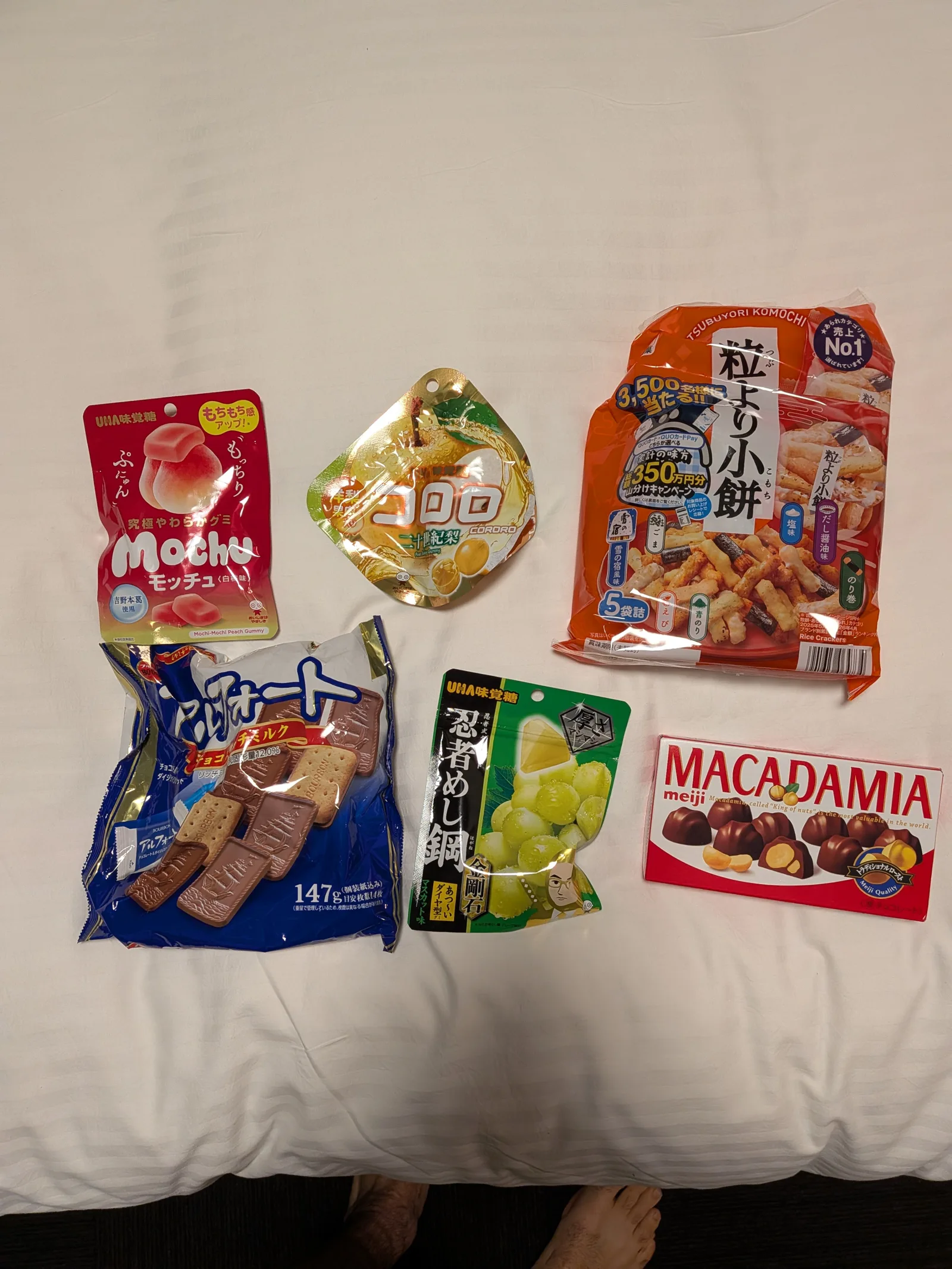
Katia came with loads of snacks as gifts for me to take back to London. Both she and her twin Karla, who lives in London, are very thoughtful and warm people.
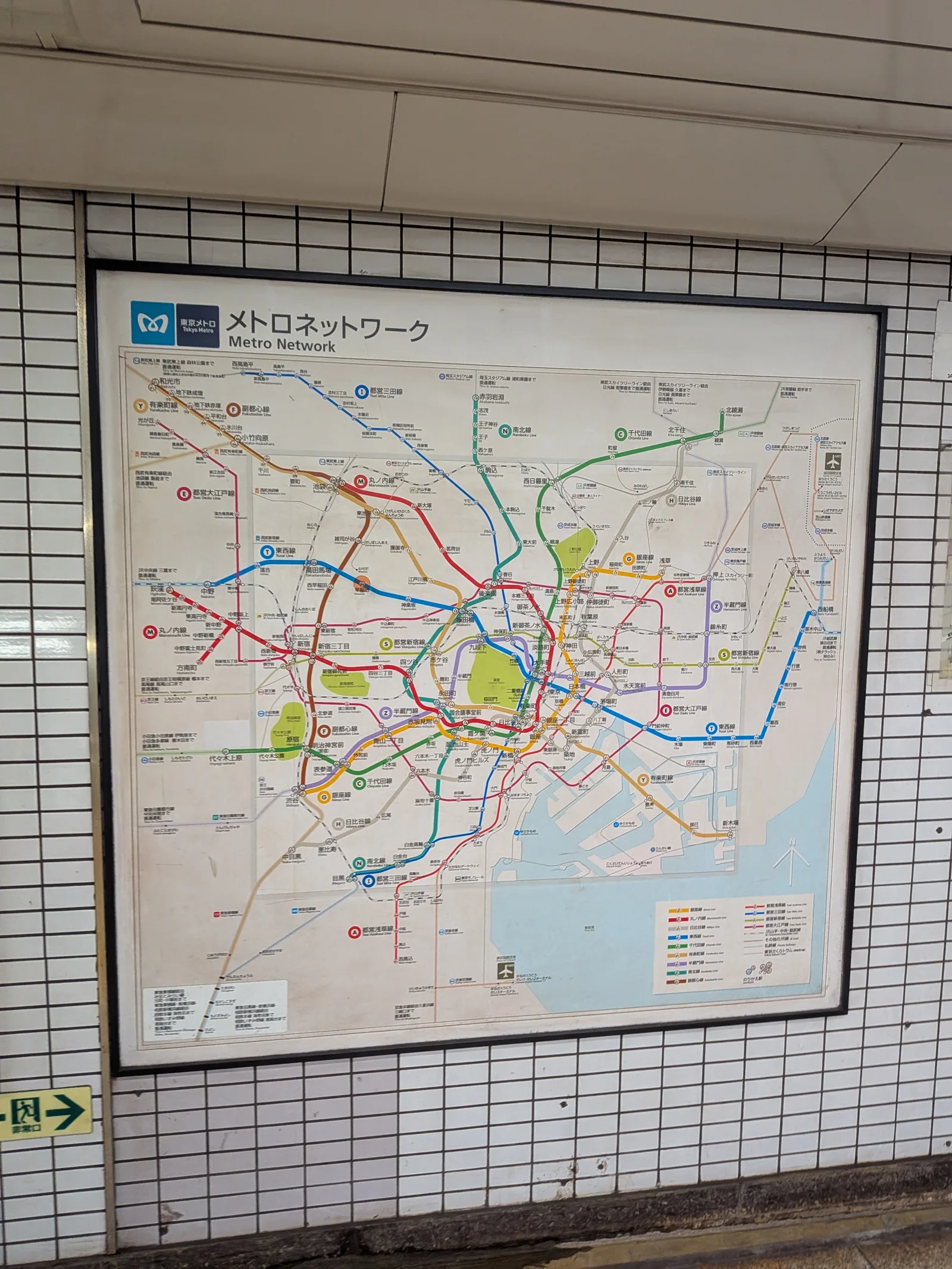
On the way home I ran for a train with other people as the doors were closing, without checking where it was going. Of course it was going the wrong way. I got off at the next station and came back, then nearly made another mistake by boarding a train with the wrong destination from the correct platform. This time I waited and checked. I reached the hotel around 11 PM, perhaps half an hour later than I otherwise would have. A bit annoying, but not a big deal.
Friday 30 October: Books, sushi and a very busy station
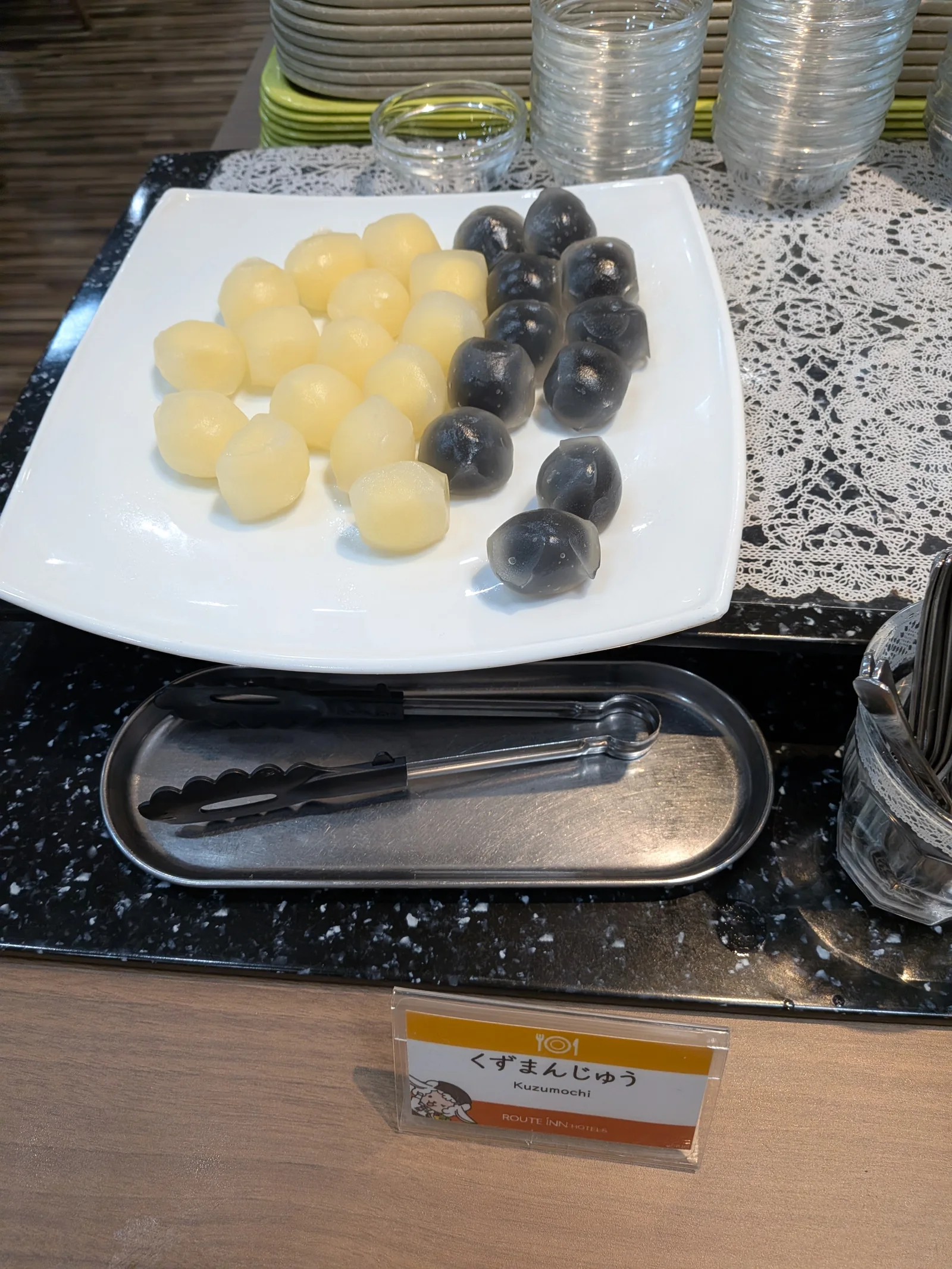
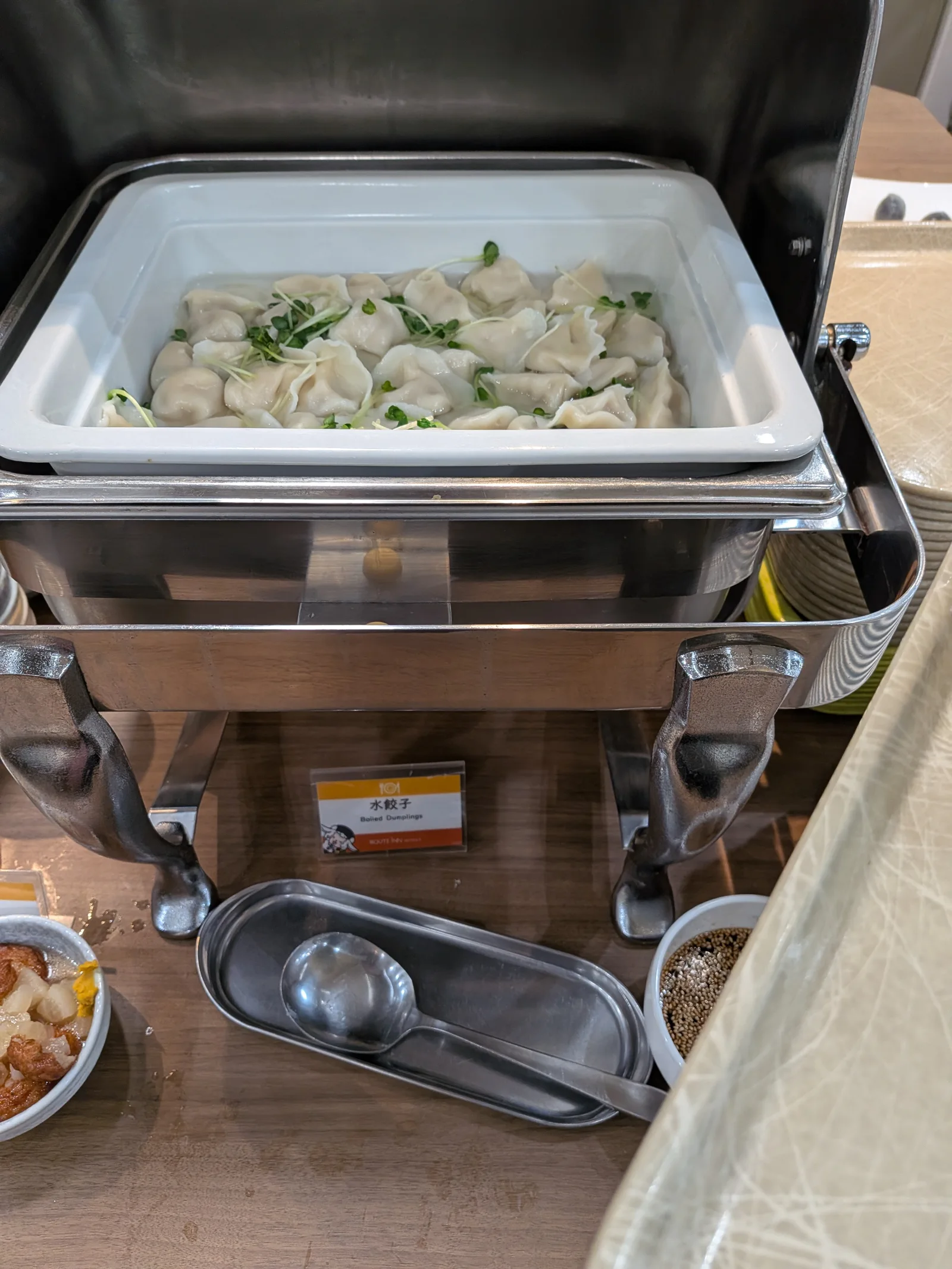
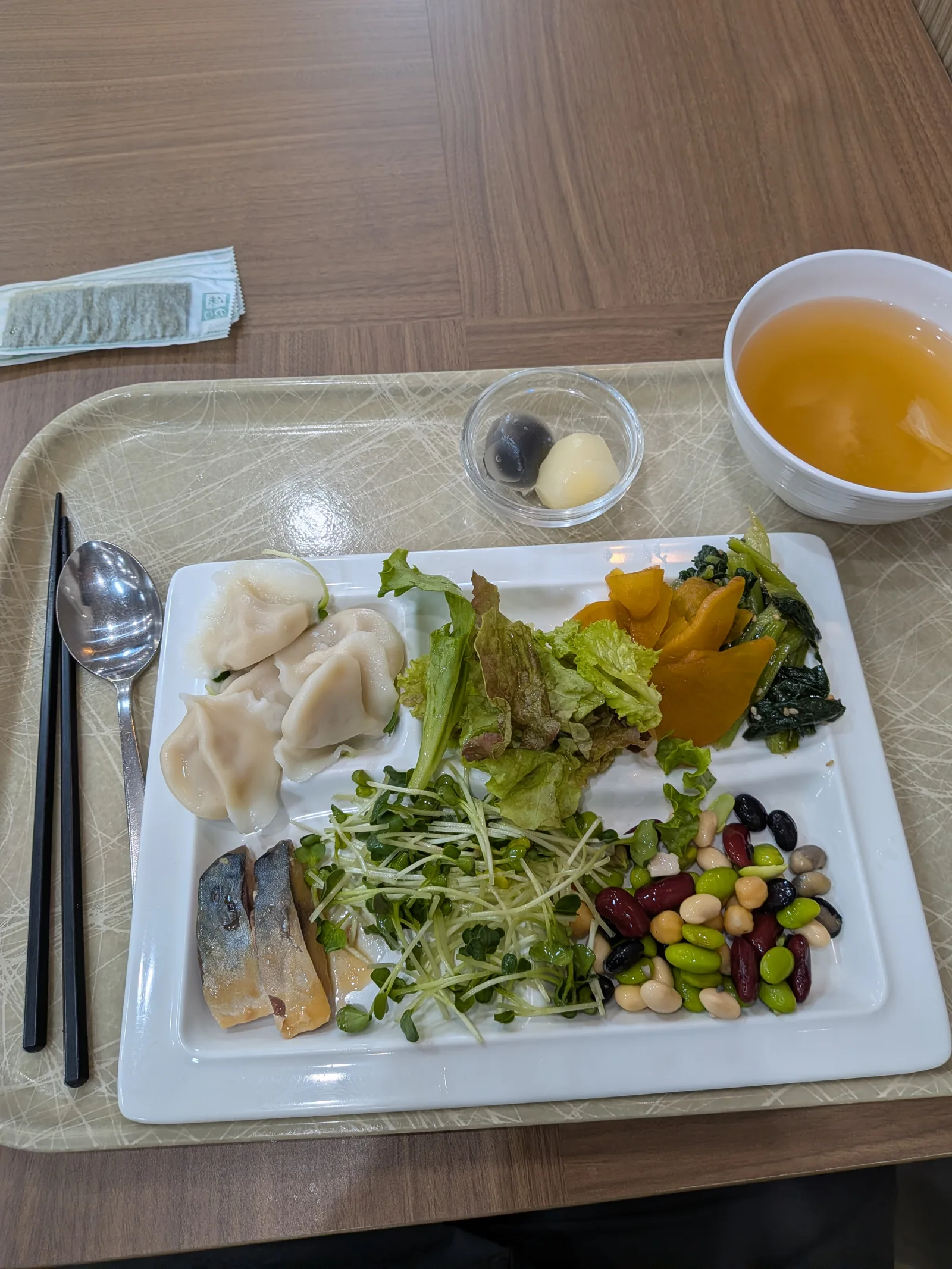
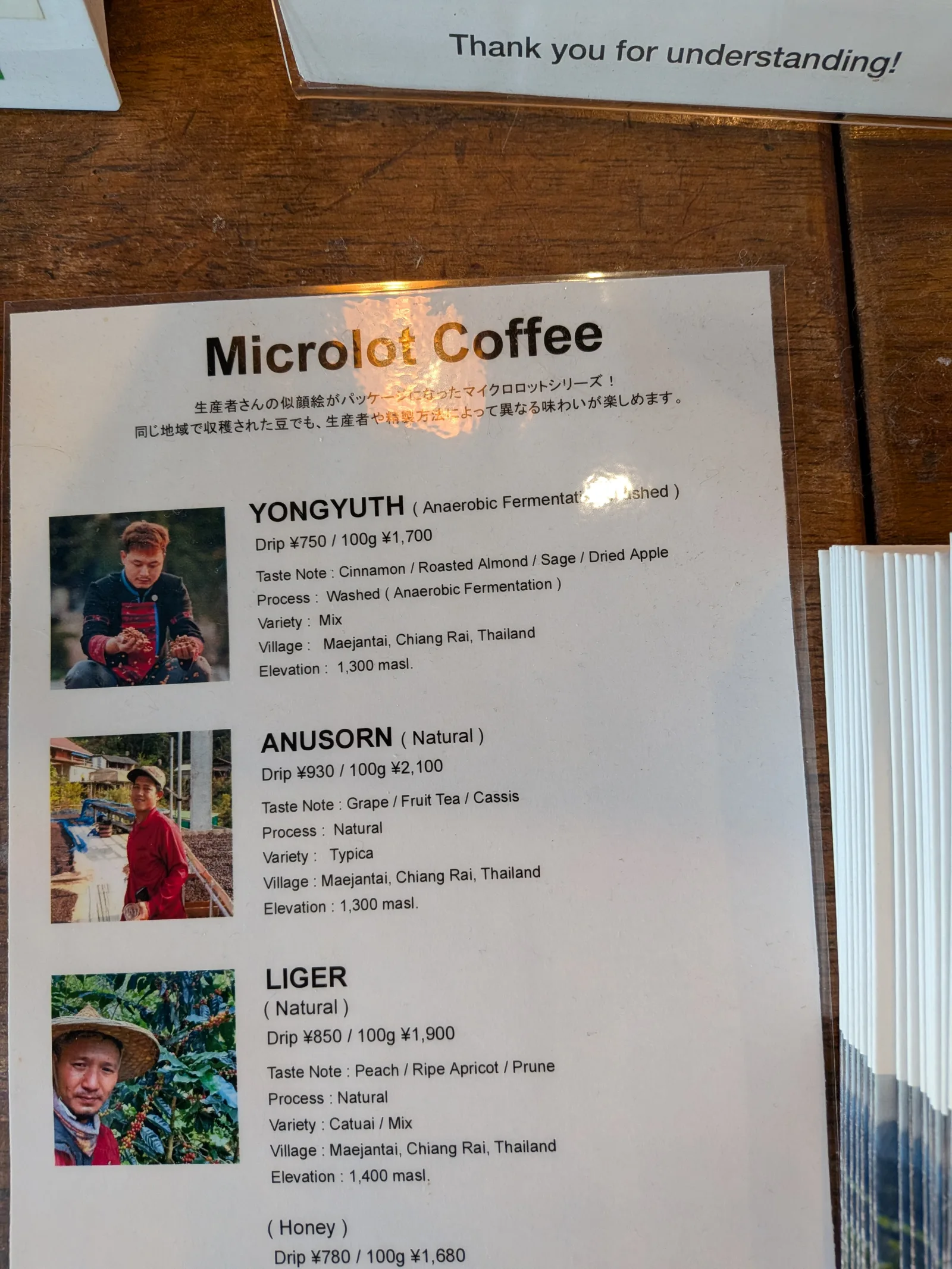
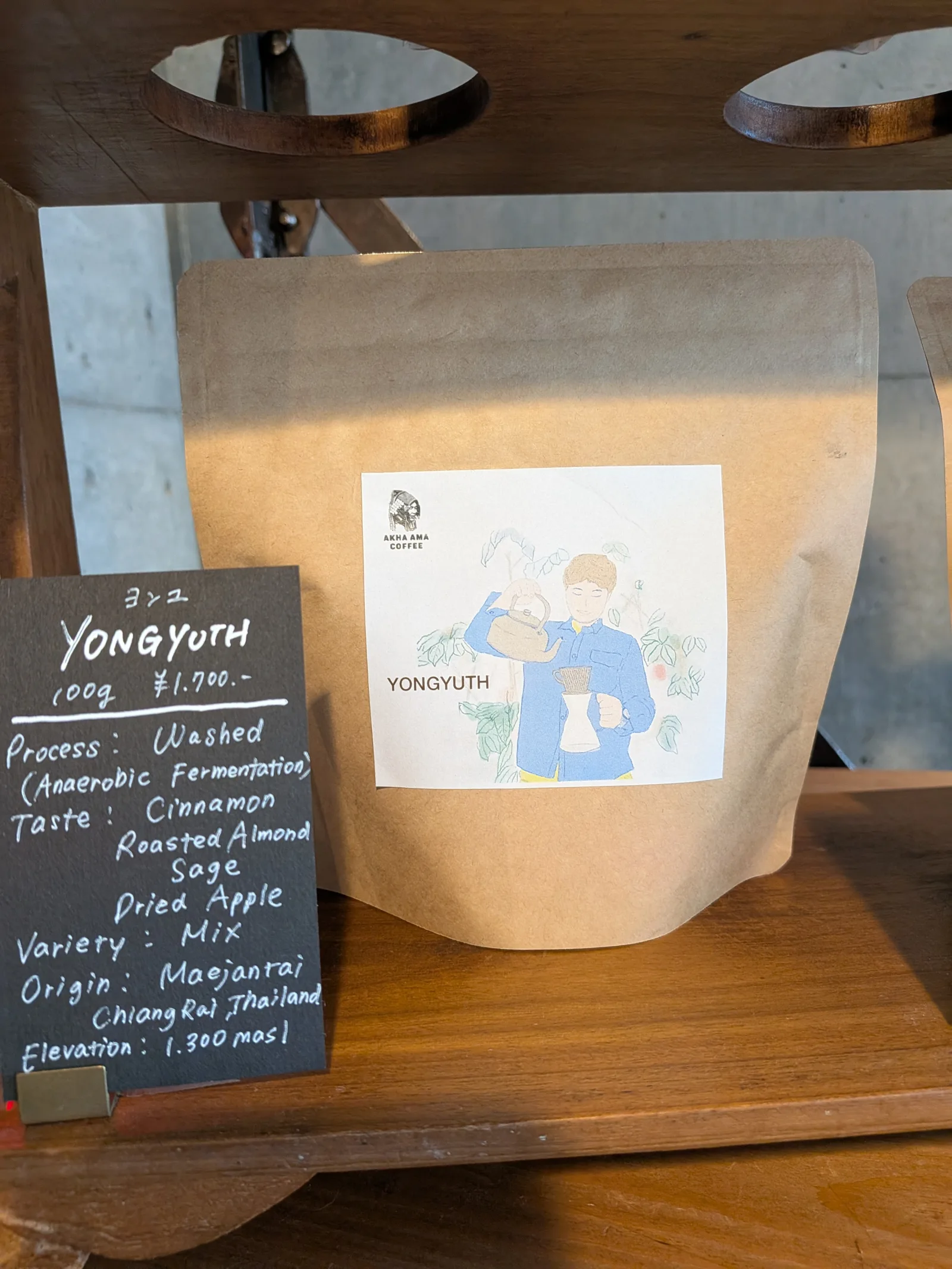
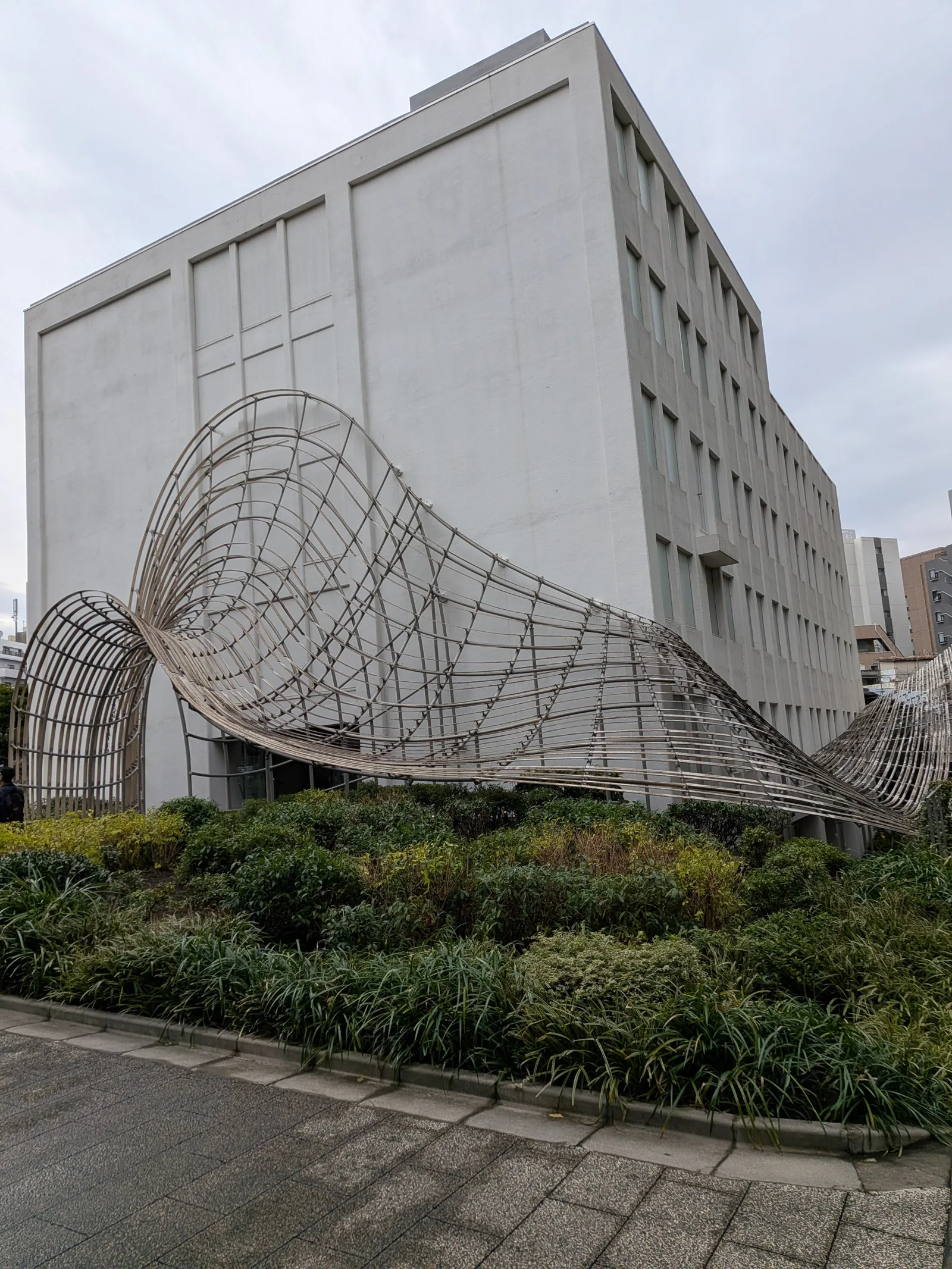
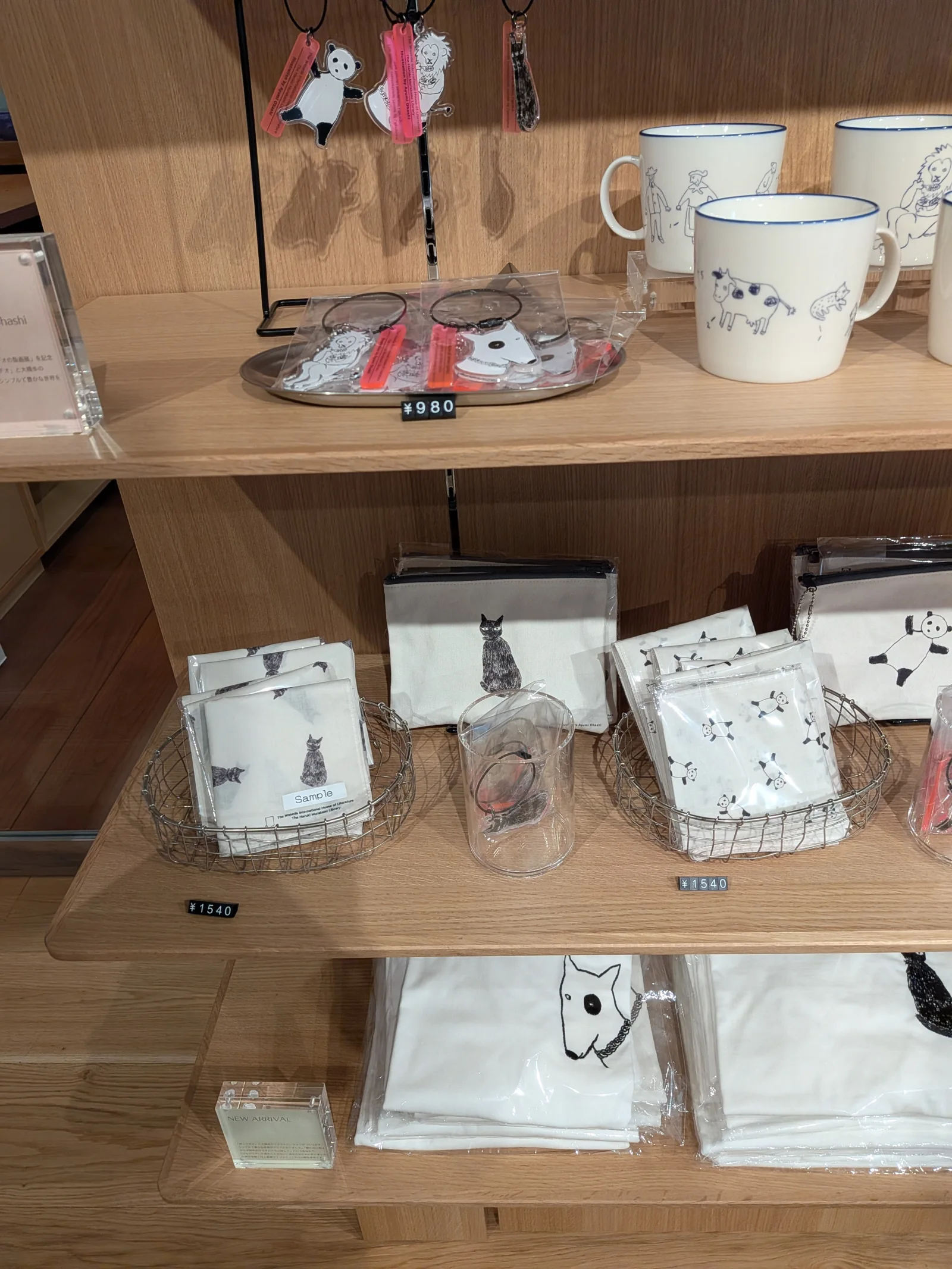
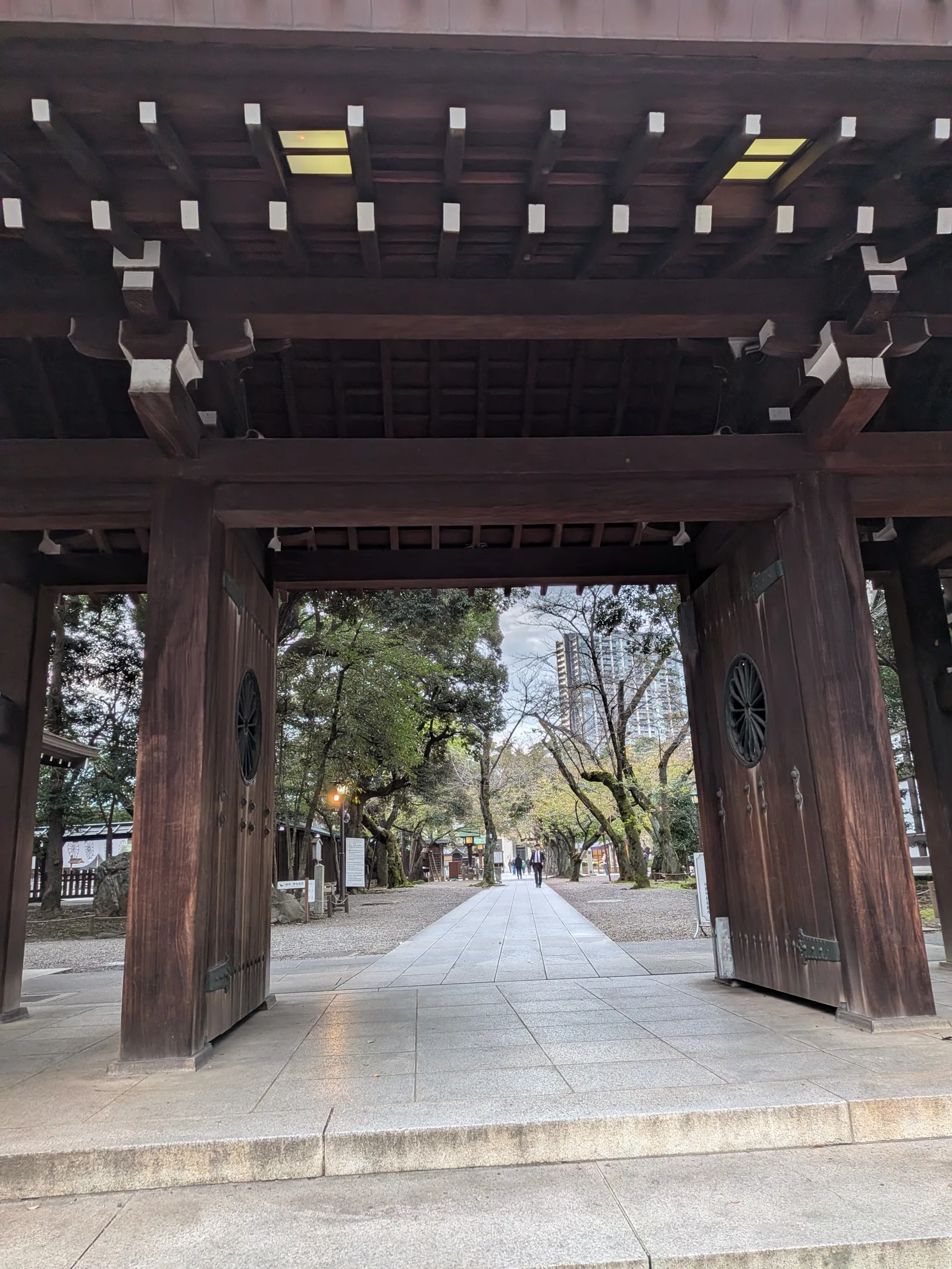
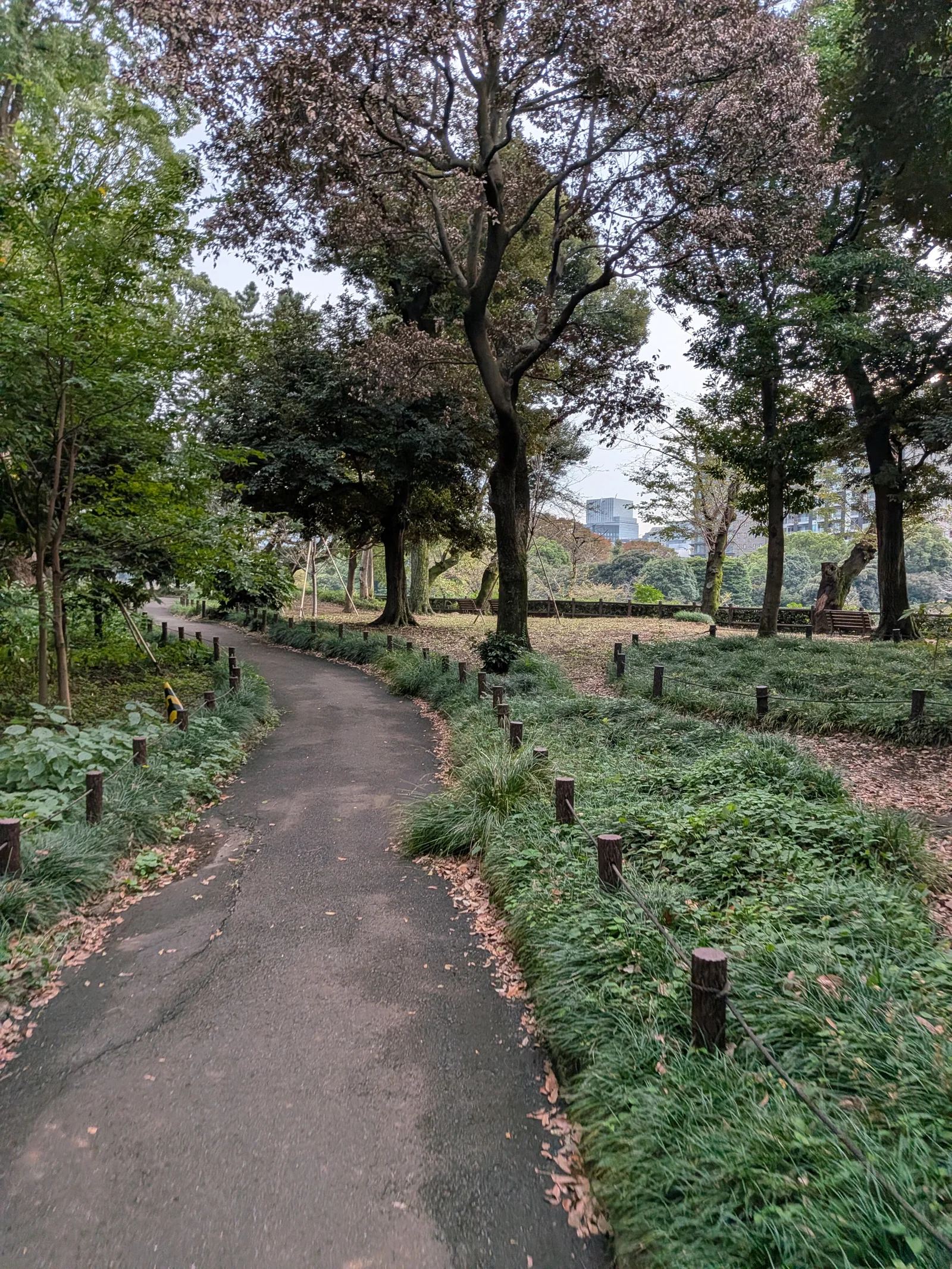
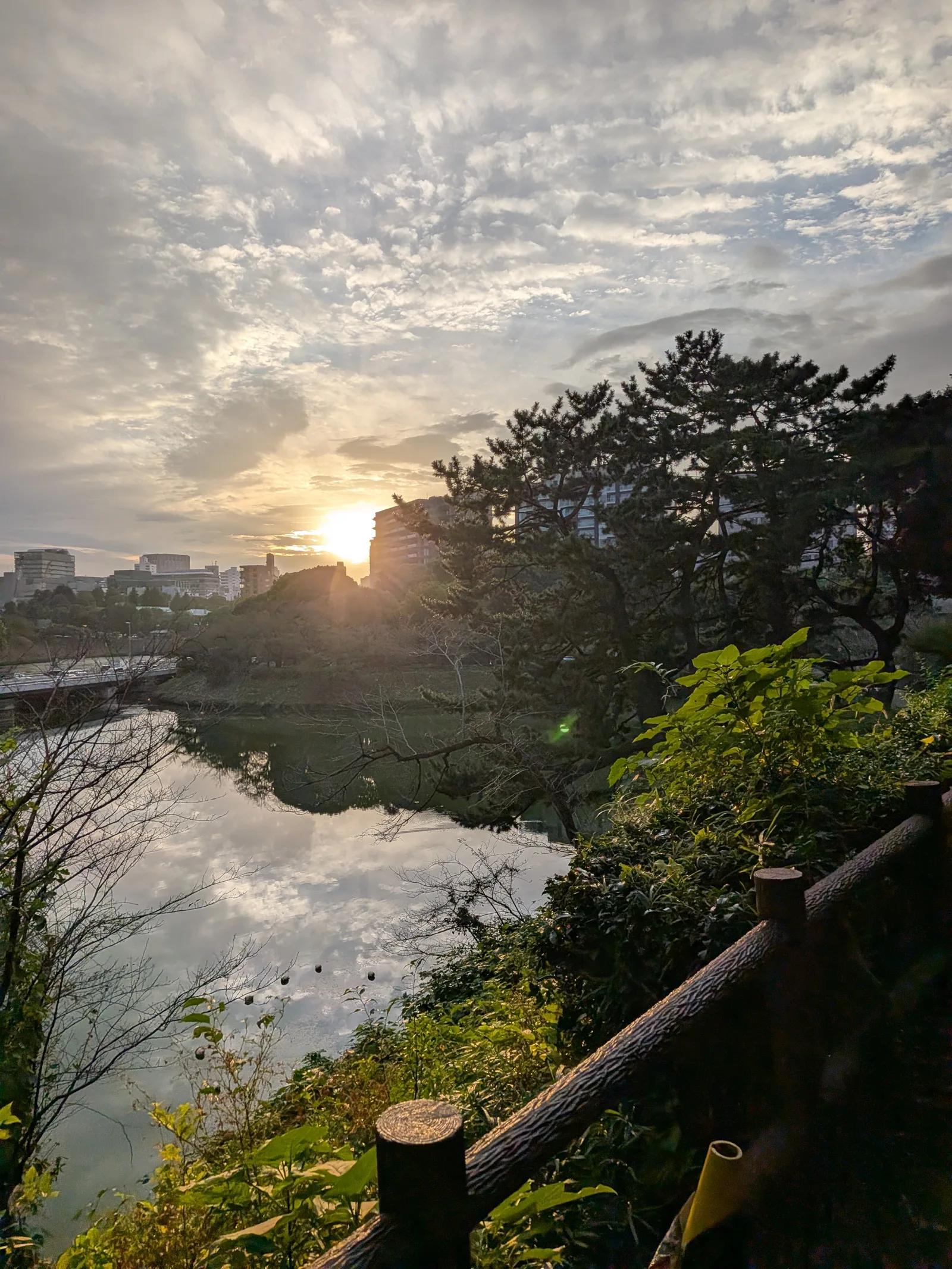
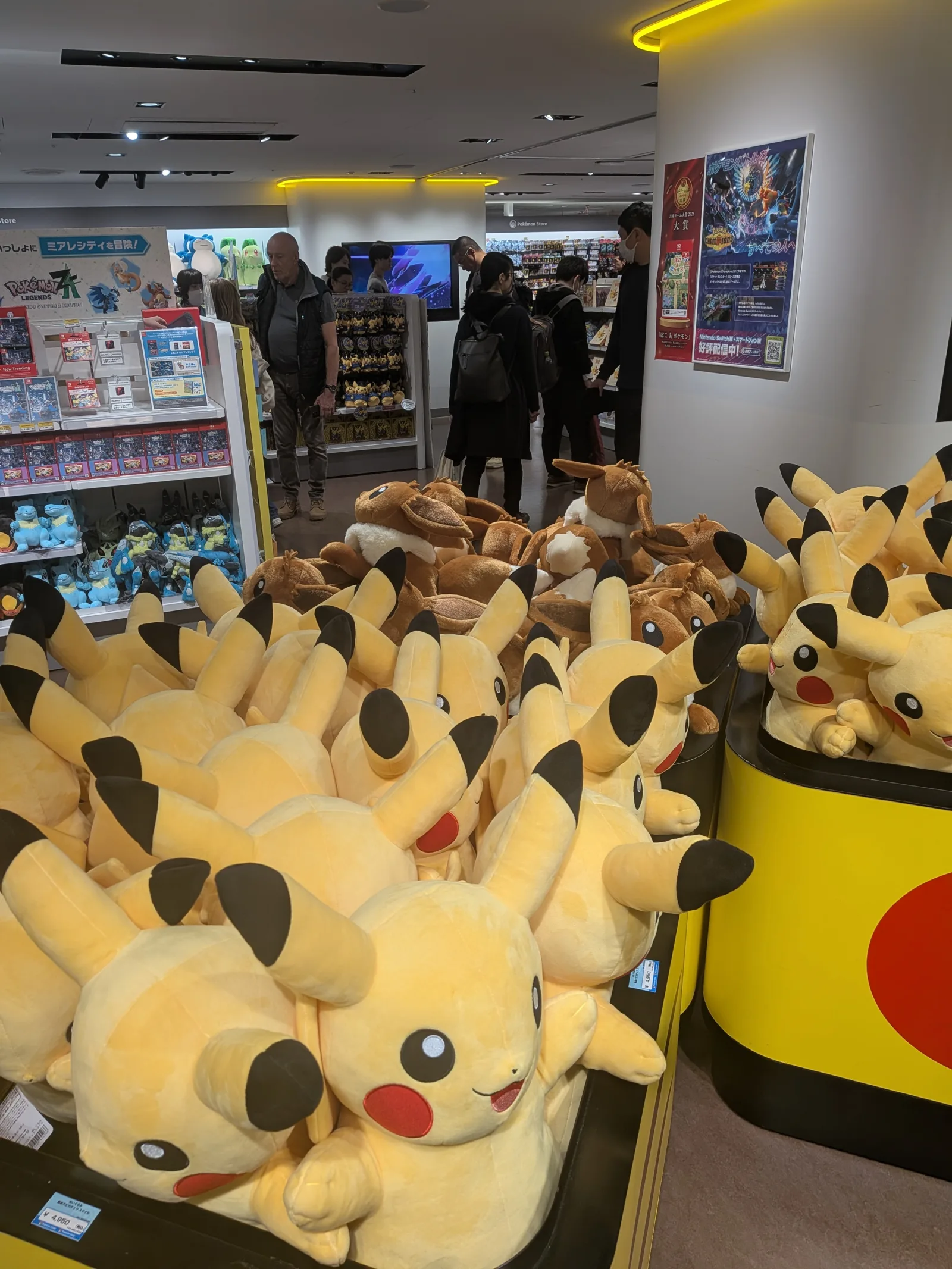
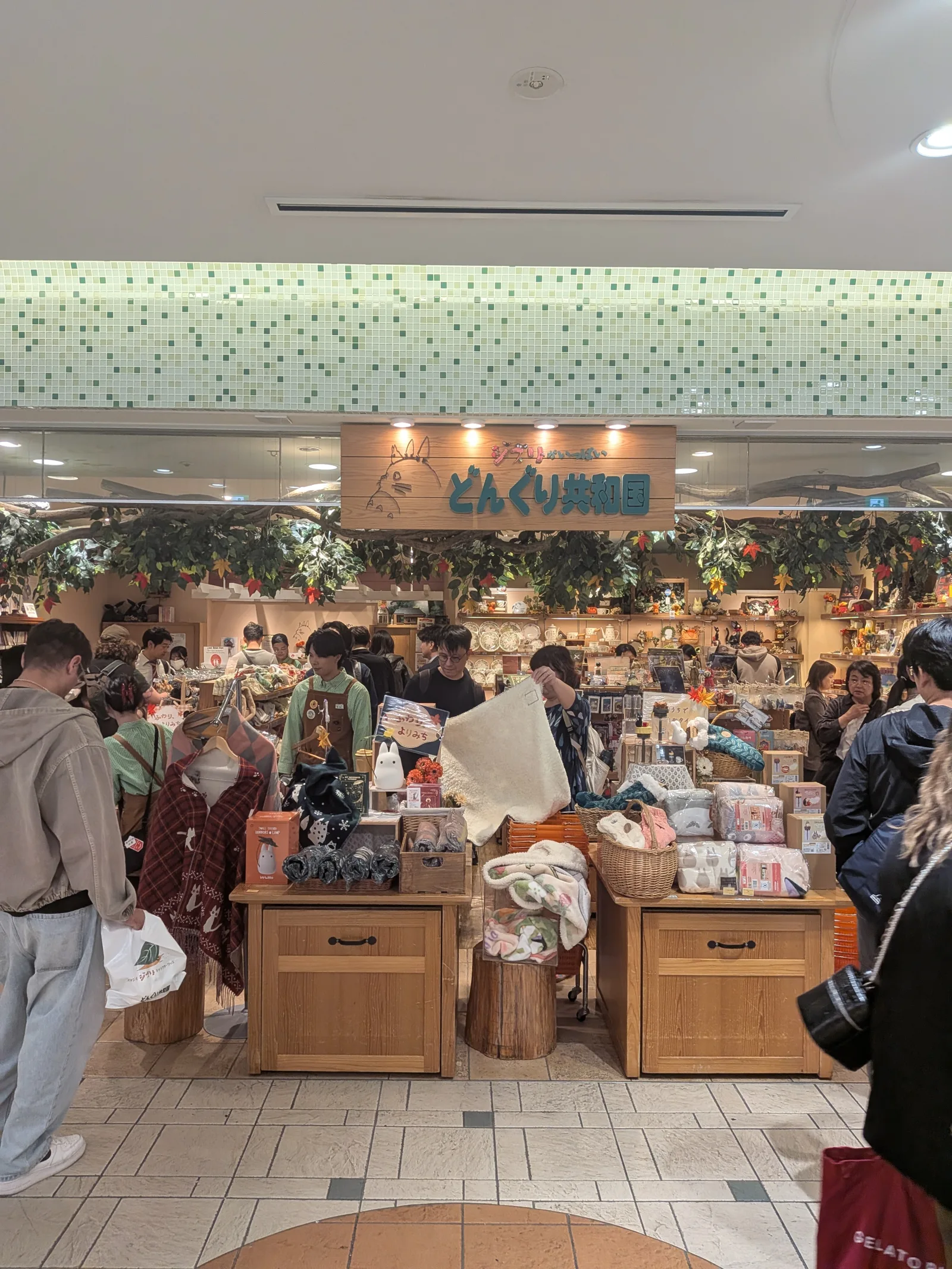
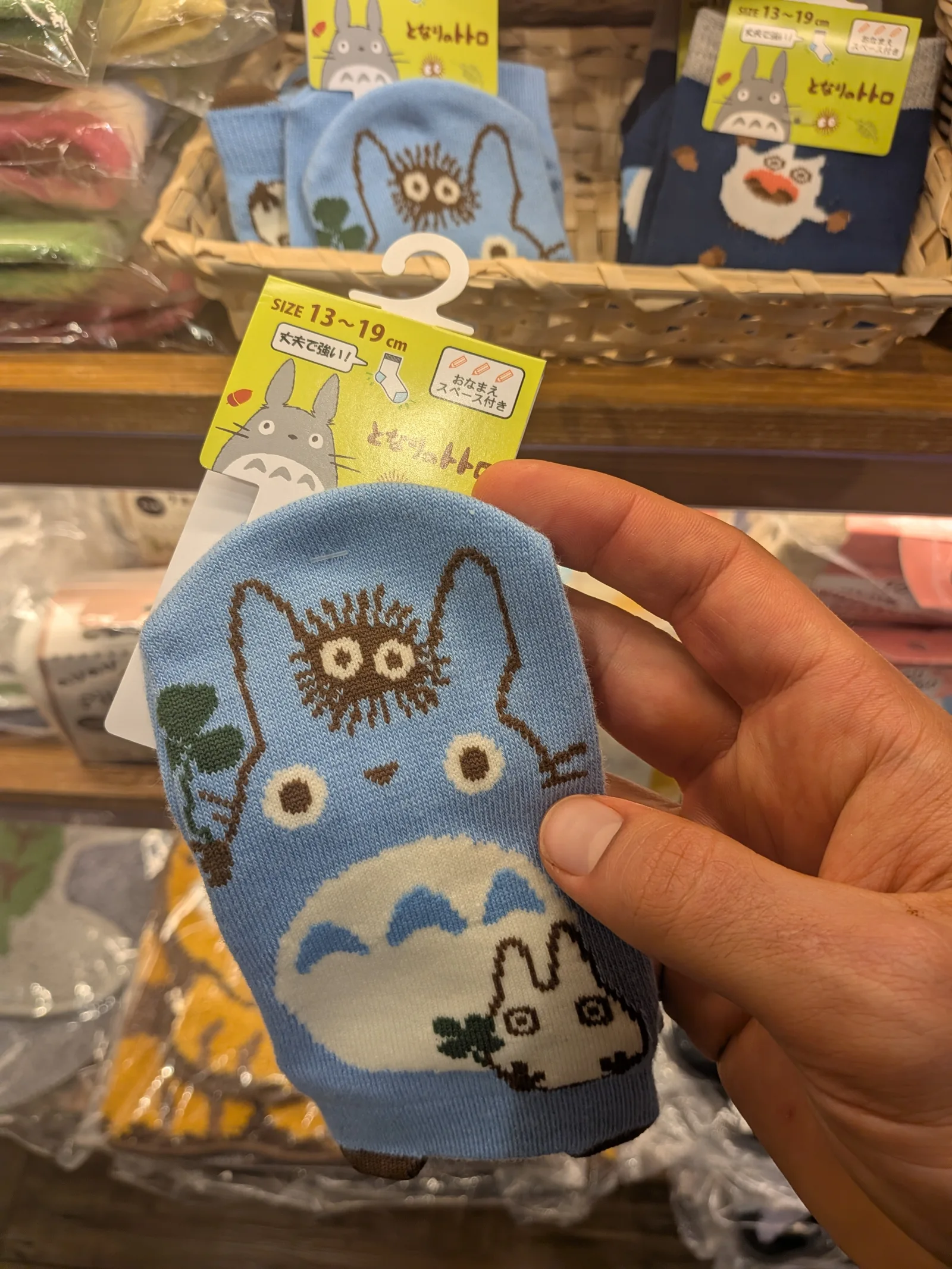
Having fallen asleep around 11 PM, I woke at about 1 AM and struggled to get back to sleep until around 5 AM. I felt tired in the morning. At breakfast I seemed to be one of relatively few foreign guests, and I enjoyed kuzu mochi in chocolate and cheese flavours.
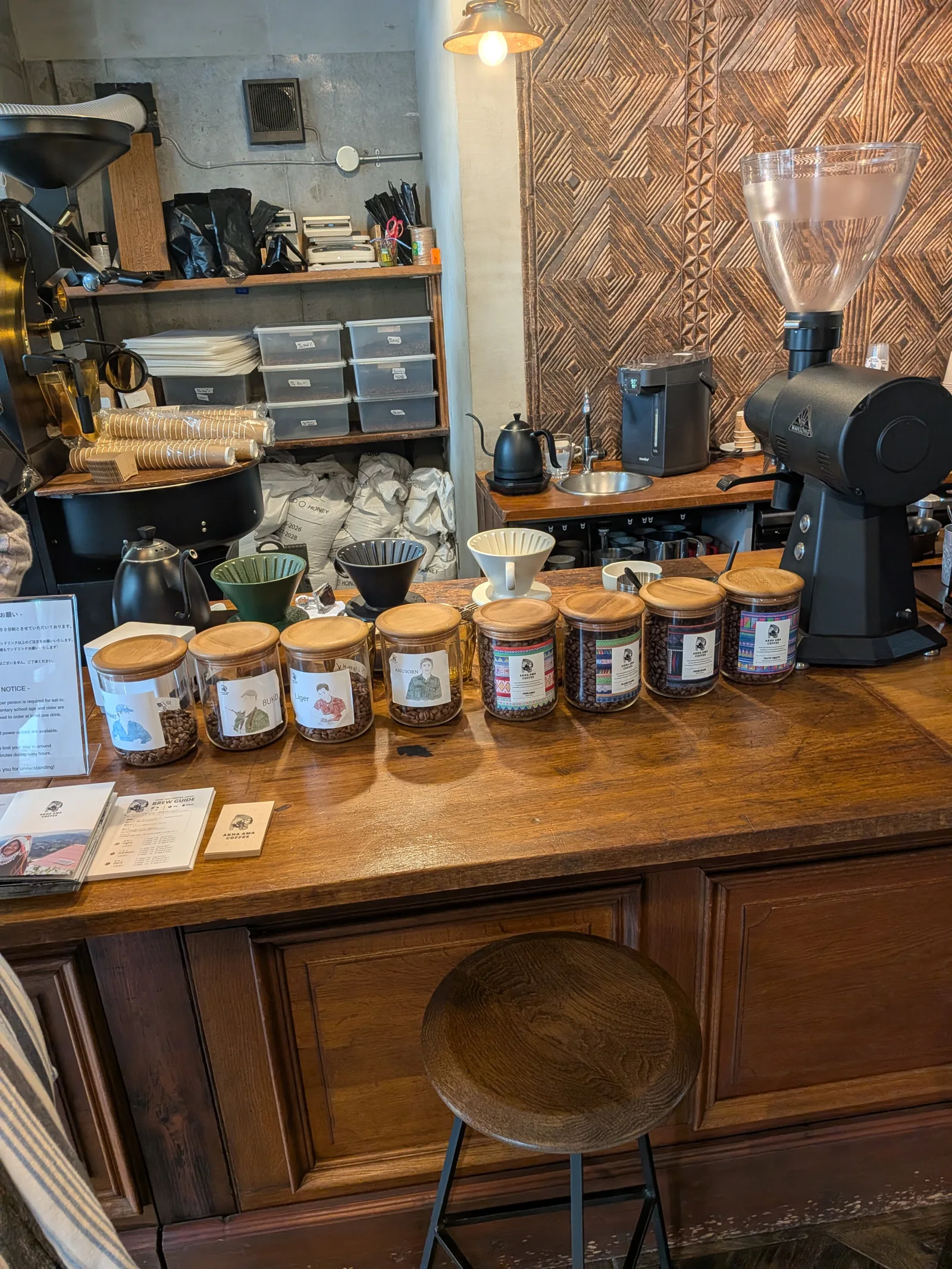
I made my way to Waseda and found AKHA AMA COFFEE ROASTERY on the way to the university. It stocked beans only from northern Thailand, and I stopped for a coffee.
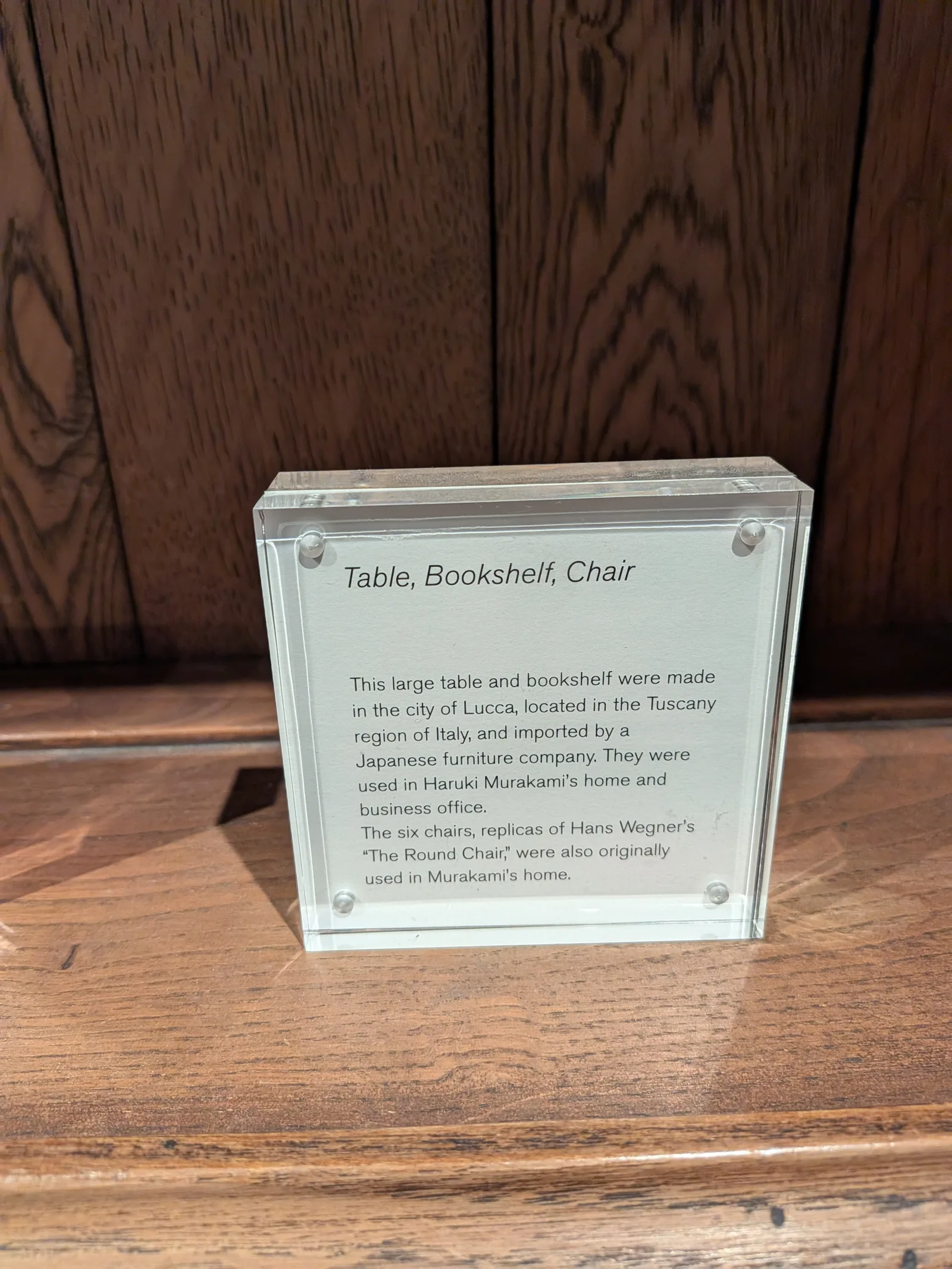
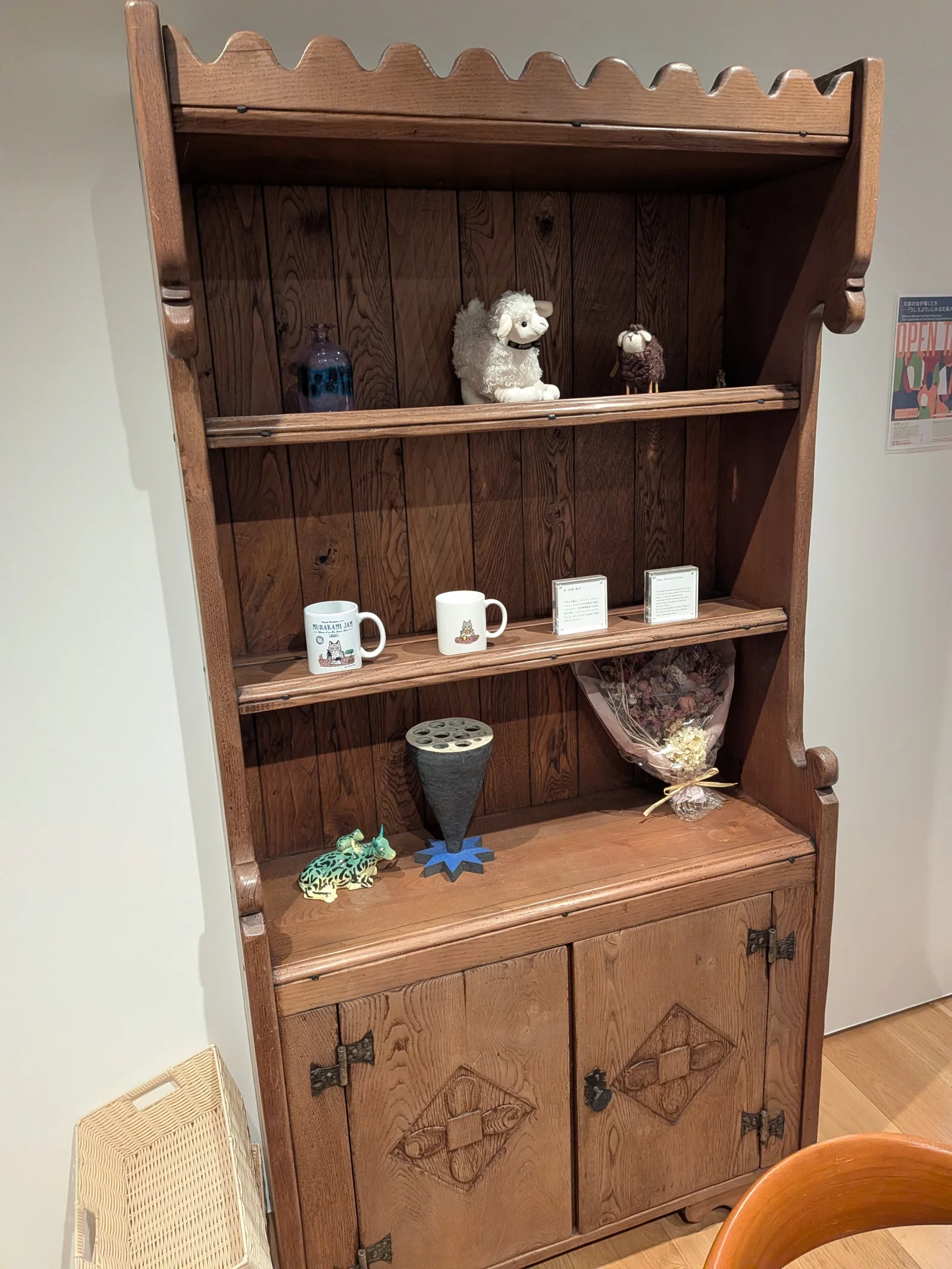
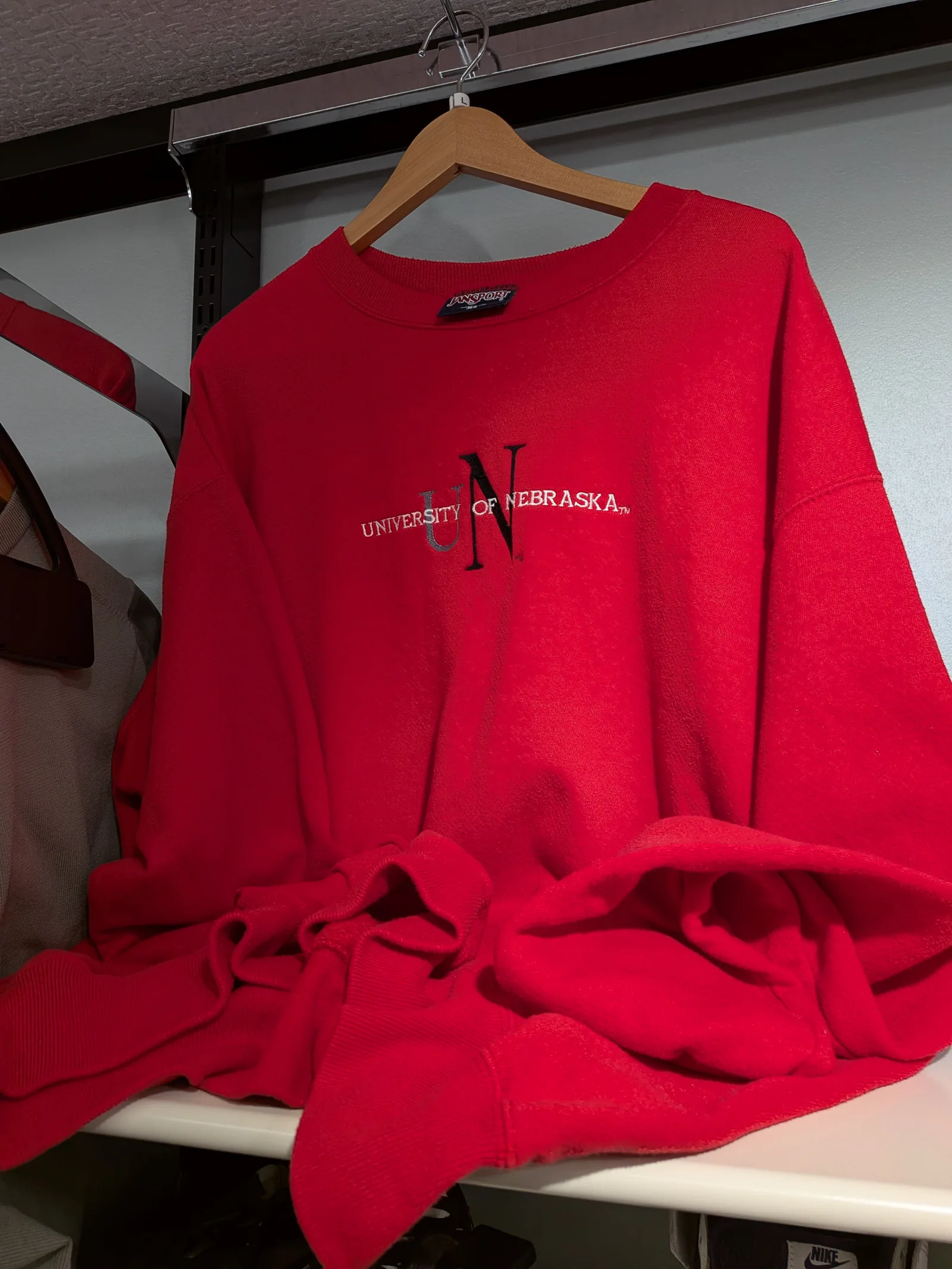
I visited the Haruki Murakami Library at Waseda first. I loved its intimate, study-like atmosphere, with cabinets, books, jazz playing and a record in the study. It felt like a low-key way of recognising a writer, without being over the top. After the library I also went looking for a graphic T-shirt at TreFacStyle Waseda. There was plenty of autumn and winter clothing, but not much of what I wanted.
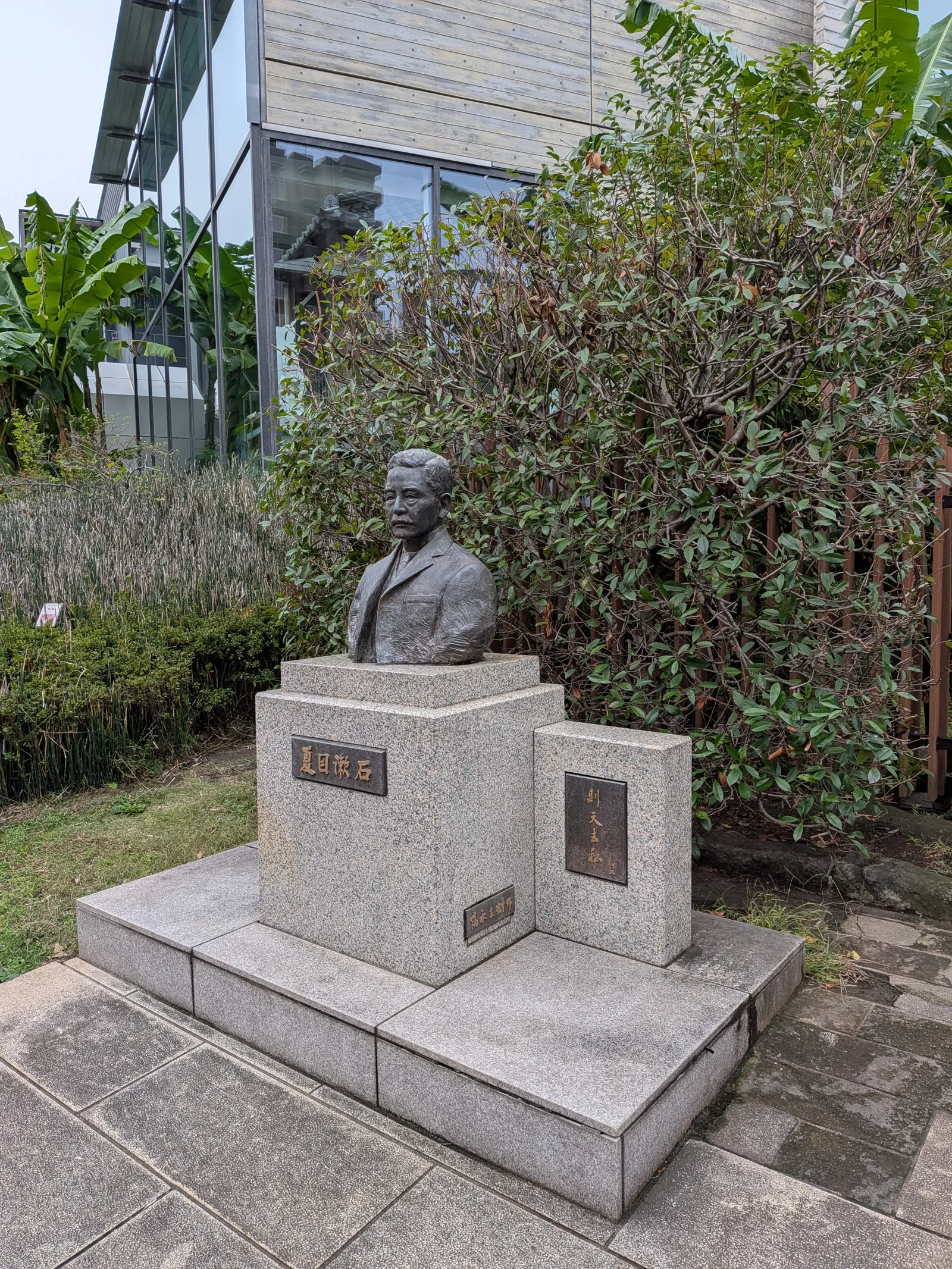
The Natsume Sōseki Memorial Museum was the second literary stop, following Katia's recommendation. Much of the exhibition was in Japanese, so I used ChatGPT to learn about Sōseki's life and the controversies. I had started reading Kokoro and enjoyed learning how events in his life connected with the novel. I also learned that it is read in Japanese schools.
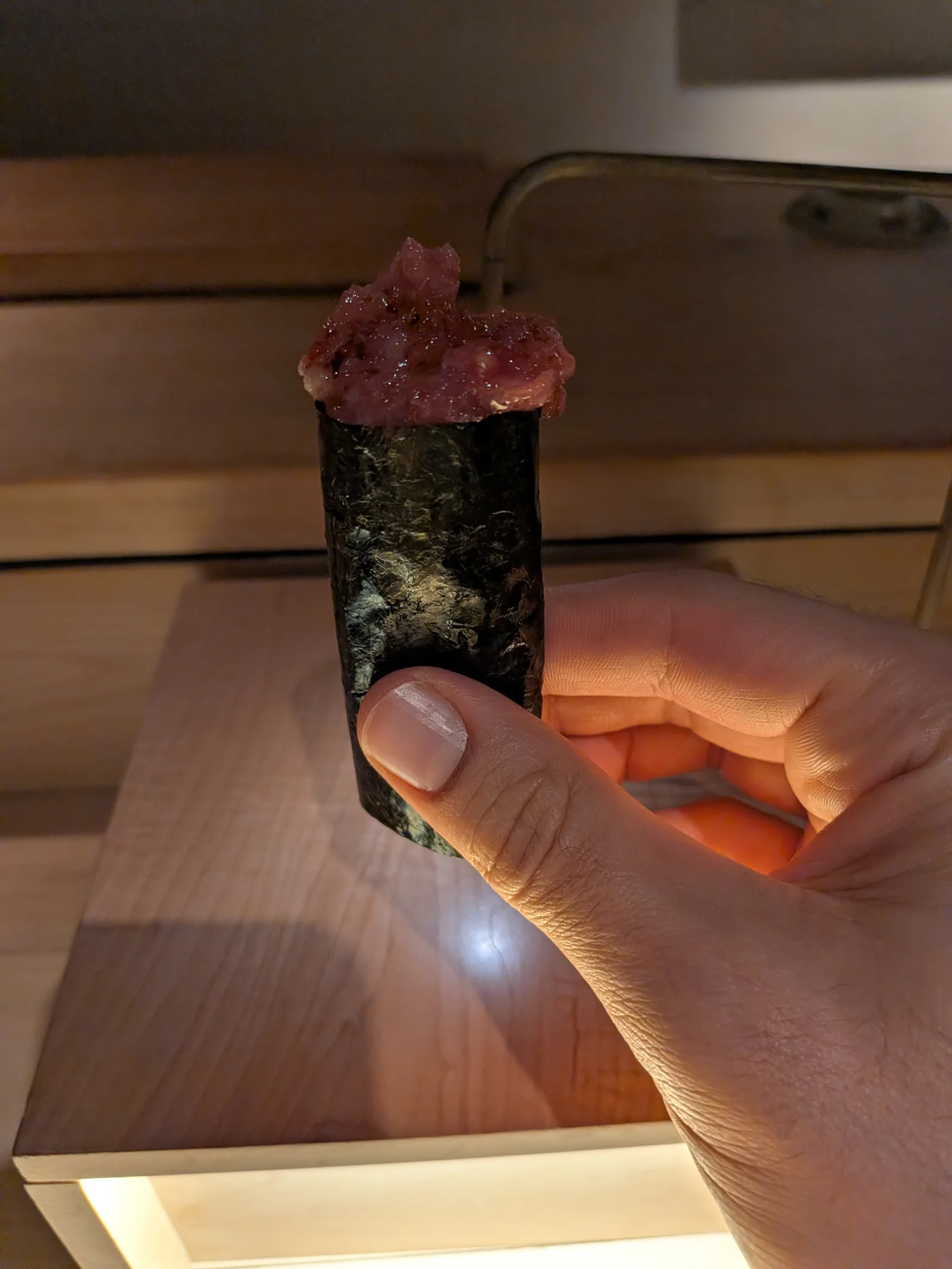
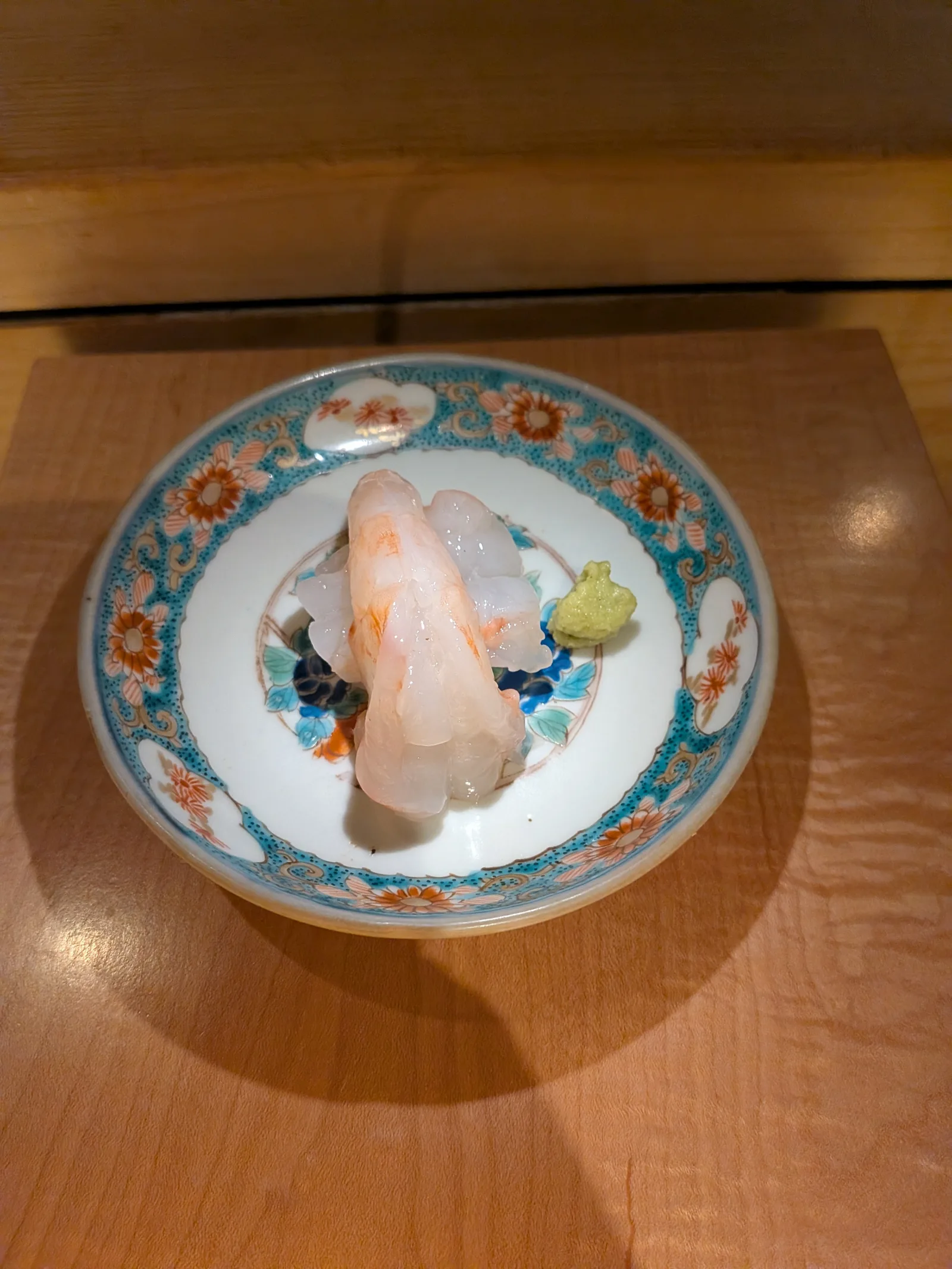
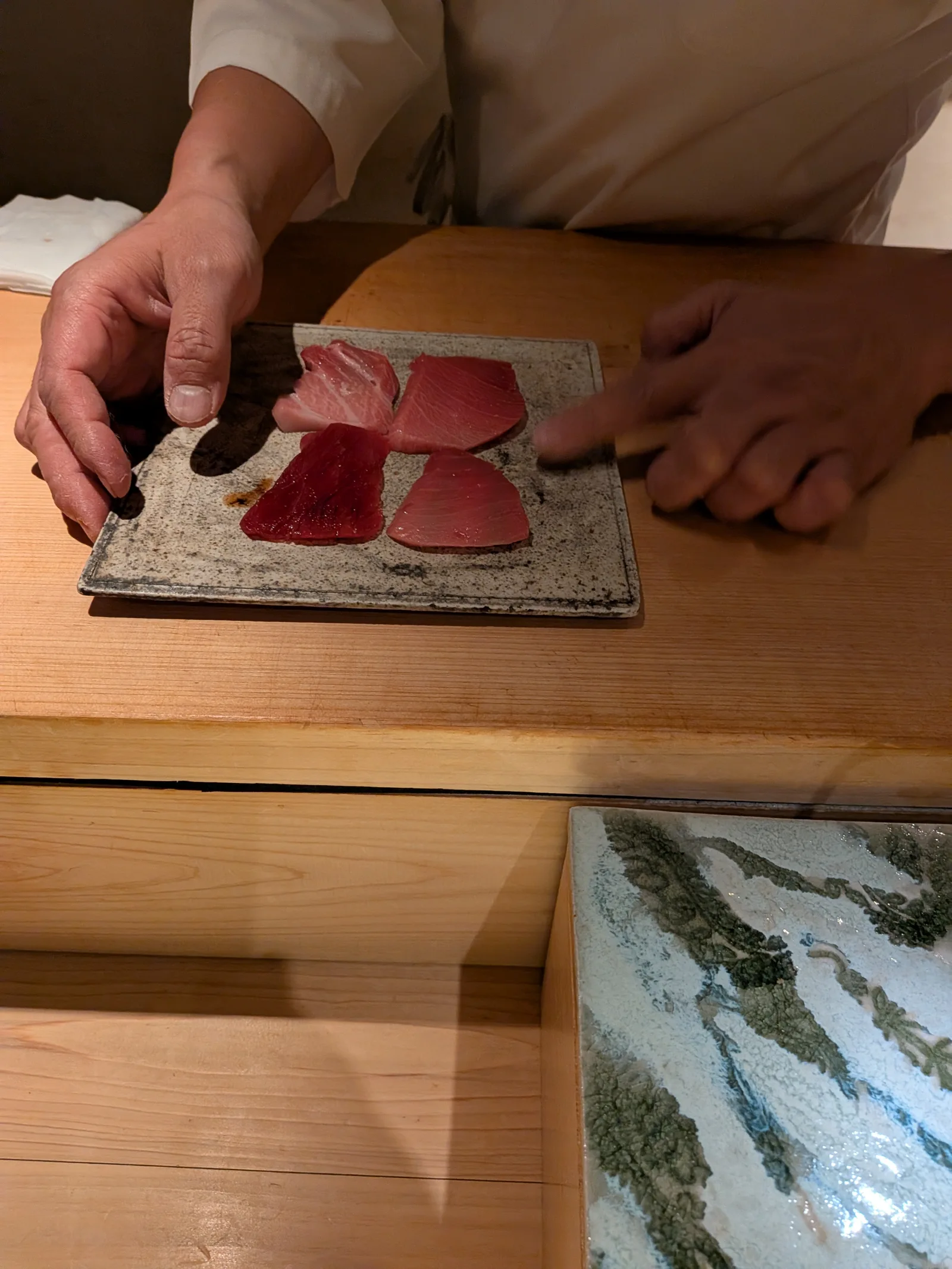
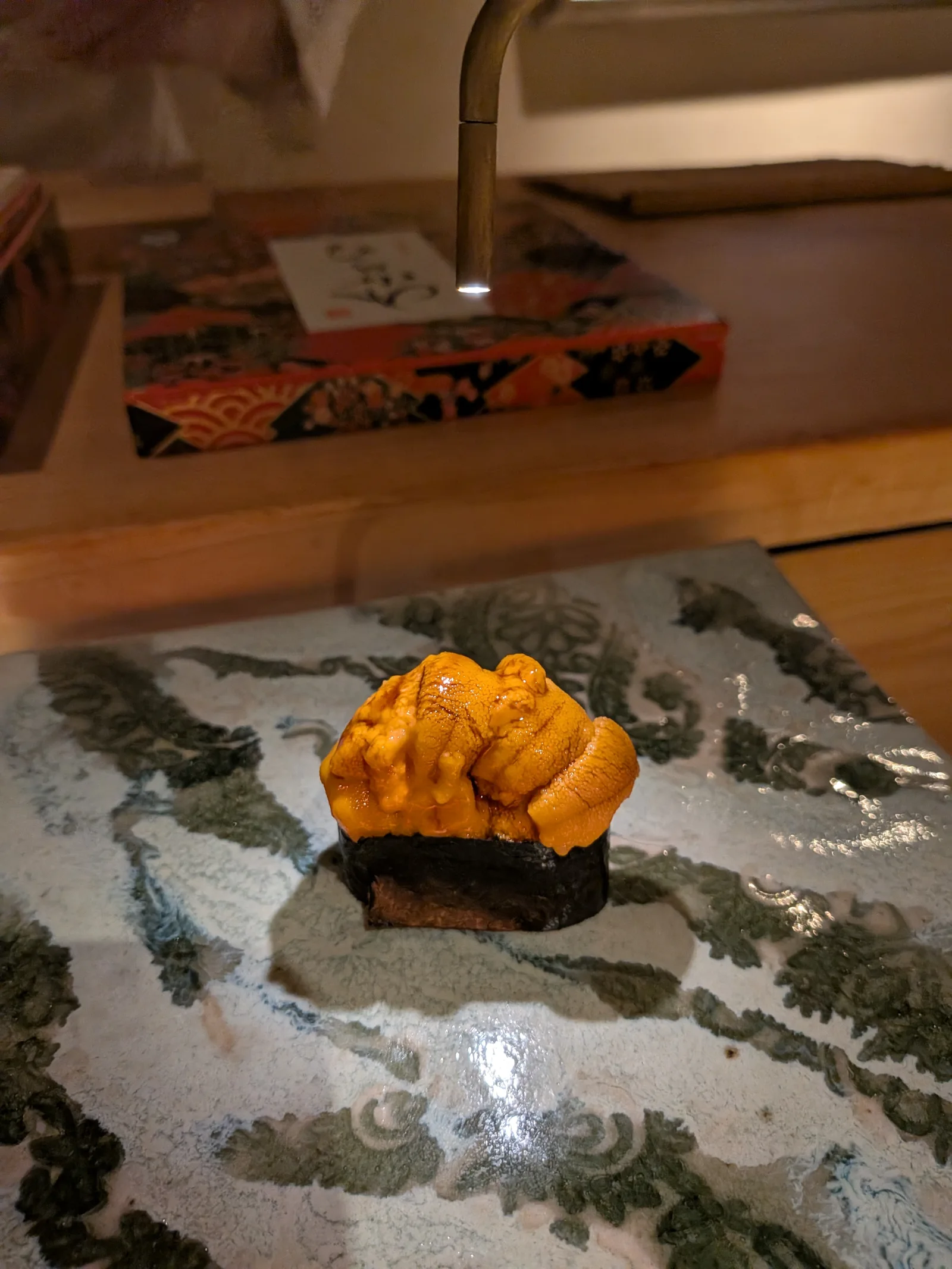
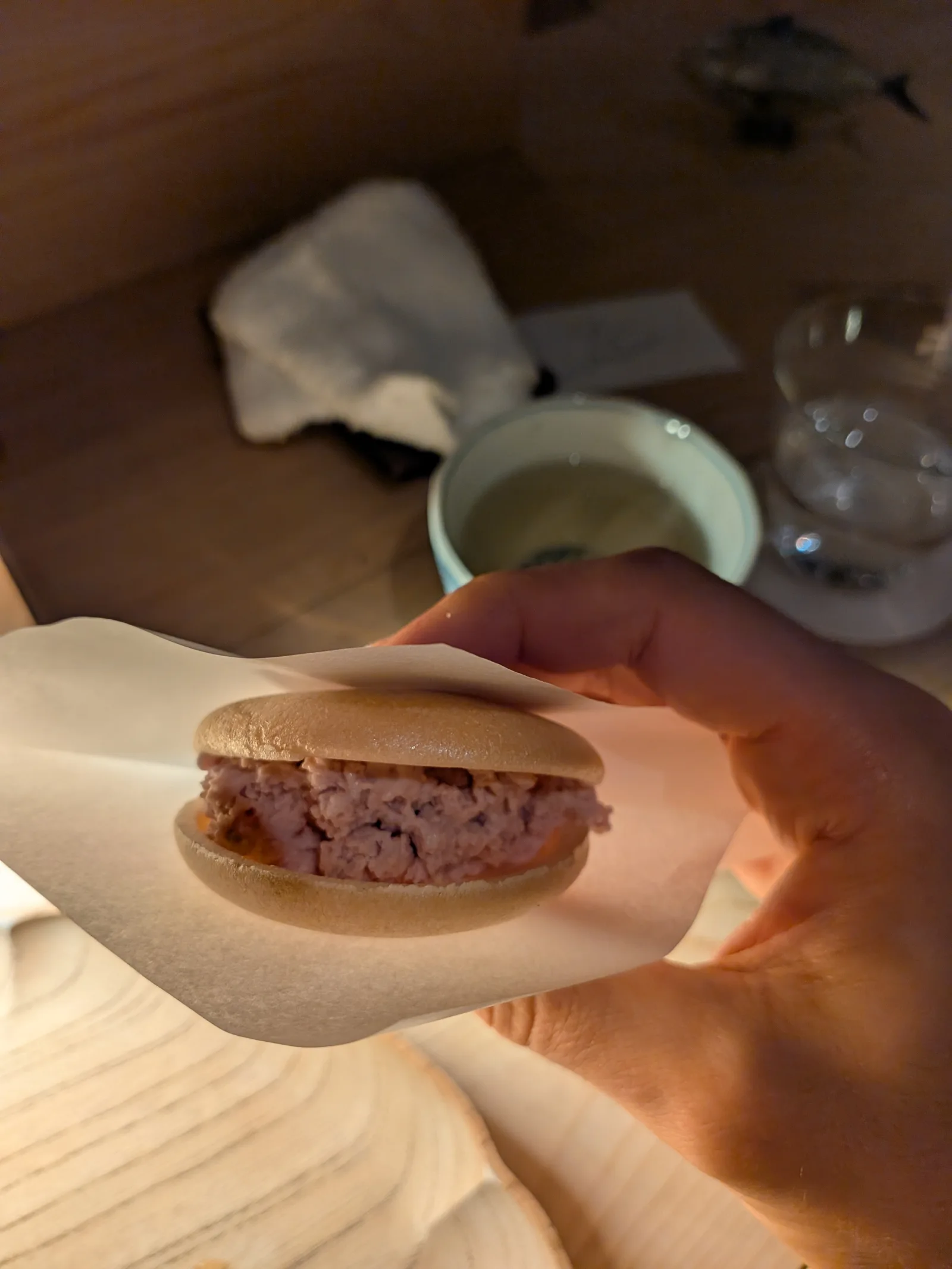
Lunch at Sushi FUKUZUKA was phenomenal. There were around six seats at the counter, but I was the only diner. I could watch the chef prepare everything directly in front of me. He freshly grated the wasabi, cut the fish with incredible precision and had a very precise technique for shaping each piece of sushi onto the rice. Everything was so exact and almost mechanical; you could tell he had been doing this for a very long time. He knew exactly where each fish on the menu had come from and which market it had been bought from. The dishes came at quite a pace, accompanied by excellent explanations. Comparing the different cuts of tuna was a particular highlight. I especially liked the tuna hand roll, the sea urchin and an amazing prawn. The explanations made it an educational lunch as well as a delicious one. Dessert was a really flavourful raspberry sorbet in a crunchy monaka wafer shell. This was a peak dining experience, and I’ll definitely take Sarah back here one day.
I had tried unsuccessfully to get tickets for the Ghibli Museum, so I decided to visit Donguri Republic instead. After lunch I called Sarah and walked around before heading to Tokyo Station to find the Donguri Republic Ghibli shop. Finding it took ages. The station shopping complex was enormous, with shops on the main and basement levels, and it was incredibly busy around 5:30 PM on a Friday. The Ghibli shop itself was not huge, but it was packed with people and merchandise. I enjoyed seeing the enthusiasm for Ghibli, Pokémon and plenty of other franchises I did not recognise. I bought a little present, while trying to remember that I was supposed to be packing lightly.
I considered ramen and perhaps ice cream, but by then I was tired and had had enough of the crowds. Back in Asagaya, Kotarō was full. Tsukishima Monja Okoge Asagaya had a waiting list and tables with individual griddles, which did not seem especially convenient for one person. I was still fairly full from lunch anyway, so I had some snacks and went to bed around 9 PM.
Saturday 31 October: One more ramen, then Kawaguchiko
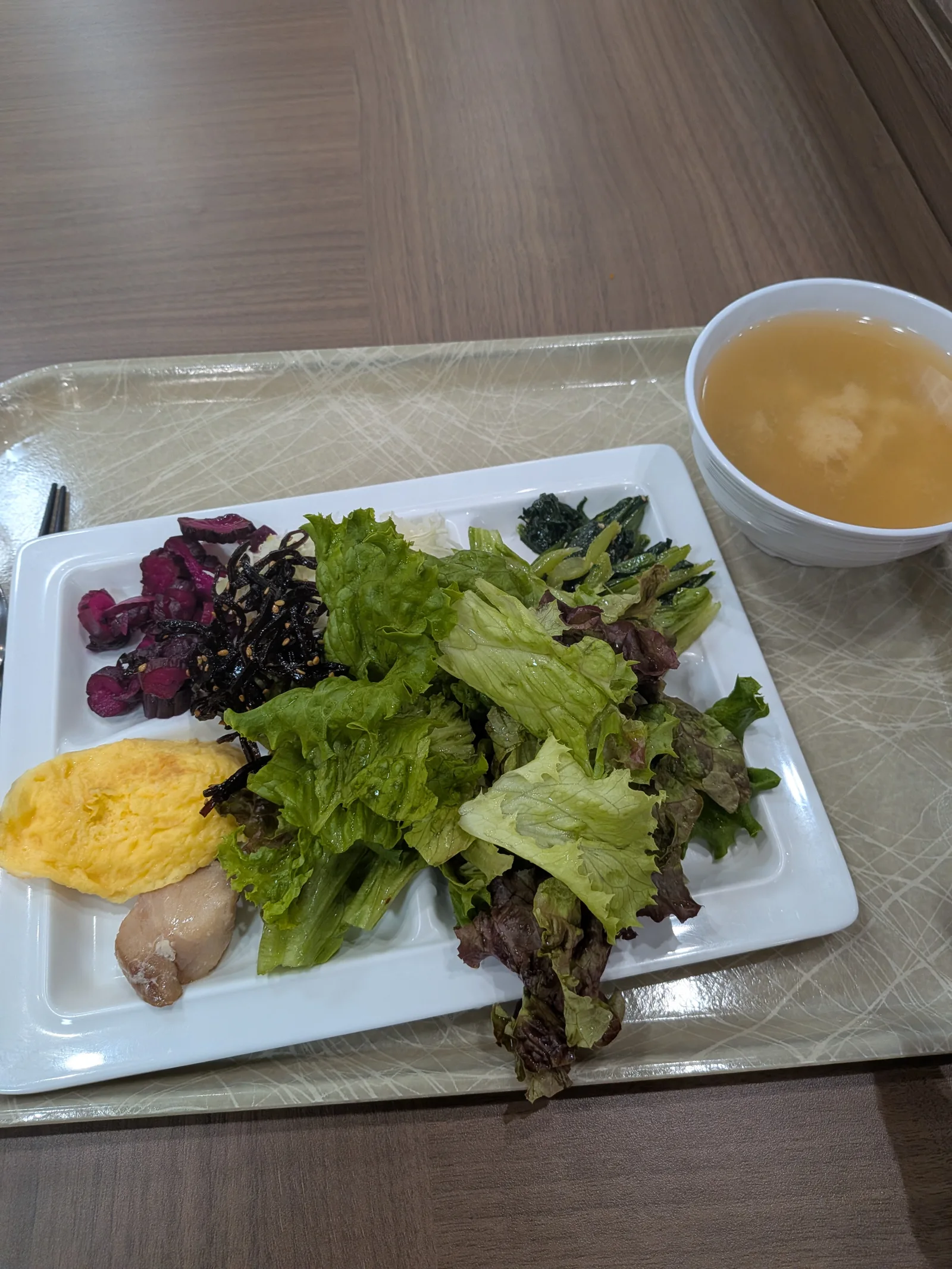
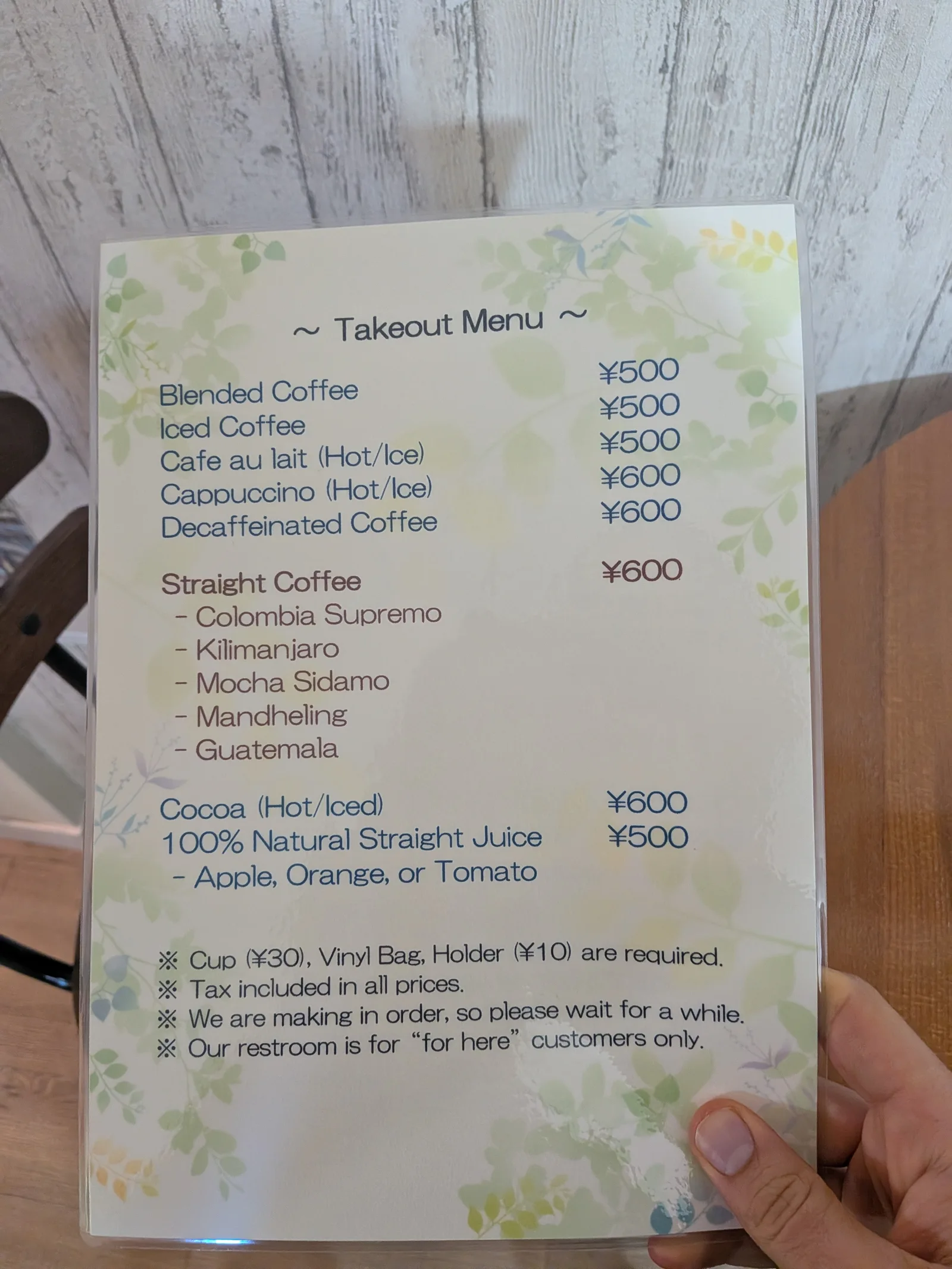
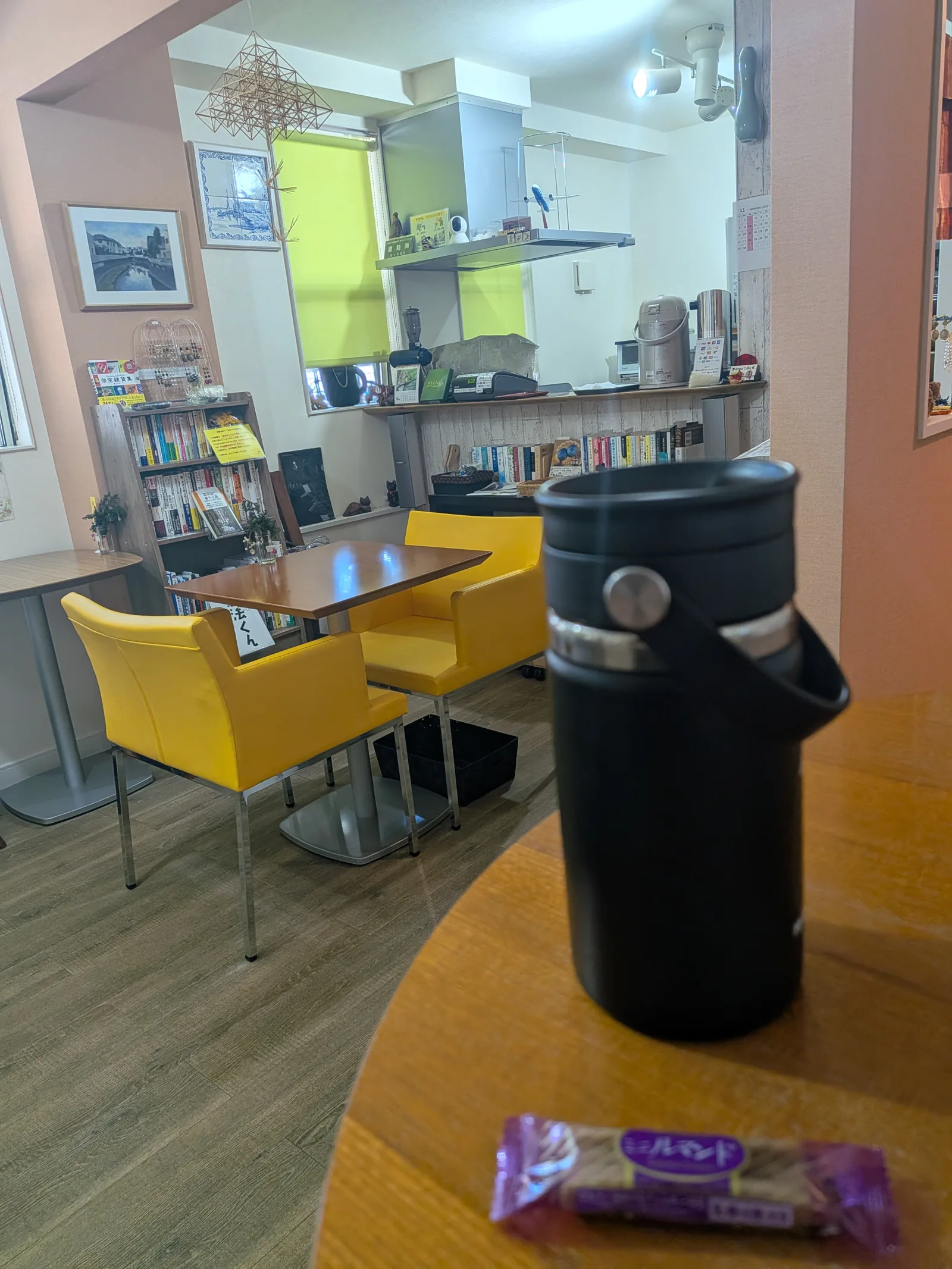
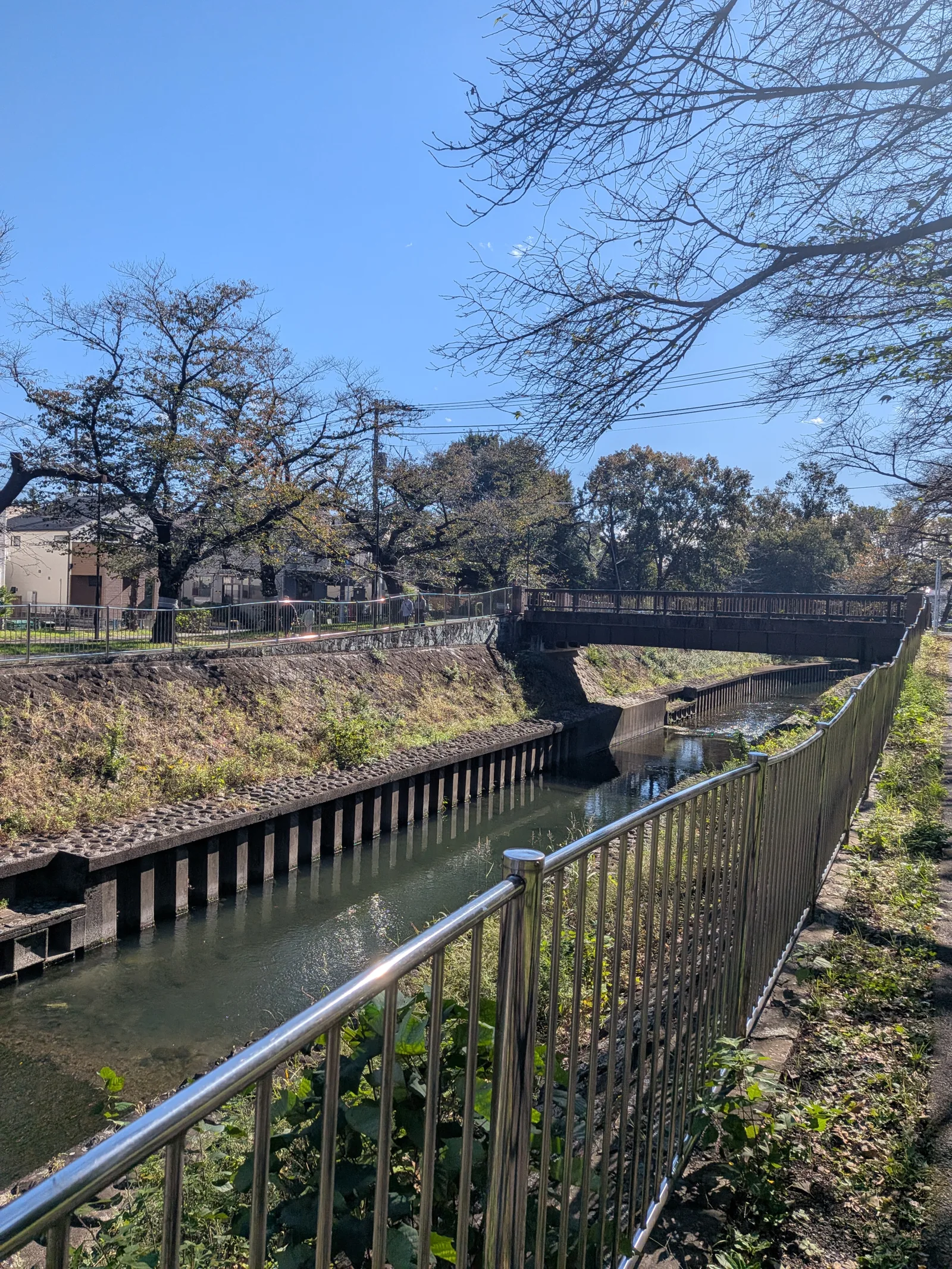
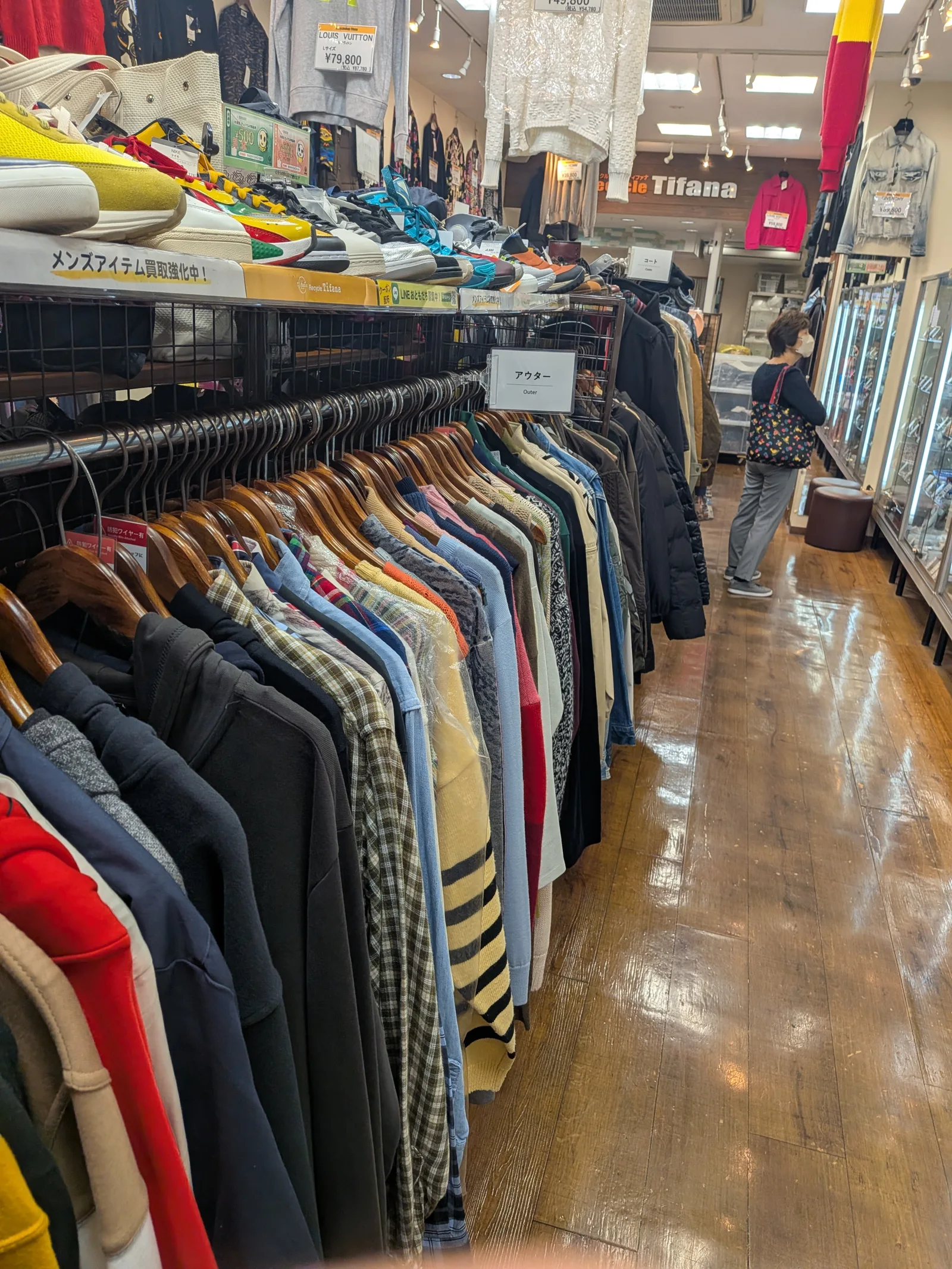
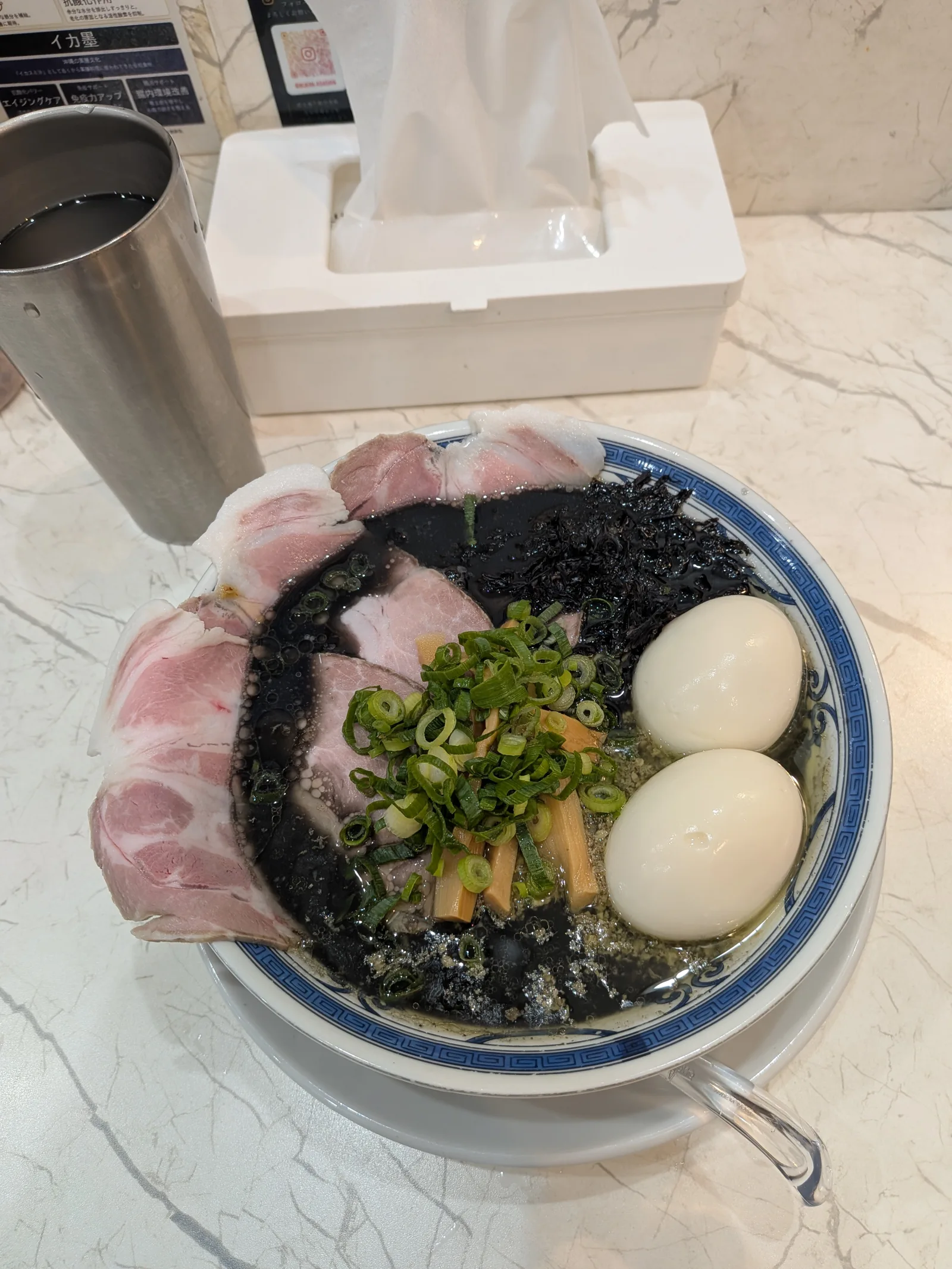
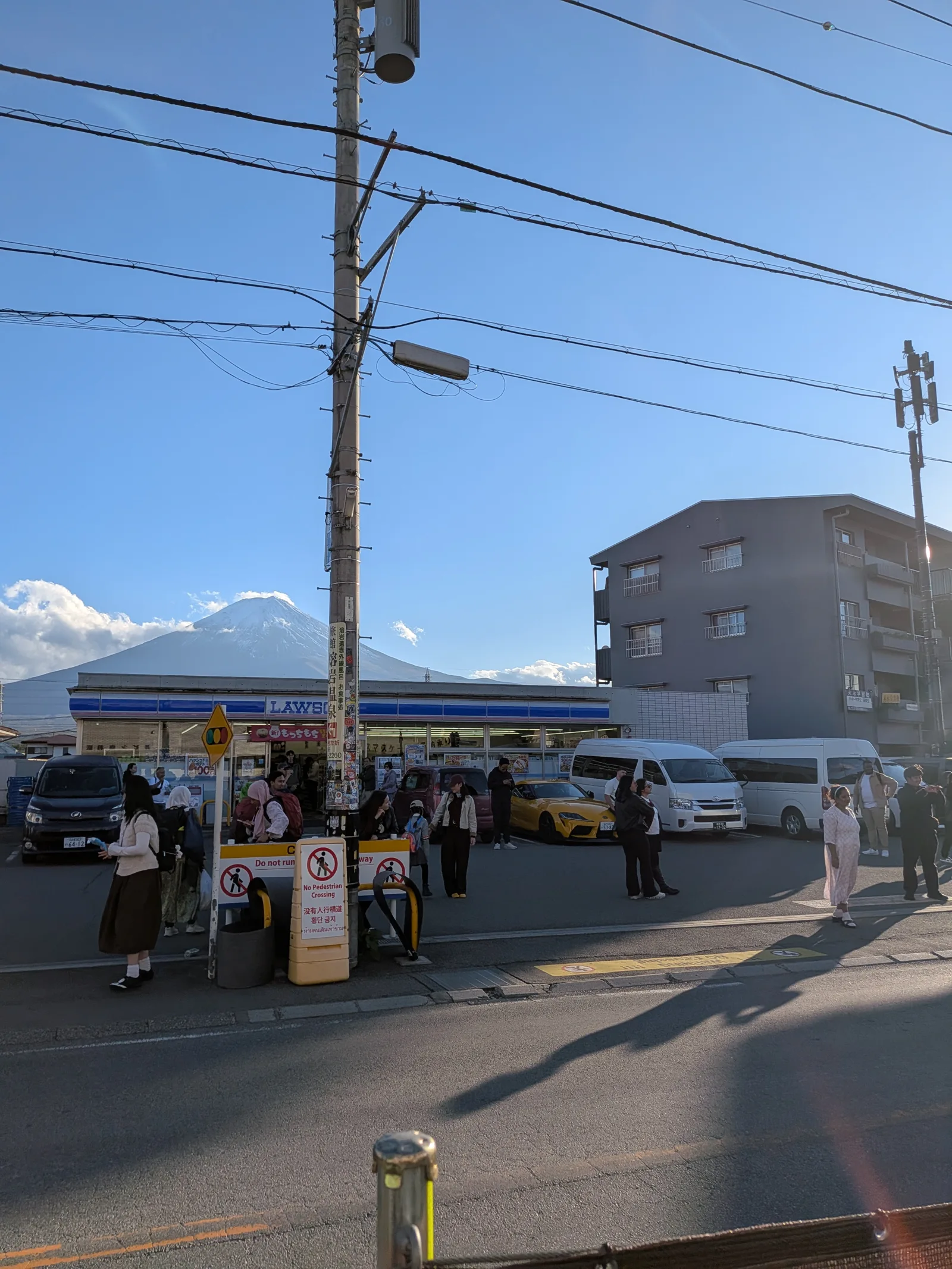
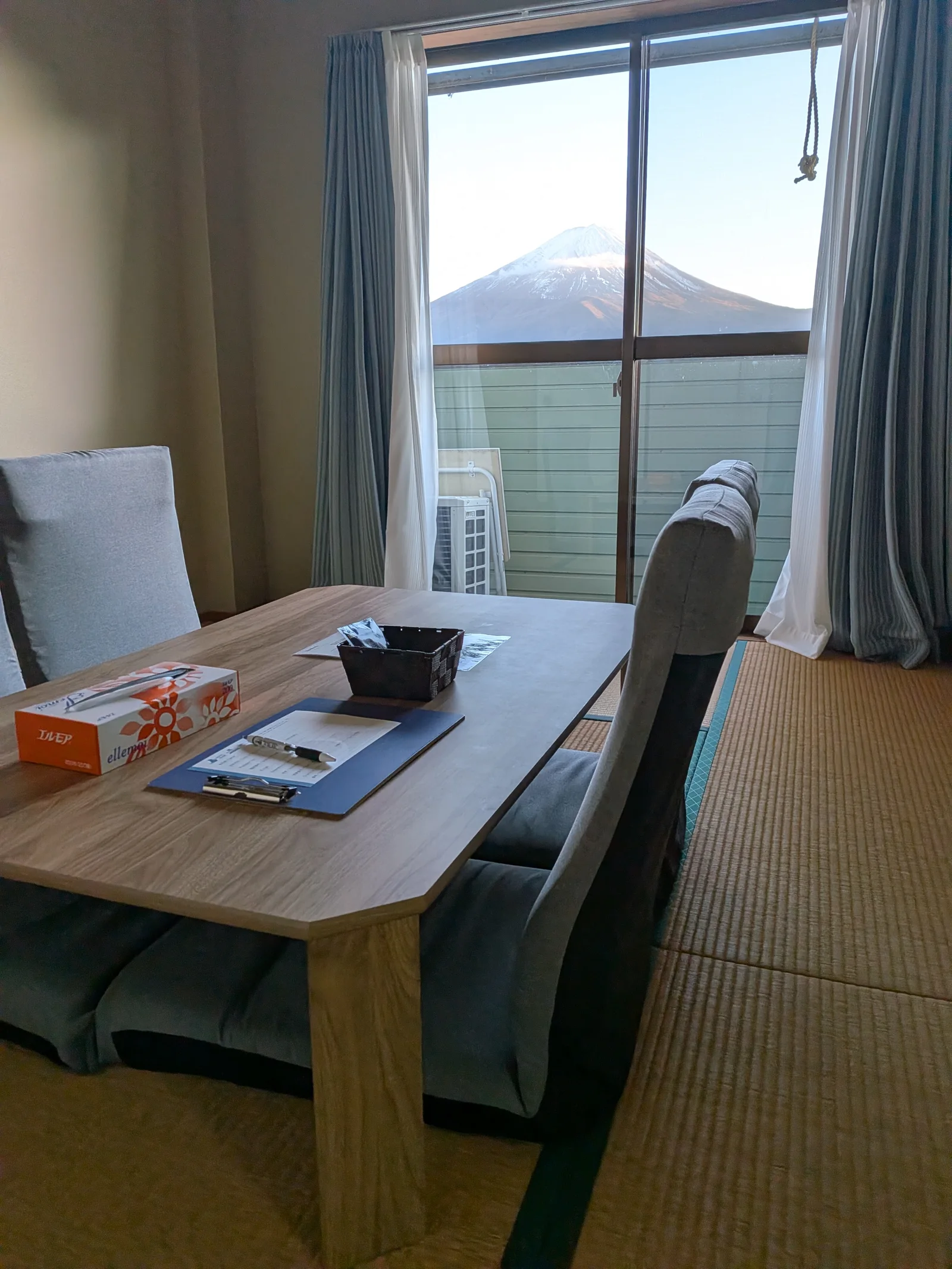
I slept much better and woke feeling good, excited for the next part of the trip. It was a bright, sunny morning. After breakfast and packing, I went out for a final walk and coffee.
I ate at Mukan Asagaya, 無冠阿佐ヶ谷, where I ordered oyster ramen with pork and an extra egg. The flavour was fantastically savoury and very unusual. Between this and the tomato ramen, my idea of what ramen could be was expanding.
After the ramen, I went to Inageya, 稲毛屋, a little takeaway counter in Asagaya, and had an amazing roasted chicken leg.
I took the booked 1:45 PM bus from Shinjuku to Kawaguchiko, then checked in at BlueRock in Katsuyama, on the quieter southern side of Lake Kawaguchi.
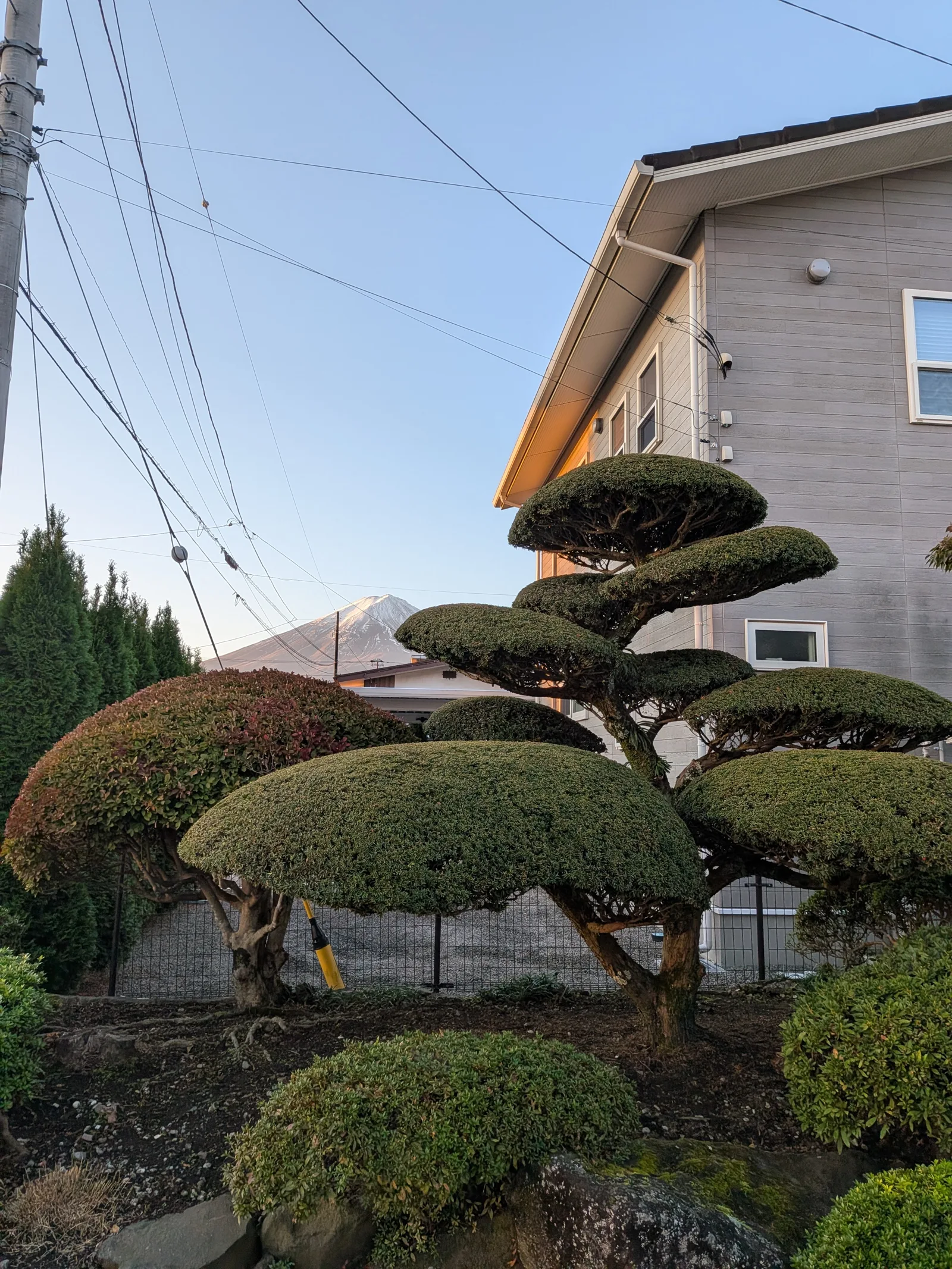
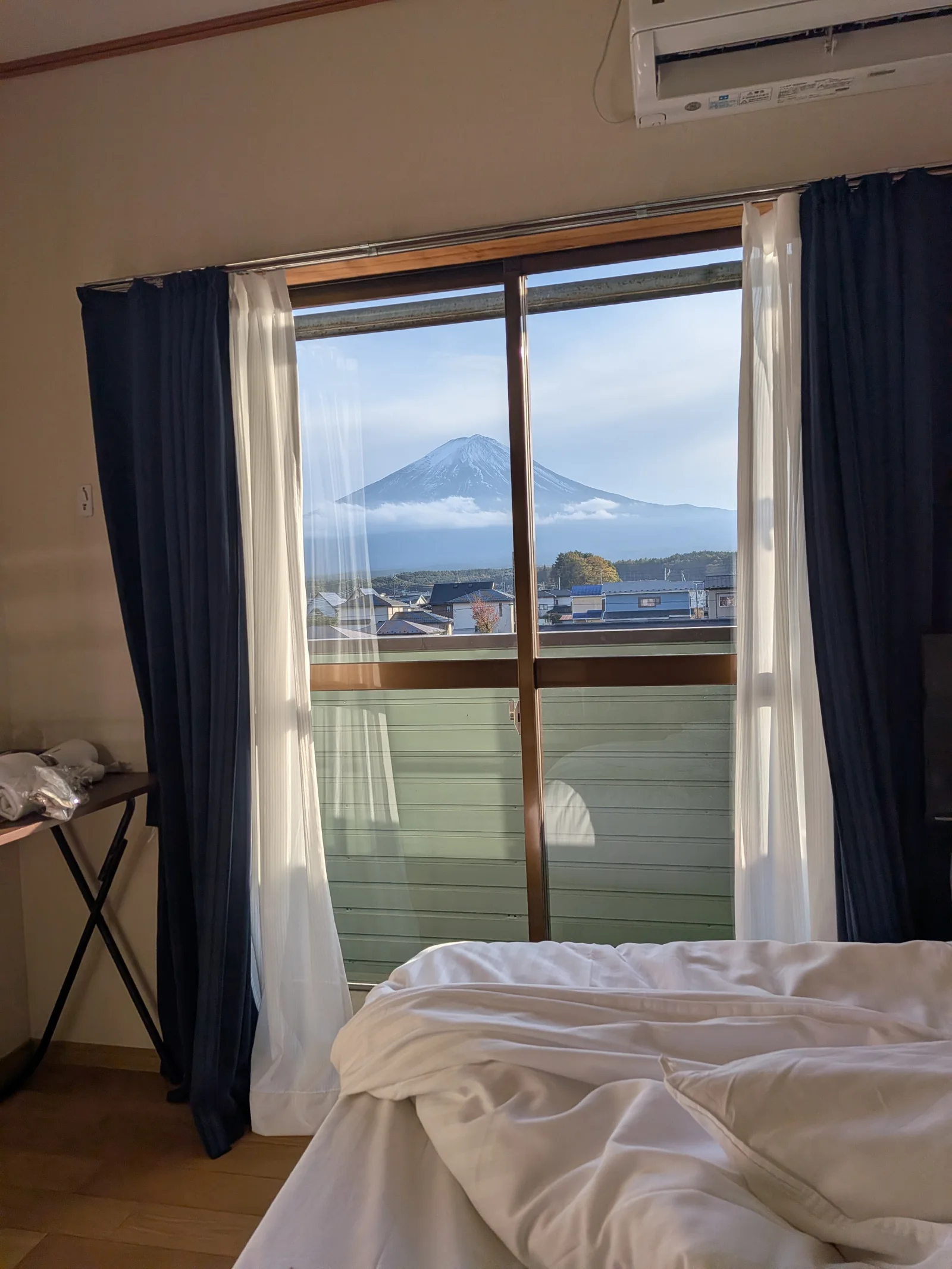
The accommodation was set up for a family, with two bedrooms and a living area with a low table and chairs without legs. There was an epic view of Fuji, as well as a washing machine, shower room and kitchenette. It was loads of space, much more than one person needed, and overall it was really good and suited my needs. The only drawback was the roughly 40-minute walk from the station, but I had wanted somewhere that was not super touristy, so that was okay in the end.
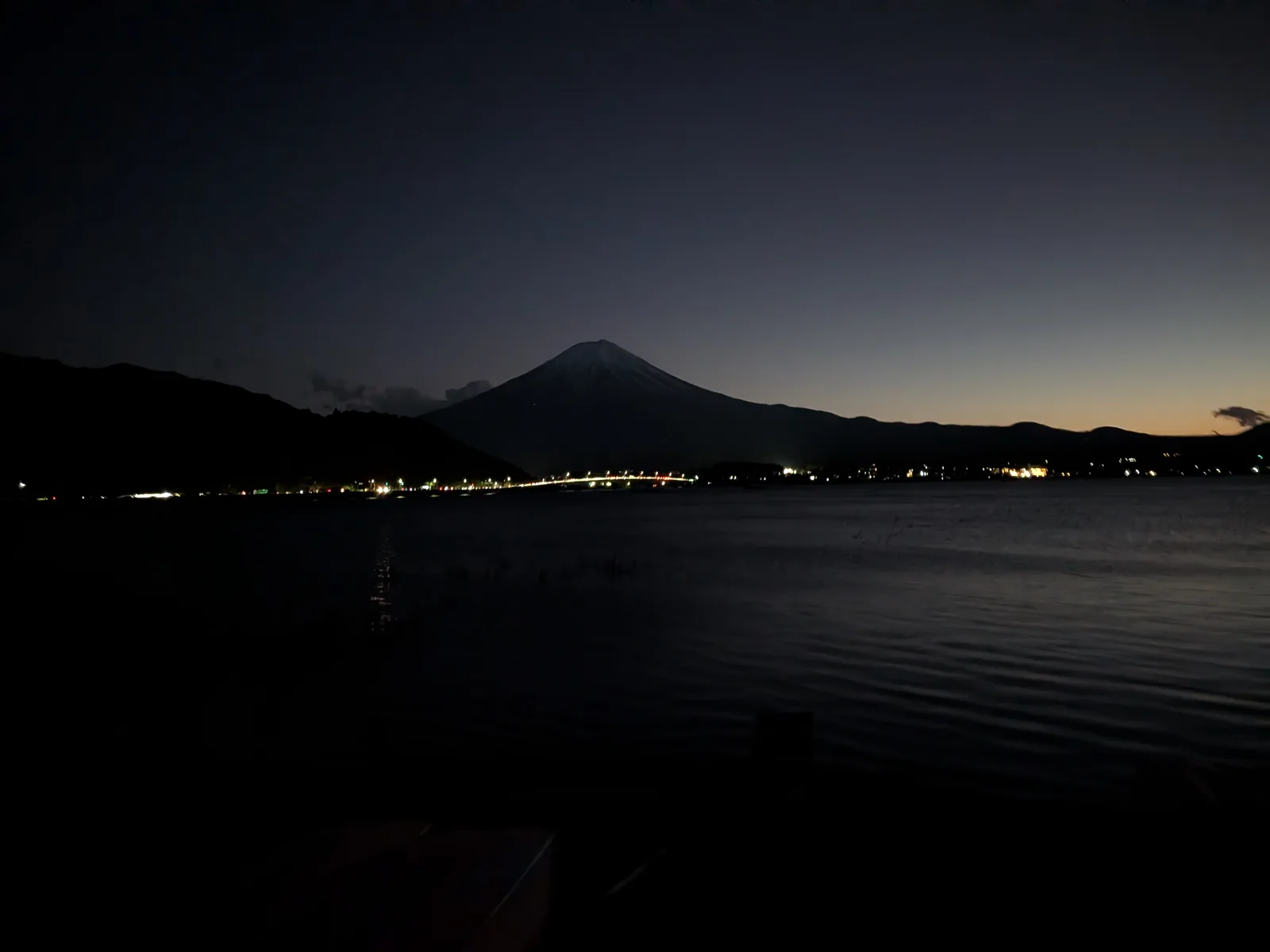
After checking in, I tried walking to the north side of the lake to get a view of Fuji with the lake in the foreground. Sunset beat me to it, though, so by then I could only see Fuji in silhouette. It was a nice walk nonetheless.
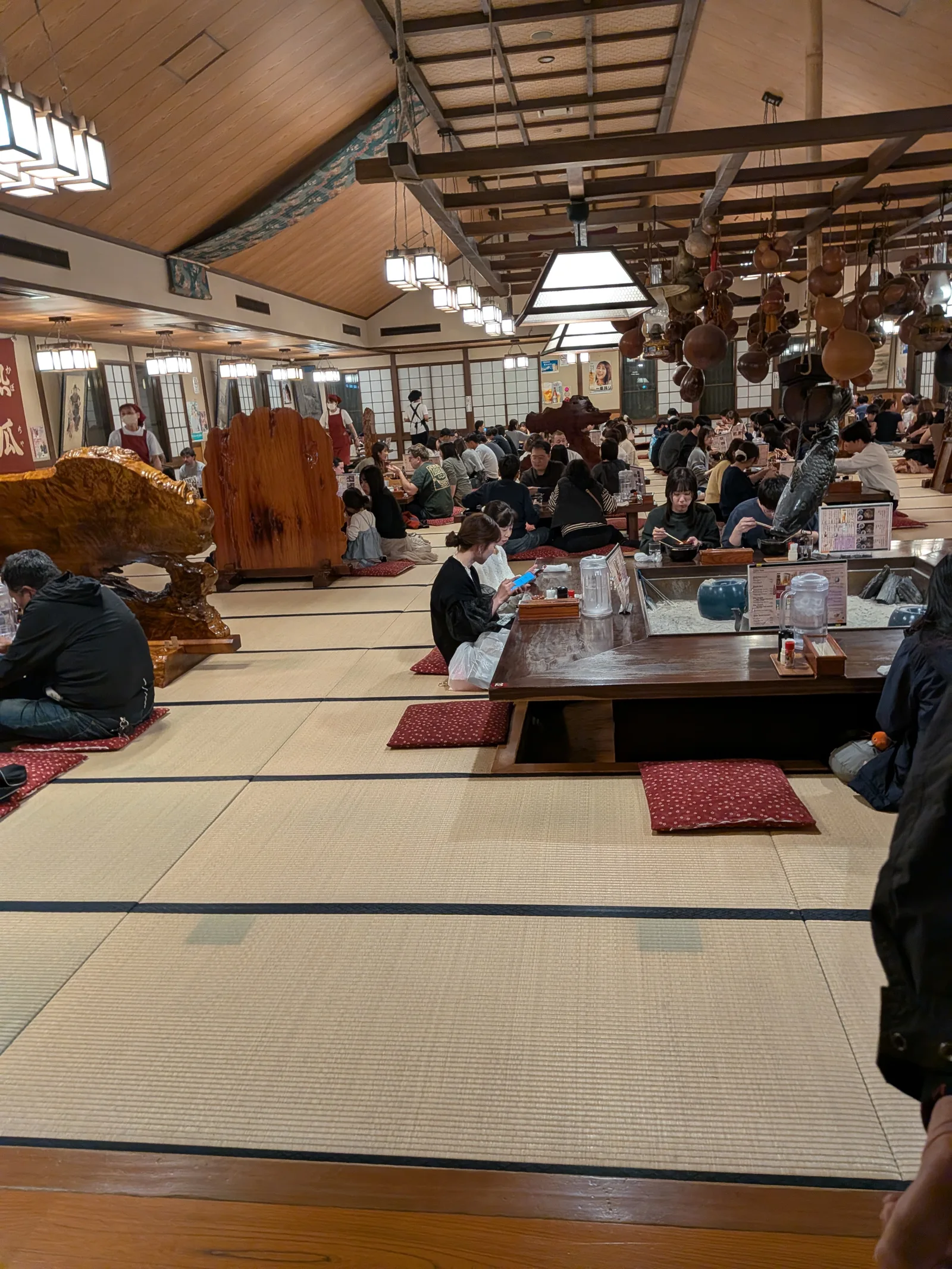
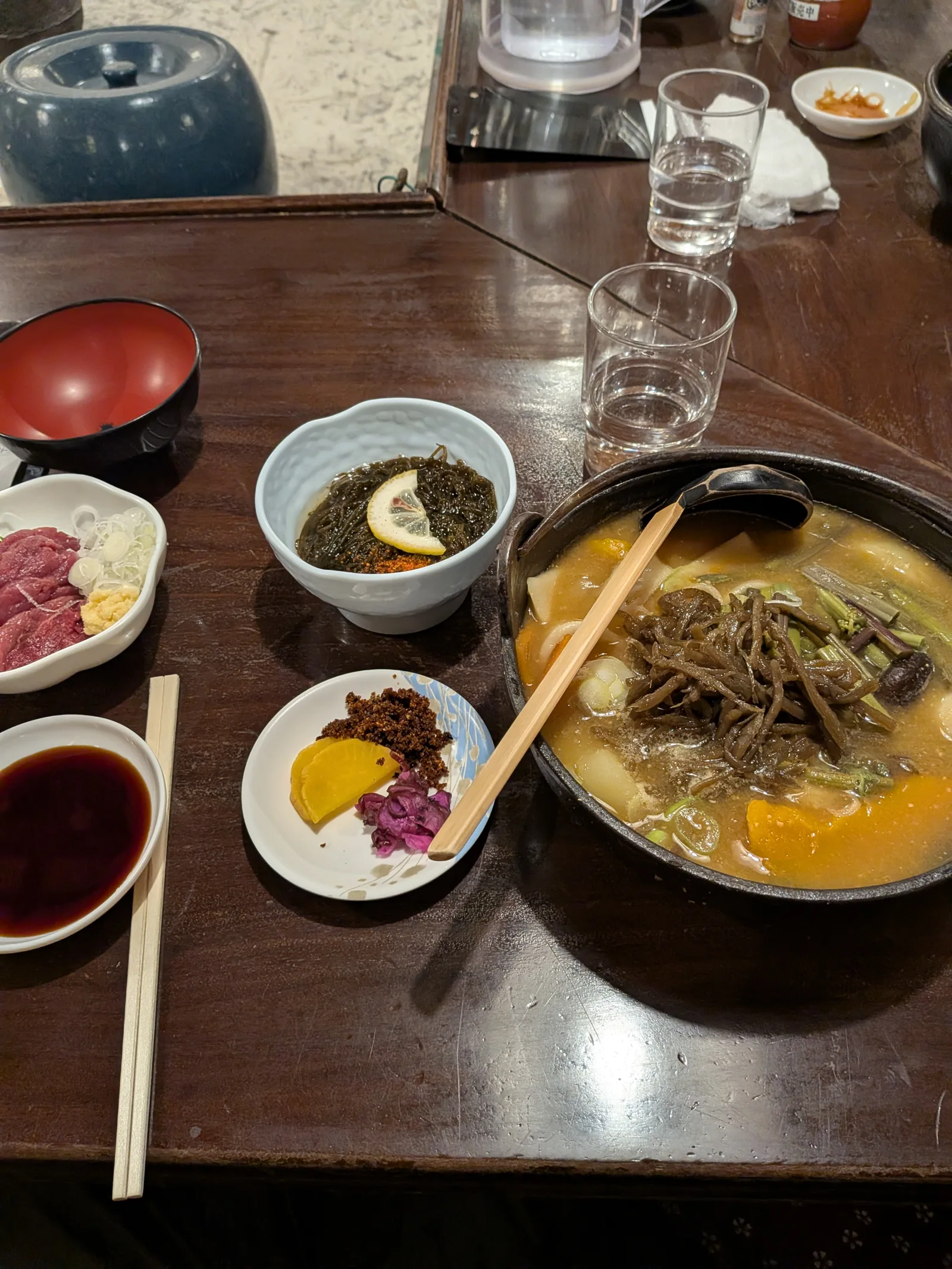
Dinner was at Kosaku Kawaguchiko. I ordered pumpkin hōtō, broad wheat noodles with vegetables and pumpkin in a miso broth, and tried basashi (horse sashimi). It was an interesting combination of chewy and tender, and less gamey than venison. It seemed like a strange pairing with the pumpkin hōtō, but these were the set-menu items and almost everyone was getting them. I felt weird about eating horse meat, but wanted to try it, and it is commonly eaten here. The noodles would bring me back the following evening.
After dinner I spent ages happily wandering around a huge supermarket, trying to work out unfamiliar Japanese items and buying snacks for the walks. It got cold overnight. I was grateful for the heater in my bedroom, because the other rooms were very cold in the morning.
Sunday 1 November: Mitsutoge and several meals
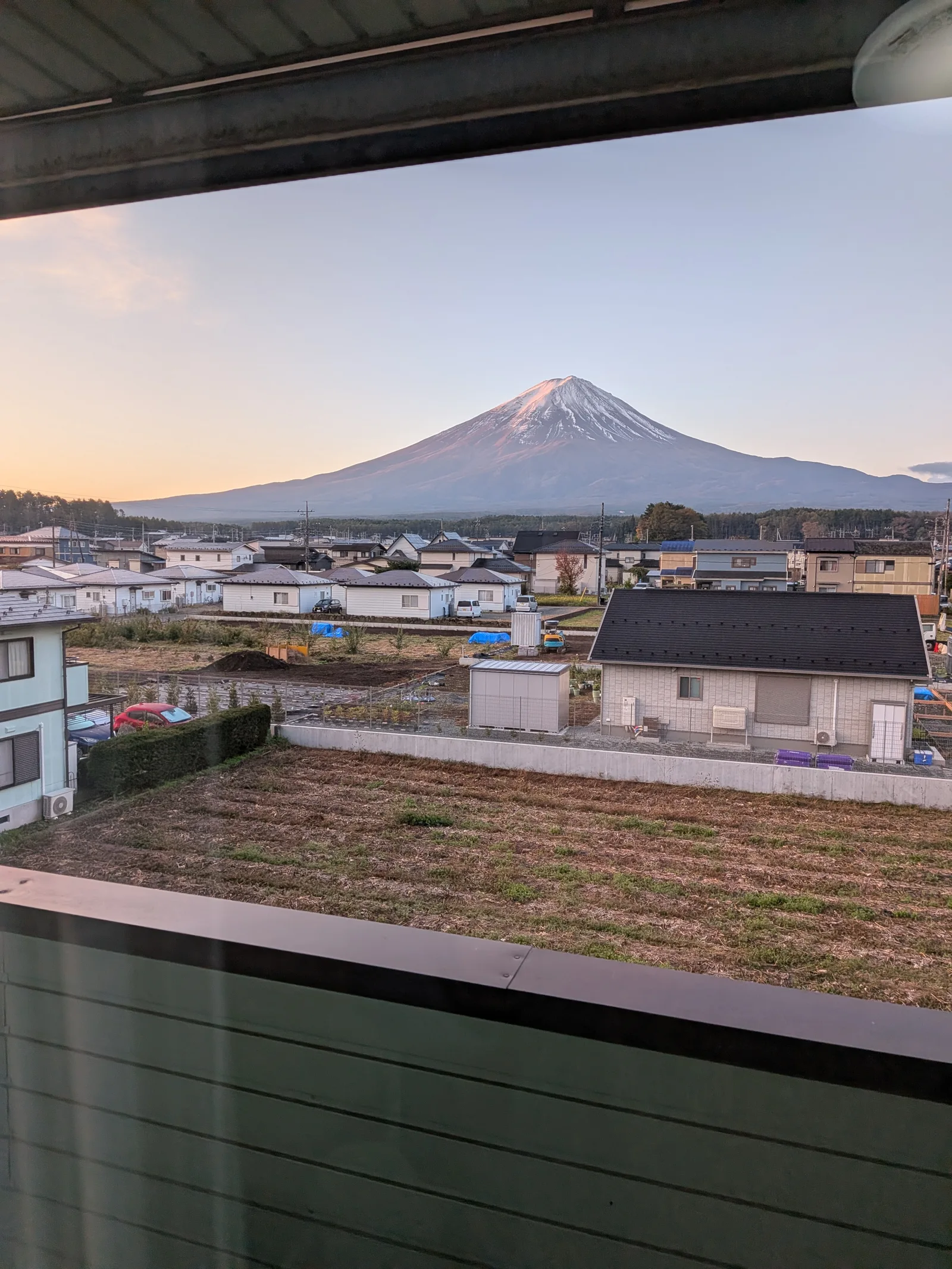
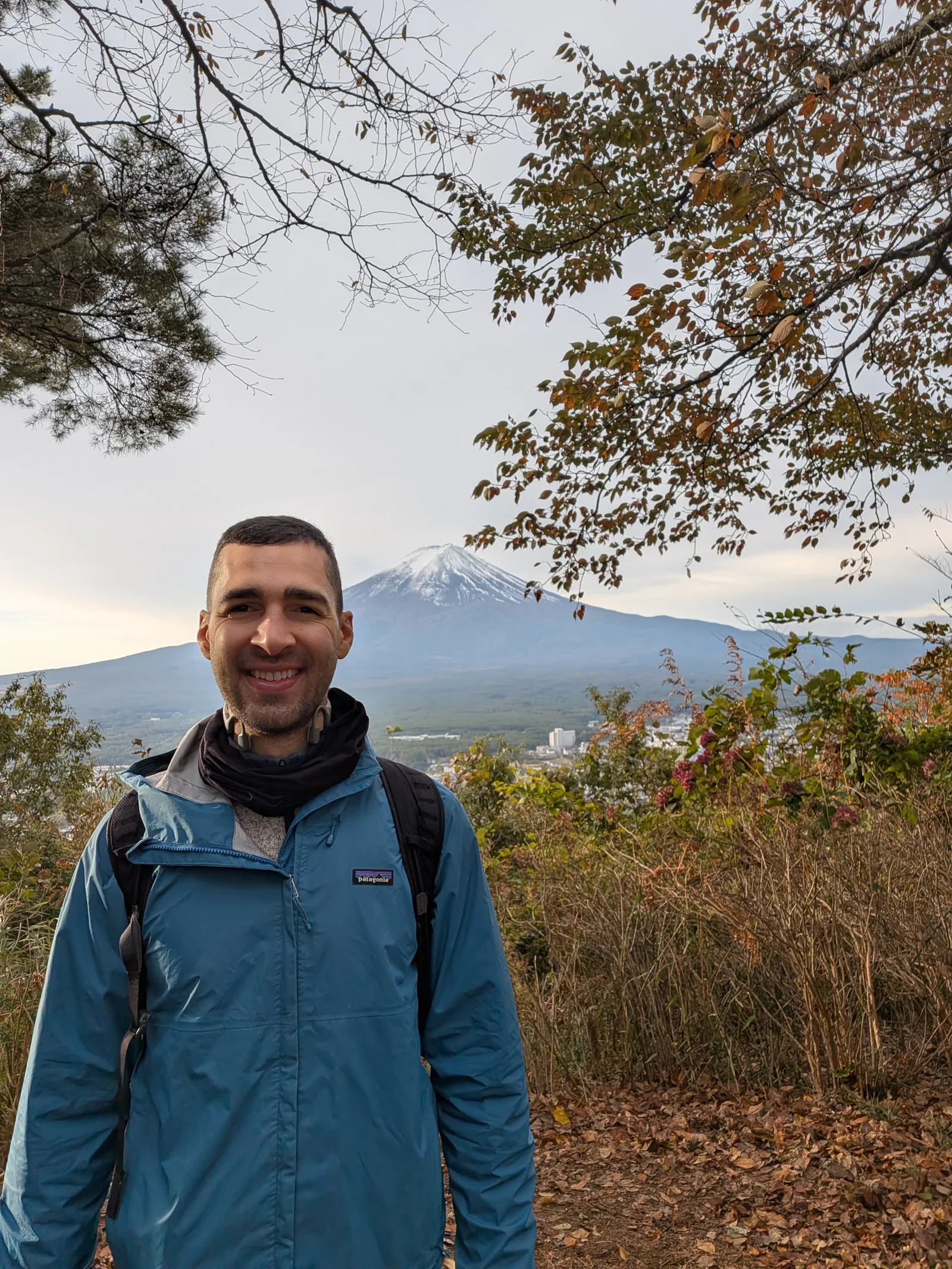
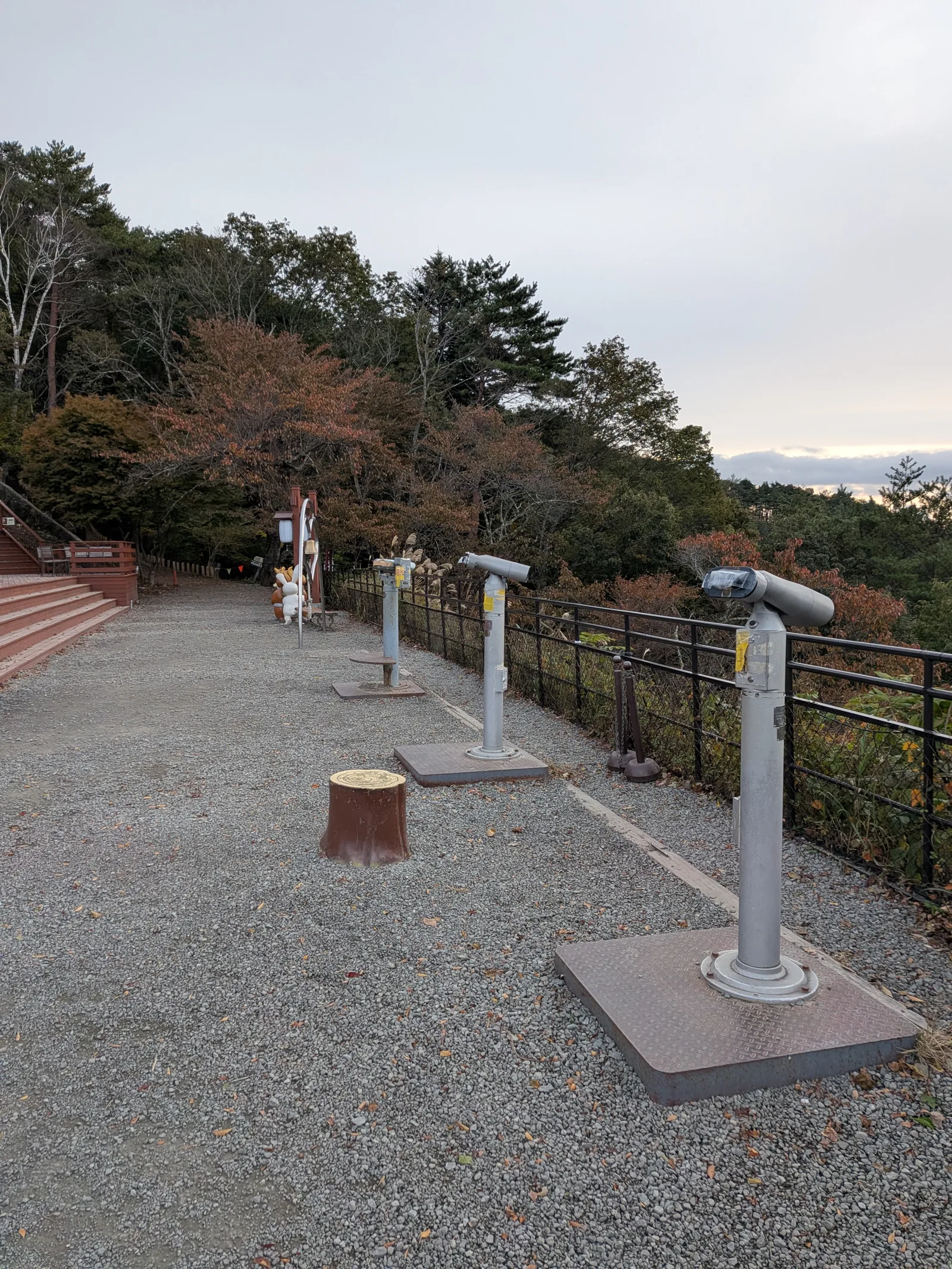
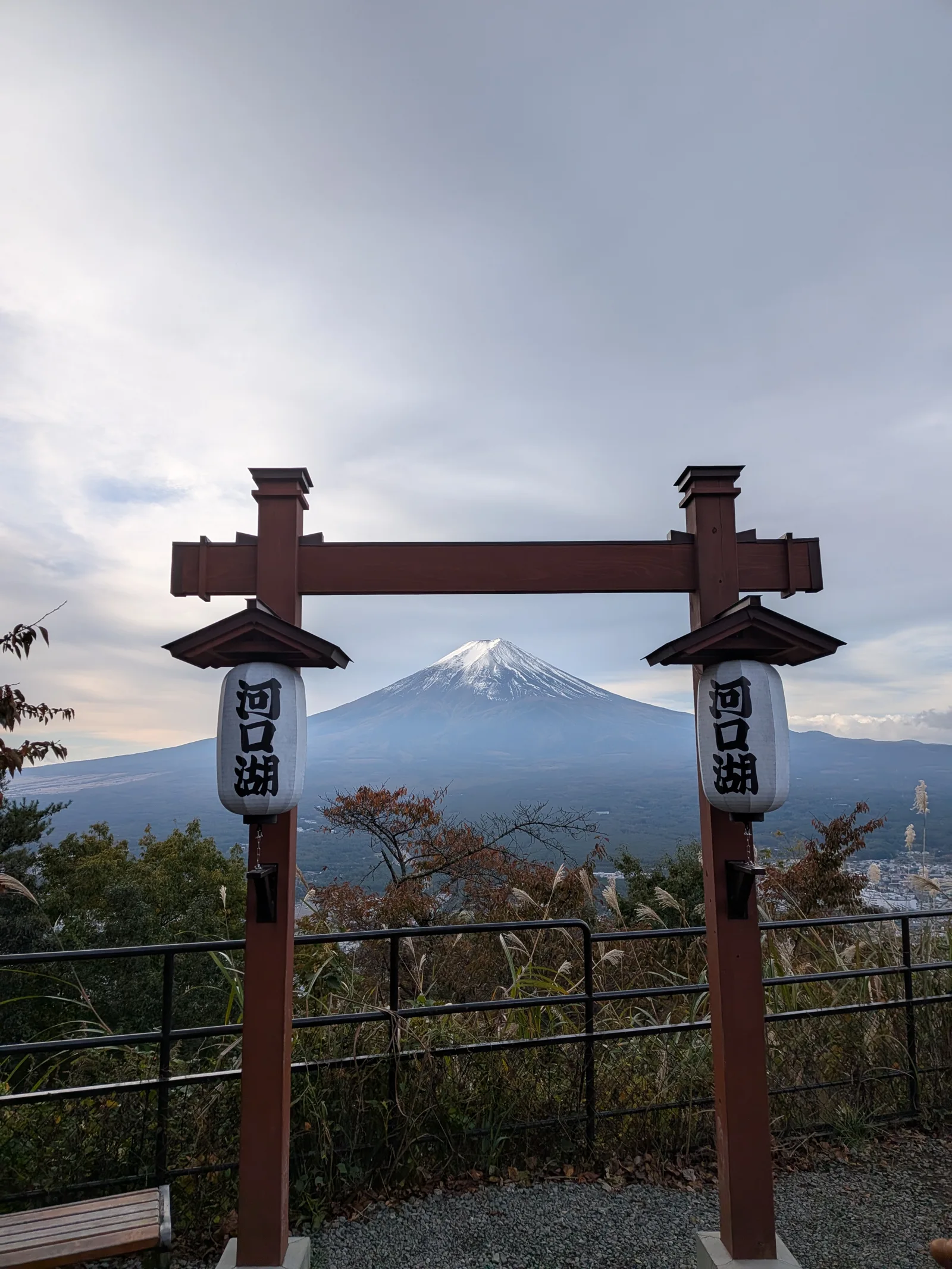
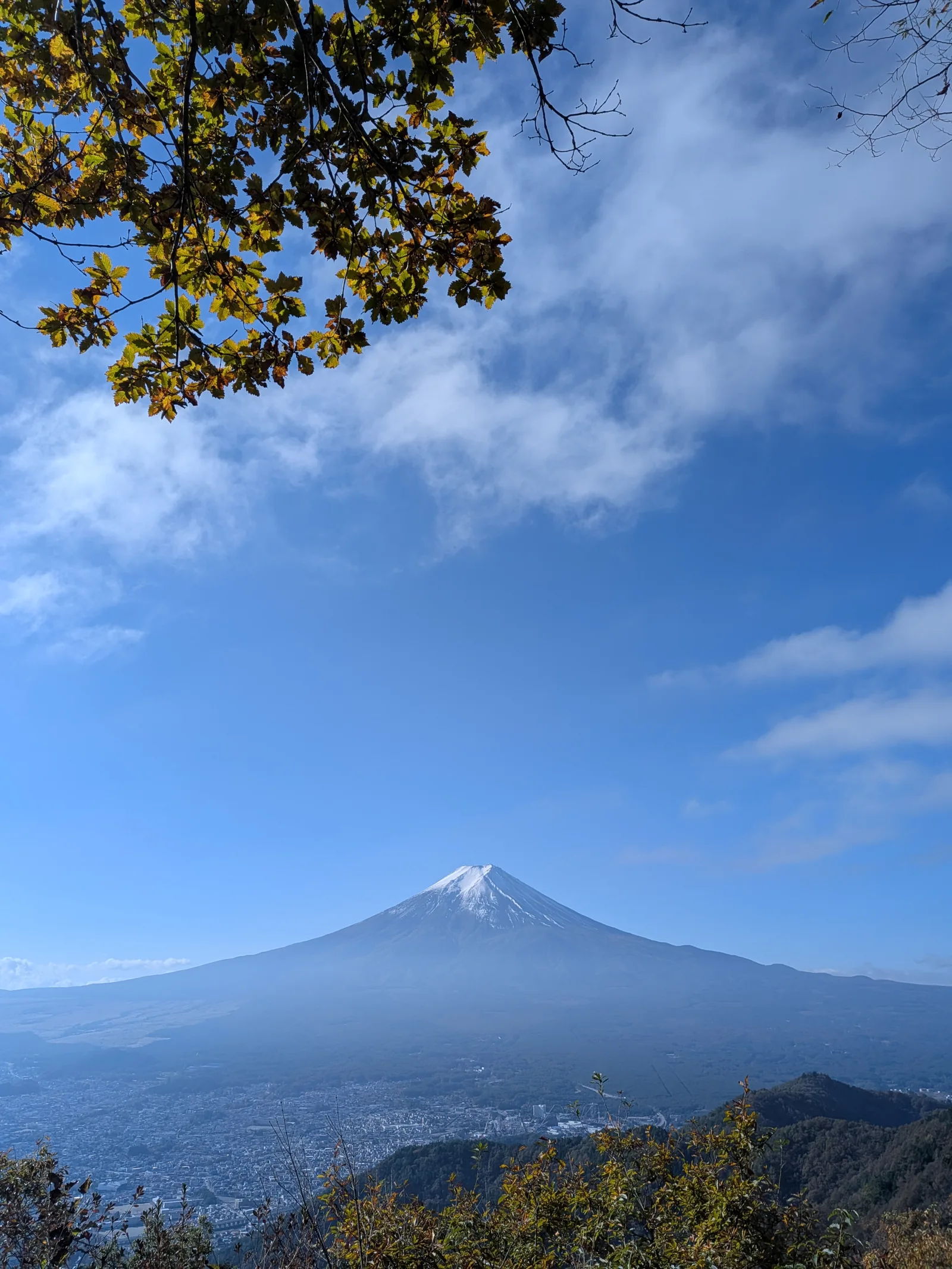
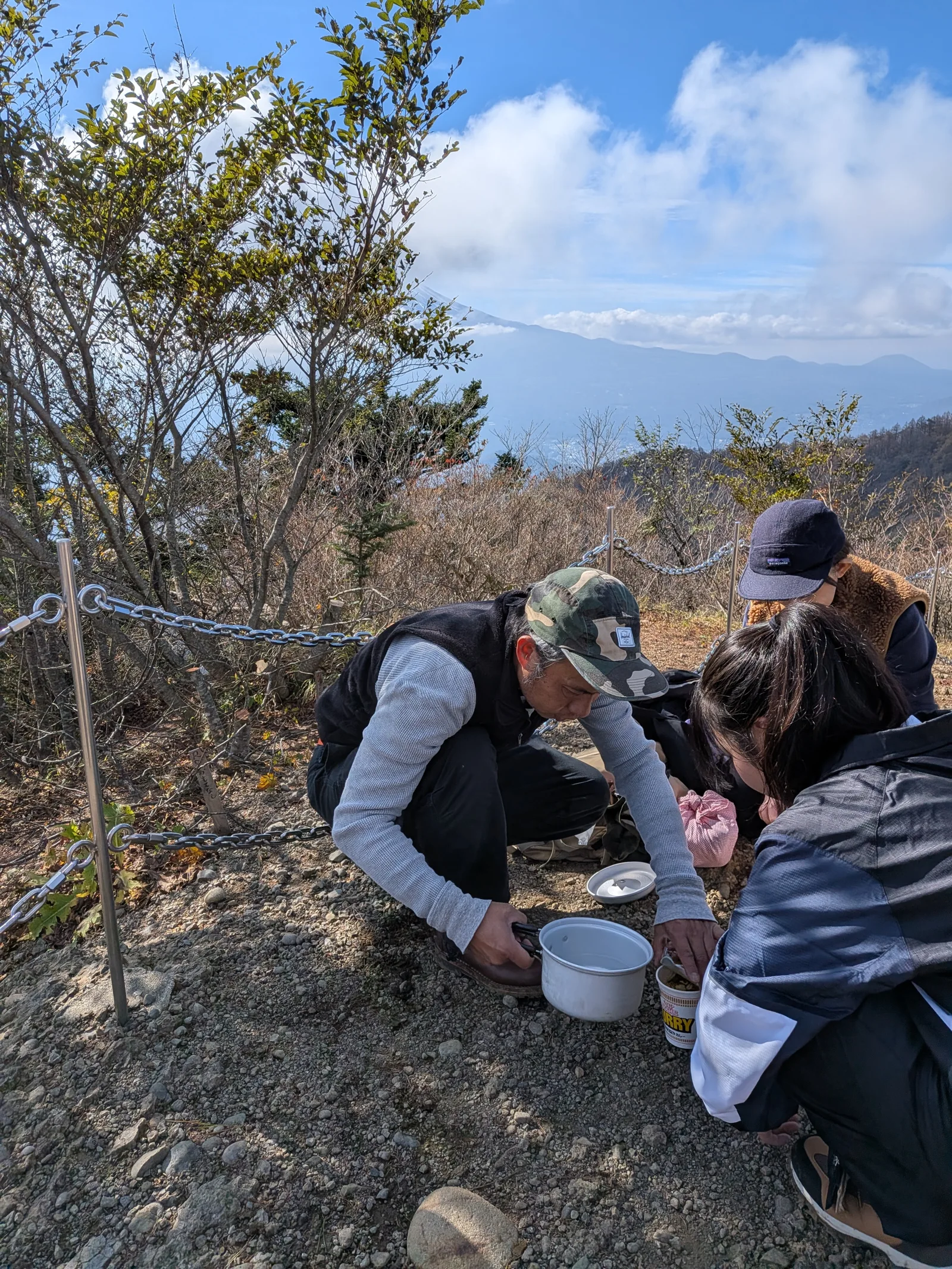
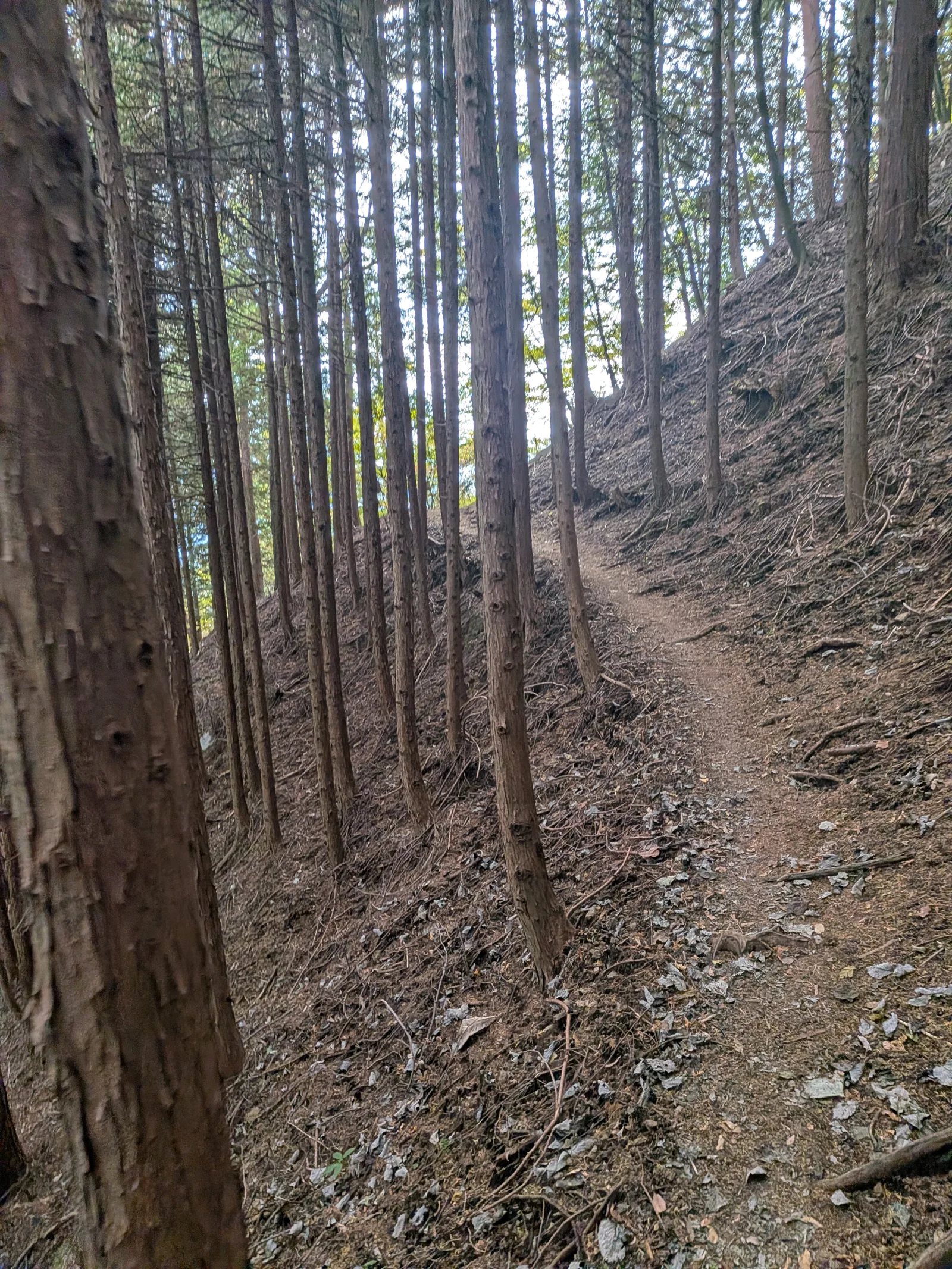
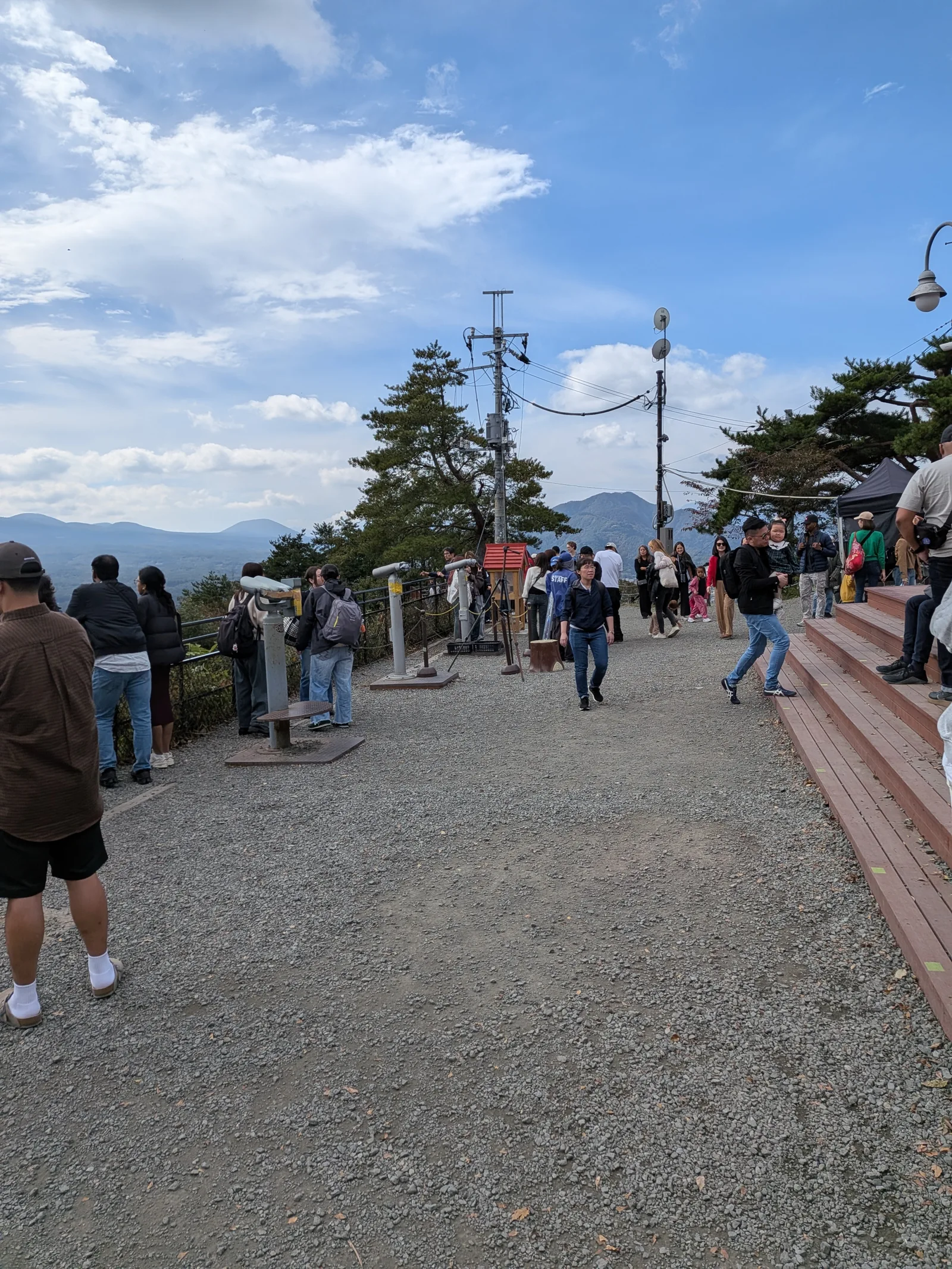
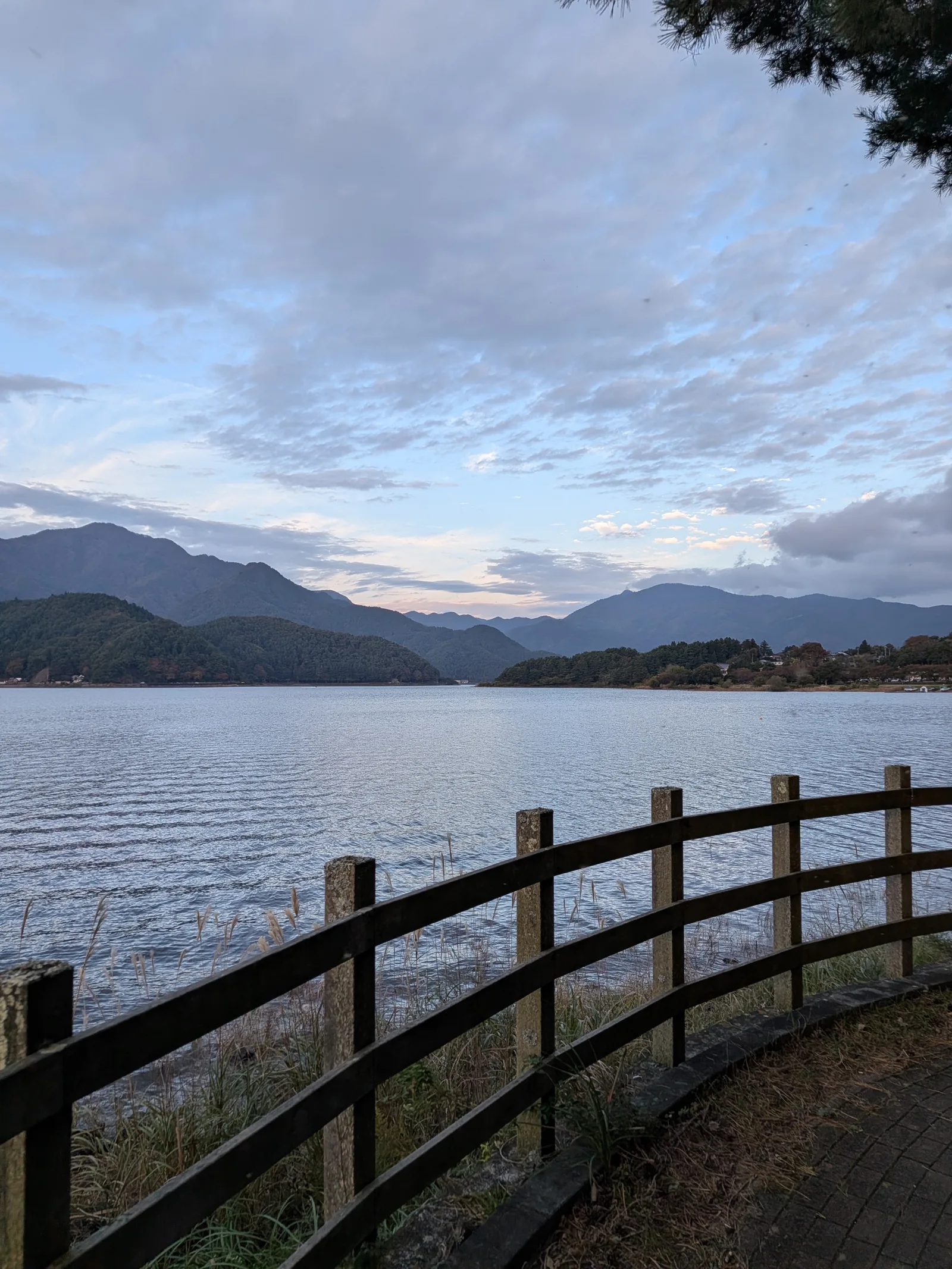
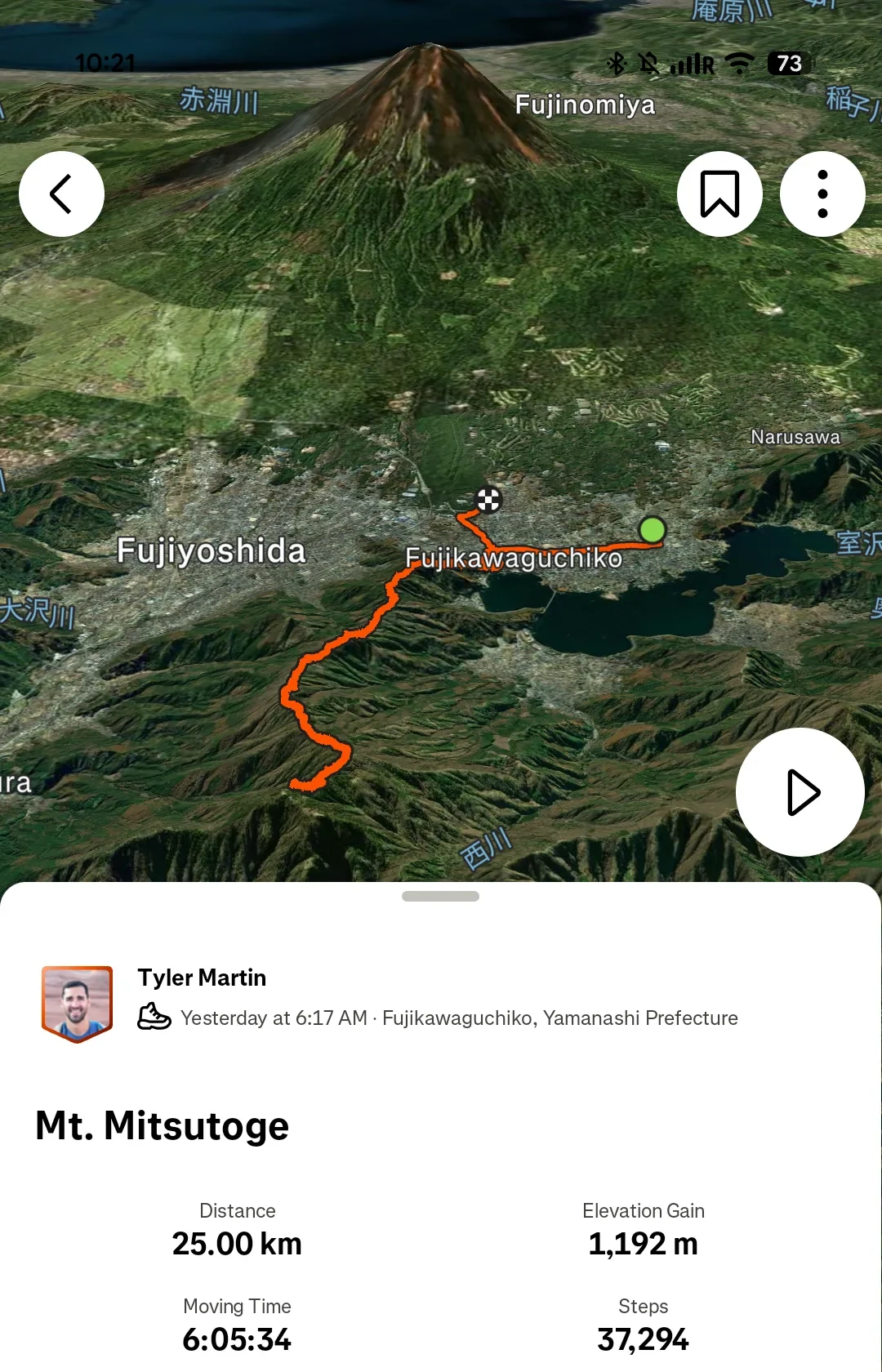
I slept well and started towards Mount Mitsutoge around 6:17 AM. Getting onto the trail took a few attempts. There was a closed area near the start, possibly a park rather than the trail itself, and I could not quite work out what was closed. On the third approach I found a way onto the trail.
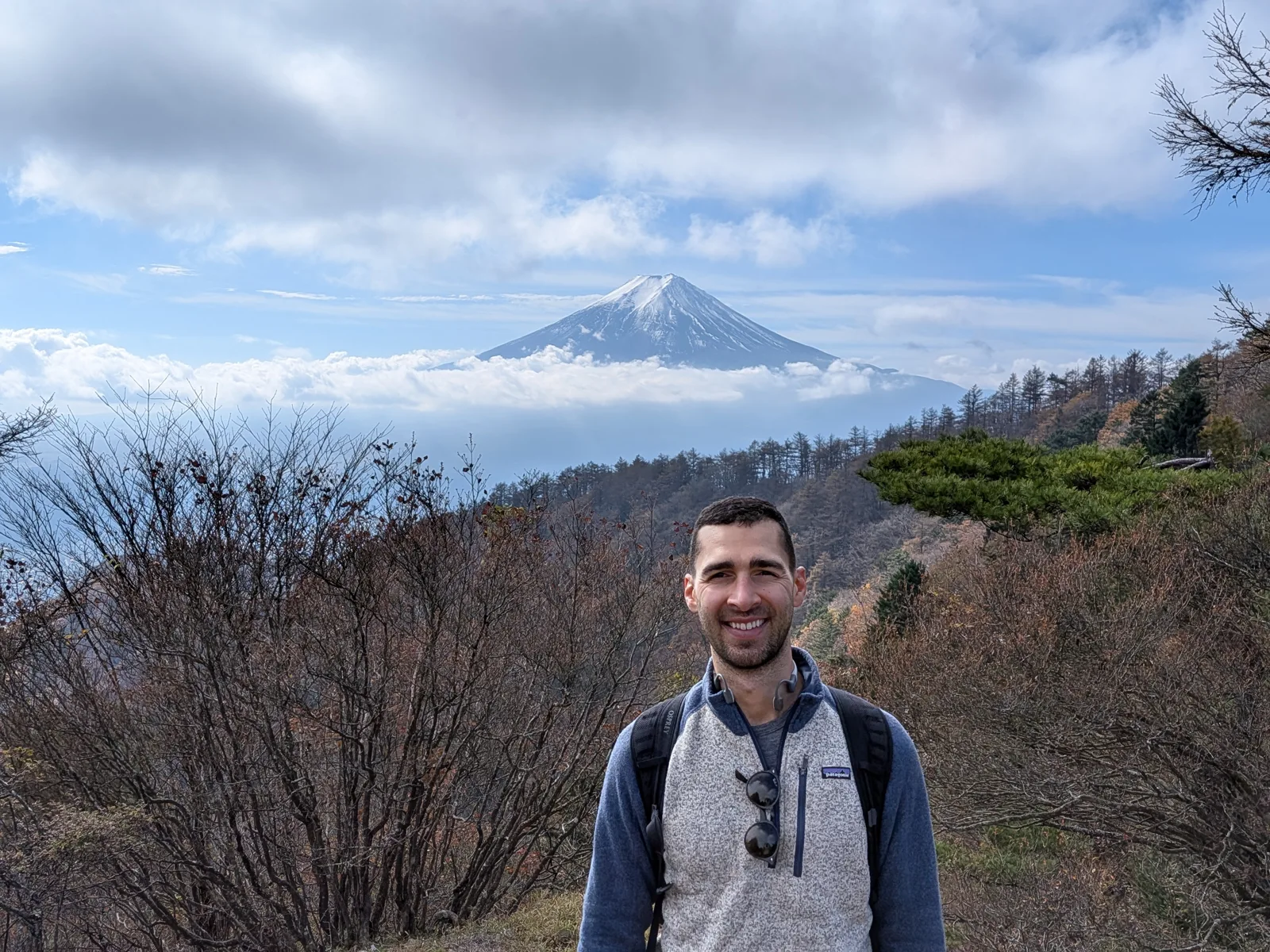
I saw other hikers near the beginning and around the top, but very few along the trail itself. I liked having so much of it to myself. Some people were wearing bells; when I asked why, they explained that they were for bears. I wished I had one. Near the top I asked some other hikers to take my picture, and they were very nice.
Fuji was mostly covered by cloud at the first viewing platform. On the way down, at a second platform, the clouds cleared and the view was amazing. The walk came to 25.0 km with 1,192 m of ascent and 6 hours and 5 minutes of moving time.
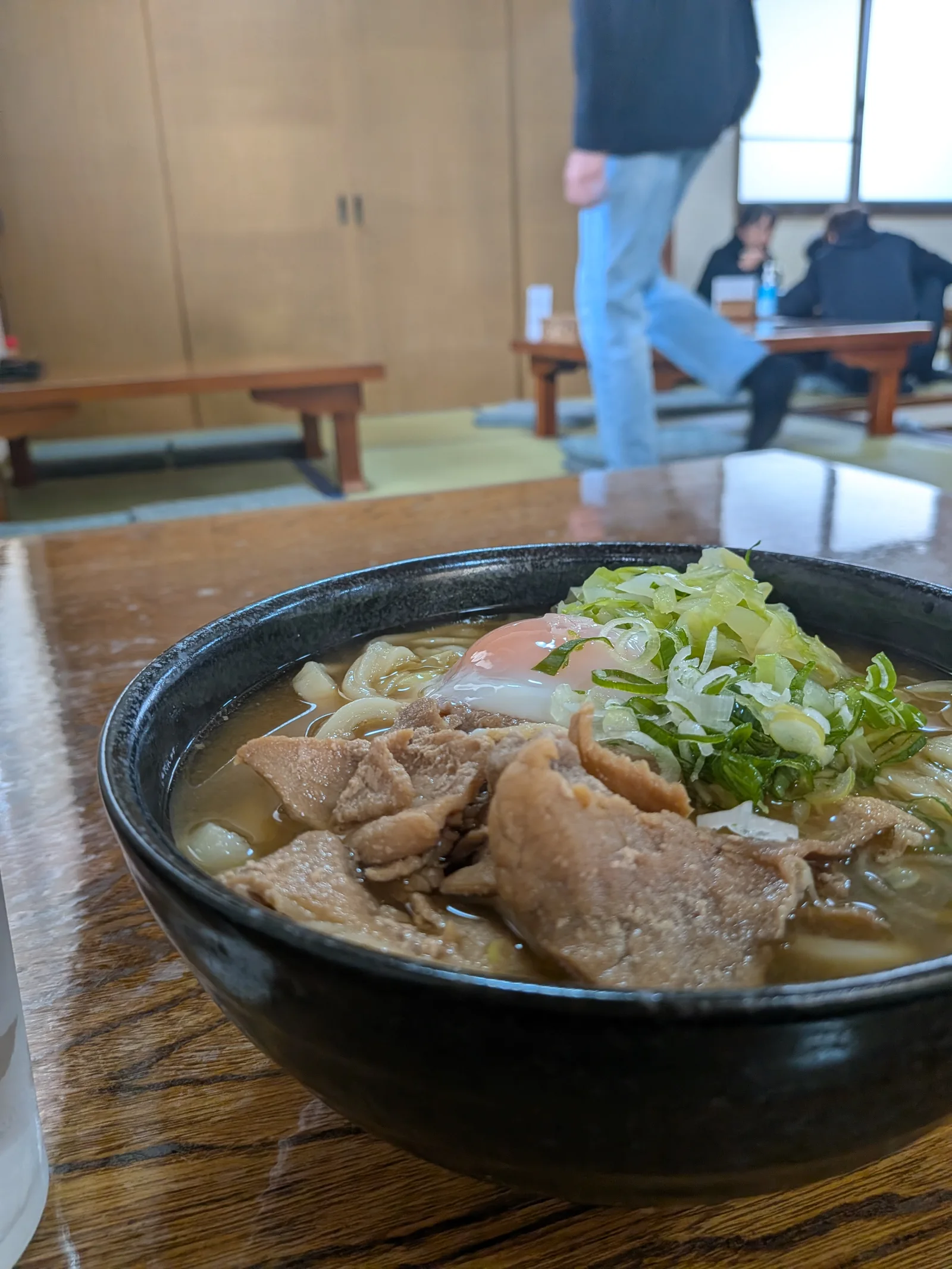
Lunch was Yoshida udon at Saika, 彩花, and it was phenomenal. I loved the firm noodles and sitting on the floor in the traditional dining area. It was also a much quicker and cheaper meal than dinner at Kosaku.
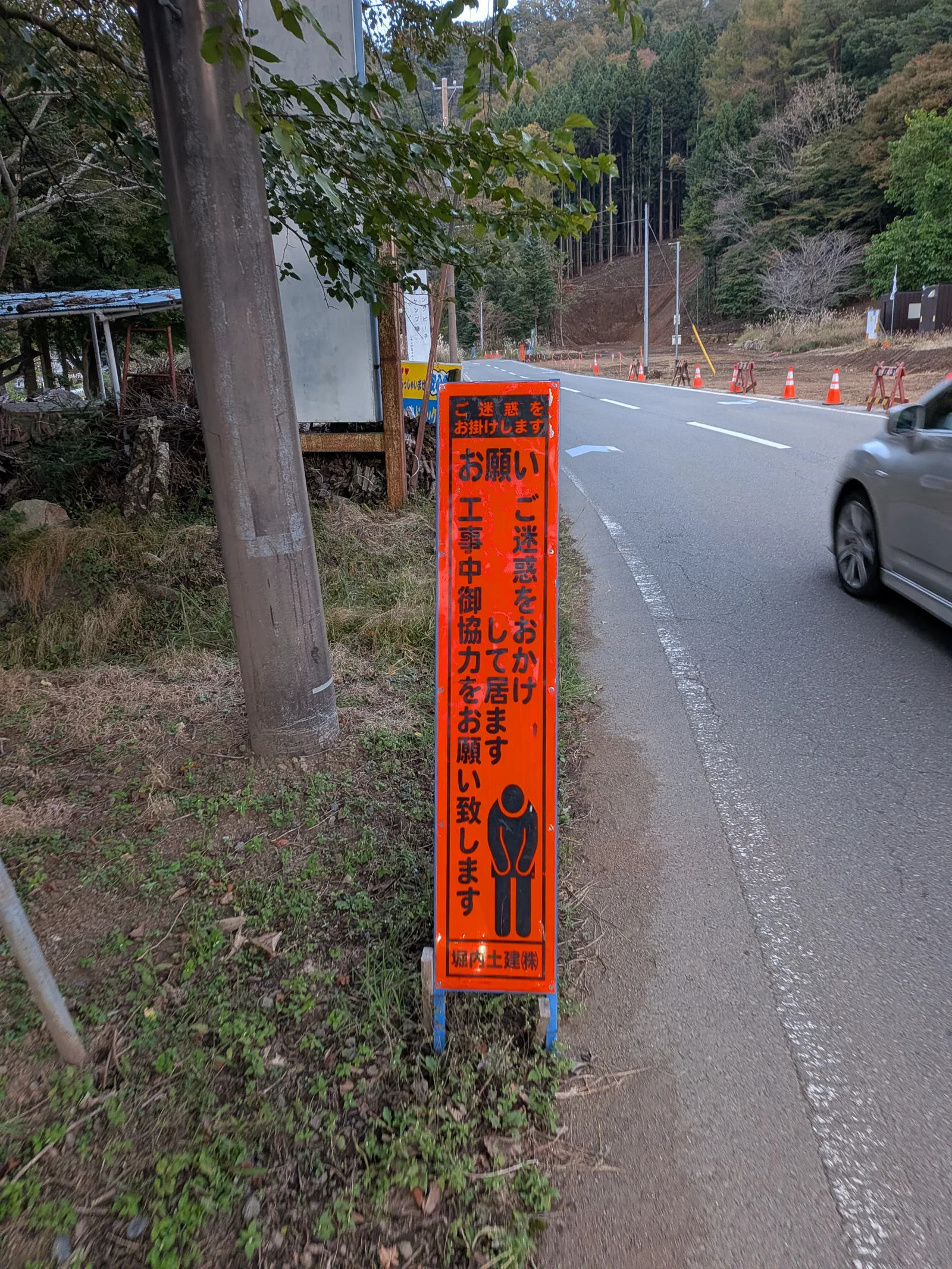
On a walk I saw a roadworks sign with a sad-looking man. When I looked it up, I found that he was taking a bow to apologise for the roadworks.
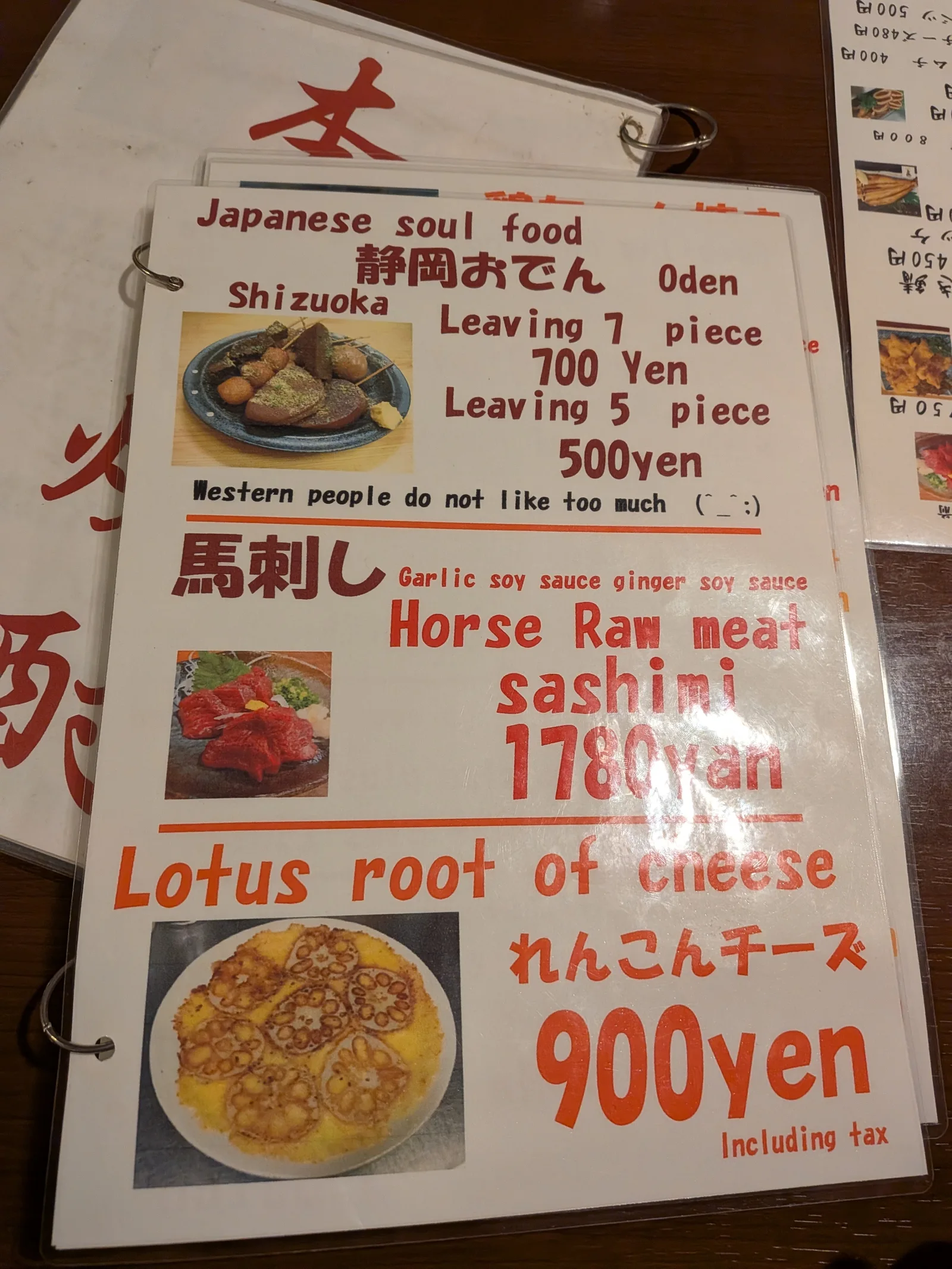
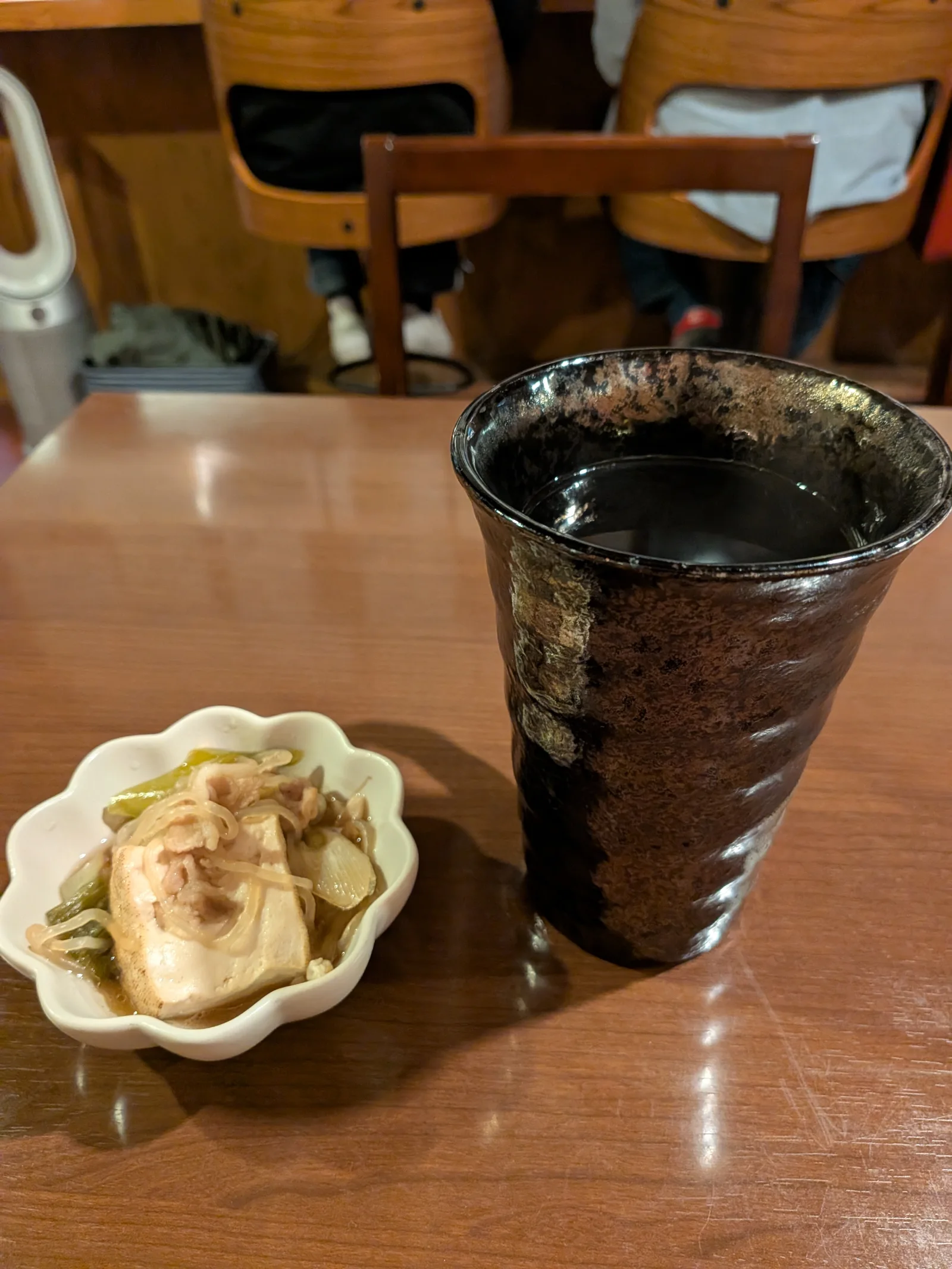
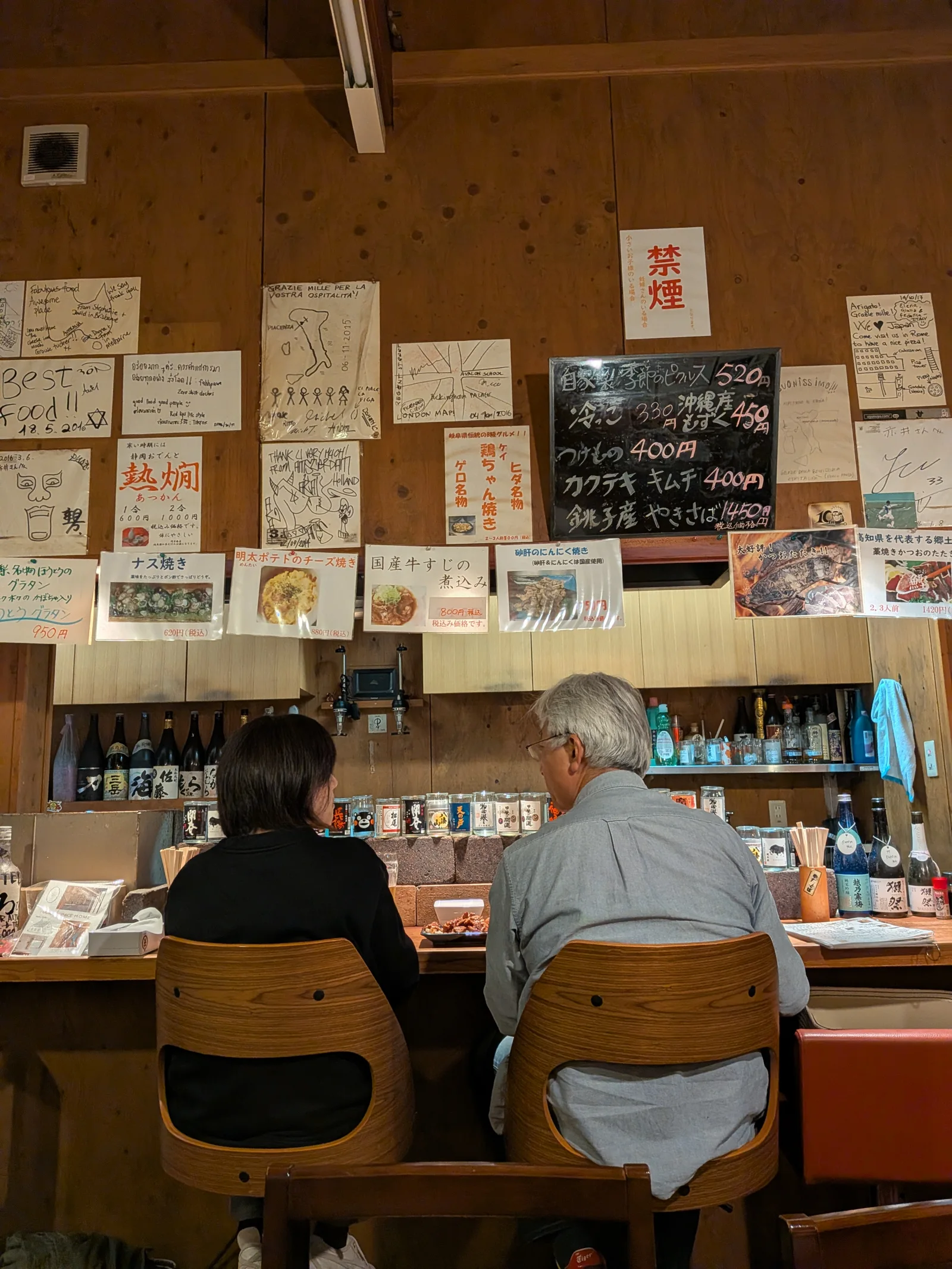
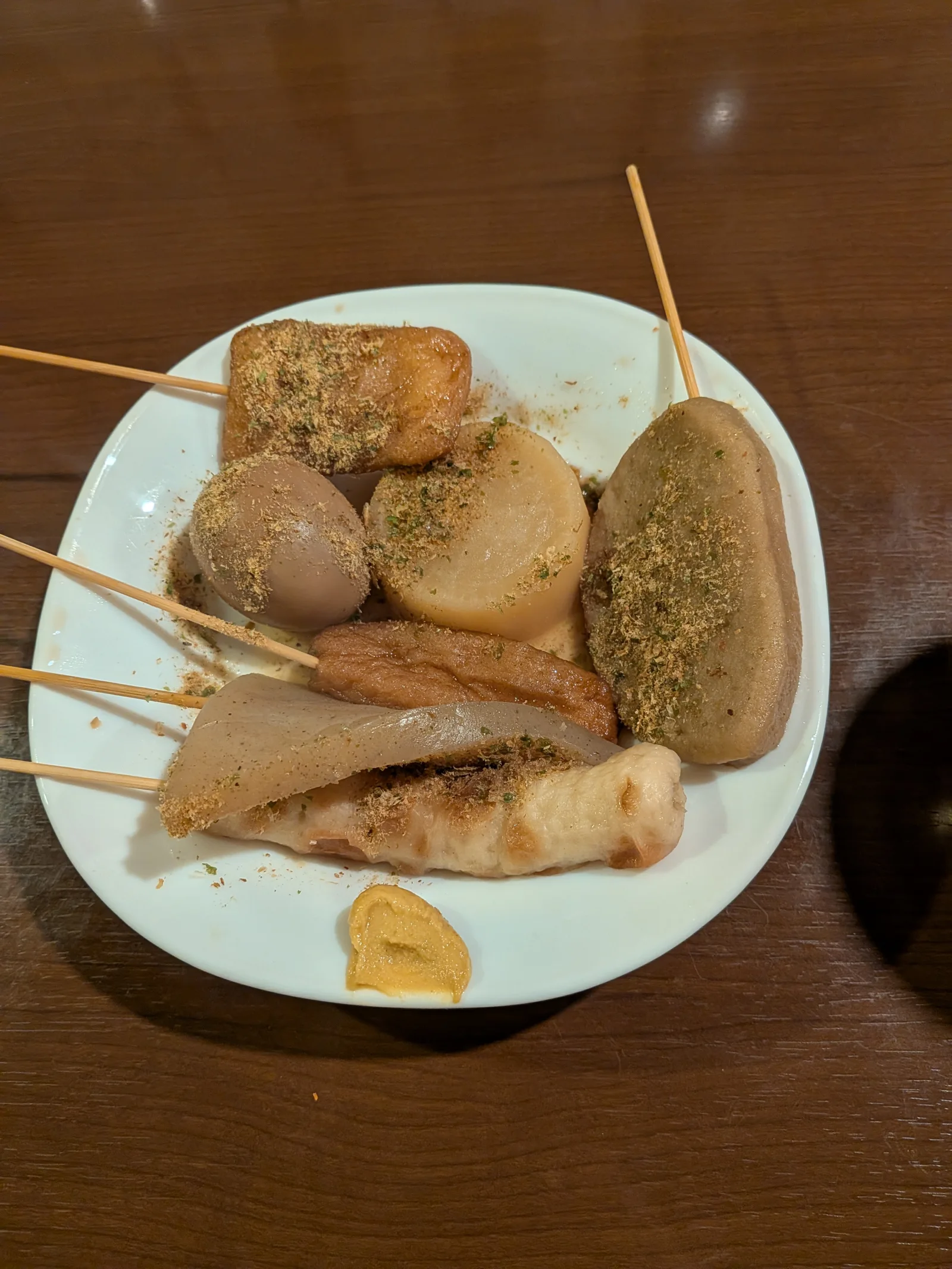
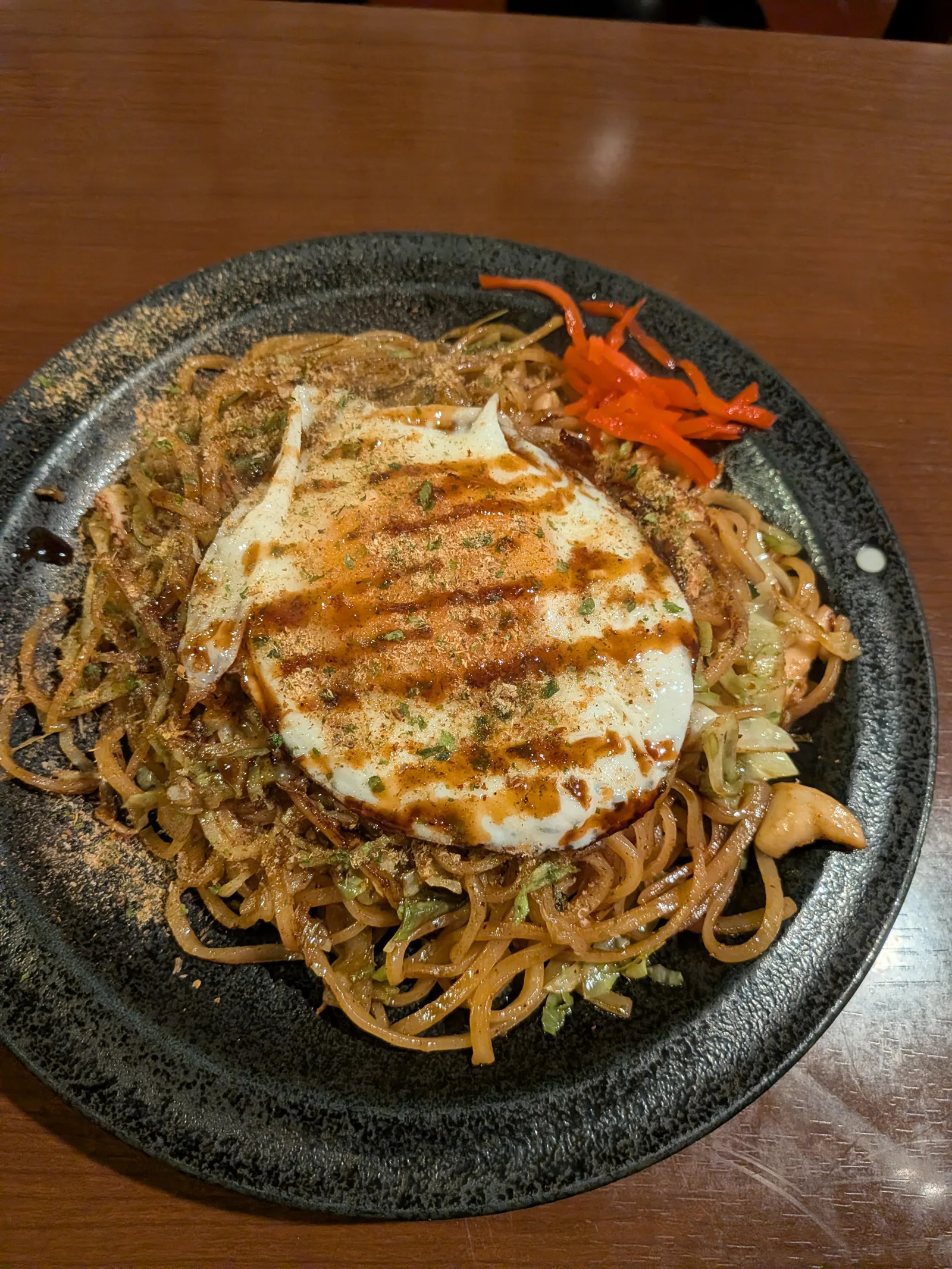
In the evening I went to Sakadokoro Akai, wanting the atmosphere of a local Japanese restaurant. The Shizuoka-style oden was good but weird: an unfamiliar assortment of ingredients on skewers, including egg, daikon radish, fish cakes and konnyaku, a firm, jelly-like konjac cake, with textures and flavours I was not used to. The menu warned that Westerners would not like it, which I took as a challenge. I was glad to have tried it, though I would probably not go out of my way to order it again. The squid yakisoba with egg was excellent, particularly the texture of the noodles.
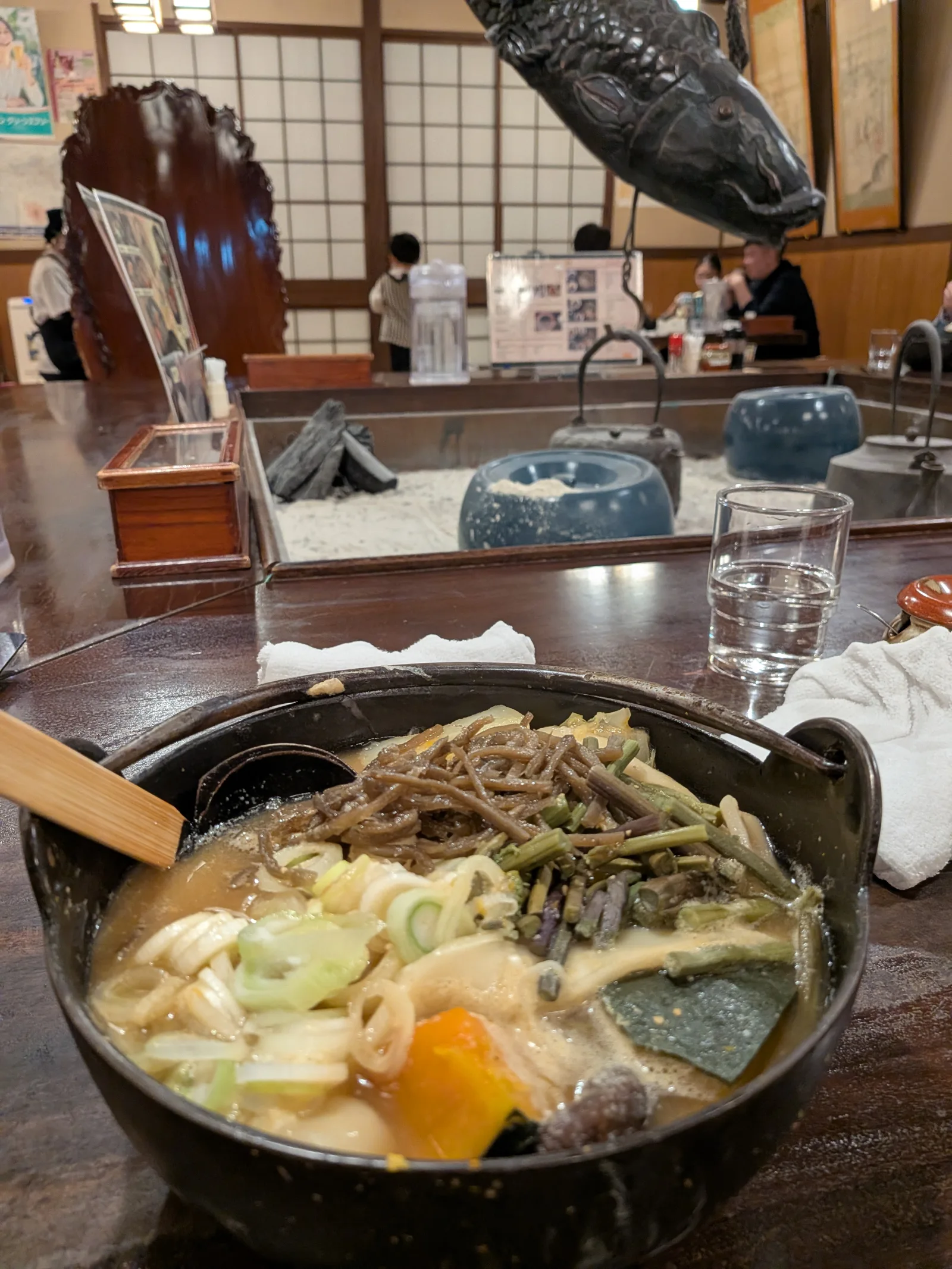
I decided against having raw horse meat again, but did go back to Kosaku for a second dinner of pumpkin hōtō. I initially thought it was closed, but the staff let me in. The noodles arrived in a heavy, very hot metal pot with a large handle. I was warned not to touch it, tried anyway, and was given a towel. The contrast between the two restaurants was striking. Sakadokoro Akai had felt intimate and cosy, with a pub-style atmosphere and groups of friends and people on dates eating around me. Kosaku felt more like a big community hall, where I sat at a large table that could hold perhaps eight or ten people. Both seemed like ordinary experiences of Japanese dining, but they were very different.
Monday 2 November: One last view of Fuji
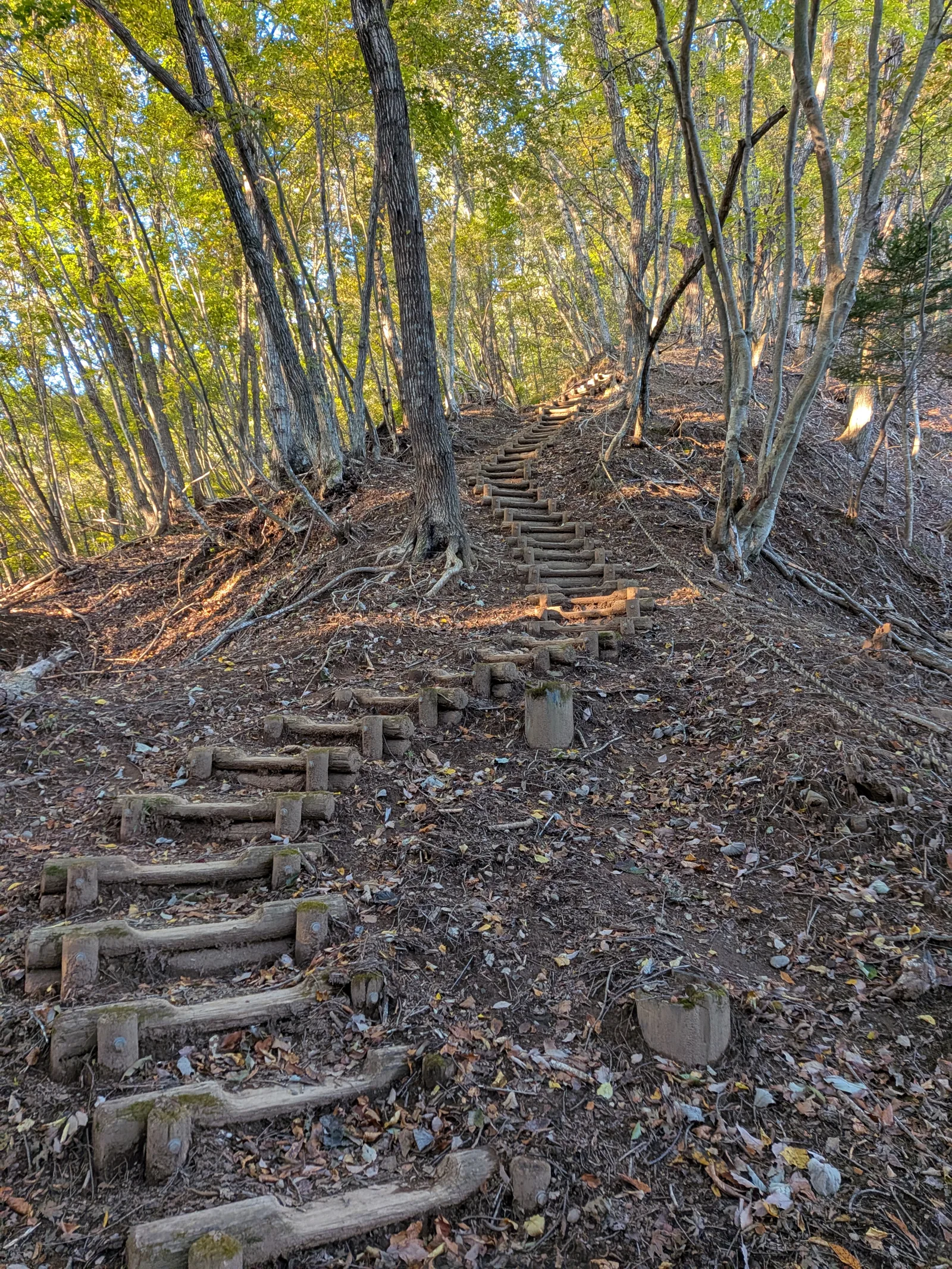
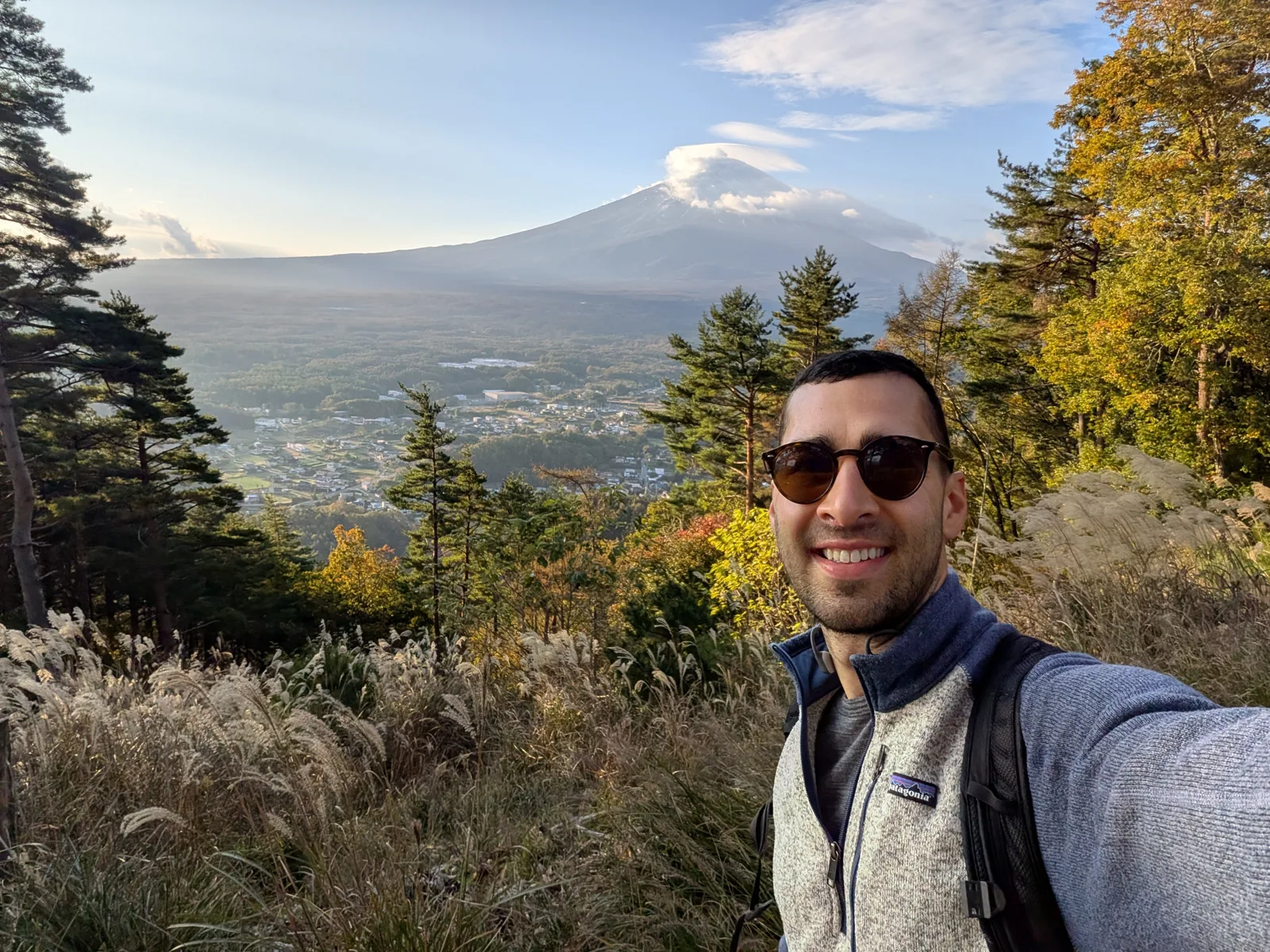
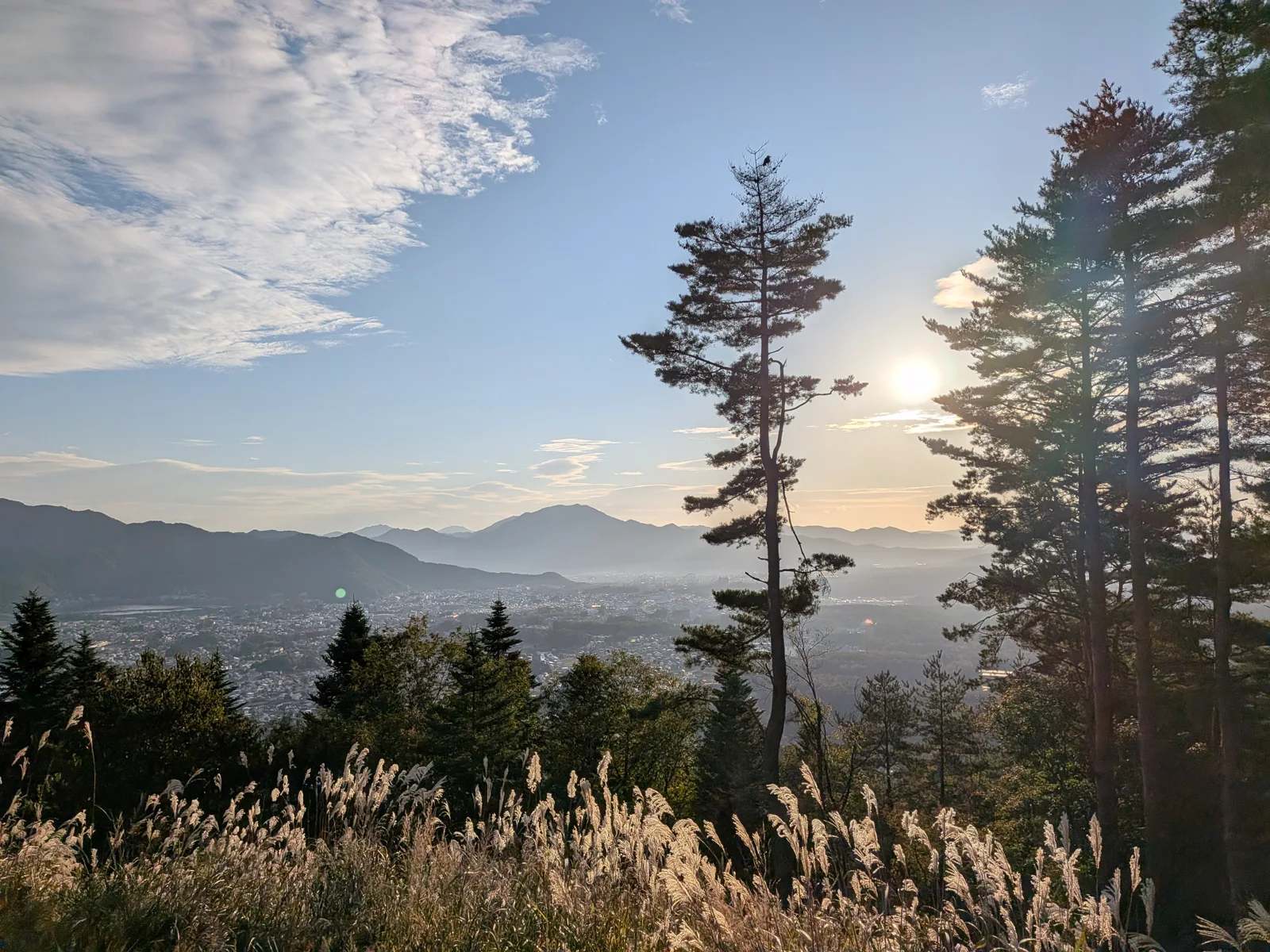
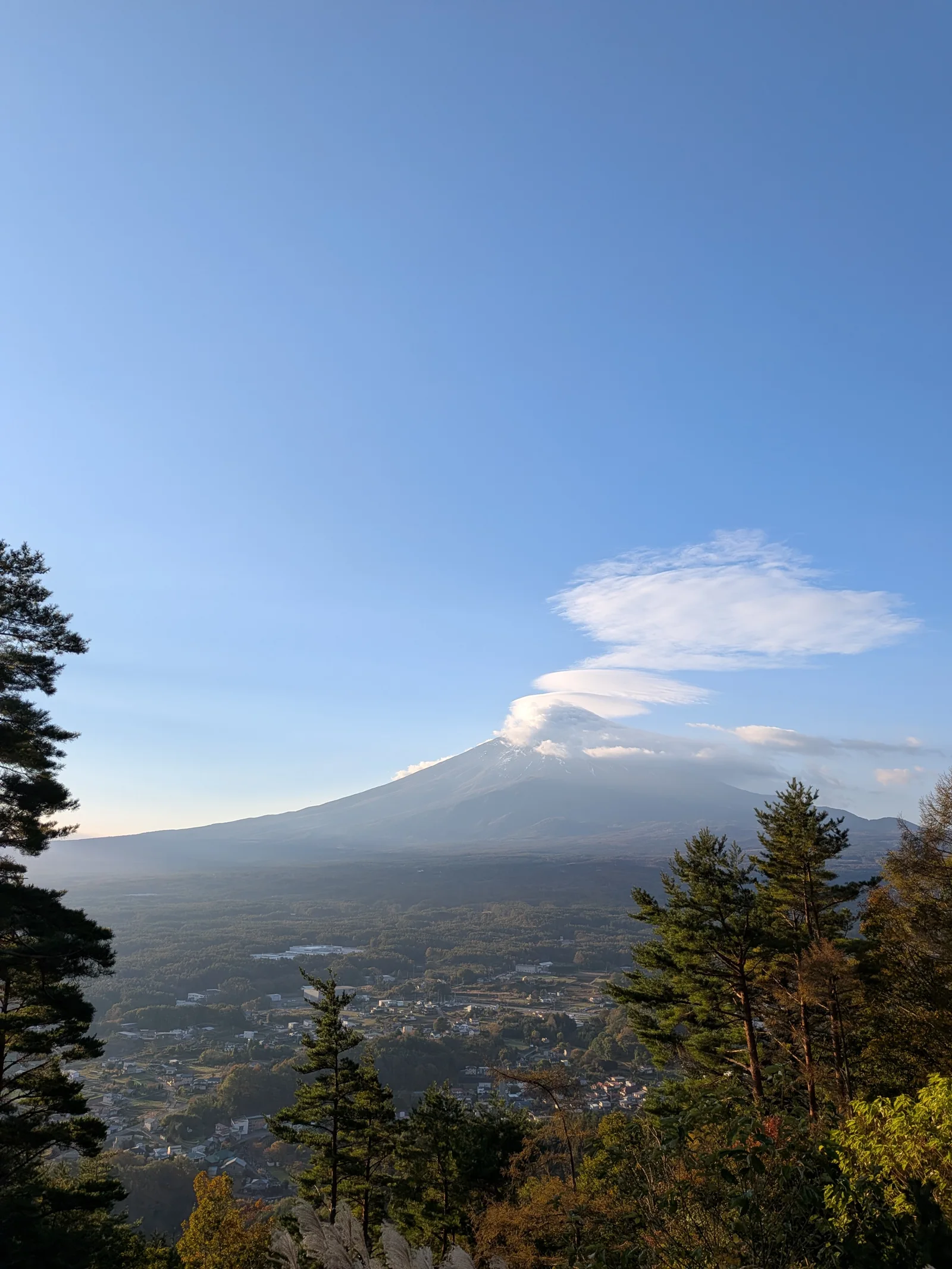
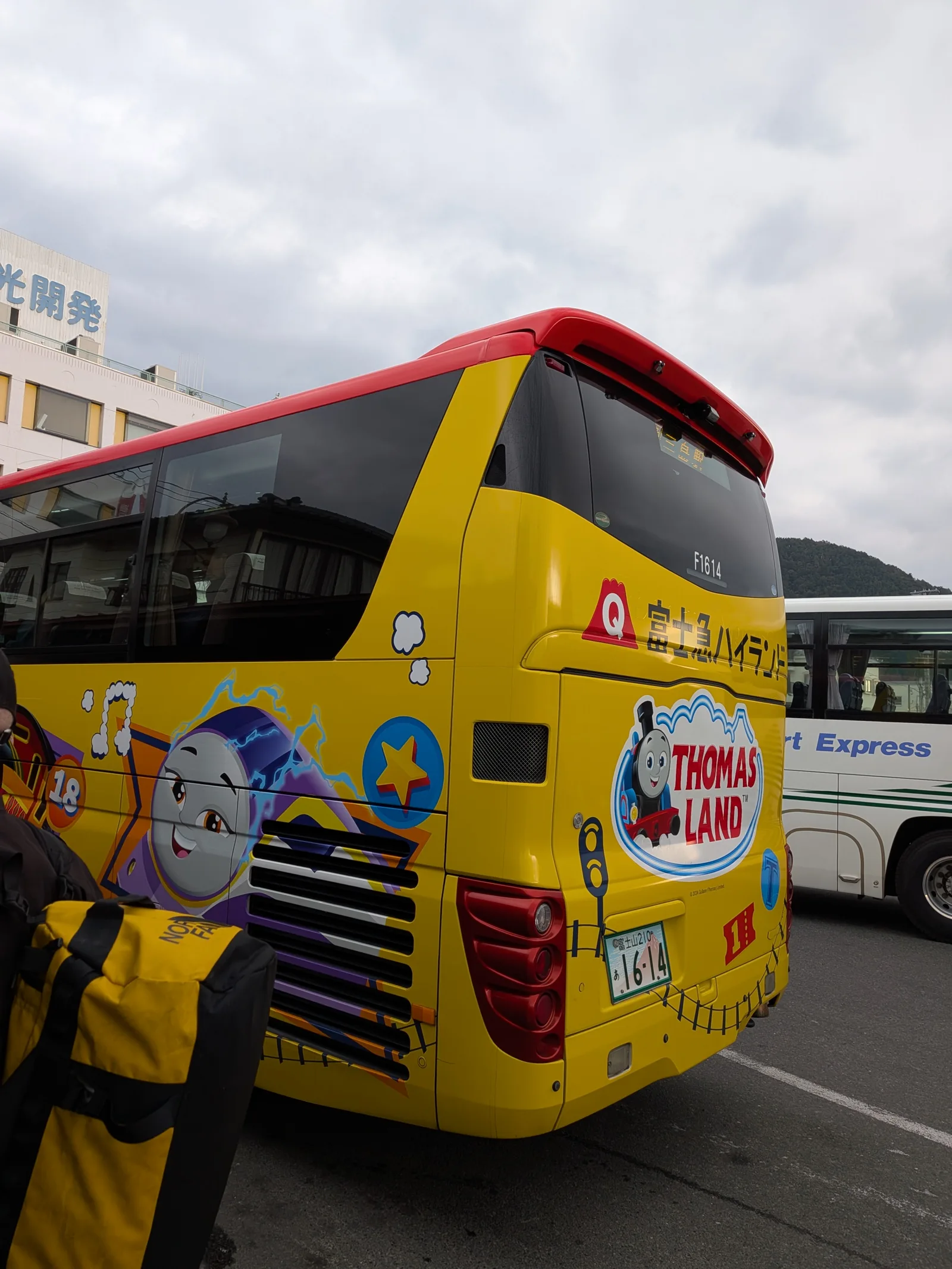
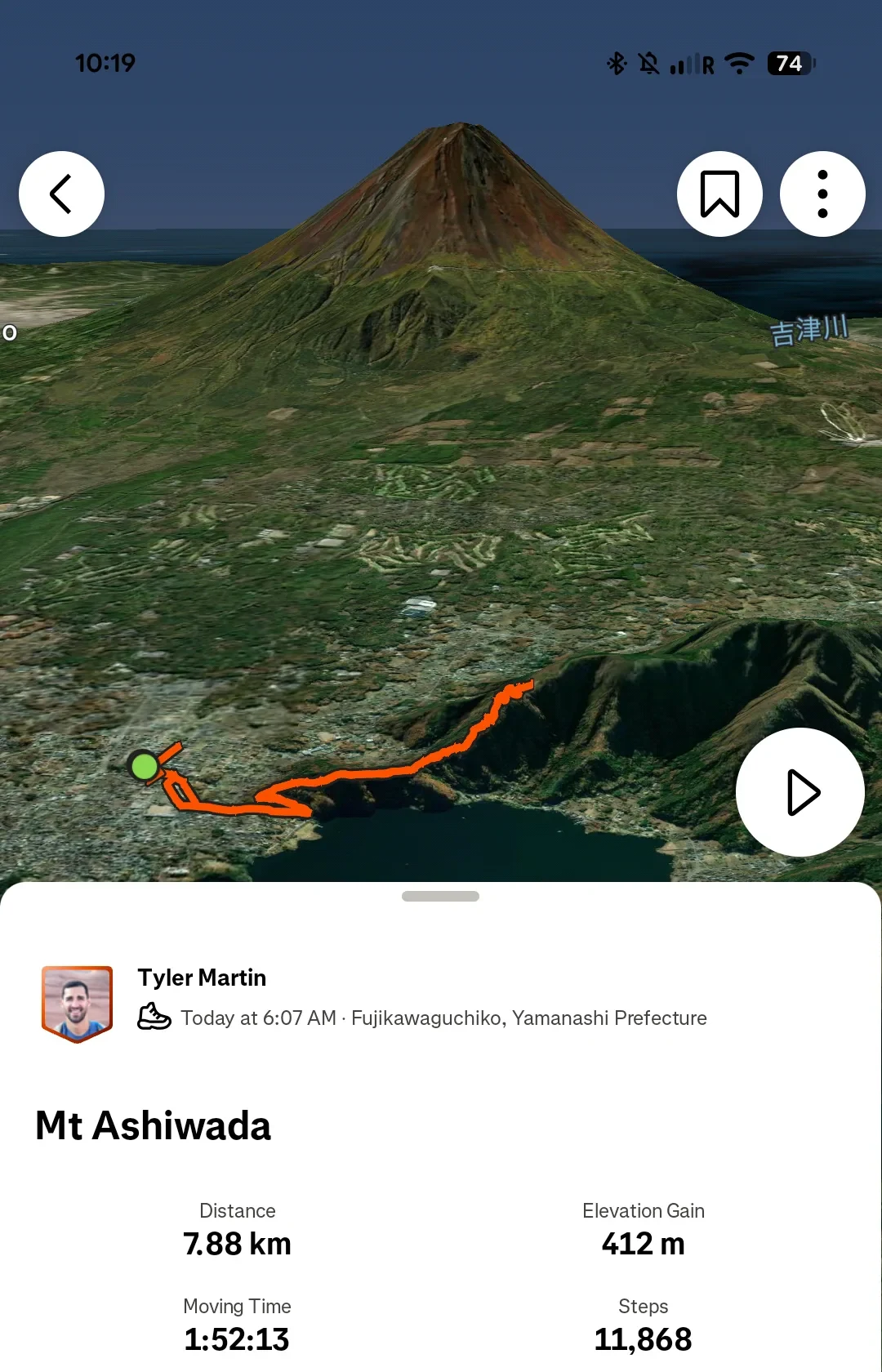
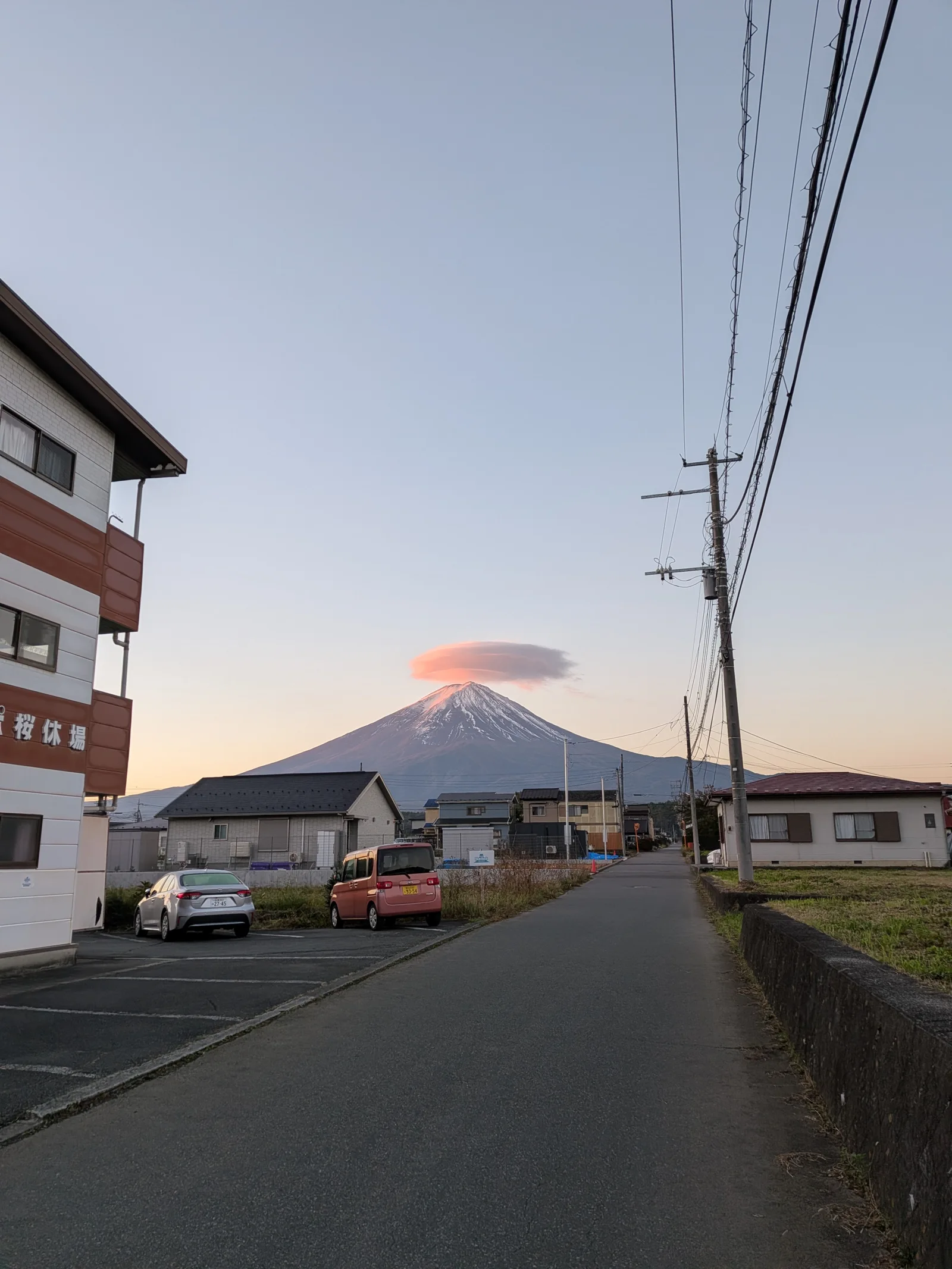
I woke to a really cool lenticular cloud formation over Fuji and wanted another view before leaving. The trailhead for Mount Ashiwada was about twelve minutes from BlueRock. I started around 6:07 AM. I needed to catch the 09:20 bus from Kawaguchiko to Mishima, followed by the 11:46 Shinkansen to Kyoto, so there was limited time for the hike. The climb was steep, but I had just enough time to reach a viewpoint with an awesome view of Fuji.
This shorter walk was 7.9 km, with 412 m of ascent and 1 hour and 52 minutes of moving time. It was a good way to end my time around the lake. I packed and headed towards the station for the bus to Mishima, excited to continue on to Kyoto and planning to work on these notes during the journey.