Japan, part two: Kyoto and Nara
2 to 6 November 2026
Monday 2 November: On to Kyoto
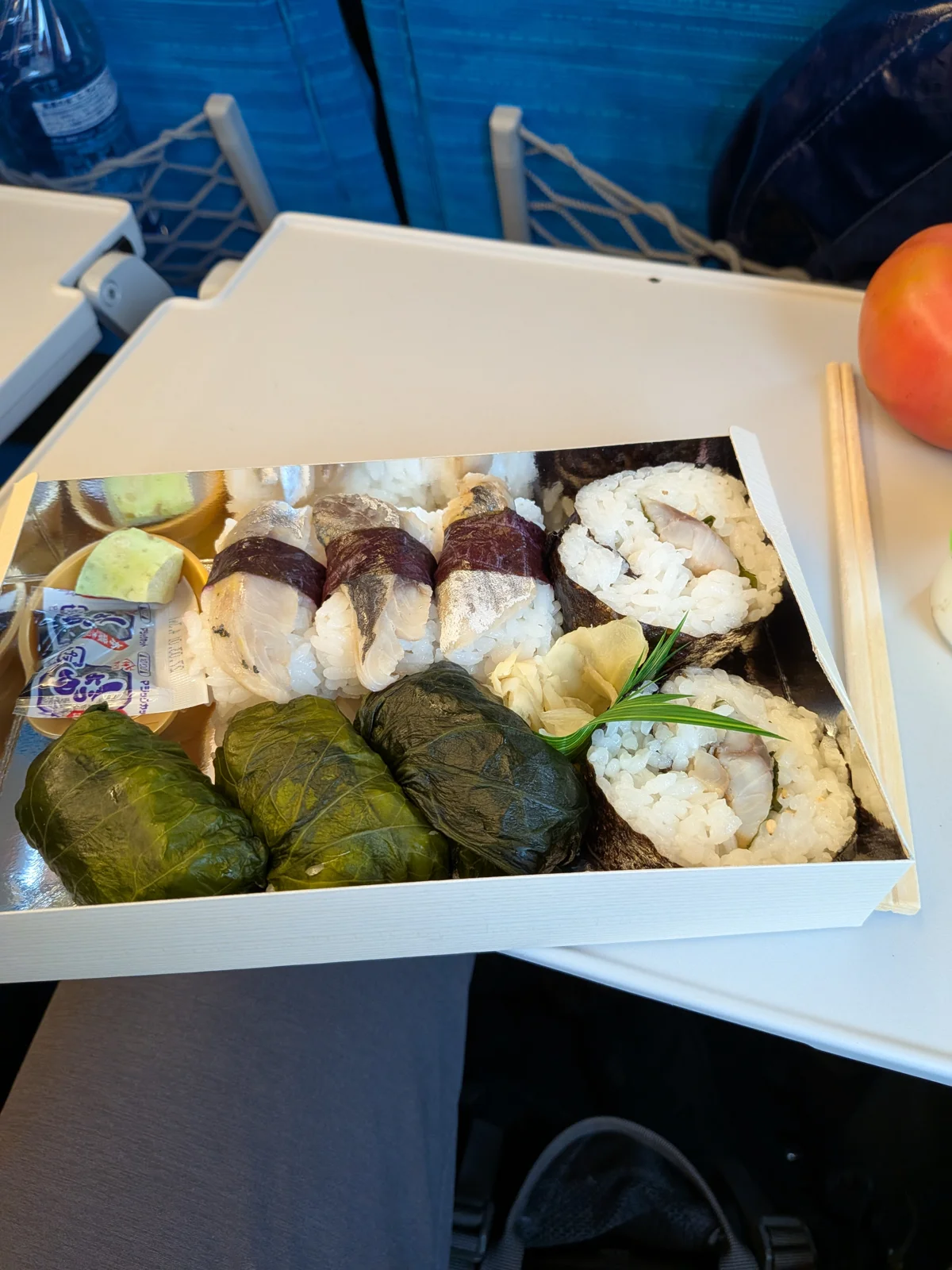
After leaving Kawaguchiko, I took the bus to Mishima and had plenty of time before the Shinkansen to Kyoto. Getting a bento box before boarding the Shinkansen seemed like the equivalent of British people picking up a meal deal. I watched trains rush past the platform at extraordinary speed. Even standing there waiting was entertaining. I found the whole spectacle fascinating.
Once I reached Kyoto, I managed to make getting to the hotel more difficult than it needed to be. I set off confidently on what I thought would be a twenty-minute walk, only to discover that I was going in the wrong direction. With daylight running out, I gave up and took a taxi. One thing I had already noticed was how early it became dark, around 4:50 PM. It made fitting outdoor exploring into the day surprisingly difficult.
I checked in at Tassel Inn Kyoto Kawaramachi Nijo, a fairly basic business hotel, but actually quite nice. It was clean, the staff were friendly, and there was coin-operated laundry. The location was good, about a fifteen-minute walk from lots of the bustling shopping and dining streets. I would stay there again. I never had breakfast there; it cost extra, and most mornings I was out exploring first thing.
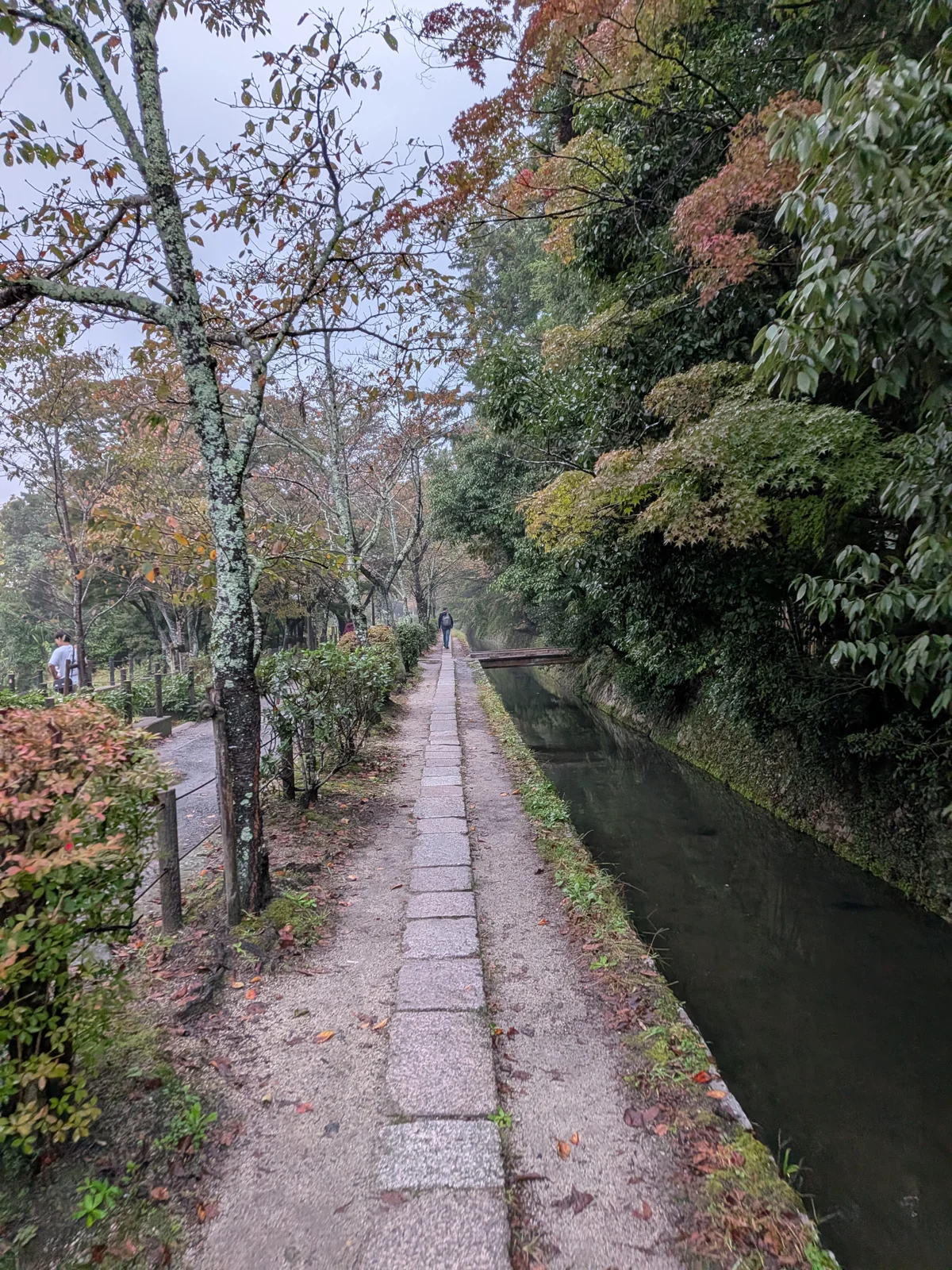
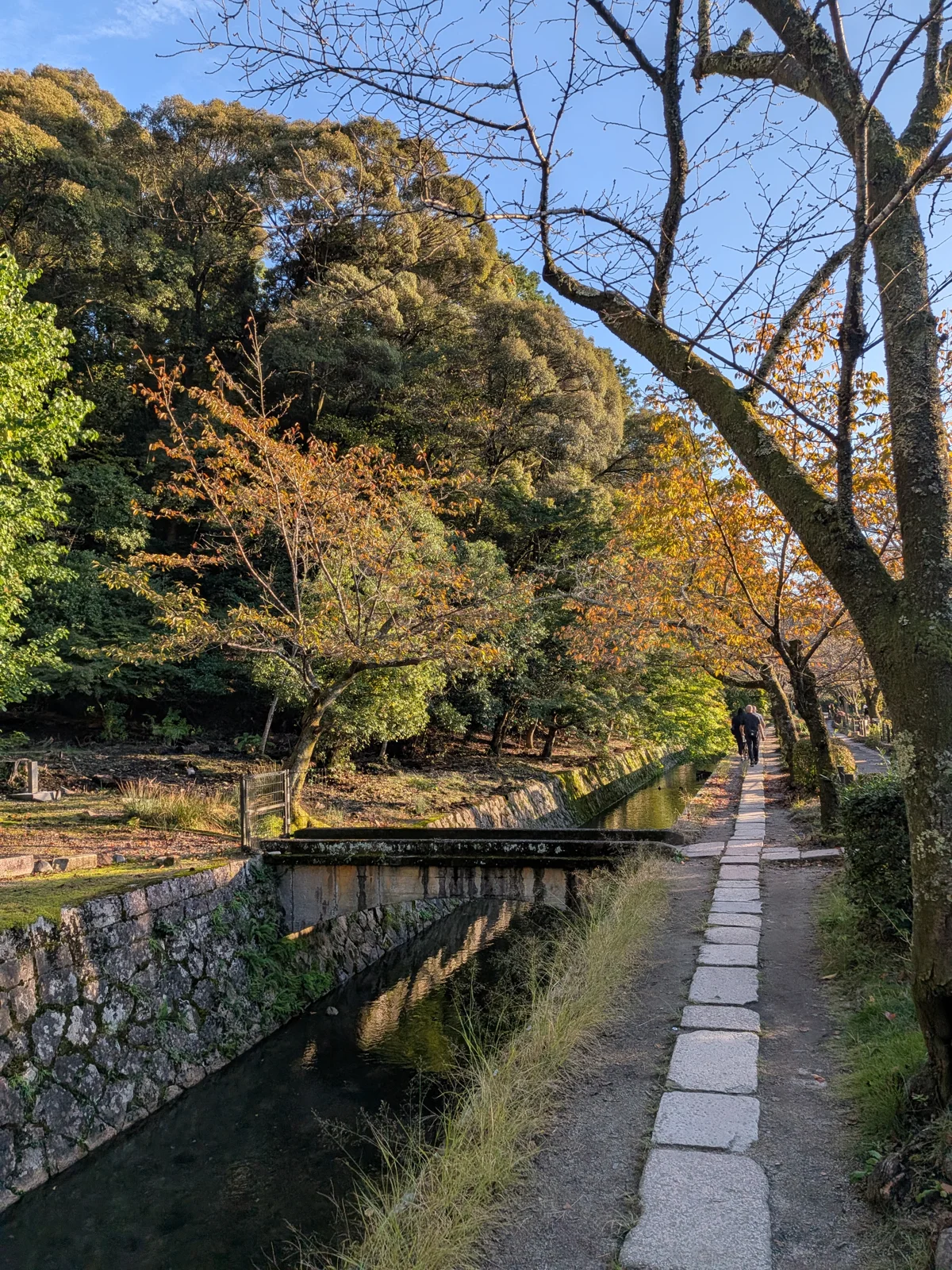
After checking in, I went out to walk along the Philosopher's Path. It was a beautiful old stone path, with temples and shrines dotted around the surrounding streets. I wandered along, stopping here and there, and liked having so much to explore on foot.
Kyoto immediately felt quite different from Asagaya in Tokyo. There were many more foreign tourists, including plenty of Westerners, and lots of shops clearly catering to visitors. Some of that was probably just the part of Kyoto I had chosen to explore. In Tokyo I had stayed in a residential neighbourhood and deliberately spent time in less touristy places, so it was hardly a like-for-like comparison.
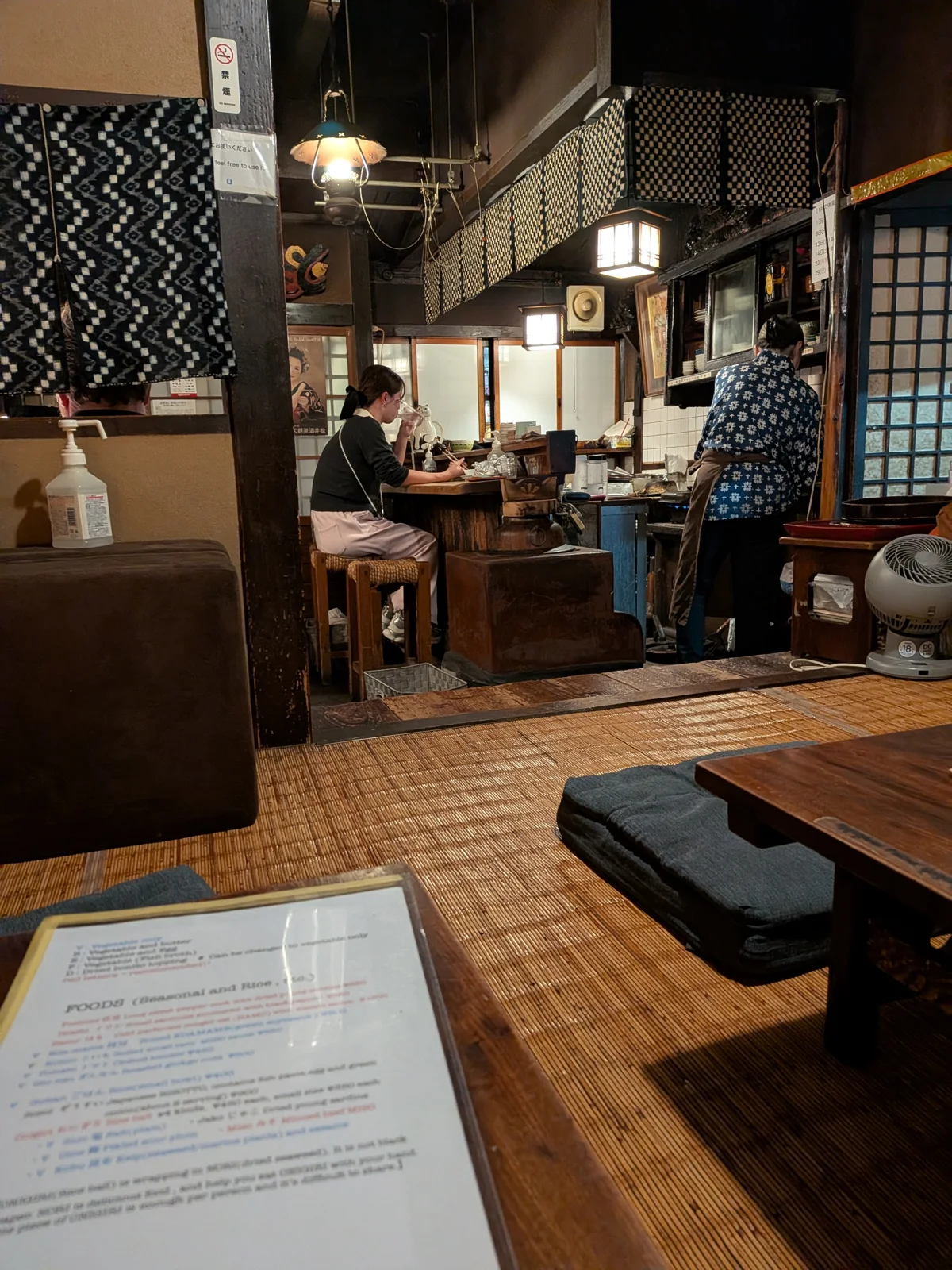
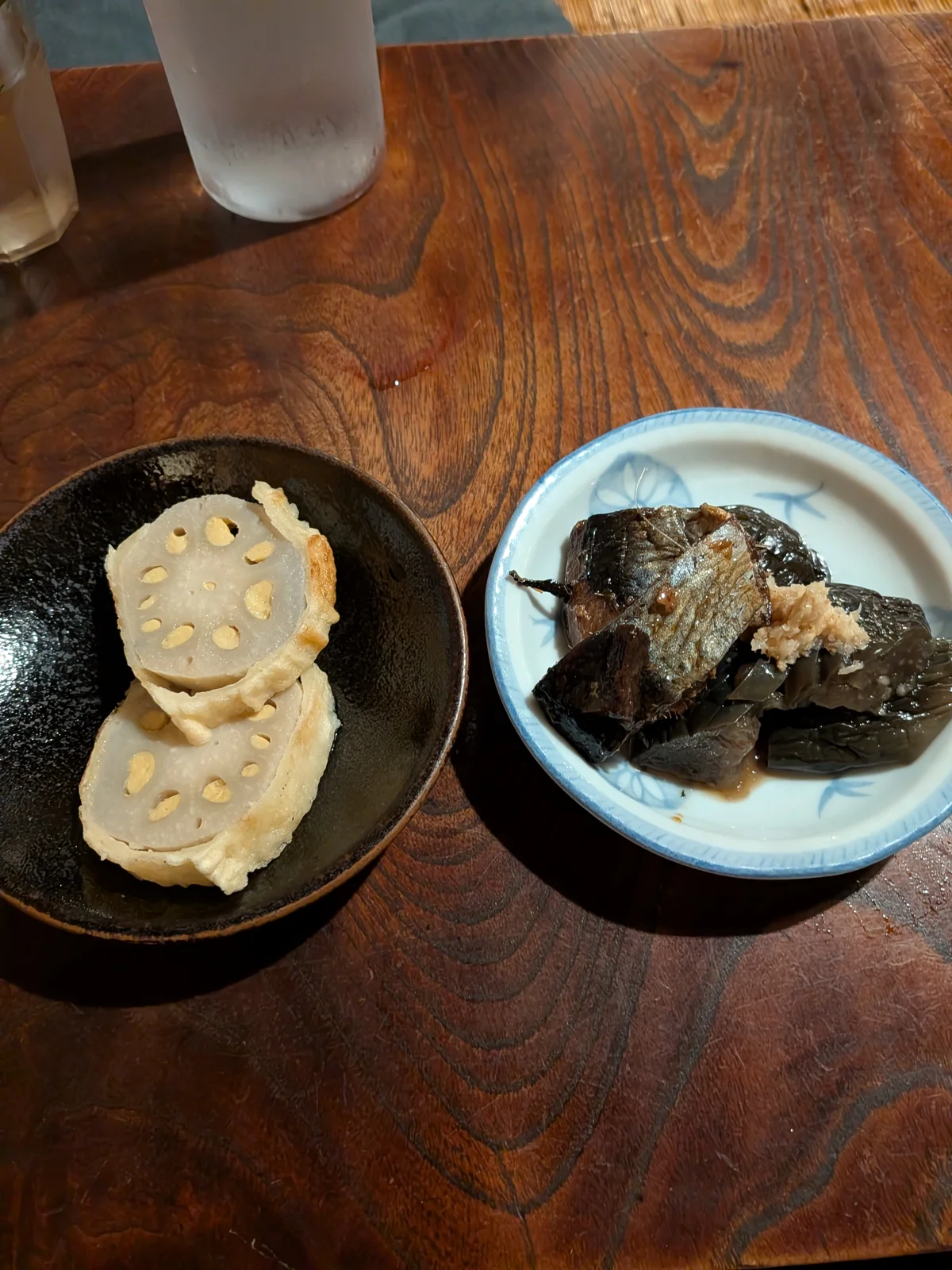
My first choice for dinner was full, although I was able to make a reservation for the following evening. I ended up at Renkonya (れんこんや), a small restaurant serving Japanese dishes at a counter. One woman seemed to be running virtually everything behind the counter, with perhaps ten seats in all. It was a really cool place to eat.
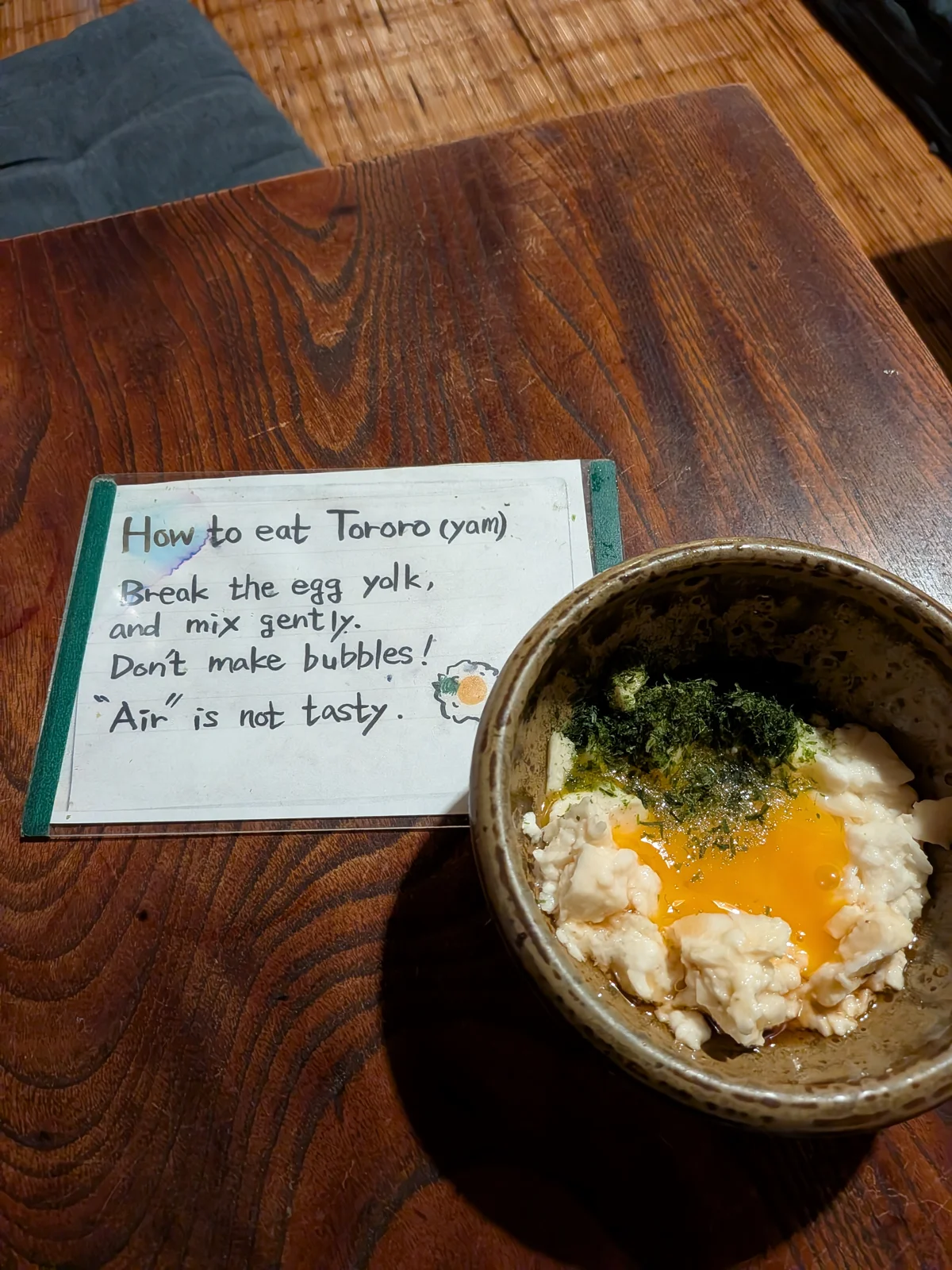
The food was excellent. Herring with aubergine came in a wonderfully rich, saucy combination. A lotus-root dish with mustard and miso was particularly good: the crunch of the lotus root against the spicy mustard-miso flavour was fantastic. I also liked the mountain yam, which had an unusual combination of crunchy and creamy textures. The only drawback was that the dishes were tiny and the meal felt fairly expensive for how much food I had actually eaten.
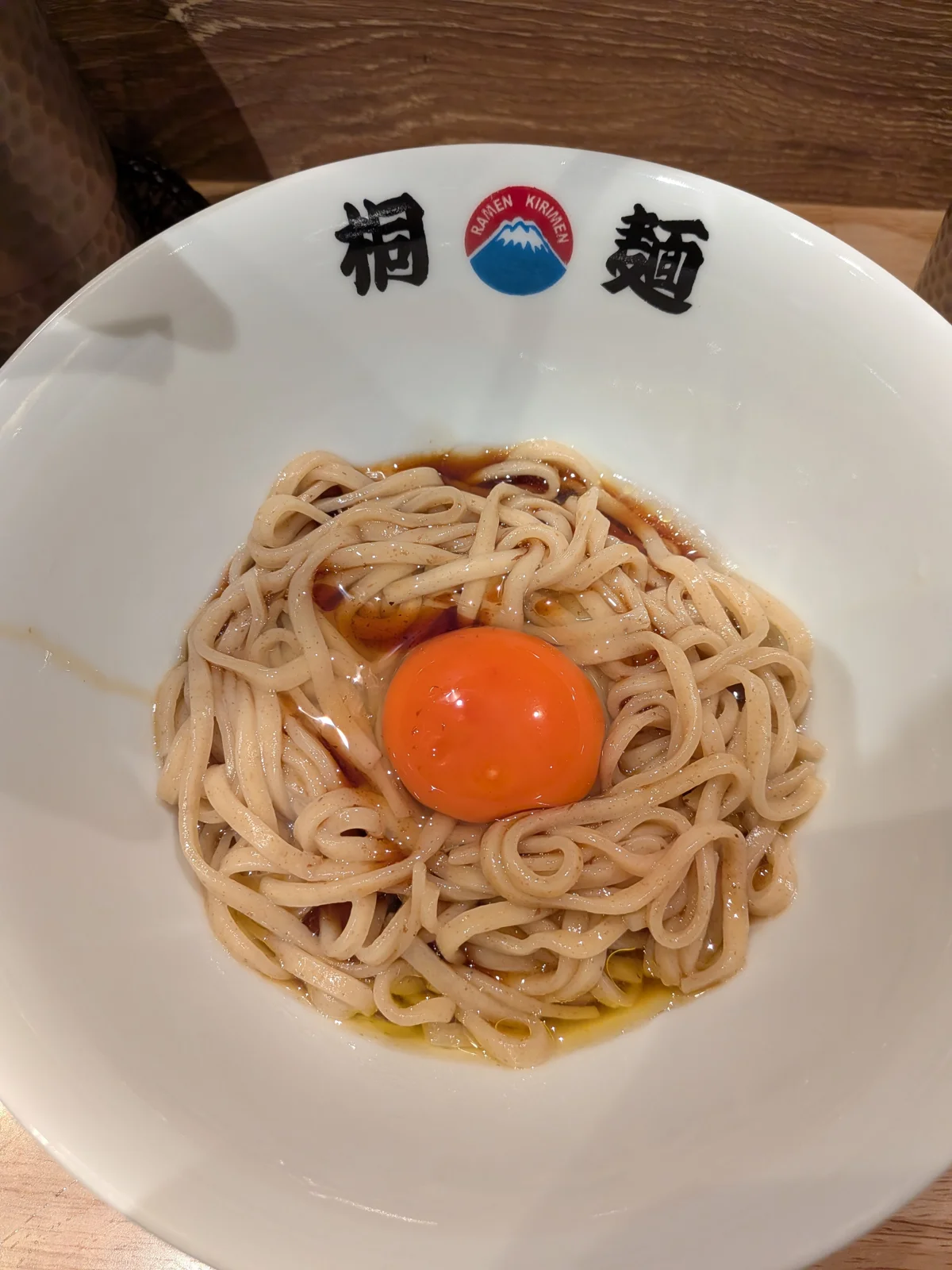
I decided to go looking for noodles rather than order another round. At Kiri Men (キリメン), I had Kiridama, a simple dish of thick noodles with egg and soy sauce mixed through them. I had wanted to try this style of noodle dish, but the restaurant's location in or around a railway station hadn't initially seemed very appealing. I was wrong to be put off. The chewy noodles, rich egg yolk and salty soy sauce worked together incredibly well. It was amazing, and a striking contrast with the elaborate little plates I'd eaten earlier in the evening.
Tuesday 3 November: Eastern Kyoto and obanzai
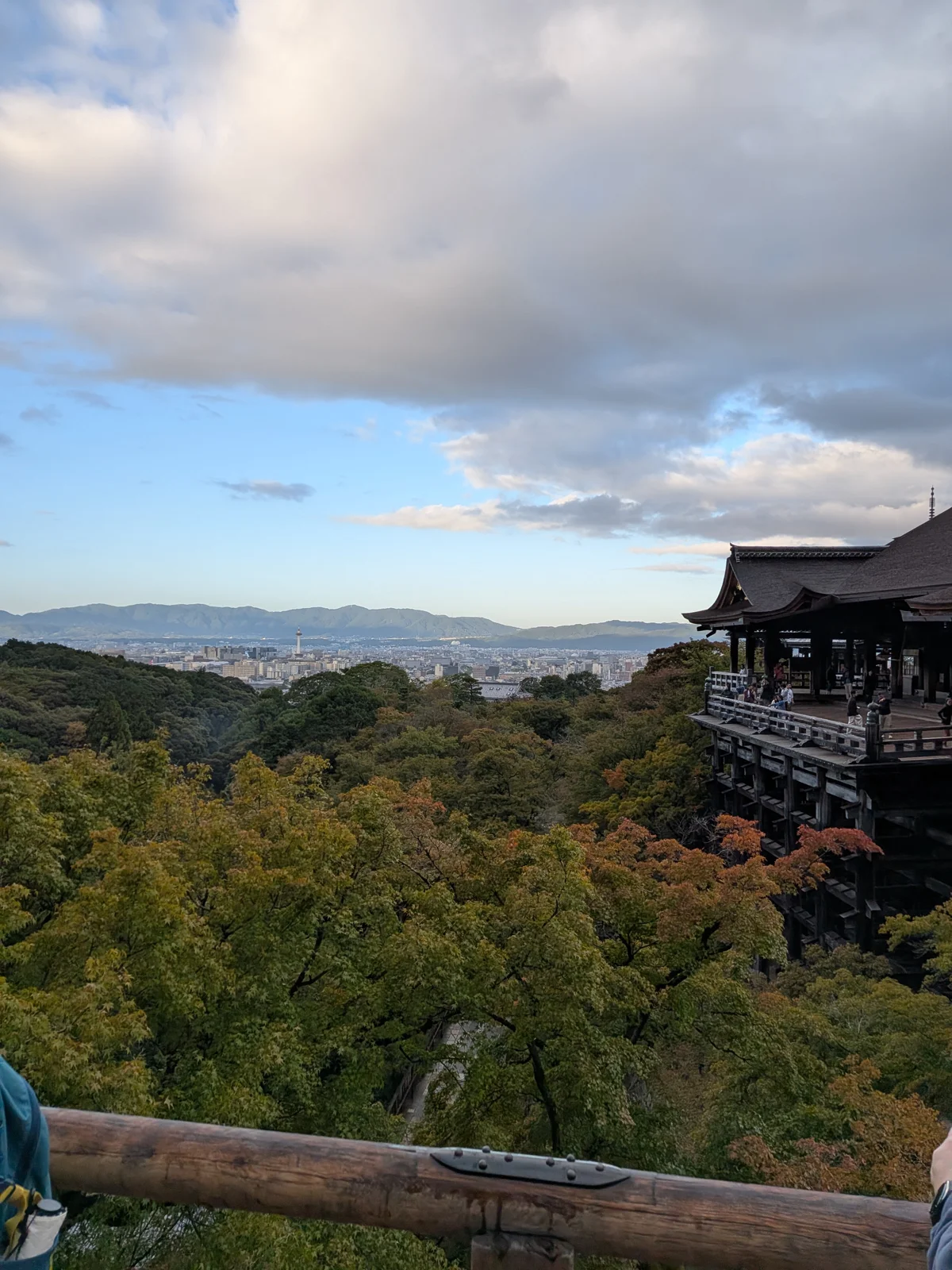
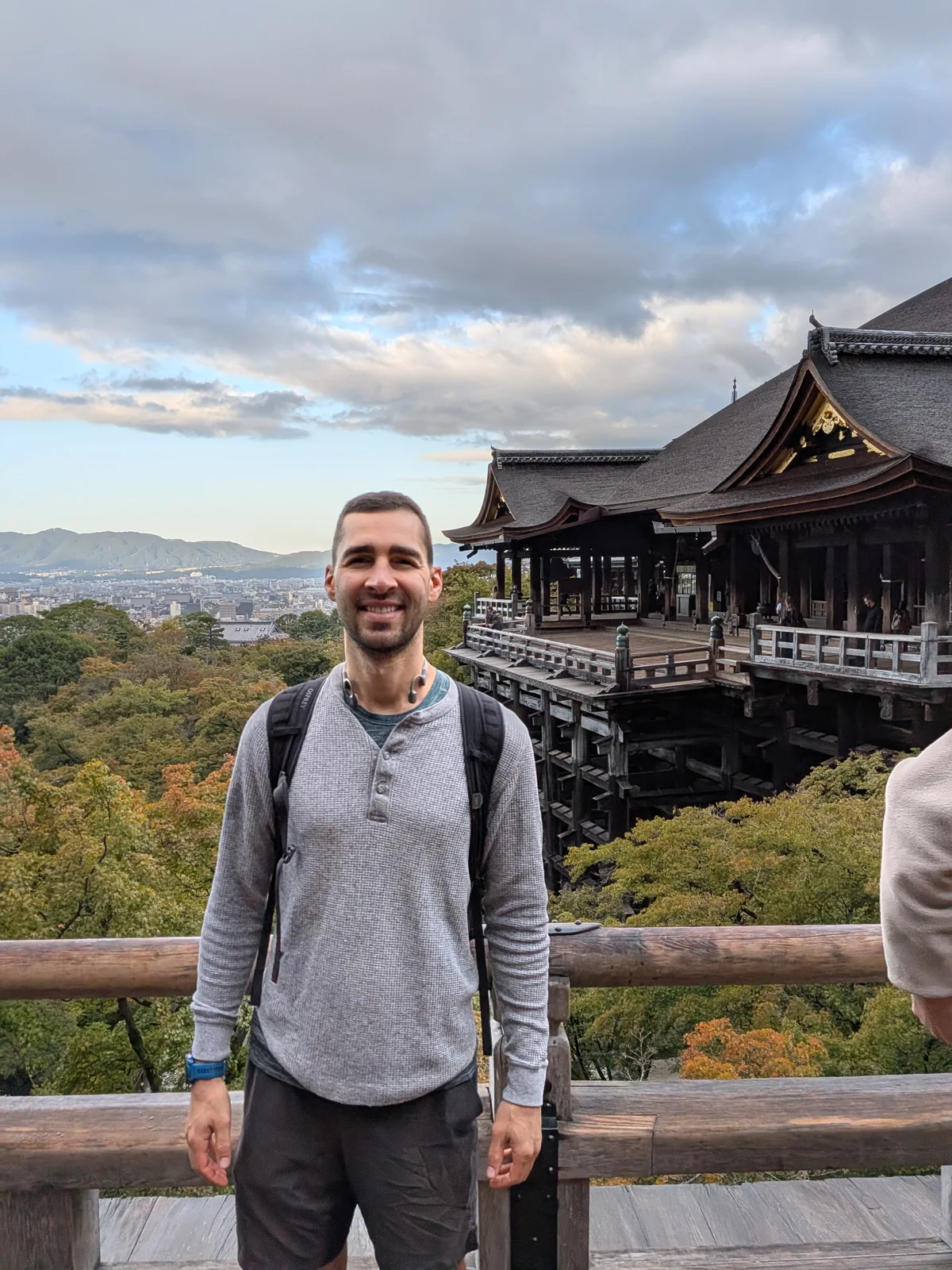
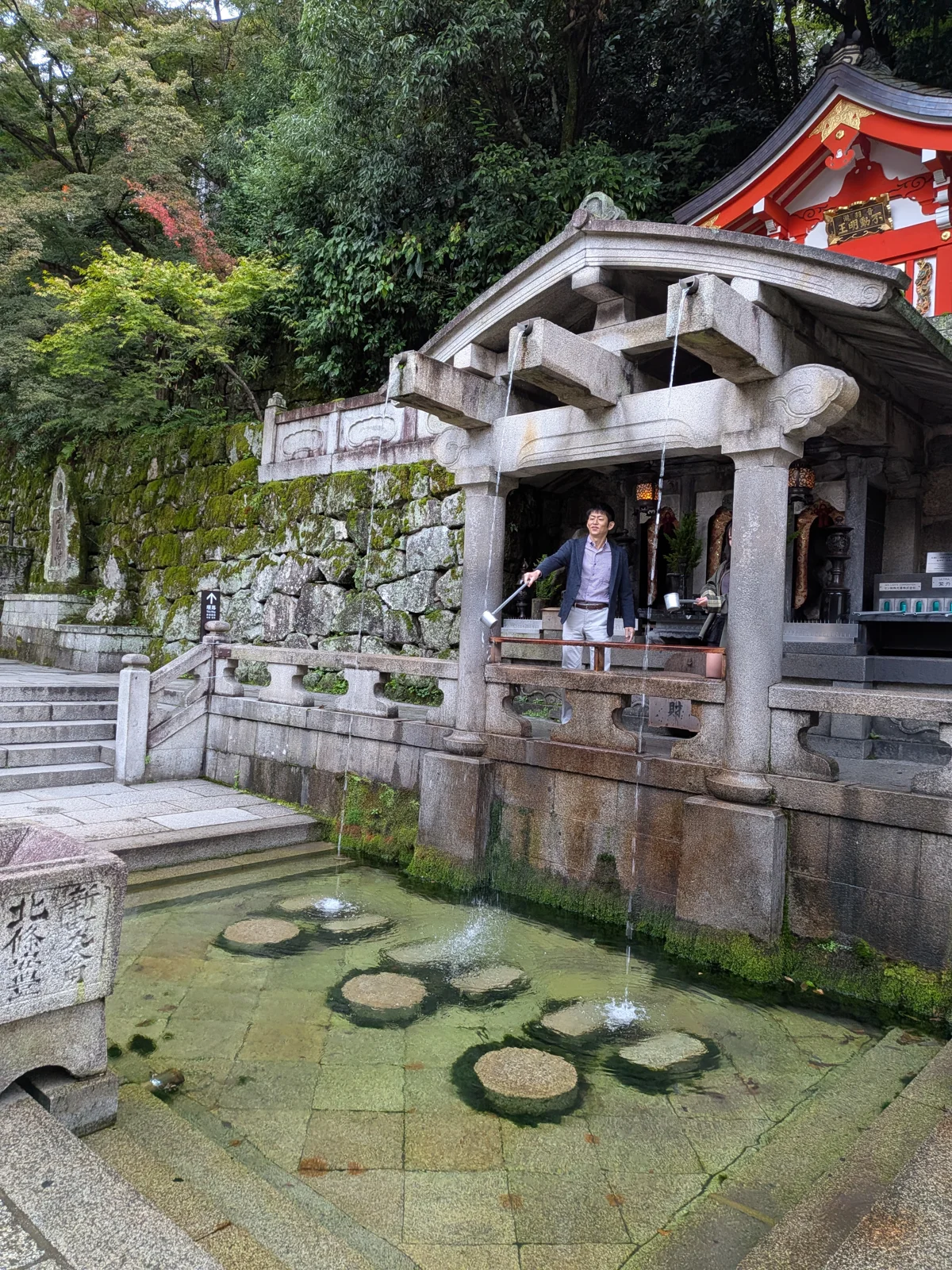
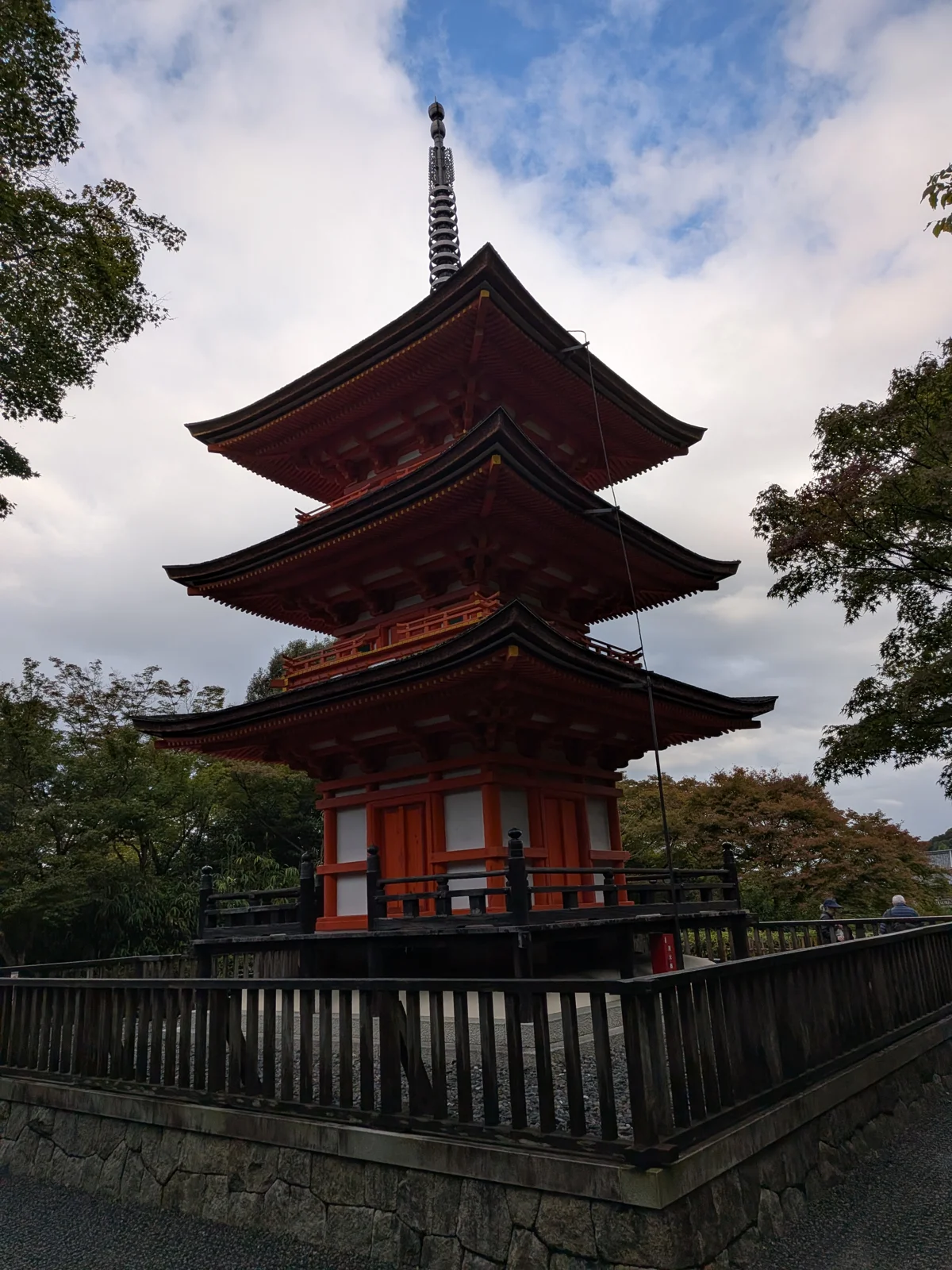
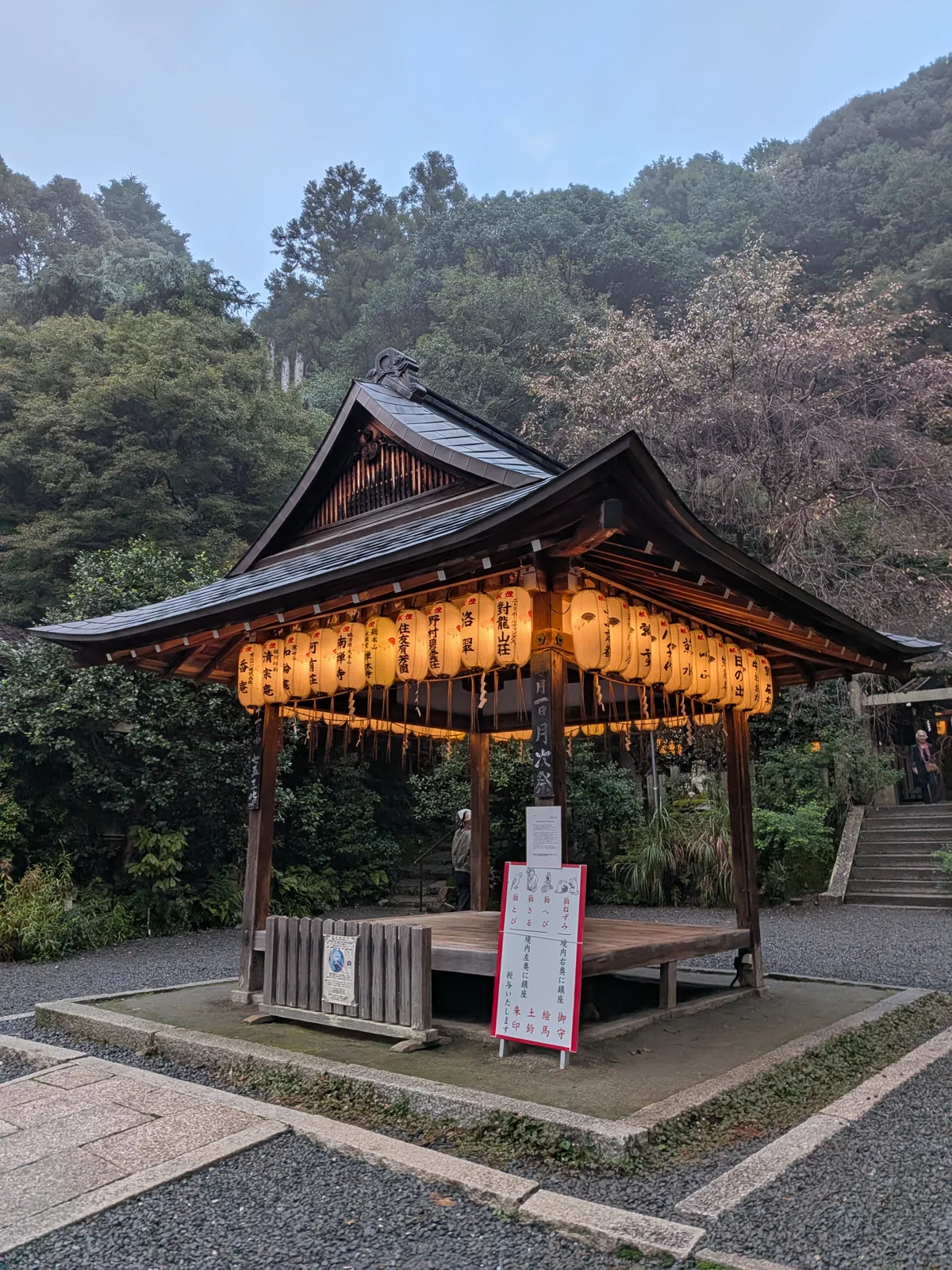
Tuesday was Culture Day, a public holiday. I visited Kiyomizu-dera and thought the outlook from the temple was really cool. It was interesting that it was a whole temple complex, with pagodas and different halls, rather than just one building. I also thought the ritual at Otowa Waterfall was really cool: visitors use long-handled ladles to catch the water and pray for purification.
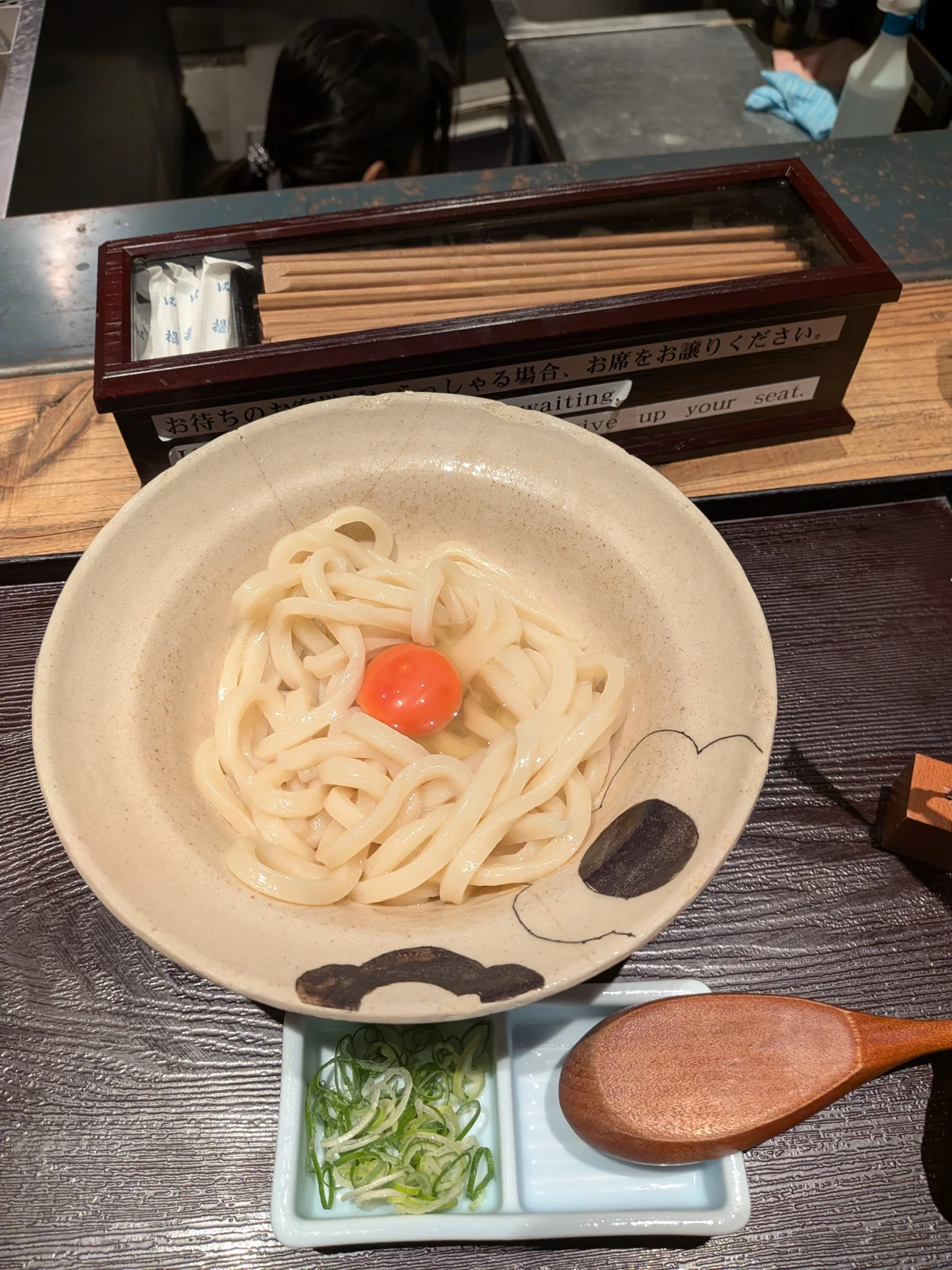
I was also continuing my education in Japanese noodles. At Udon Shiki, I had a plain kamatama udon, another preparation built around hot noodles and egg. It was awesome, although I slightly preferred the chewier noodles at Kiri Men the previous evening. I was beginning to appreciate just how different two bowls of apparently simple noodles could be.
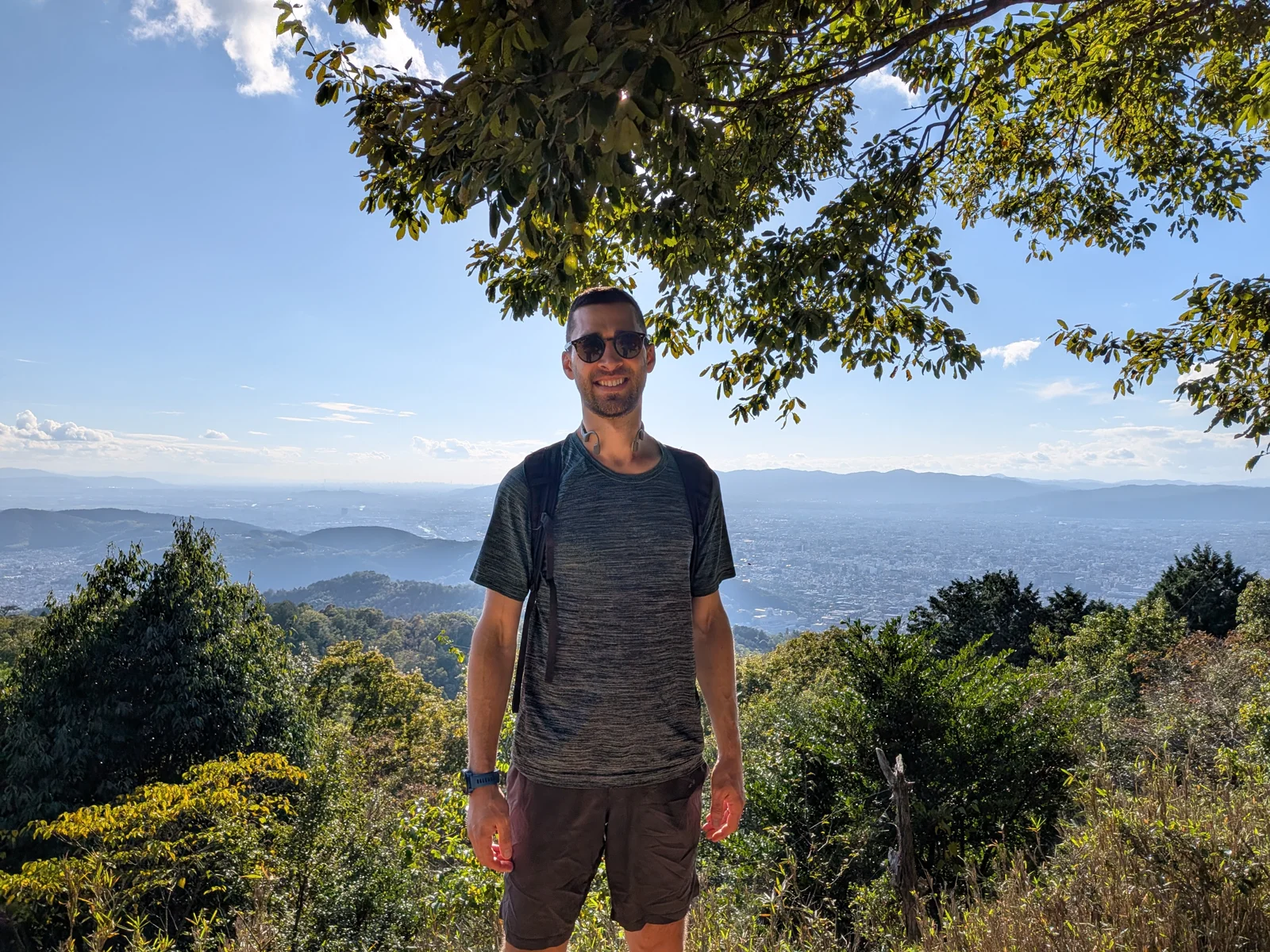
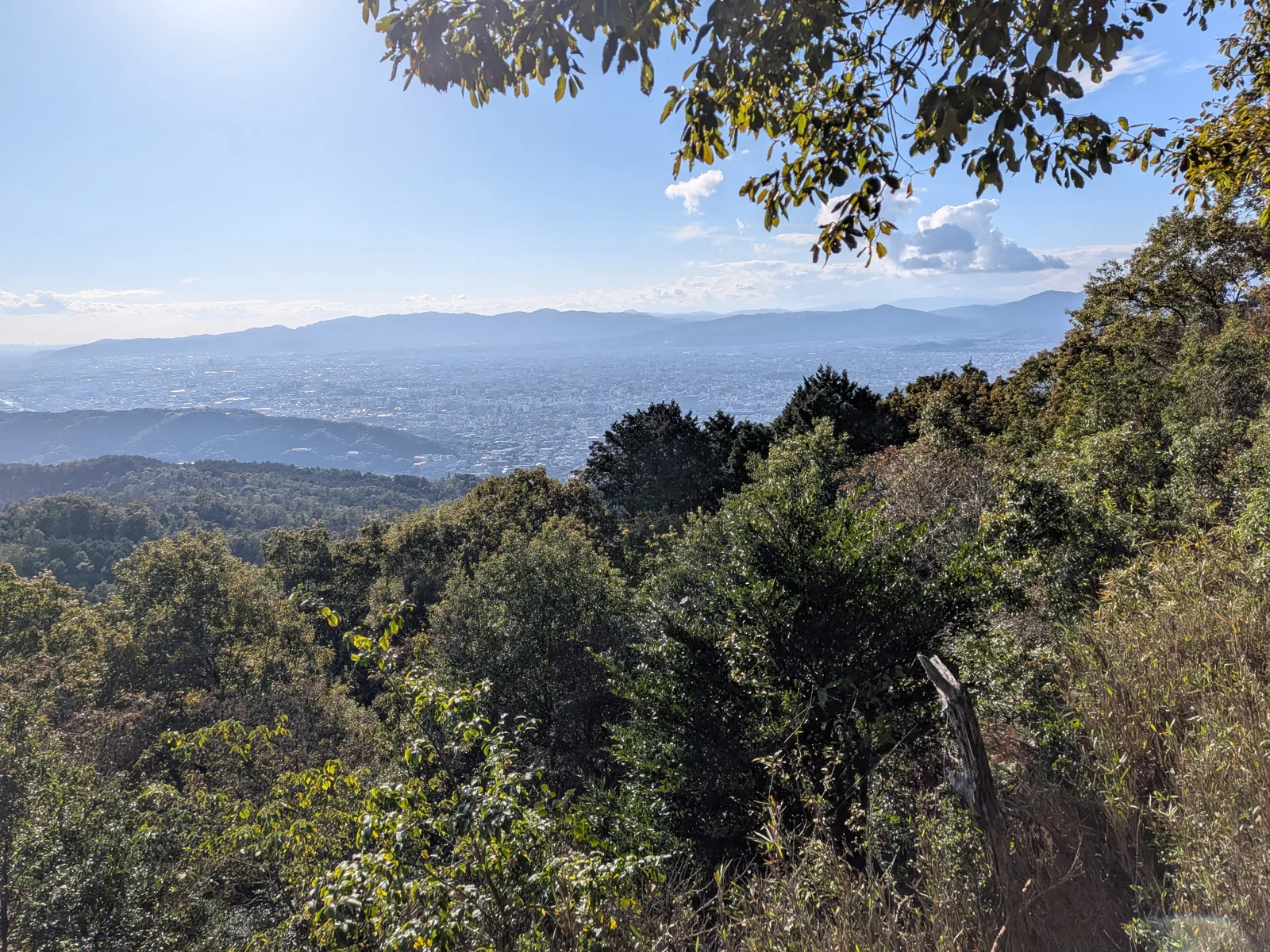
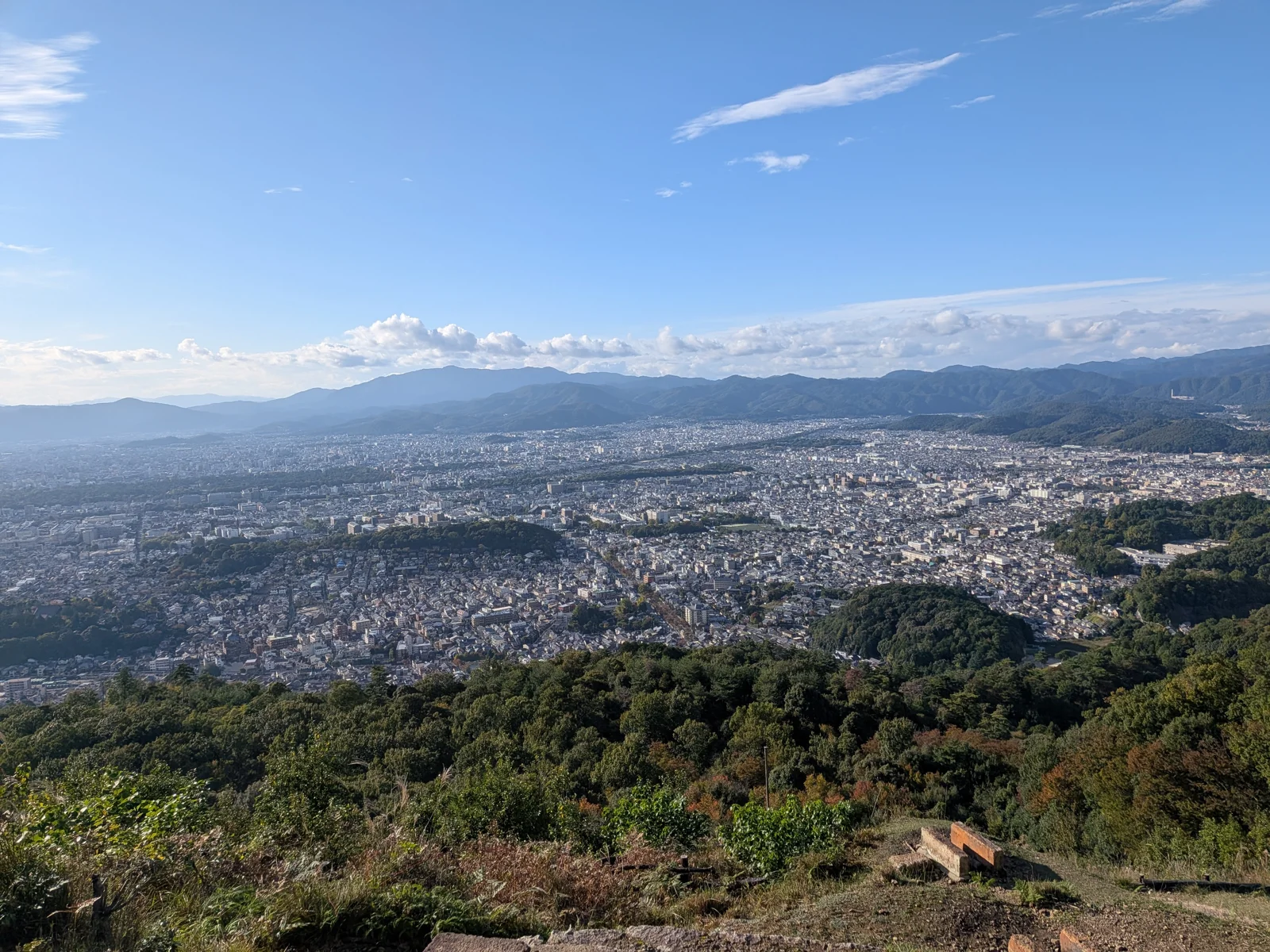
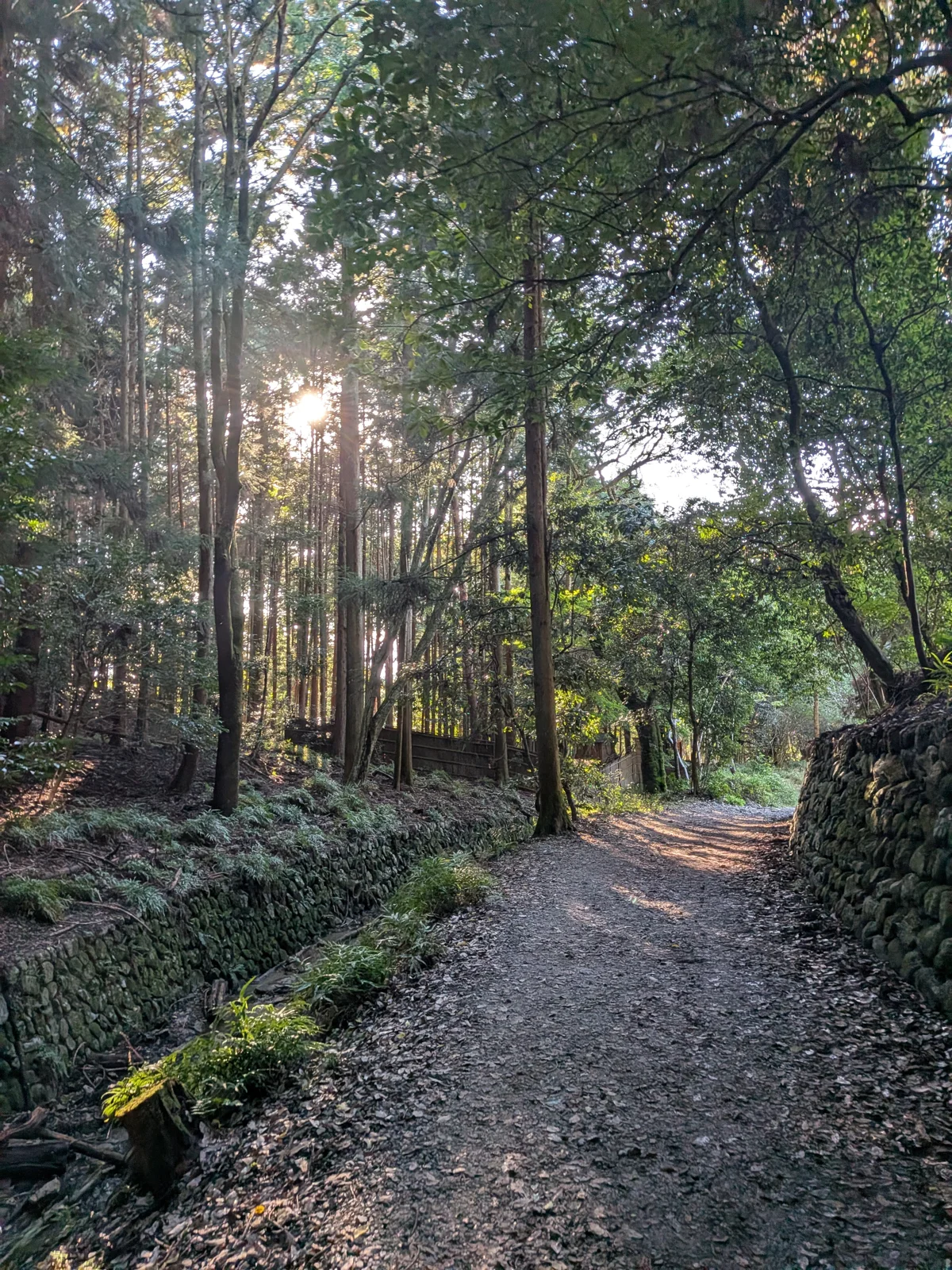
Later I walked up Mount Daimonji (大文字山) for a view over Kyoto, then came back along the Philosopher's Path.
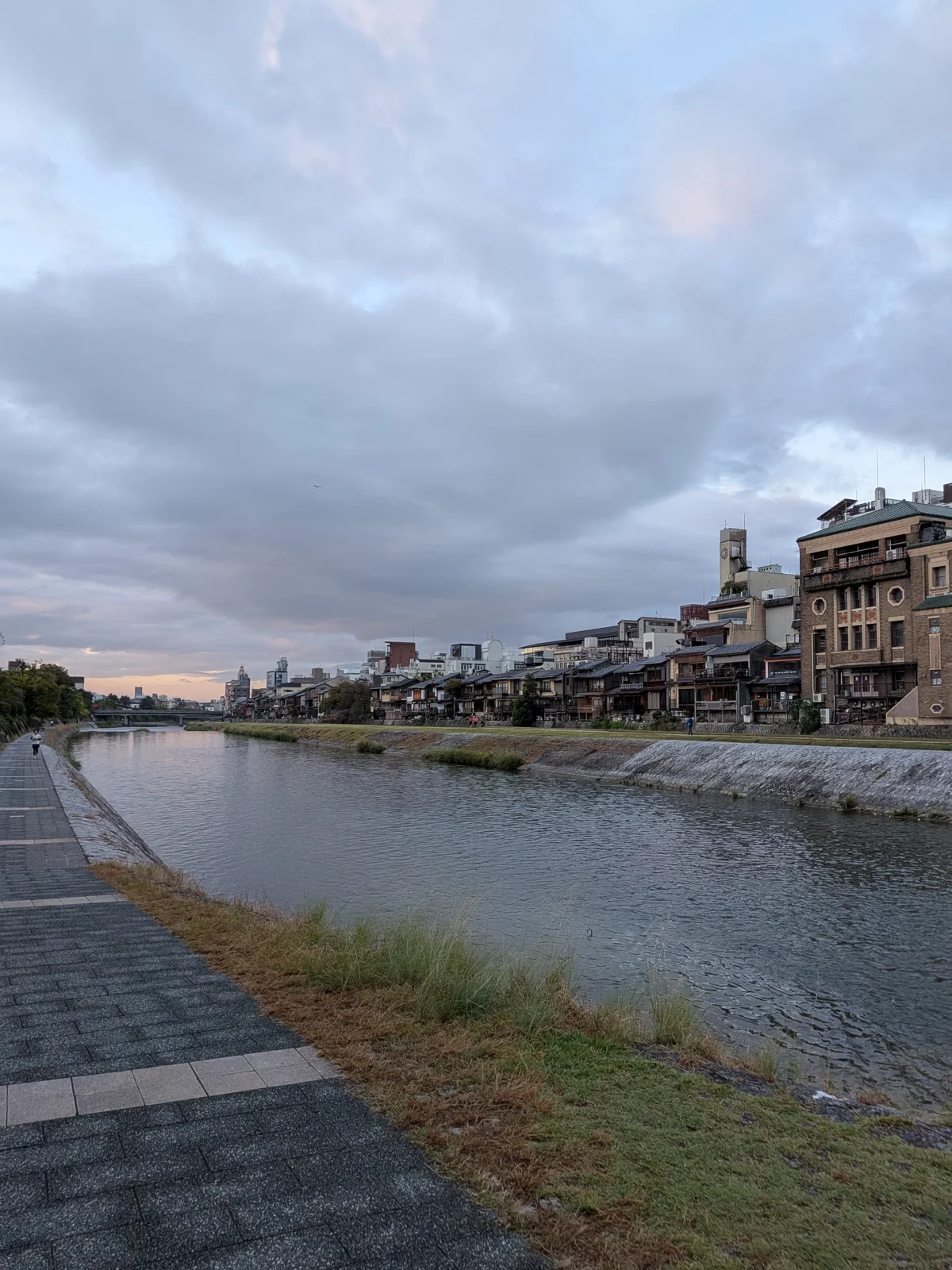
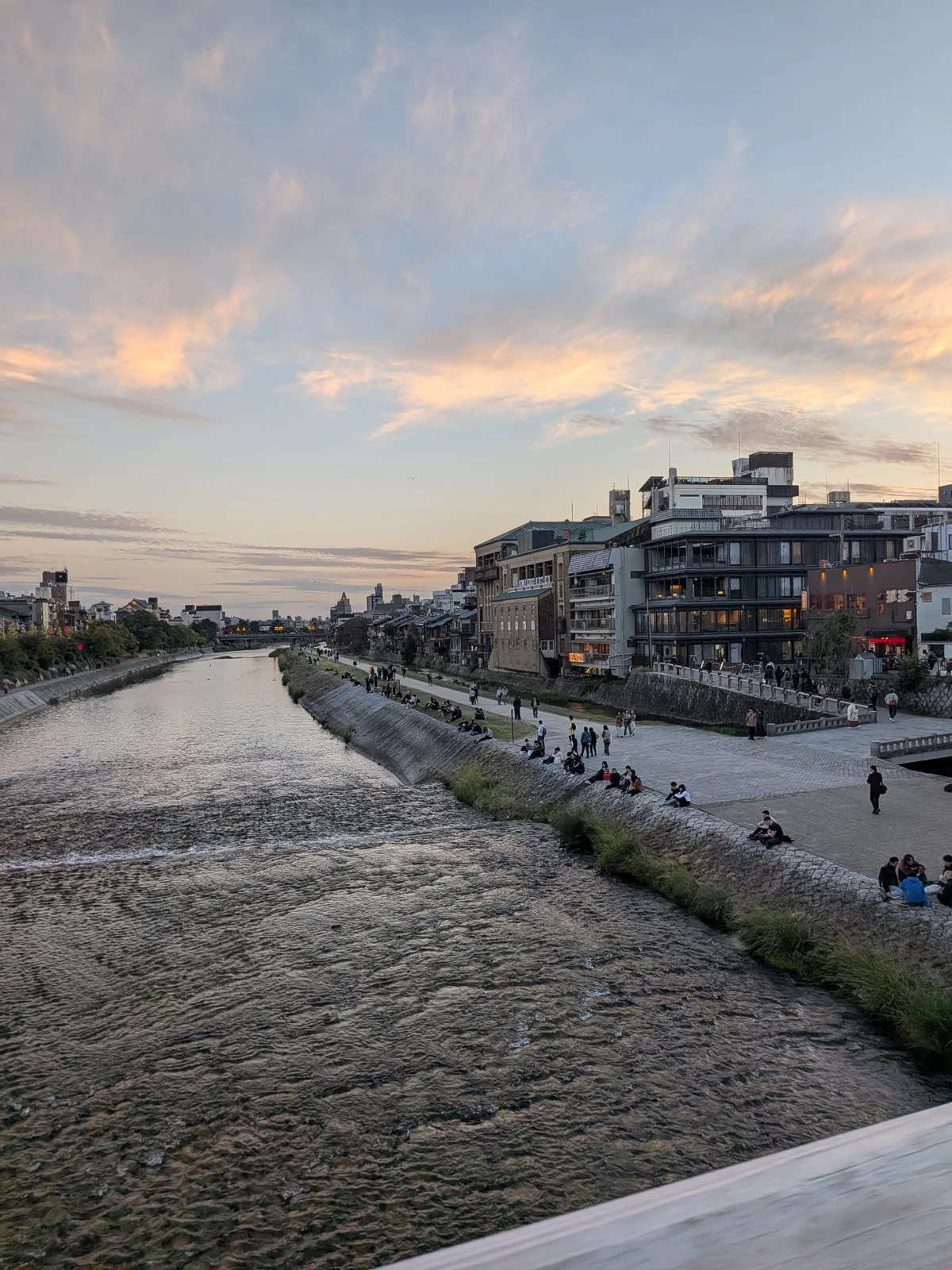
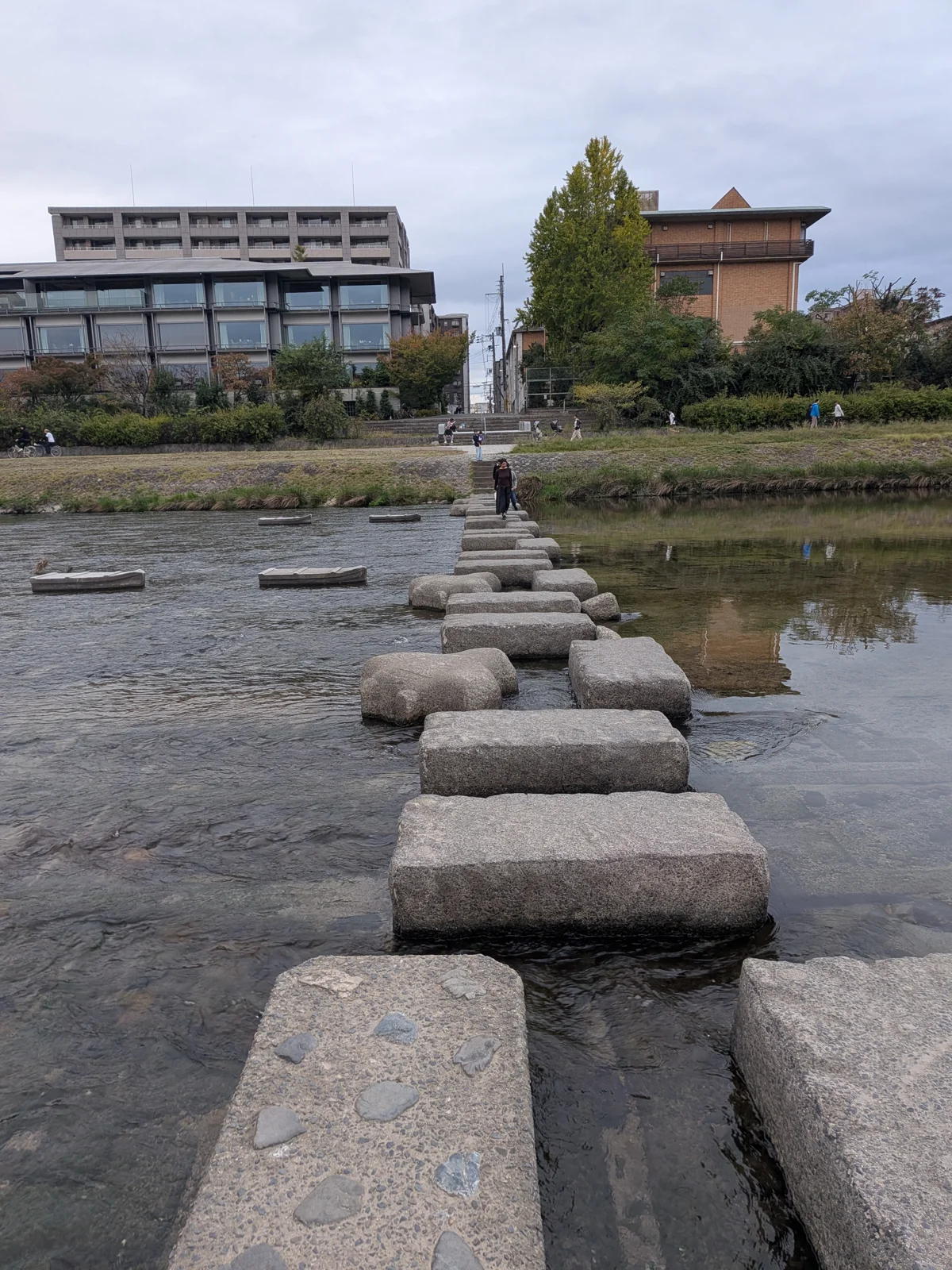
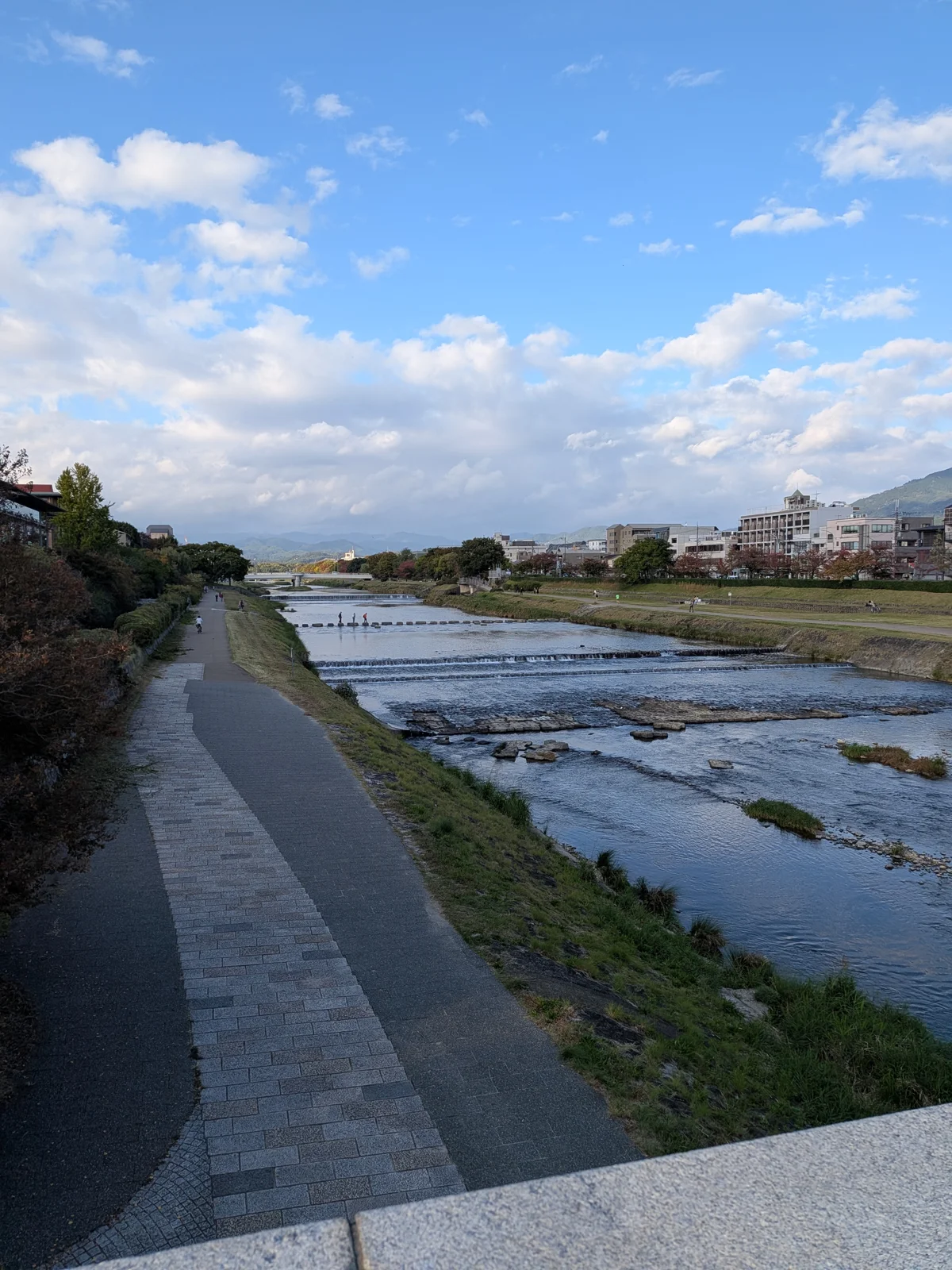
Back in the city I wandered through shops and along the river before dinner.
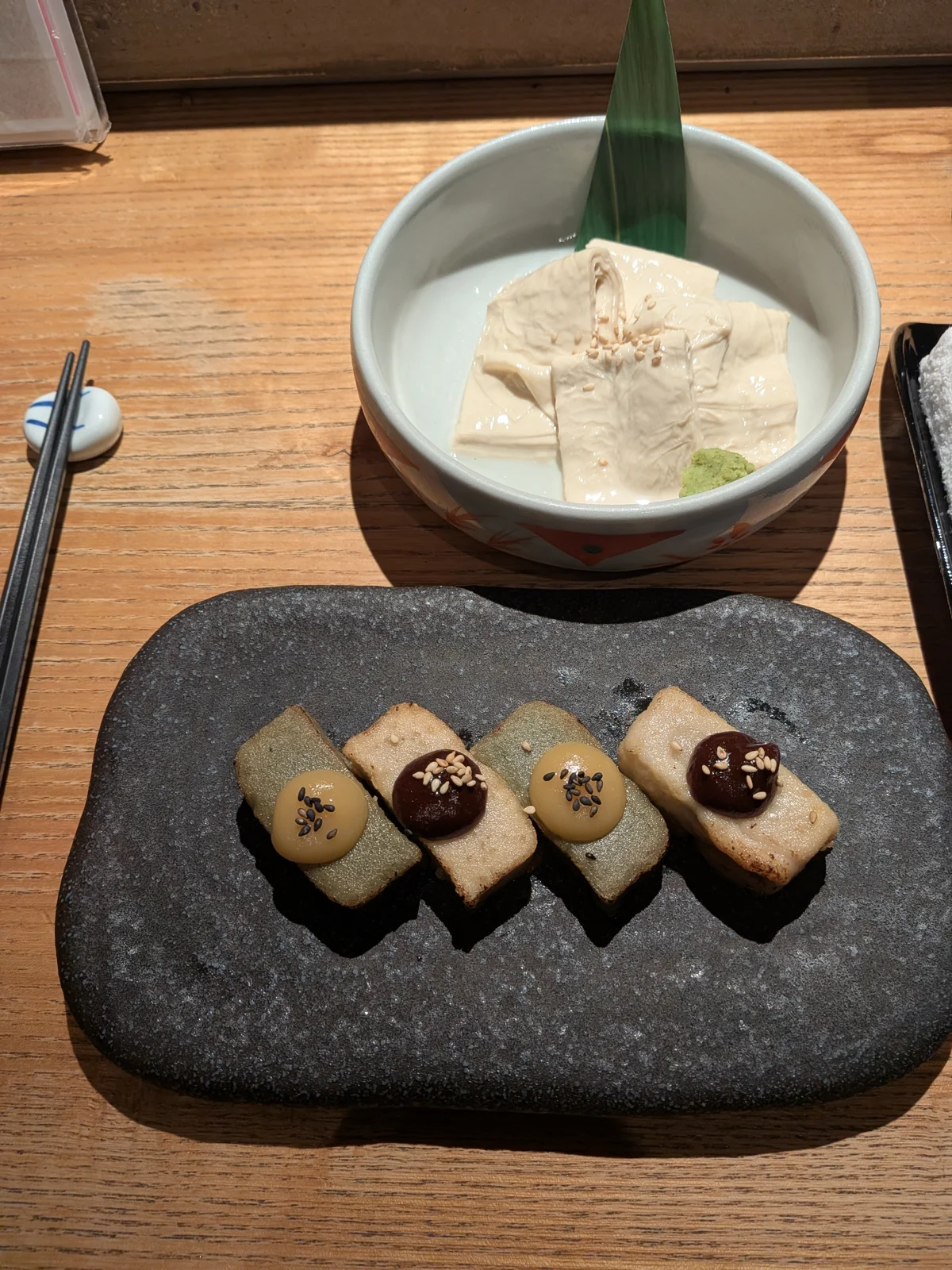
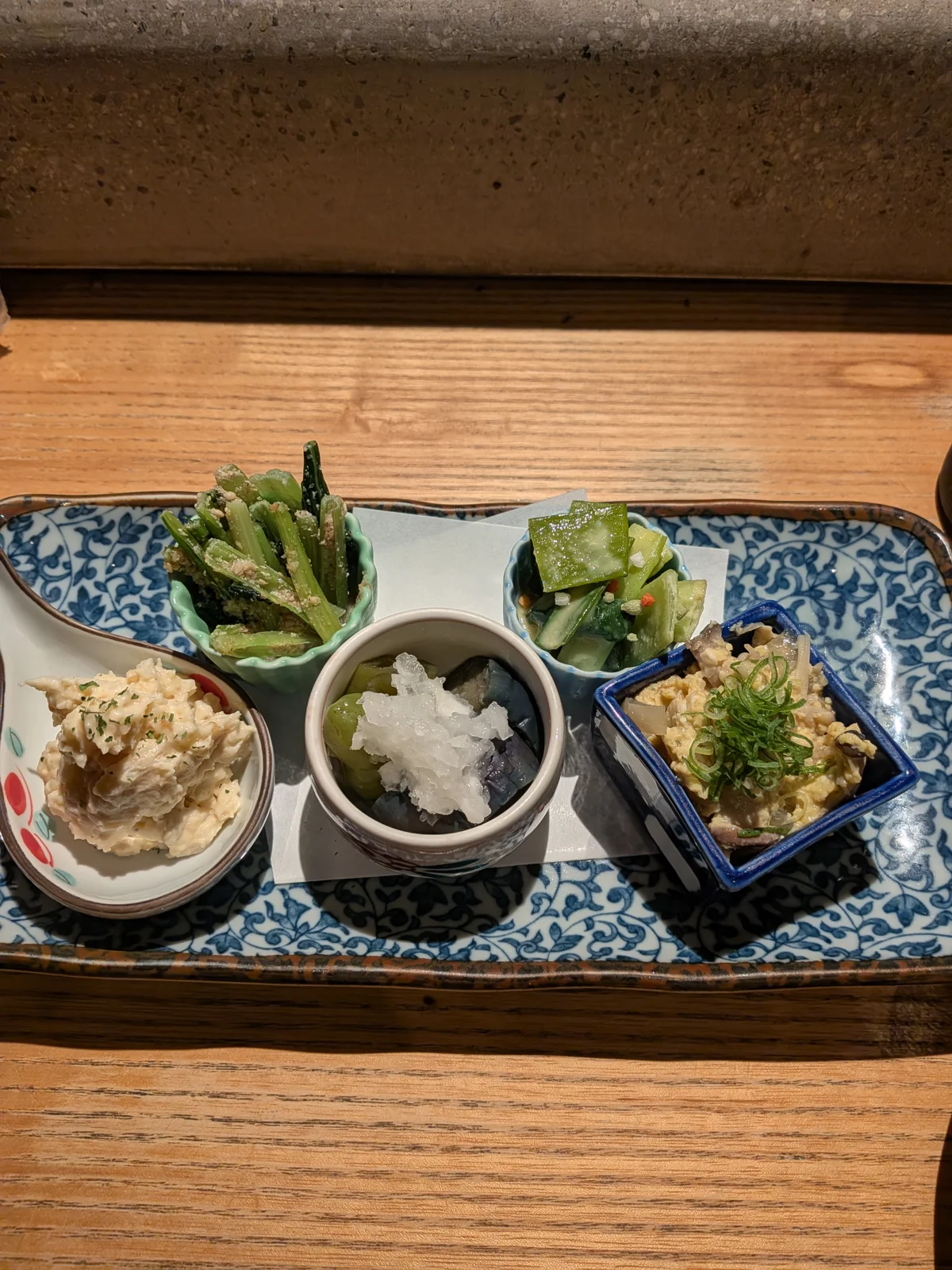
Dinner was at Kyomachiya Obanzai Kohaku (京町家おばんざい こはく). Obanzai is Kyoto-style home cooking, usually presented as an assortment of small dishes. I ordered a five-dish selection, together with fresh yuba, or tofu skin, and nama-fu dengaku, wheat gluten served with miso.
The yuba was wonderful. Its delicate layers almost melted in the mouth, and it was one of my favourite things I ate there. The nama-fu had another unusual texture, made even better by its miso sauce. The standout from the obanzai assortment was okara with Kujo spring onions. I also particularly enjoyed the spring onions with vinegared miso. The aubergine was good rather than exceptional, while the potato salad was fairly ordinary.
The small plates were excellent, but again the portions were quite small.
Wednesday 4 November: Matcha in Uji and liquid cuisine
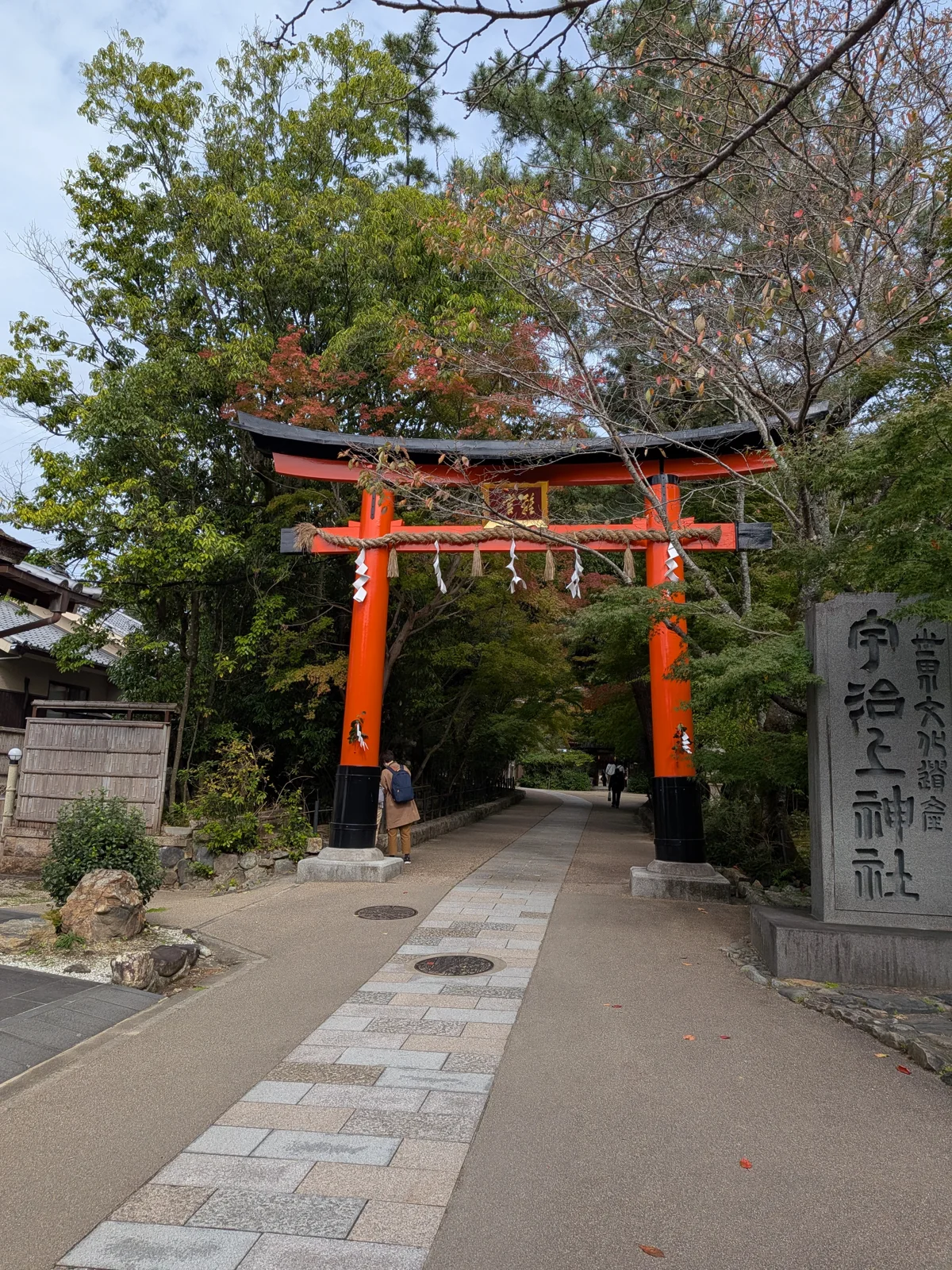
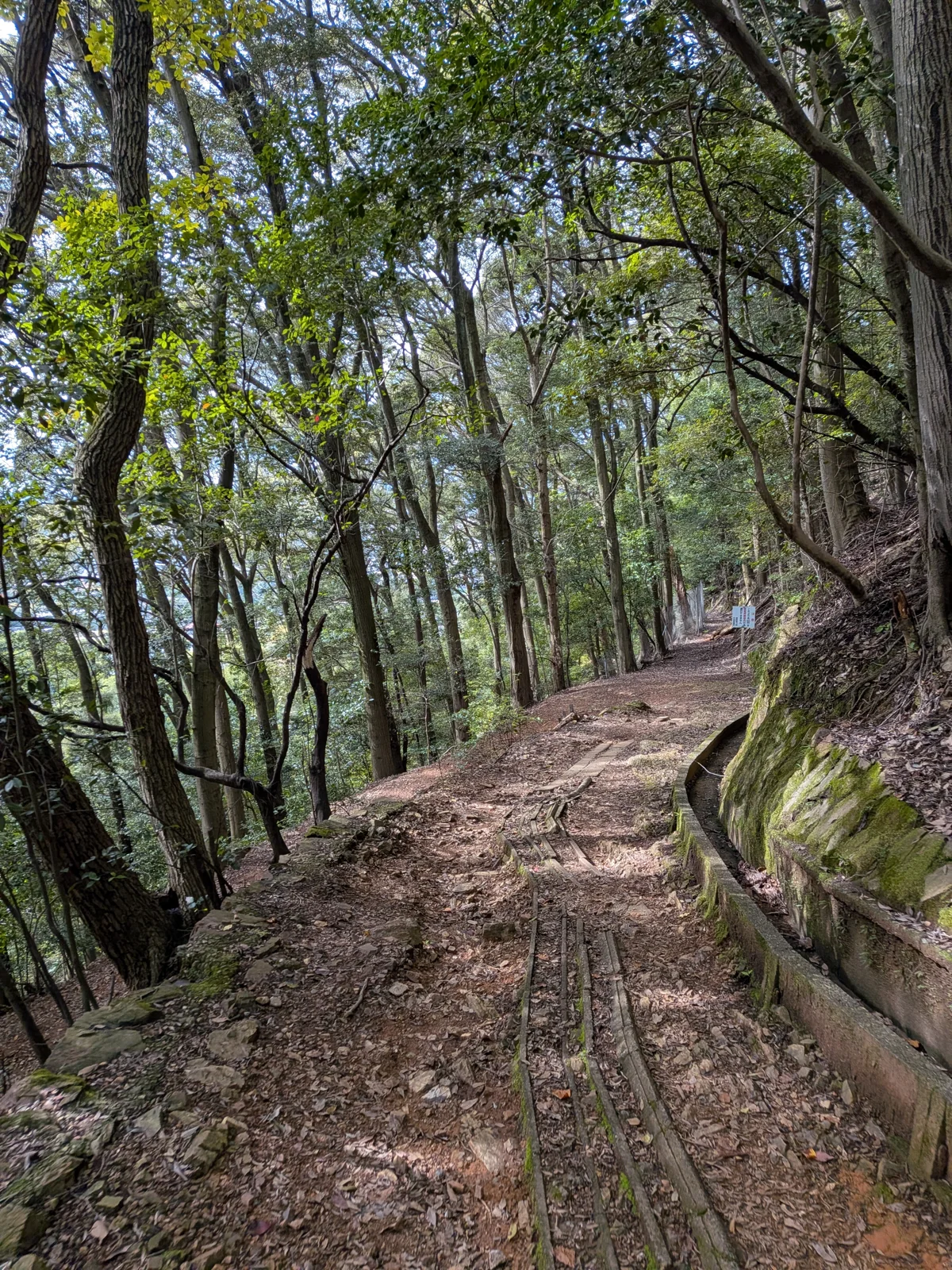
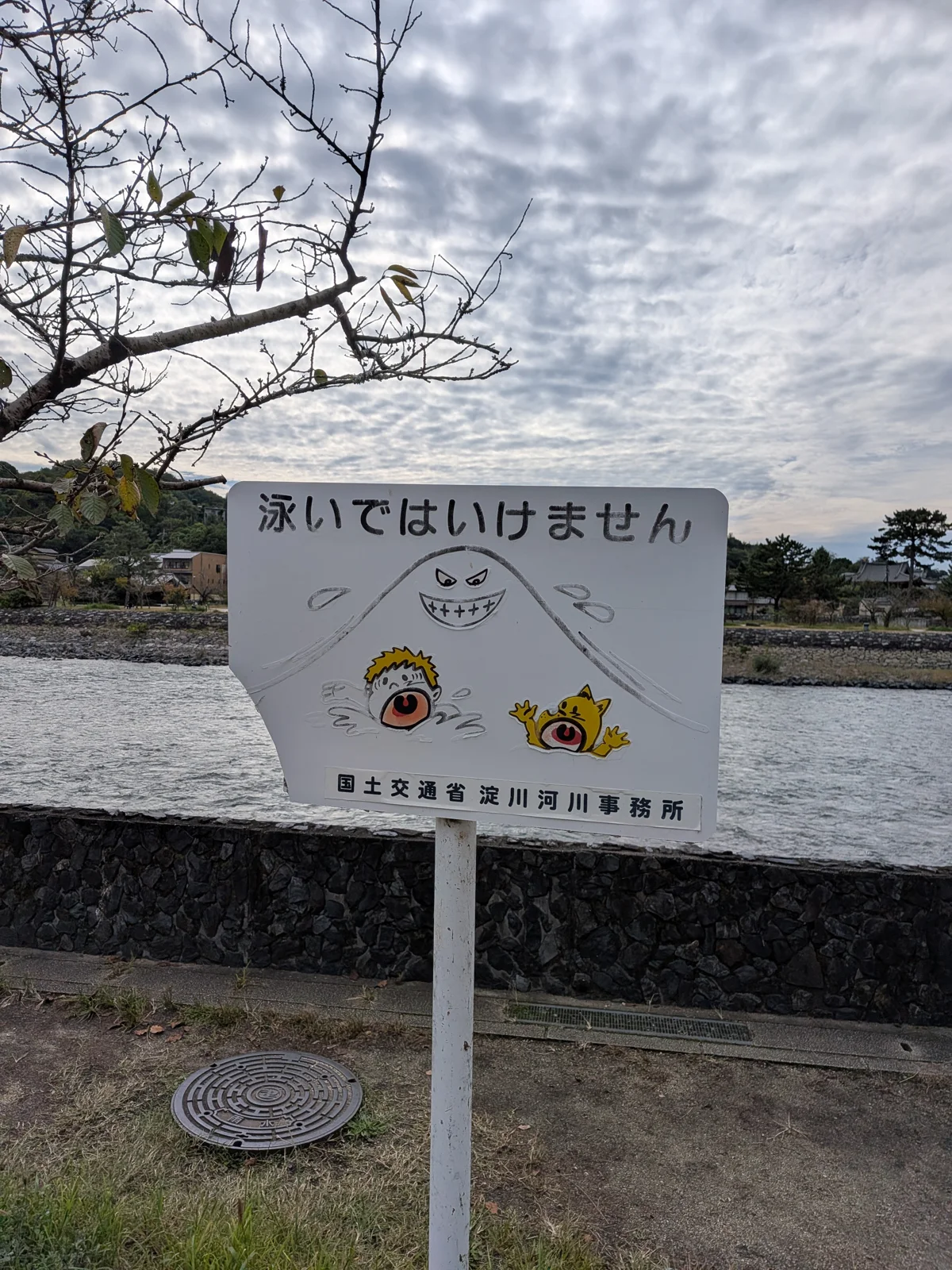
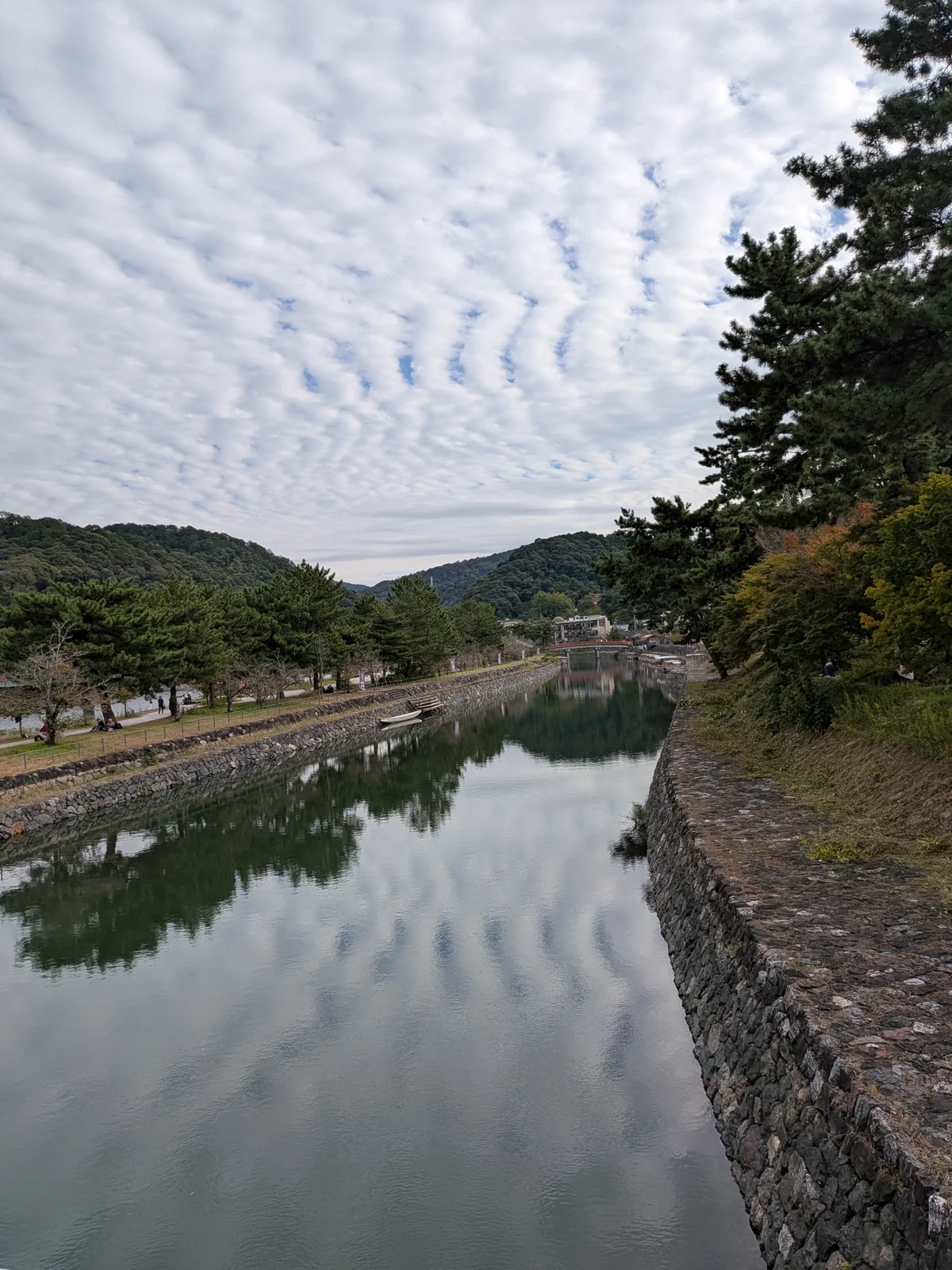
I made a day trip to Uji, a town closely associated with Japanese tea. I had been noticing something odd about cafés here: plenty of coffee shops didn't open until 10 AM, or even noon. For somebody used to looking for good coffee in the morning, that felt quite strange.
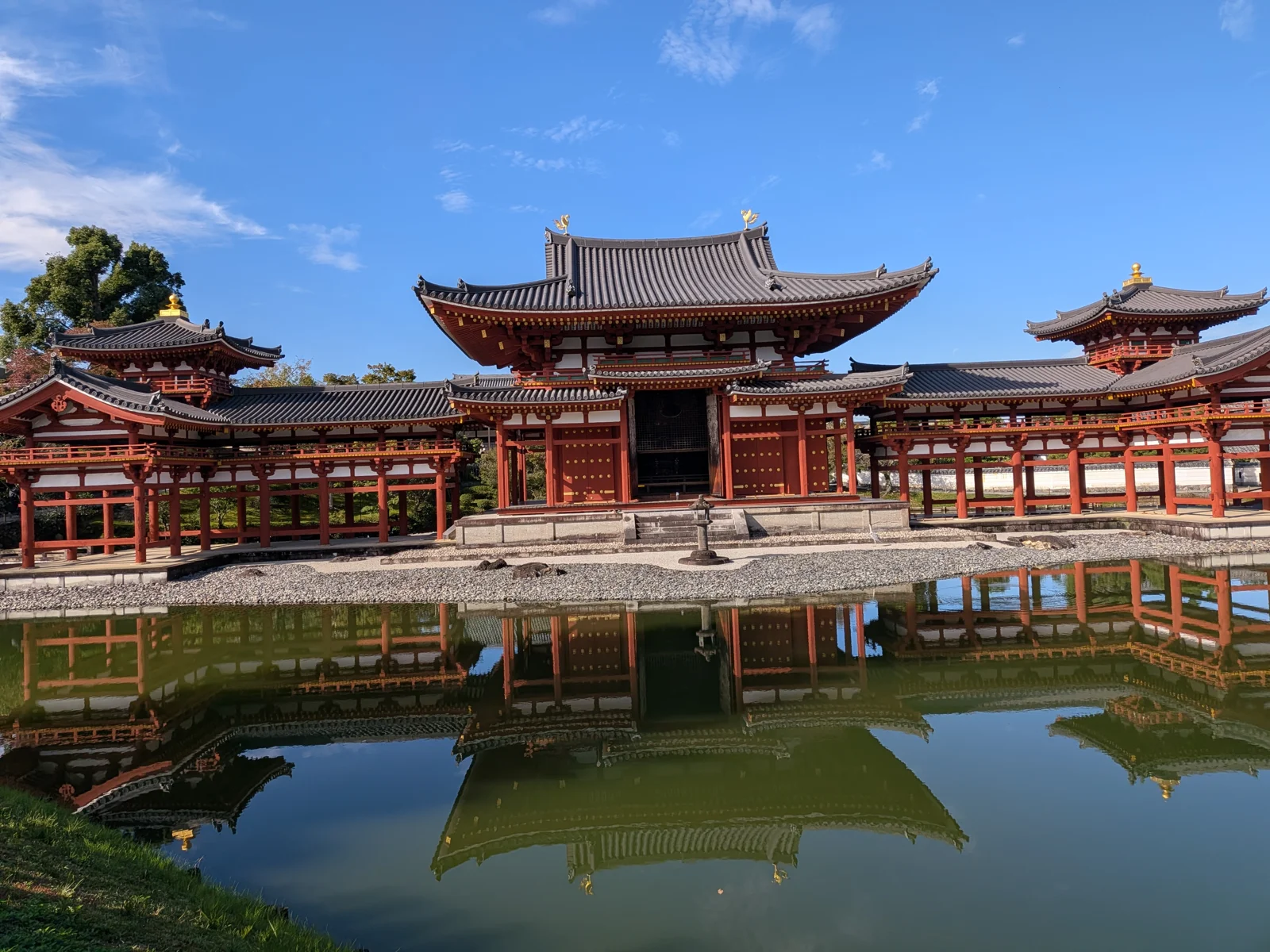
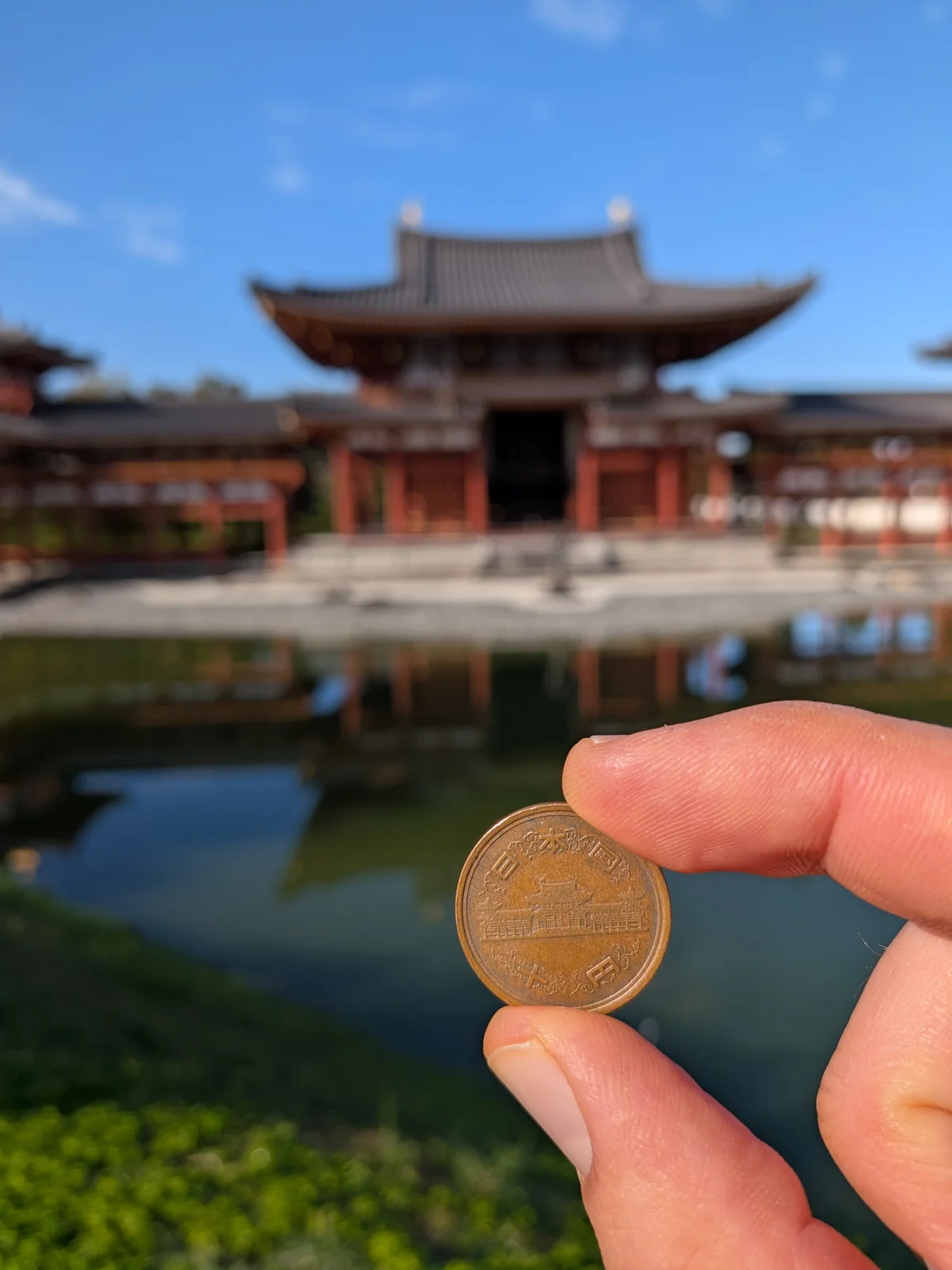
I arrived early at Byōdō-in, which turned out to be a good decision because the place filled up later. The Phoenix Hall is a beautiful wooden building dating from 1053, nearly a thousand years ago. I was fascinated to learn about the religious ideas behind its construction in the eleventh century, when Buddhists anticipated an age of decline in the effectiveness of the Buddha's teachings. It was remarkable to think of a building surviving from that period, and quite fun to recognise it as the temple pictured on the ¥10 coin, given how many other famous temples Japan has.
There was a museum with sculptures and scrolls, much of the information in Japanese but some in English. I didn't pay for the separate viewing of the golden Buddha inside the Phoenix Hall. I was happy looking at the building from outside and wandering the grounds. Getting there by public transport had been straightforward, too.
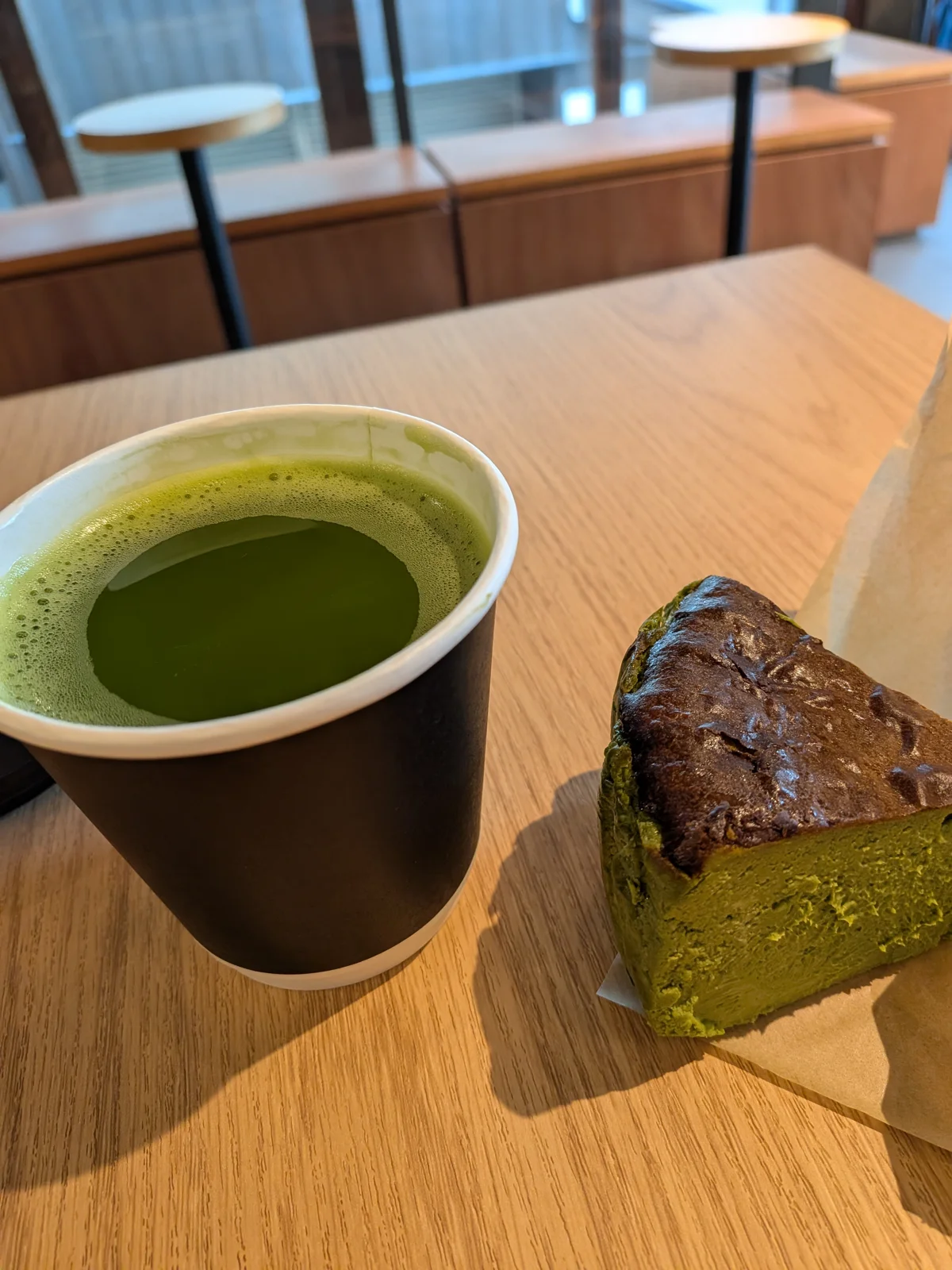
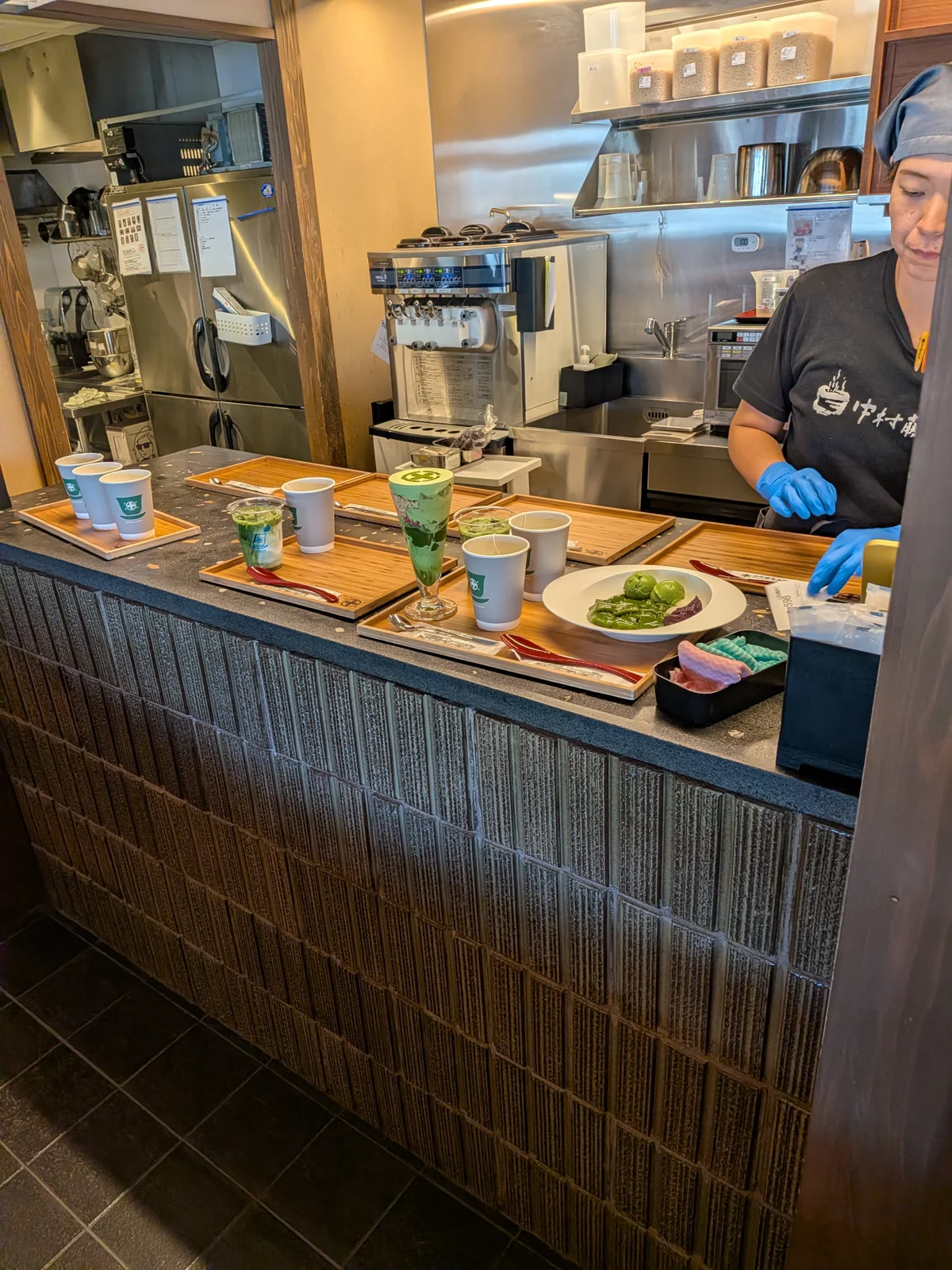
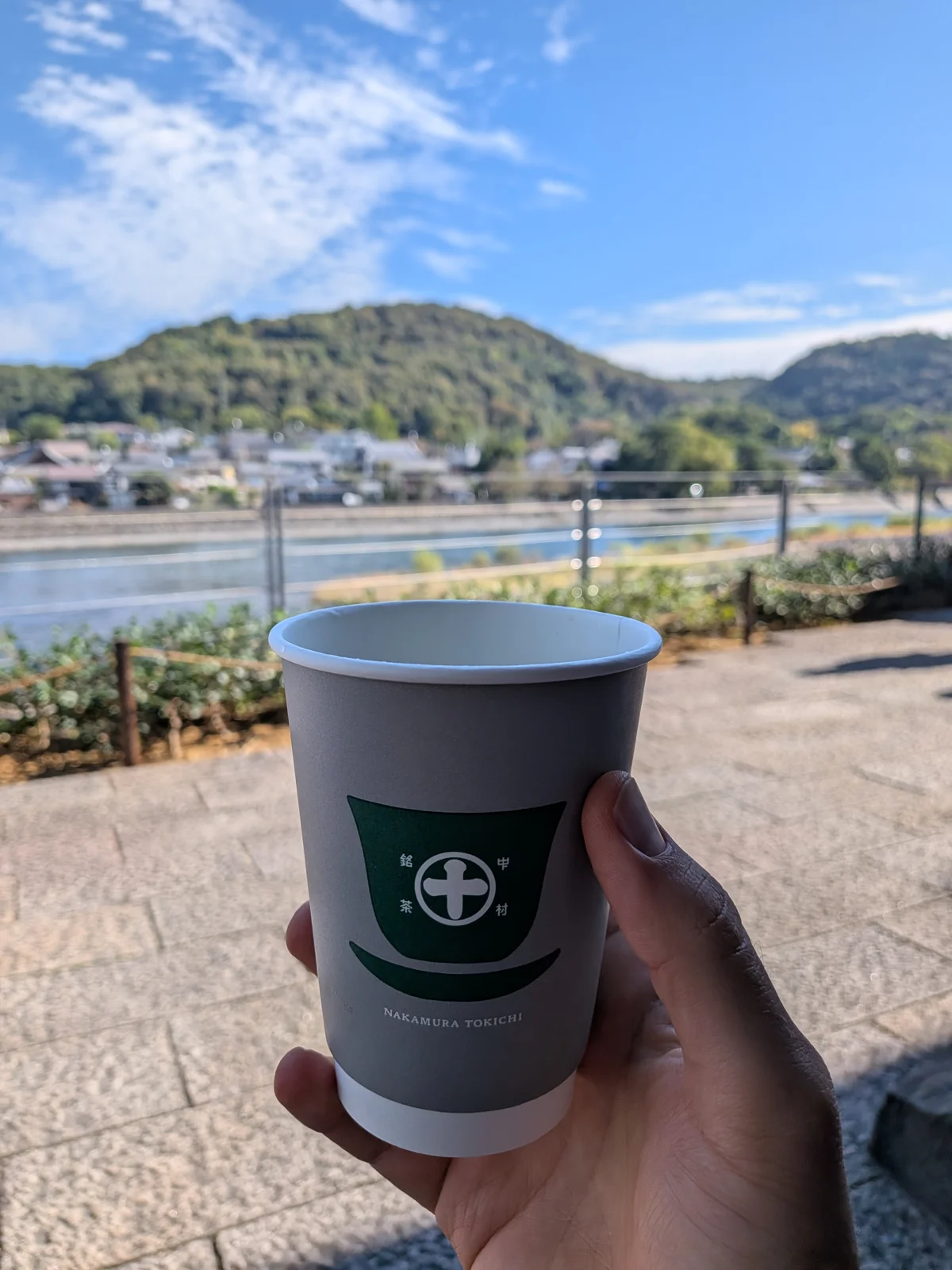
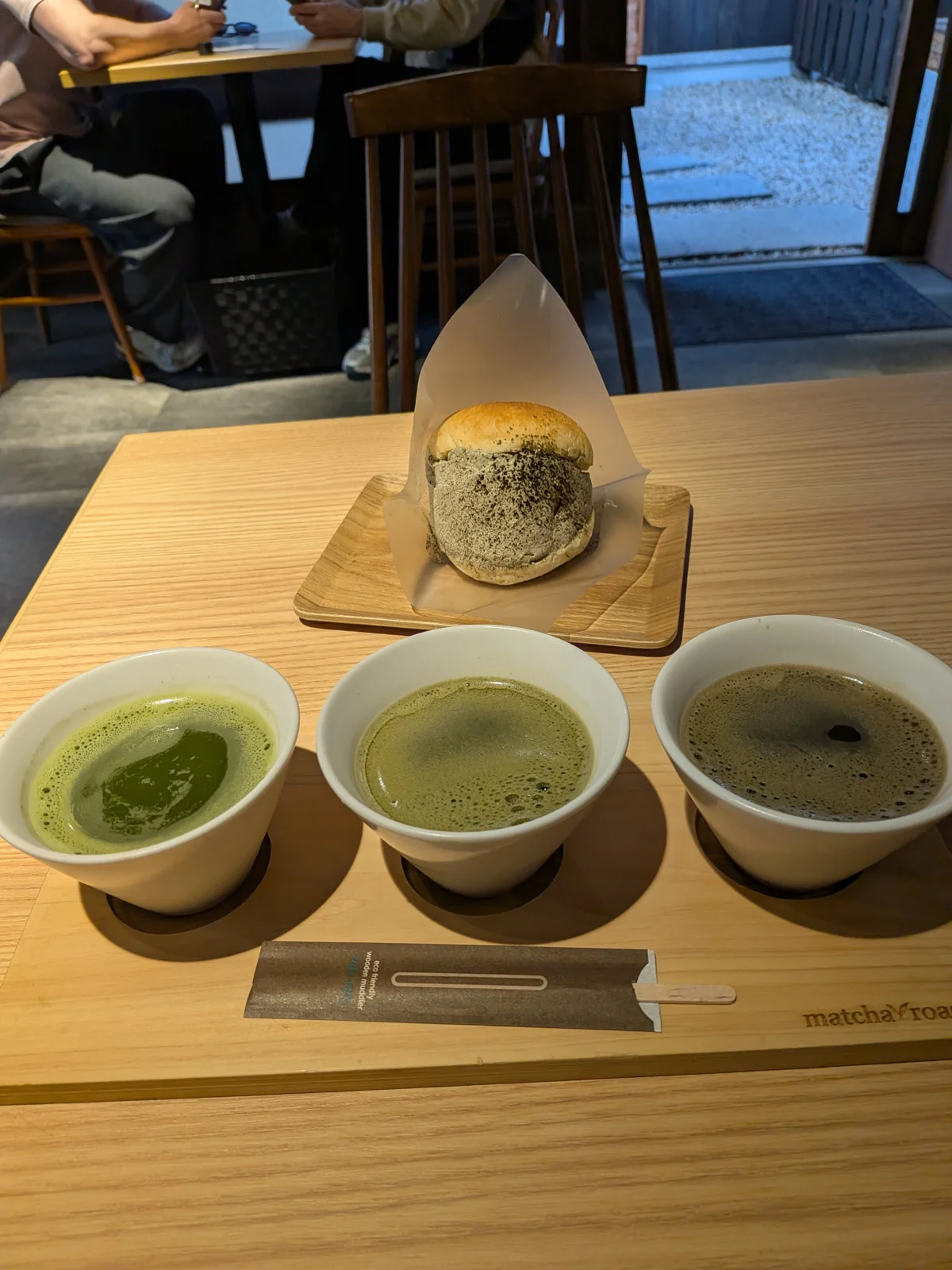
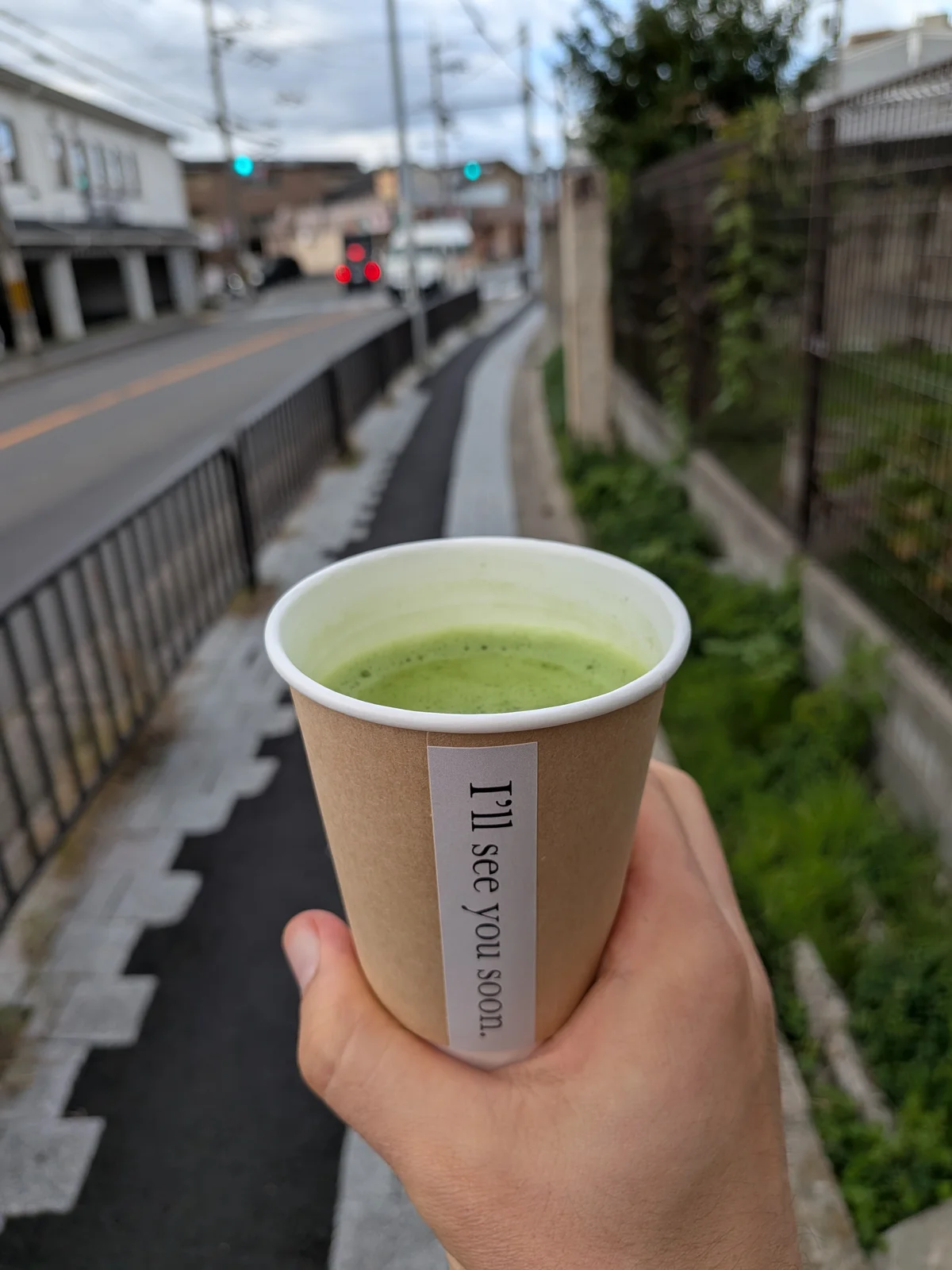
Tea was the other reason to visit Uji. I stopped at Tsuen Tea (通圓), beside Uji Bridge, and then did a tasting at Matcha Roastery, where I compared light-, medium- and dark-roasted matcha. I'd expected the dark roast to be my favourite, imagining that it would simply have a more intense matcha flavour. It was much more different than that. The dark version had notes that reminded me of caramel, cocoa and even coffee. I liked it, but the medium roast was my favourite. It still had some of matcha's characteristic grassiness, alongside a little of the roasted caramel flavour. I really enjoyed discovering the differences.
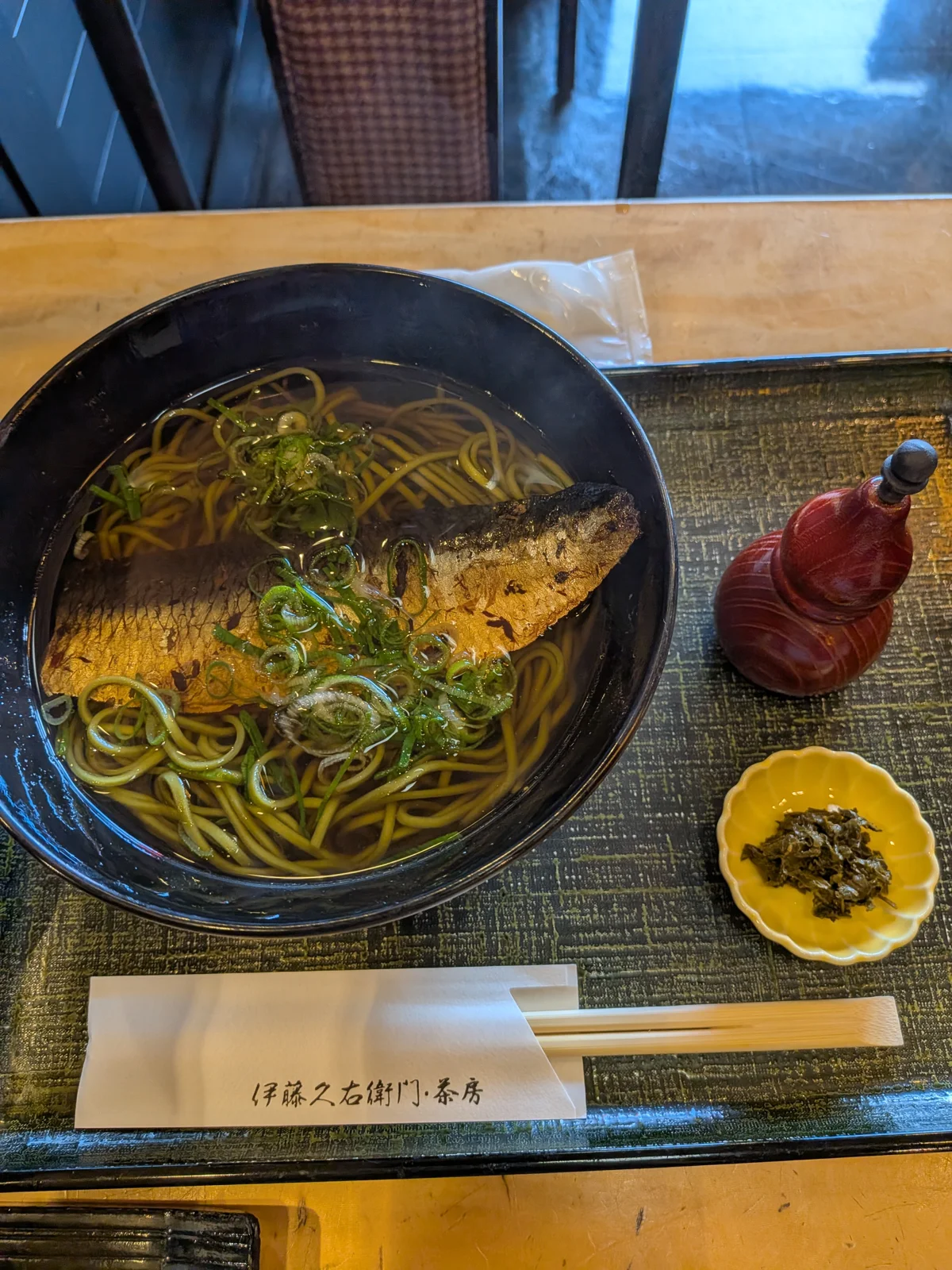
For lunch I went to Itoh Kyuemon Uji Main Store (伊藤久右衛門 宇治本店) for Uji matcha nishin soba: matcha-infused buckwheat noodles in a hot broth with sweet-simmered herring. The broth was light, and the fish was intensely flavoured, distinctly fishy and served with the skin on. The matcha flavour in the noodles themselves was fairly mild. It was a really interesting combination, one that made me wonder how the dish had come about in the first place.
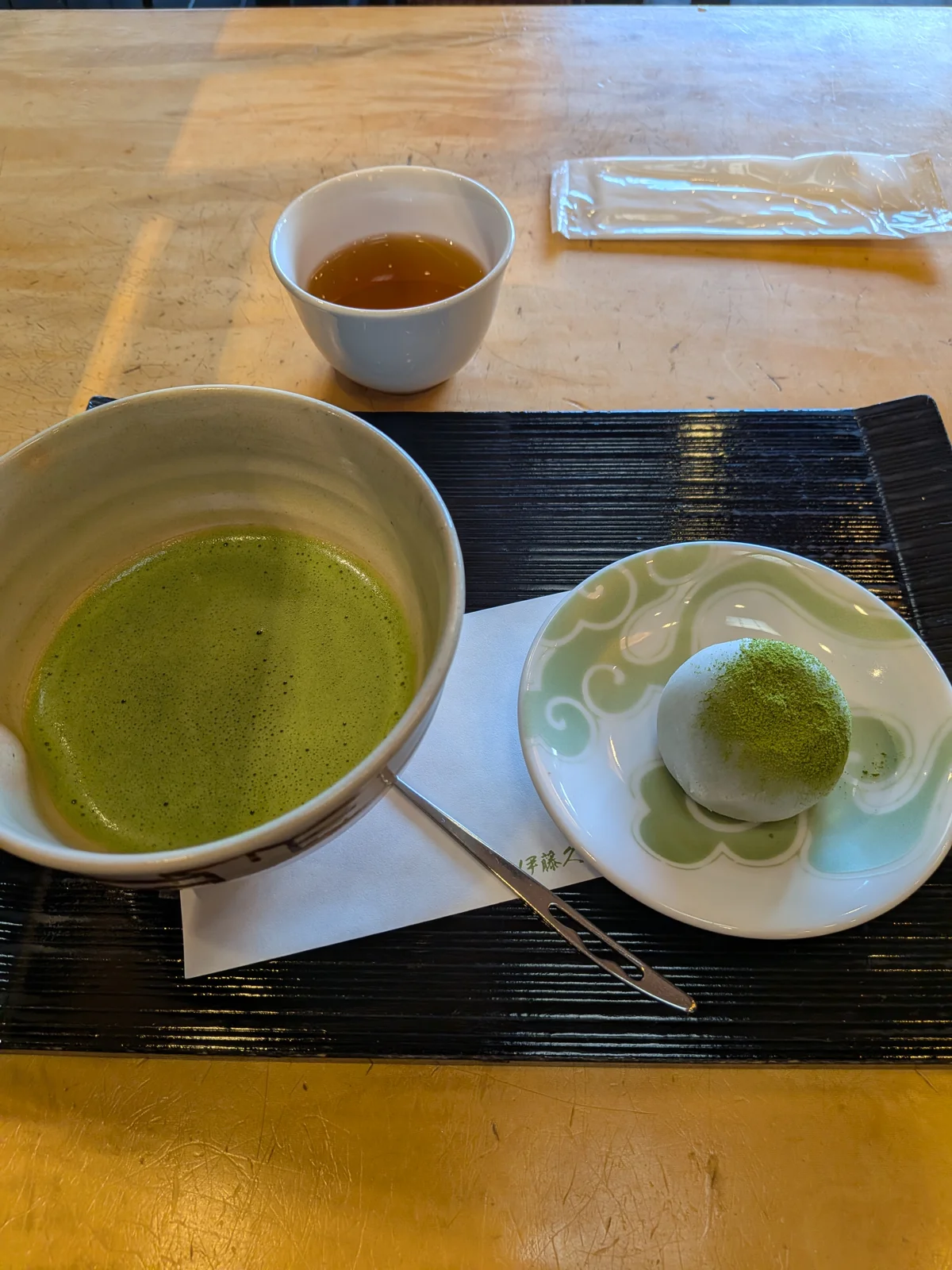
The menu made it easy to add more tea and a matcha daifuku, so I did. With the tasting, the lunch additions and extra cups of tea being offered around, I had consumed an awful lot of matcha by the afternoon. I felt absolutely buzzing, which was quite fun.
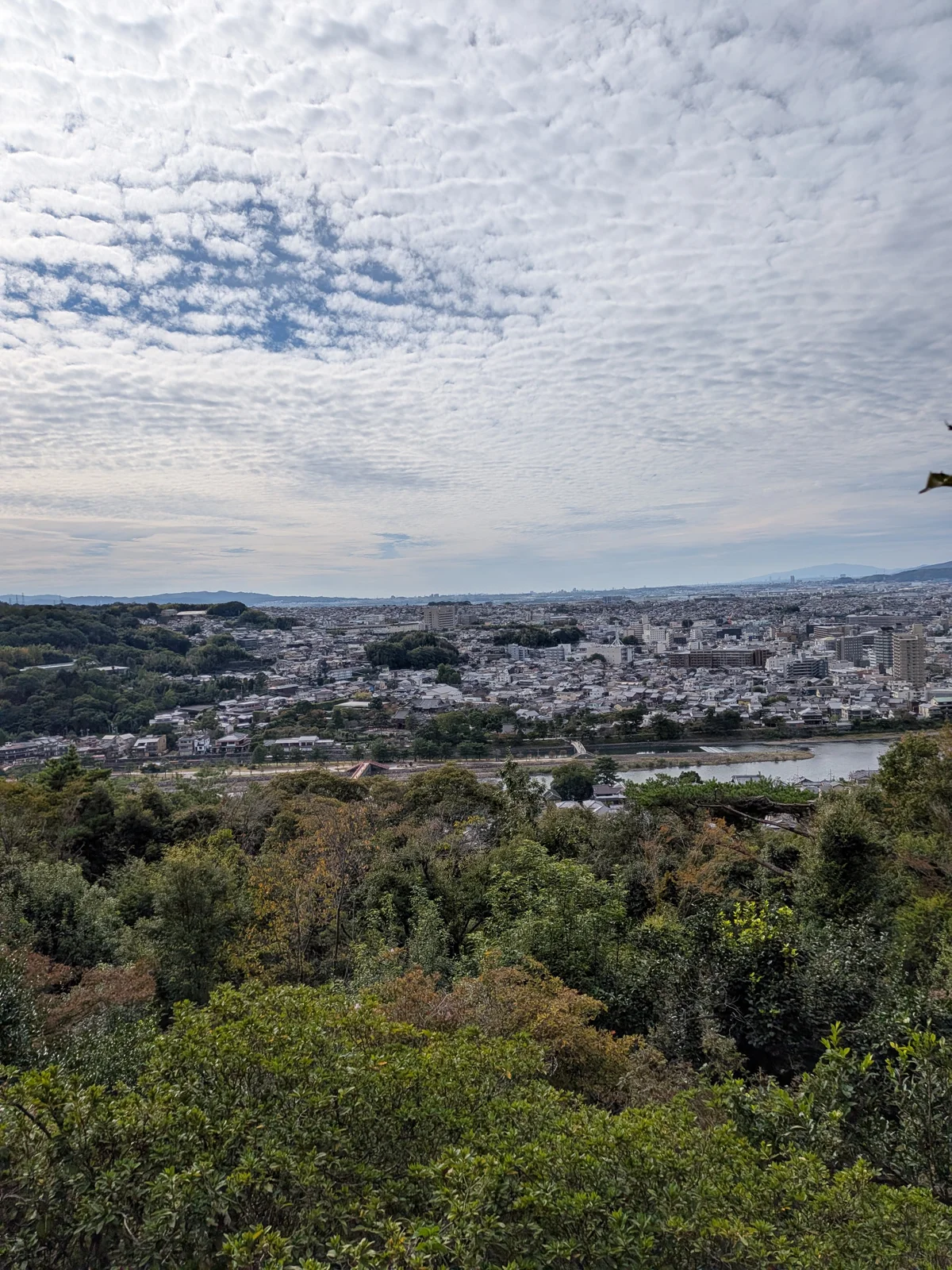
After lunch I walked up Mount Daikichi, also called Mount Buttoku (大吉山・仏徳山) to the viewpoint overlooking Uji, then made my way back down by the river towards the station. It had been lovely and warm, warm enough to walk around in a T-shirt, and I was enjoying the combination of exploring somewhere new and learning about what I was seeing and eating. I returned to Kyoto, relaxed at the hotel for a while and later walked beside a canal as the day cooled off.
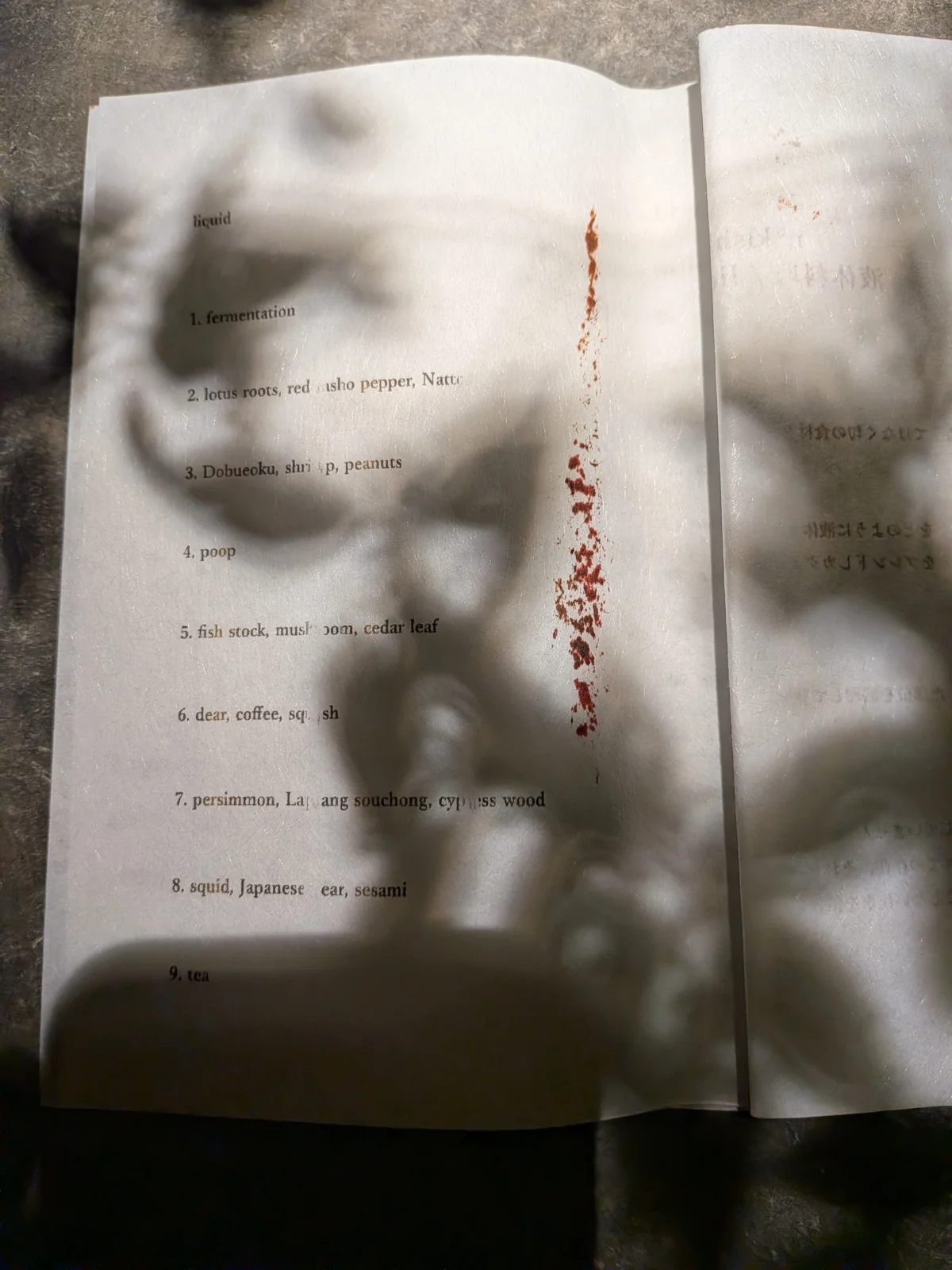
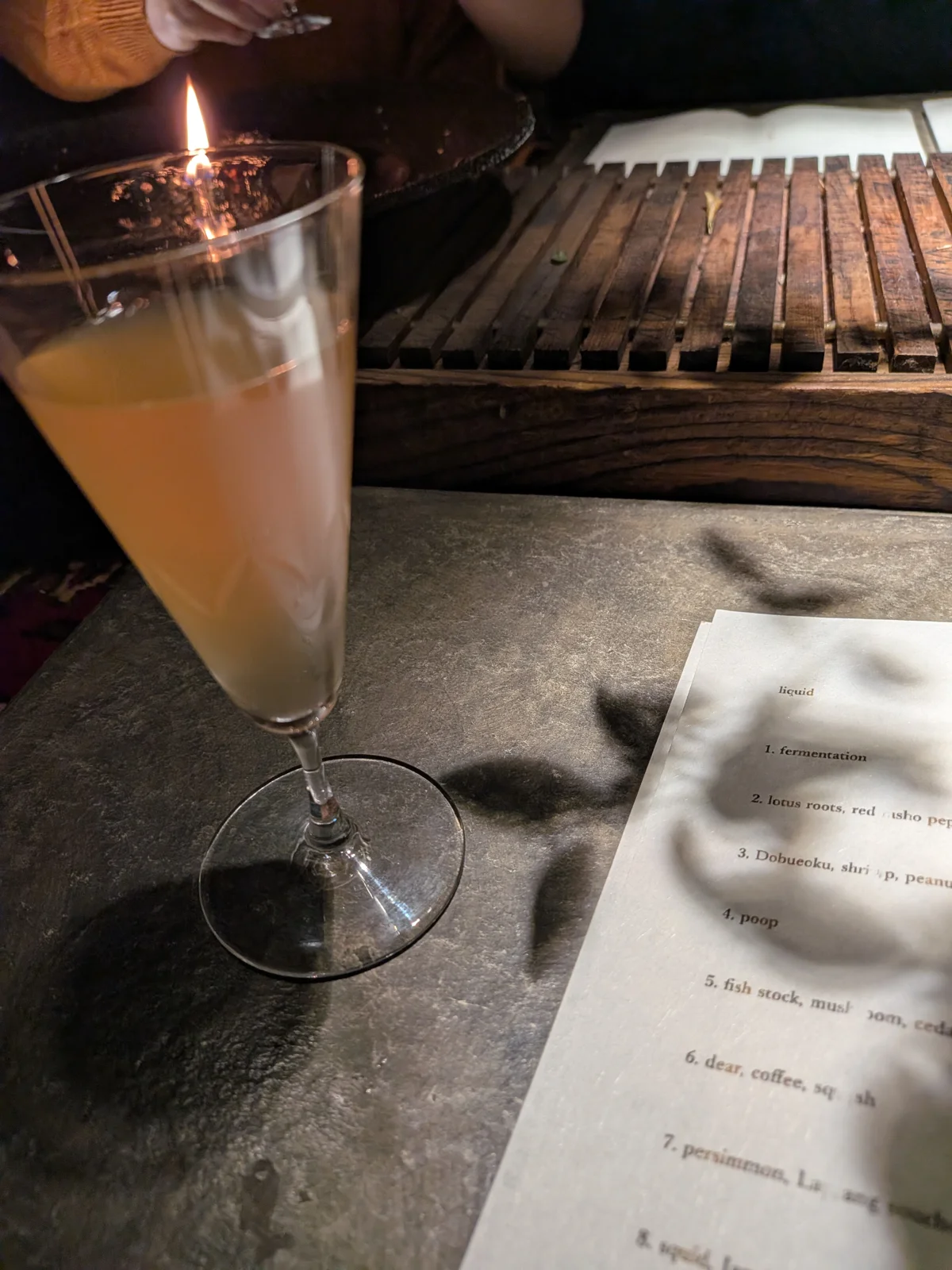
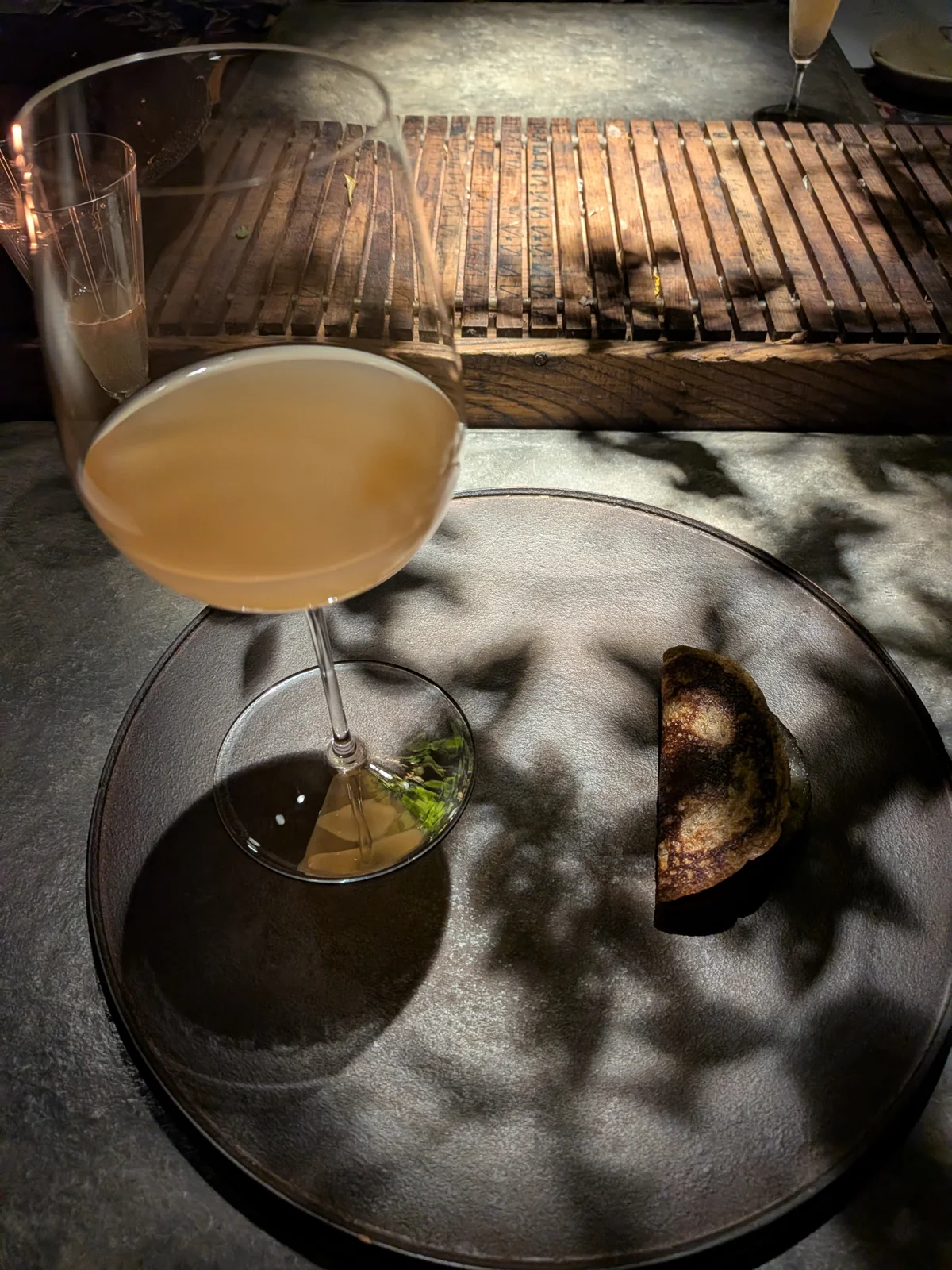
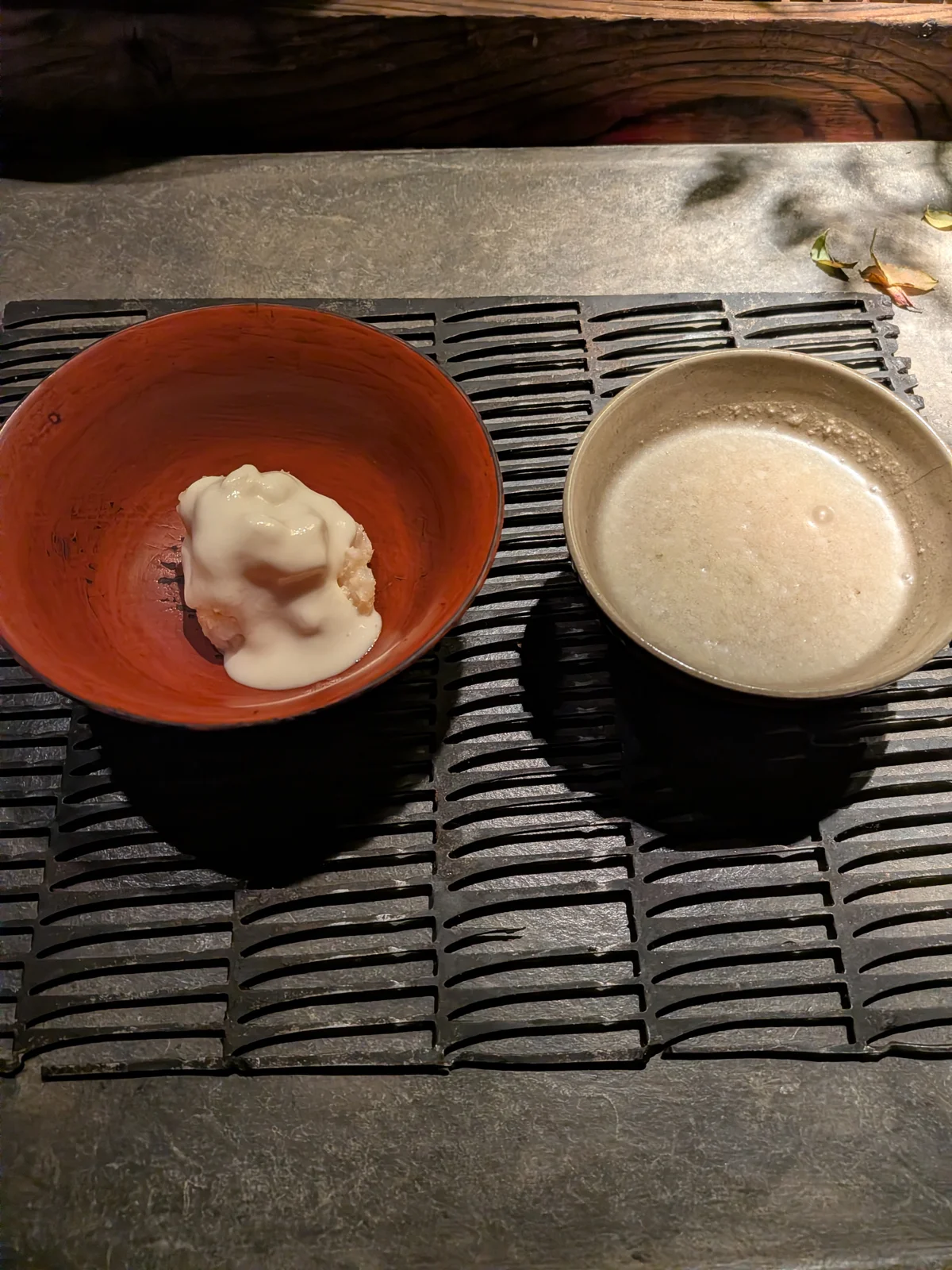
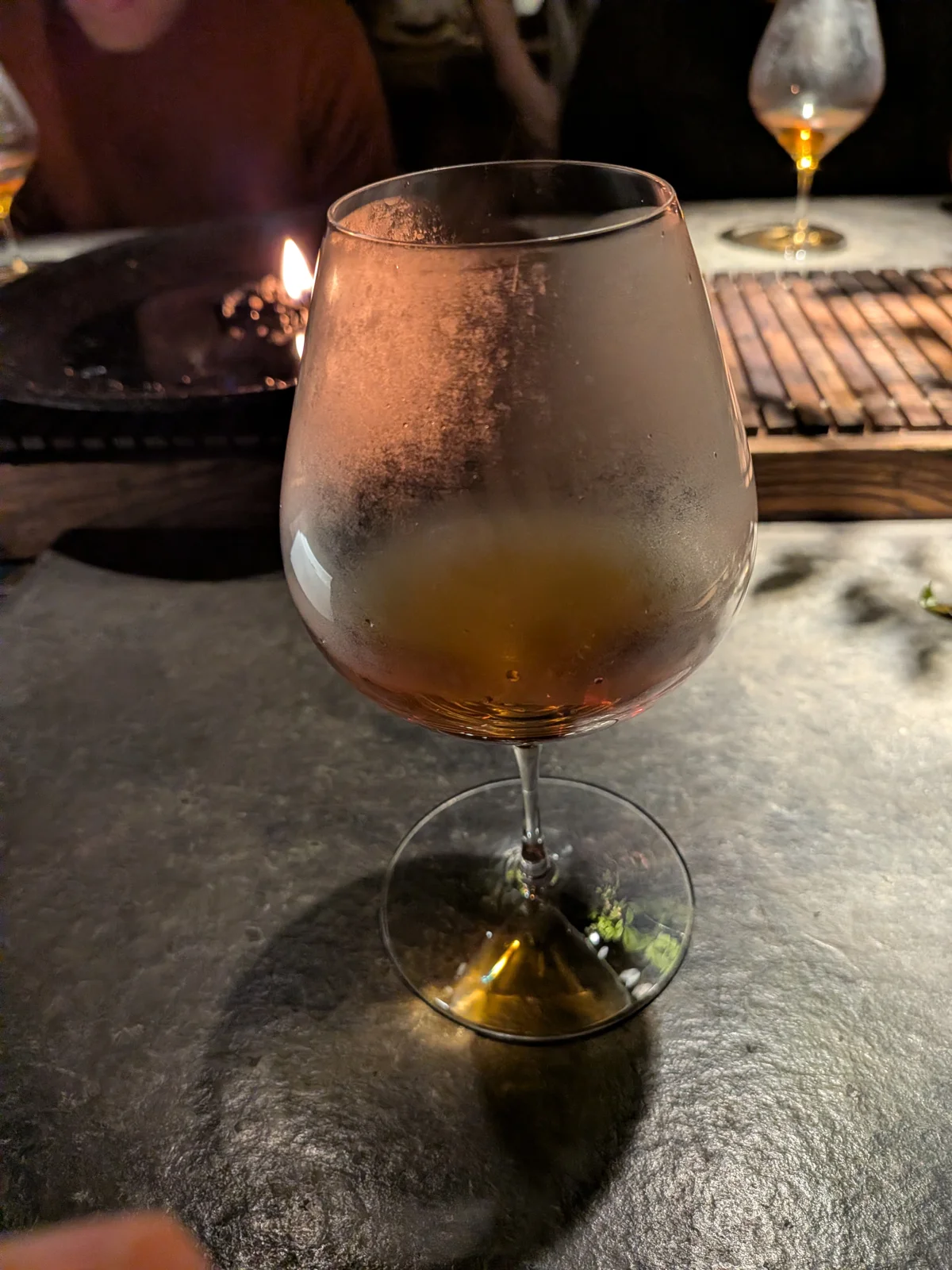
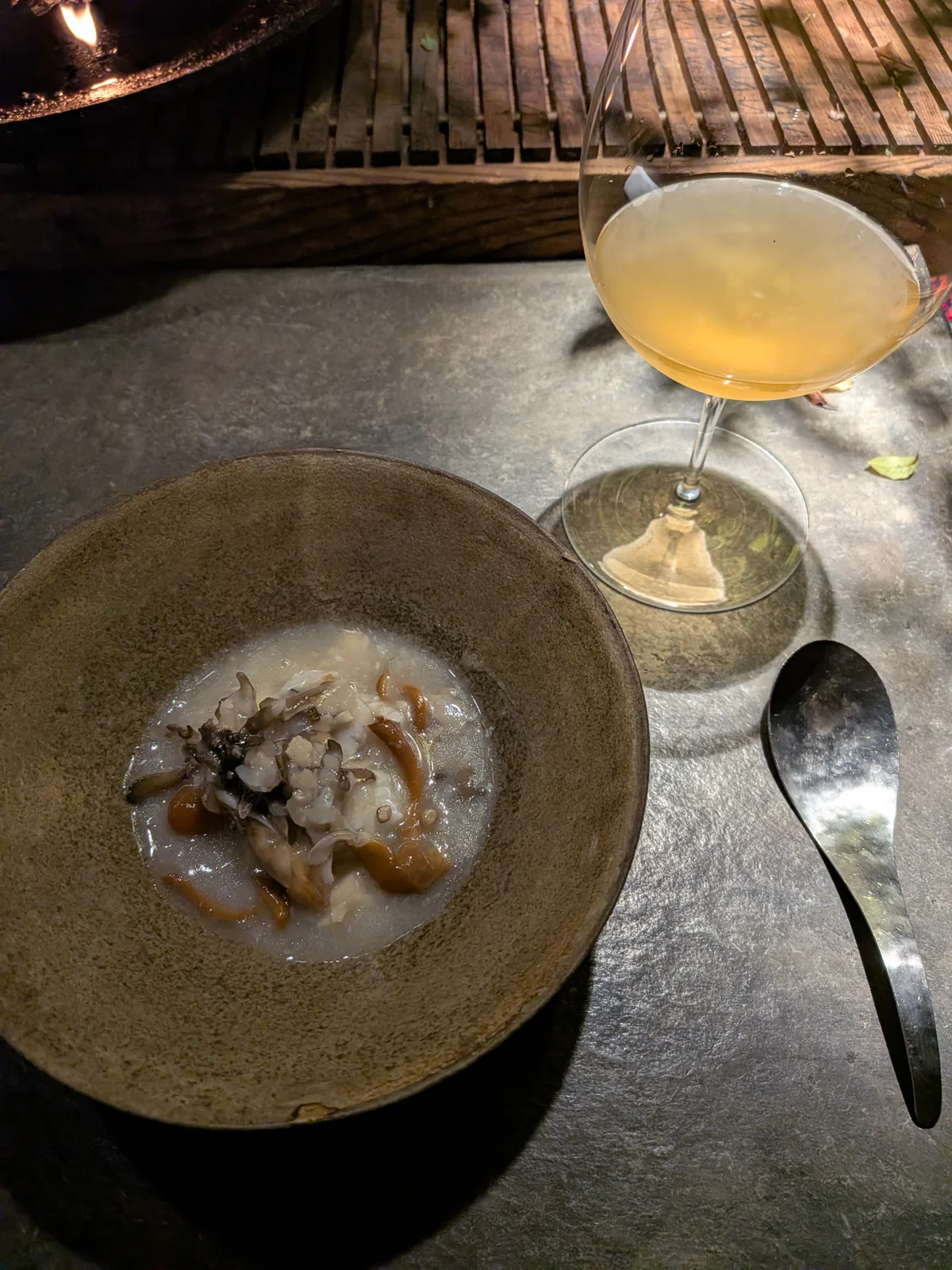
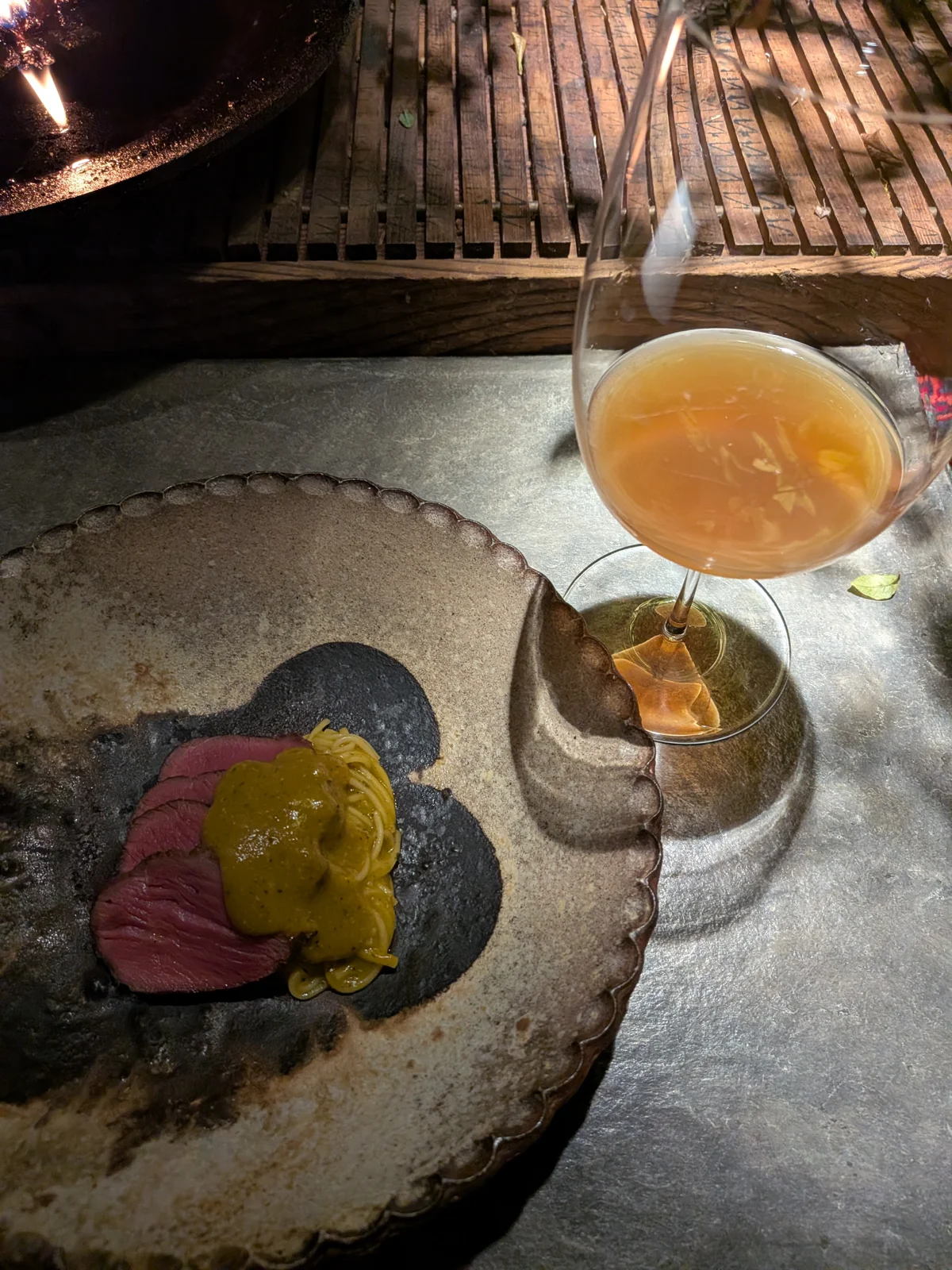
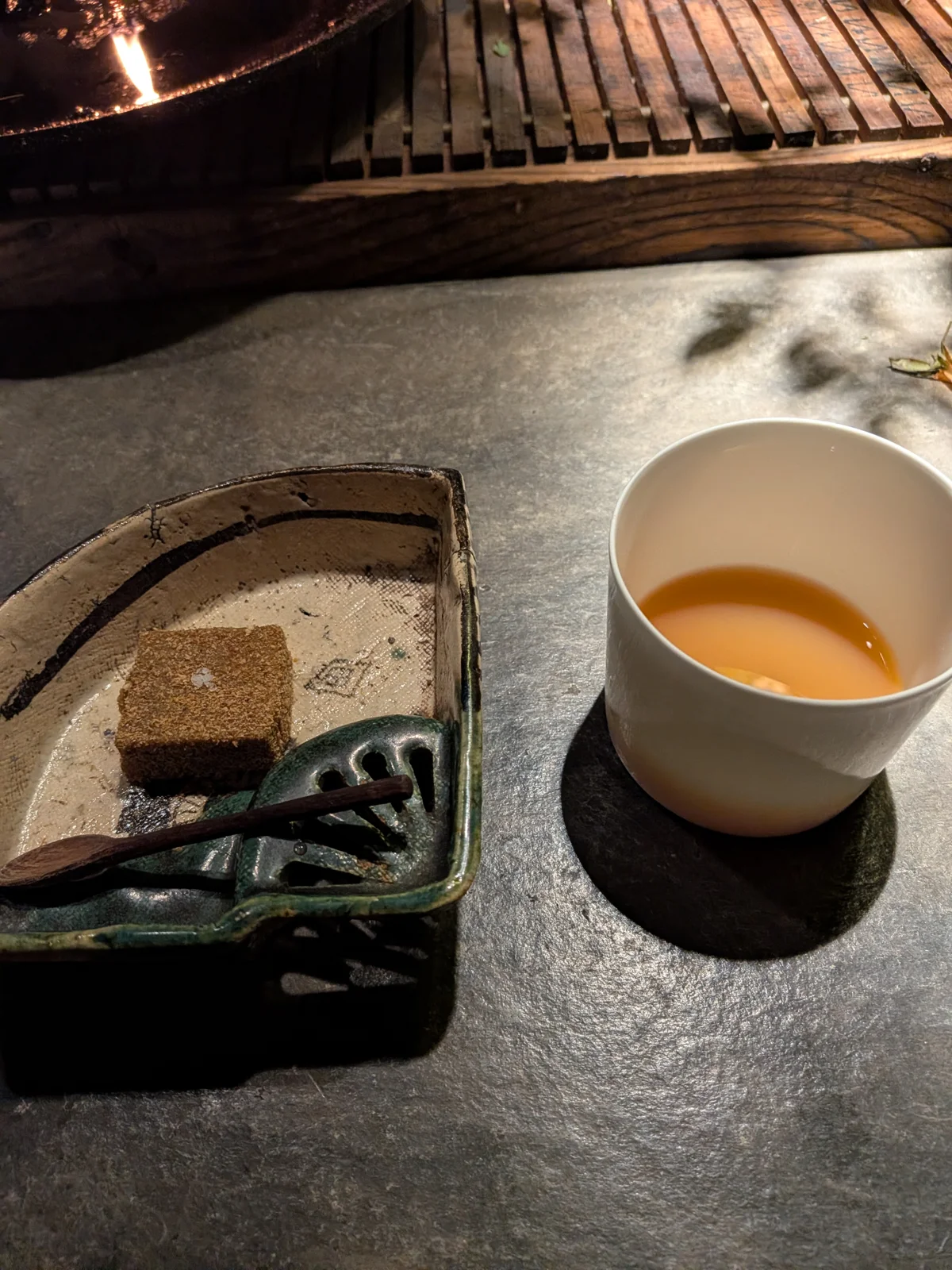
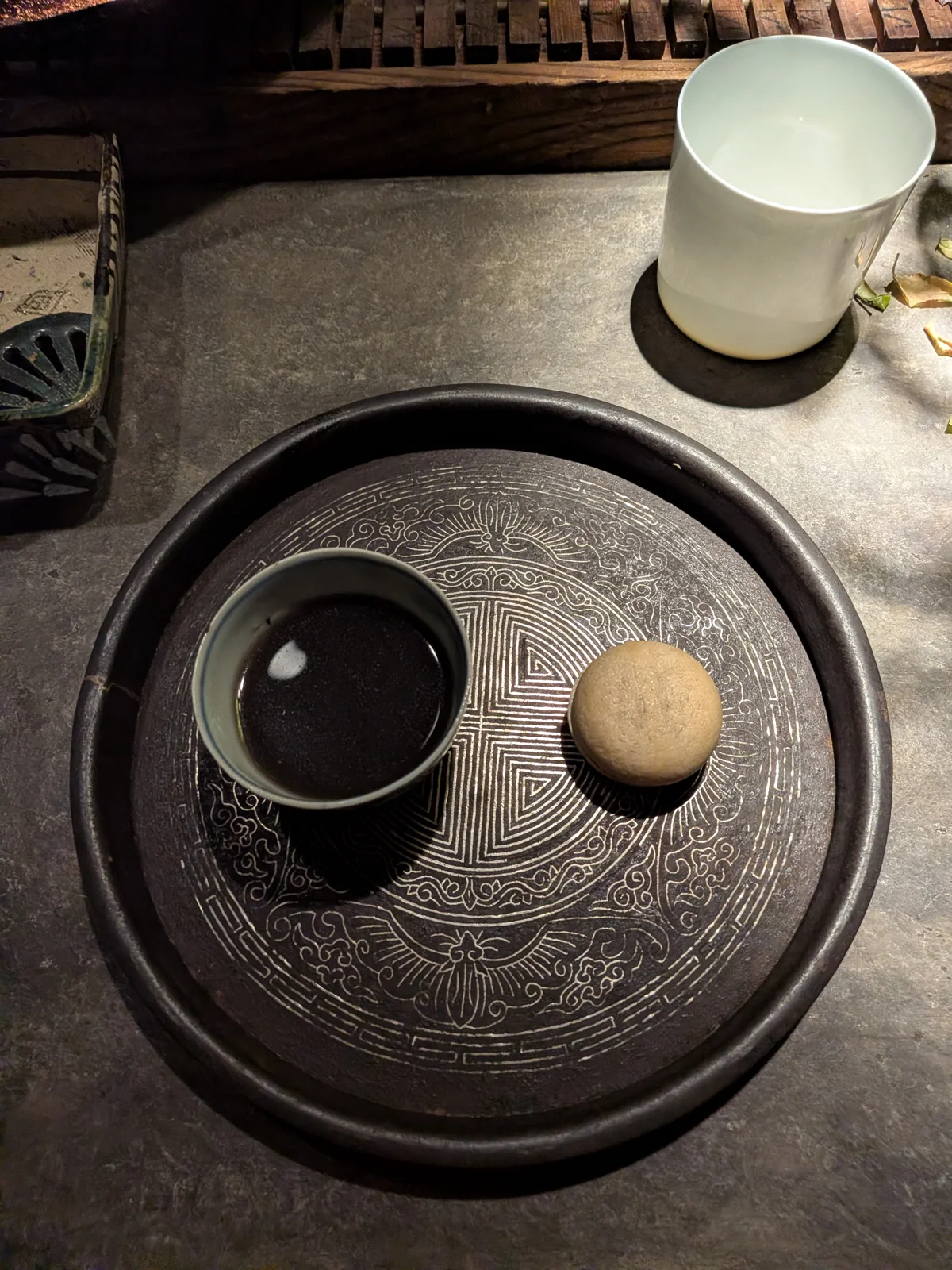
That evening I went to Nokishita711 for a non-alcoholic liquid-cuisine omakase experience. It was one of the most unusual meals of the trip. The dishes and drinks were beautiful, inventive and completely different from one another, with fermentation a recurring theme. The host's explanations were concise but detailed enough to understand what we were being served, and the pacing was excellent.
At one point he very casually mentioned caterpillar poop as an ingredient. It was such a strange thing to hear presented so matter-of-factly that I found it almost absurd. One preparation involving mustard and miso was particularly good, with a subtle combination of flavours I loved. There was also a peanut-based course that I didn't especially like; it tasted a little off to me. But almost everything was fascinating, and the whole experience felt distinctive.
I was seated with Stephen and Kim, a lovely couple from Los Angeles who enjoy cocktails, interesting food and travelling. They had cats, and we talked about their trips in Japan, Japanese books and films, and where they were going next. We exchanged contact details. Having people to discuss the increasingly unusual courses with made the evening much more enjoyable. It was not just a series of interesting things to eat and drink, but a shared experience, and I was really glad to have met them.
Thursday 5 November: Nara, deer and a very long journey home
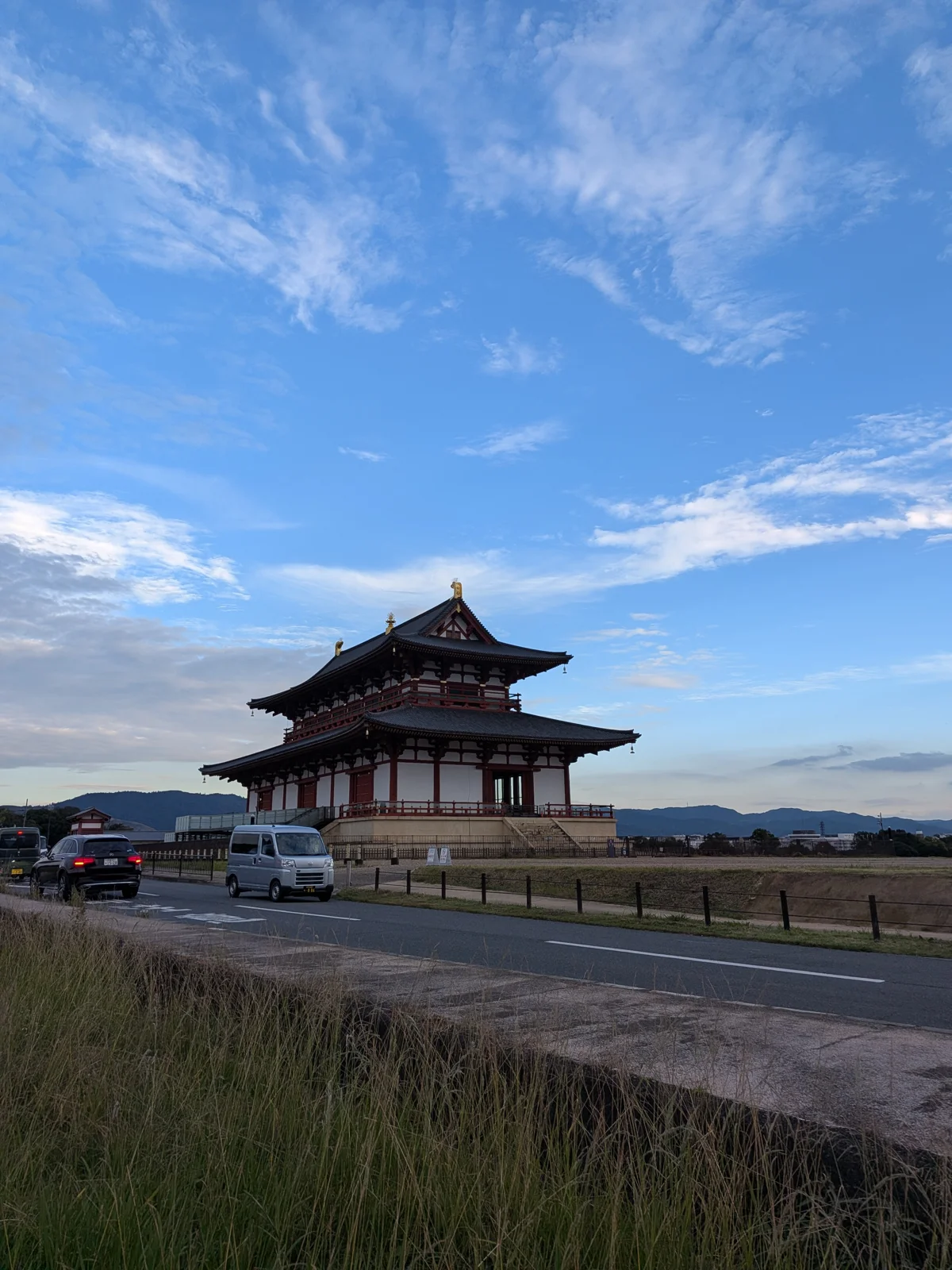
I had a slower start to my day trip to Nara than planned. I boarded what I thought was a fast train, only to discover that it was a local service. Then I had to change at the end of the line and wait for another local train. It took considerably longer than it should have, although at least I could use the journey to research coffee shops and do some trip planning.
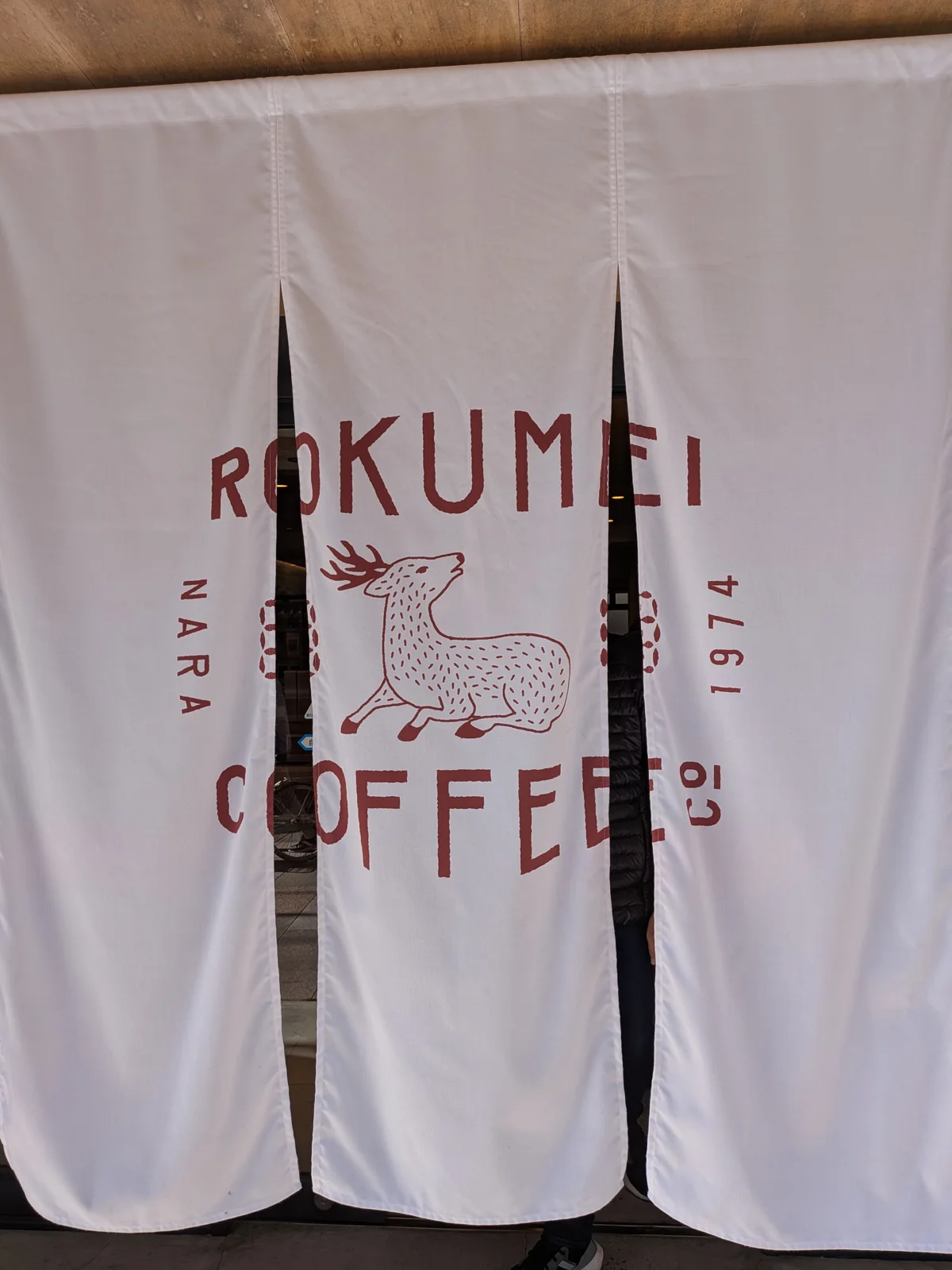
The weather was an unexpected bonus. Rain had been forecast, but Nara was glorious and sunny when I arrived. I stopped for coffee at ROKUMEI COFFEE, then wandered towards the park, spotting deer along the way and watching the crowds build.
I tried to get a takeaway matcha Americano from Salon Naramachi. It turned out to be much more of a sit-down tea experience than I wanted. Someone had arranged a place for me, there was the business of removing my shoes, and then I realised that I didn't want to commit so much time or money to having one drink. I felt awkward getting up and leaving, but a shop next door, ocasi, made an excellent matcha Americano to take away, so it worked out nicely.
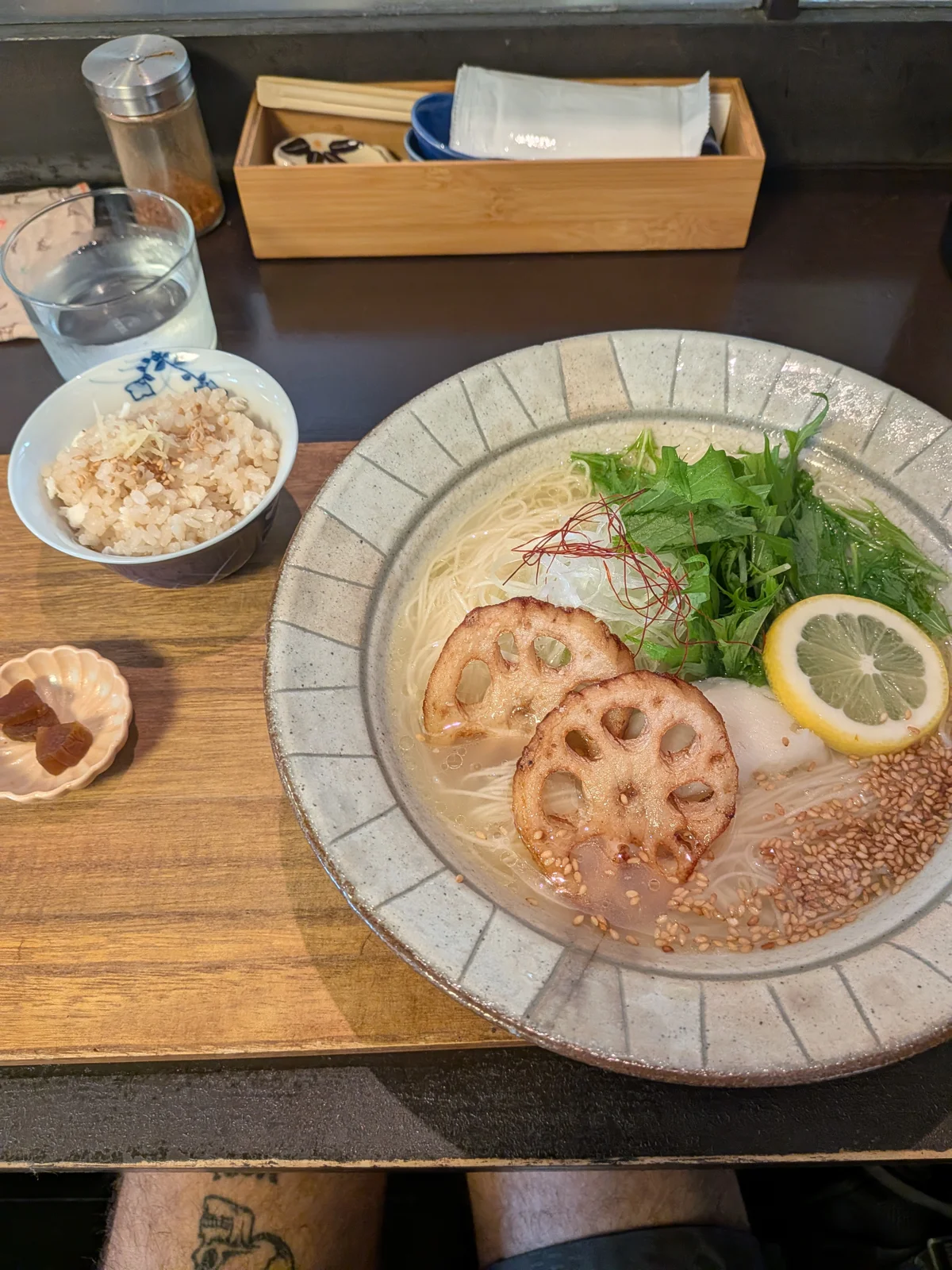
Lunch was at Somen Dokoro Surusuru (そうめん処スルスル), where I arrived at 11:30 and sat at the counter. The smell hit me as soon as I walked in, in the best possible way. The atmosphere felt wonderfully local and the staff were very friendly. I had very thin somen noodles in a sea-bream broth, followed by a little side of rice to soak up what was left of the soup. It was fantastic. I had the impression I might have been the only Westerner in the restaurant, and I was very pleased with the find.
I then spent time walking around Nara Park. Something I've come to appreciate enormously in Japan is the number and quality of public toilets. They're everywhere, they're free, and many have the fancy TOTO toilets with bidets. Coming from Britain, where finding a public toilet can be difficult and the ones you do find aren't always pleasant, it feels almost luxurious. It reminded me of Perfect Days, about a Japanese toilet cleaner who takes great pride in his work.
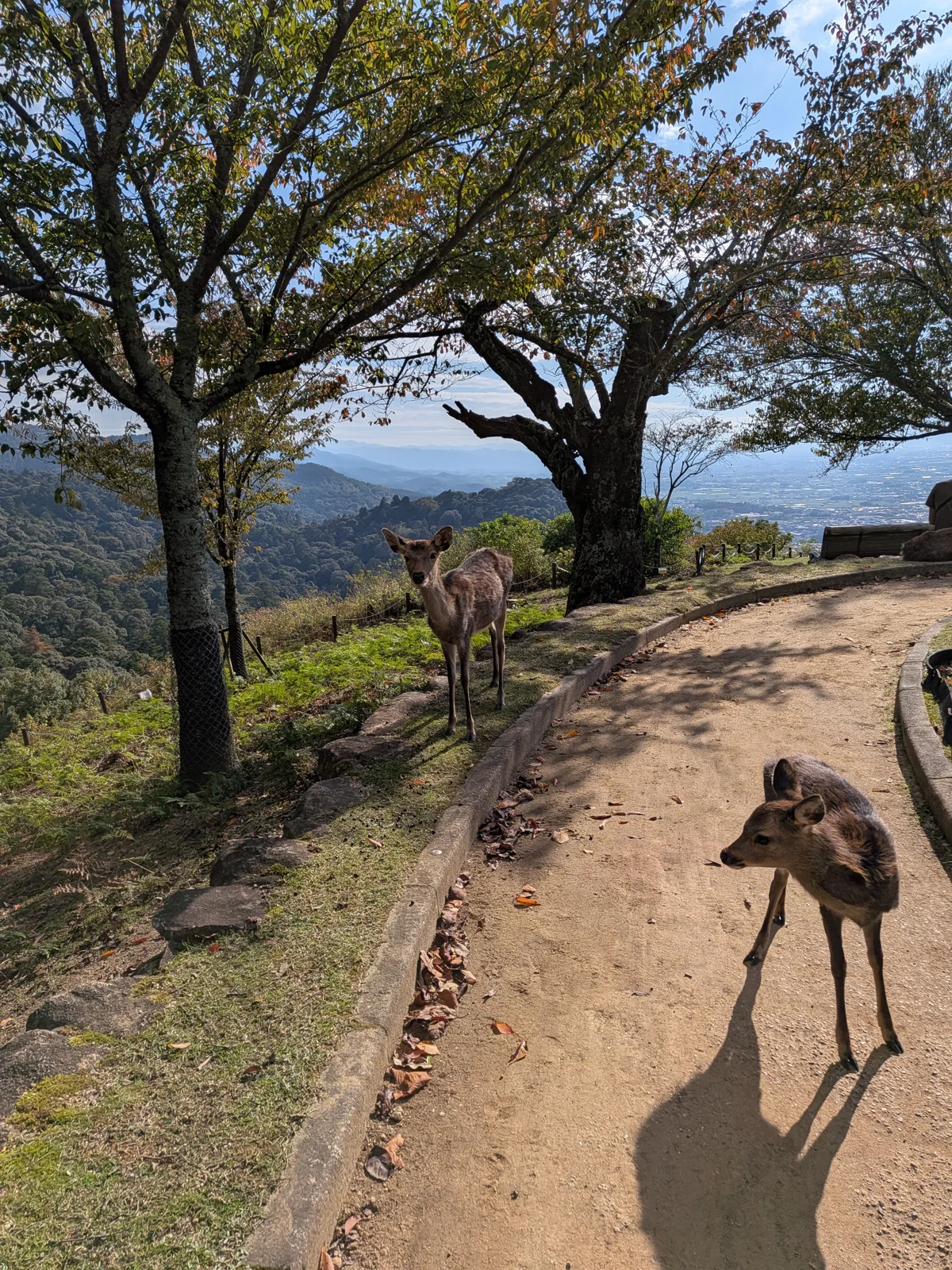
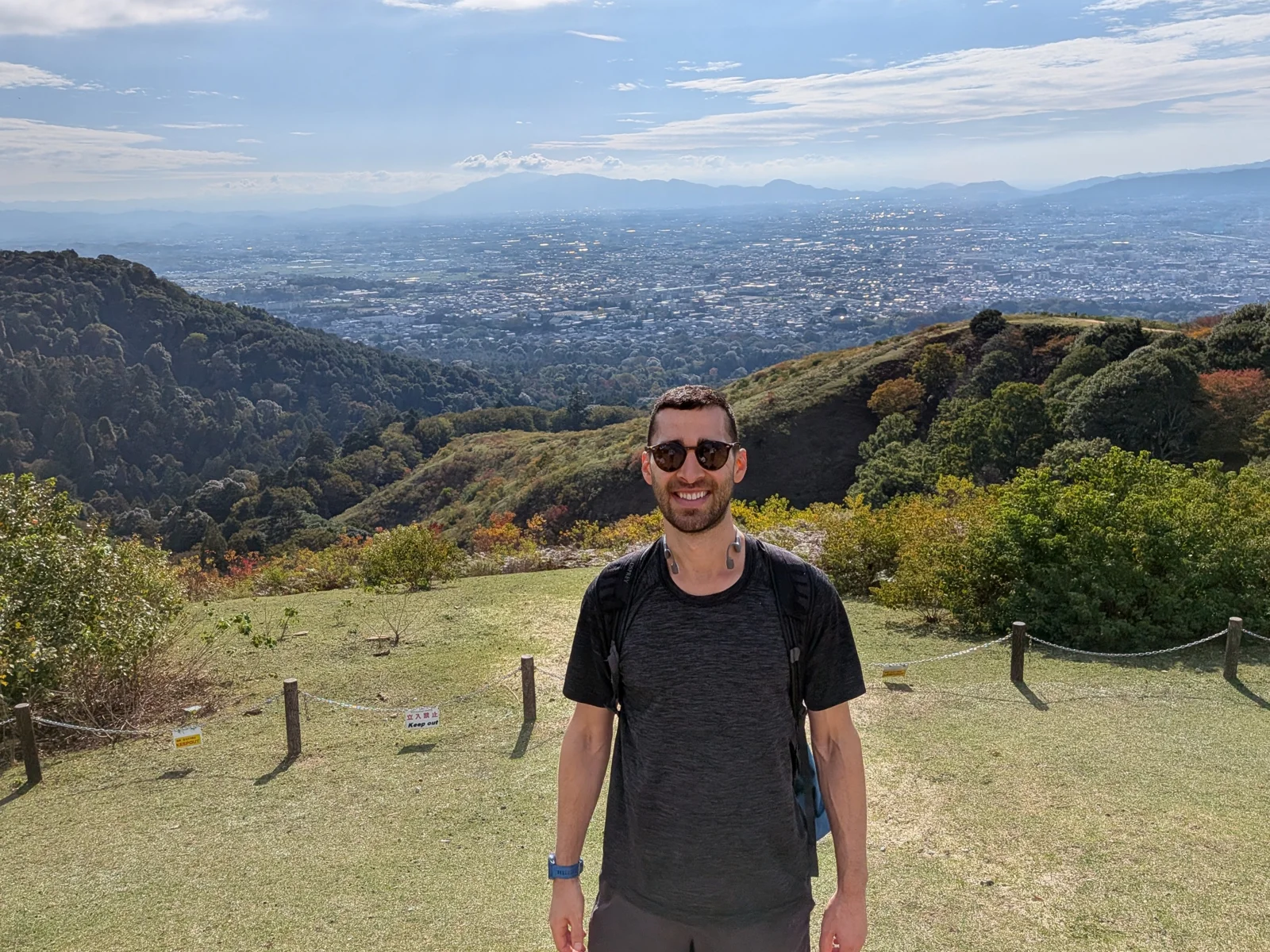
I seemed to be walking the park in the opposite direction to most people. A trail took me up through a relatively peaceful forest to a viewpoint on Mount Wakakusa, where someone took a photograph of me. Coming down the other side, I passed open grassy slopes and lookouts with wonderful views. The sunshine made it even better. There were deer everywhere. In one sense it was idyllic, with the animals wandering around the landscape; in another, the busy parts, with school groups and tourists, felt a bit like an enormous petting zoo. Stephen and Kim had warned me about that, while also encouraging me to go. I was glad I did, especially because the quieter forest paths gave me a break from the crowds around the main temple area.
Getting back to Kyoto was far less enjoyable. I boarded an express train after tapping in with my IC card, although I wasn't entirely sure whether I needed a separate reserved-seat ticket. At the first stop, everyone was told to get off because of a reported casualty on the tracks. People stood around the platform without much idea of what was happening. When I asked a station employee, he couldn't tell me how long the disruption would last and suggested returning to Nara to catch a local train.
I started walking back in that direction. Along the way I passed another station, and both Google Maps and ChatGPT appeared to suggest that services had resumed. I went in and waited, but the train I needed never appeared on the departure board. Eventually I continued towards Nara and took a local train back to Kyoto. Between the slow trip out and the disruption on the way back, I'd spent far longer travelling than I wanted. At least the delays gave me time to research dinner and organise some plans for the next day.
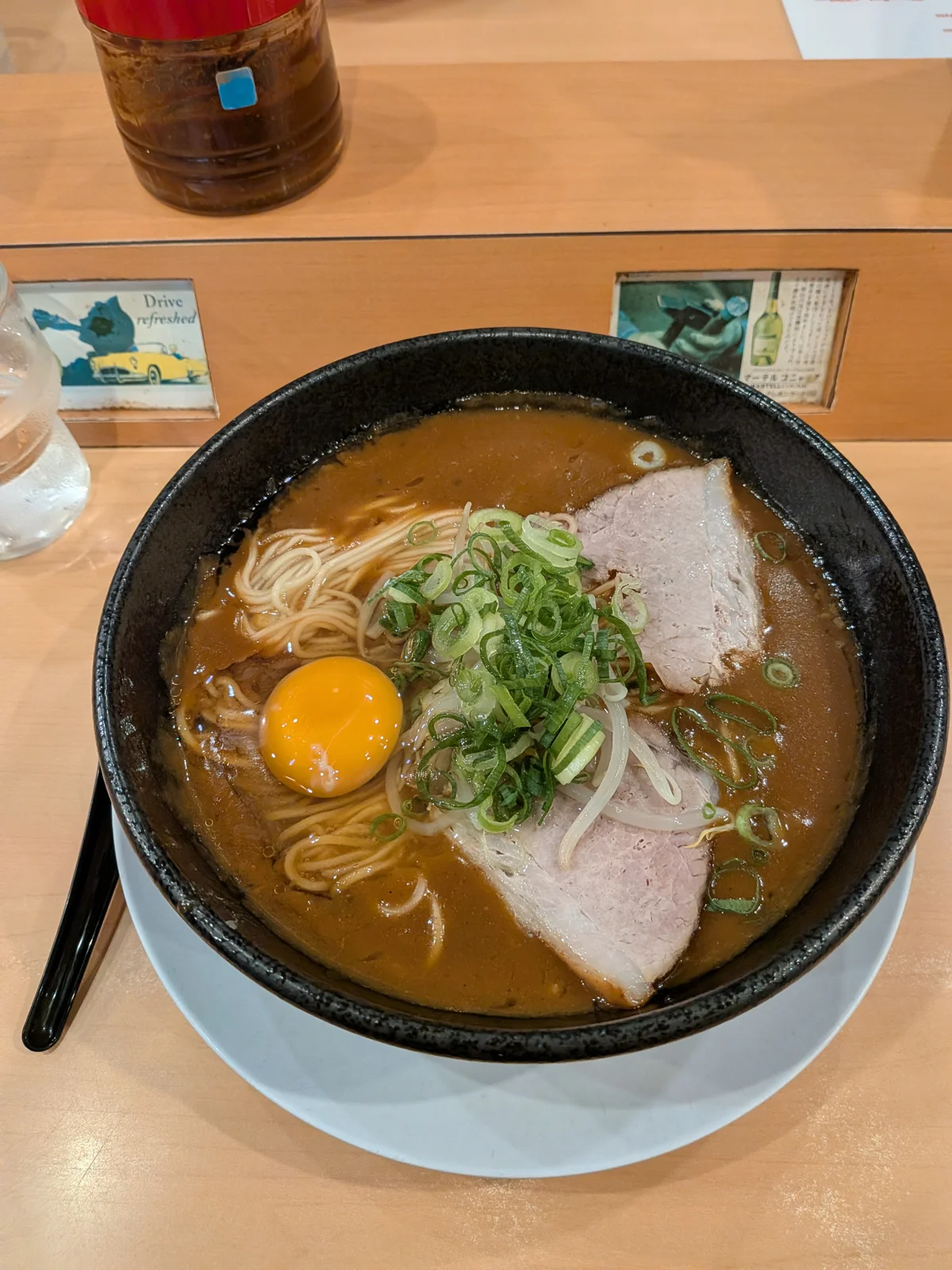
By the time I got back I was tired and a bit fed up. Japanese curry ramen at Hyakuten Manten (ひゃくてんまんてん) was exactly what I needed. The bowl came with tender pork and a raw egg, and the curry-spiced broth was deeply satisfying. It was casual, cheap and fast. I think this was my first proper Japanese curry, and after that journey it hit the spot 100%.
Friday 6 November: Gold, gravel, curry and a very kind stranger
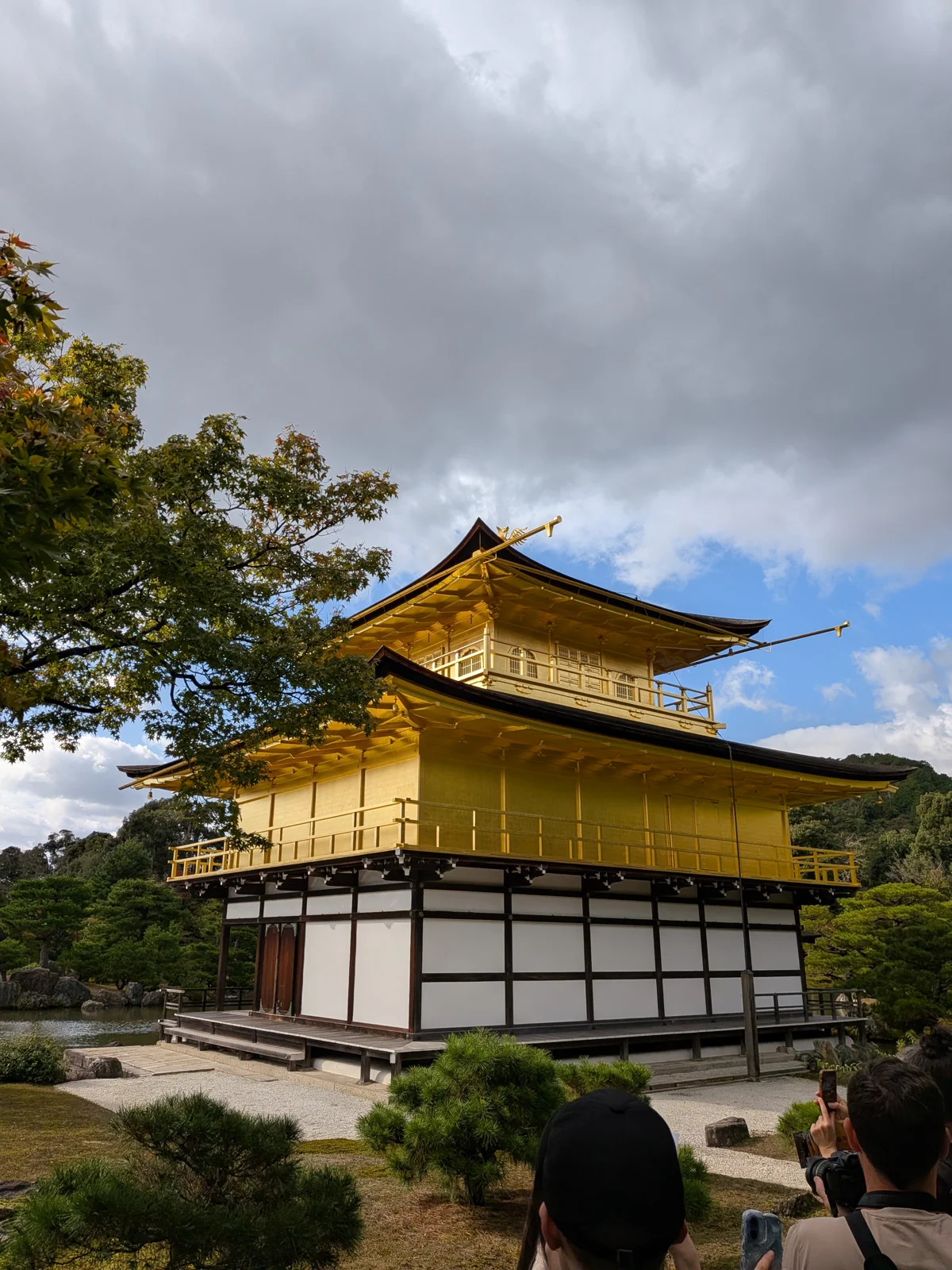
I started early at Kinkaku-ji, hoping to get there before the crowds became overwhelming. I mostly succeeded, although there were already plenty of people trying to take photographs. The Golden Pavilion was beautiful, even if I struggled to get an interesting picture of something that everybody was photographing from much the same places.
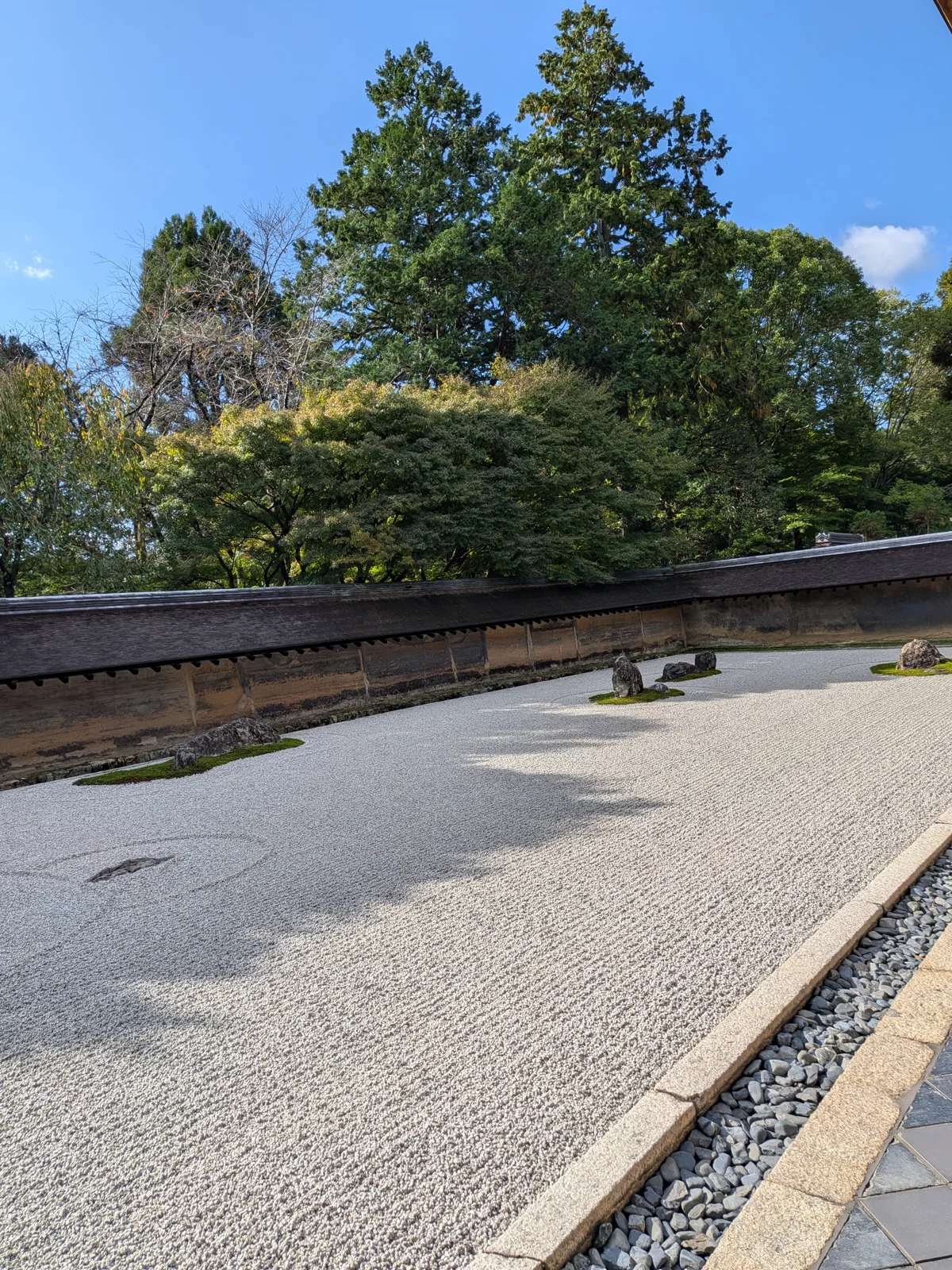
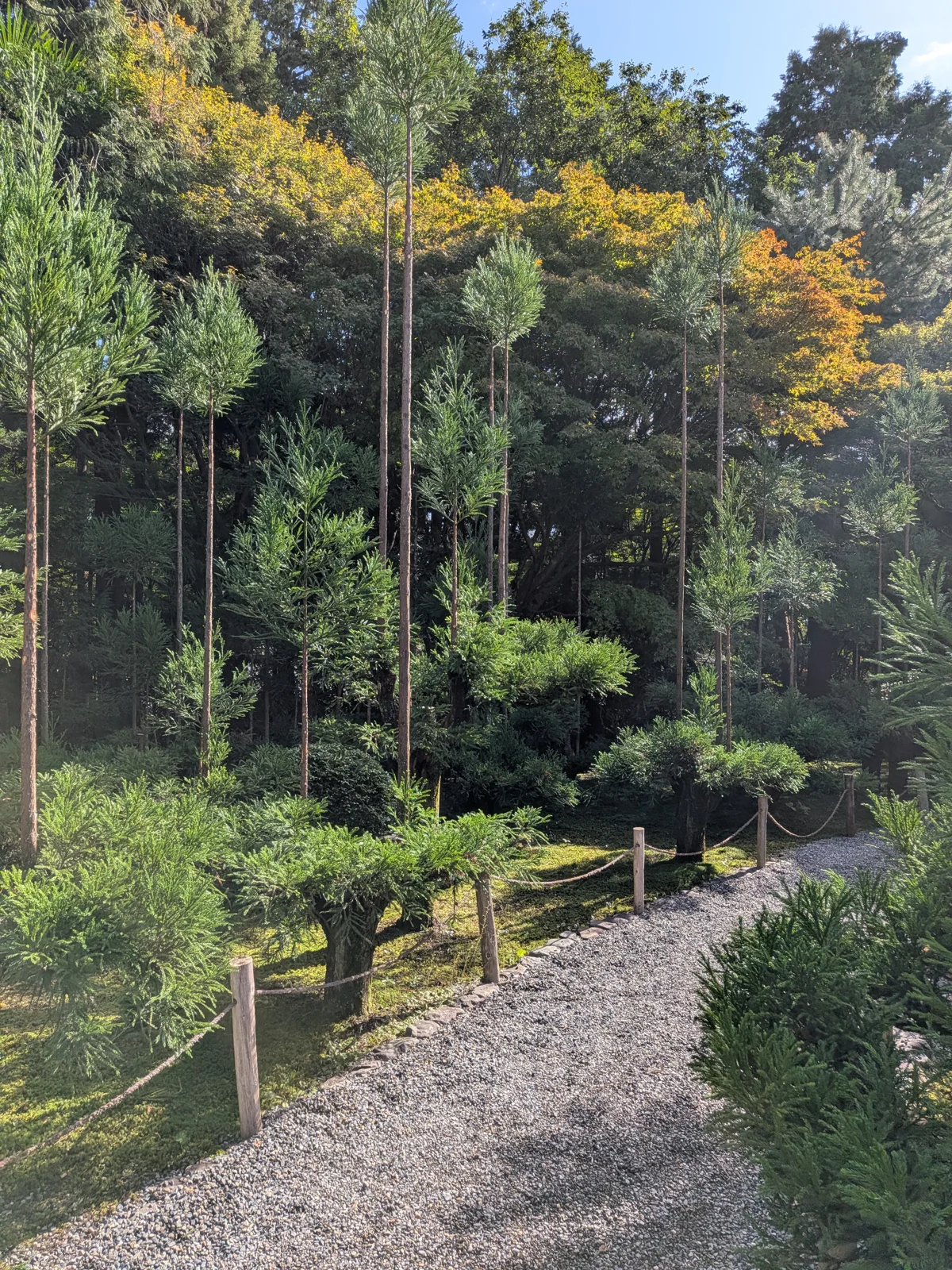
I then went to Ryōan-ji to see its Zen rock garden. It seemed a little ironic that a place intended to encourage calm and contemplation was surrounded by people jostling to take photos. I didn't stay at the garden for very long. The rest of the grounds were lovely, though, with a beautiful park-like setting that I enjoyed more than the famous rocks themselves.
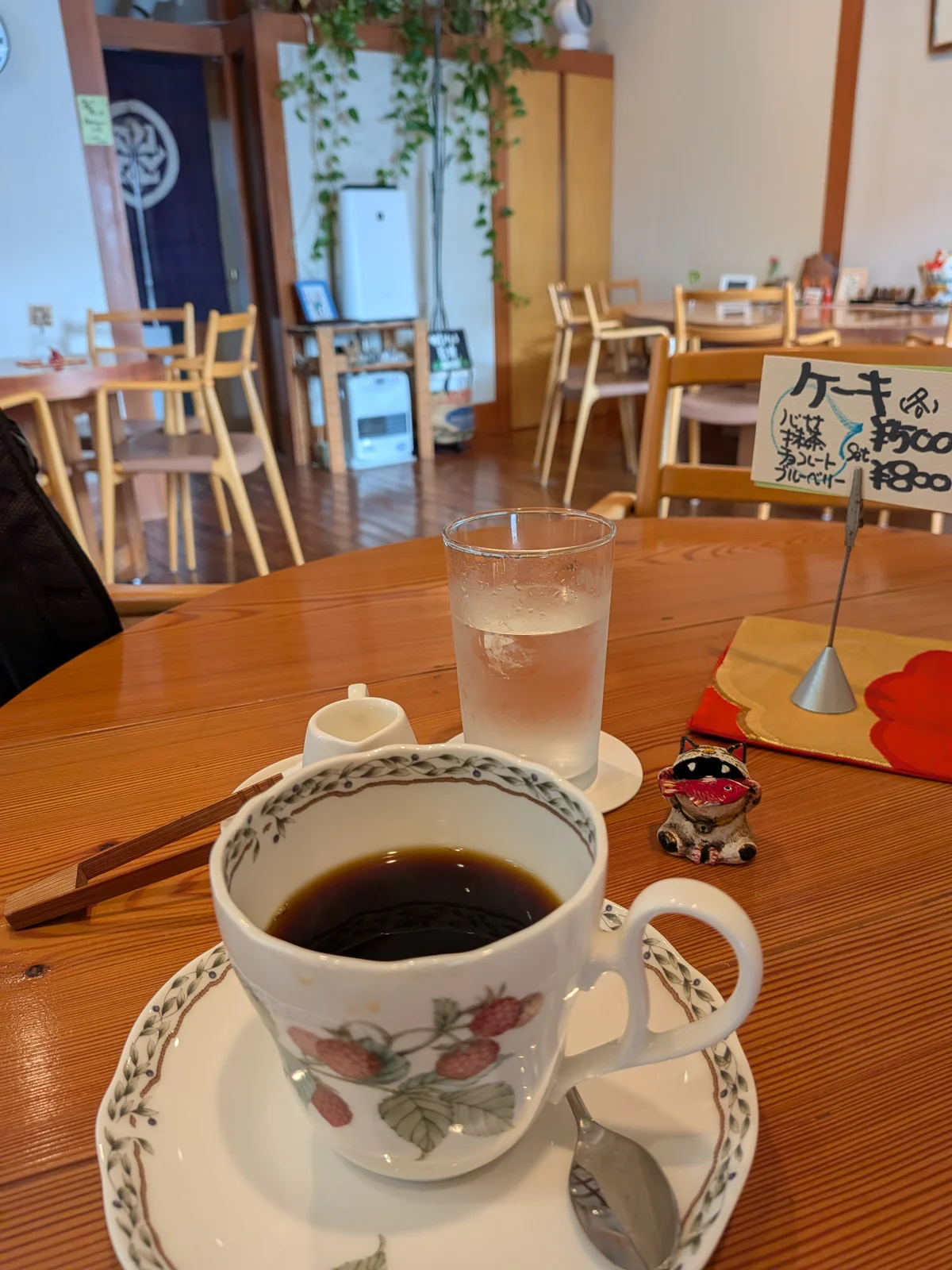
Nearby I stopped at Coffee FUKUI, a small café run by one man, with a lot of charm. I liked it very much. But I was also keen to get across town for lunch at a curry place Stephen and Kim had recommended. I worried it would get busy, so I took a taxi to make sure I arrived before the lunch rush. In hindsight, public transport might have been perfectly fine.
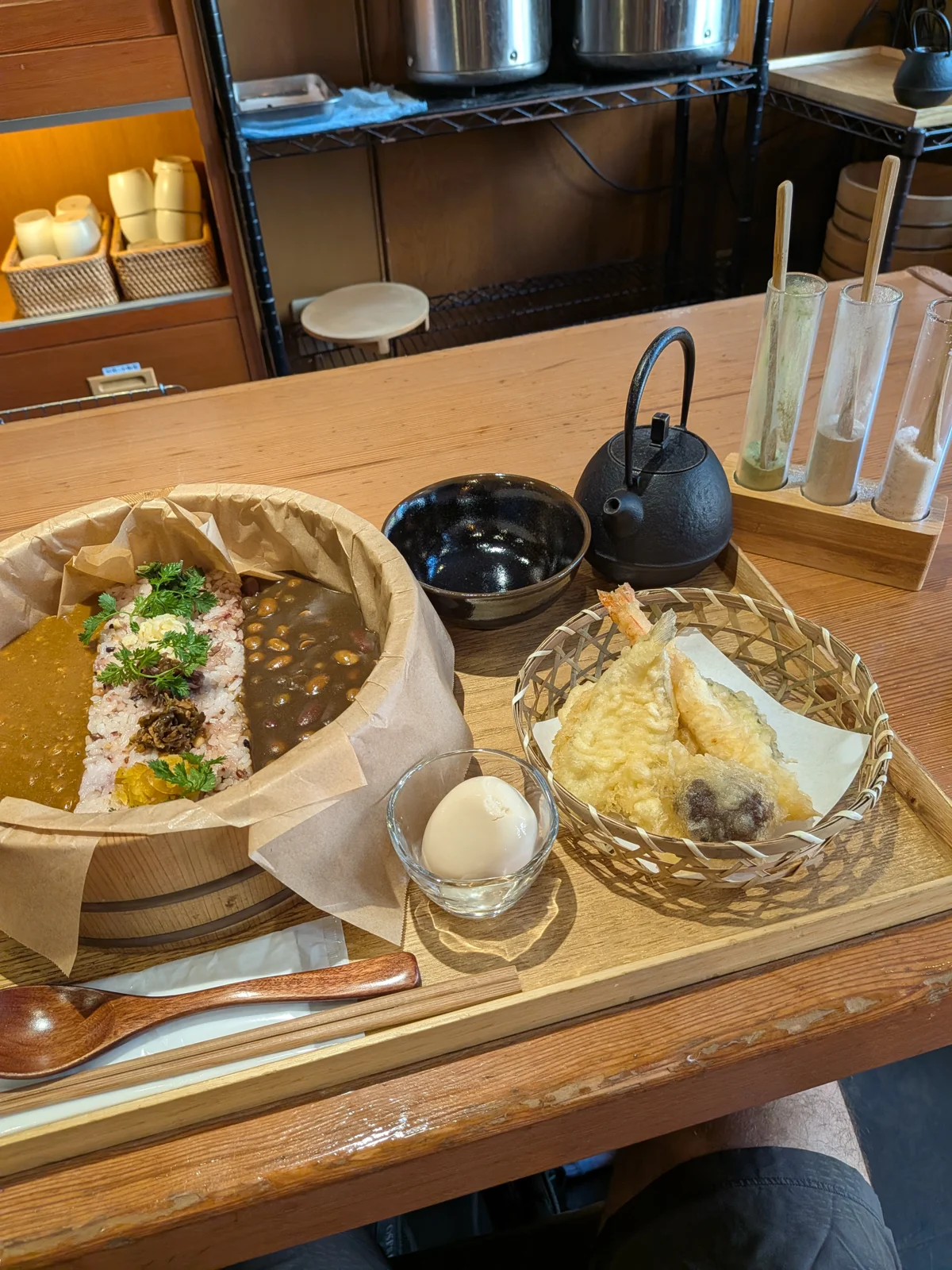
Lunch at curry&tempura koisus was excellent. The set came in a wooden tub, with rice separating two different curries, including a bean-based one and another involving pork and vegetables. There was tempura on the side, including shrimp, as well as an egg, a little pot of dashi and several seasonings. It was an unusual way of serving curry, combining different spice flavours with Japanese accompaniments, and I really enjoyed it. I was very glad I'd made the effort to get there.
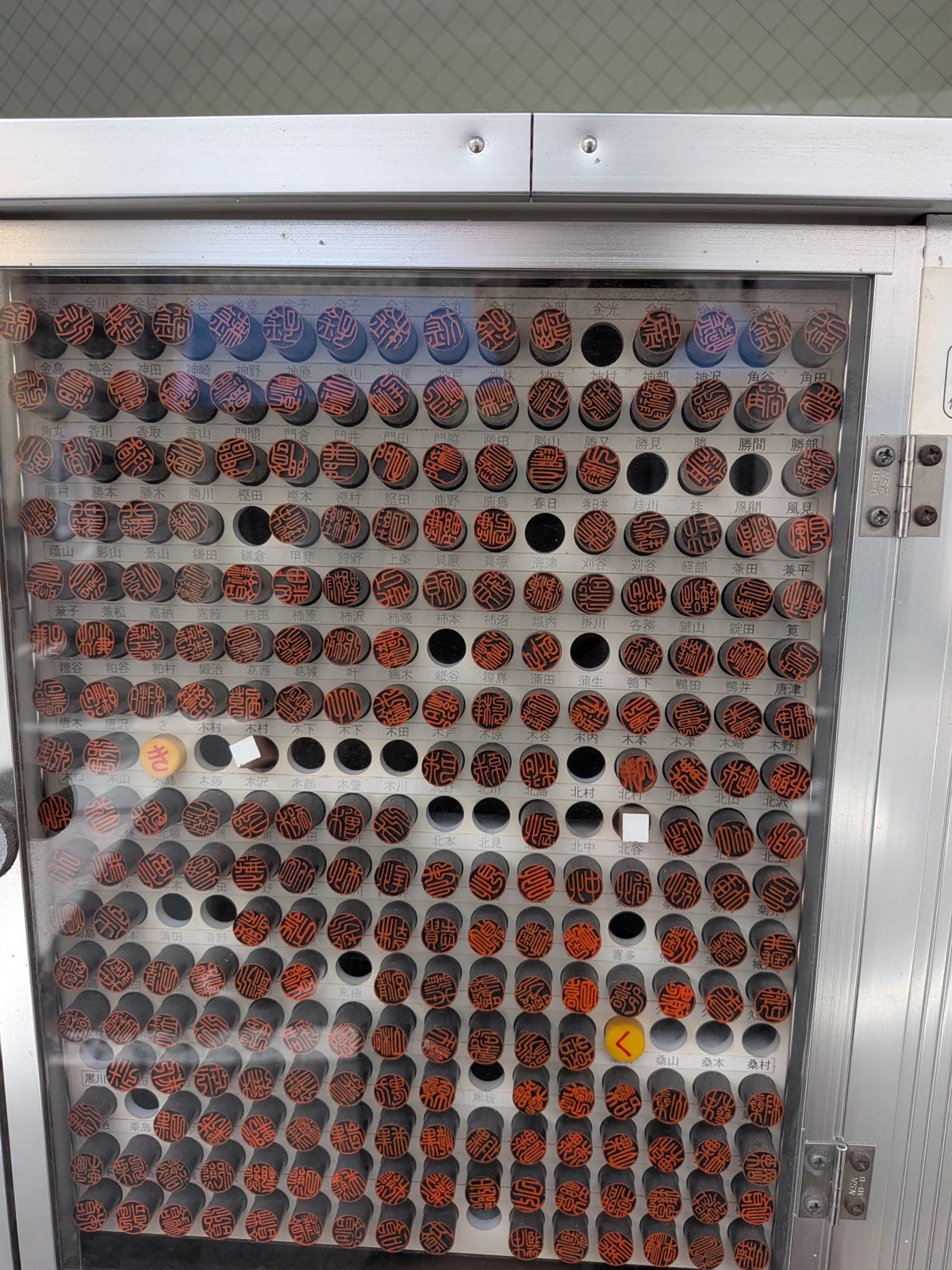
The afternoon was more relaxed. I wandered through shops, particularly enjoying a stamp shop called Maekawa Seiseidō (前川誠意堂). I also did some laundry and started packing for the next leg of the trip.
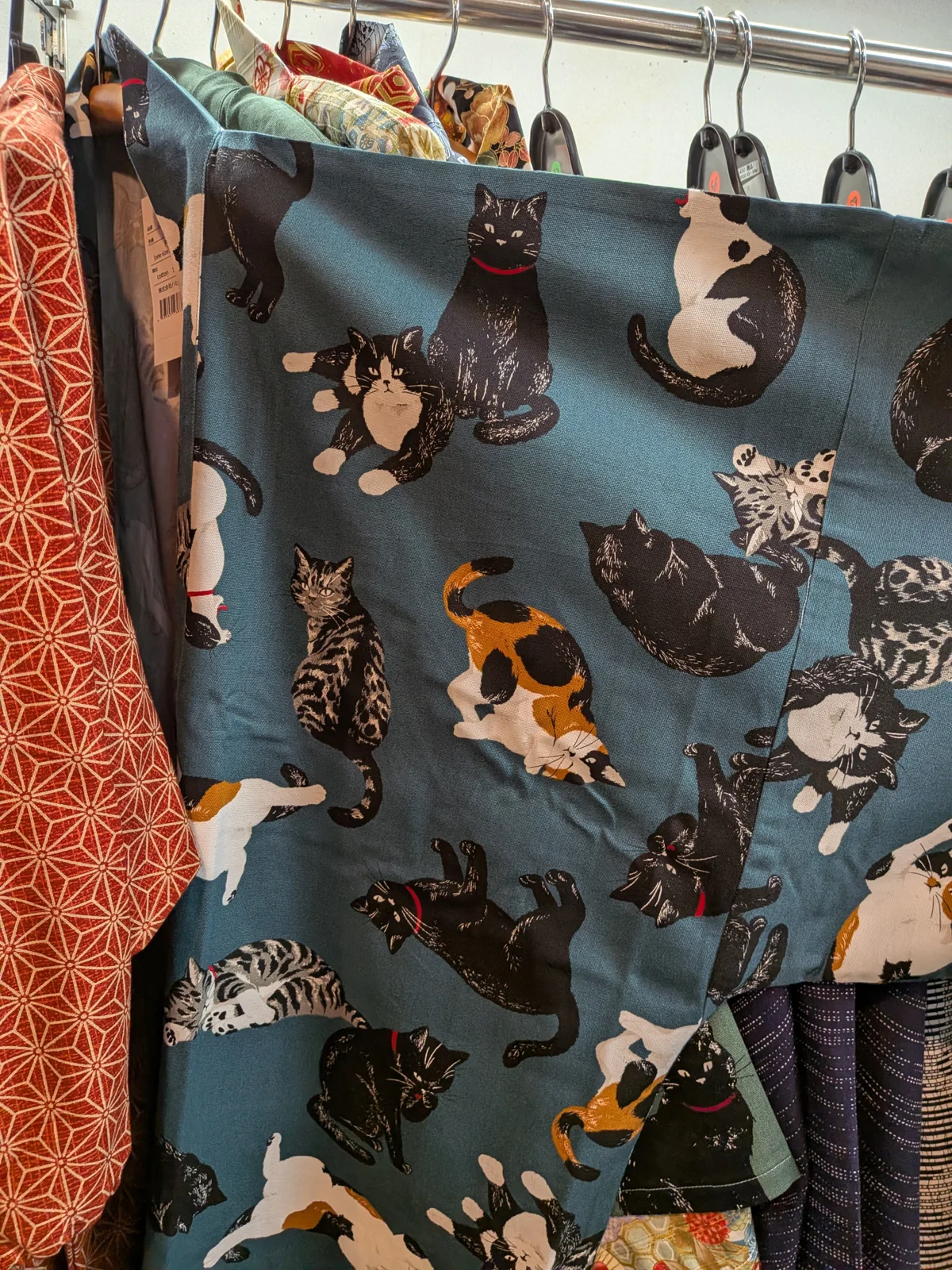
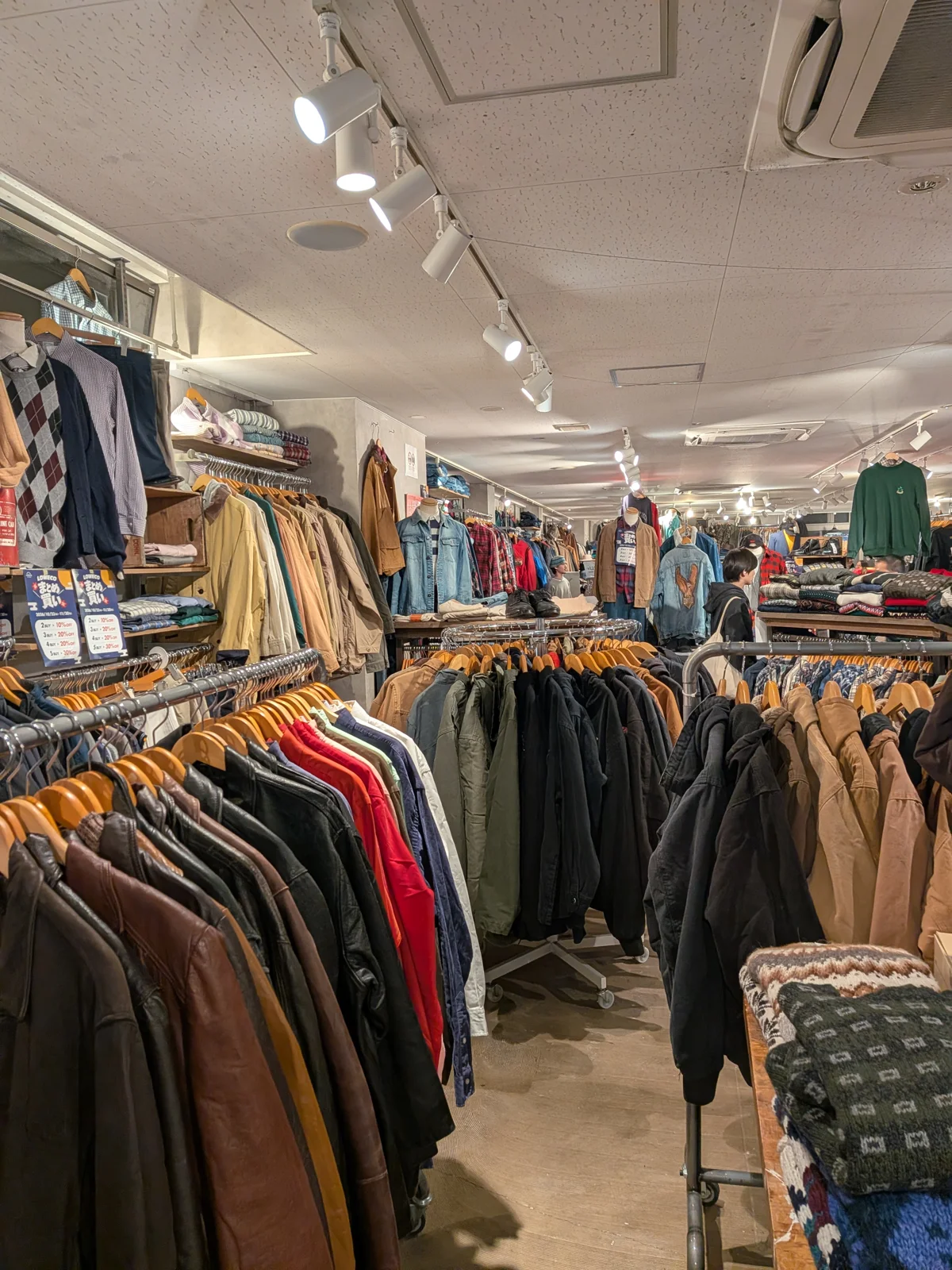
Kyoto had so many vintage stores. There was a whole covered market street with one after another, and one shop had an entire upstairs room devoted to Harley-Davidson stuff. There was lots of American college kit too. I found it fascinating how much space was devoted to it. Alongside the vintage shops were pottery, paintings, drawings, stamp shops and kimono stores. It seemed like a city that really valued craftsmanship, fashion and design.
Stephen and Kim had also told me about beautifully sealed metal tea caddies called chazutsu (茶筒). Kaikado makes them in copper, brass and tin. I looked up Kaikado (開化堂), hoping to try one out, but the workshop was a bit out of my way and I didn't make it there. I saw some wooden tea containers that were cool too. Finding one of the metal tins and deciding whether the satisfaction of that seal was worth a crazy amount of money was still on my to-do list.
It was another beautiful sunny day, so I went for a walk through Kyoto Gyoen, the large grounds around the Imperial Palace. Much of it was surprisingly grey, with an enormous amount of gravel. It wasn't really what I had expected. At the southern end, though, I found a much smaller and meticulously maintained garden that was beautiful. That was more like what I'd imagined the whole place would be.
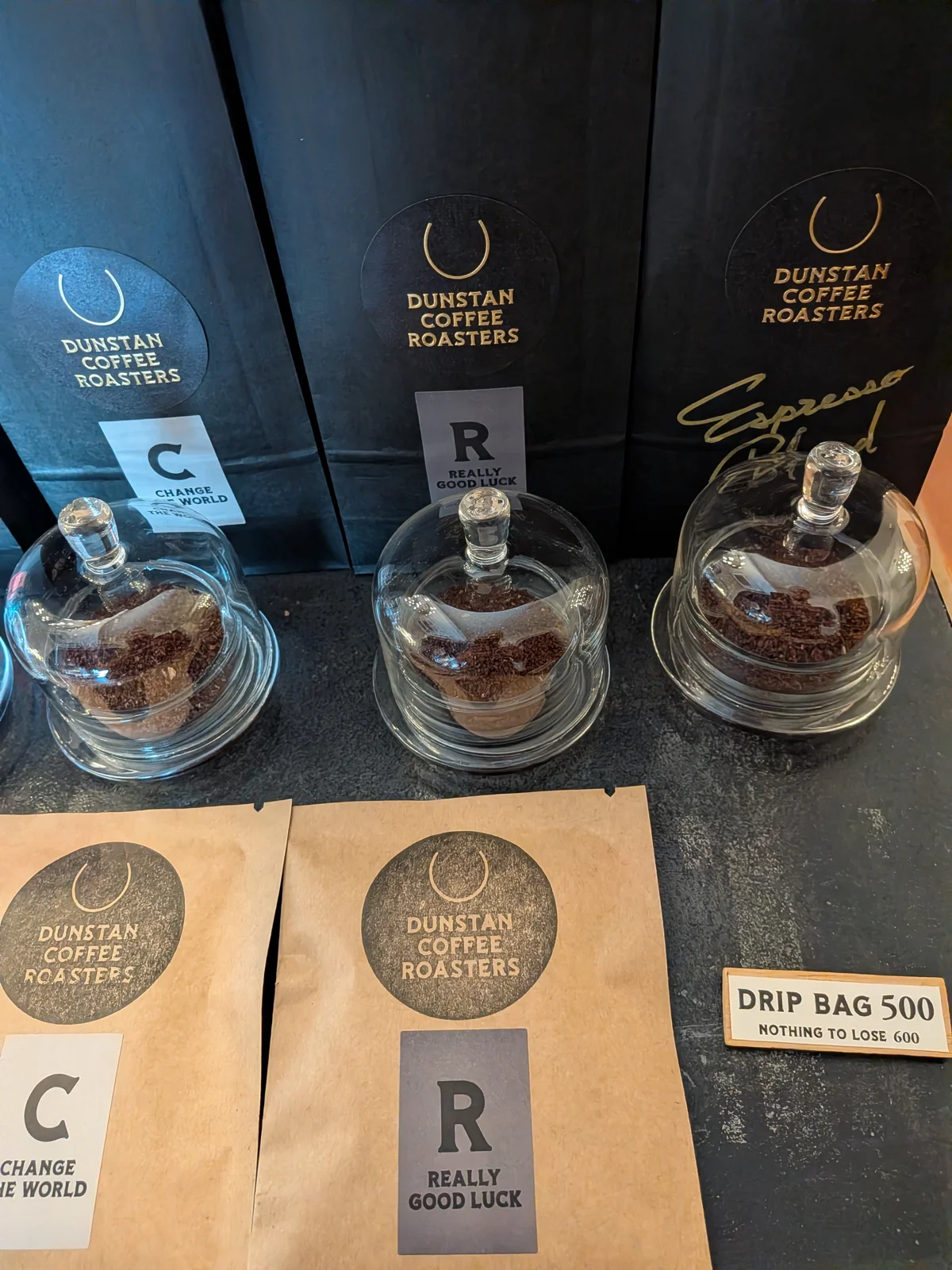
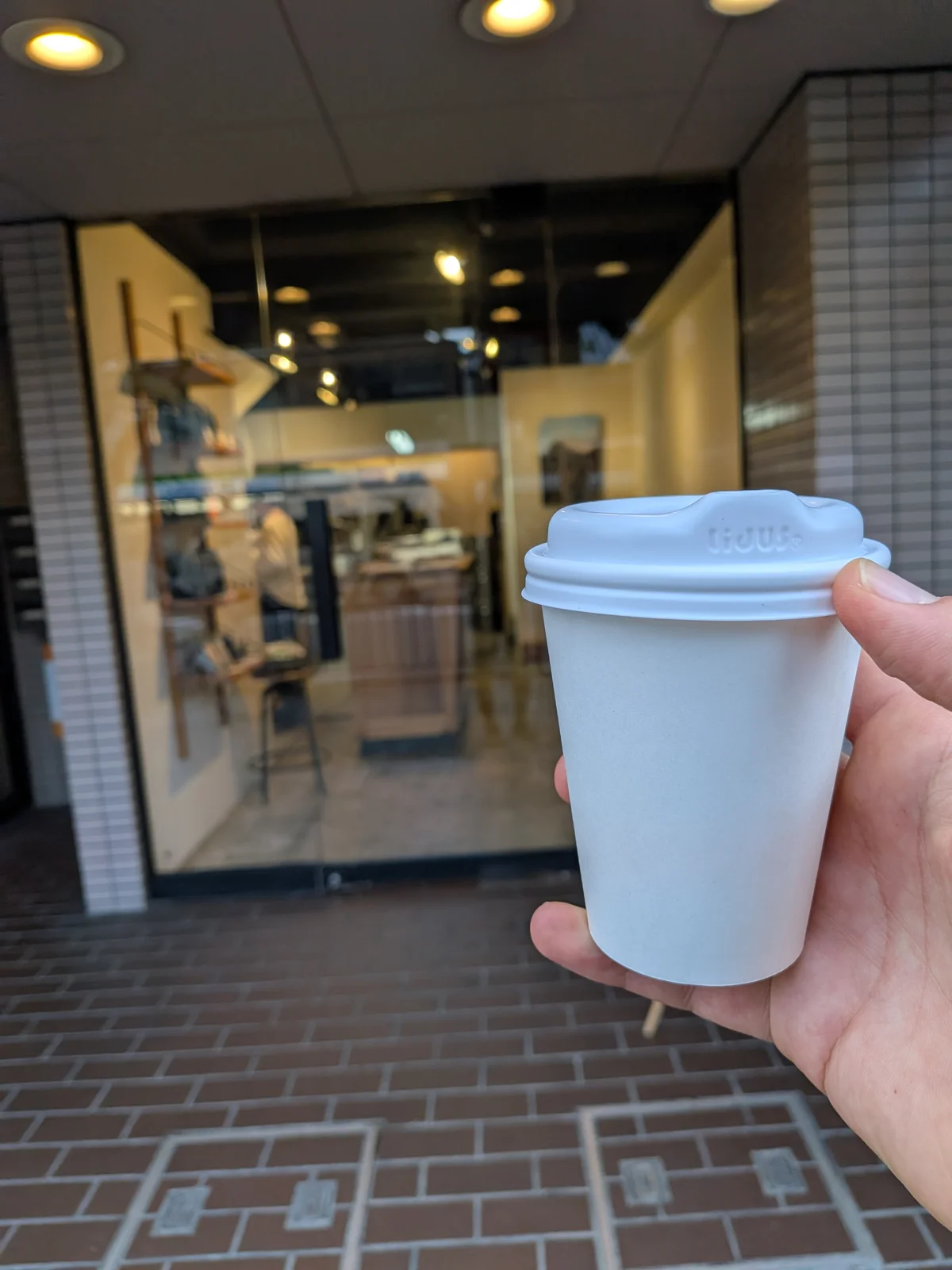
Afterwards I walked by the canal and stopped at STYLE COFFEE for a decaf pour-over. I love being able to get a carefully made coffee with interesting beans late in the day without having to commit to caffeine.
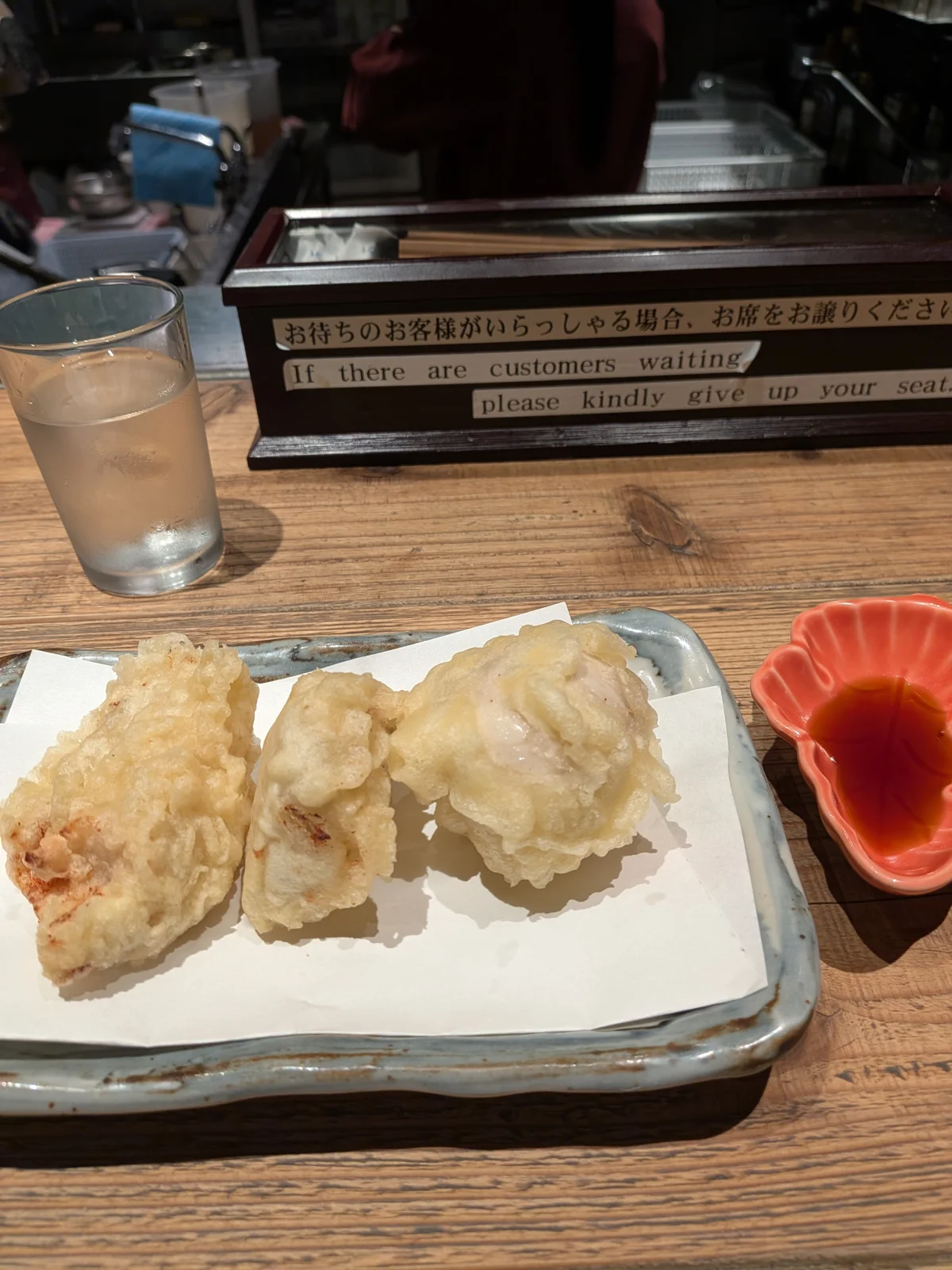
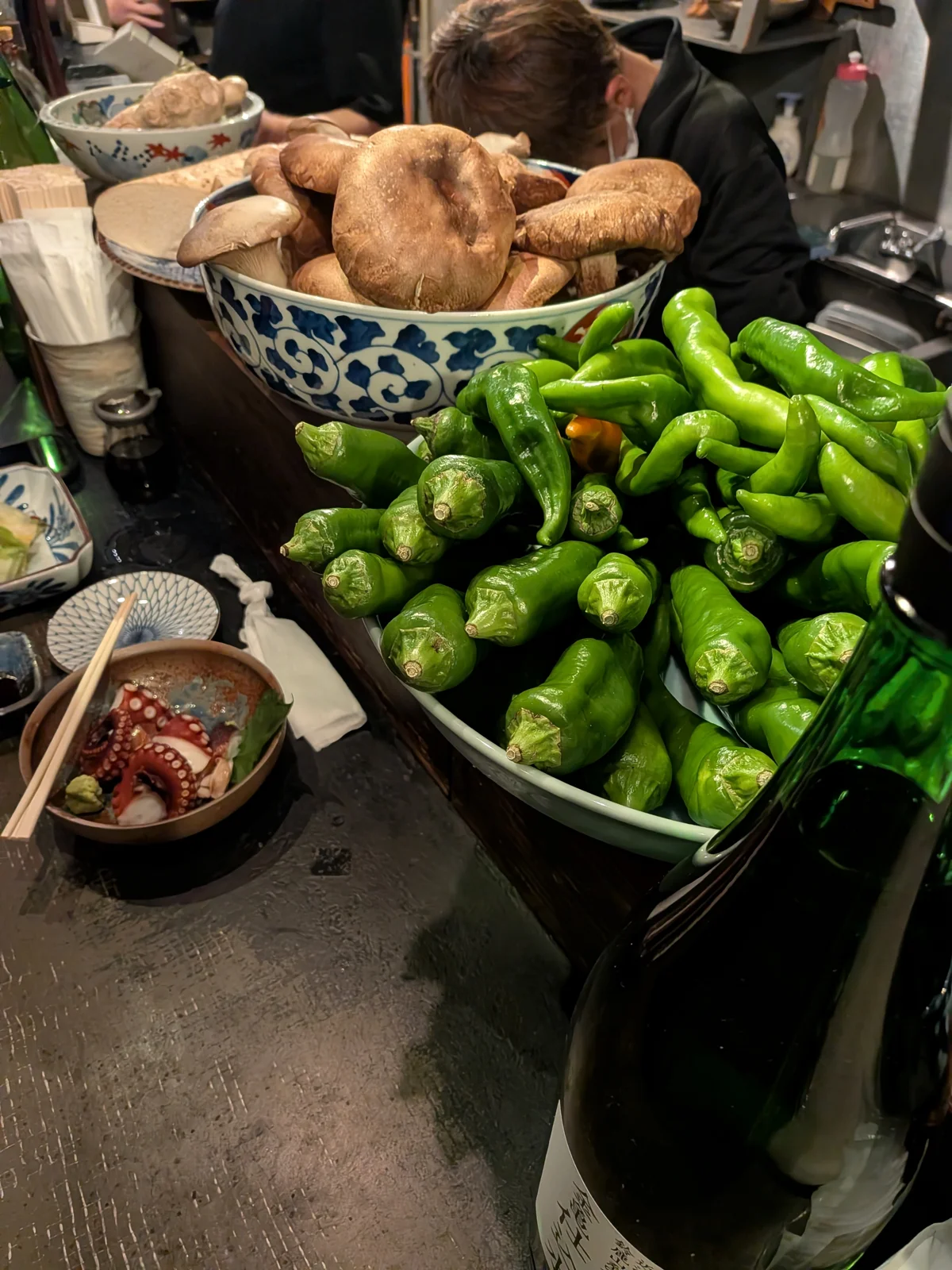
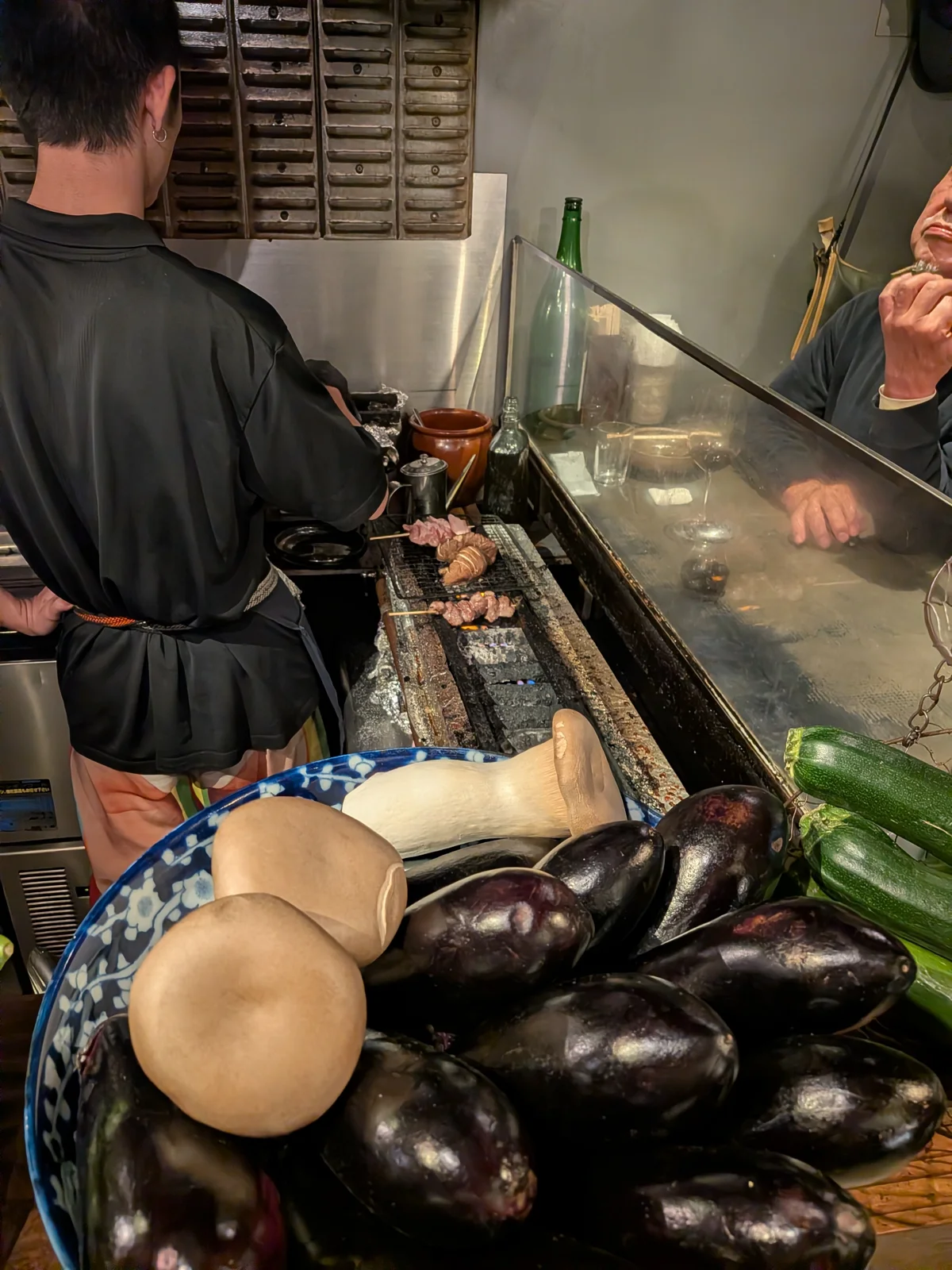
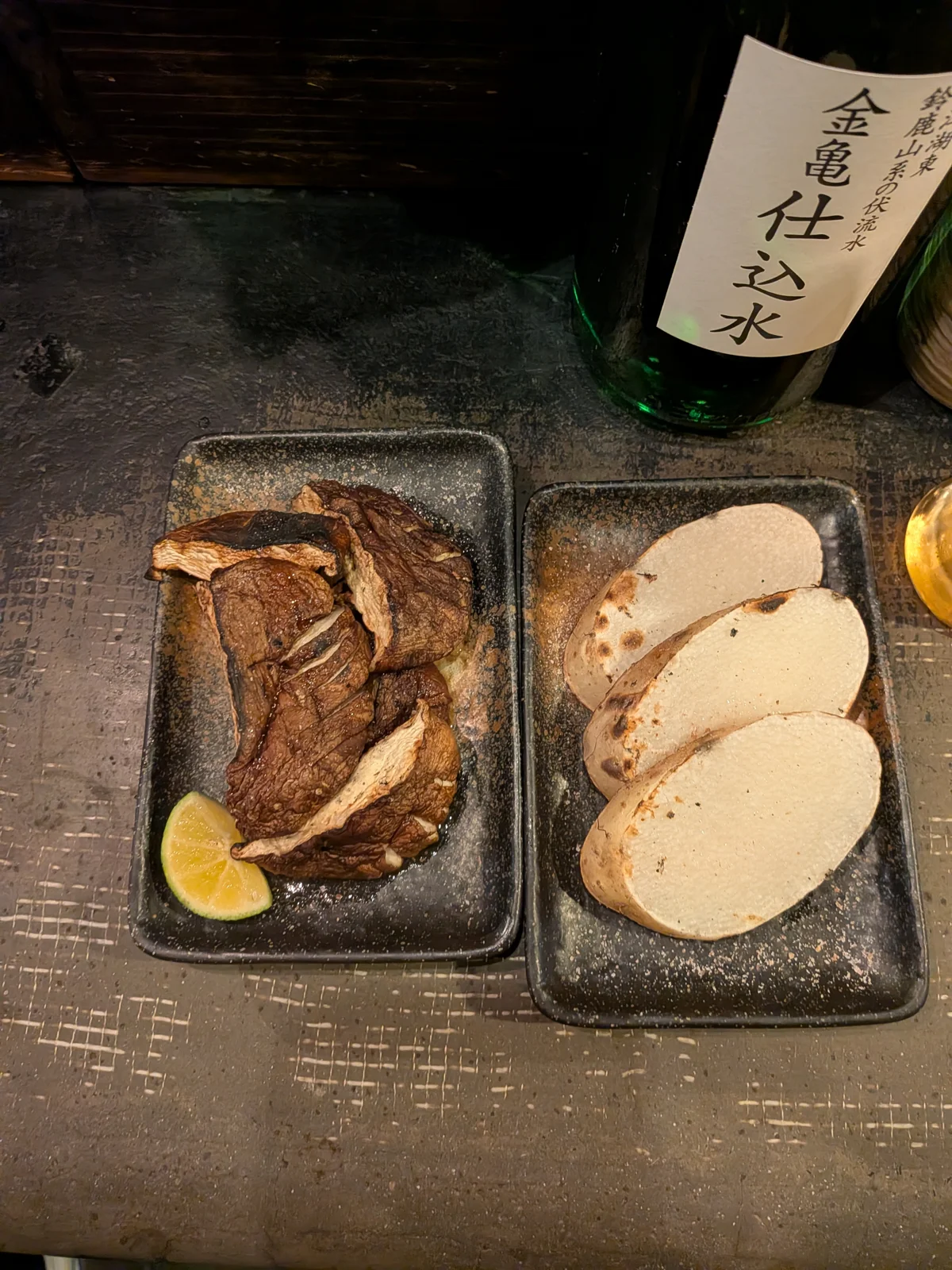
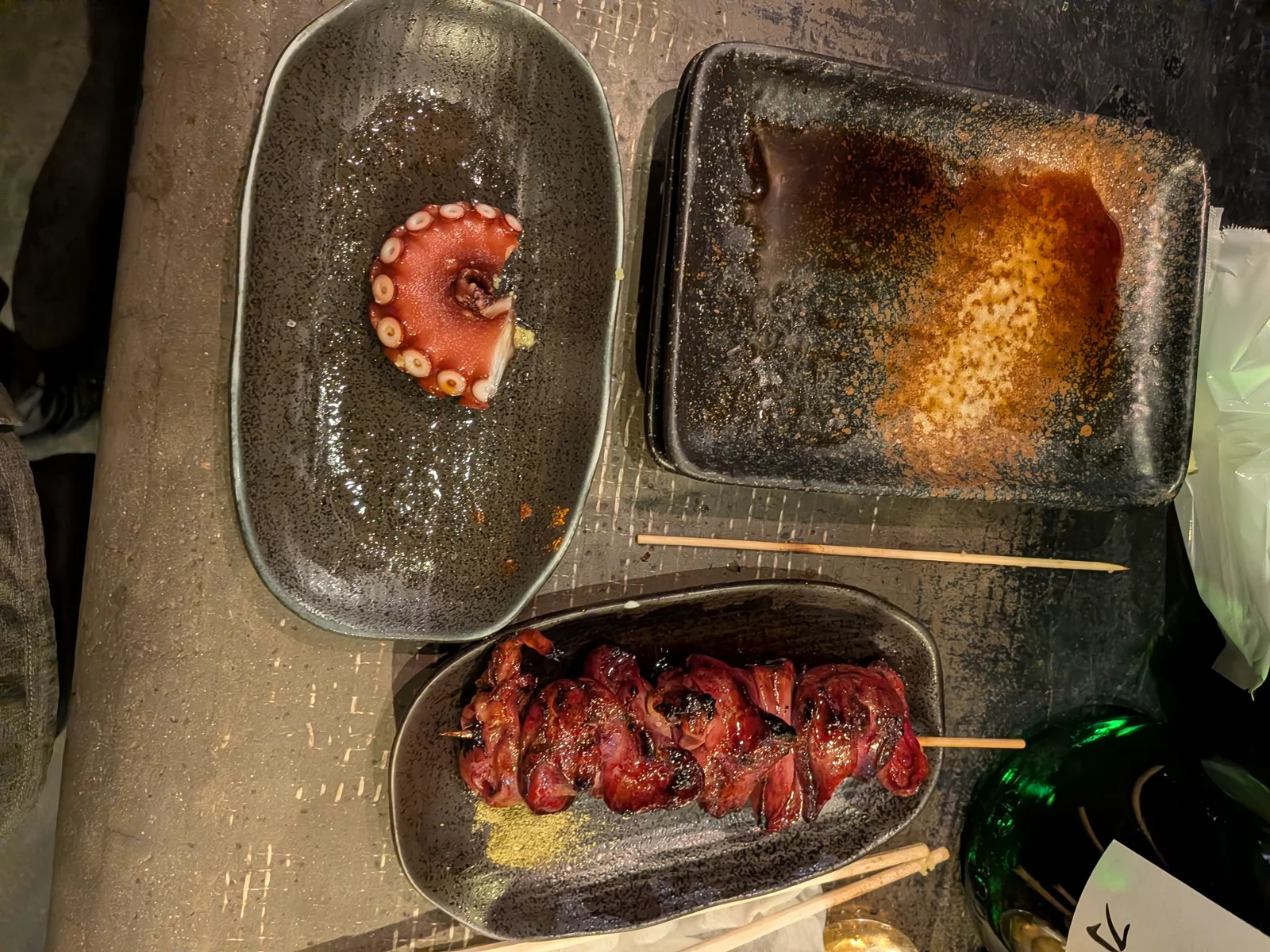
For dinner I went to Yanagikoji TAKA (柳小路 TAKA), a lively standing yakitori bar. I ordered chicken liver, a wonderfully juicy cut called chicken oyster, grilled mountain yam and shiitake mushrooms. Everything was excellent, especially the chicken liver, which was so good I ordered another round.
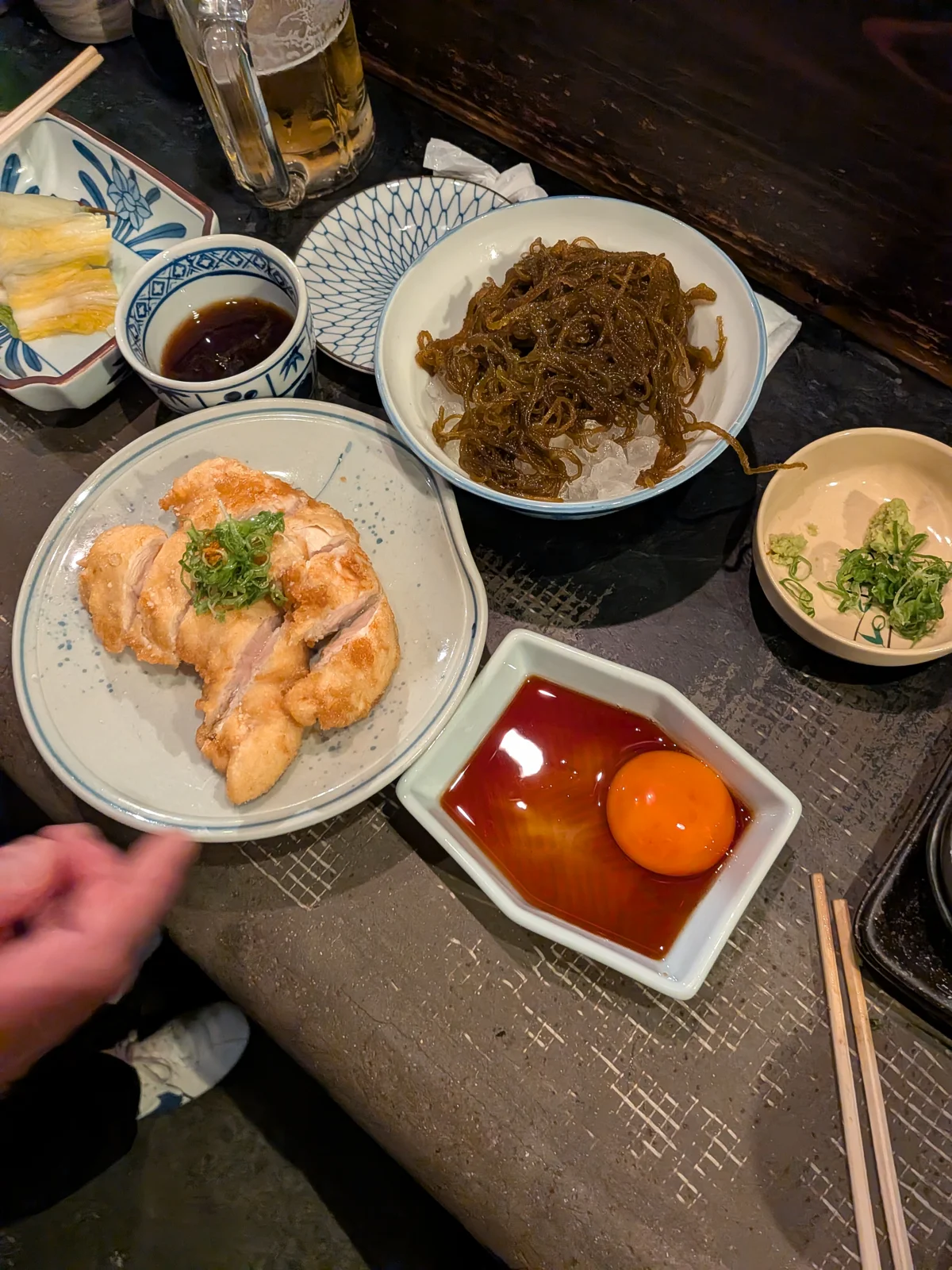
The best part of the evening, though, was meeting the Japanese man standing beside me. I introduced myself and we started chatting. He lived in Uji, so I told him about having visited a couple of days earlier. We talked about his children, his job, travelling in Japan, the places he liked and the foods he thought I should try. He shared some of his food and then ordered chicken teriyaki with egg yolk and a seaweed salad for us to eat together. It was incredibly kind. He was drinking sake and offered me some. I was very tempted, but I wasn't drinking alcohol, so I declined. I was so glad I'd introduced myself. He was one of the kindest people I'd met on the trip, and the conversation made an already excellent dinner much more memorable.
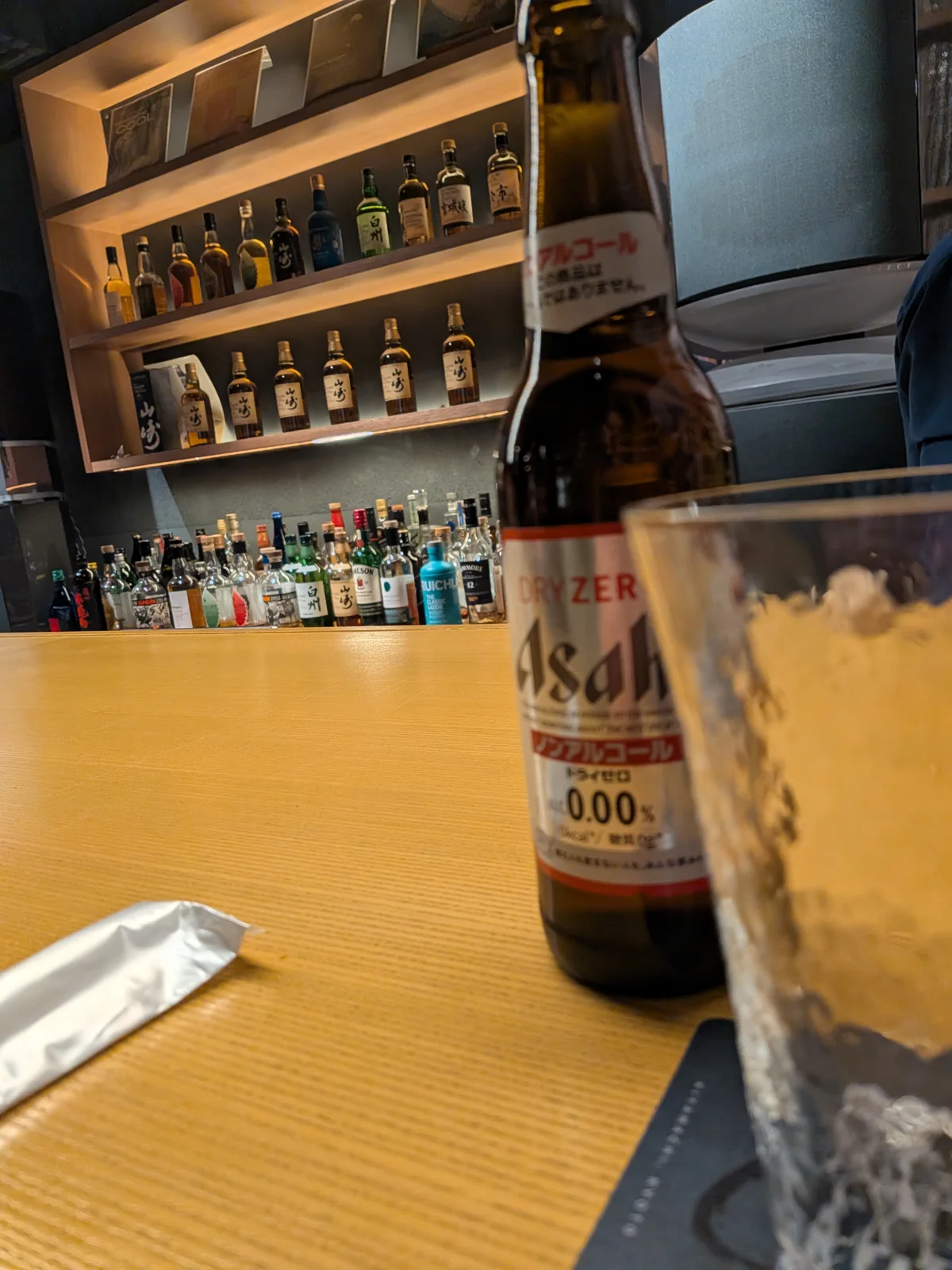
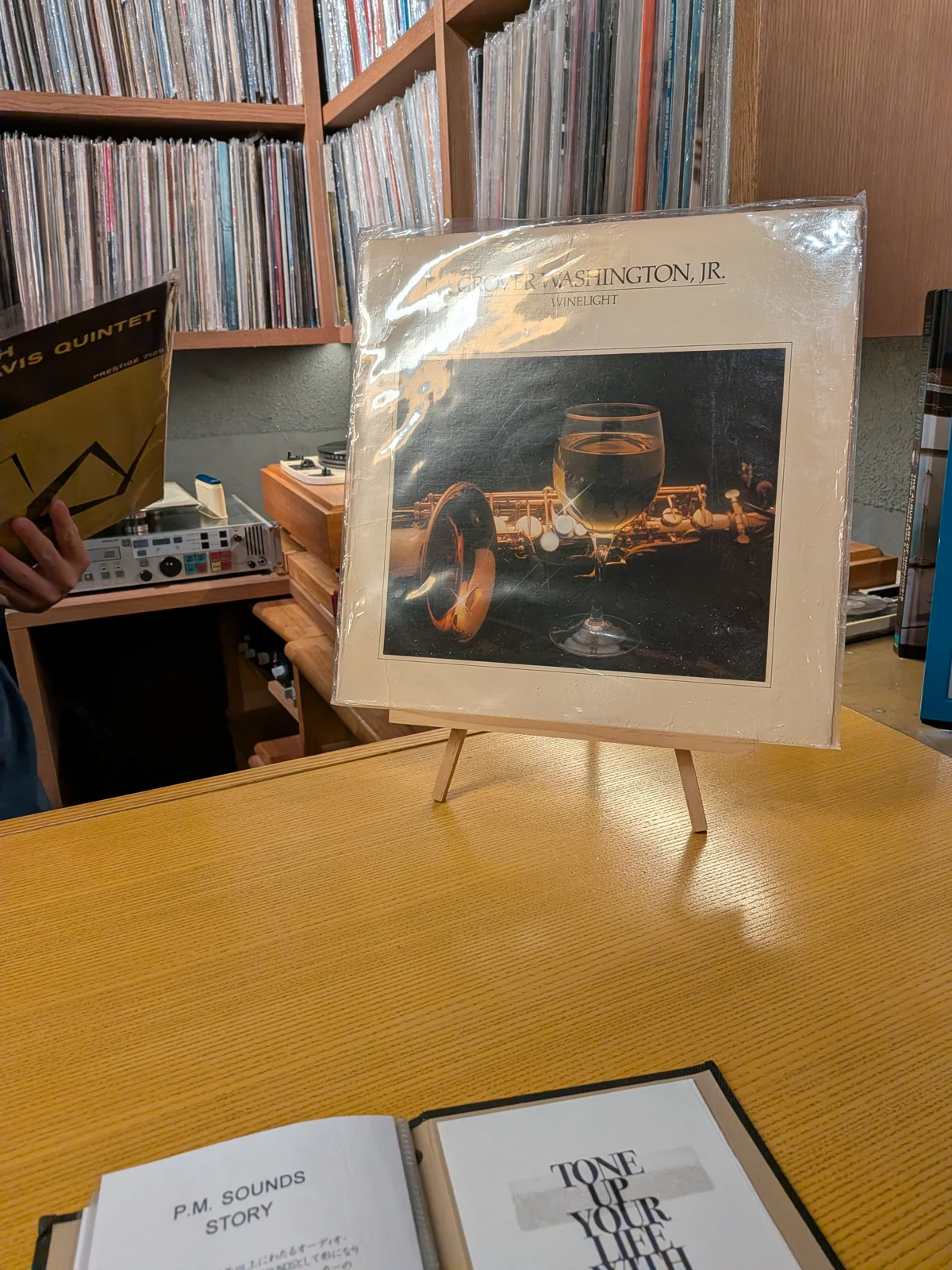
Afterwards I went to P.M. SOUNDS, a vinyl listening bar. I had an inexpensive non-alcoholic beer and sat at the counter right beside the person selecting and playing the records. He alternated between two turntables, with the music coming through enormous speakers, and put each album sleeve on a little stand so you could see what was playing. I kept track of the records as we went. It was a really cool way to listen to music, and a good final evening in Kyoto.
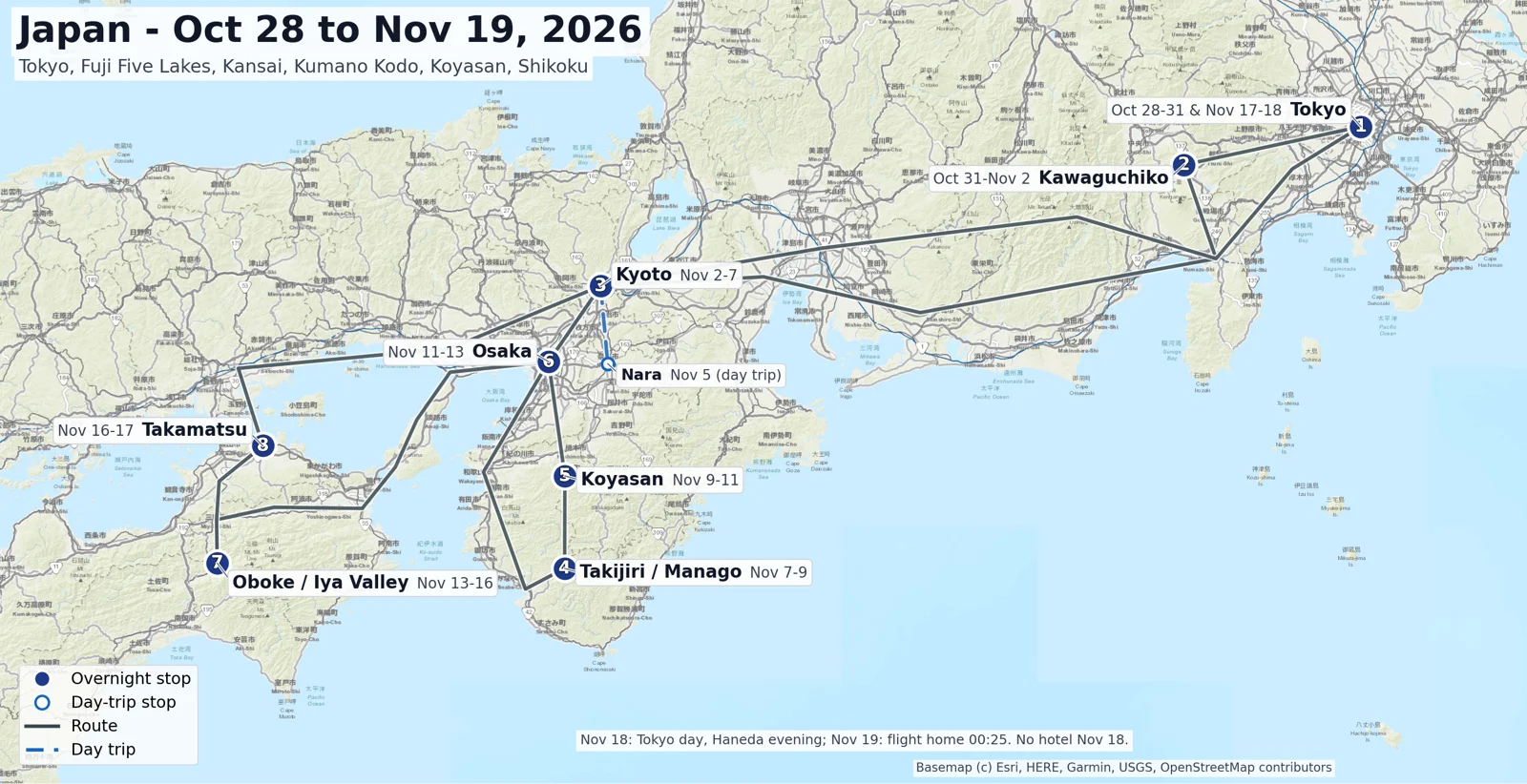
The next morning I would be leaving the city for the Kumano area and a very different part of the trip.