Japan, part three: Kumano Kodo, Koyasan and Osaka
7 to 13 November 2026
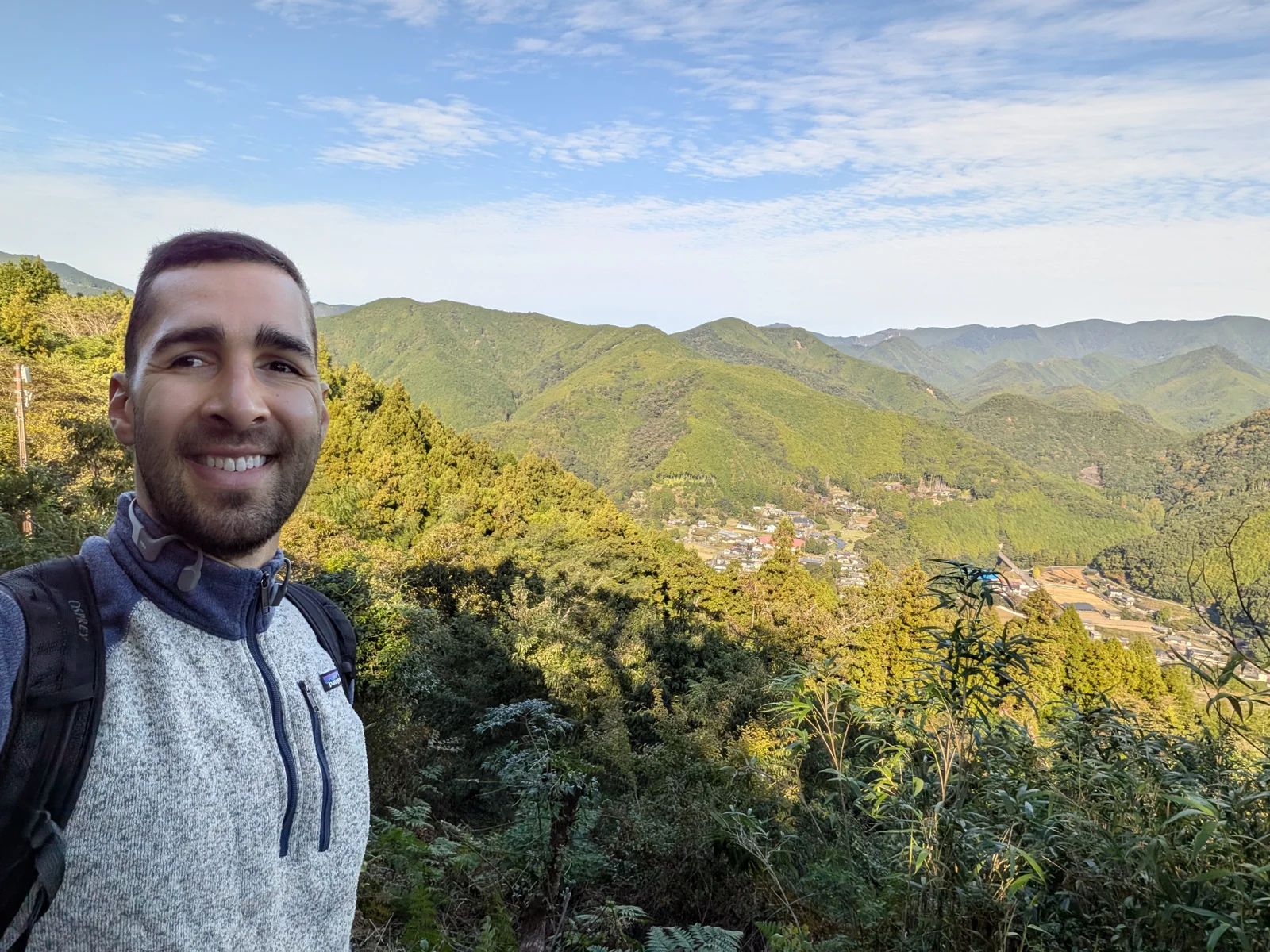
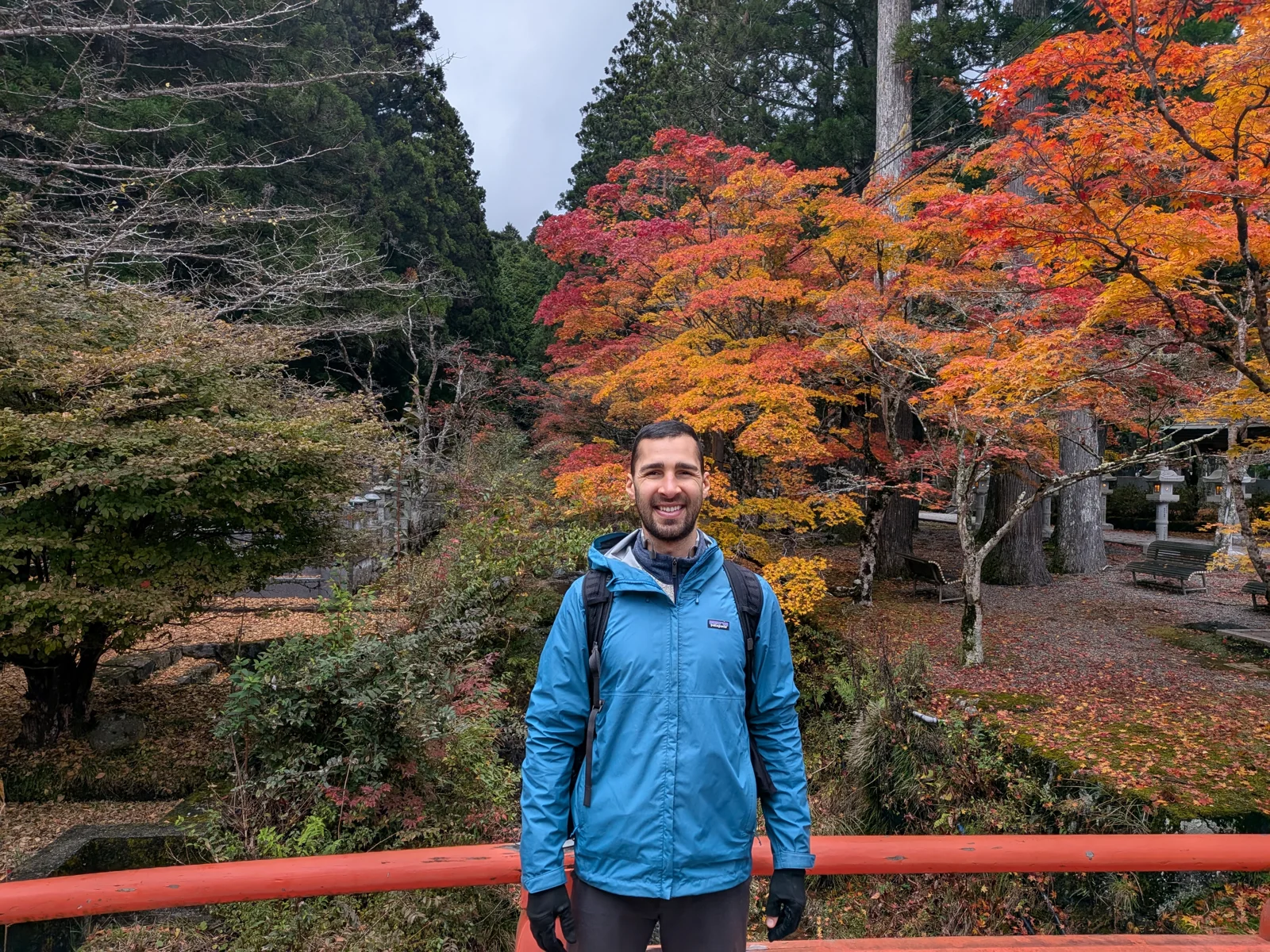
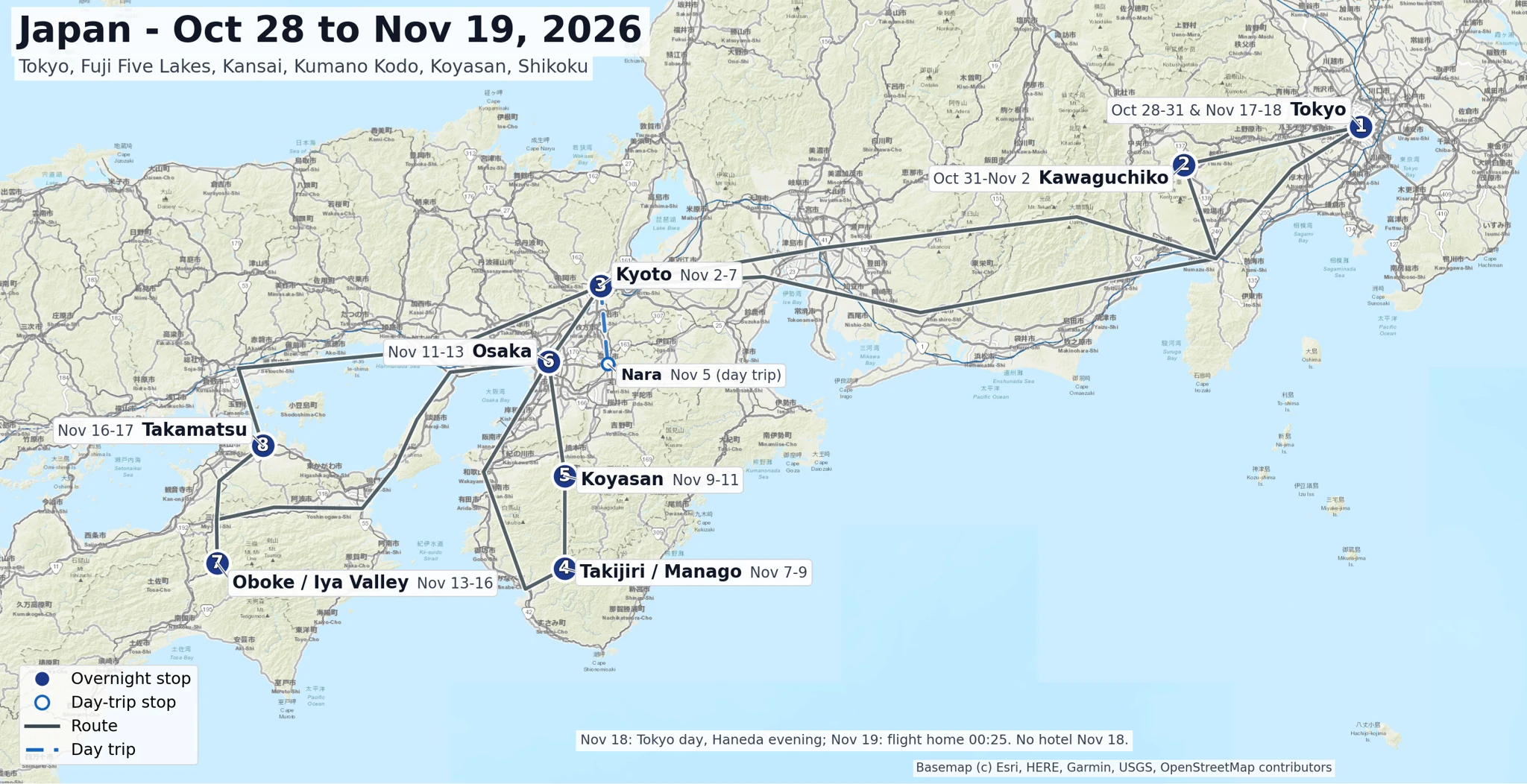
Saturday 7 November: Kyoto to the Kumano Kodo
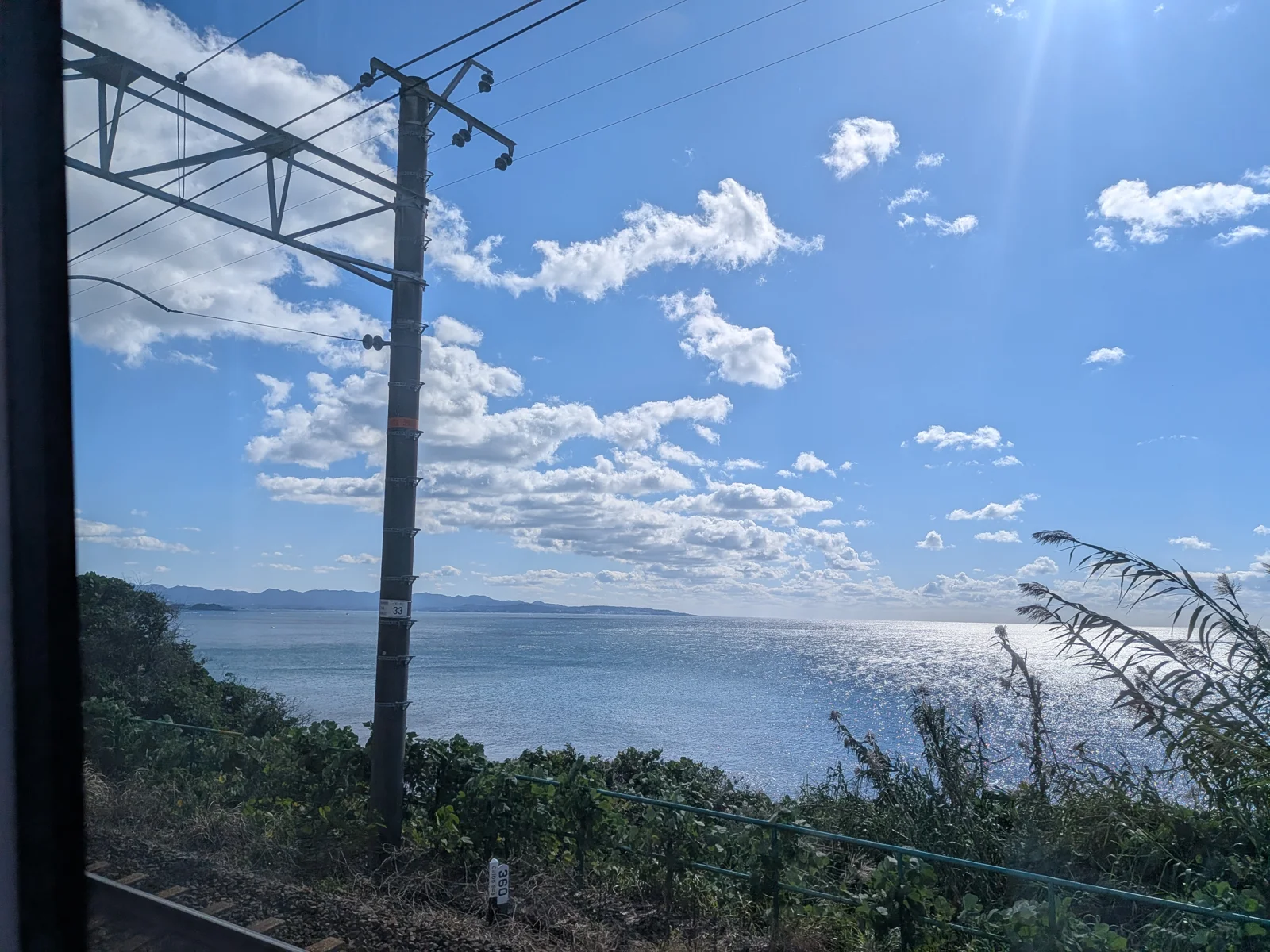
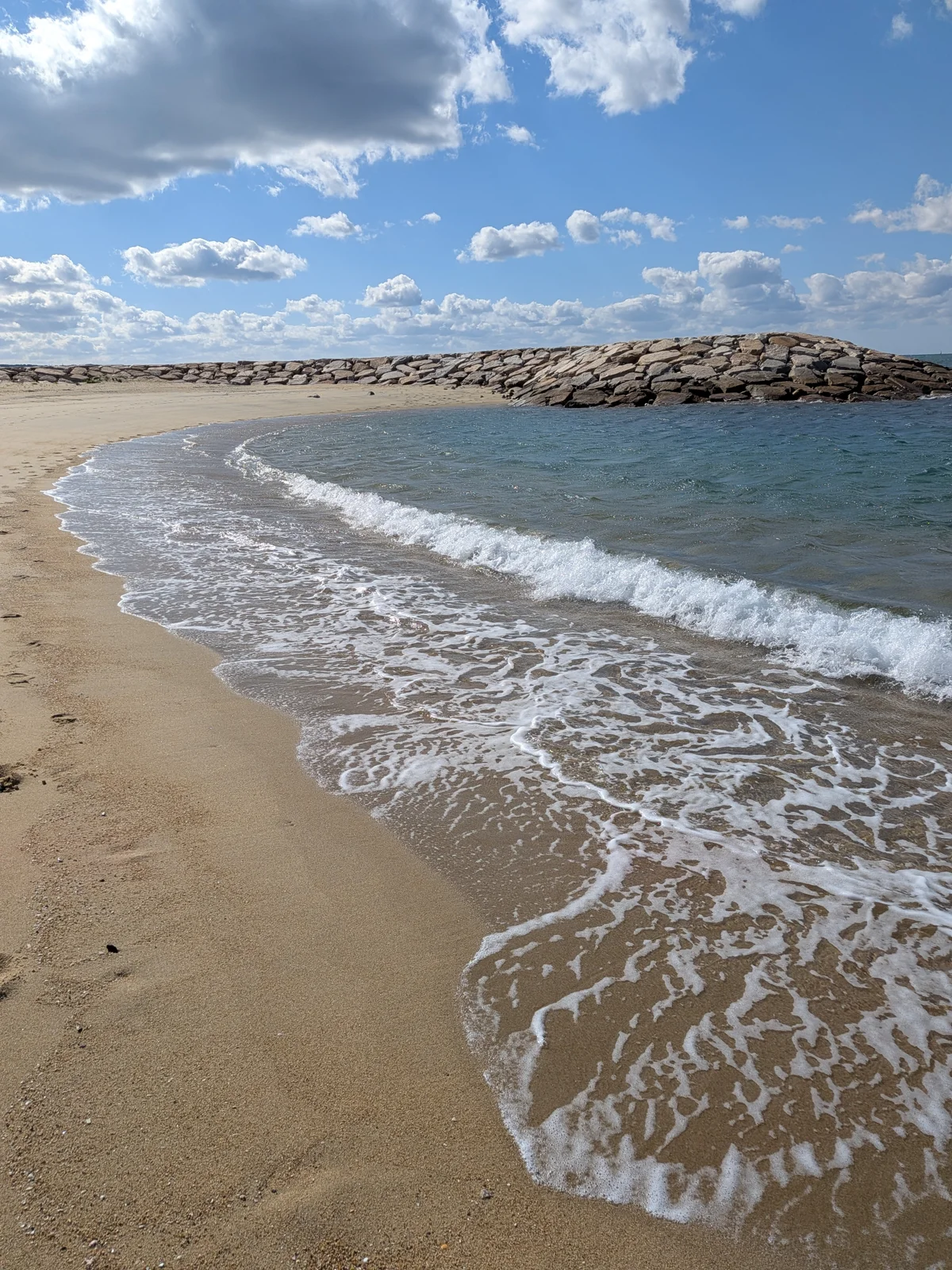
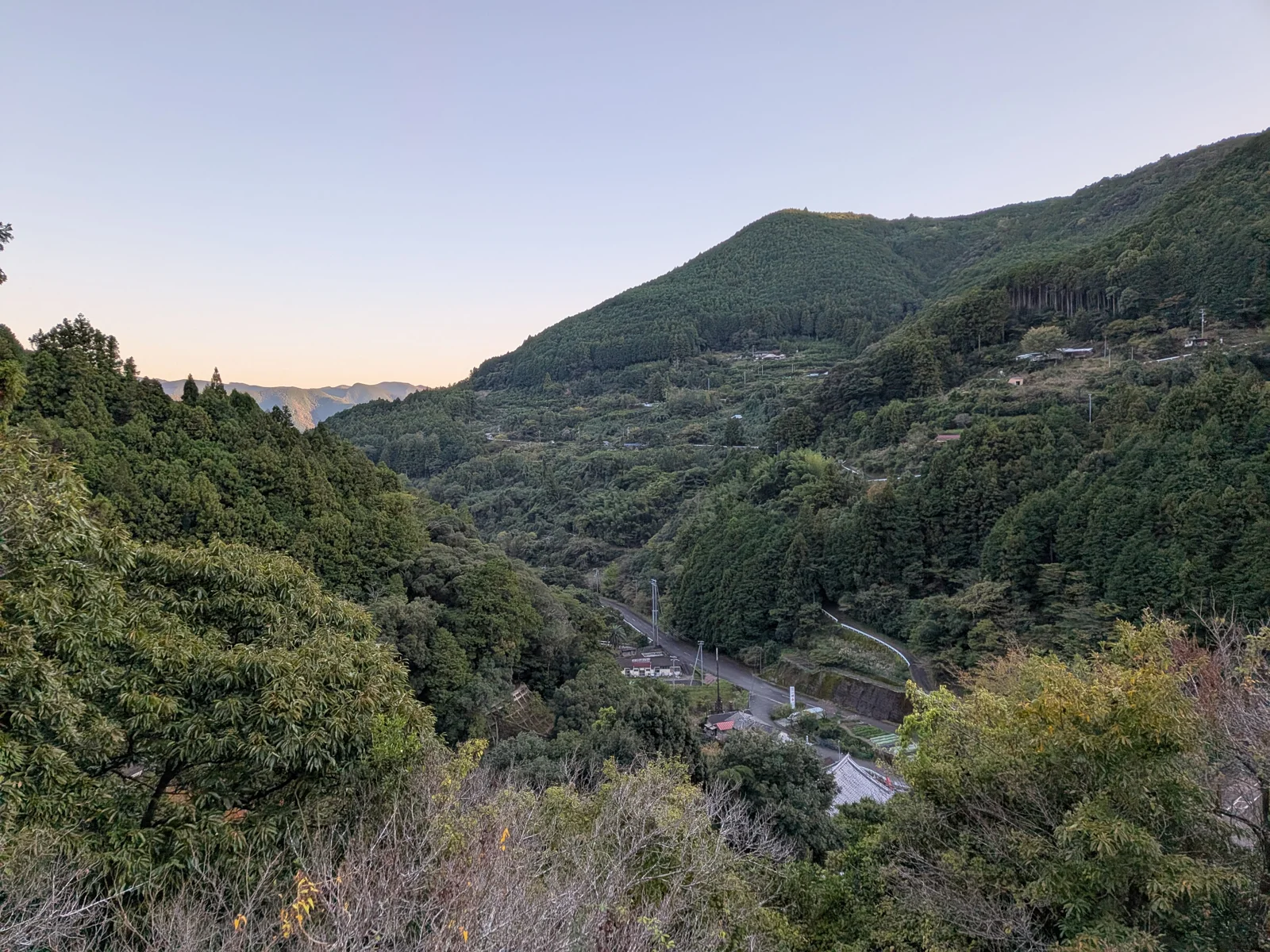
The journey from Kyoto via Shin-Osaka to Kii-Tanabe went smoothly. From the train I could see the sea, and once I arrived I went for a walk along the beach. It was sunny and pleasant, although quite windy.
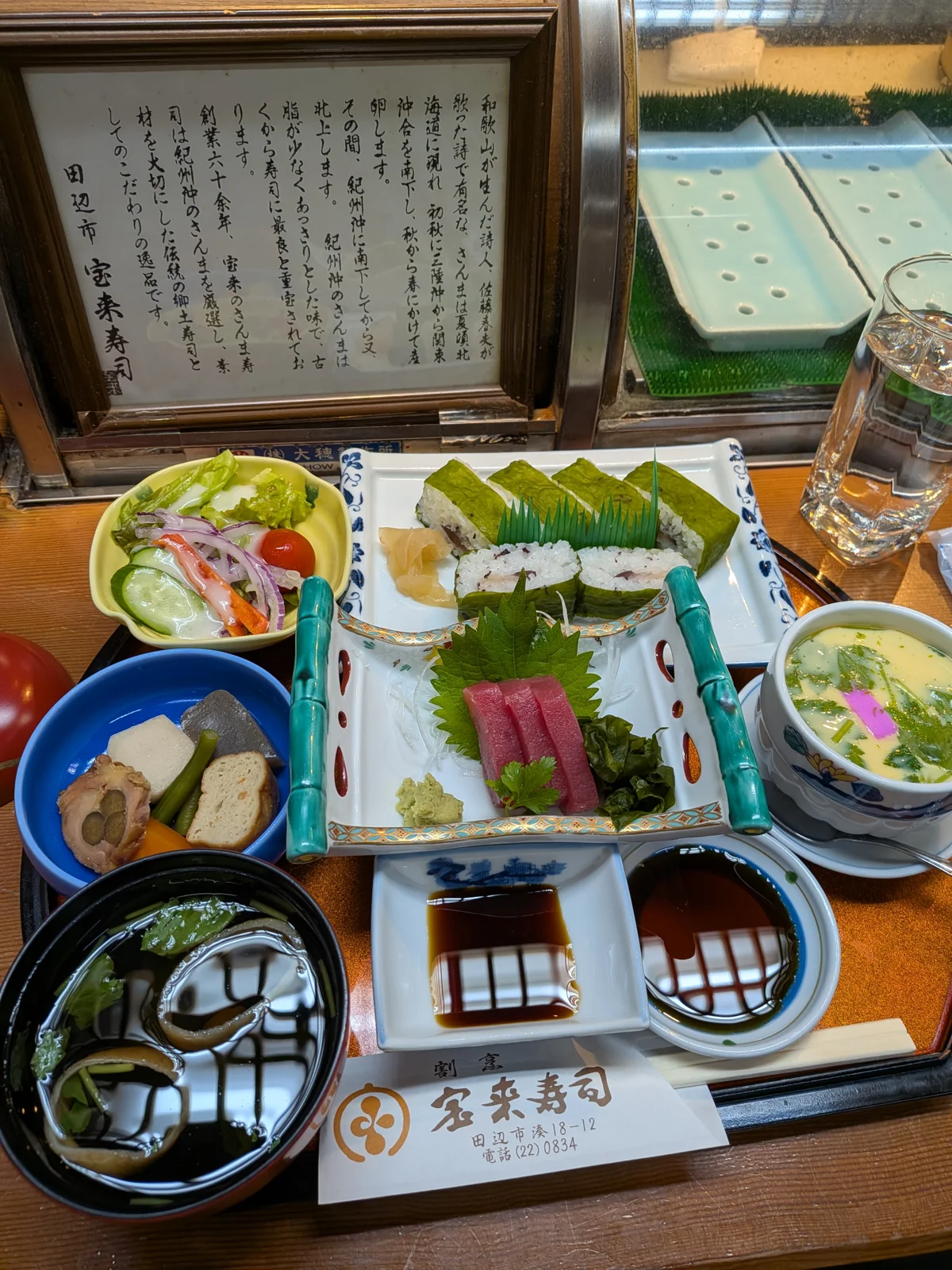
Lunch at Horai Sushi was an excellent introduction to some regional food. The tuna sashimi was incredibly smooth, almost buttery. There was also mehari-zushi, rice wrapped in pickled mustard greens, with a briny, pungent flavour somewhere between olives and mustard. I had never tasted anything quite like it. The chawanmushi, a hot steamed egg custard with prawns and a strongly flavoured piece of fish, might have been my favourite part: silky, savoury and rich. Alongside were vegetables, salad, soup and pickles.
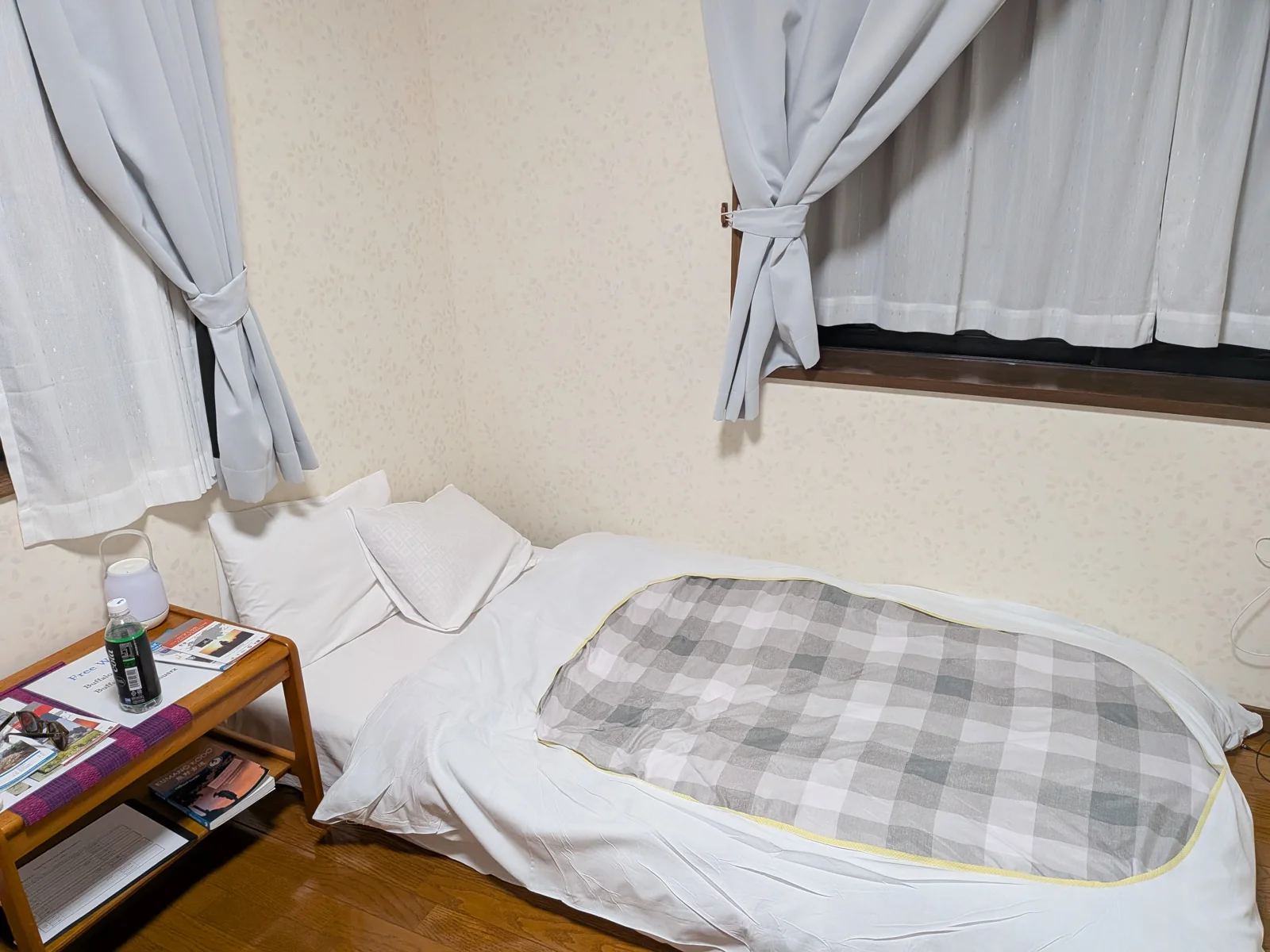
The local bus had plenty of passengers in hiking gear. At the pickup point, my host Hiroki Shiba was directly behind the bus, as though he had been tracking its progress. He drove me up the hill to GuestHouse Kiyohime 3, showed me around and explained the meal times. He was exceptionally friendly and precise about everything. My room was spacious, with a mattress on the floor, a heater, kettle and coffee, and shared bathroom facilities. I took a short walk past a small temple and returned as it was getting dark.
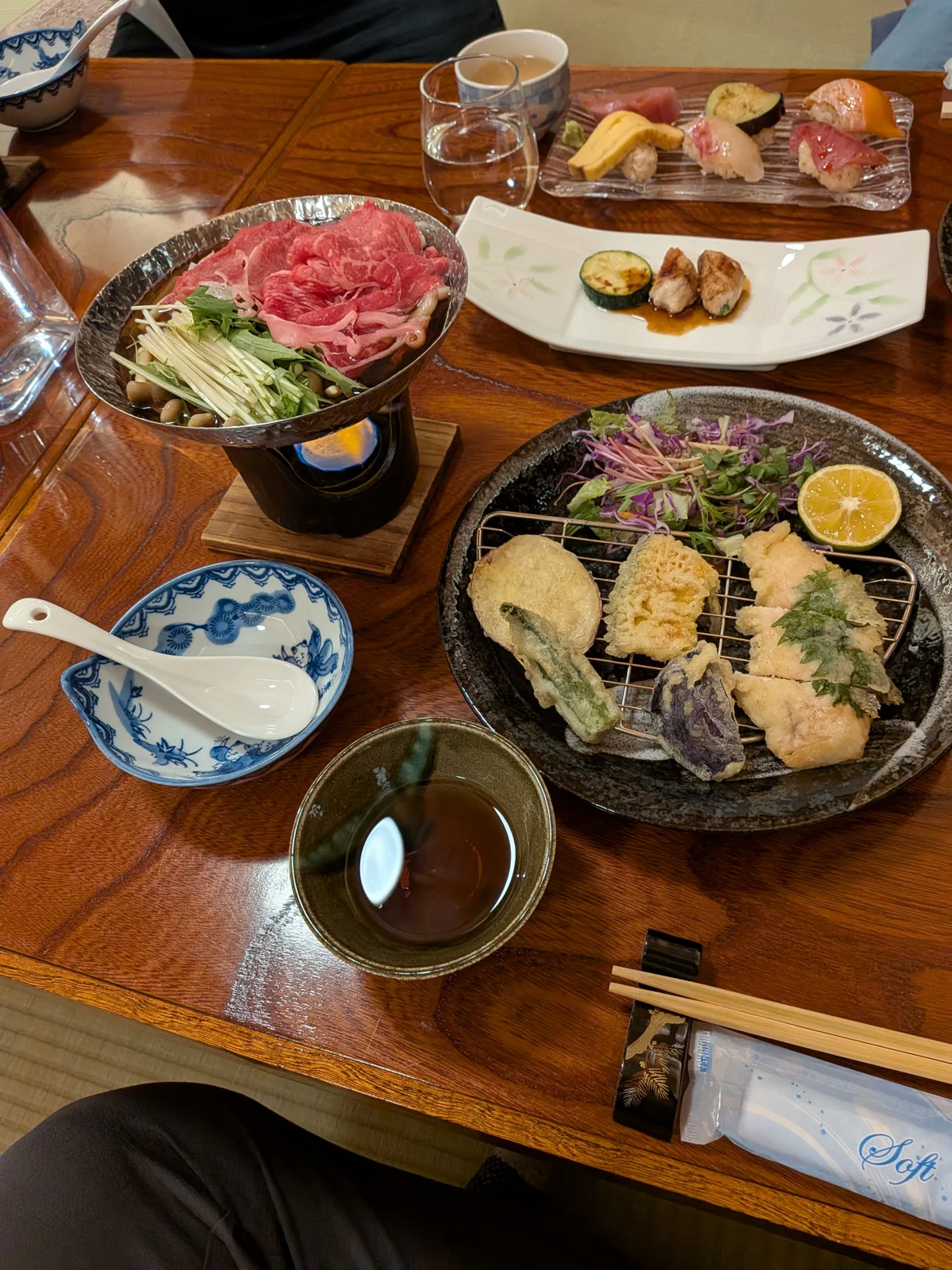
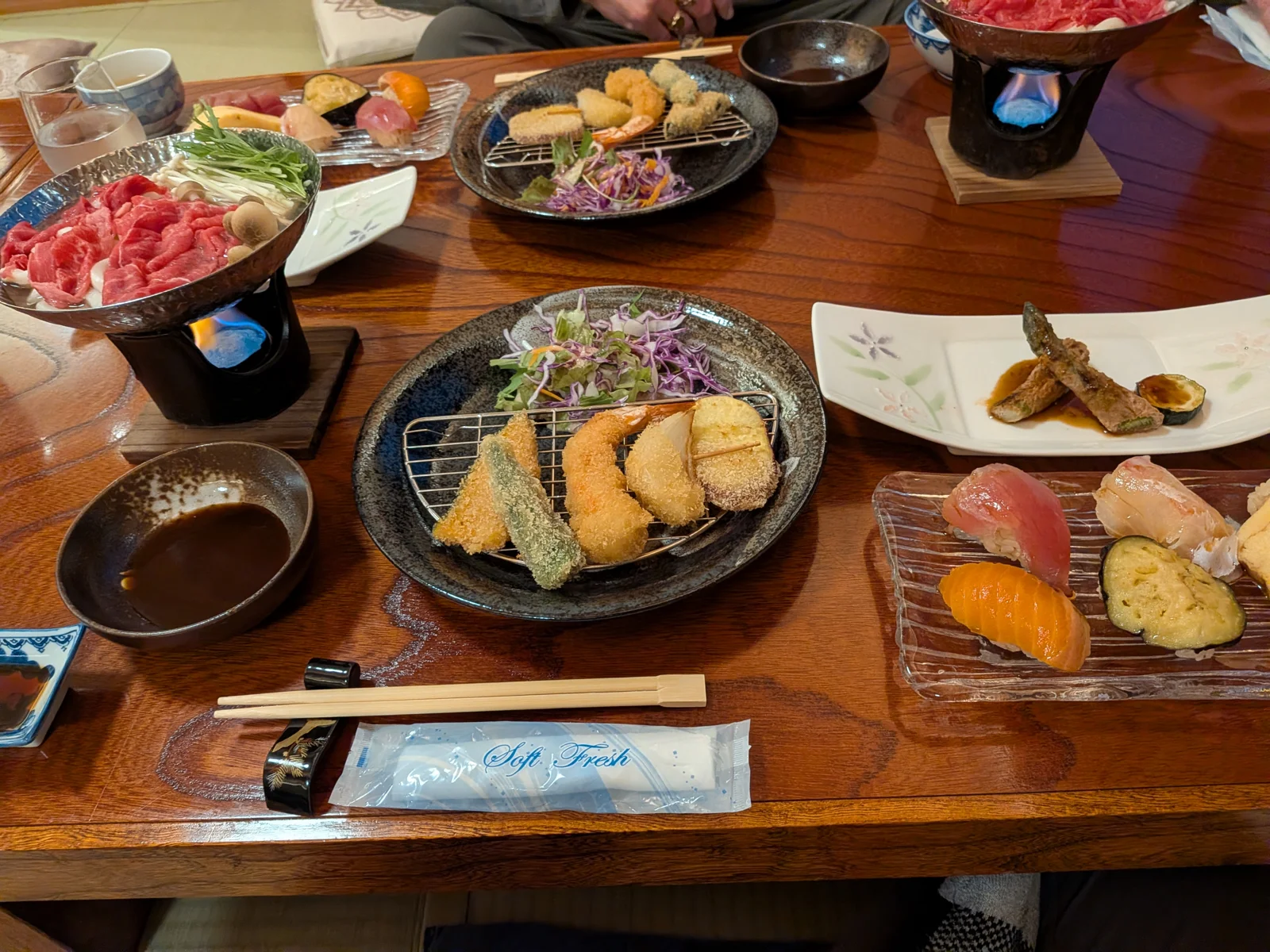
Dinner was a generous spread, eaten together on the tatami. I met Herman, an Australian traveller, and some older travellers from Vancouver. We talked about travel and life in our different countries, with a particularly memorable diversion in which Herman explained OnlyFans to the Vancouver contingent. Good food and good people. I was already anticipating missing the place.
Sunday 8 November: A day on the Nakahechi
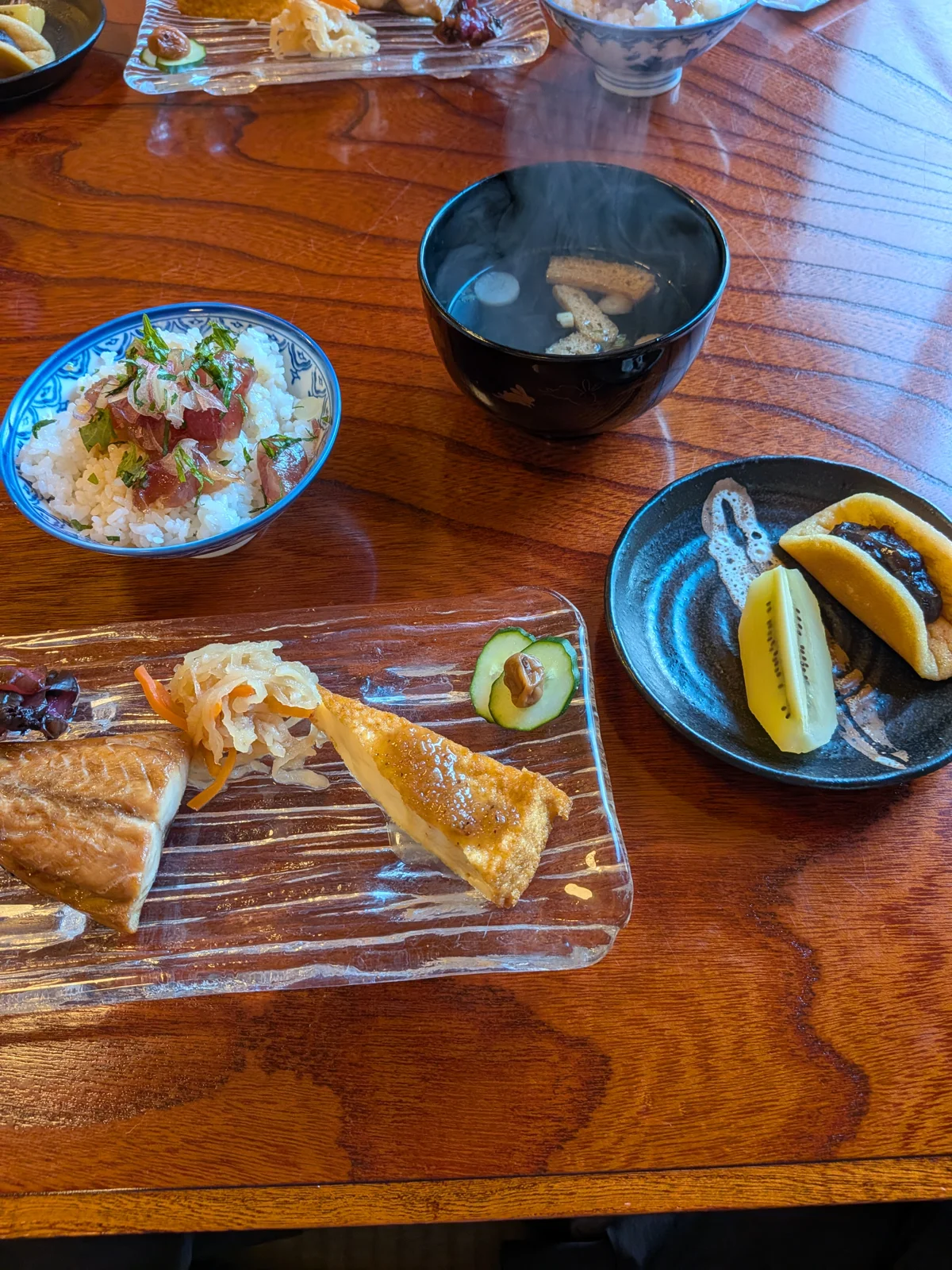
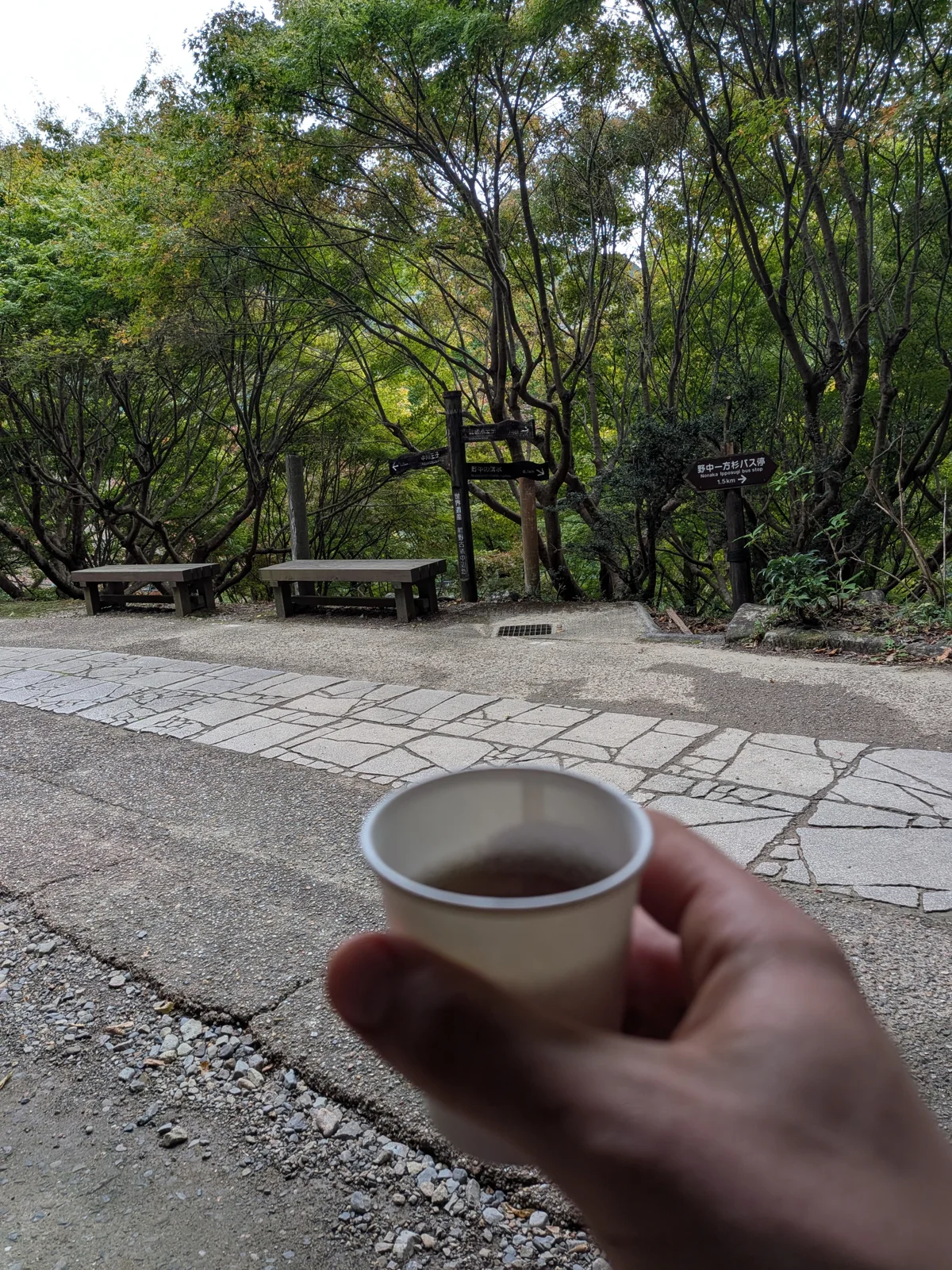
After coffee and getting my things ready, breakfast was another excellent meal: fish, rice, soup, little vegetable and pickled dishes, a red-bean-filled pancake and a pickled plum. Herman said he had booked his trip at the last minute. This turned out to mean six months in advance. I had booked my flights in late July while in Georgia with Sarah, which helped explain why finding accommodation had been difficult.
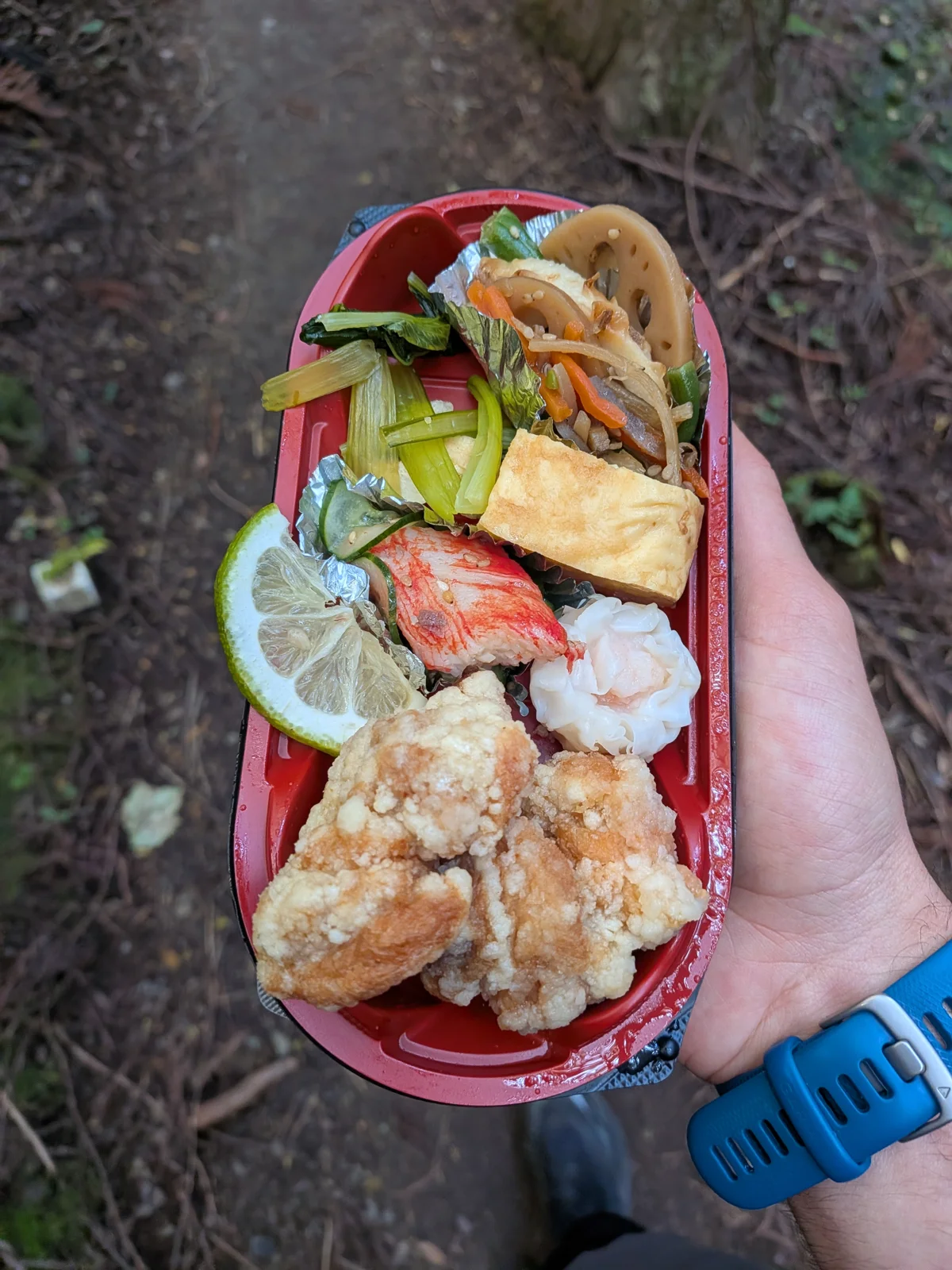
I asked Hiroki about bear bells, having seen so many around Mount Fuji. He replied, apparently in a hurry, “No bears at this time.” I wondered whether he just did not want to provide a bell. He drove me to the trailhead with a generously packed bento for the day.
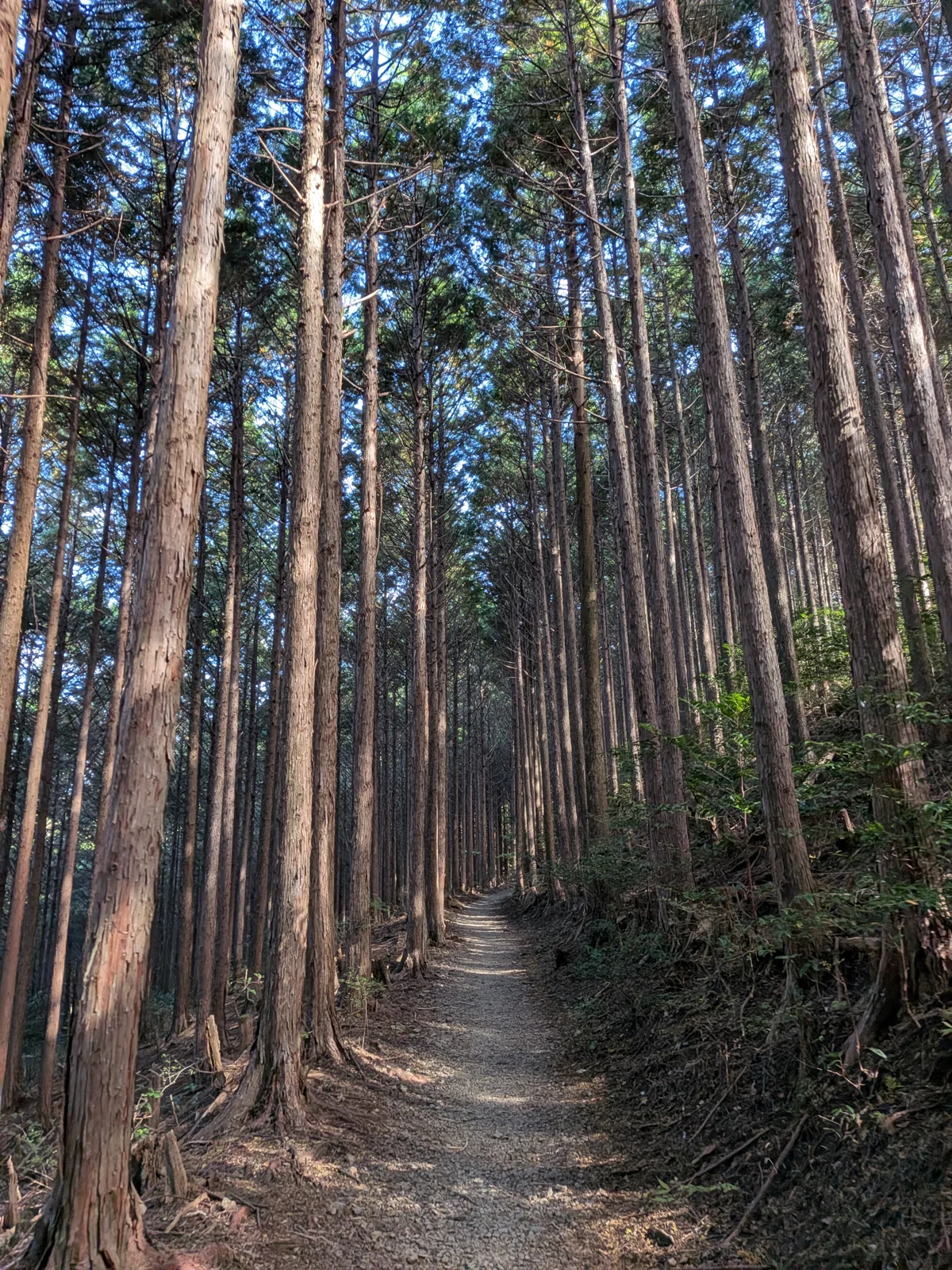
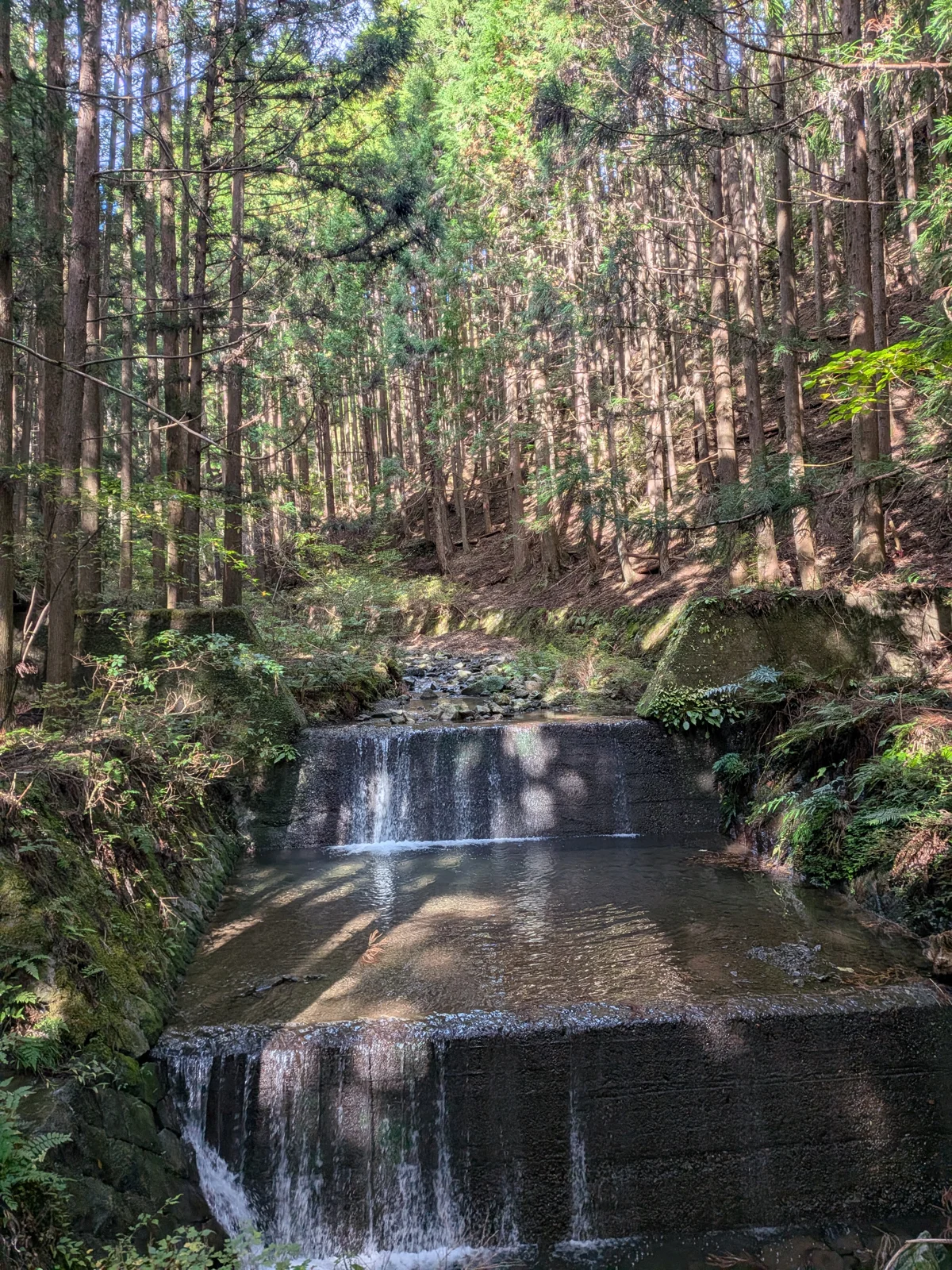
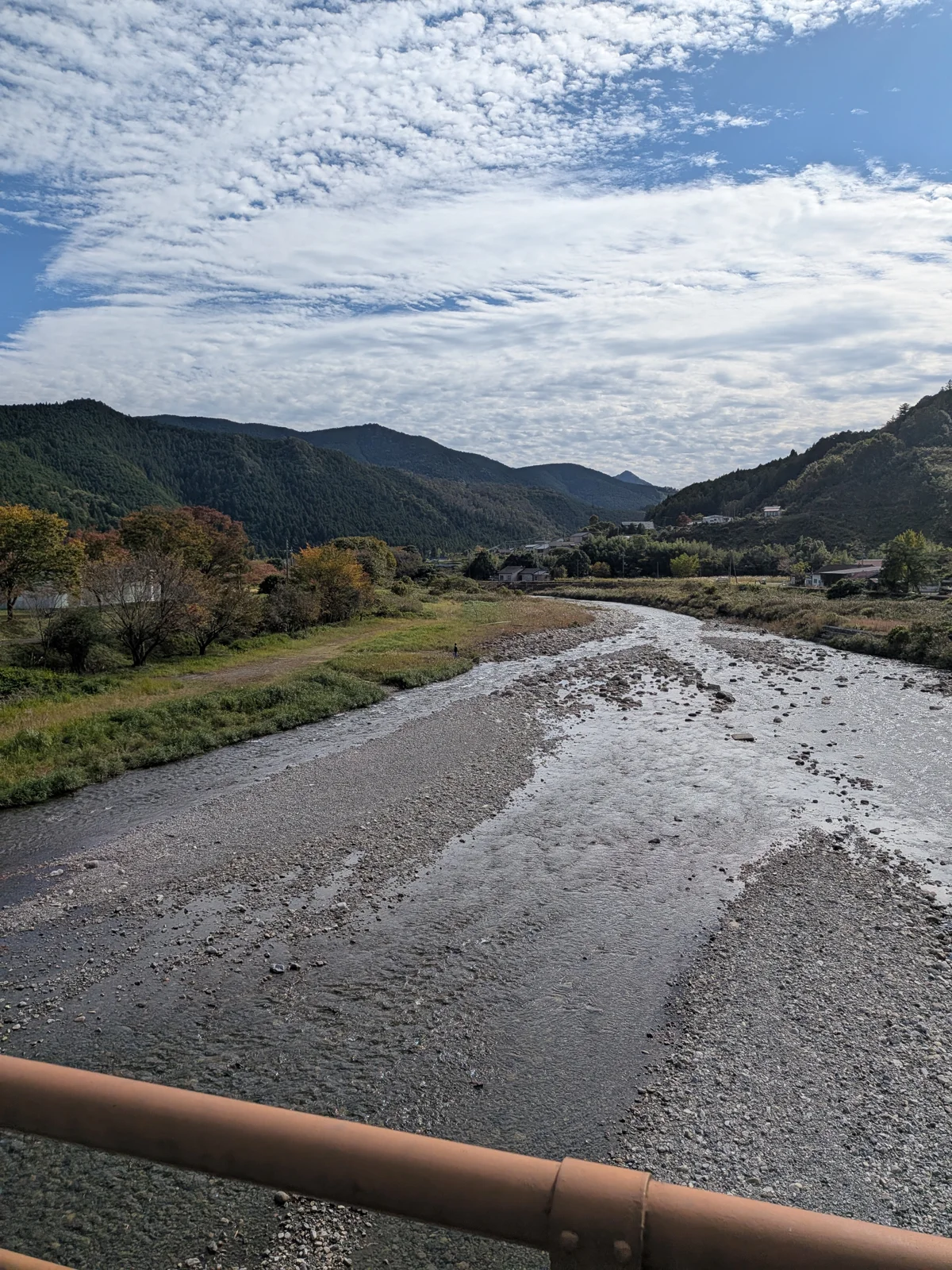
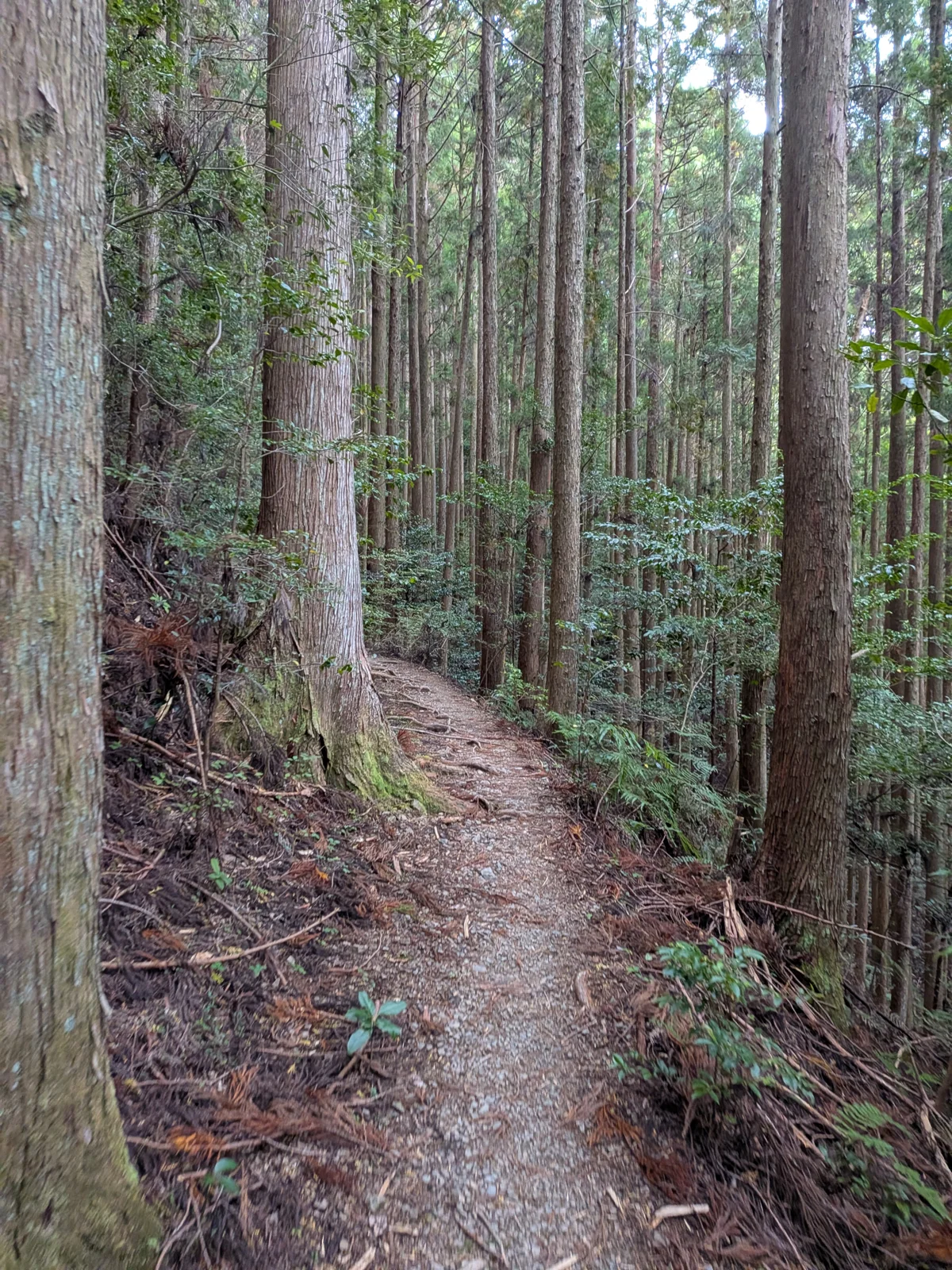
I was walking the Nakahechi section of the Kumano Kodo. I had read about the route, shrines and wildlife the previous evening, and was excited to get started. The trail was well marked, with some steep sections but generally straightforward footing. It wound through tall forest, with small shrines and plaques explaining the pilgrimage, local stories and history. There were places to stop for snacks and rests without the route feeling particularly crowded. I saw the Vancouver travellers again and found Herman having a beer at one of the stops.
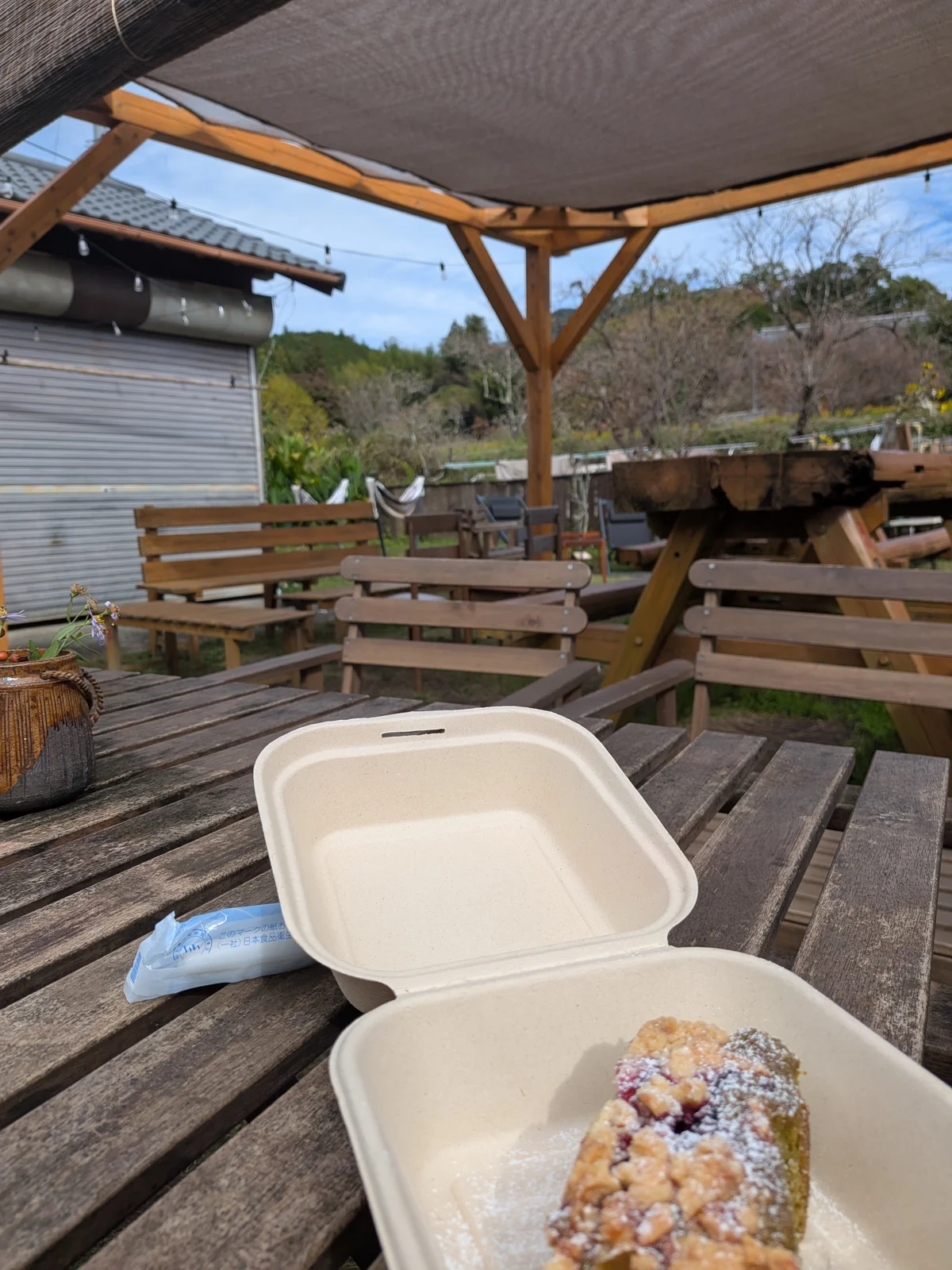
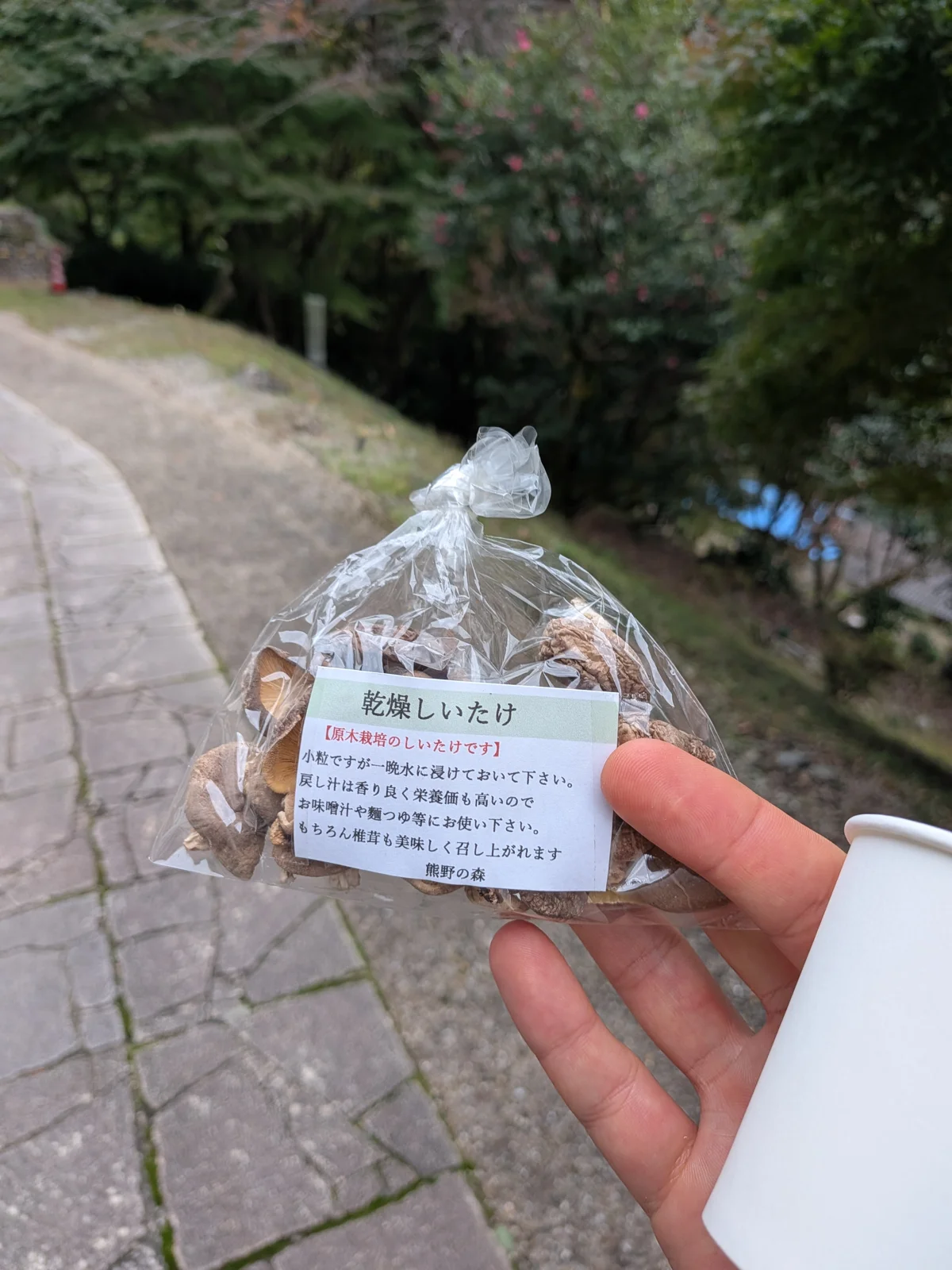
The weather was beautiful. Lunch was the guesthouse bento, with rice, fried chicken, lotus root, vegetables and tuna. During the hike I stopped for matcha cake at Nonagase Beer Garden. Later, at Toganoki, I picked up a bag of dried shiitake mushrooms. By the end of the walk my legs were tiring, but I wished I had enough time to complete the whole pilgrimage. I would like to come back for that.
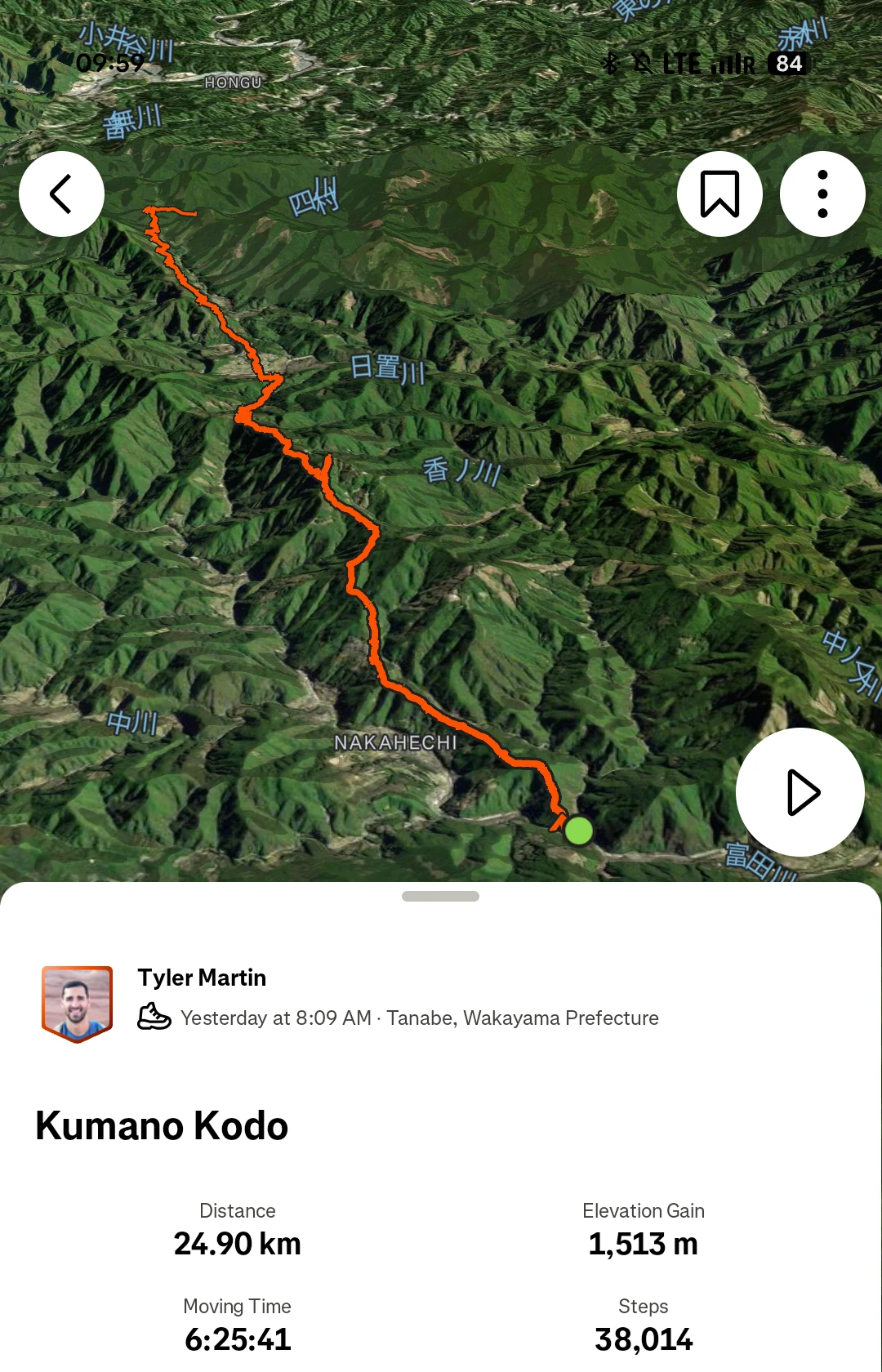
I finished at Doyukawa-bashi, having covered 24.9km with 1,513m of ascent and 6 hours 26 minutes of moving time. The next bus was about an hour away, so I had a fallback while trying to hitchhike. I put Lawson's on my phone, stood on the correct side of the road and smiled and waved. After perhaps 30 cars, an older Japanese couple stopped and gave me a lift of around 20km.
We talked through a translation app about my trip and the day's walk. They were absolutely lovely. I offered ¥1,000, which they emphatically refused. They dropped me a few kilometres from the guesthouse; the Lawson's detour would have taken me farther beyond it, so I gave up on that idea. I was very grateful for the lift and their kindness.
Back at the guesthouse there was another fantastic communal dinner. I spoke with Kai from Ivory Coast, a woman from Paris and an Australian man, all excited about beginning their own pilgrimage. I would have liked more days of walking, but felt I had made good use of this one.
Monday 9 November: Into Koyasan
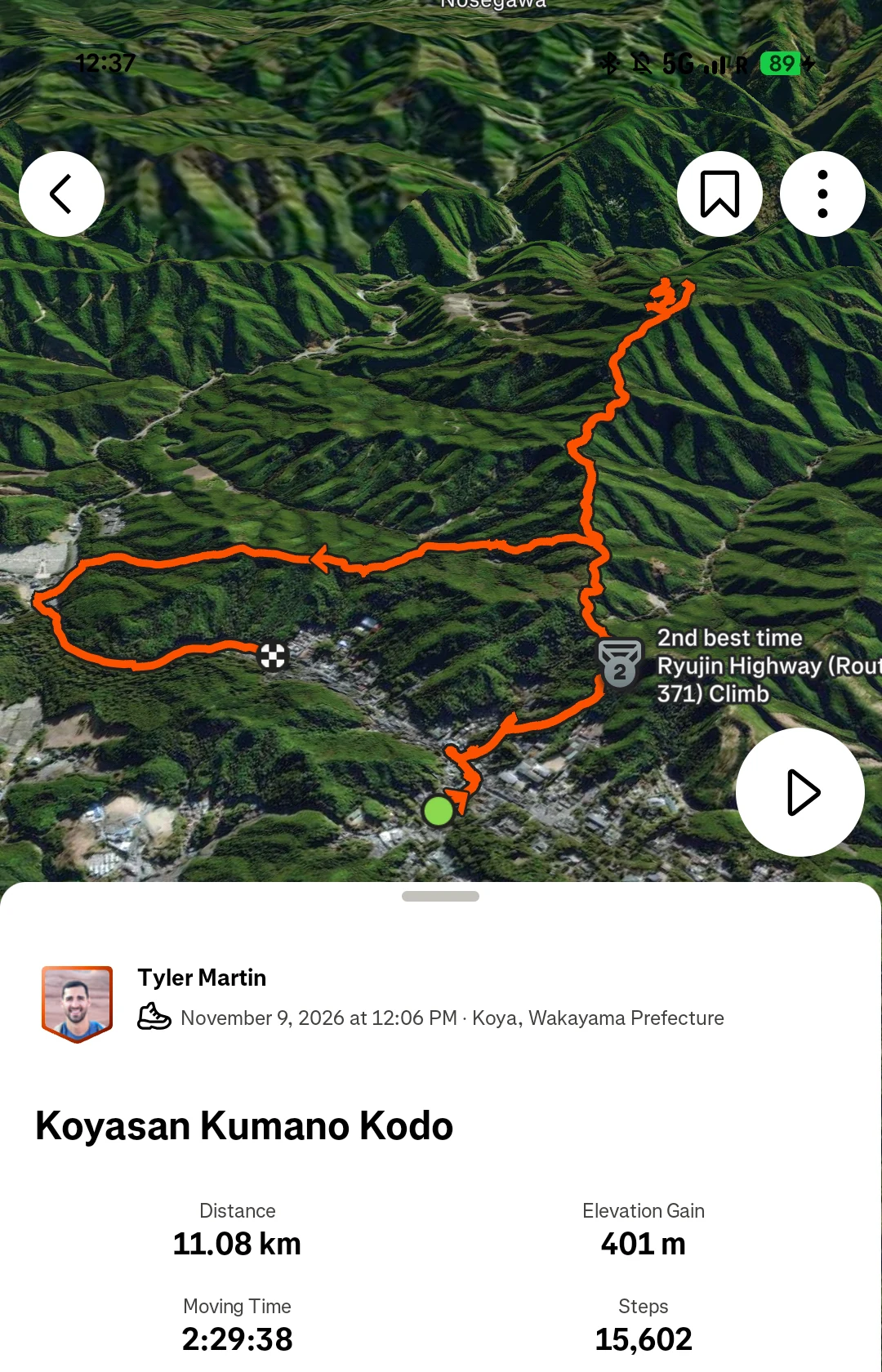
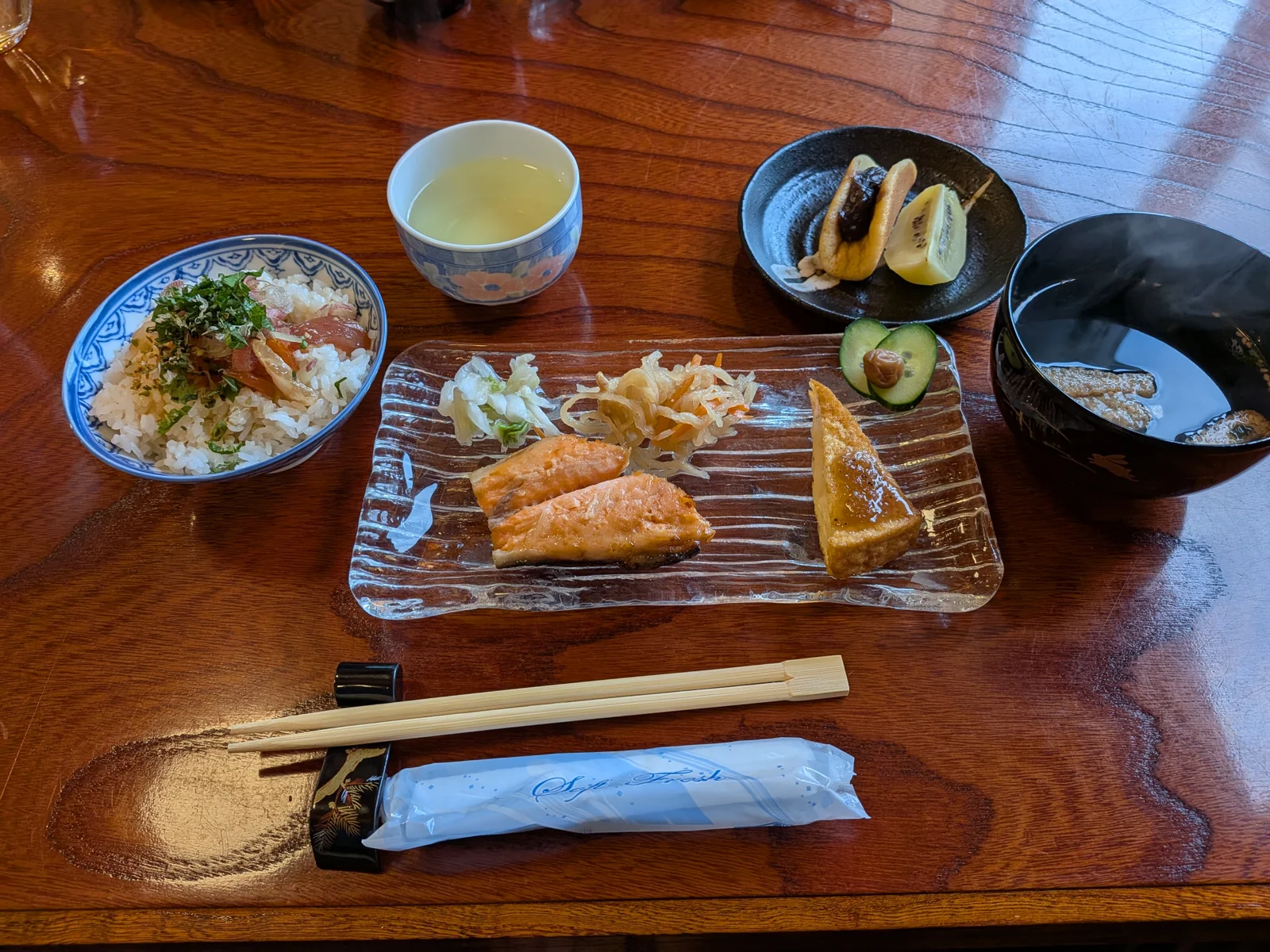
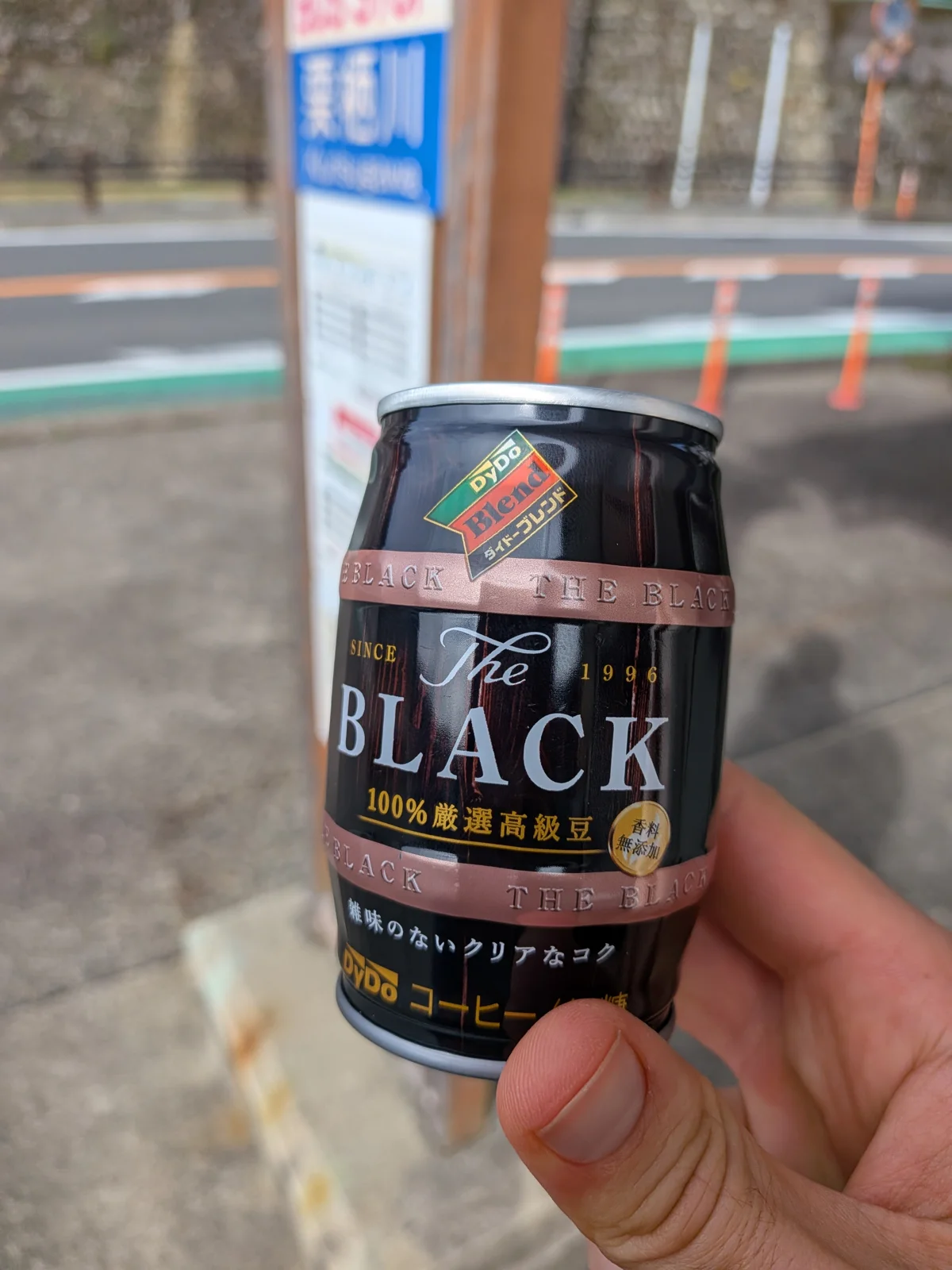
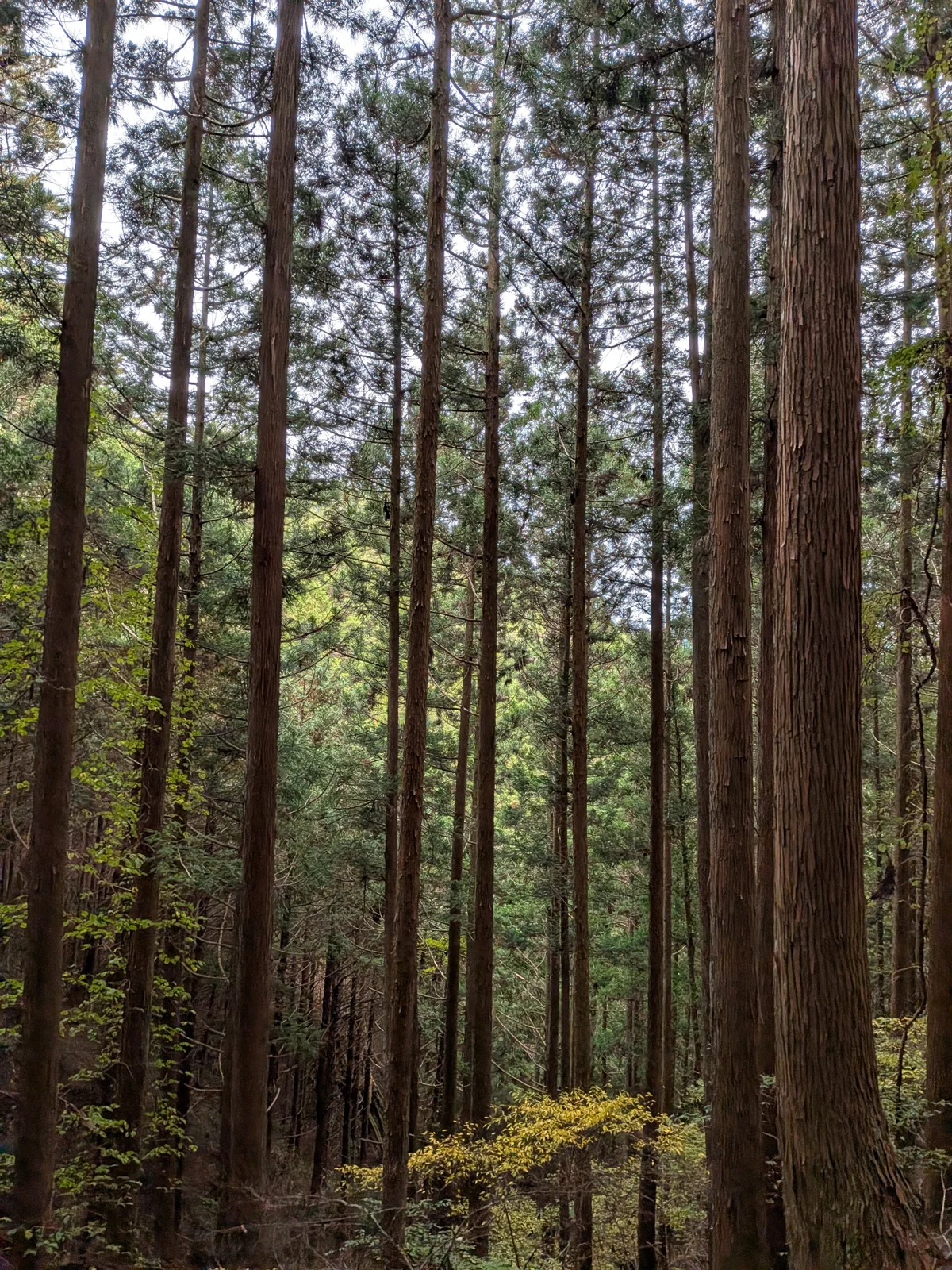
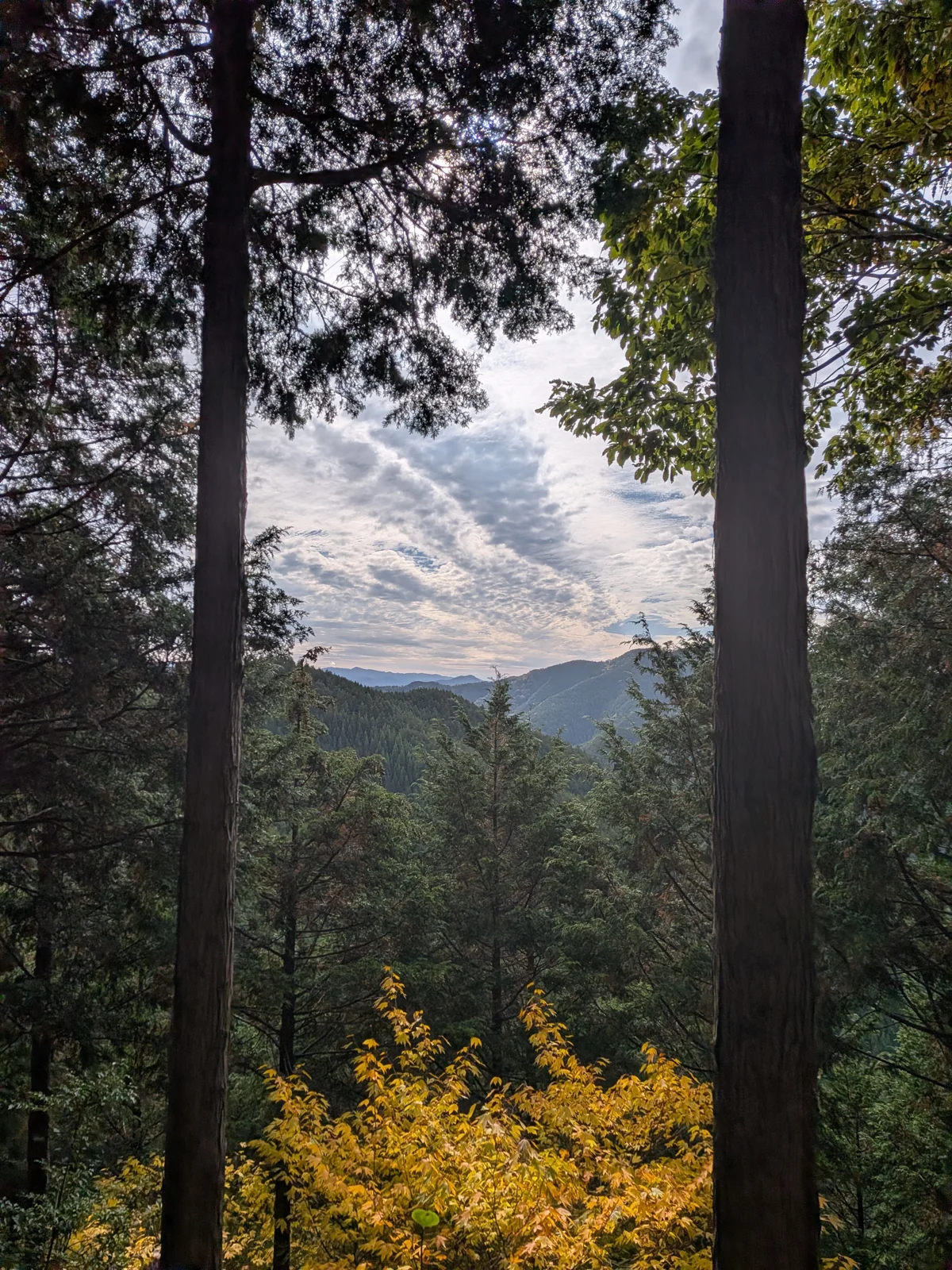
I slept very well, took a little walk before breakfast and enjoyed another delicious meal. Hiroki drove me to the bus stop, bought me a coffee for the journey and later sent a kind message. He also recommended Shirahama for a future trip. His hospitality had made the whole stay feel easy.
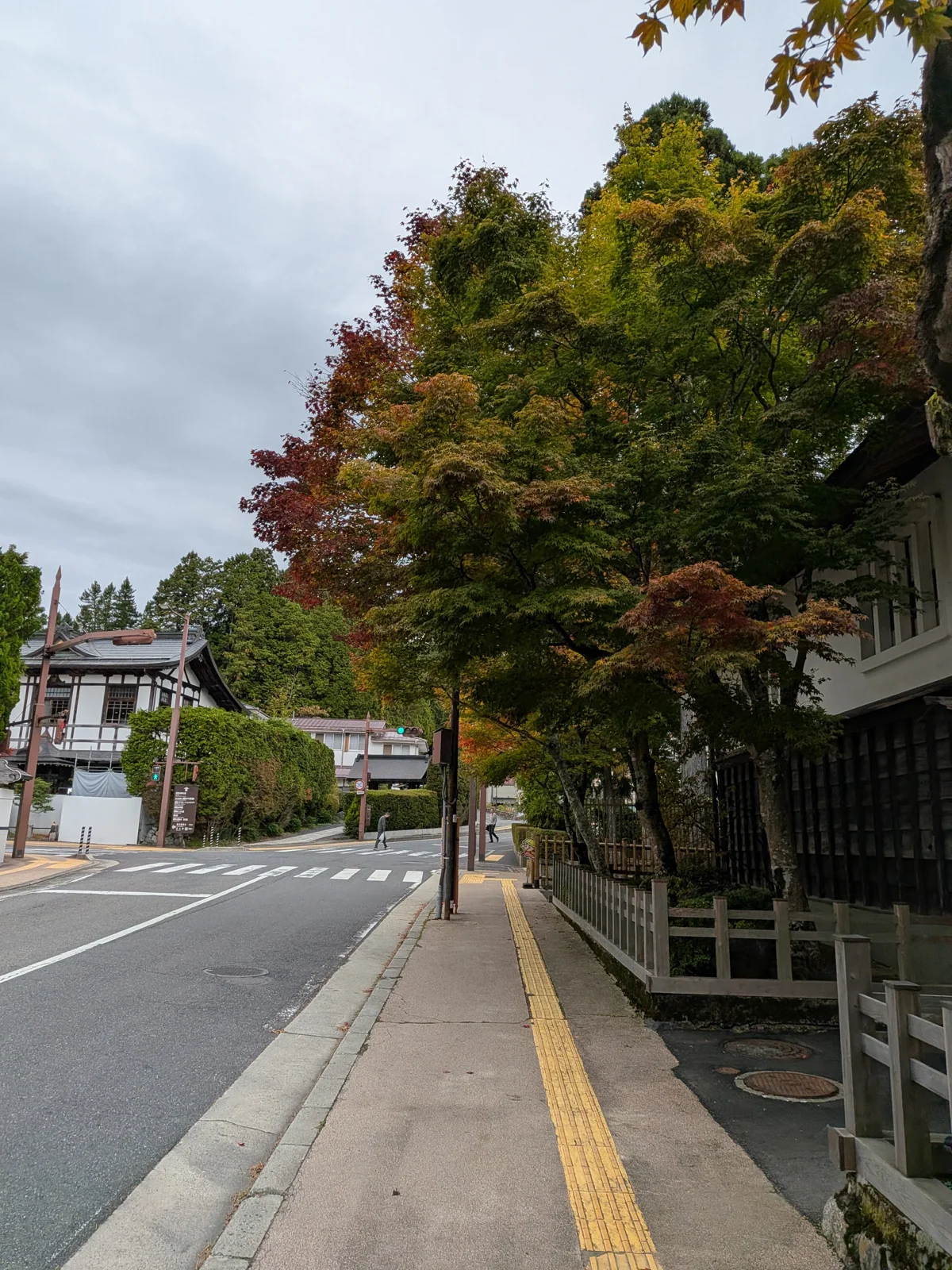
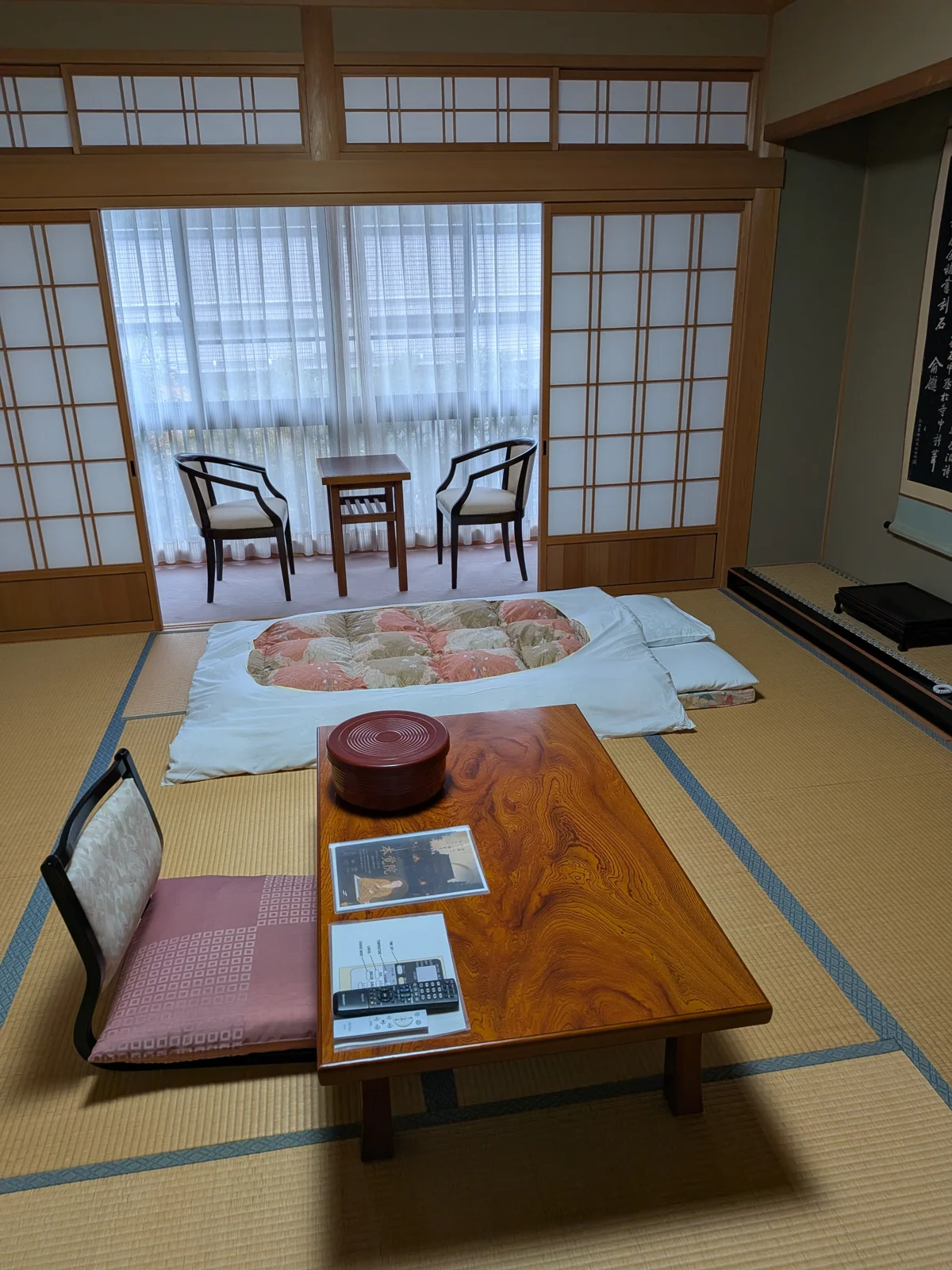
The bus wound through the mountains towards Koyasan. Staff checked names and looked after the connections, and the journey was much more manageable than I had expected. At Hongakuin, the temple where I was staying, the staff seemed delighted that I was there. It was noticeably colder, and the autumn colours on the higher slopes were wonderful.
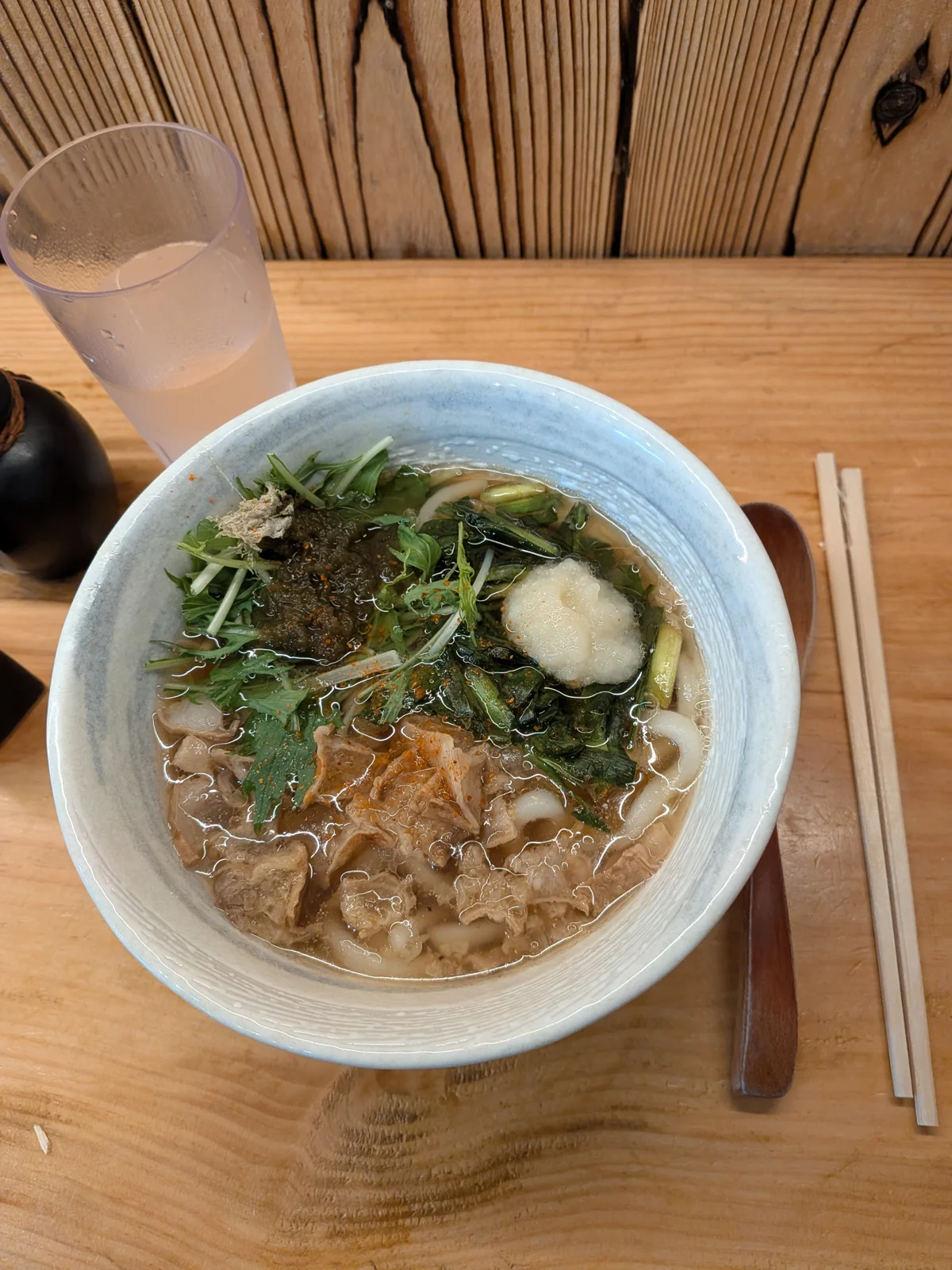
I went for a walk on another branch of the Kumano Kodo, then returned through town. Lunch at Kasu Udon no Kawachiya was garlic kasu udon. It was delicious, very garlicky and exactly the sort of hot bowl of noodles I wanted after walking in the cold. The fatty topping was not my favourite texture, but I enjoyed the meal.
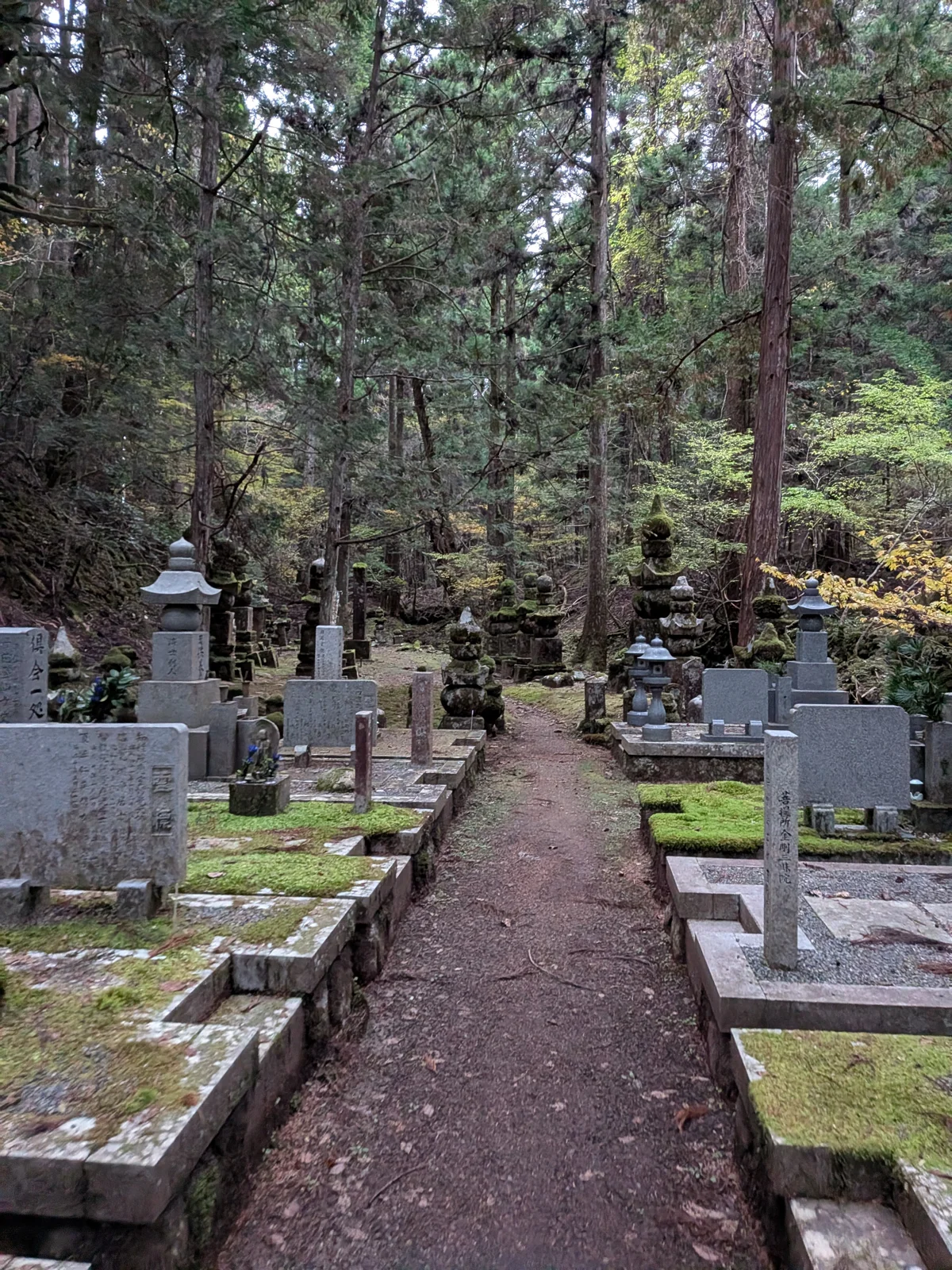
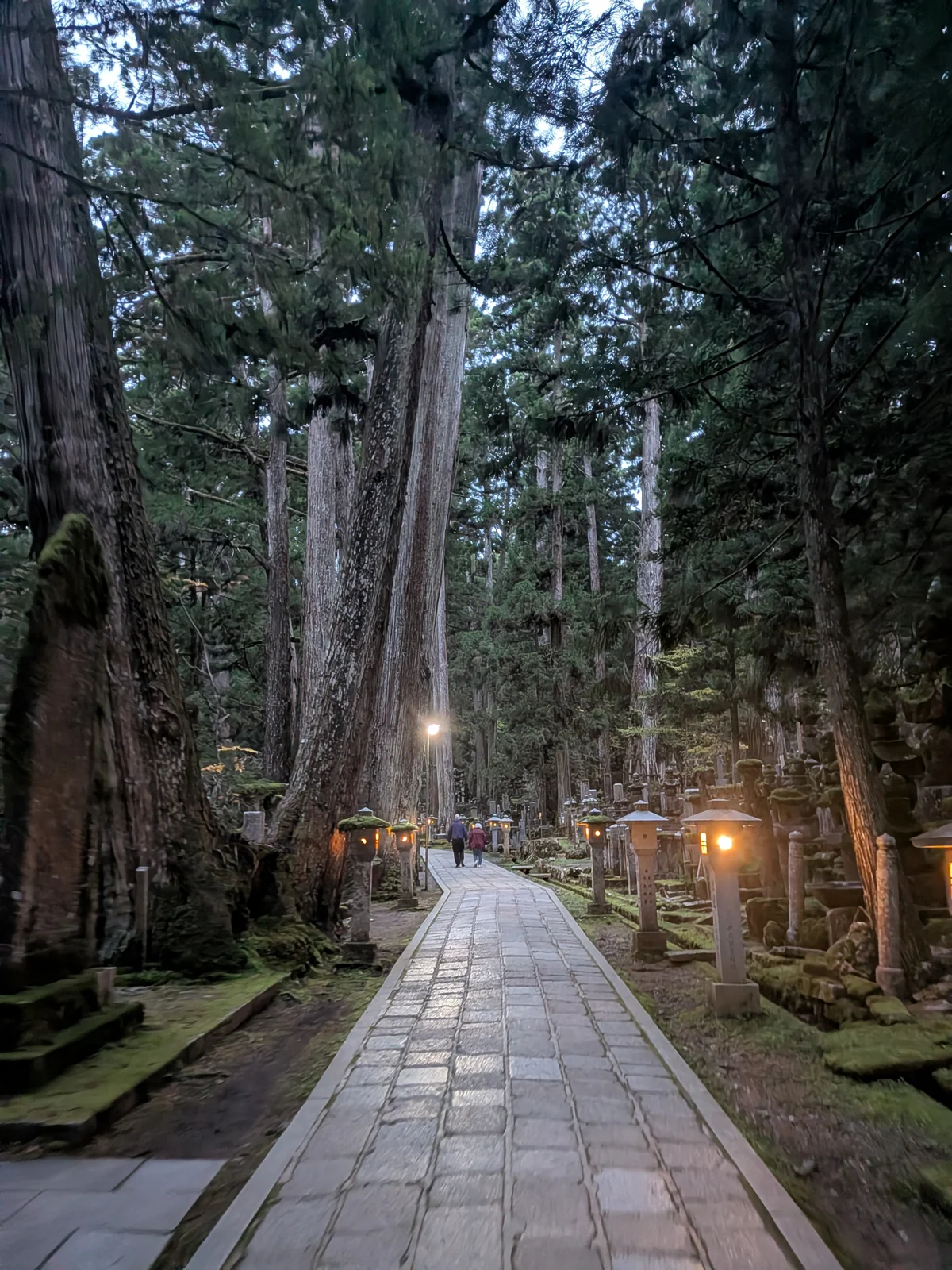
Towards dusk I walked through Okunoin. Huge cedar trees stood among moss-covered graves and memorials, and as the light faded the lanterns became more prominent. It was almost magical. At the end I entered a temple space where the smell of incense was very strong. I immediately wanted to return the next day.
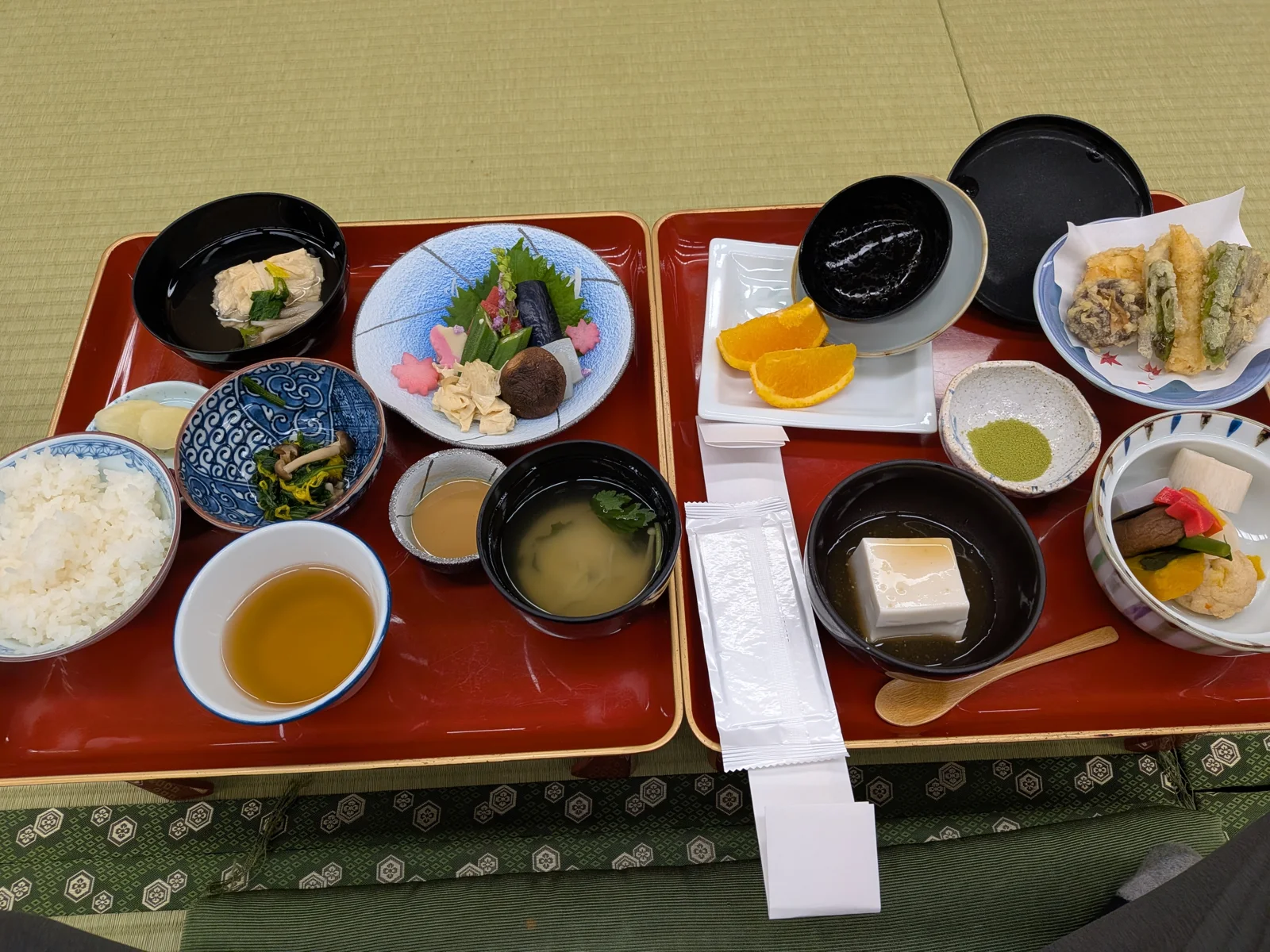
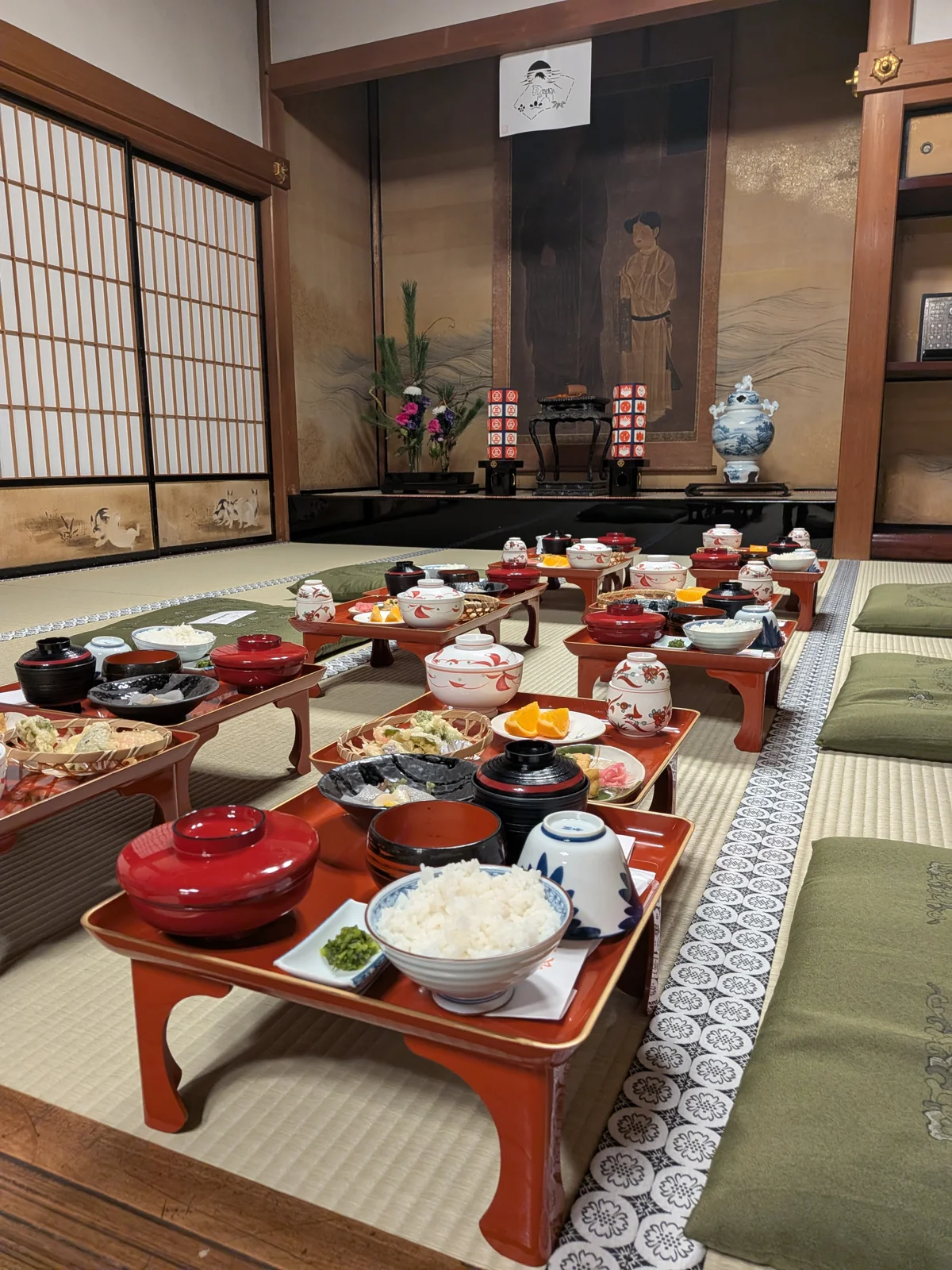
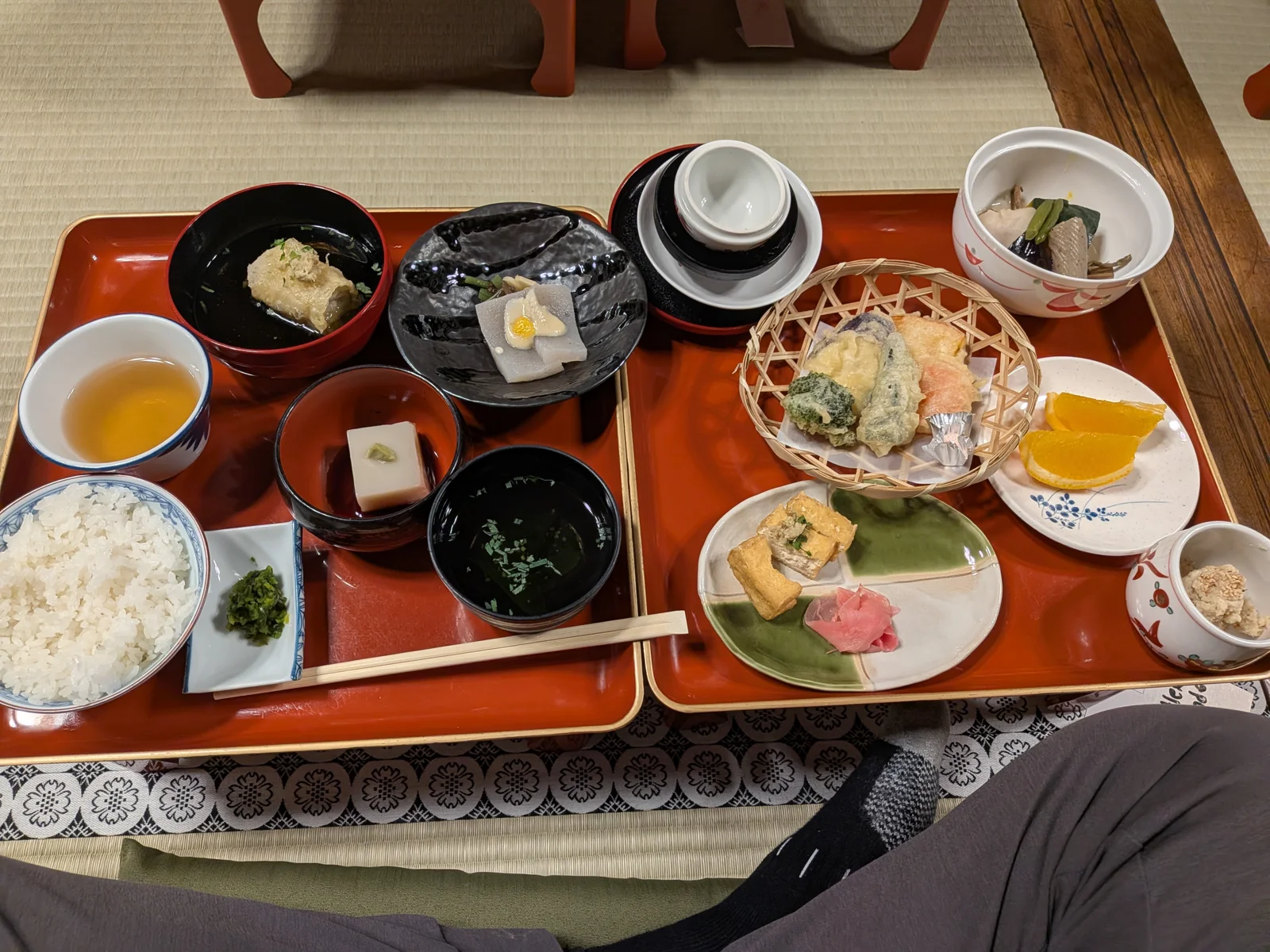
Dinner at Hongakuin was shōjin ryōri, Buddhist vegetarian cuisine, served across two trays in a large dining hall where we sat on mats. There were soups, greens and mushrooms, simmered vegetables, yuba, rice, pickles and vegetable tempura. The goma-dōfu was the standout: extraordinarily silky and creamy, reminding me more of Brie or quark than the tofu I usually eat. There was also kōya-dōfu, which soaked up its broth. Matcha salt with the tempura gave a bitter, earthy contrast to the crisp batter. I asked what one ingredient was, prompting about four members of staff to confer before coming back with the English word “konjac”.
Next to me was Susumu, an engineer working on scientific equipment such as microscopes. He was curious about my trip and interested in samurai history; he had come to see the graves and memorials at Okunoin. We were both staying for two nights. The temple felt a little like a college dormitory, basic in some ways but a fascinating place to stay, with very kind people and excellent food.
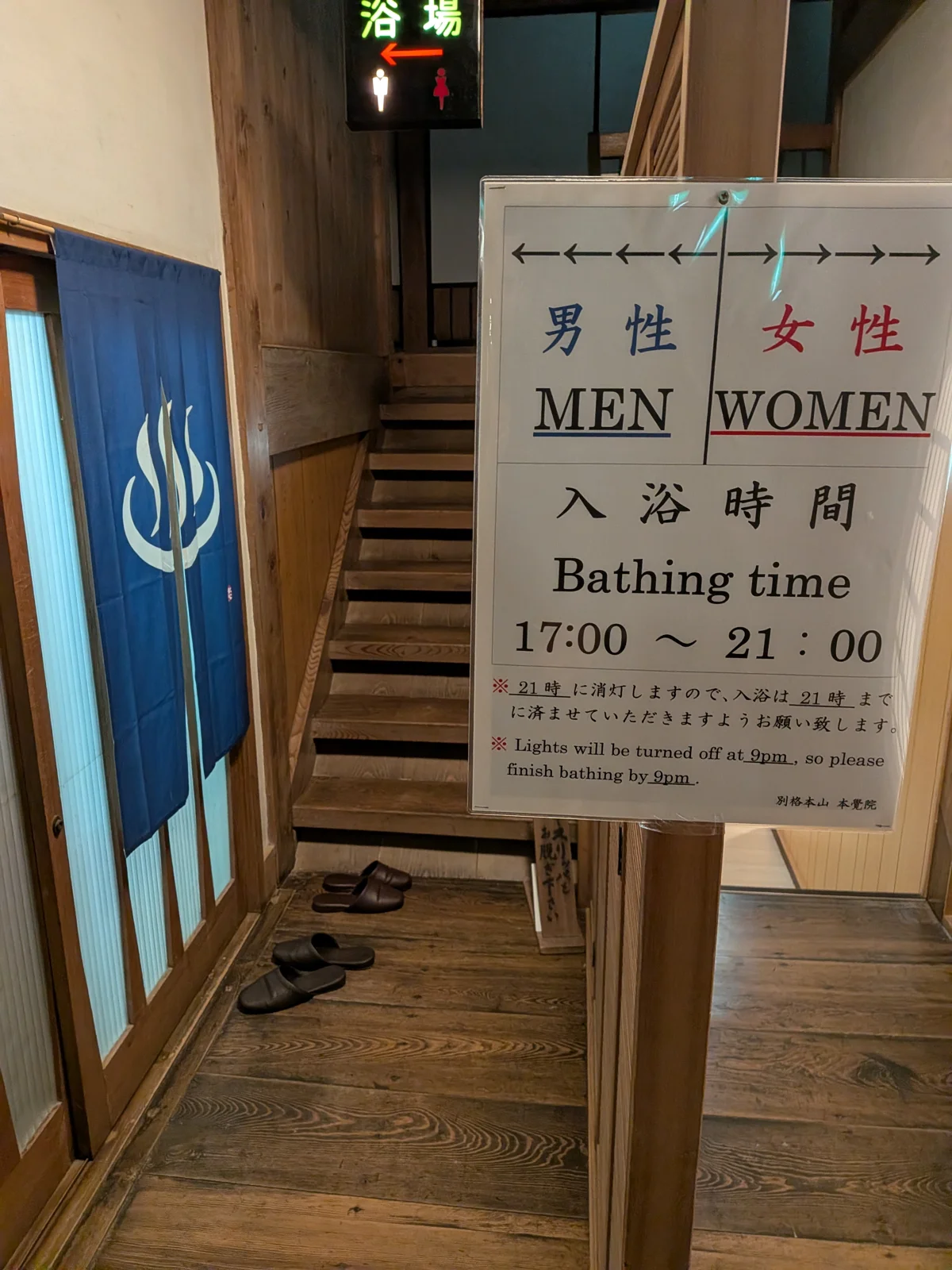
I read about the tradition of excluding meat and pungent ingredients such as garlic from shōjin ryōri, which made my garlic-and-beef lunch seem a particularly funny contrast. After dinner I tried the communal bath. I washed on a low stool before getting into a very warm tub with space for about six people. Most of the other bathers seemed to be monks. Being naked in a shared bath was an unusual experience for me, but after several days of walking, with cold weather outside and sore muscles, it was wonderfully relaxing.
Tuesday 10 November: Forest walks and two rounds of lunch
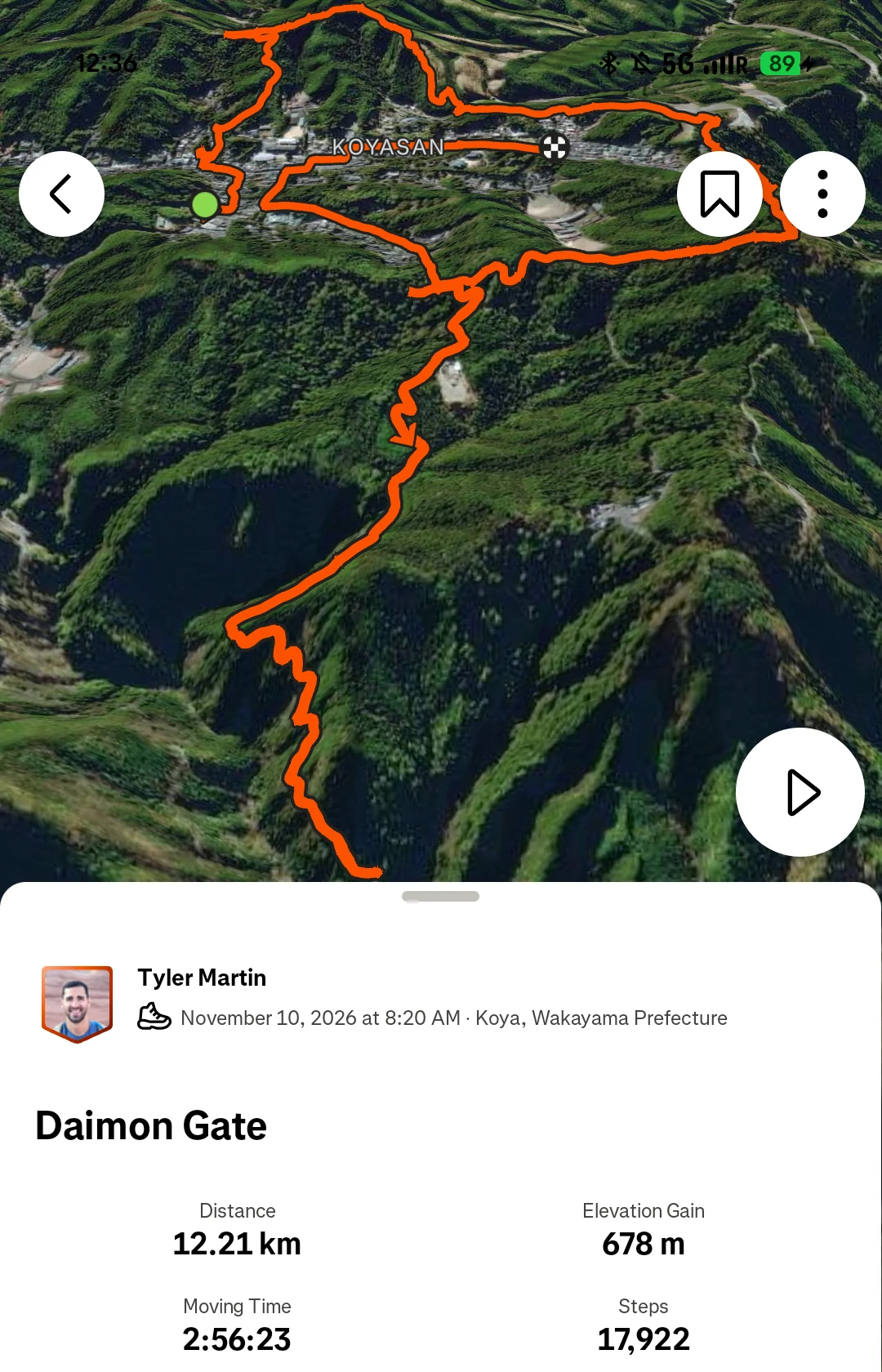
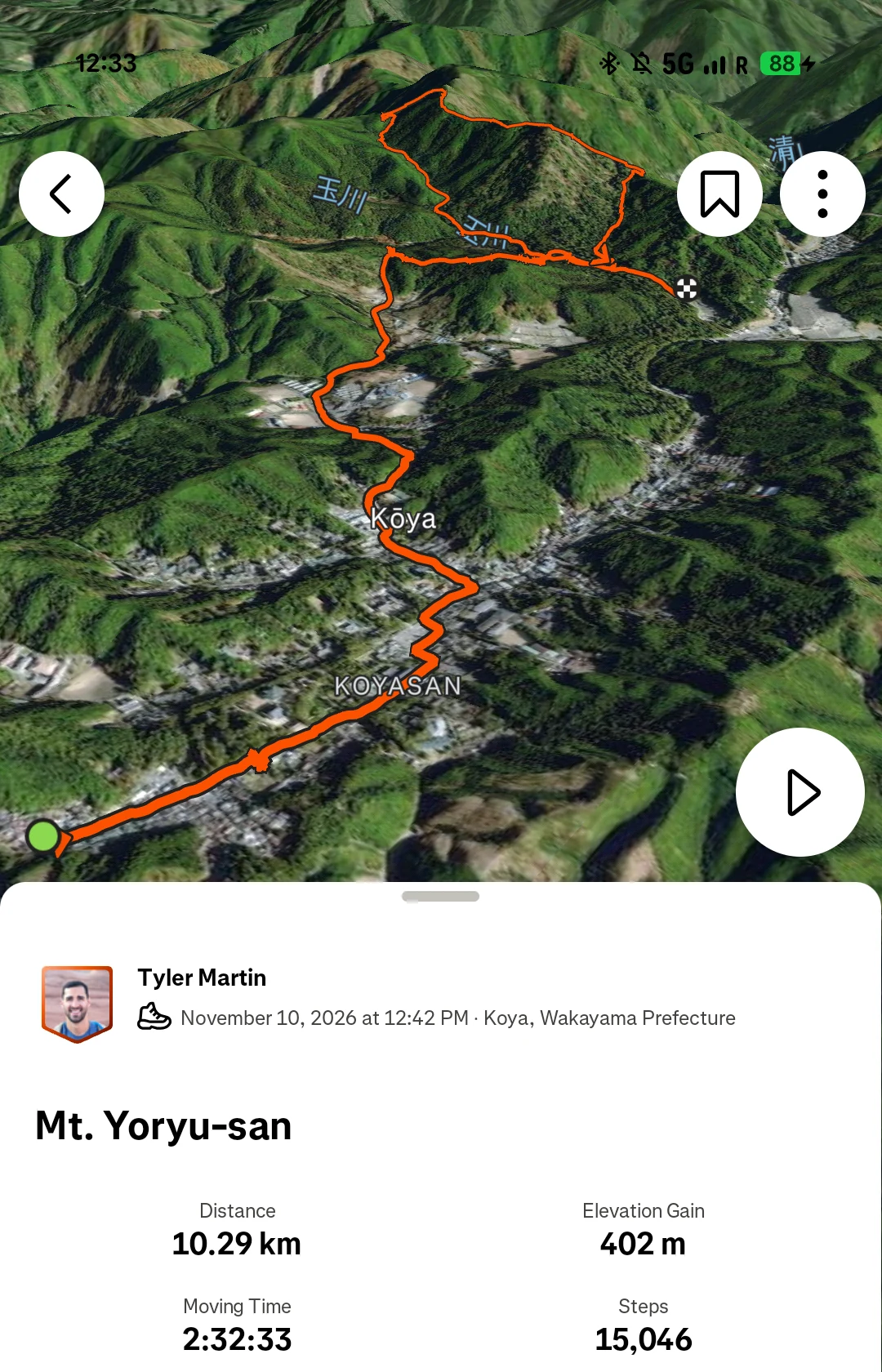
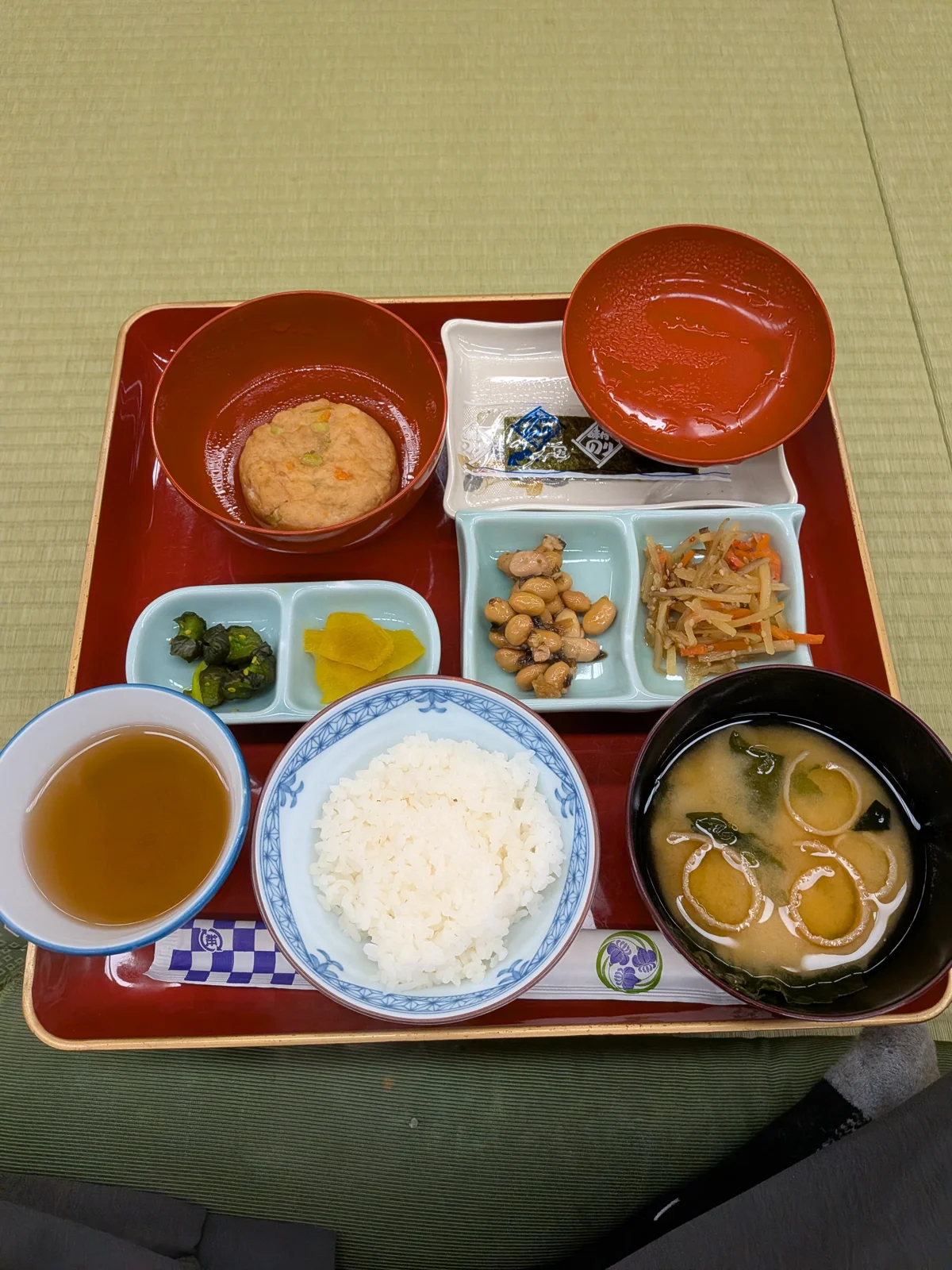
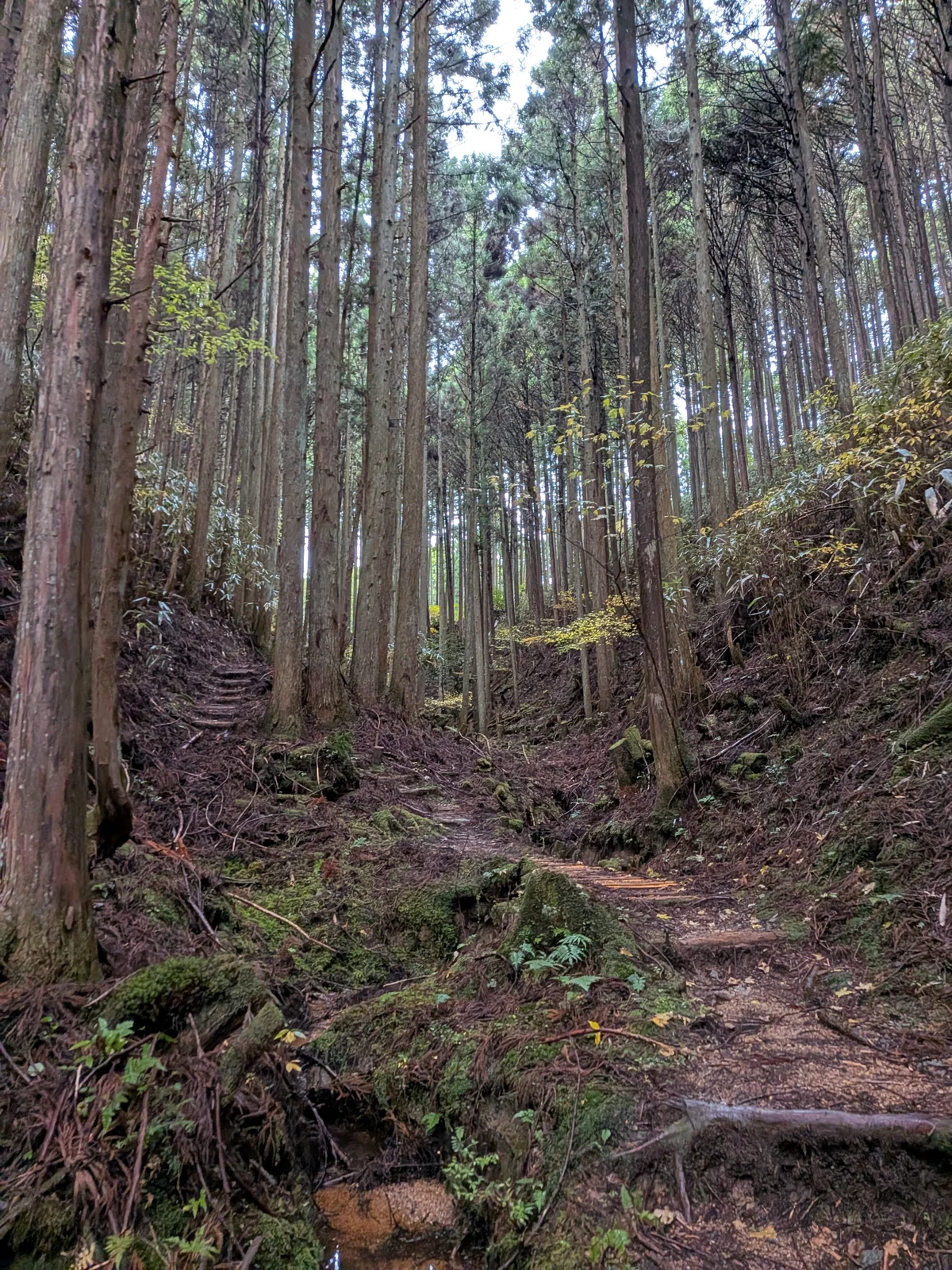
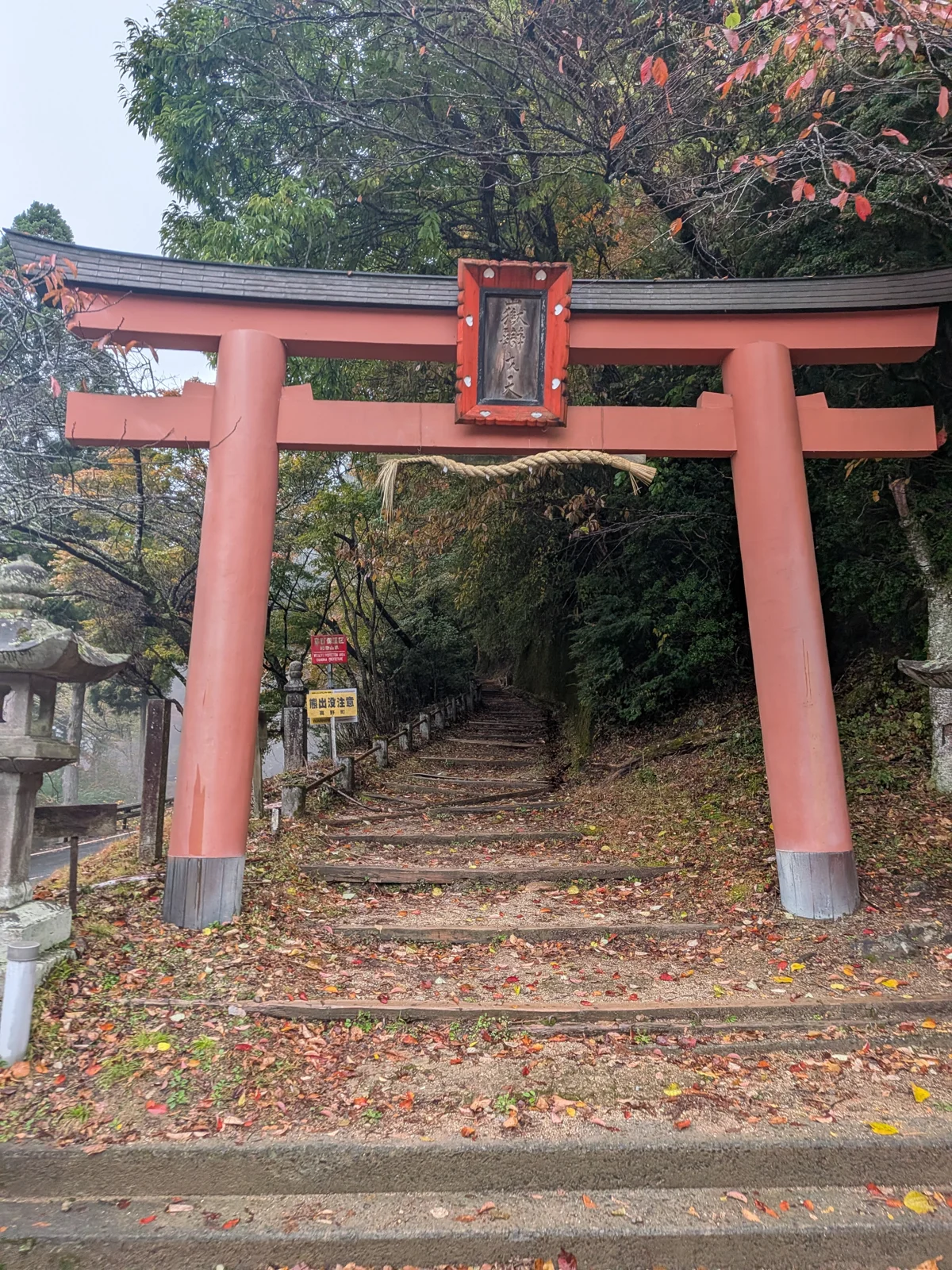
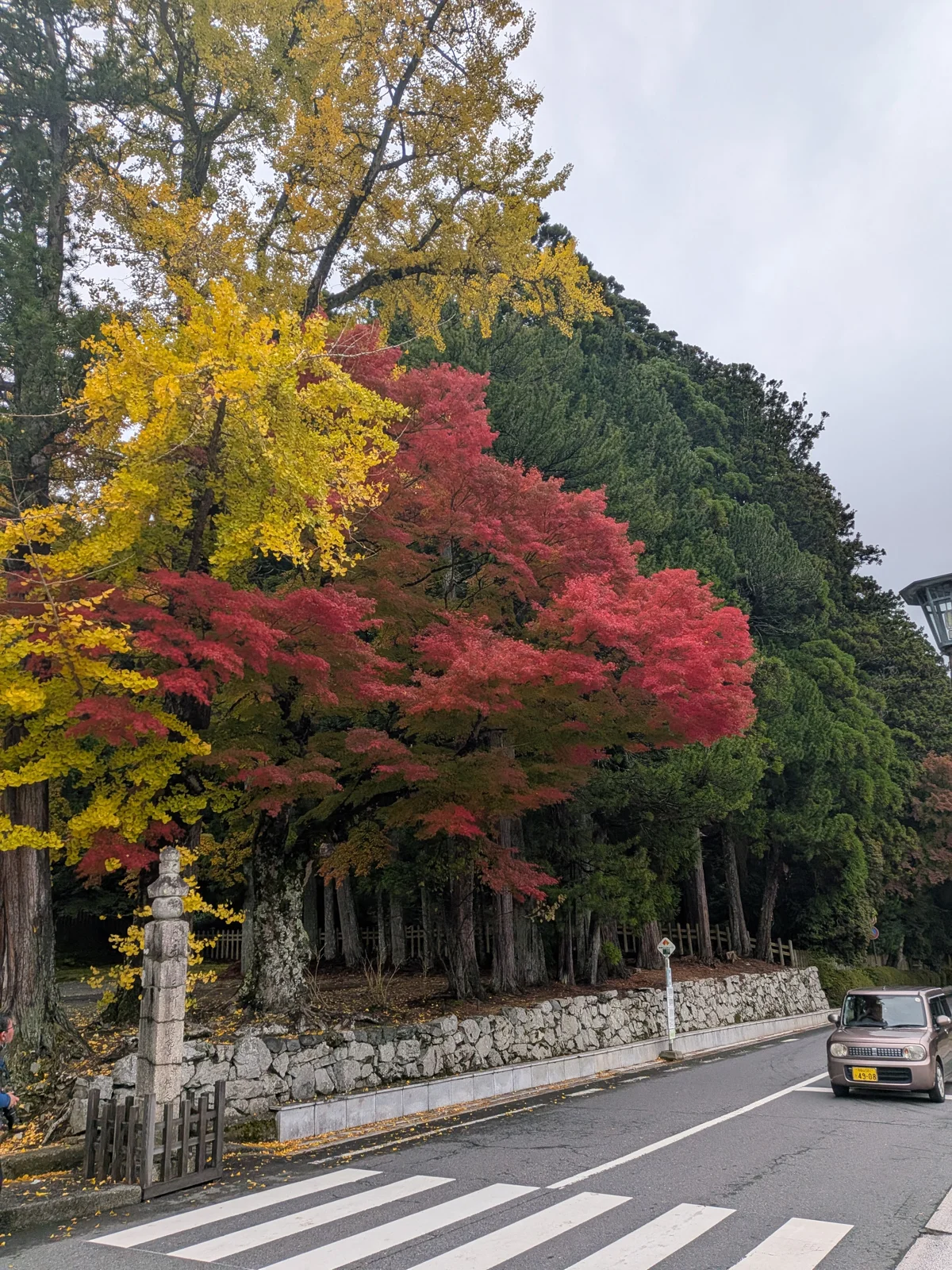
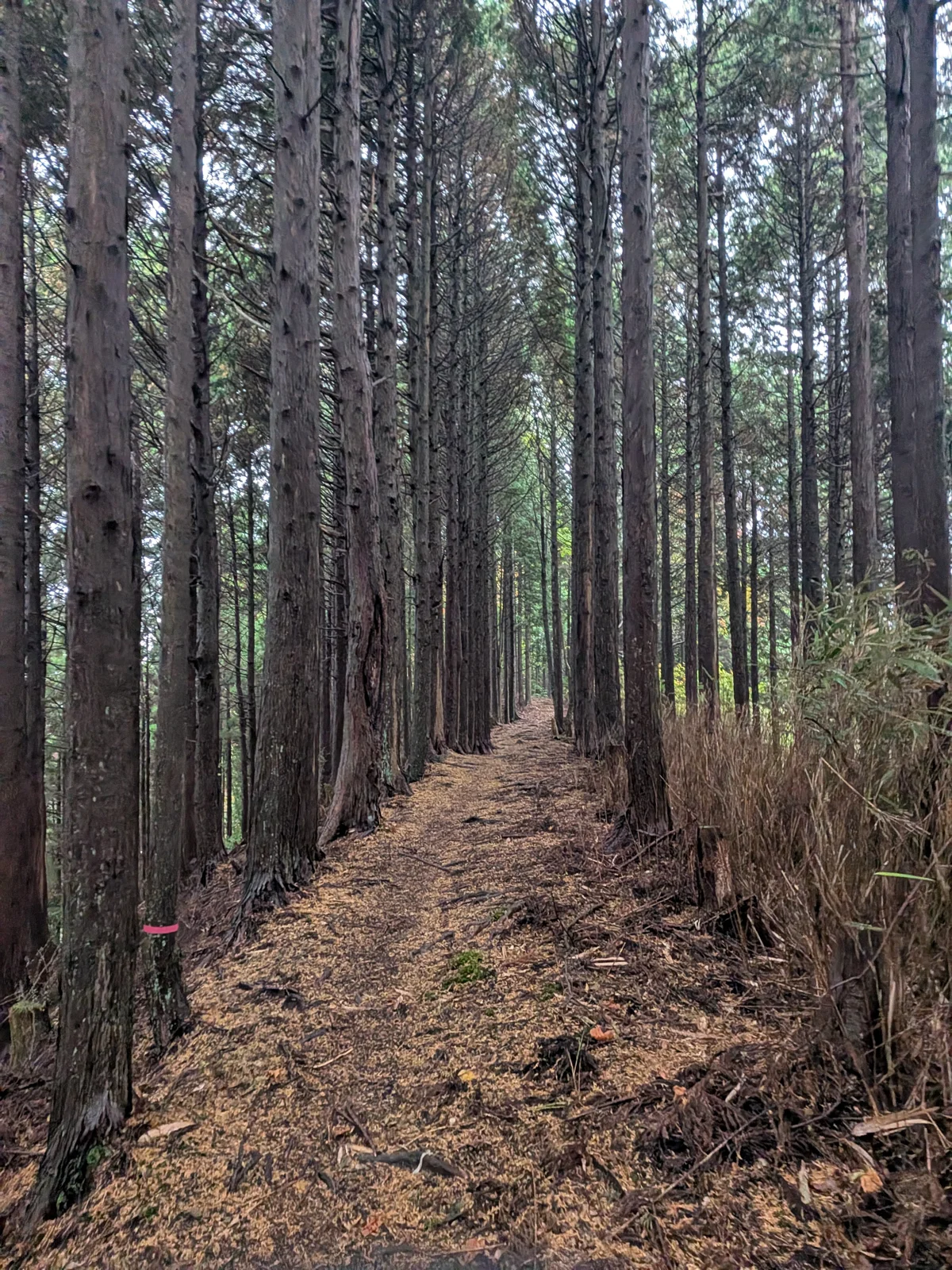
I slept well despite the hard pillow. Breakfast was delicious again, with a little tofu-like patty as the highlight, and I spoke more with Susumu. It took some effort to leave the warmth of the temple. Two days earlier I had been hiking in a T-shirt; now it was cold and drizzling. I walked down towards Gokurakubashi, the lower cable-car station. The paths were empty, and once I was out I loved being in the forest.
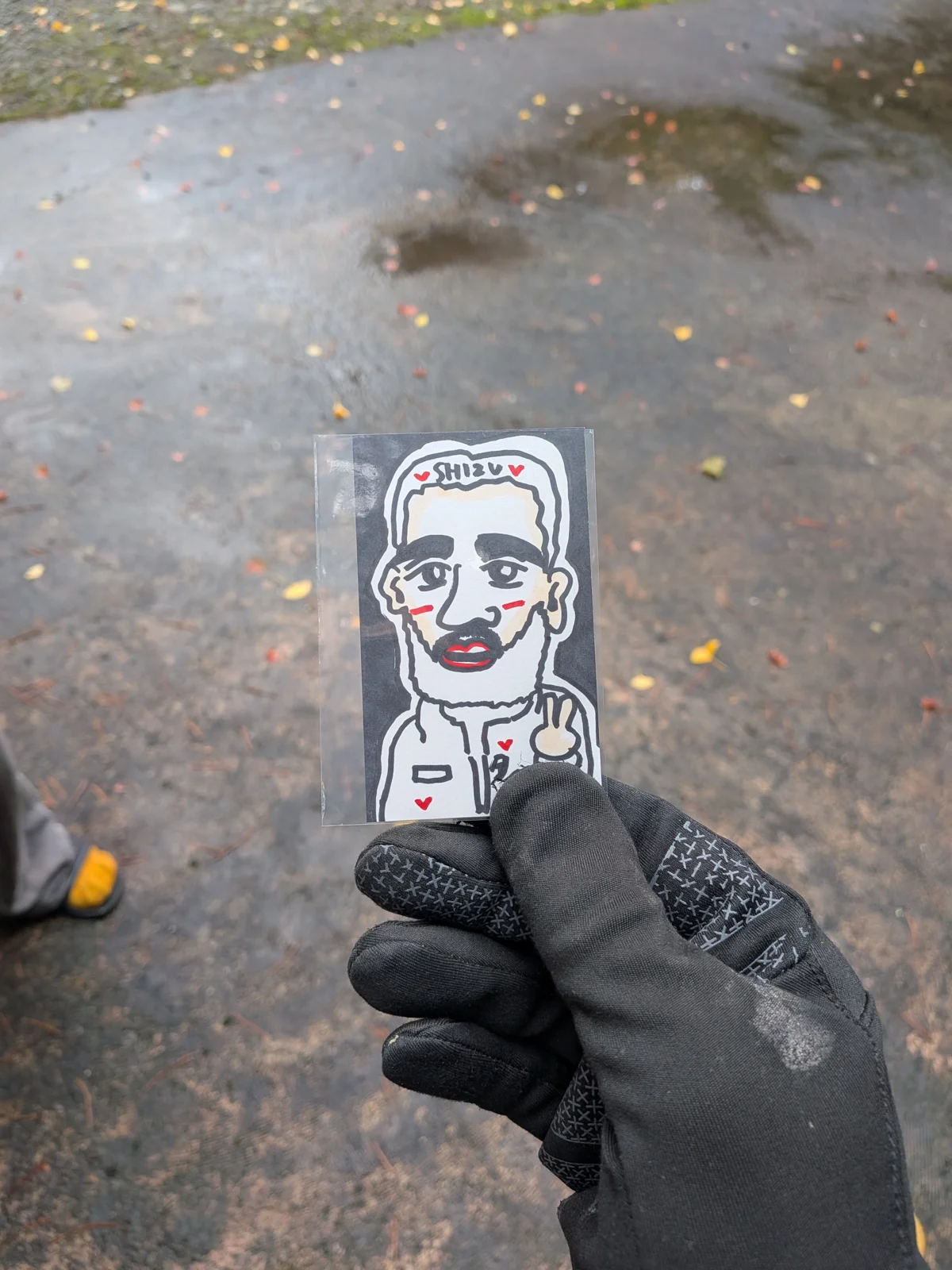
On my way to lunch after the morning hike, a Japanese man with a bicycle stopped me for a chat. He was cycling around Japan, although he did not seem to be carrying much serious kit for such a trip. He was enthusiastic and outgoing, and we talked about his travels and mine while he drew a picture of me. He goes by Mr.Drawer on Instagram. He asked for a tip, which I gave him, and I thought the drawing was very funny, particularly how well it captured my bold eyebrows. It was a pleasant encounter, and I plan to follow his travels.
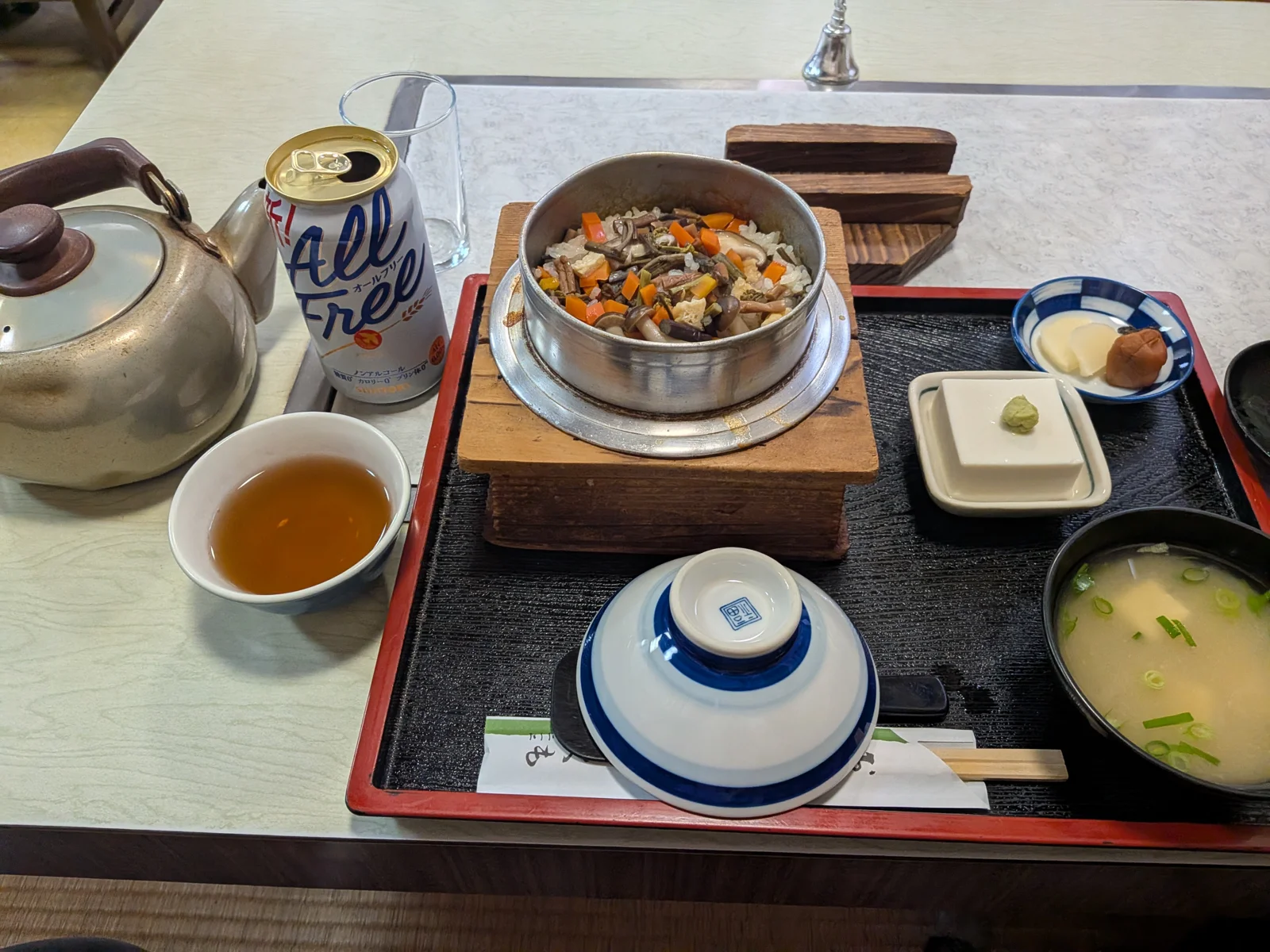
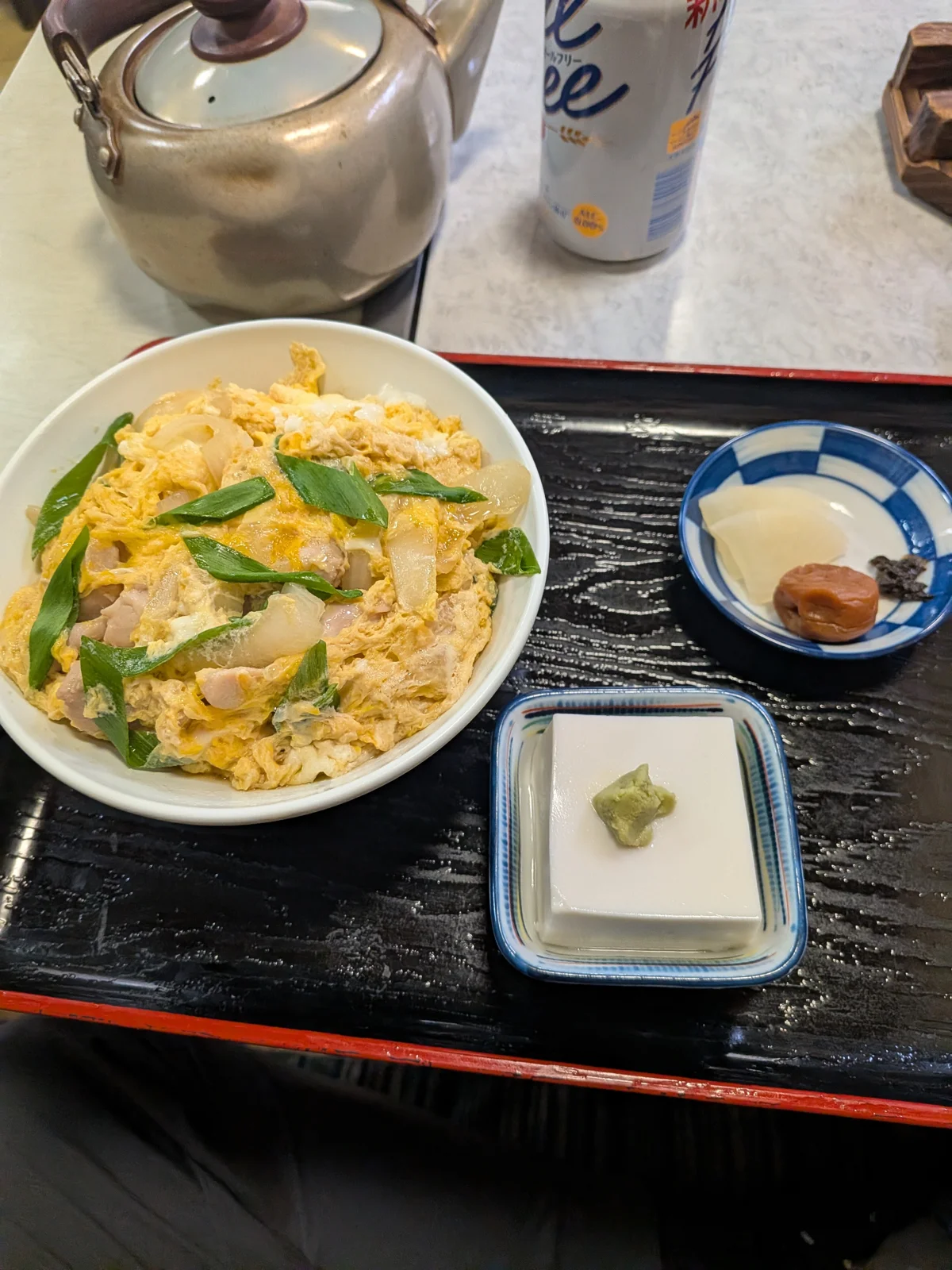
At Tsukumo, lunch came in two rounds. First I had sansai kamameshi, rice cooked in a little pot with mountain vegetables and mushrooms, with a delicious slightly charred layer at the bottom. It came with soup, pickles and more silky goma-dōfu with wasabi. Then, having seen an appealing photograph on Tabelog and been craving eggs, I ordered oyakodon: chicken and softly cooked egg over rice. And another goma-dōfu. The warm rice and egg were very satisfying after the cold walk.
After picking up drinks at FamilyMart, I walked towards a mountain behind Okunoin. One route towards the summit was closed because of bears. I took a different path with fewer warning signs, reached the top and descended a steep trail. I returned to Okunoin to see the lanterns at dusk again.
Dinner at the temple was another excellent spread, similar to the previous evening but with different small dishes. I fitted in two baths, one before dinner and another before bed, and a short evening walk. The baths were becoming a particularly welcome part of the stay.
Wednesday 11 November: Koyasan to Osaka
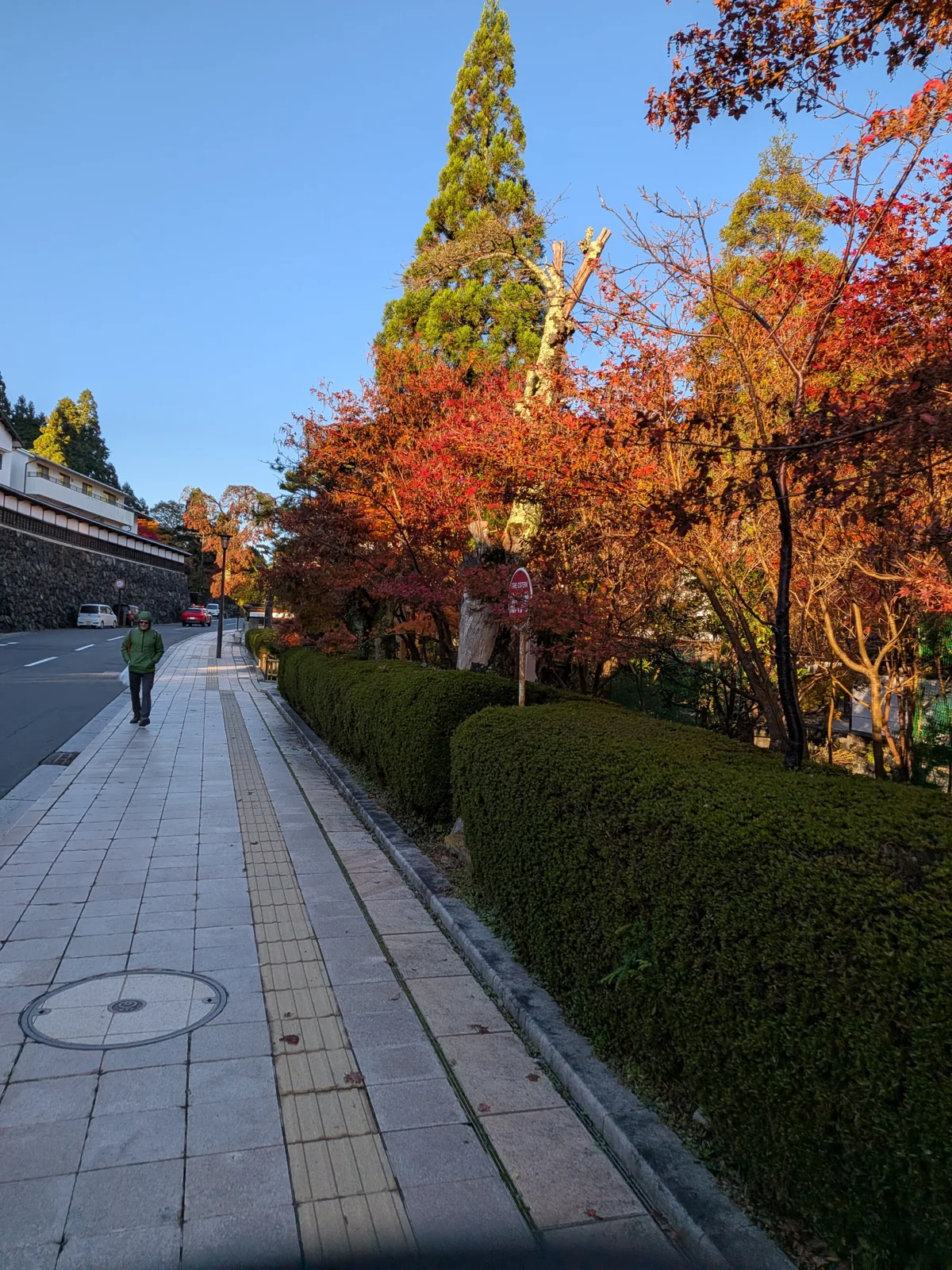
After my final breakfast at Hongakuin, I exchanged contact details and recommendations for various cities with Susumu, a Canadian woman and an Italian man. The staff had been exceptionally kind, and I was glad to have stayed there. I went for one last morning walk to Okunoin, which was still extraordinary in daylight, before taking the cable car down and the train via Hashimoto to Osaka. It was easier than expected. On the train I started looking up places to eat and explore.
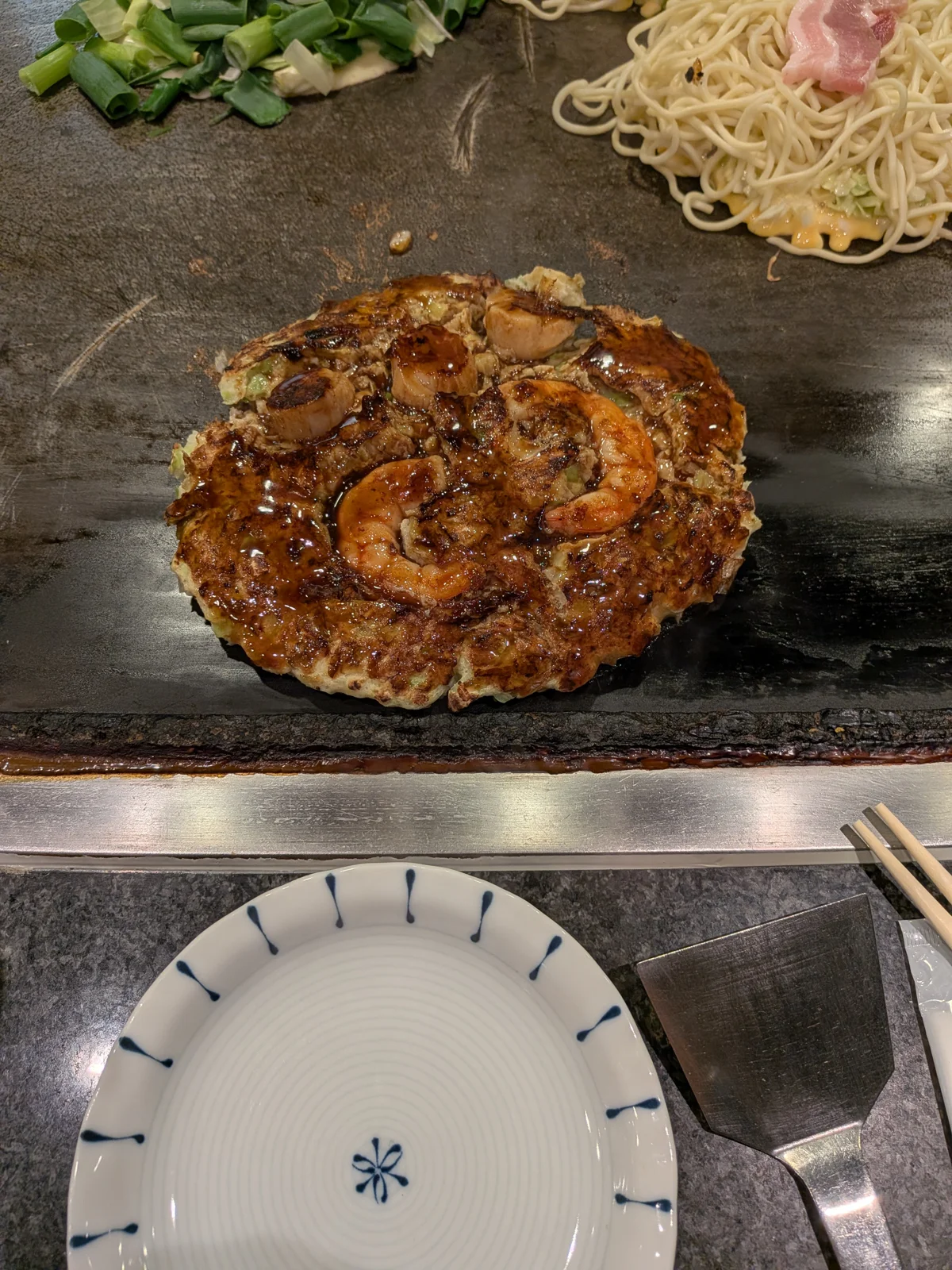
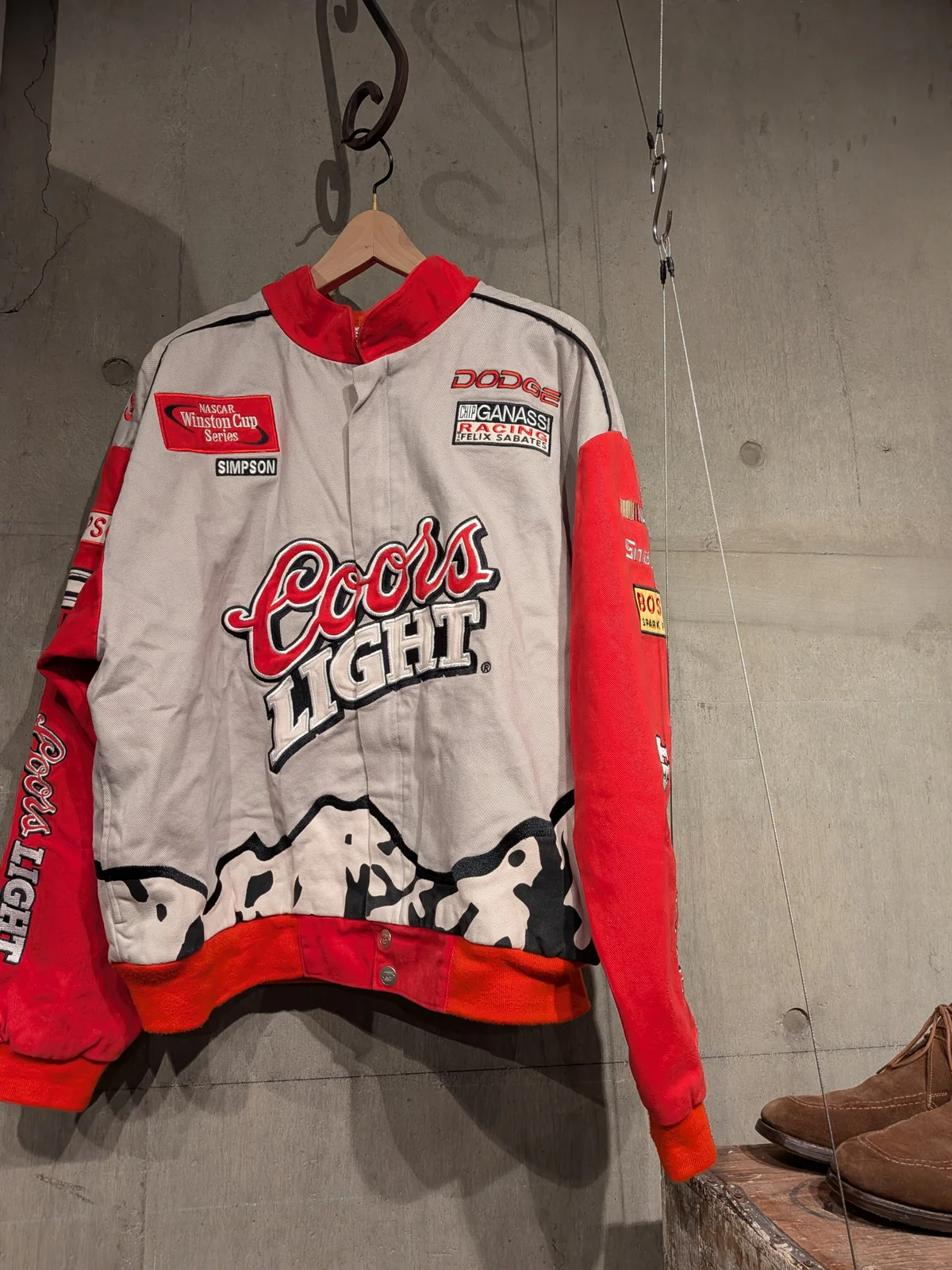
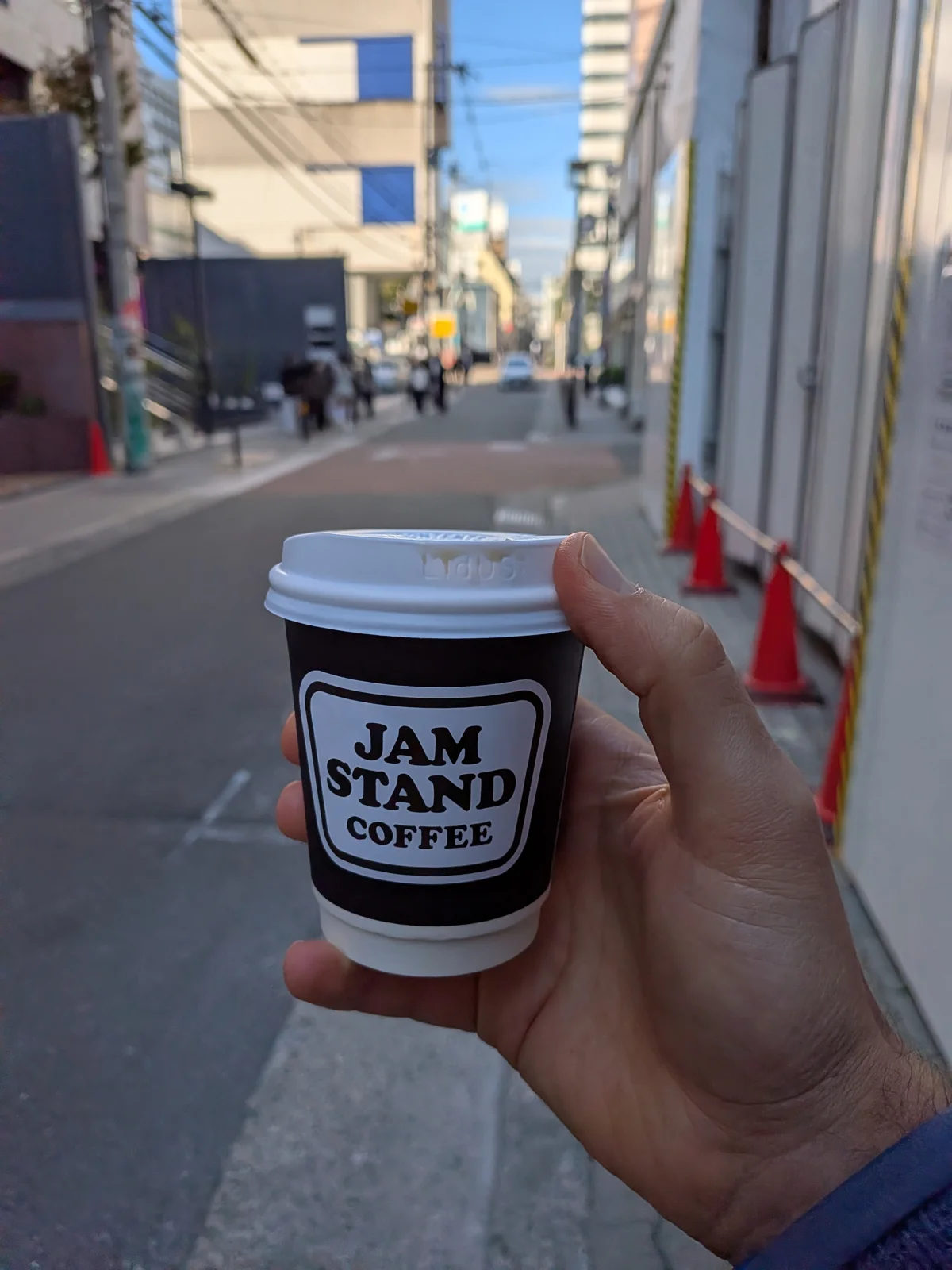
Lunch was at Mizuno, one of Herman's recommendations. I ordered yamaimoyaki, a mountain-yam pancake with scallops and shrimp. It was crisp and crunchy and stayed hot on the little griddle in front of me. The seafood was especially good. Afterwards I wandered around the canals, shops and vintage stores, stopping for a coffee at Jam Stand Coffee.
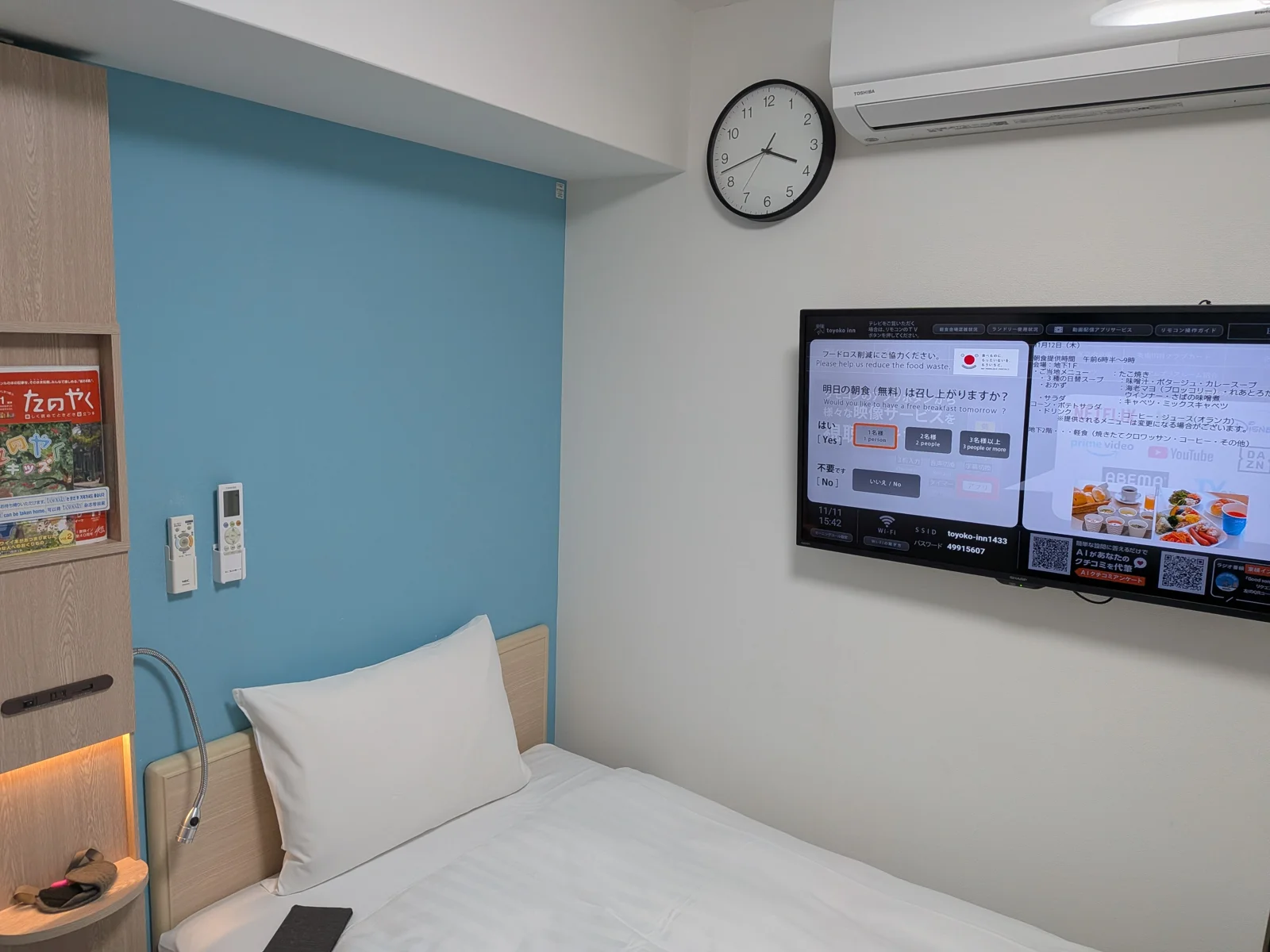
Osaka felt like a dramatic change from Koyasan. There were bright lights, shopping and entertainment everywhere, almost like a theme park in places. I liked the energy. Toyoko Inn Osaka Namba was an equally dramatic change in accommodation: self-service check-in kiosks, a busy lobby and an operation on a huge scale. The room was comfortable and the shower good.
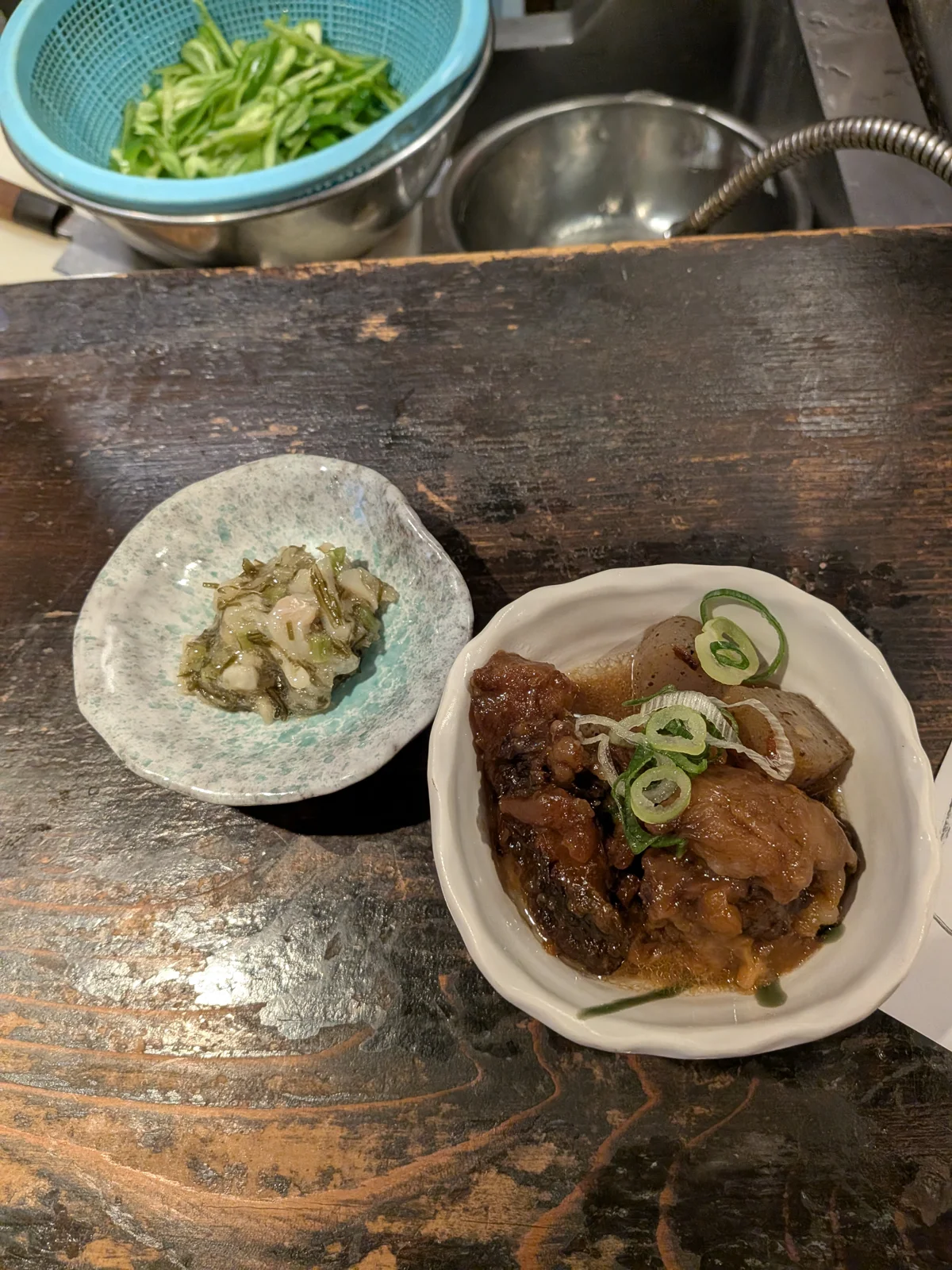
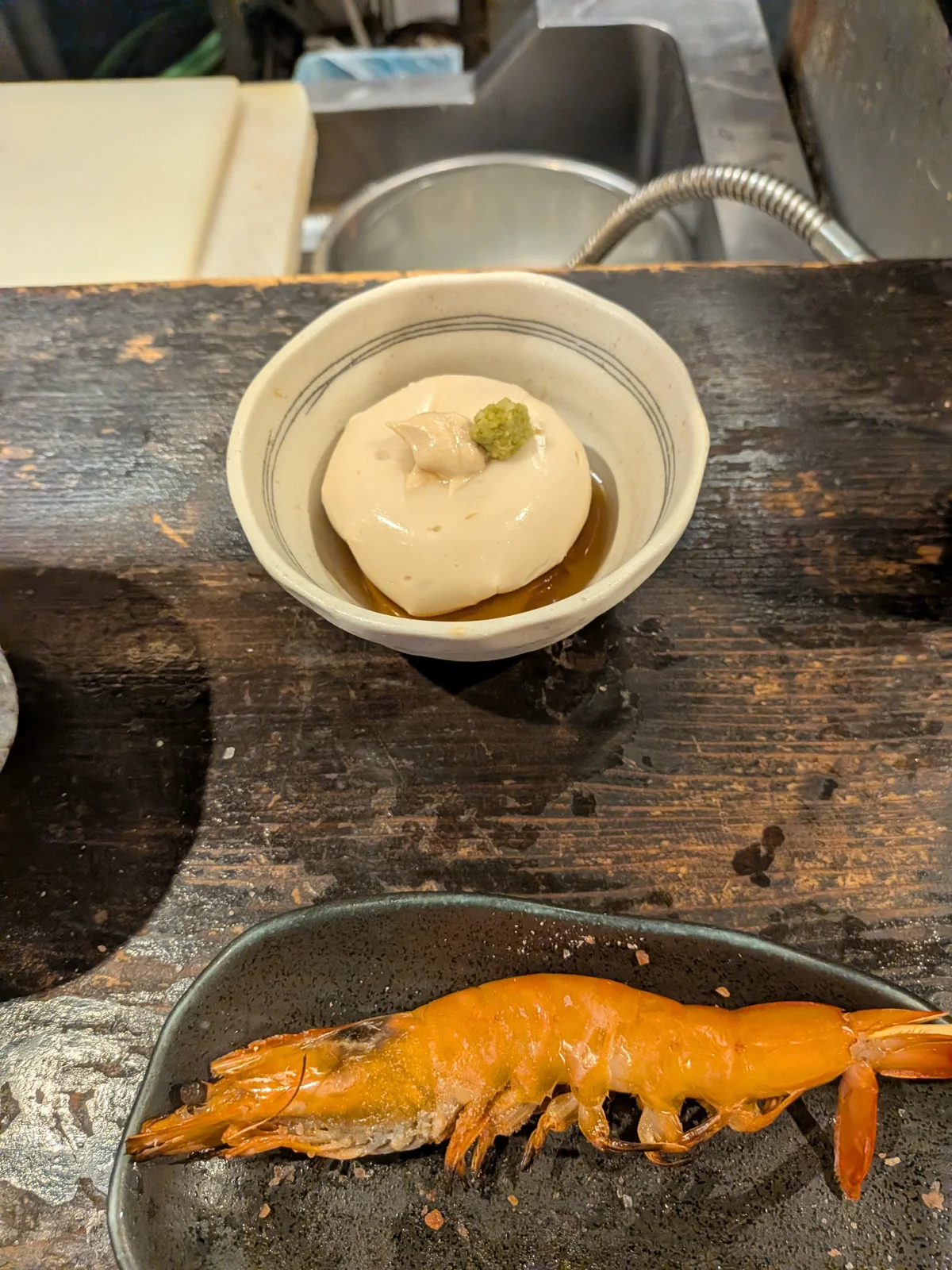
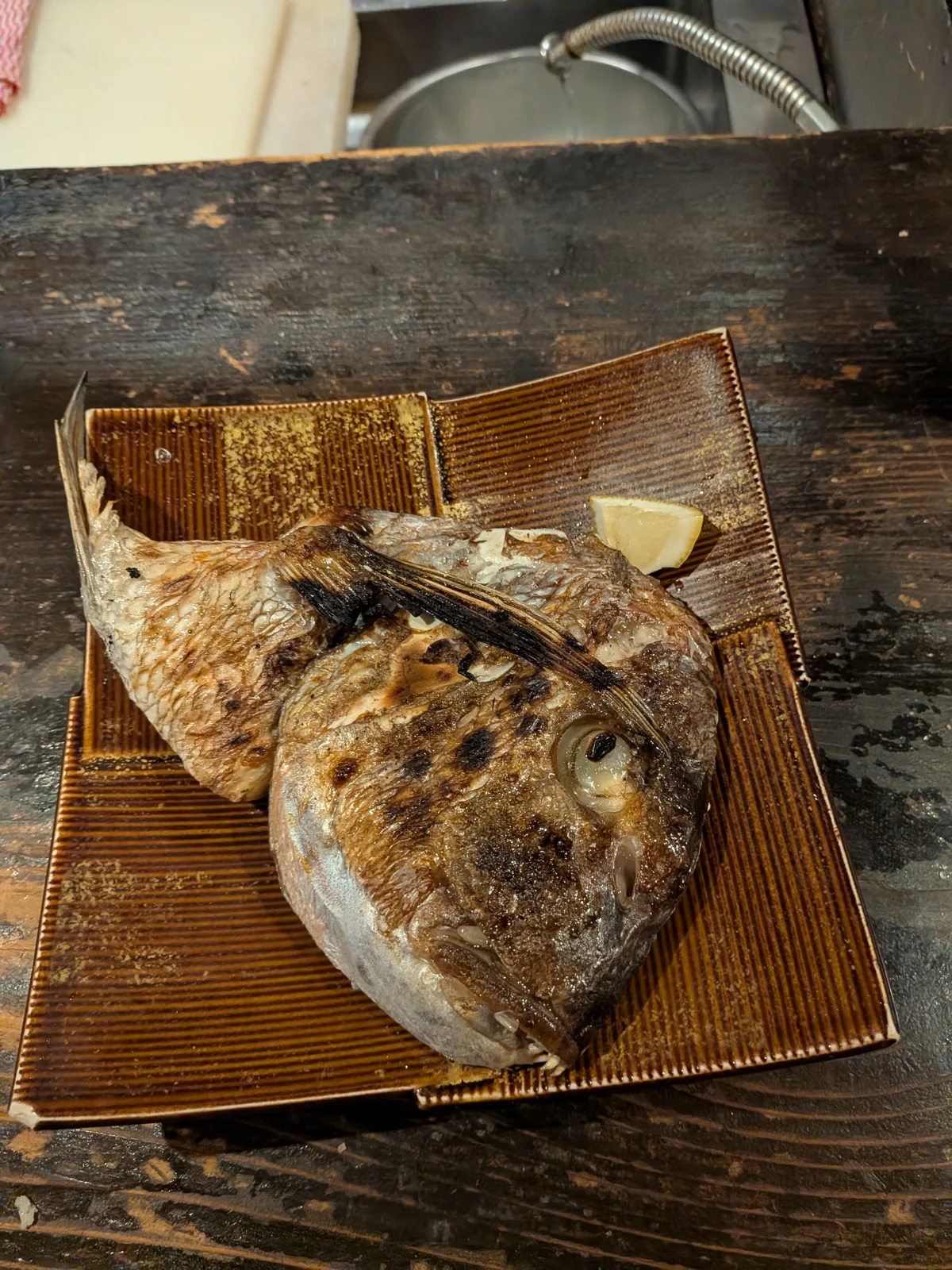
That evening I was looking specifically for shirako and whelk, a type of sea snail. After looking at Stand Mameuo, I ended up at Atariya Shokudo Namba. The first choices were mixed. Whelk with wasabi was cold, briny and slimy, interesting rather than delicious. The dote-ni was rich. Things improved considerably with salt-grilled shrimp and homemade sesame tofu, which was firmer than the Koyasan version and excellent. Then came a grilled sea-bream collar, perfectly cooked and very satisfying to pick apart, especially the eyeball. The dashi accompanied the meal well.
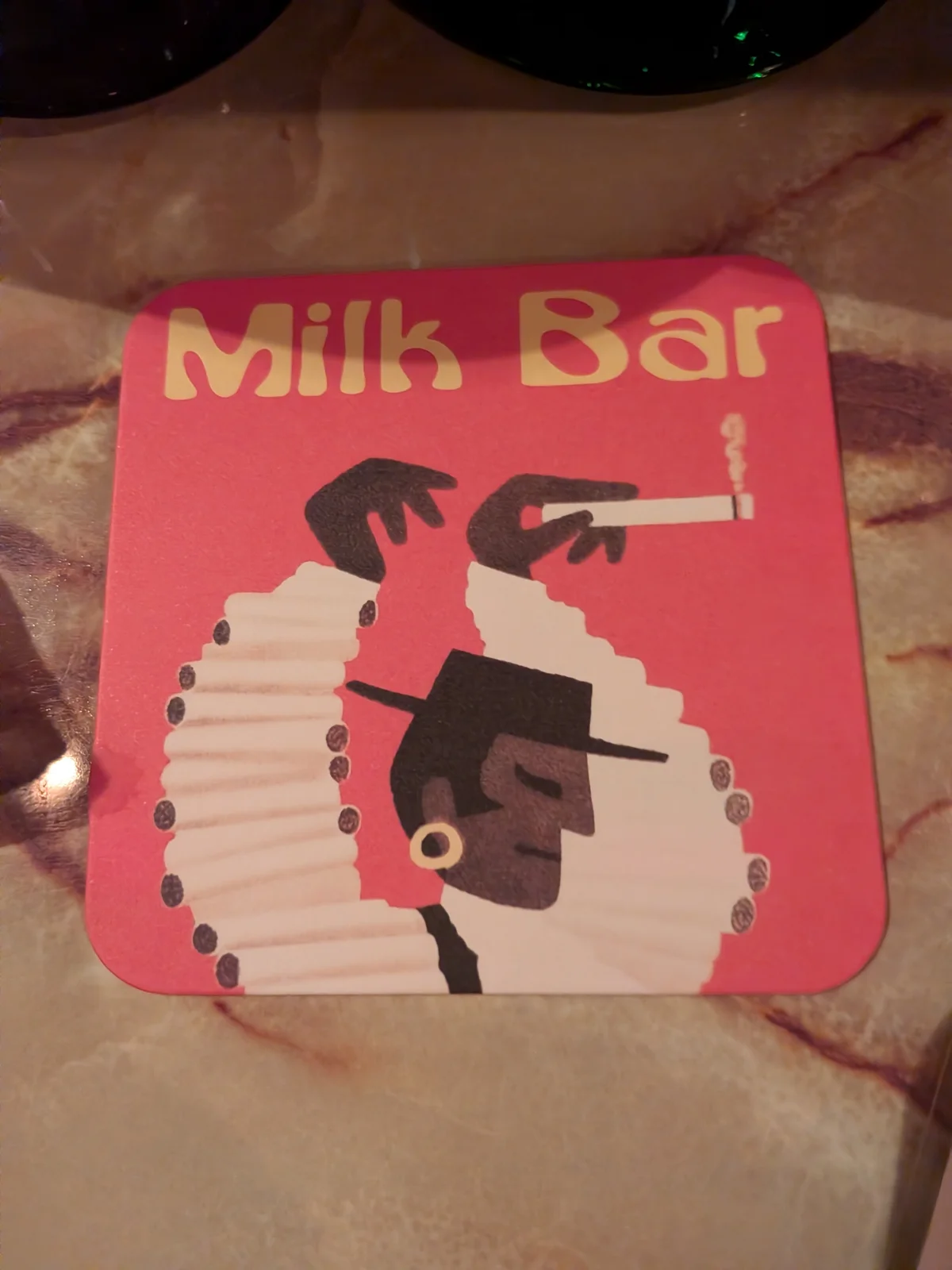
I went looking for a listening bar. At bird/56 there was no music playing and no alcohol-free drink, so I moved on to Milk Bar. It was on the fourth floor, and at first there were just three of us: the bartender, an Australian named Ollie and me. I had an alcohol-free beer while the bartender played Sade and other jazz. Ollie and I had a long, very pleasant conversation. I really enjoyed the small, intimate setting.
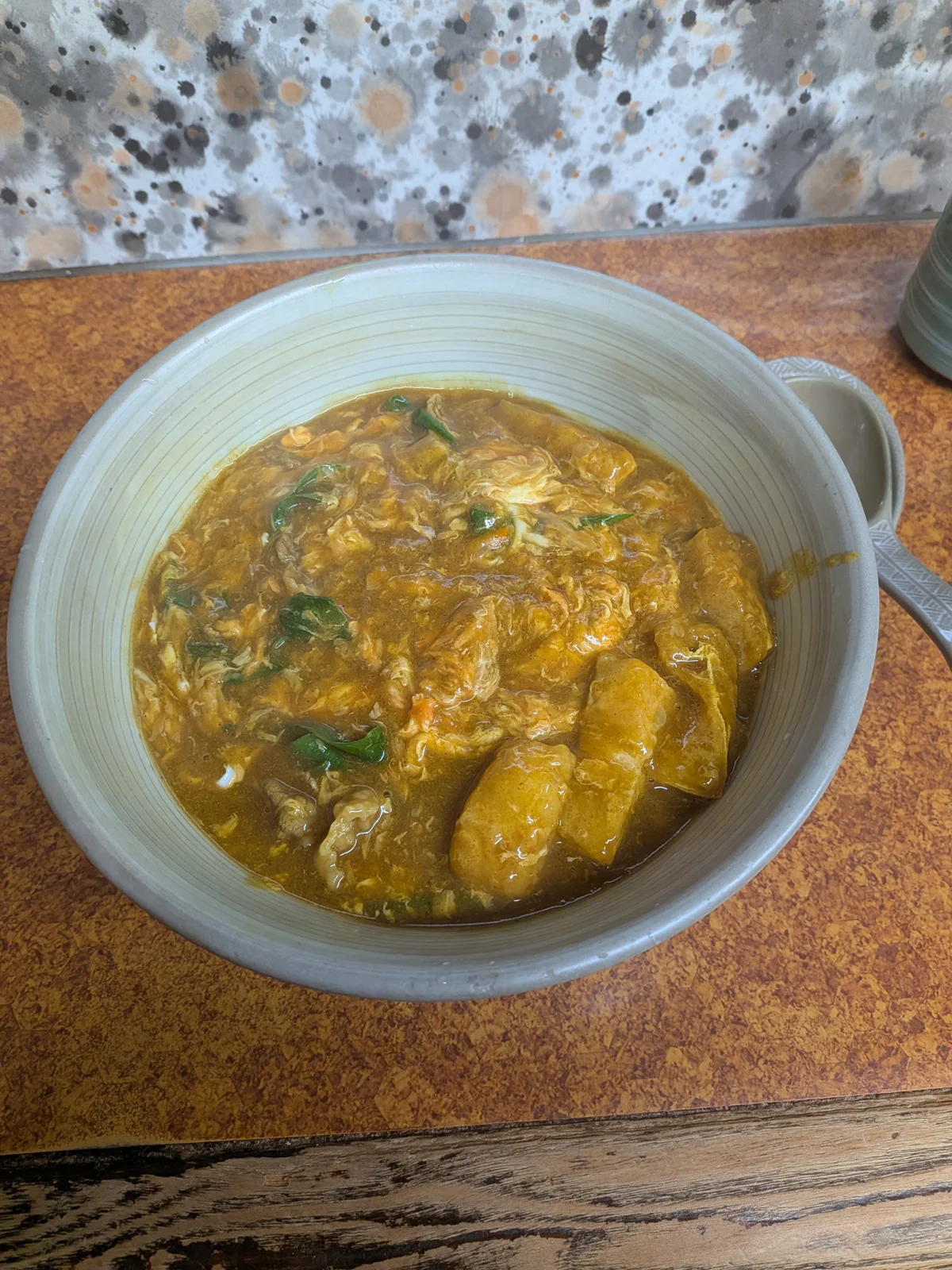
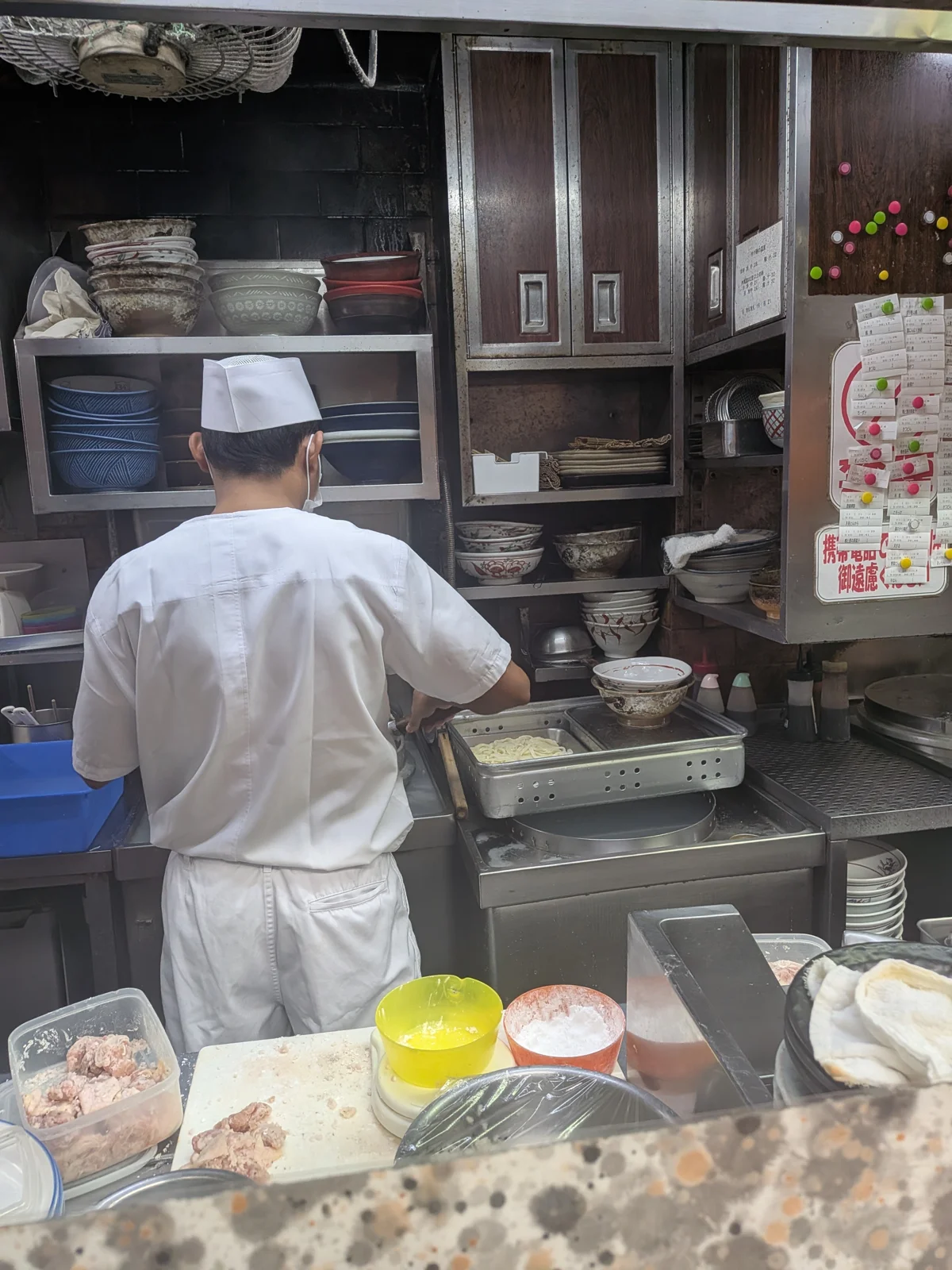
Afterwards I went to Kawafuku Honten for Ran Curry udon. Thick curry-dashi broth, chewy noodles, tender beef and silky ribbons of egg. It was warming, perfectly spiced and so satisfying. A very good end to the evening.
Thursday 12 November: Osaka, noodles and wagyu
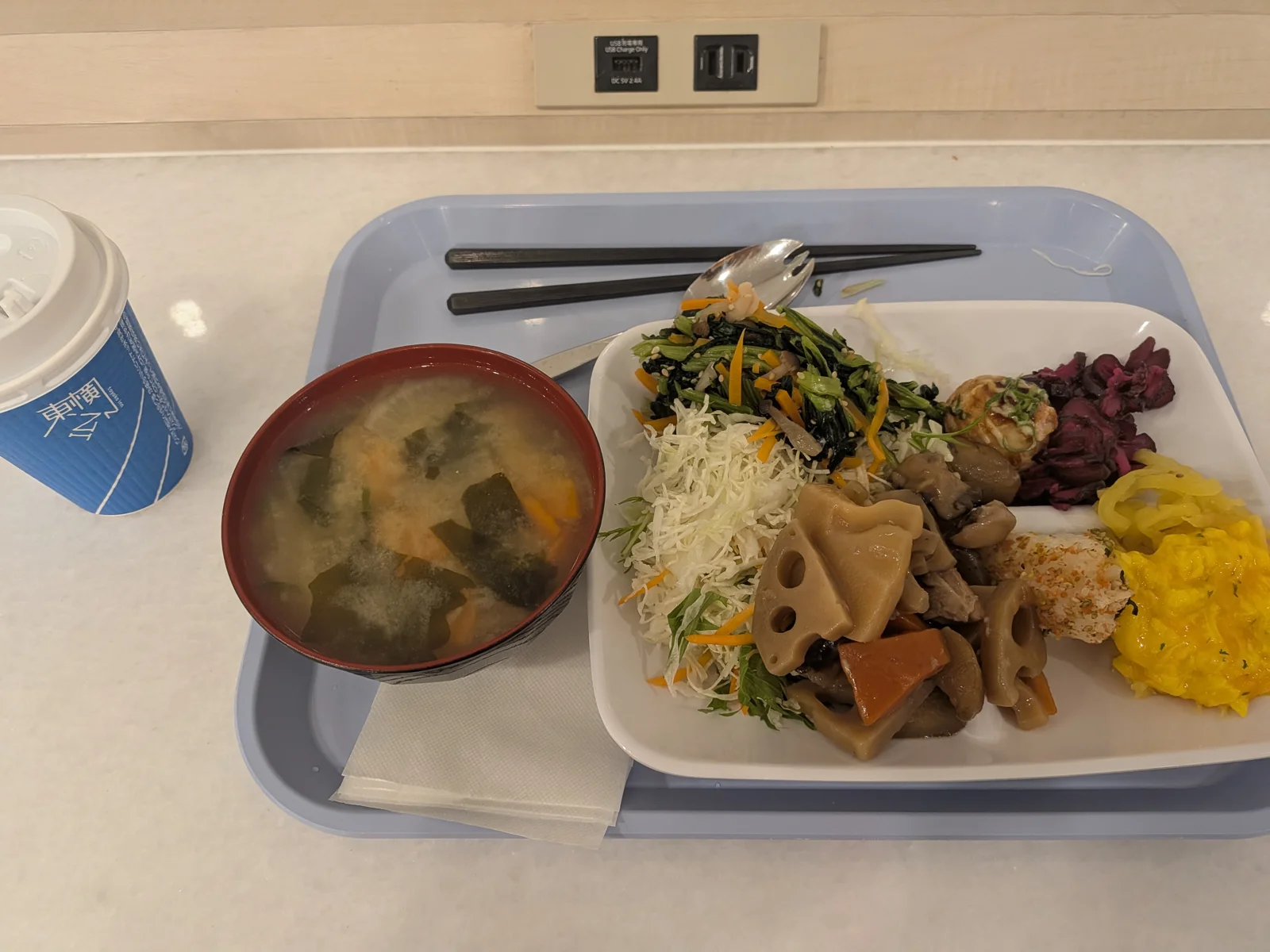
Breakfast at the hotel was served in a huge cafeteria, with miso soup, eggs, salad, vegetables and pickled sides. I appreciated the fresh vegetables. As service finished, the workers assembled and performed a short song, and the diners applauded. It was an unexpectedly elaborate end to breakfast.
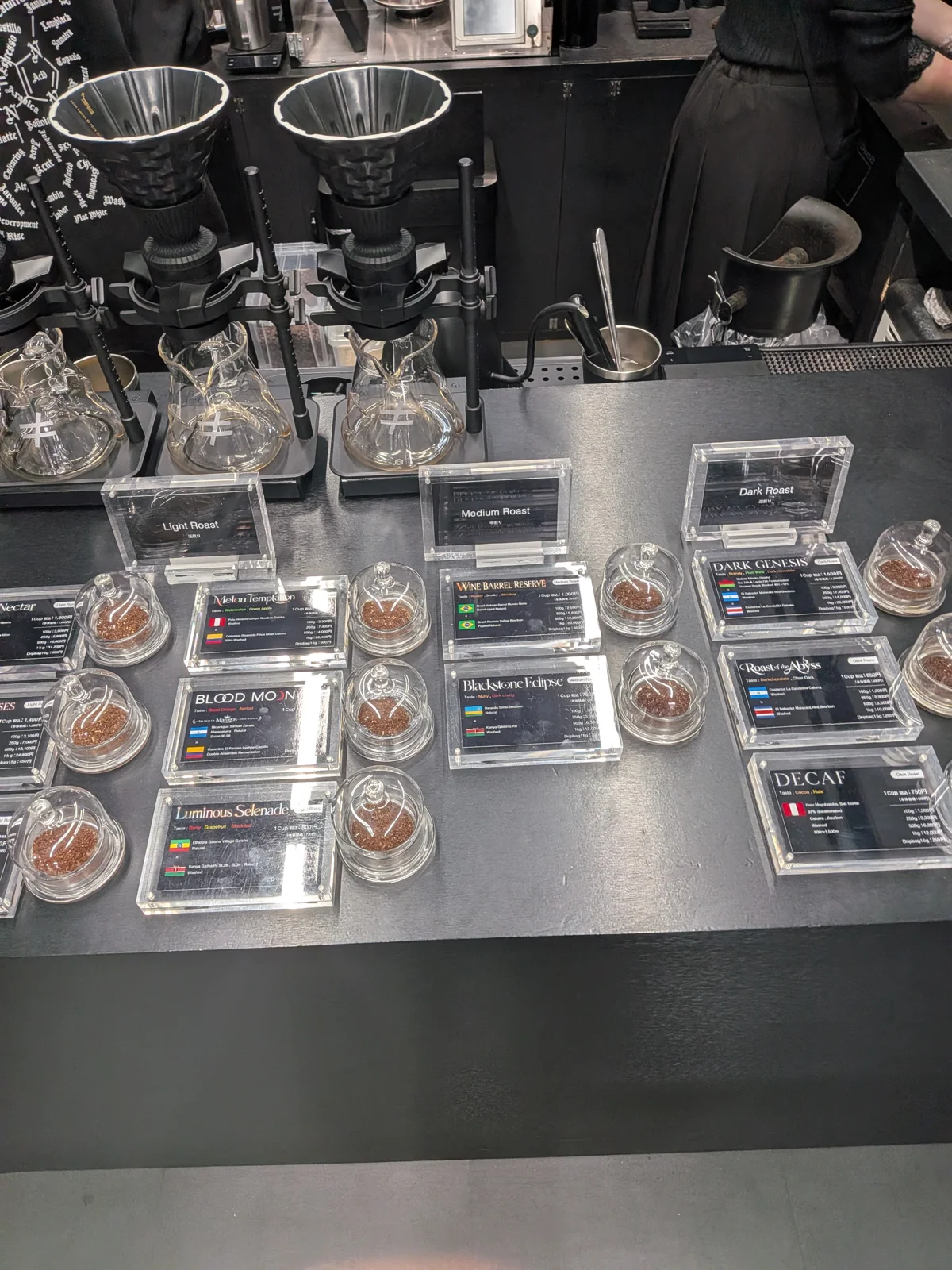
I stopped for coffee at NOT≠EQUAL Coffee. They had a huge range of beans, with little jars that let me smell each one before choosing. There were three pour-over setups behind the counter. It was quite an operation, and I really liked being able to compare so many different beans by smell.
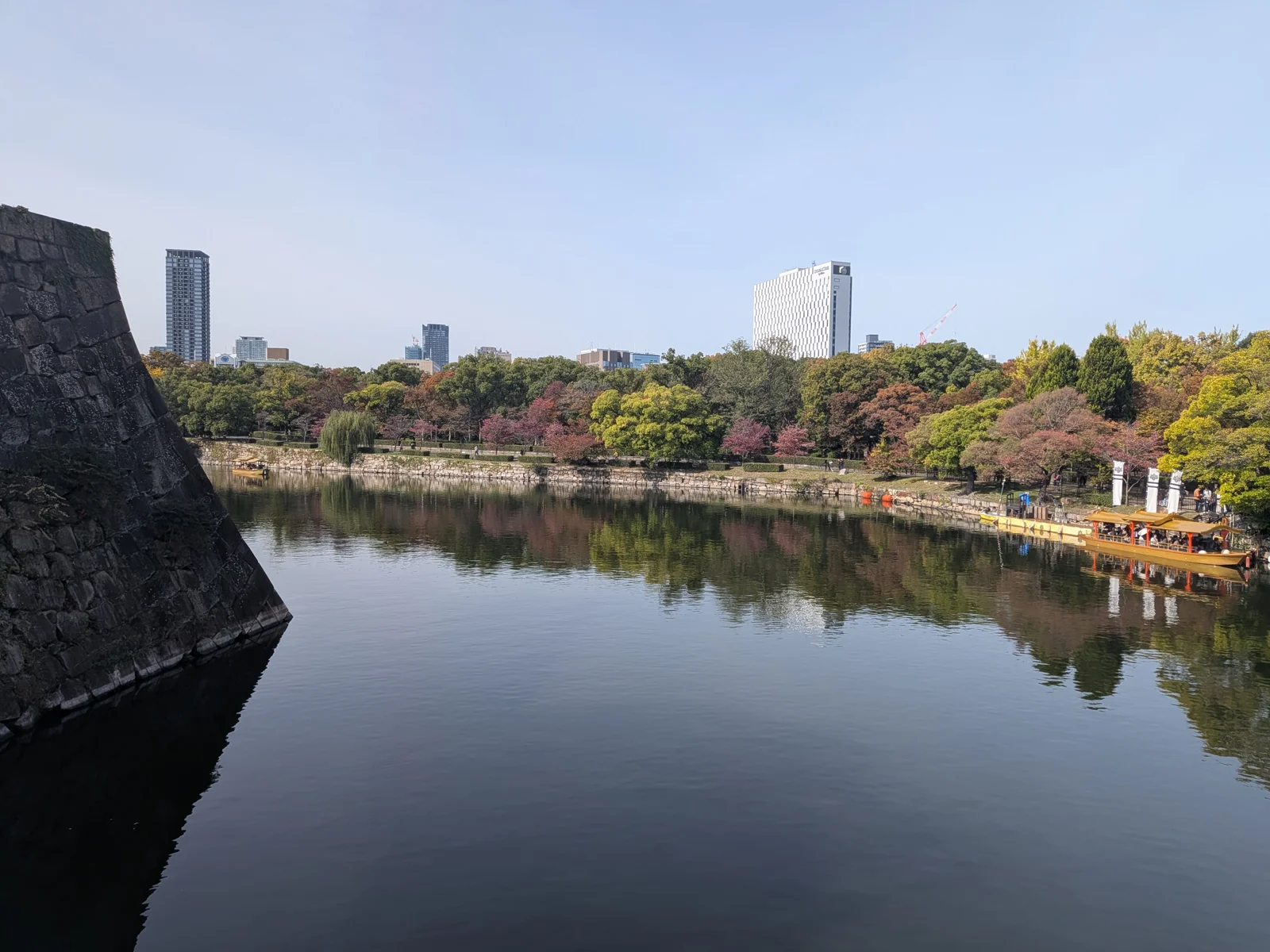
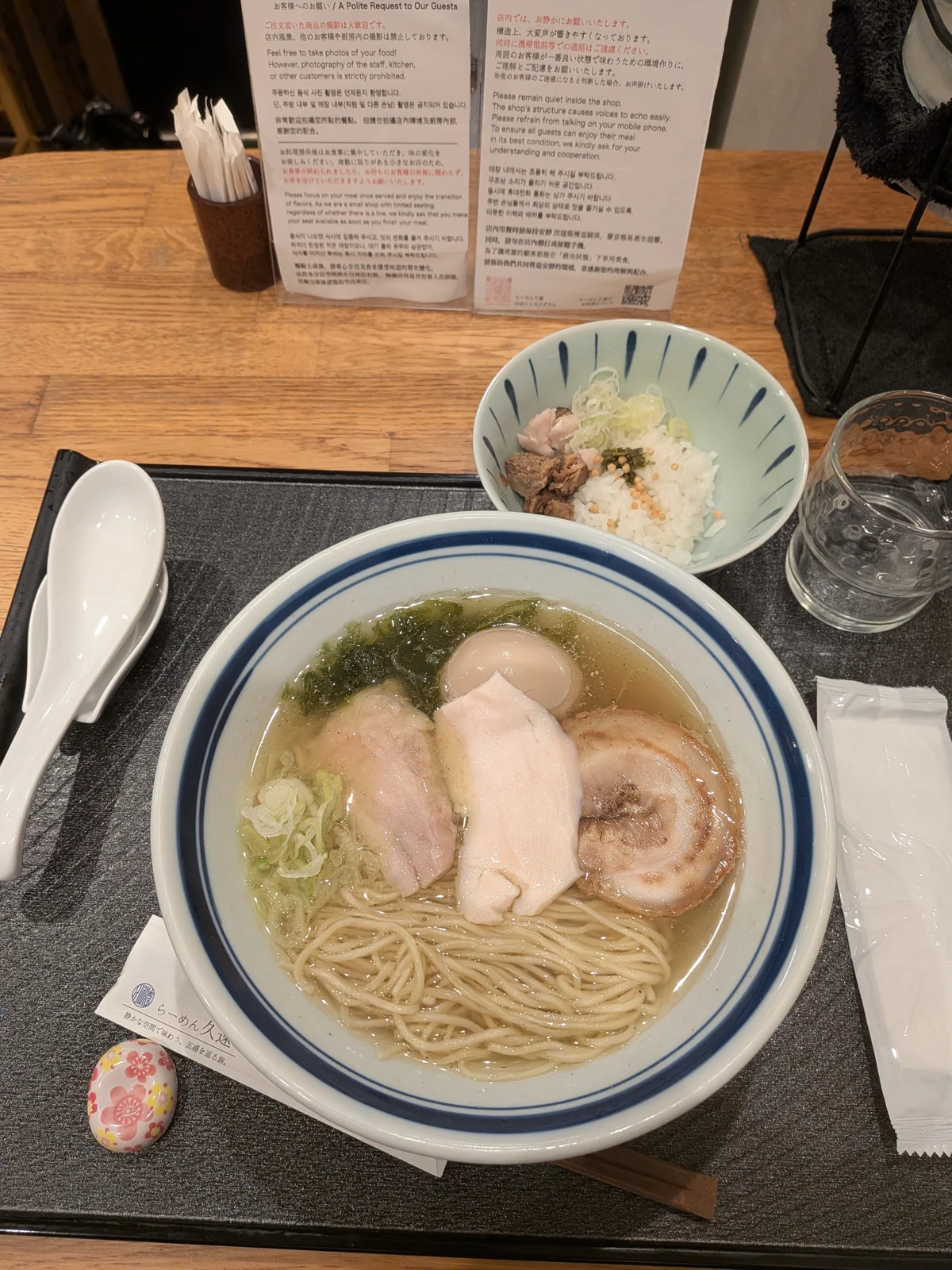
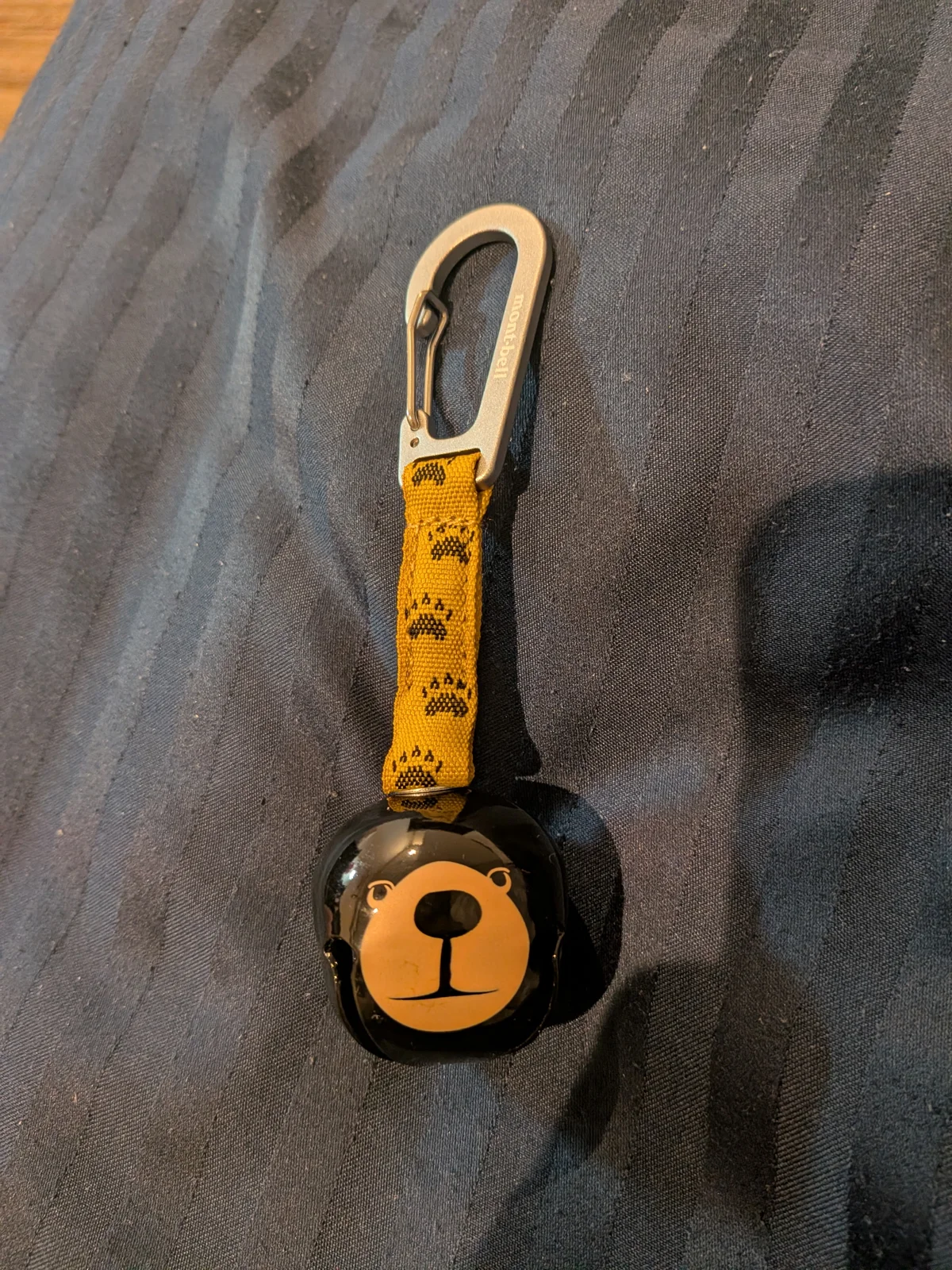
I walked around Osaka Castle, then had lunch at Ramen Kuon, in the basement of Senba Center Building. I ordered the salt soba with egg, yuzu pepper and rice. The chicken-and-seafood broth was excellent. I spent more of the afternoon wandering and shopping, including a visit to Montbell, where I bought a bear bell for the hiking ahead in the Iya Valley and as a souvenir of Japan.
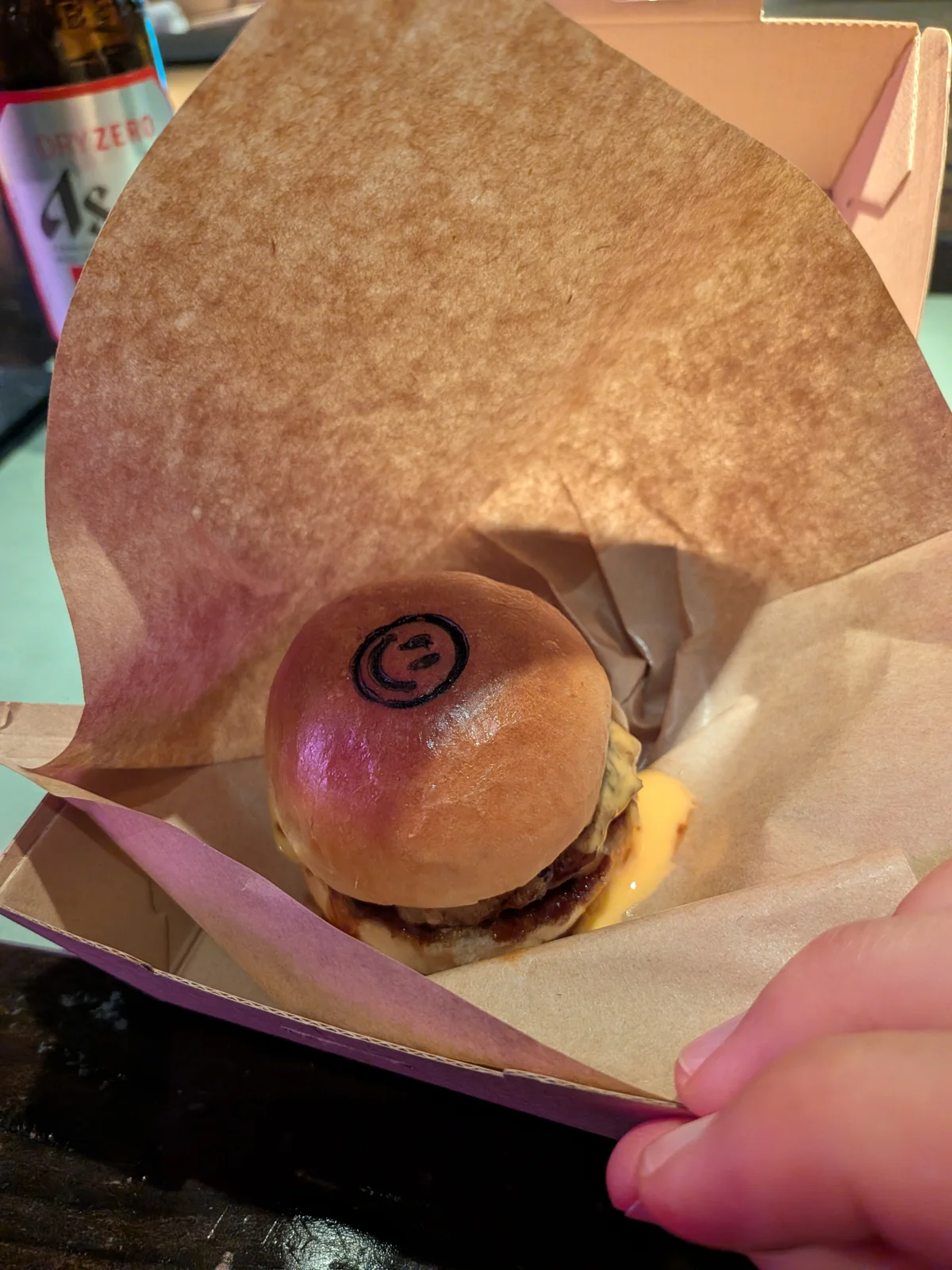
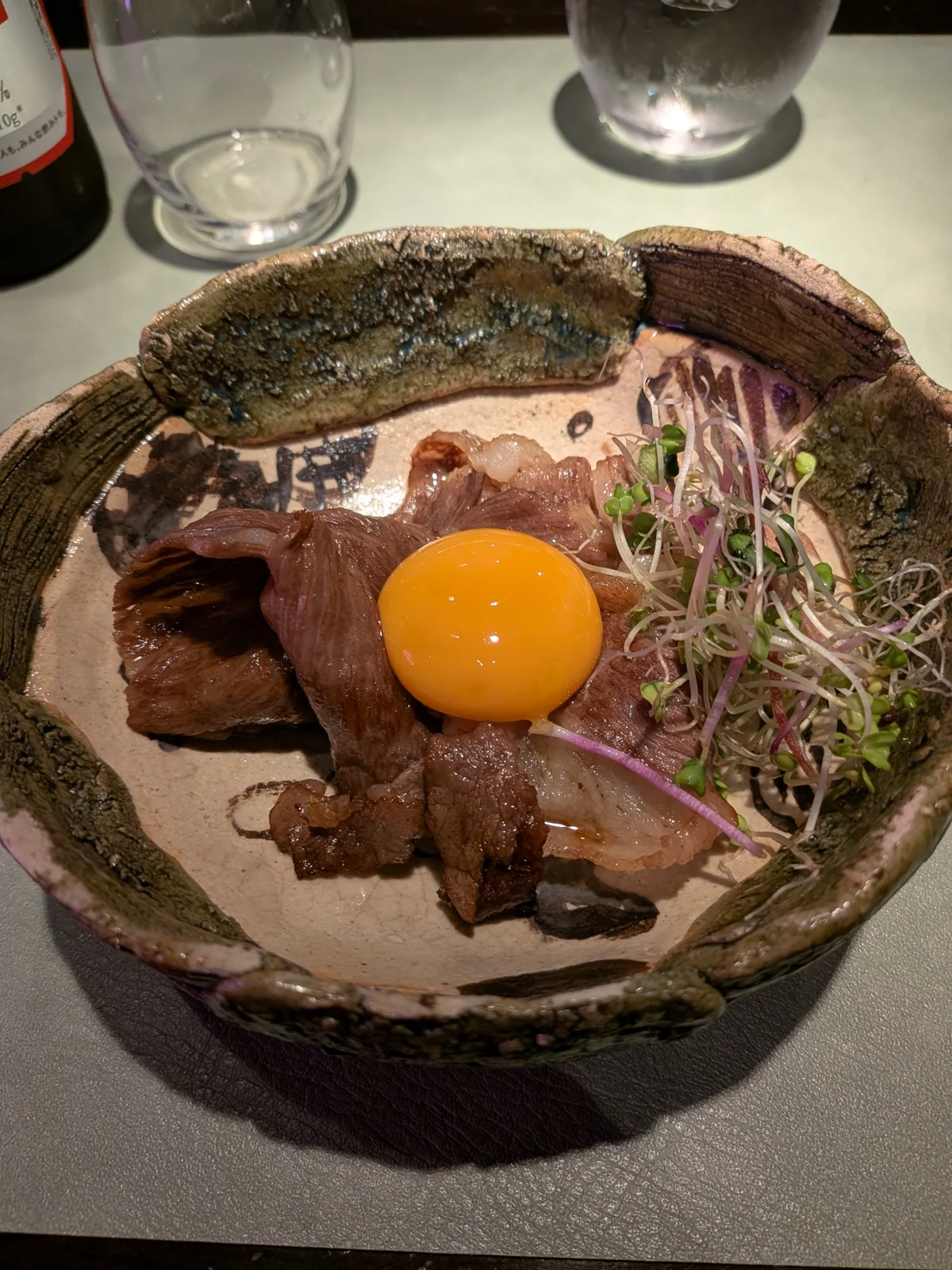
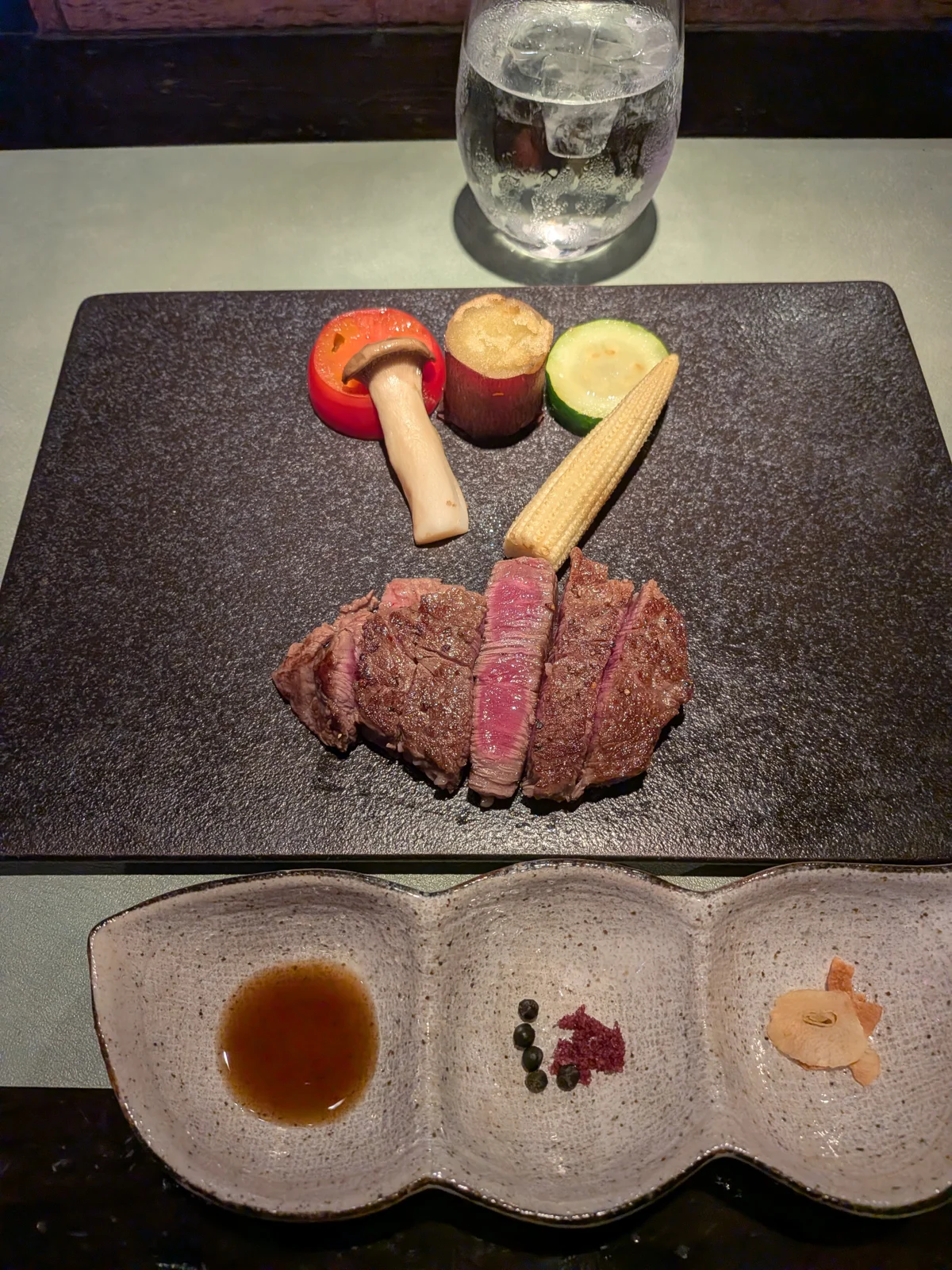
Dinner was a teppanyaki set at Dotonbori Teppan Steak Toyoshimake, featuring A5 Miyazaki wagyu. The little hamburger was juicy, and there was also thinly sliced beef with egg. The steak served with salts and spices was the highlight, some of the nicest meat I have eaten.
The company was memorable too. There was a very well-travelled Israeli man, an American couple and an American family. In conversation we discovered that we had all found the restaurant through ChatGPT, independently looking for somewhere that was not too touristy. My own search had particularly emphasised Tabelog. It was funny to end up at the same counter. The courses were not synchronised, though, so conversation with the man beside me kept falling into an awkward rhythm: one of us eating while the other waited, then the reverse.
I enjoyed the food, but at around £50 for a course advertised with 80g of wagyu, I wanted more meat. It did not feel as compelling as some of the exceptional inexpensive noodle meals I had been eating. A very nice meal, but not a Michelin-level experience.
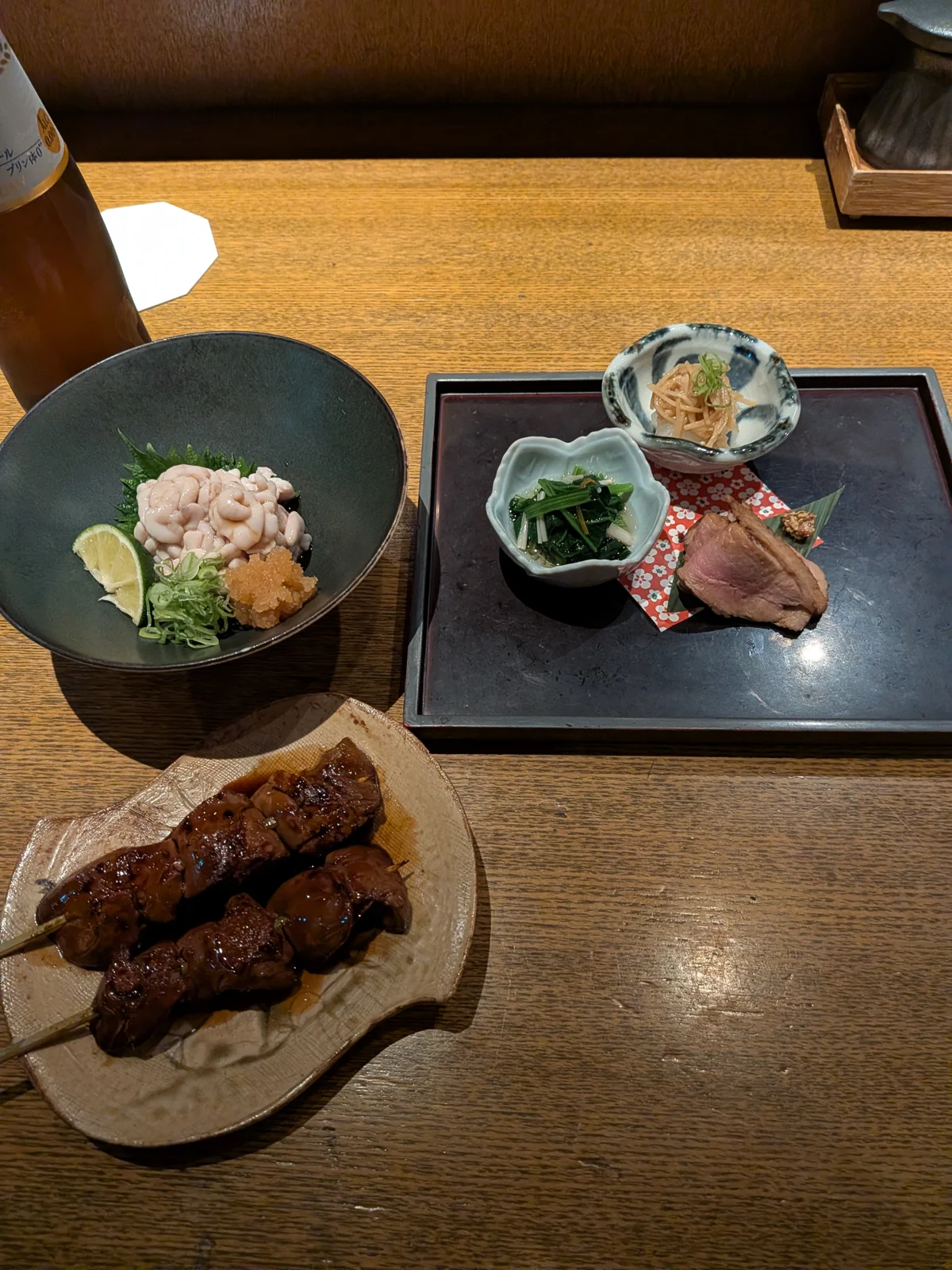
I tried another small jazz bar, Groovy, but its only suitable alcohol-free option was an expensive ginger ale, so I left. Not drinking occasionally makes these places harder to experience. A conversation at dinner had made me want to try shirako, so I sought it out at Shanimuni. This turned out to be a more refined counter restaurant than I had expected.
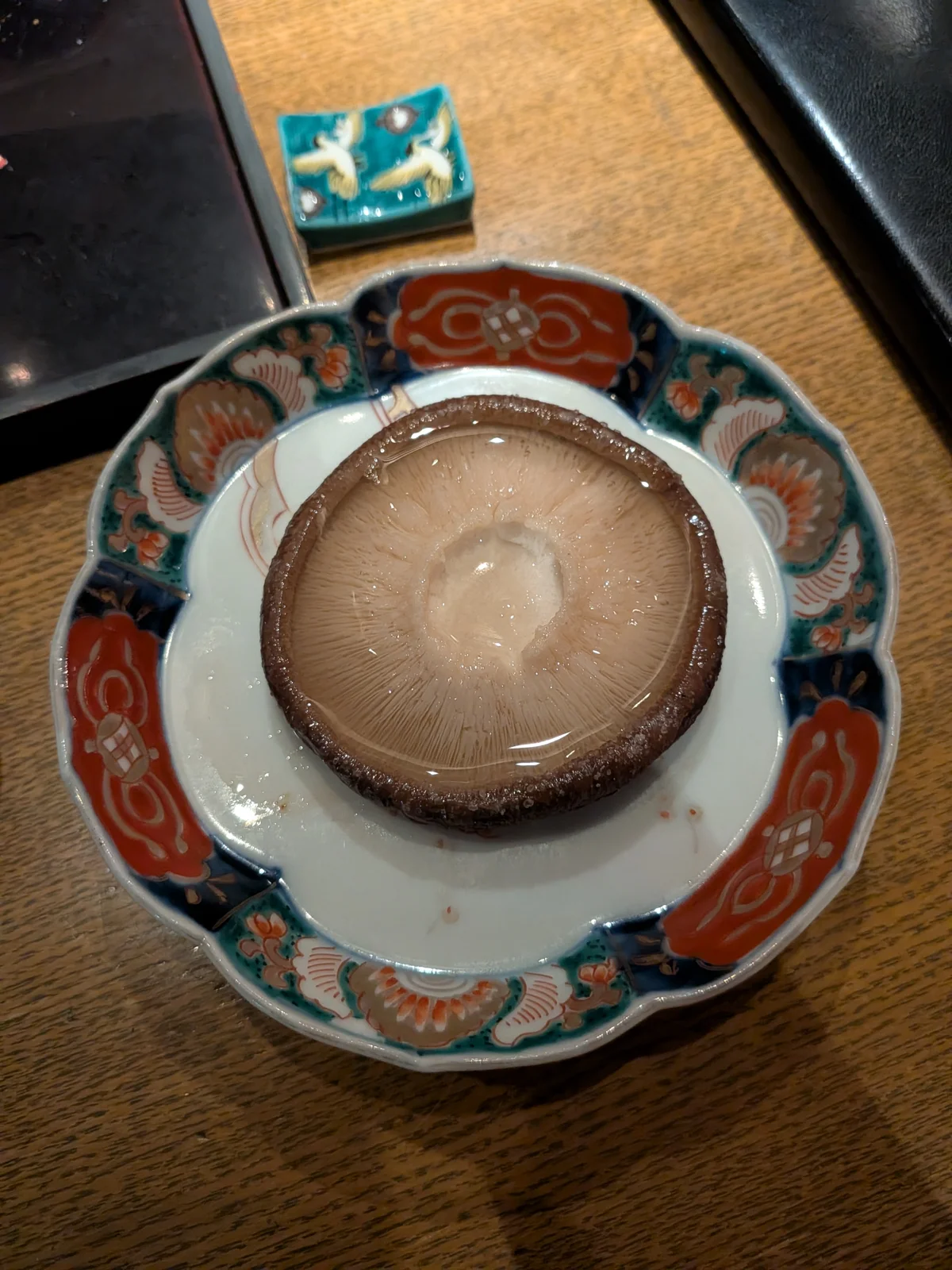
The shirako, cod milt served with ponzu, was creamy, mild and unusually textured: weird in a good way. I was glad I had gone looking for it. Chicken liver skewers were excellent, with the intense iron-rich flavour I am realising I really like, and the grilled shiitake was earthy and delicious. There were small appetisers and an alcohol-free beer too. The portions were small, and the extra charges added up, but it was a memorable meal. Izakaya seems to cover as broad a range as British pubs, from scruffy standing bars to quite sophisticated restaurants.
Friday 13 November: One last bowl before leaving
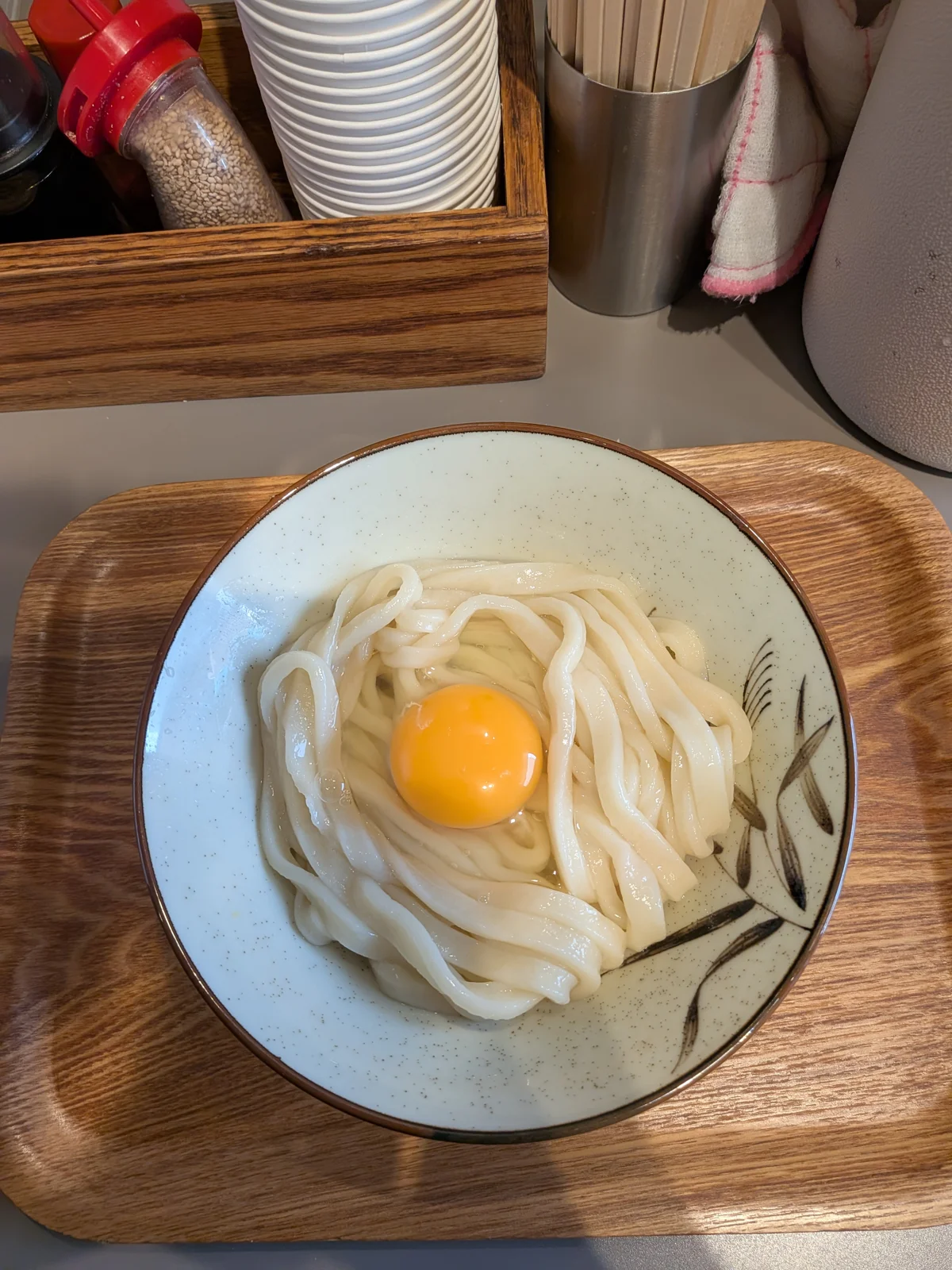
After breakfast and checking out, I wanted one last noodle meal. Kamatama udon had become something I kept craving, even after several excellent bowls of ramen. I reached Udon Kyutaro at 10:50 and was first in line for the 11:00 opening.
At the standing counter I mixed the egg into the hot noodles, adding soy sauce and toppings. The preparation was so simple, and the chew and texture of the noodles were fantastic. Possibly the best udon of the trip. I was glad I had squeezed in another distinctive meal before leaving.
I took the metro to Shin-Osaka and reached the platform for the onward journey. I could happily have spent another night in Osaka, with its energy and the number of interesting places to eat. But I was also excited to return to nature, with the Iya Valley next.