Japan, part four: Shikoku and back to Tokyo
13 to 18 November 2026
Friday 13 November: Osaka to the Iya Valley
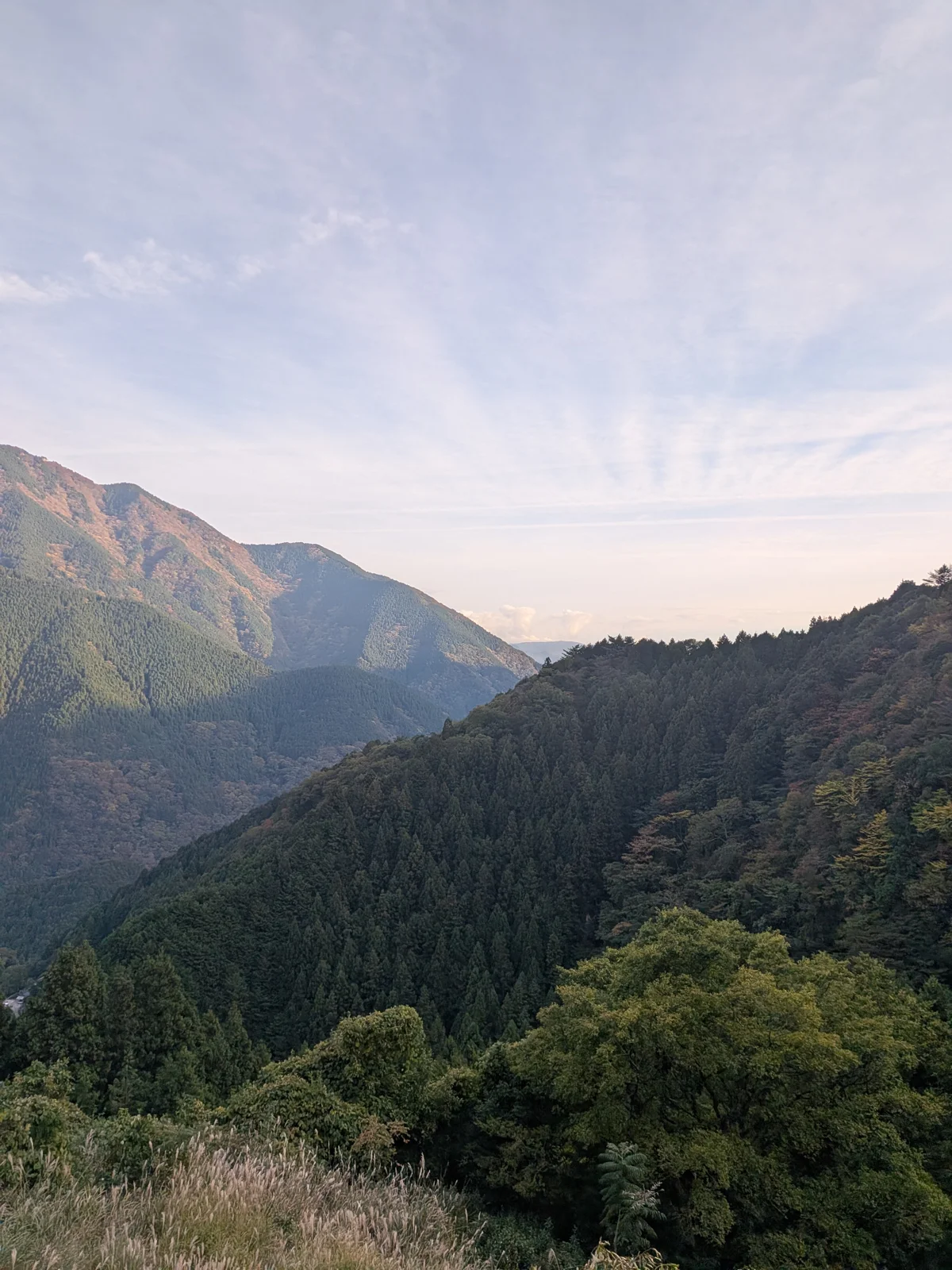
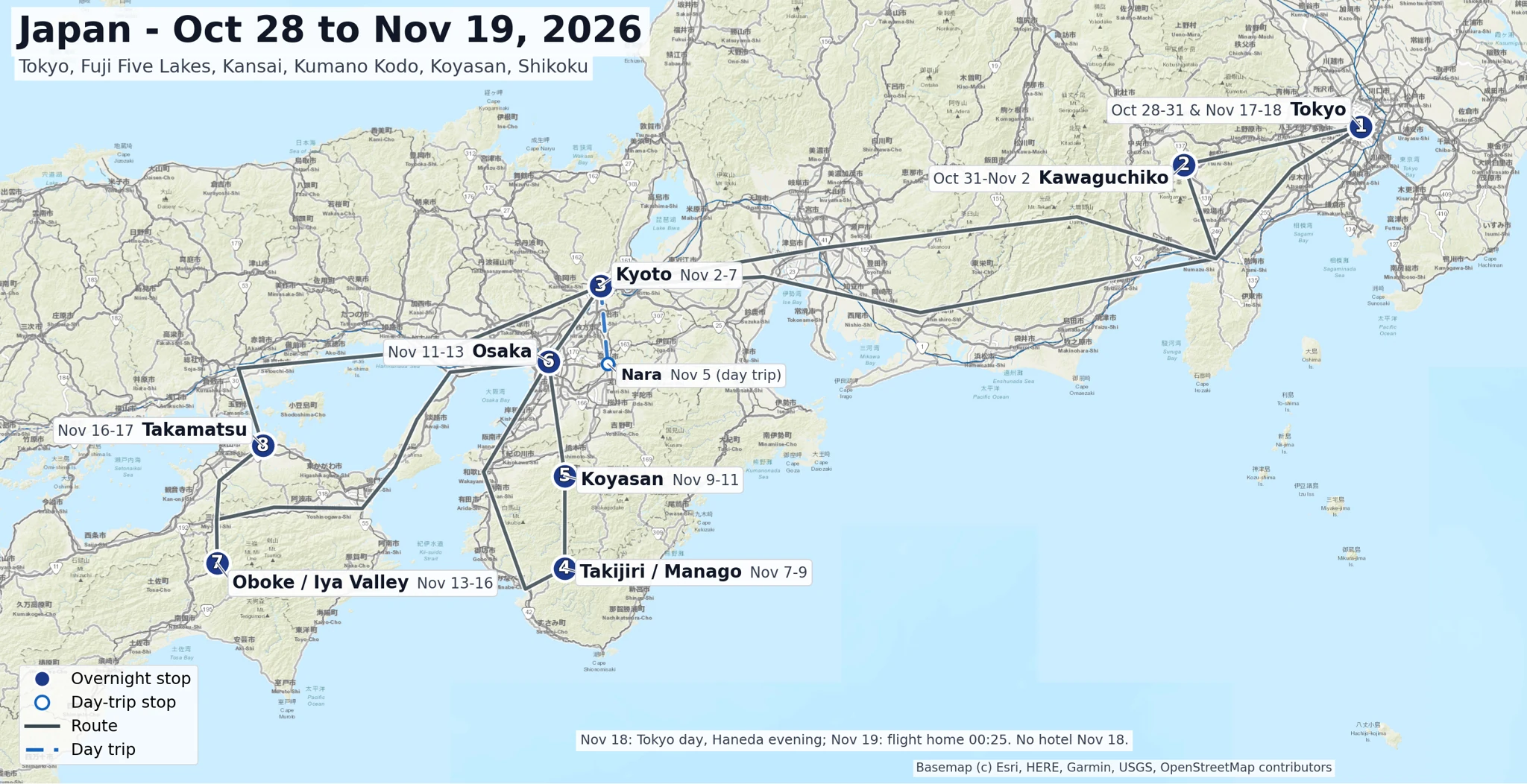
I had chosen the Iya Valley in Shikoku for its remoteness, mountain scenery and traditional rural culture. I wanted a quieter contrast to Kyoto and Osaka, with fewer tourists and the chance to spend a proper day hiking in the mountains.
From Shin-Osaka, I travelled via Okayama to Oboke. The journey across to Shikoku was phenomenally beautiful: islands, sunny hills and slopes covered in trees. The hotel shuttle collected me, and after checking in I went for a short walk uphill beside the hotel before using the onsen.
I was staying at Sunriver Oboke. My room had no shower, so washing meant using the onsen facilities. I found it funny that my room did not give me a private option.
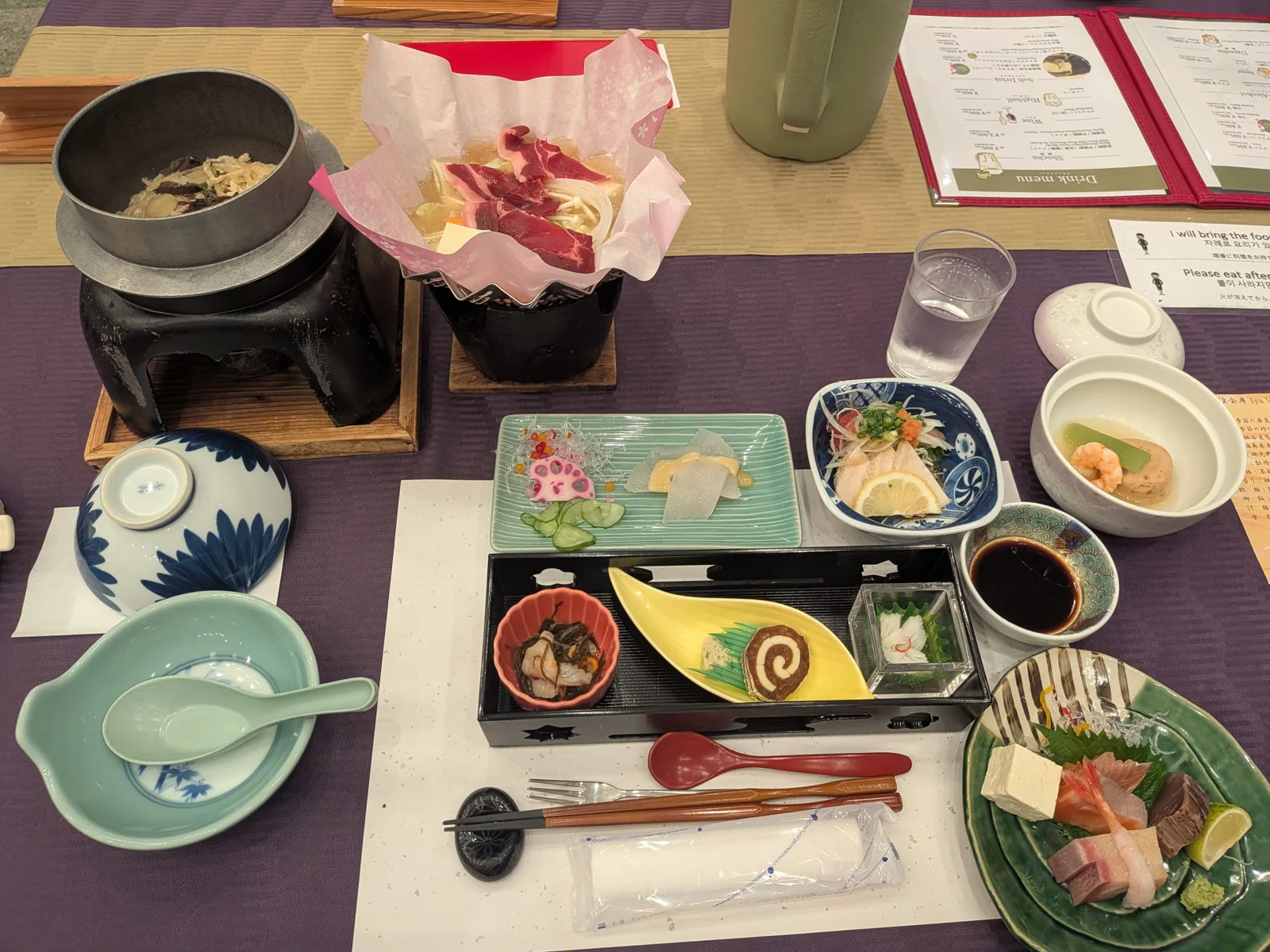
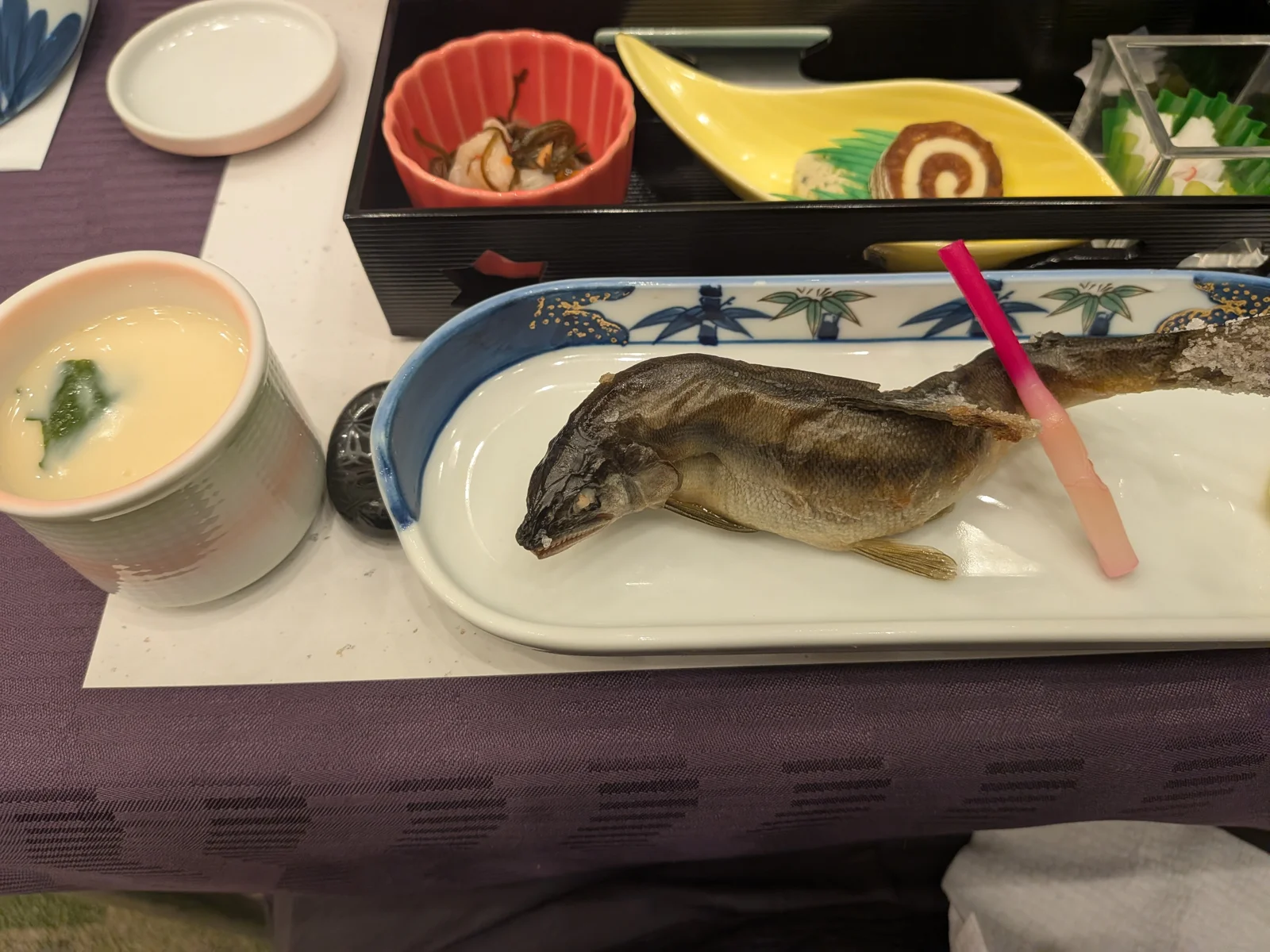
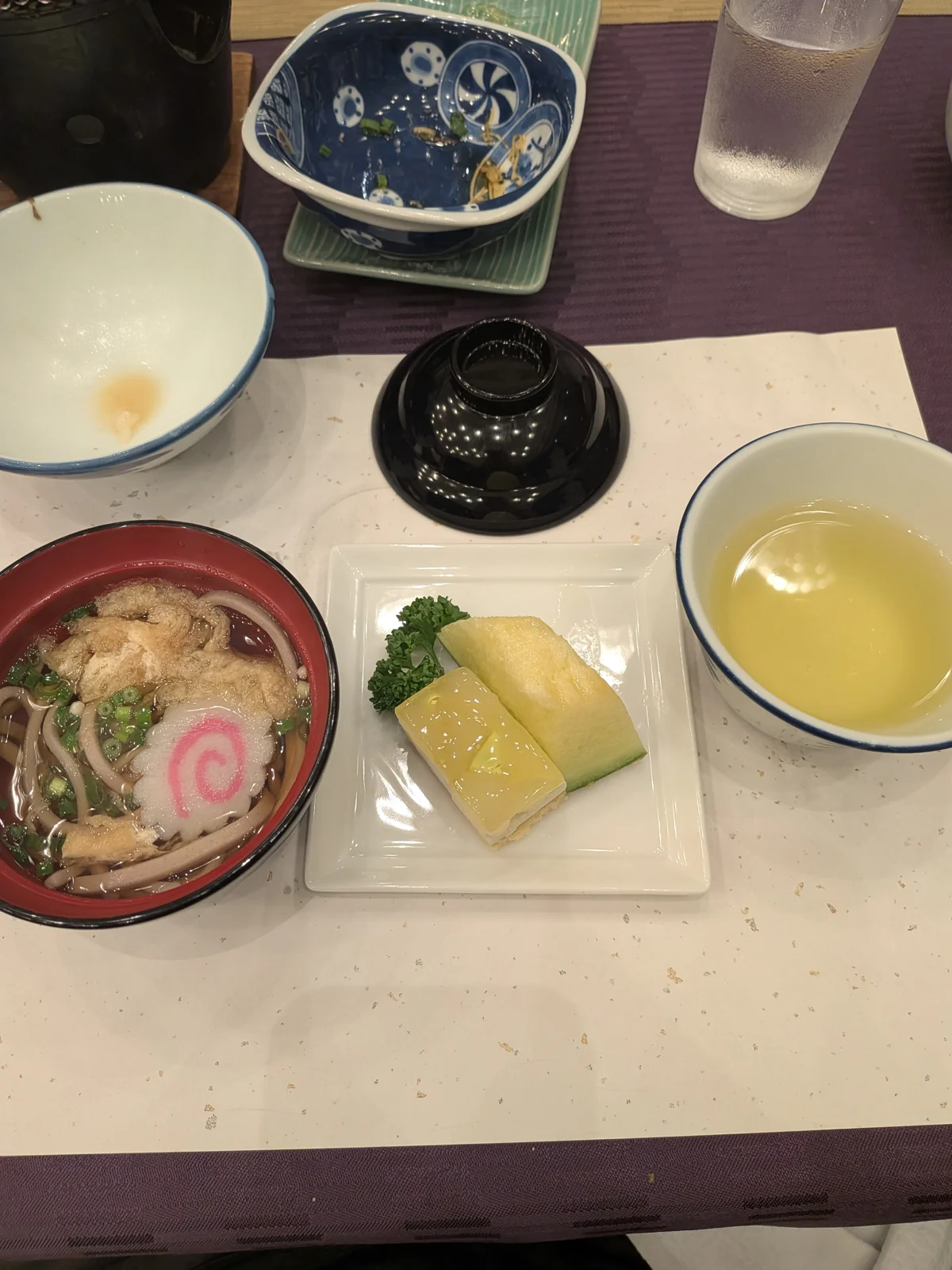
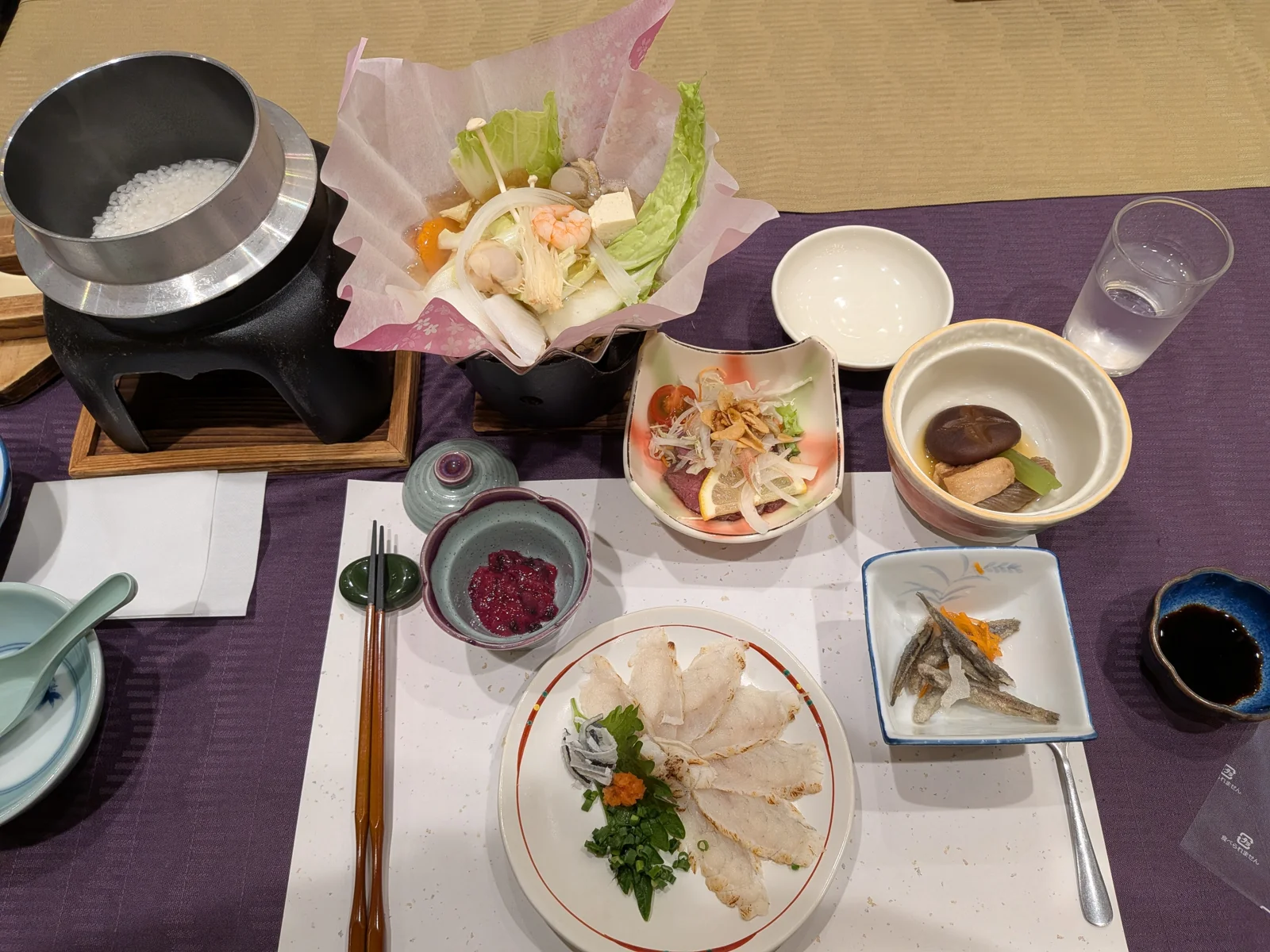
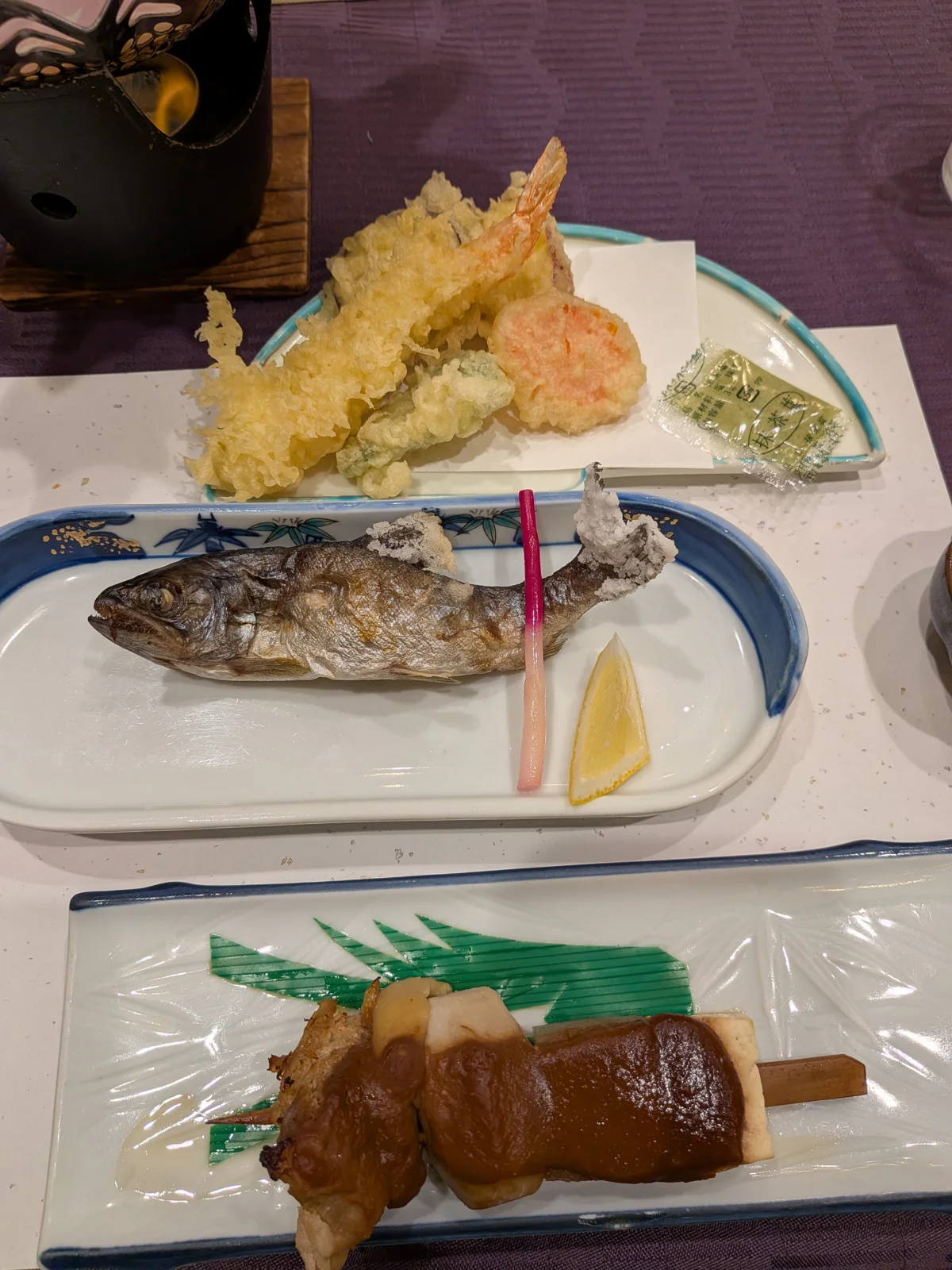
Dinner was initially overwhelming. There were about ten dishes already on the table, a printed menu card, and a server explaining the courses while I was still trying to get my bearings. Once I had worked out what was happening, it was excellent. The sweetfish, or ayu, was amazing, both in texture and presentation, and the sashimi was exceptionally buttery and smooth. I loved the little pickles and appetizers, and the chawanmushi with mushrooms and prawns. The wild boar and mushroom hot pot was hearty, with wonderfully silky mushrooms. Towards the end, delicate soba in a light broth arrived alongside cheesecake and melon, a combination that worked much better than I would have expected. Afterwards I walked to Lawson for snacks, excited for the remaining nights.
Saturday 14 November: A hike and an unexpected shave
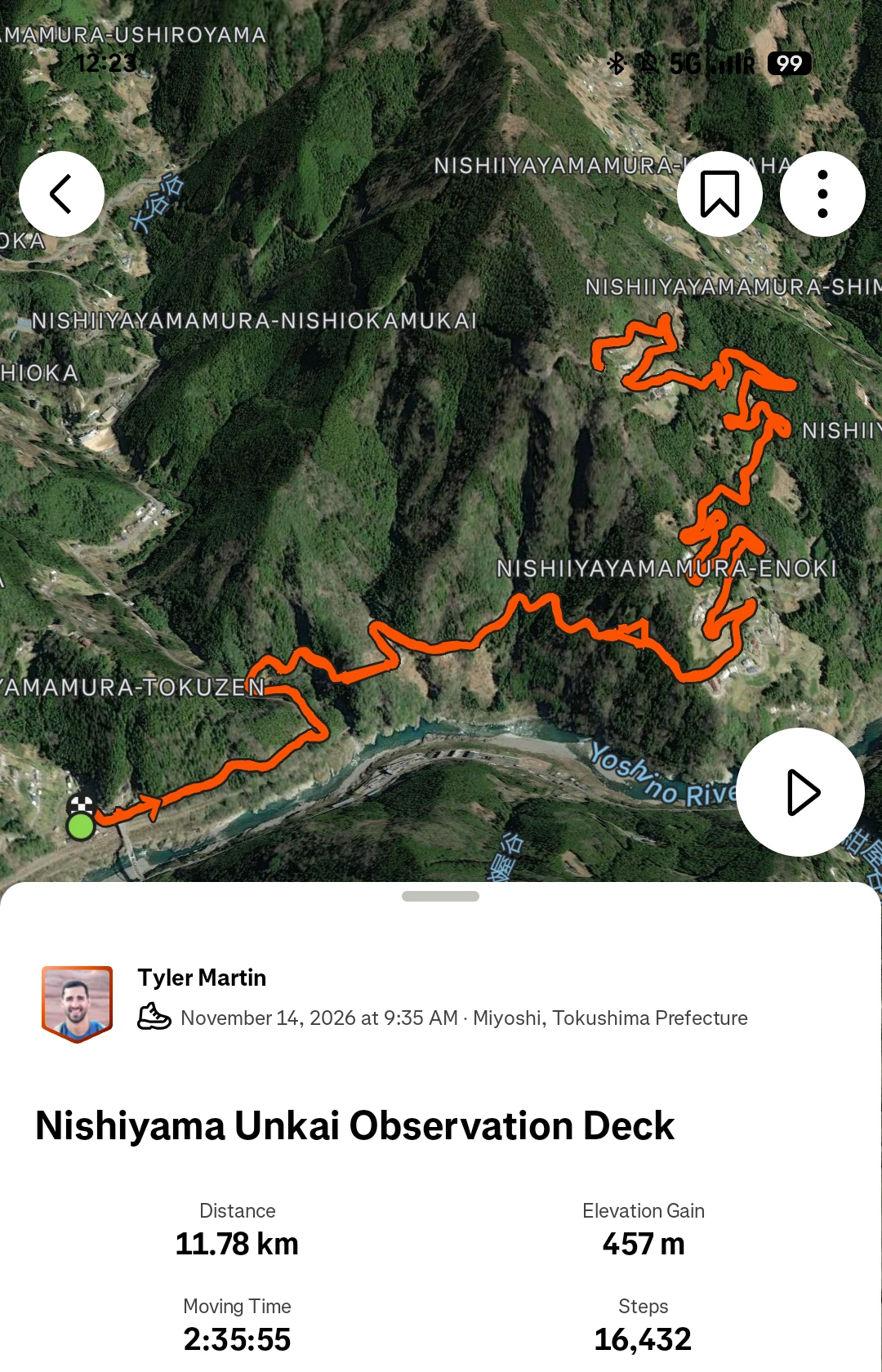
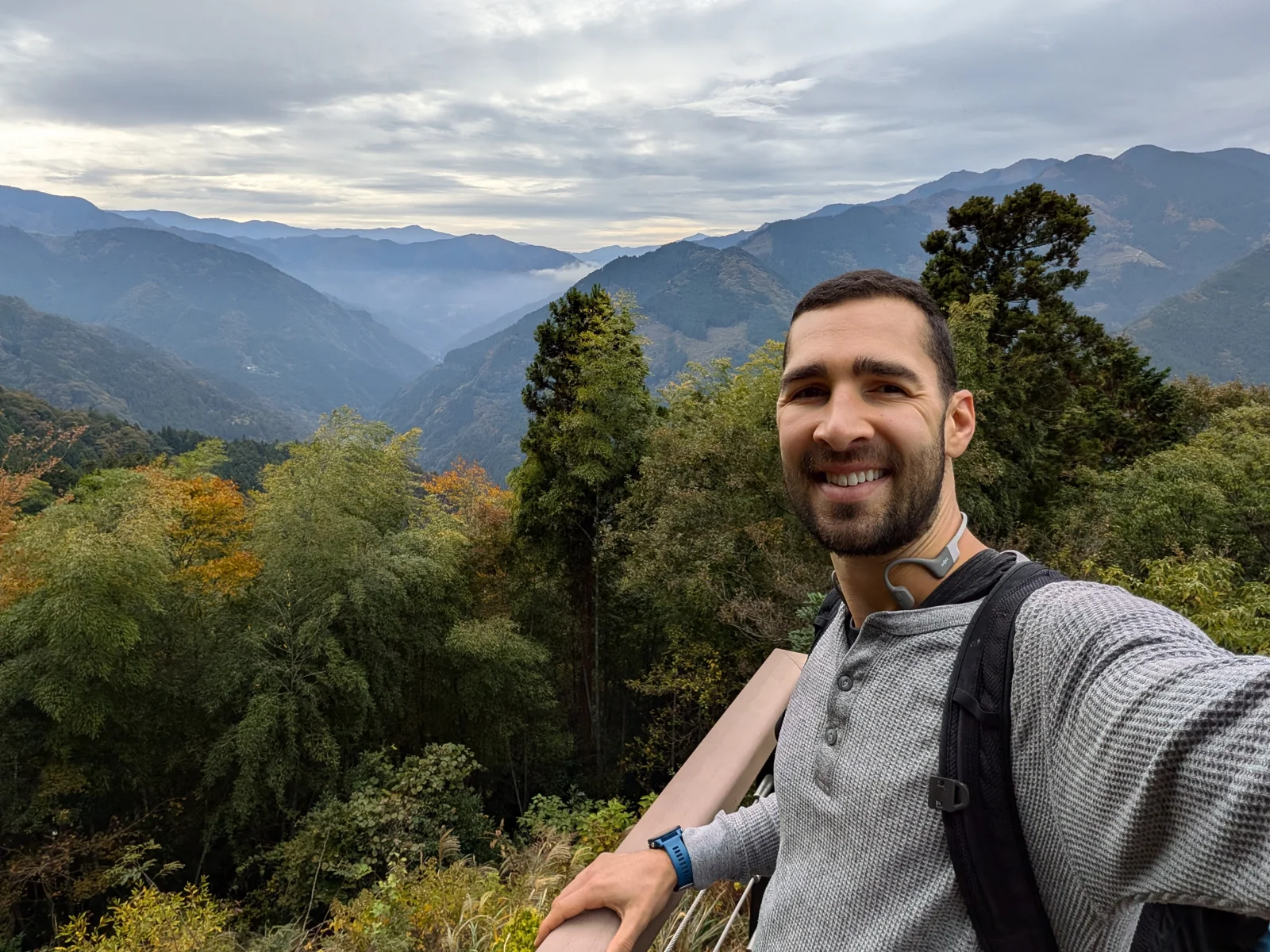
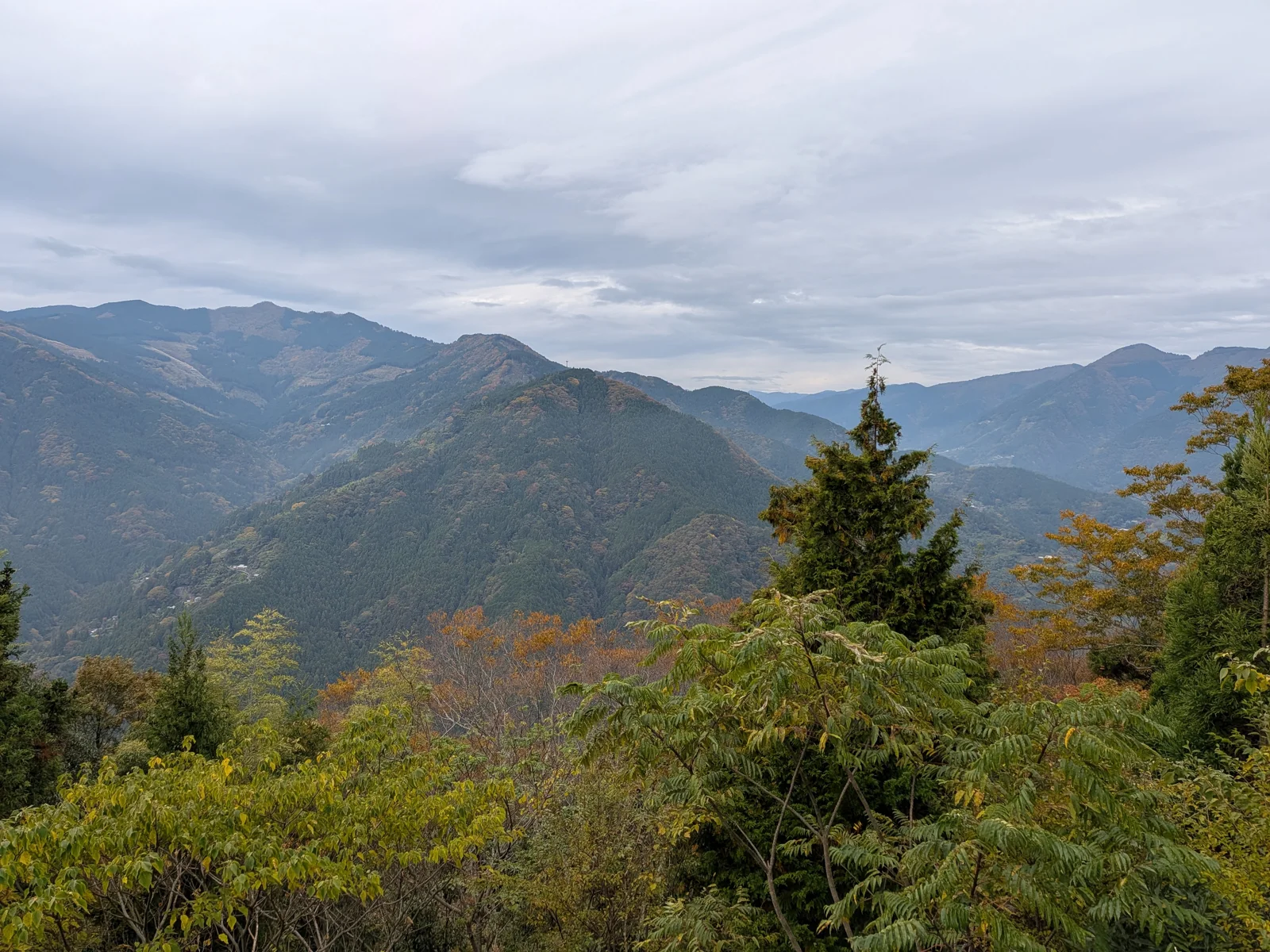
I had originally planned to climb Mount Kunimi via the Old Kunimi Trail from Oboke Station. My foot was sore, so after breakfast at Sunriver Oboke I chose the more relaxed option: a walk up to Nishiyama Unkai Observation Deck, following switchbacks above the Yoshino River. It was a shorter hike with views across the mountain valley.
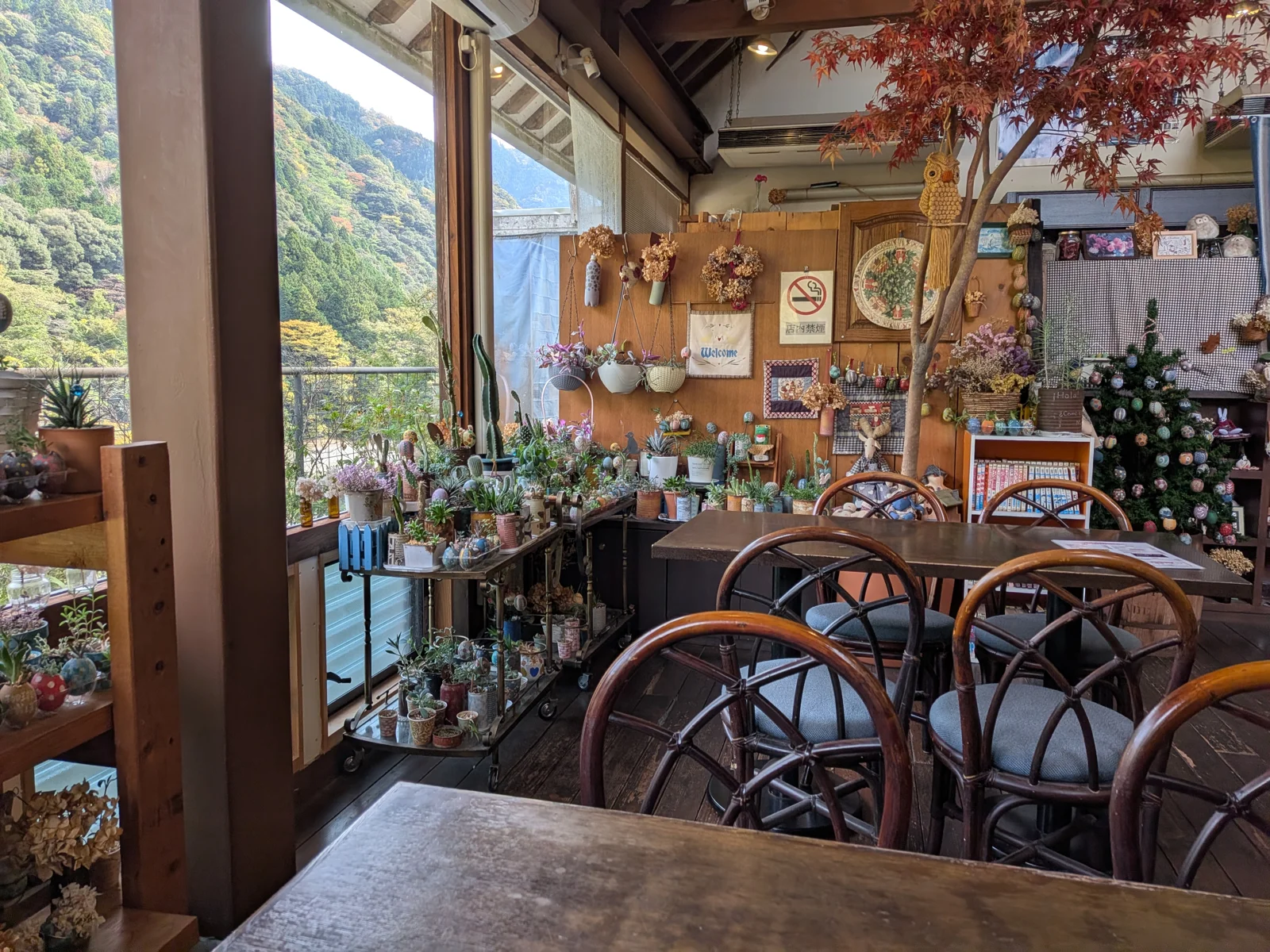
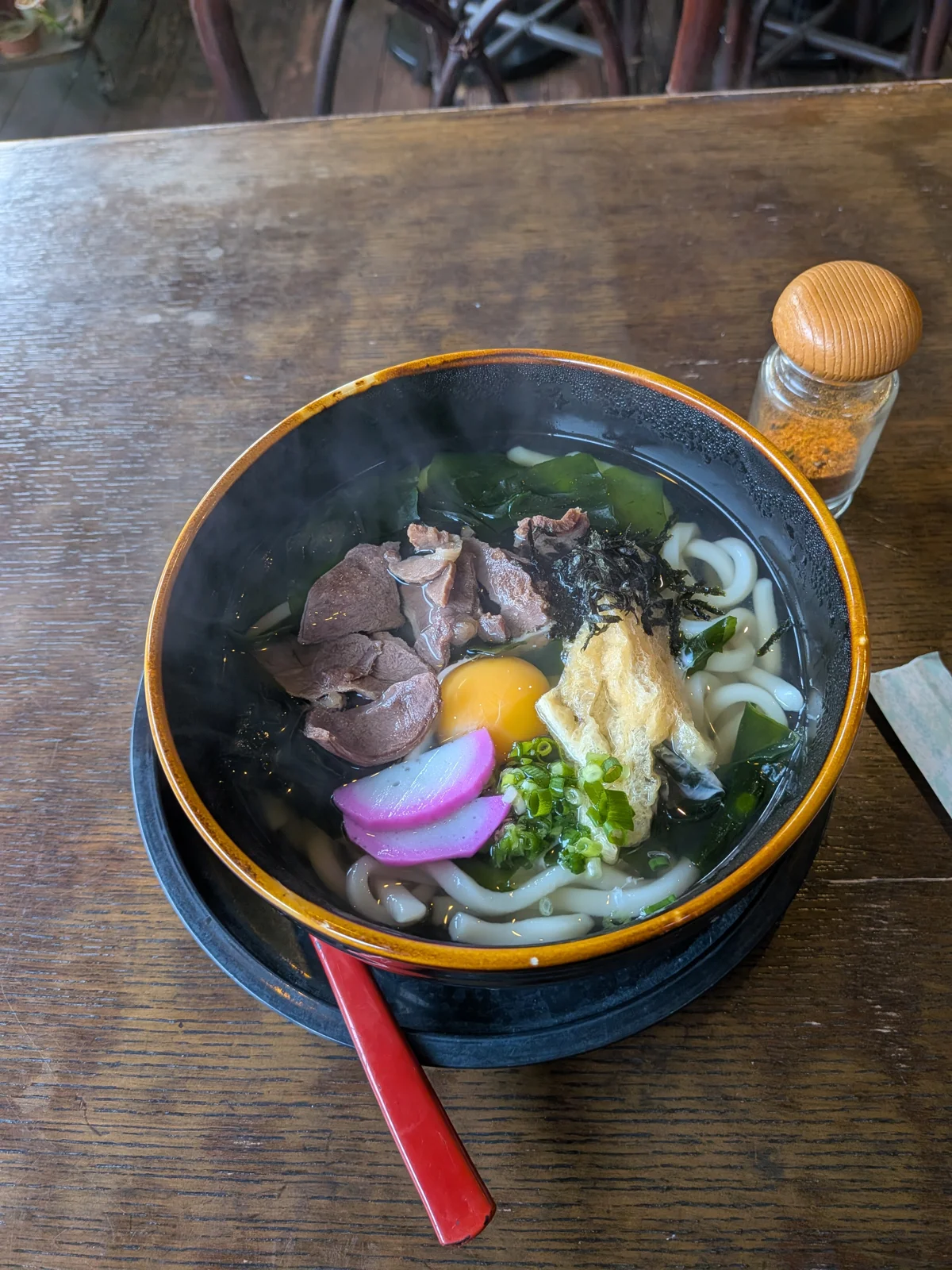
For lunch I first tried Boke Mart 2, but it was closed, so I went to Coffee-kan Oboke for venison udon. The café had a cosy wooden interior and views out towards the mountains and autumn leaves.
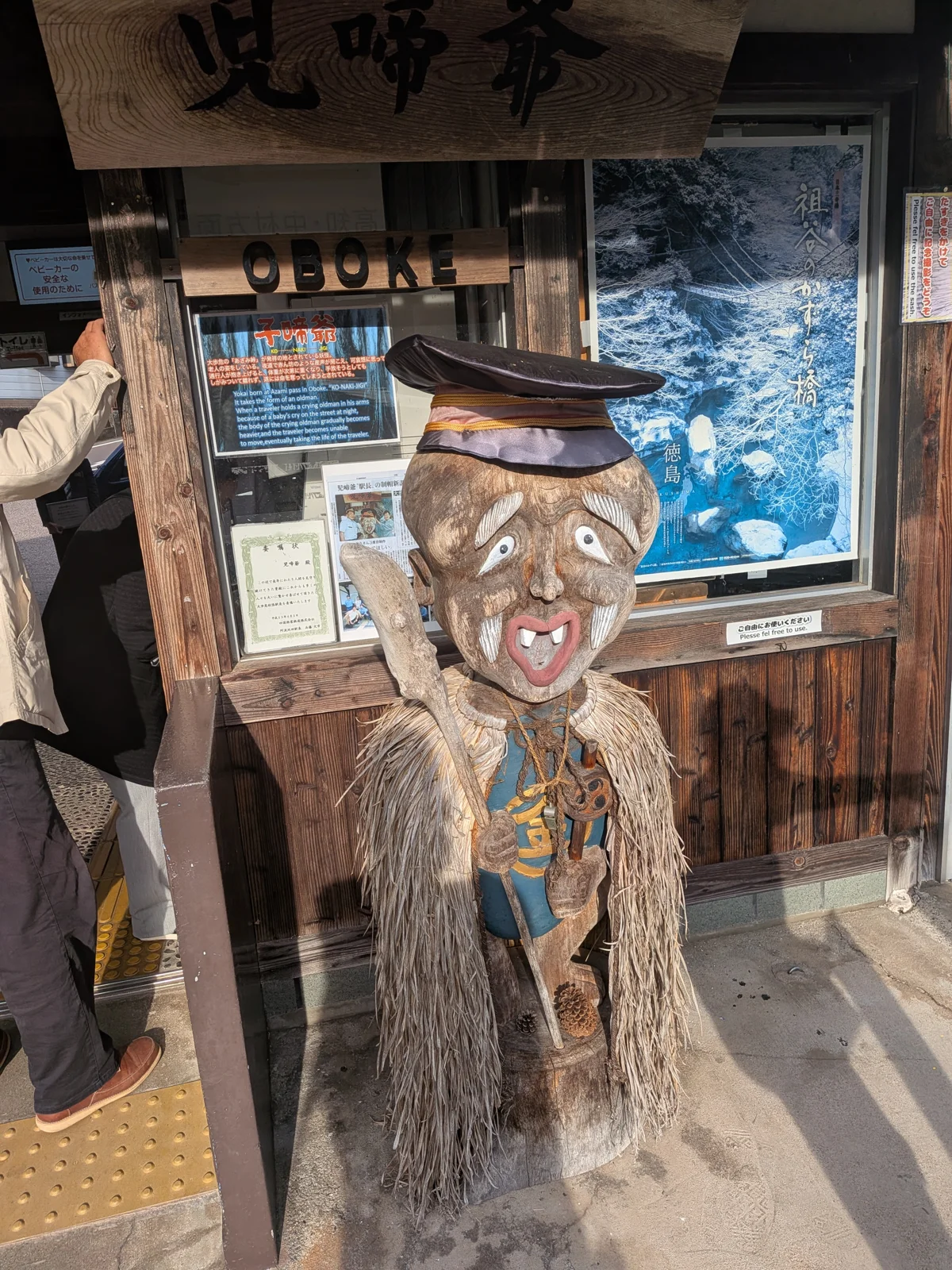
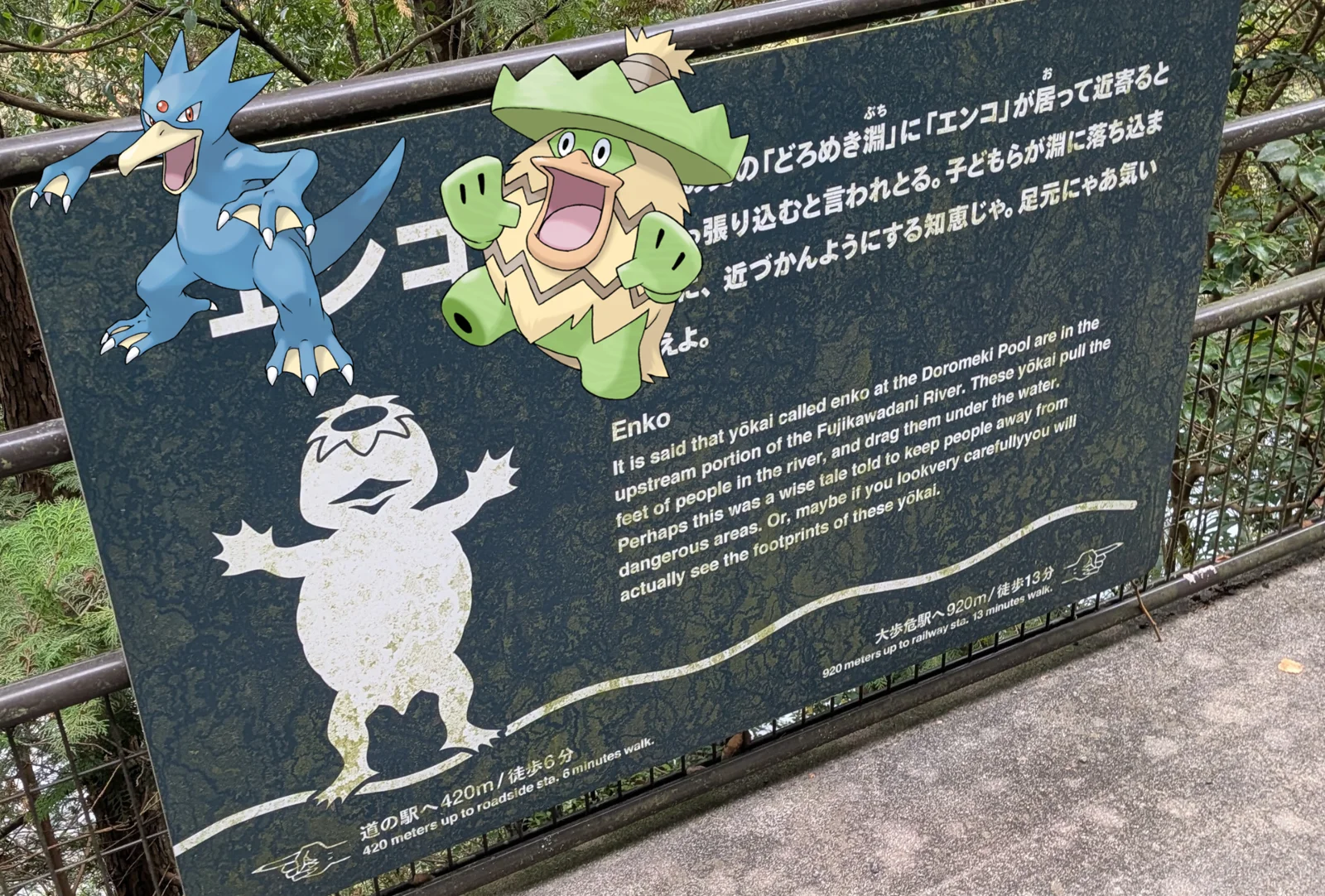
I loved Pokémon games as a kid, so the local folklore caught my interest too. The Oboke and Iya area has stories about yōkai, supernatural creatures, and nearby Oboke has a Yokai Museum. Some Pokémon draw on these Japanese folklore traditions. The sign I photographed described an enko, a river creature said to drag people underwater; it reminded me of Golduck, which is associated with the kappa water spirit. I added Golduck and Ludicolo to the picture for comparison.
On the walk back towards the hotel, I tried to get my beard trimmed. My razor had broken earlier in the trip, and after persistent use of translation I thought the barber and I had reached an understanding. Then the shaving cream appeared. This was going to be a shave, not a trim. I was already in the chair, so I decided to go with it. It was relaxing, but took long enough that I skipped the haircut. I also had my eyebrows done, which felt like quite a high-risk request.
Sunday 15 November: An unsuccessful lunch and a very generous lift
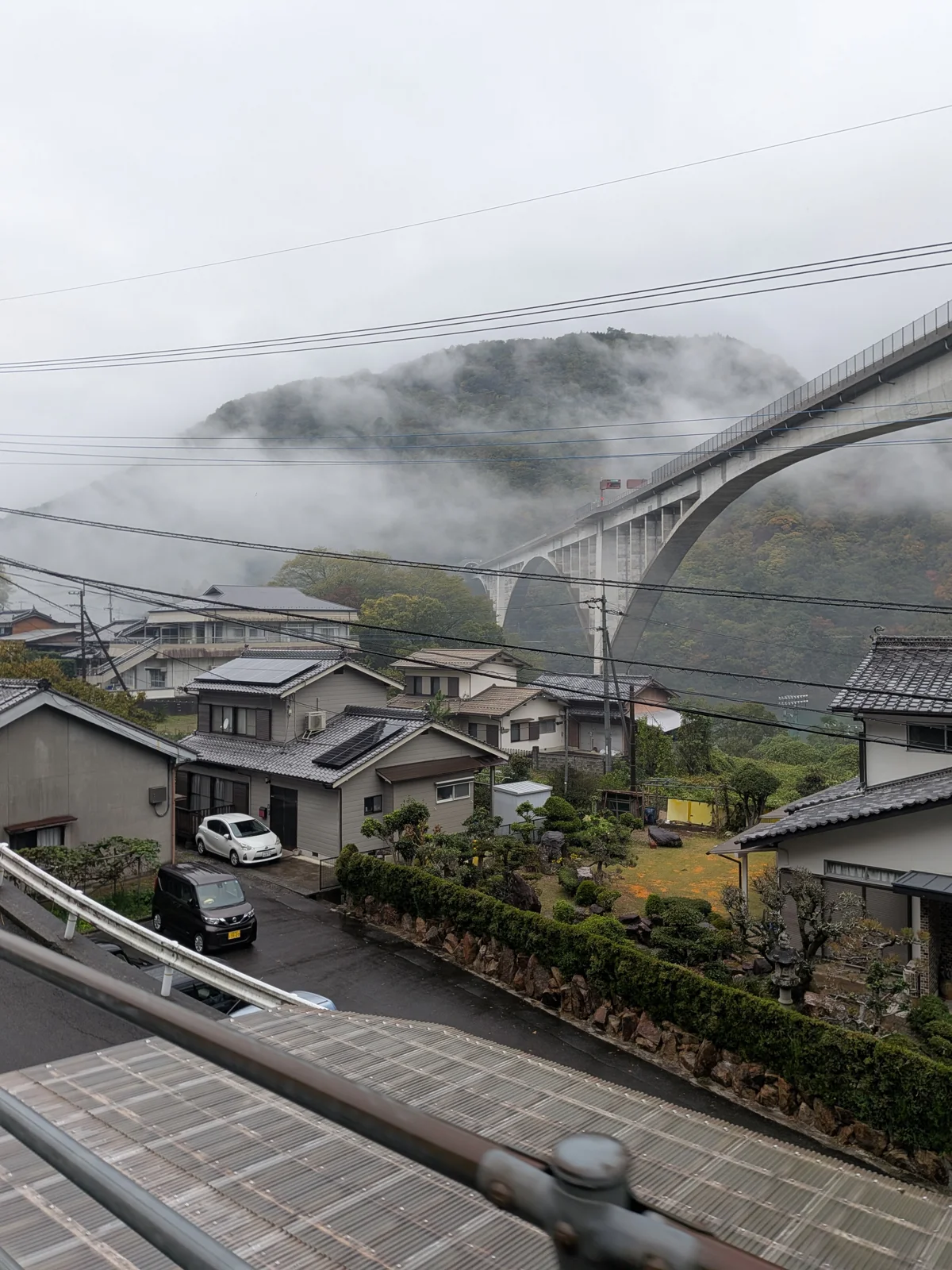
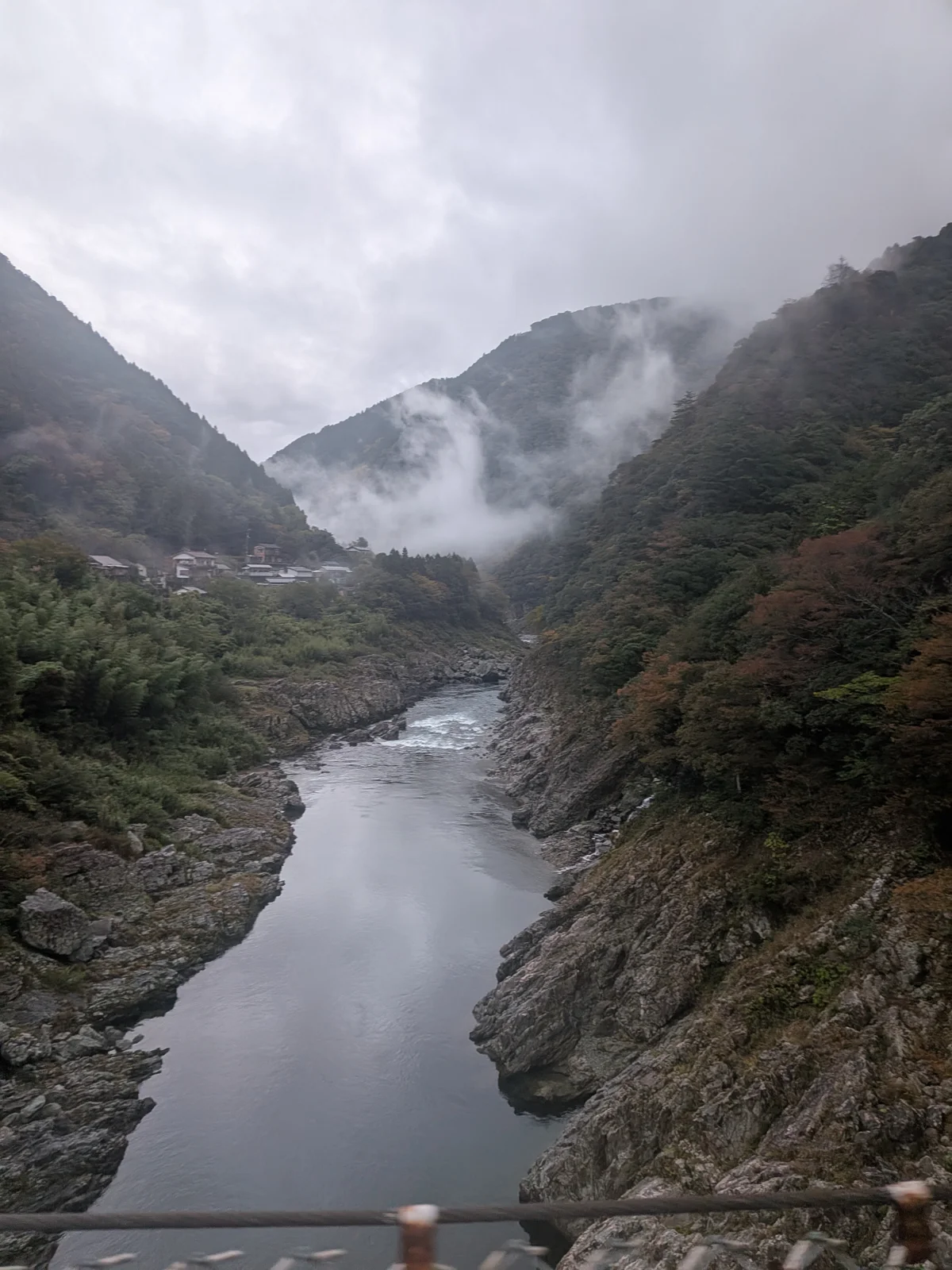
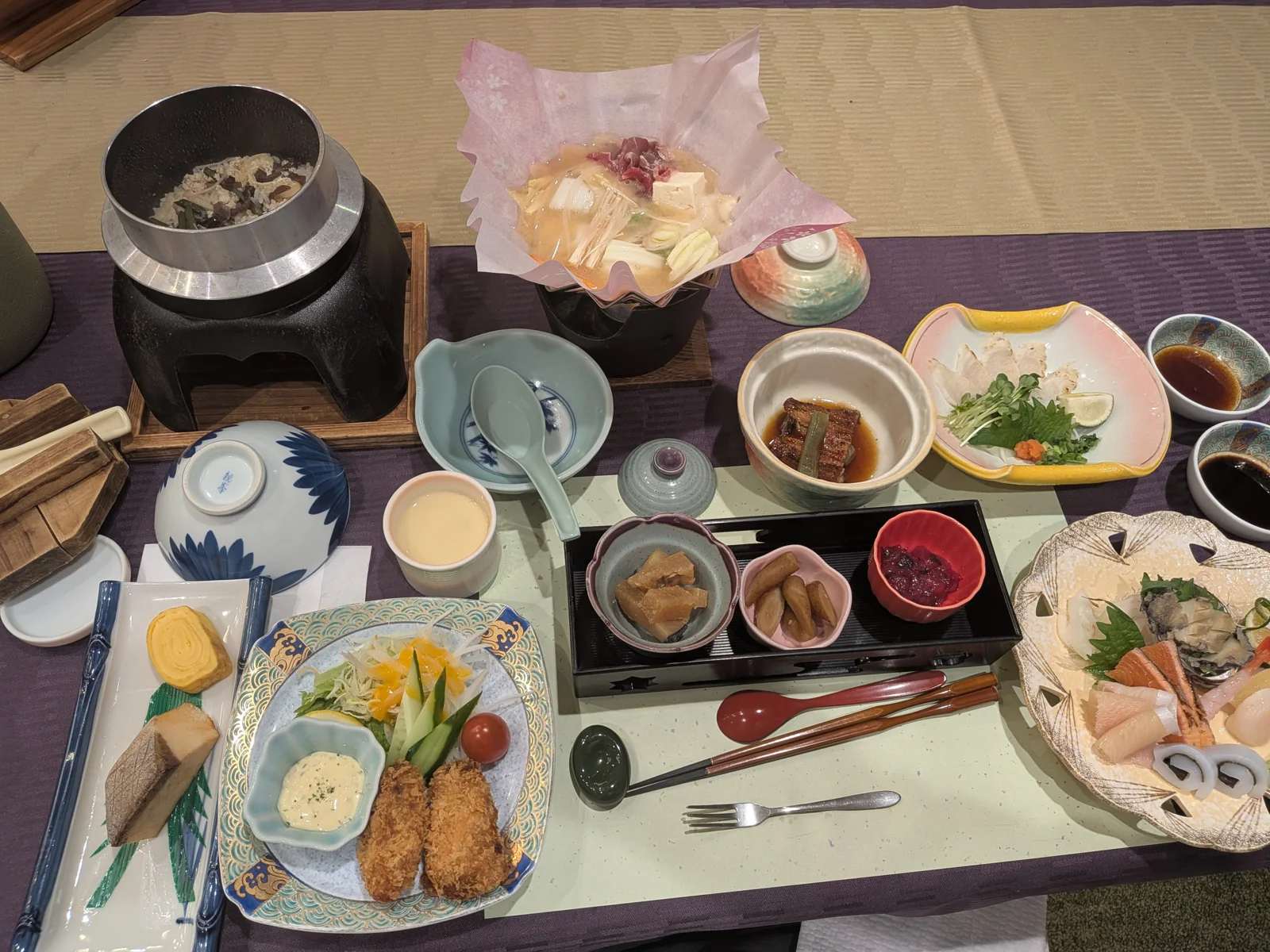
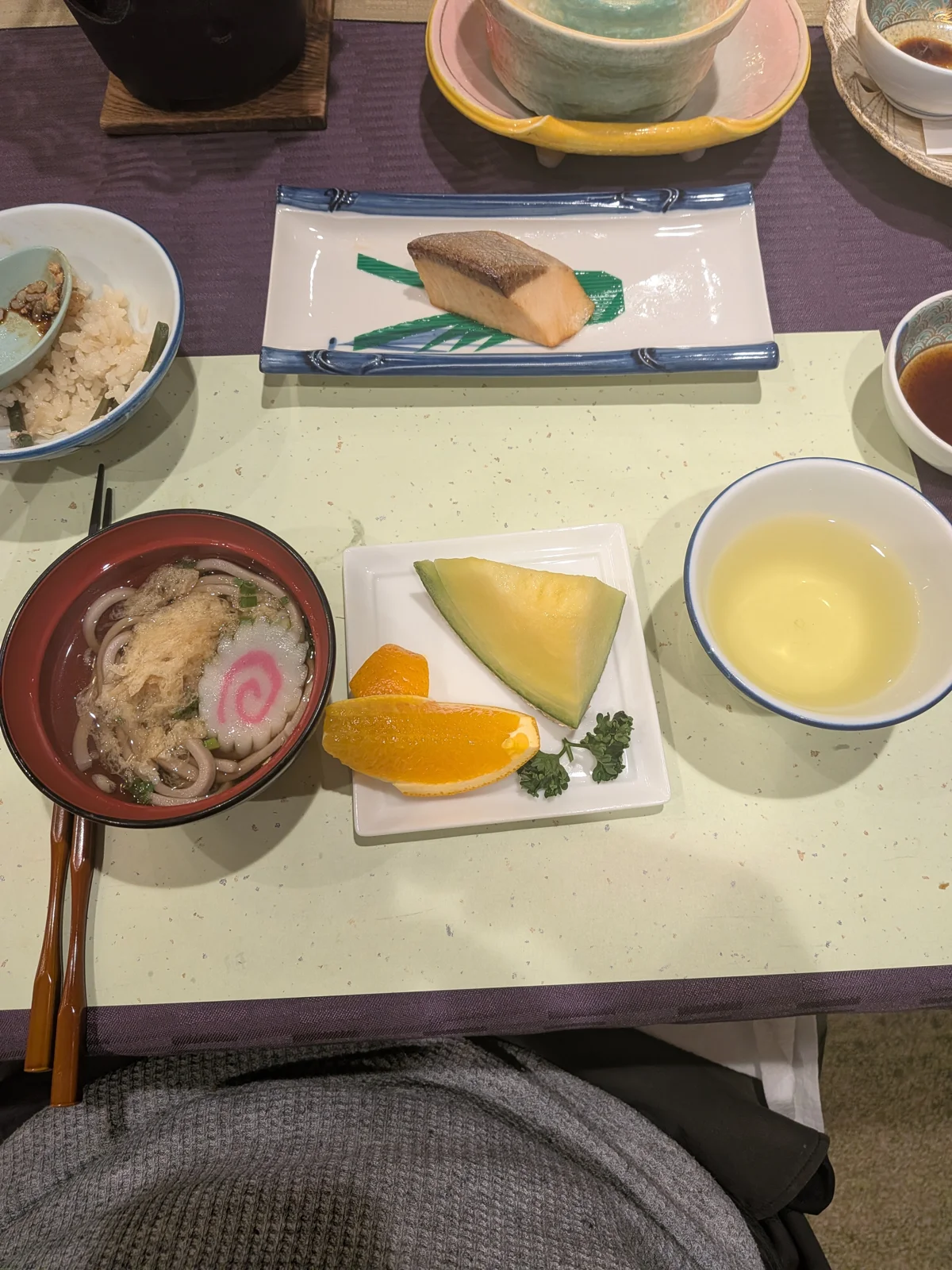
My foot was still sore, and it was a cloudy, rainy day with mist hanging over the hills, so I took things really easy. I had a relaxed breakfast and coffee before heading out.
At about 14:30, I tried Hand-made Udon Noodles Furin, a small place beside a sports ground and a large bridge. It was advertised as closing at 15:00. The lights were on, the door was unlocked and the sauces were out, but I could not work out whether I could get lunch. An elderly woman inside seemed to be napping or snacking. I tried greeting her several times and using Google Translate, but got no response, and nobody else appeared. Eventually I left without any food.
A video by one of my favourite travel creators had helped give me the confidence to try hitchhiking. I approached a man leaving a car park. He was going in the opposite direction, but offered to drive me back to Sunriver Oboke anyway, about half an hour out of his way. He was around 70, spoke enough English for us to have a conversation, and told me he was a poet. We talked about poetry and haiku, where I was from, my travels and my impressions of Japan. He liked Kyoto’s Golden Temple. When we arrived, he refused payment. I could hardly believe I was experiencing this. He made my day.
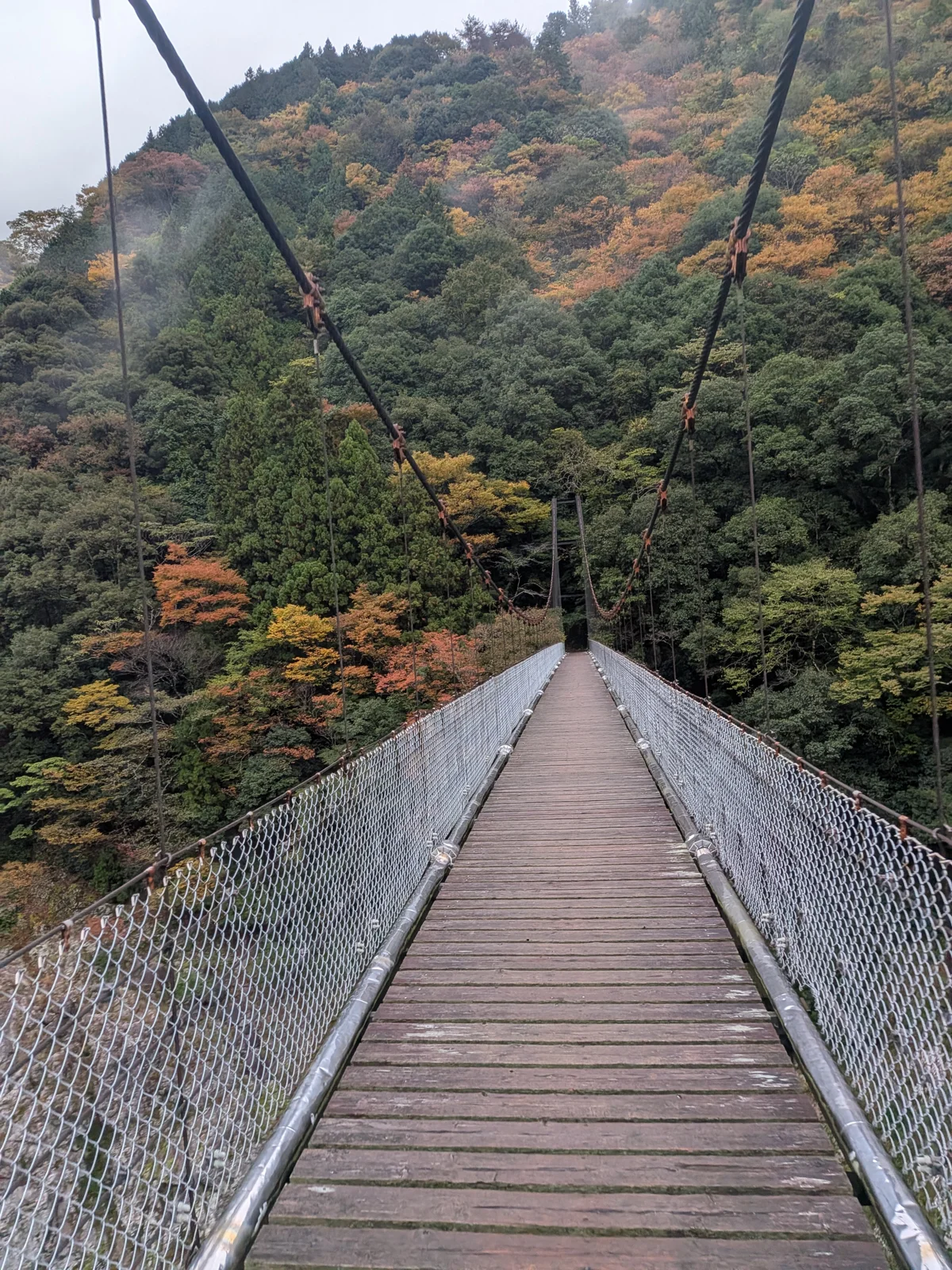
I wandered along the gorge from the hotel and walked across the suspension bridge after the rain abated late in the afternoon.
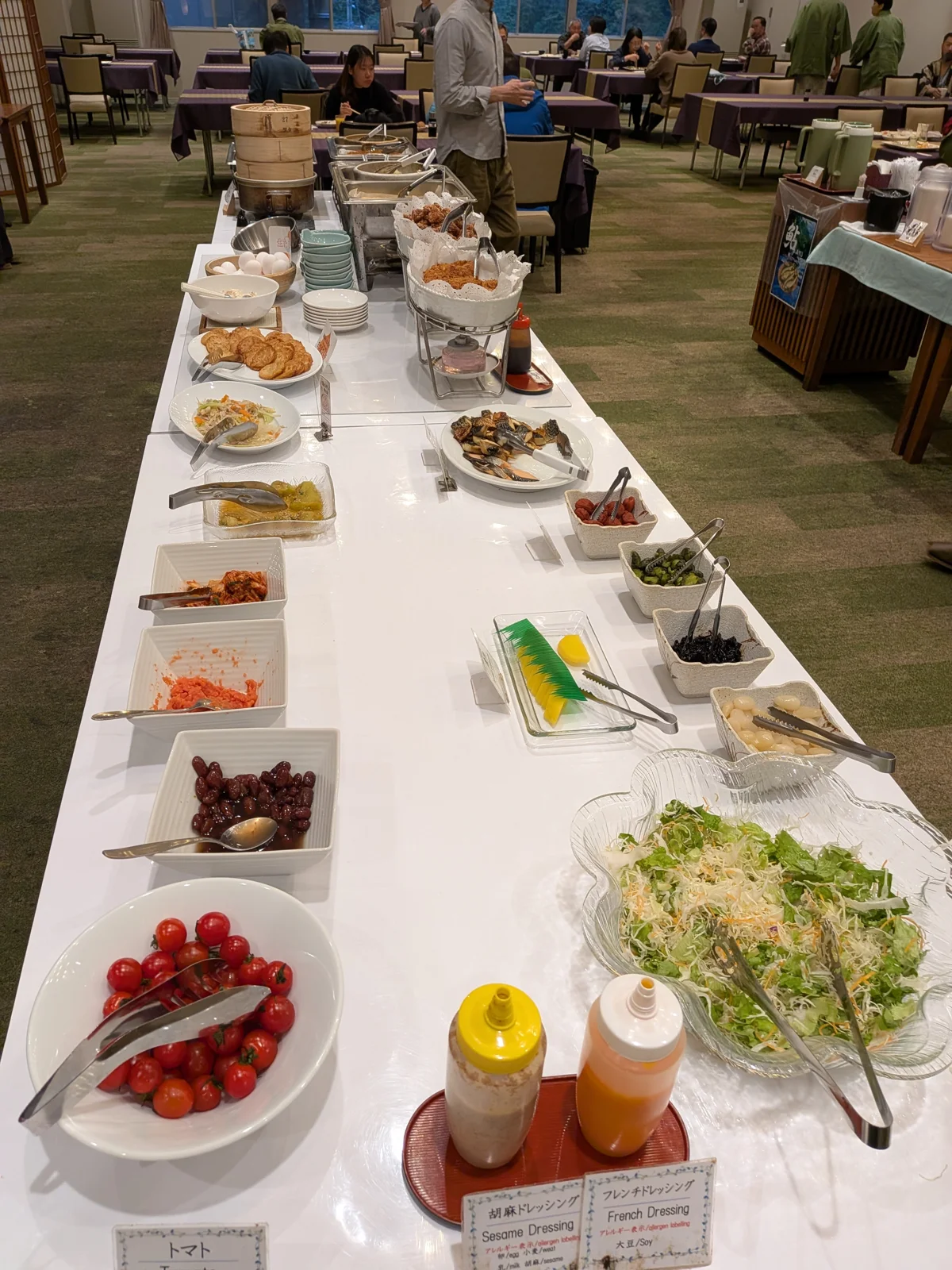
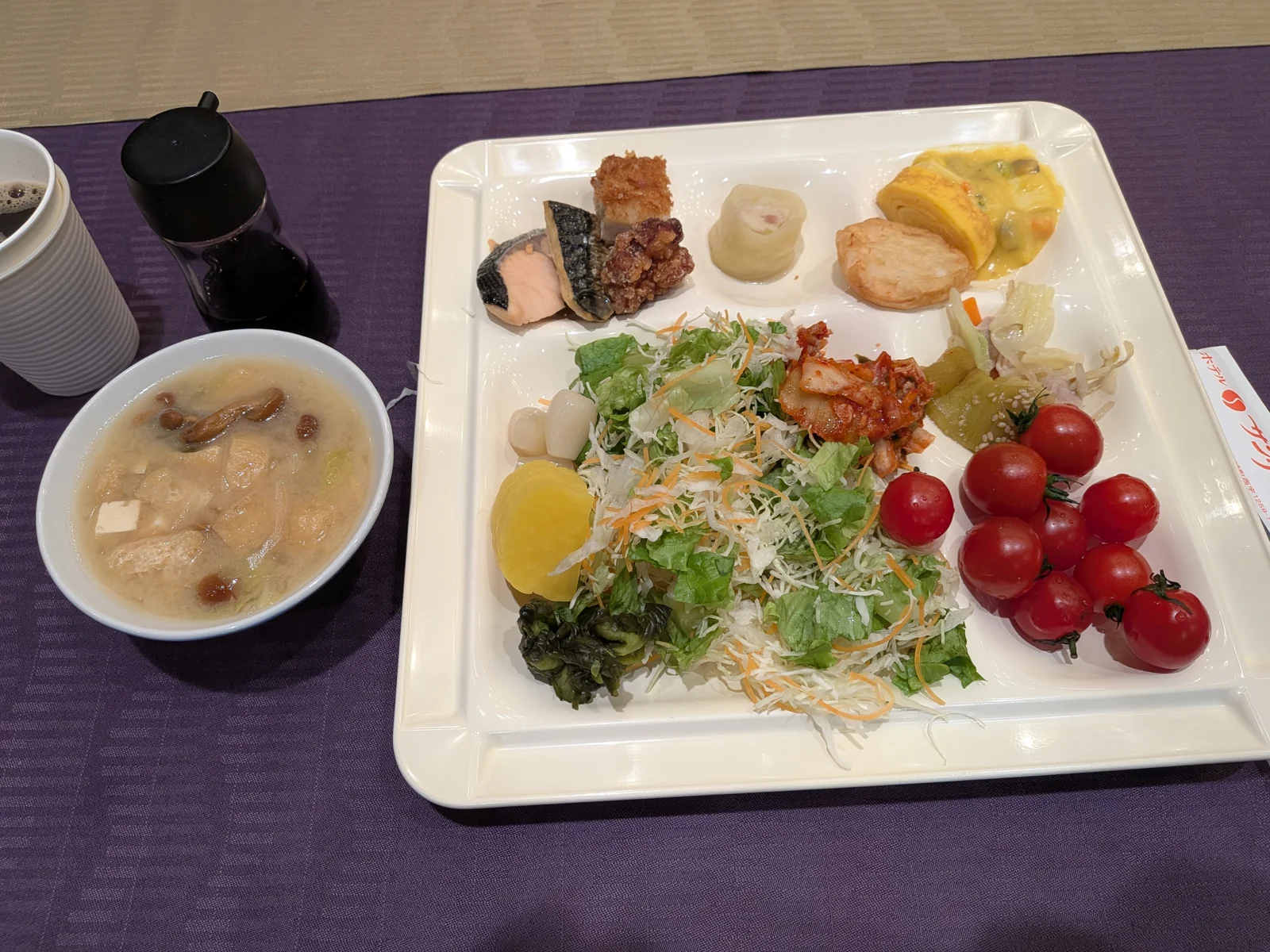
The third hotel dinner was pleasant, although by then the meals were feeling quite similar. I had been hoping for sweetfish again but did not get it. Breakfast was also provided and was excellent for a buffet, but after three days of provided meals I was ready to choose my own restaurants again.
I had imagined something closer to a small guesthouse with meals and an onsen, whereas Sunriver Oboke was a large hotel. Having dinner provided was convenient given the limited evening options nearby, but I missed the intimacy of a guesthouse and the flexibility of going out to eat. On balance I was glad to have stayed there, although I was less sure whether I would choose the Iya Valley again with hindsight.
Monday 16 November: Takamatsu, Yashima and several dinners
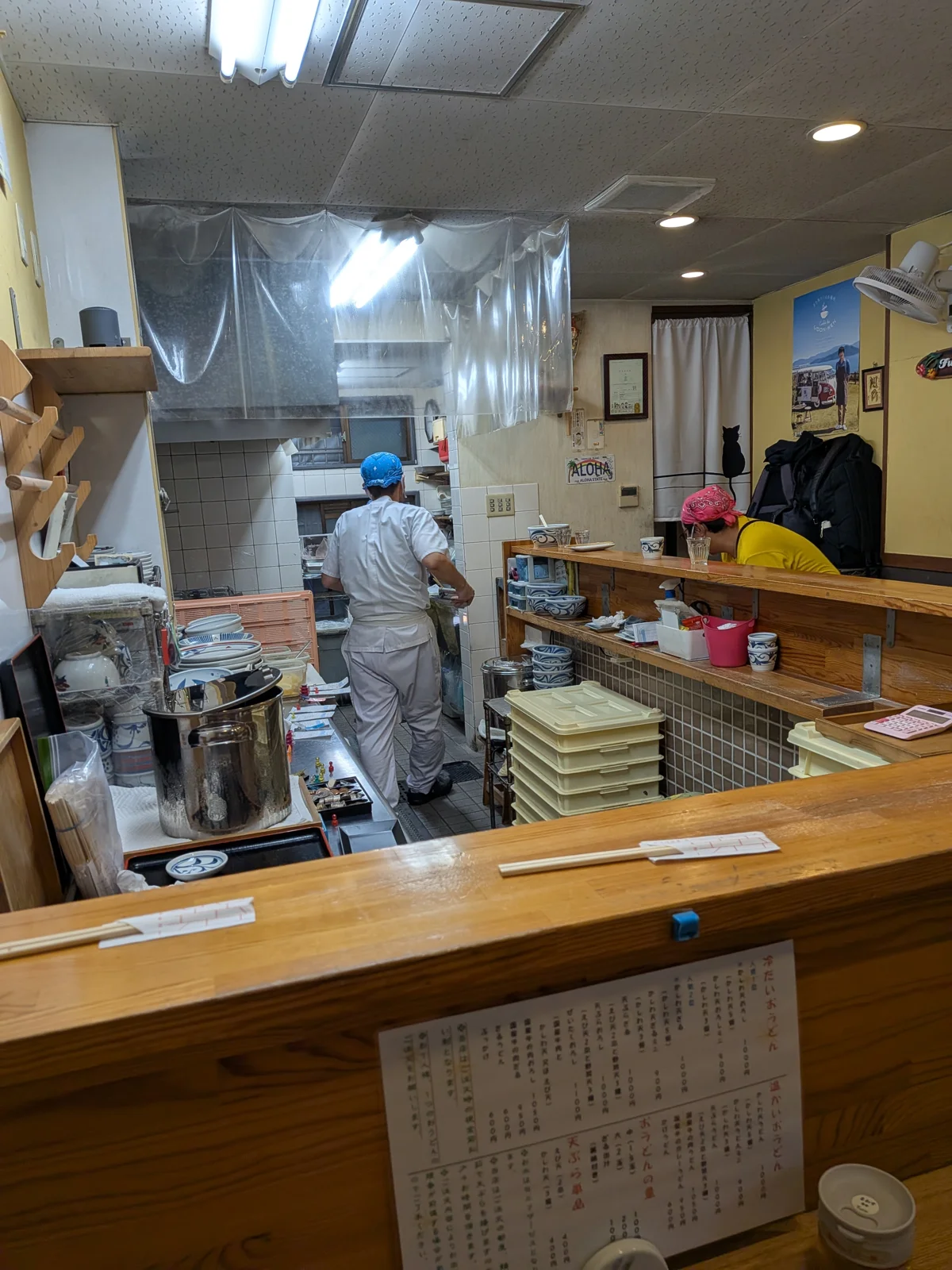
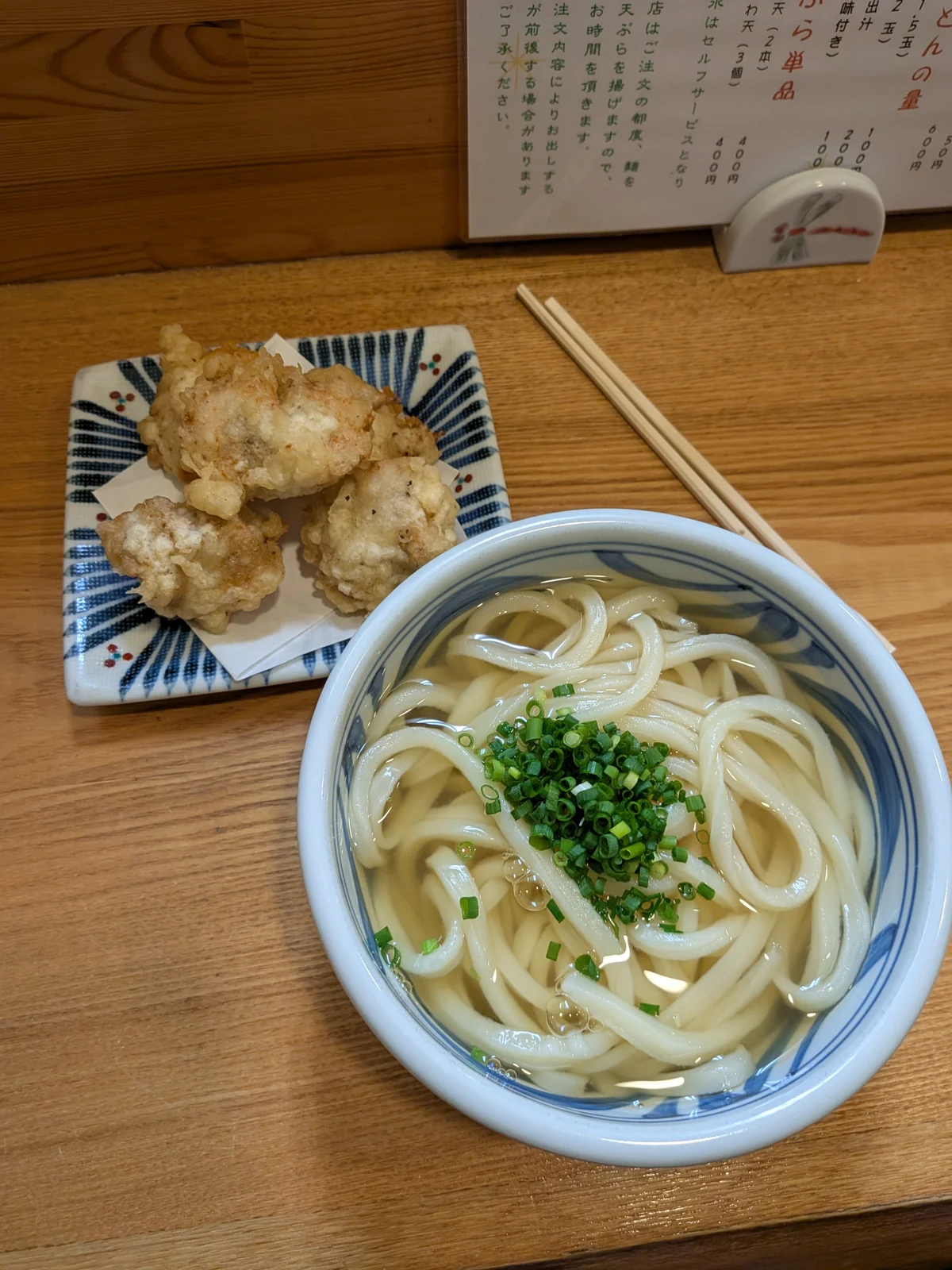
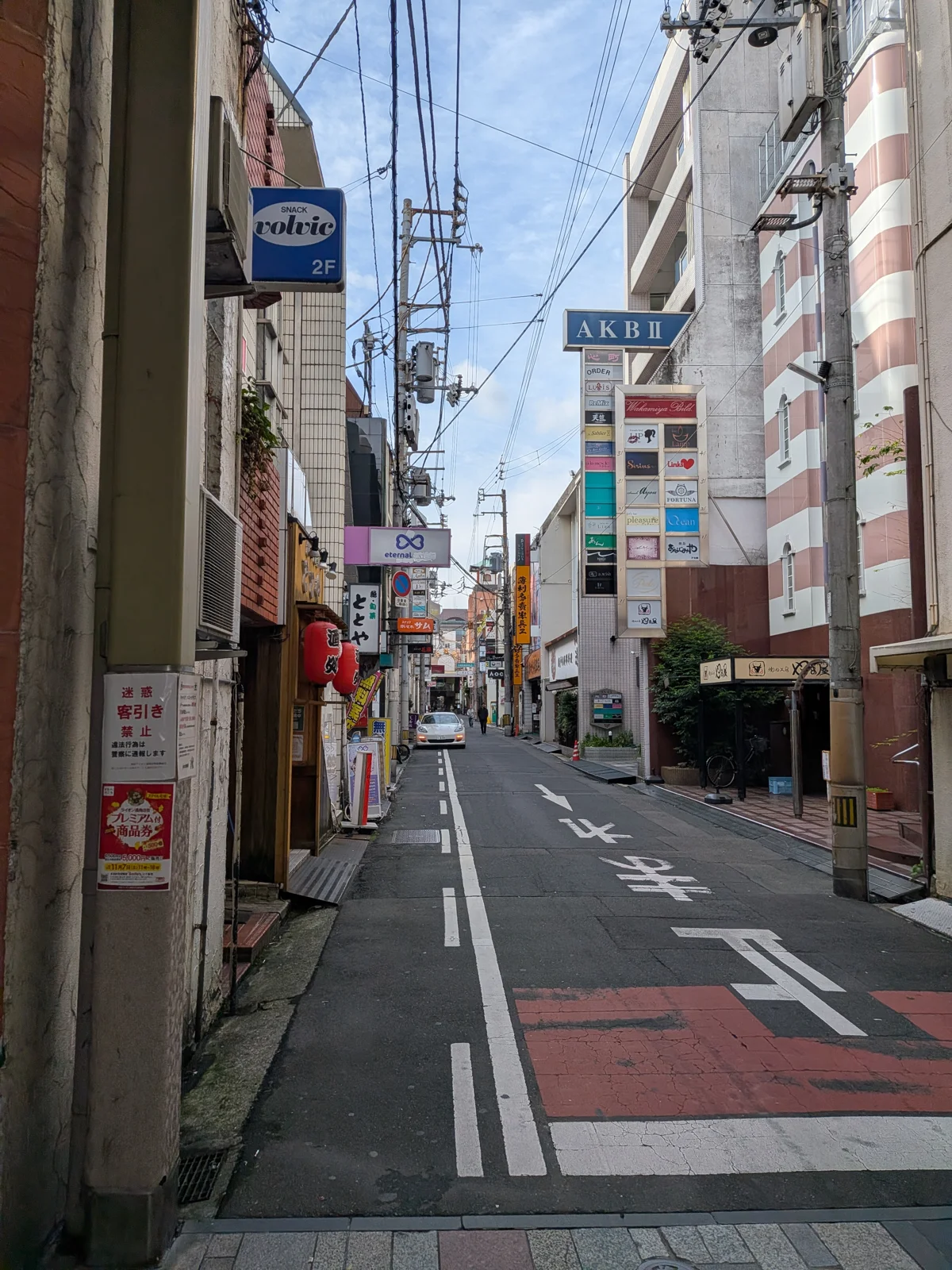
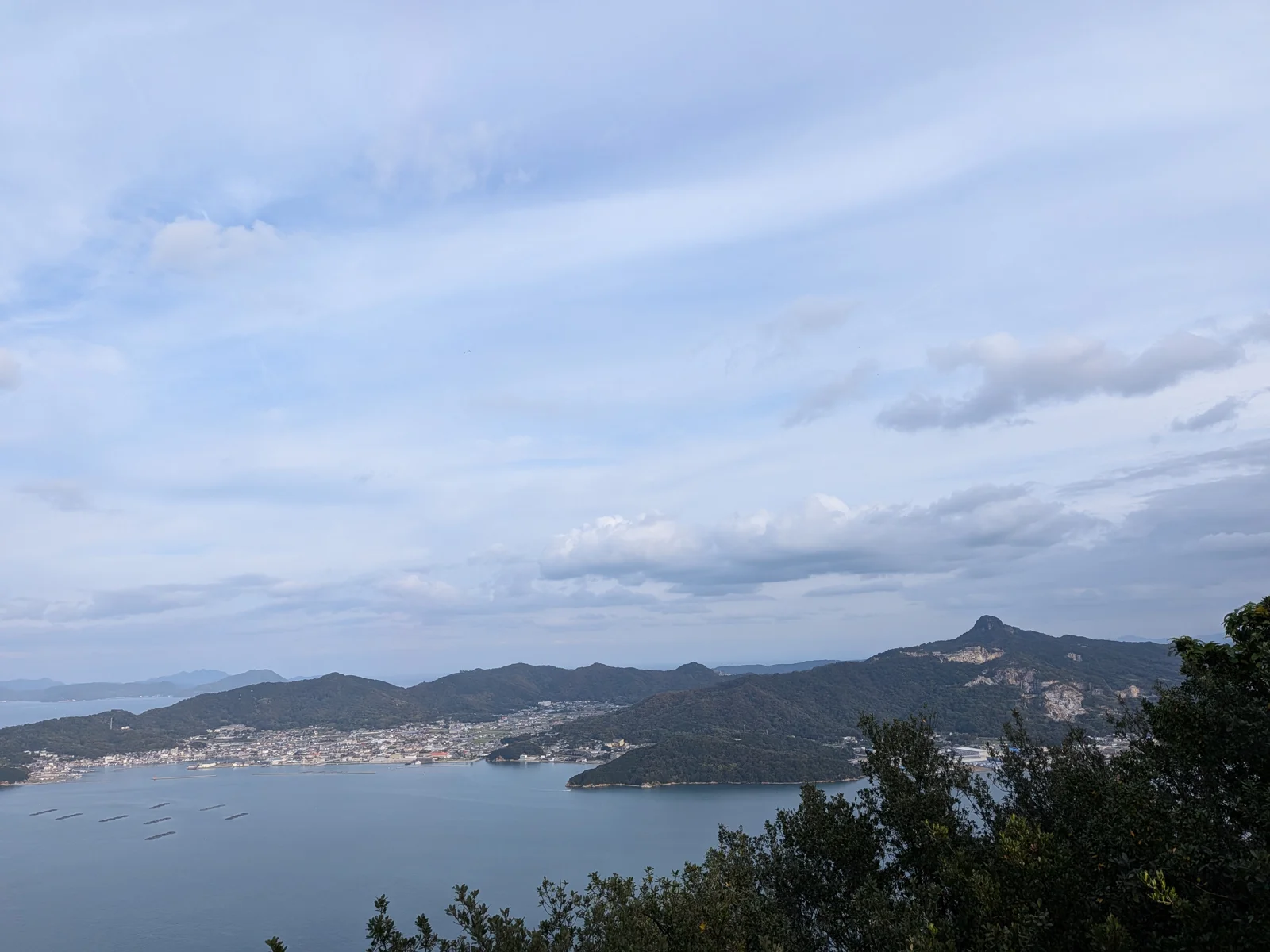
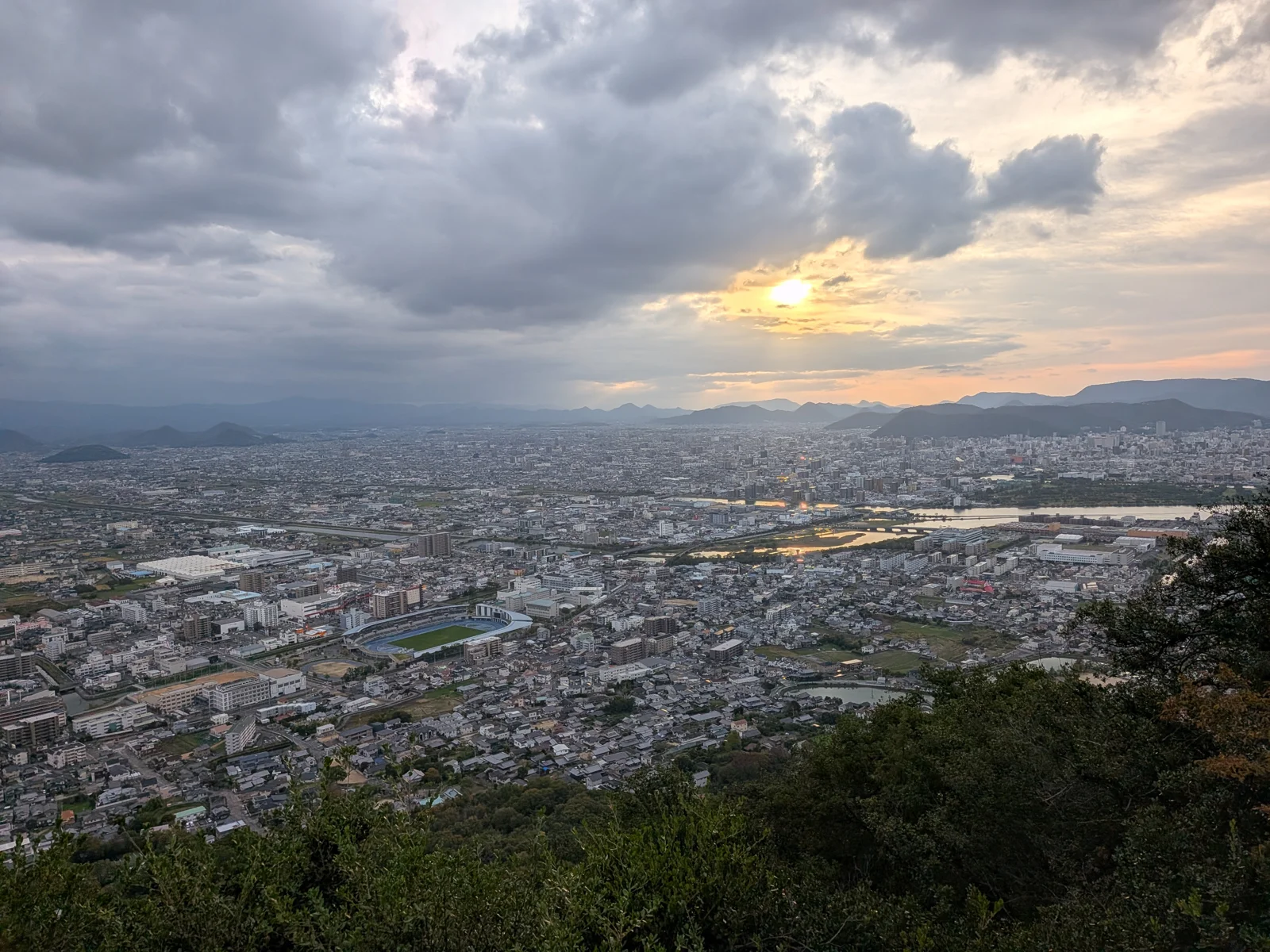
I had partly chosen Takamatsu because of Murakami’s Kafka on the Shore. His descriptions had made me interested in visiting, even though its Komura Memorial Library is fictional.
At Fugetsu, I waited about half an hour outside for lunch. Staff took orders in the queue from a Japanese-only menu, which I translated. Inside was a tiny counter with room for perhaps 15 people, mostly eating alone. It was almost silent apart from noodle slurping. I loved the atmosphere.
I had hot kashiwa-ten udon: chewy handmade Sanuki noodles in a light broth, with freshly fried chicken tempura that was delicious dipped into it. I had considered kamatama, but it was not offered. I also asked whether I could try some of the dashi served with a separate cold dipping-udon dish. The answer was a polite but firm no: it did not go with my order.
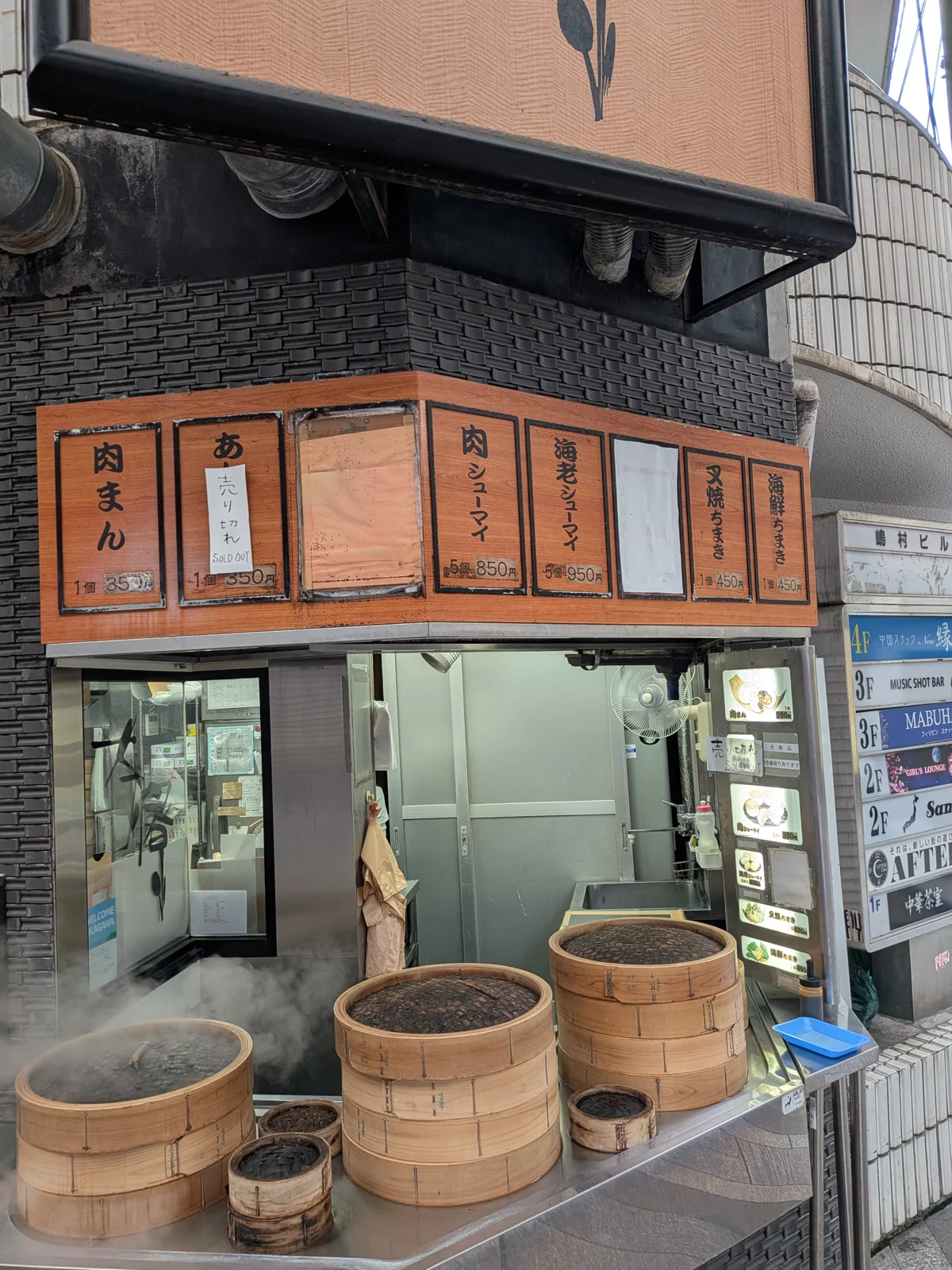
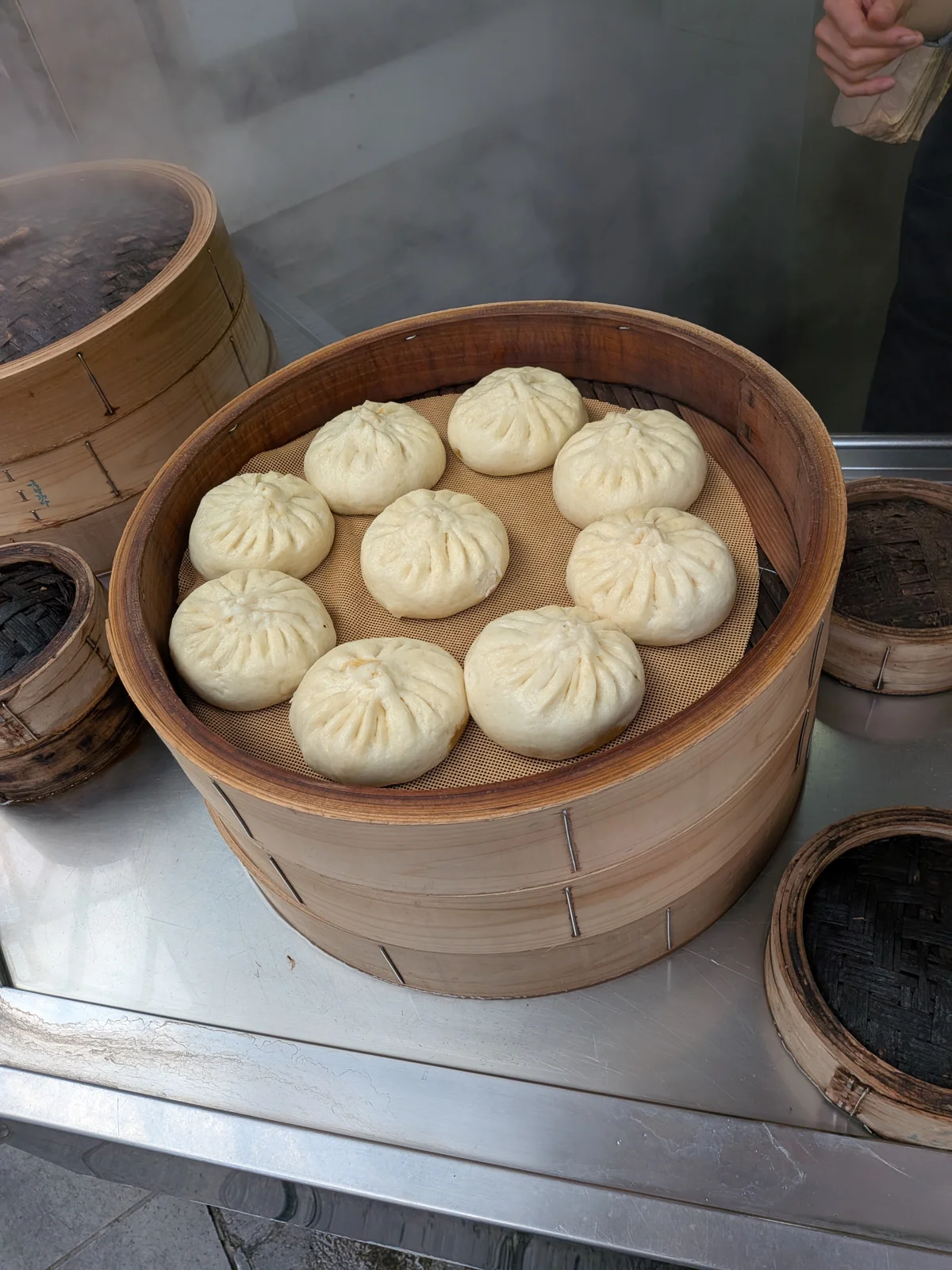
A little later, I stopped at Chuka Tenshin Saryo for a nikuman. The pork-filled bun was fluffy, freshly steamed and hot, with a saucy filling and a friendly seller. It reminded me of the breakfast buns and takeaway stalls I had enjoyed in Taiwan. I had noticed fewer of those sorts of bun shops on this trip.
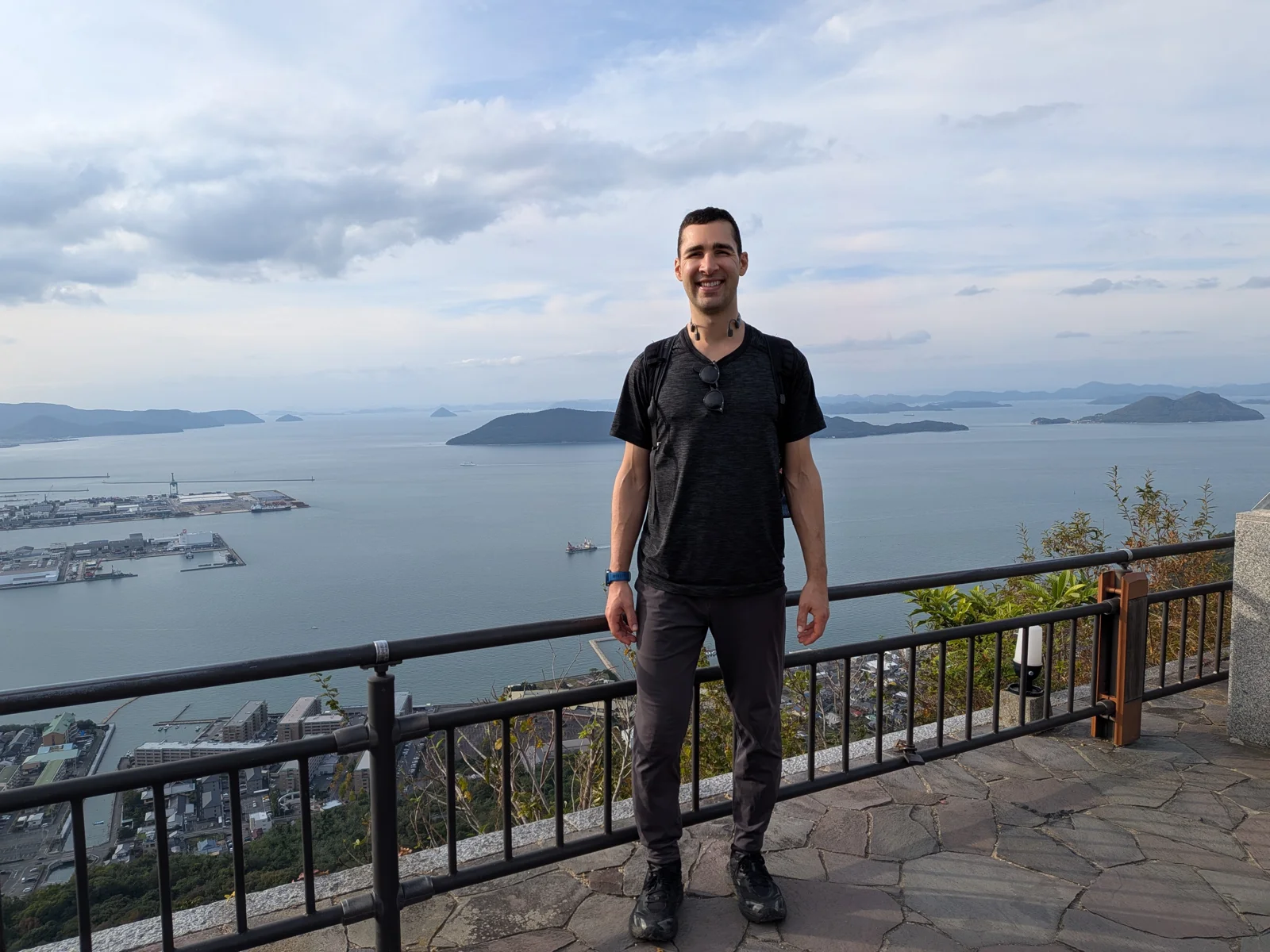
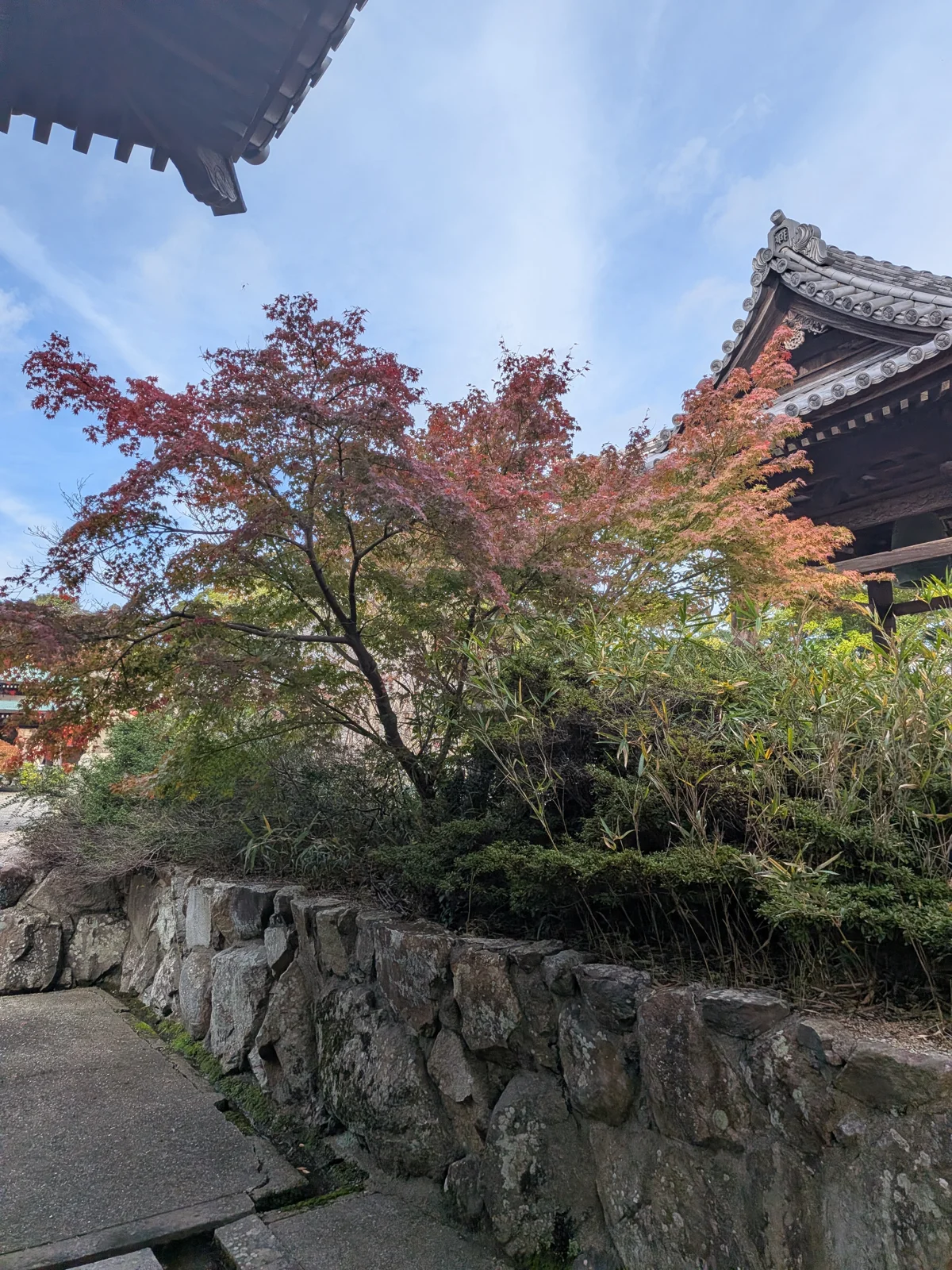
In the afternoon, I took a local train to the base of Yashima and climbed up. Yashimaji, the temple at the top, is number 84 on the 88-temple Shikoku pilgrimage. I wandered among the temple buildings and looked out across the Seto Inland Sea and its islands. I stayed as the sunset began, then descended as the sun went down and caught the train back into Takamatsu.
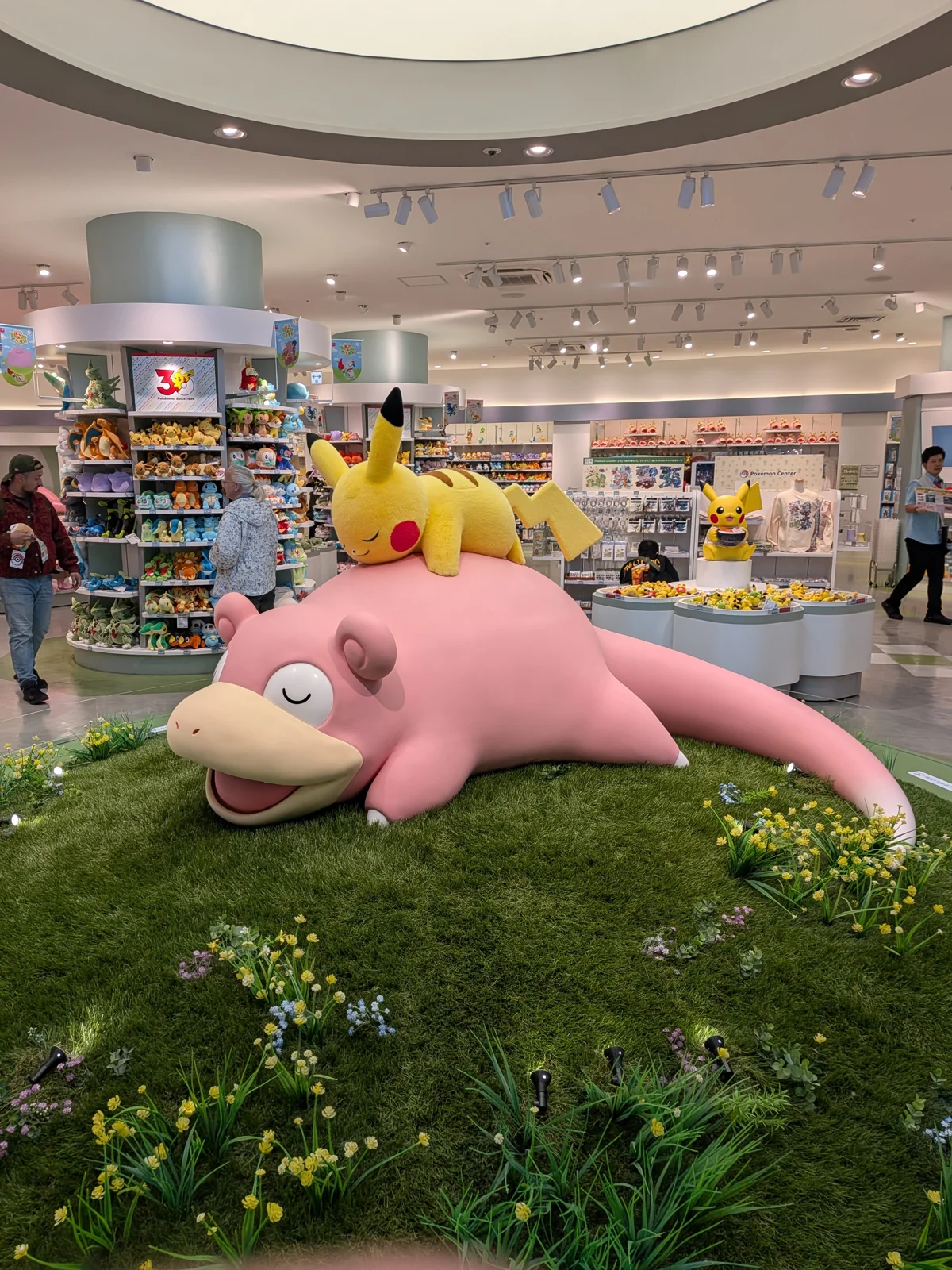
That childhood fondness for Pokémon, rekindled by the folklore around Oboke, also inspired a visit to the Pokémon Center Kagawa.
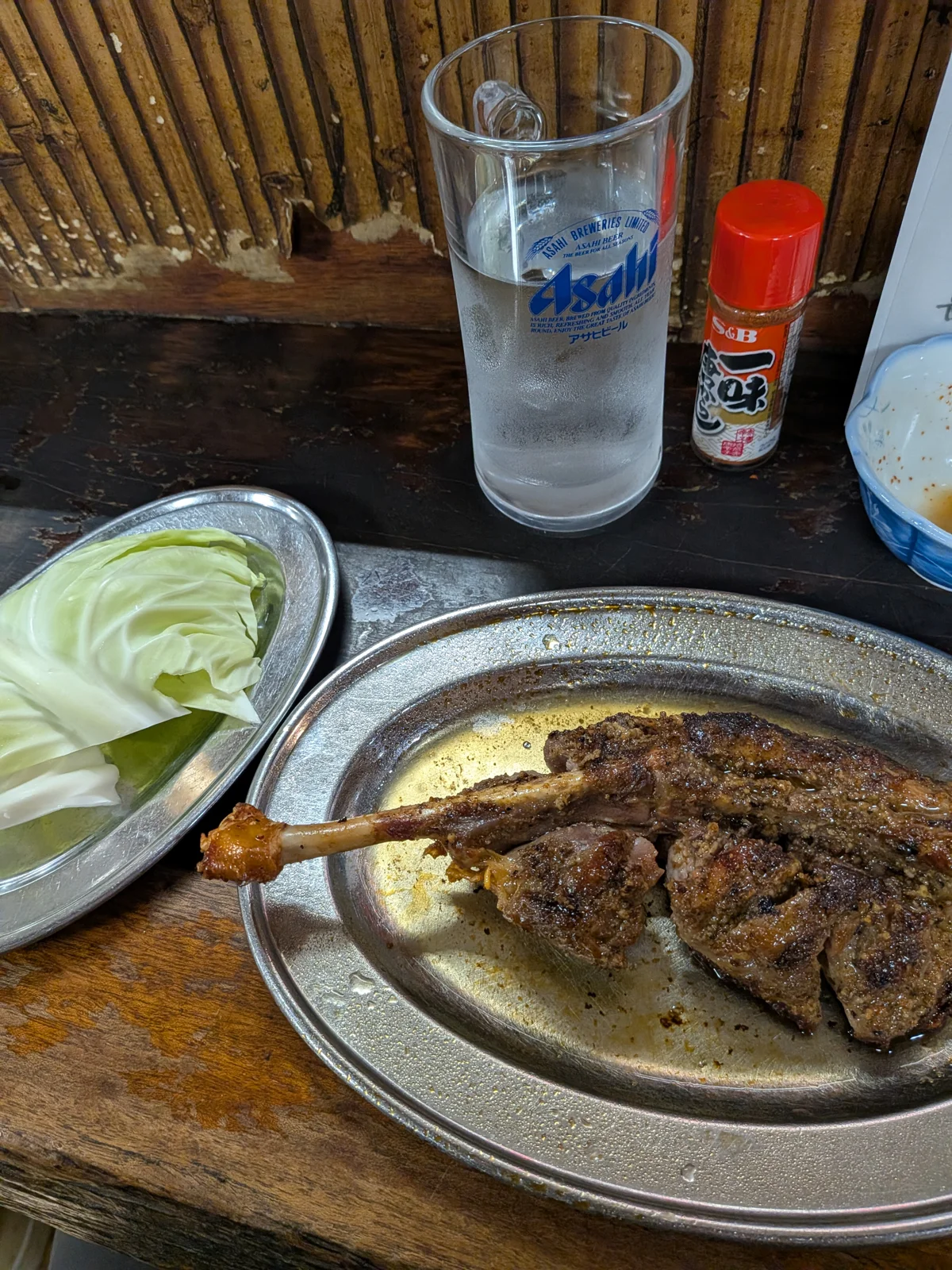
I had hoped to try Ikkaku’s bone-in chicken, but the queue was enormous, so I went to Ranmaru instead. After a short wait I got a counter seat and ordered oyadori, the mature chicken version of the regional honetsukidori. It was strongly seasoned and fatty, and I cut it up with scissors. The little appetizer included bamboo shoots, konnyaku, carrot, mushroom and a tofu-like preparation.
After checking into JR Clement Inn Takamatsu, I had a shower. Having a private one again was welcome after Sunriver Oboke, even though this hotel also had a public bath.
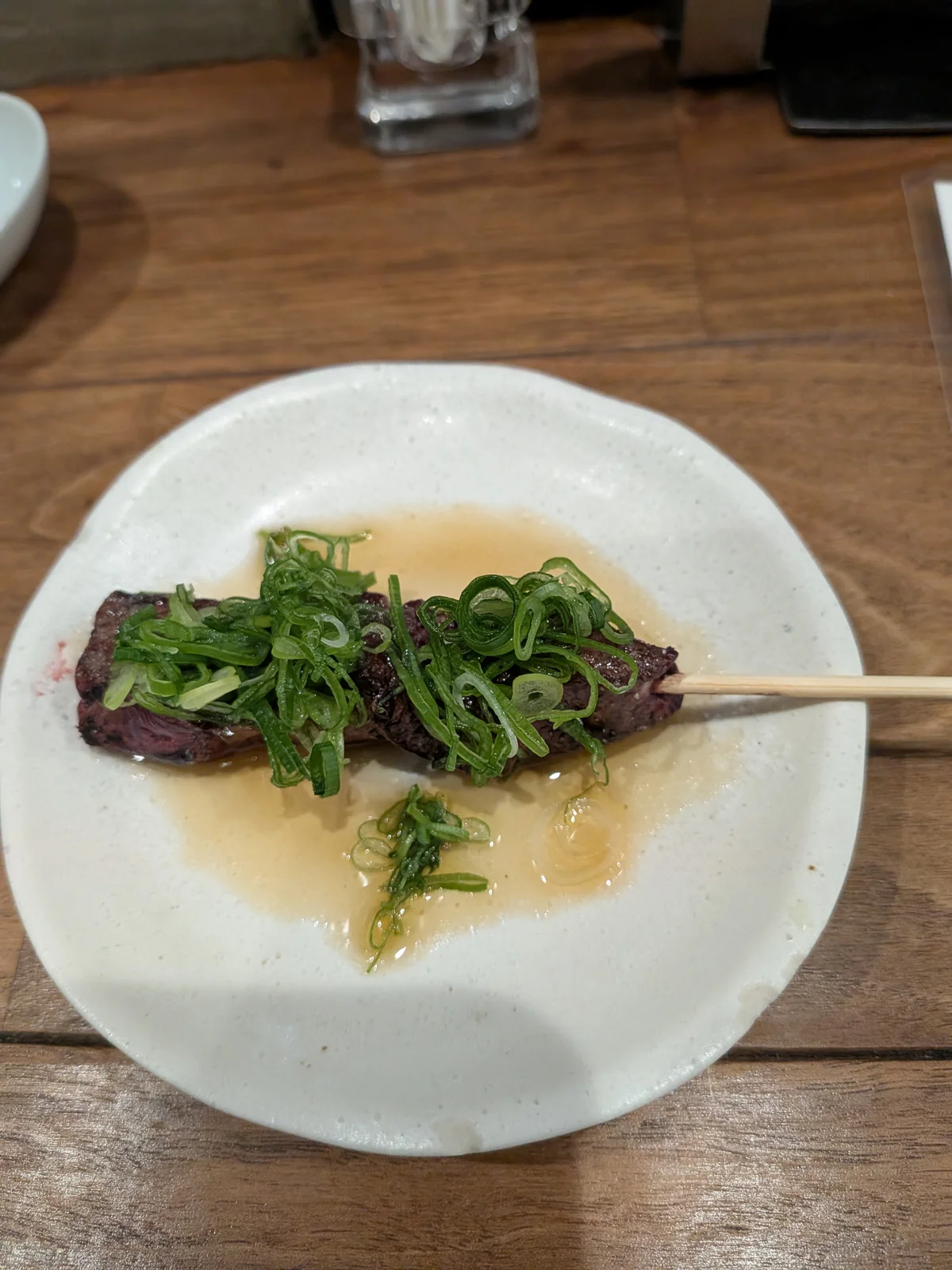
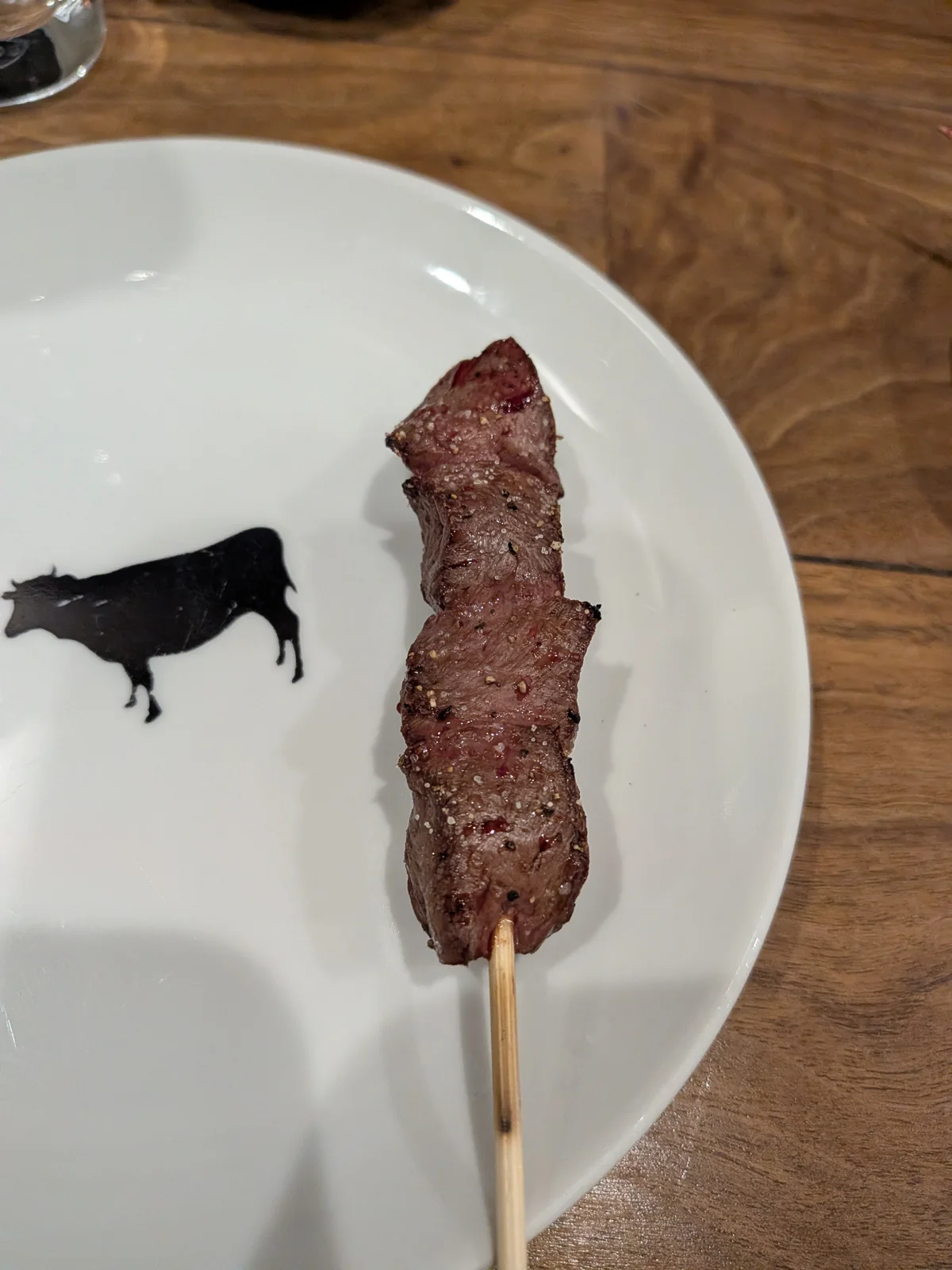
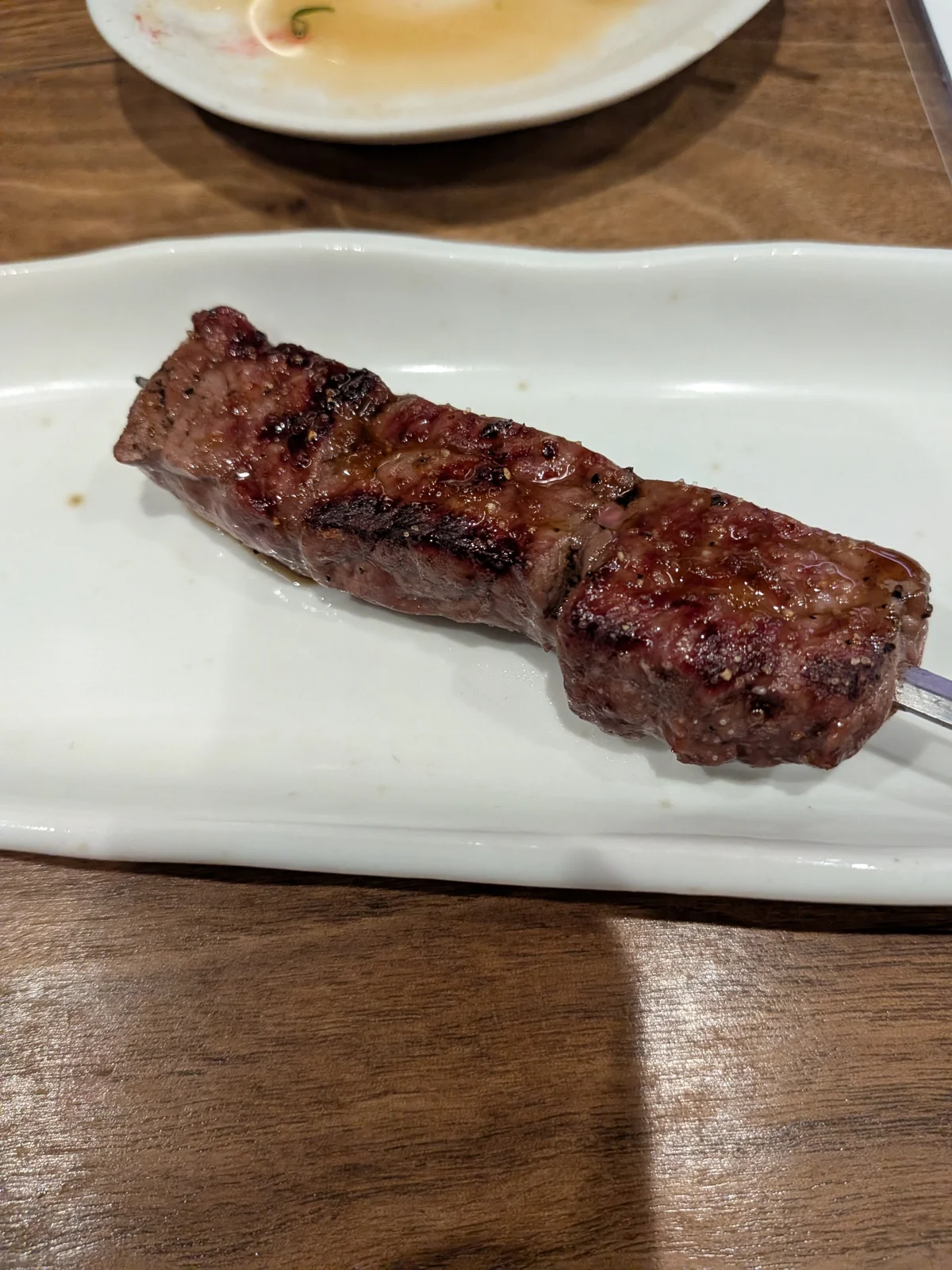
My friend Dave, whom I considered a steak expert, had insisted that I try olive beef while I was here. I had been impressed by my earlier wagyu tasting but disappointed that it had not included olive beef, so I wanted to squeeze in a small portion in Takamatsu. I found the perfect place at Kushiyaki Horumon Kotobuki, where I tried three skewers: beef liver with scallions and a sesame-oil dressing, beef heart, and olive-beef wagyu. The liver was surprisingly delicate and very different from the chicken liver I had eaten in Osaka. Olive beef is a regional speciality of Kagawa, first launched on Shodoshima in 2010. The olive beef was exceptionally tender and buttery; I thought I could even taste something suggestive of olives.
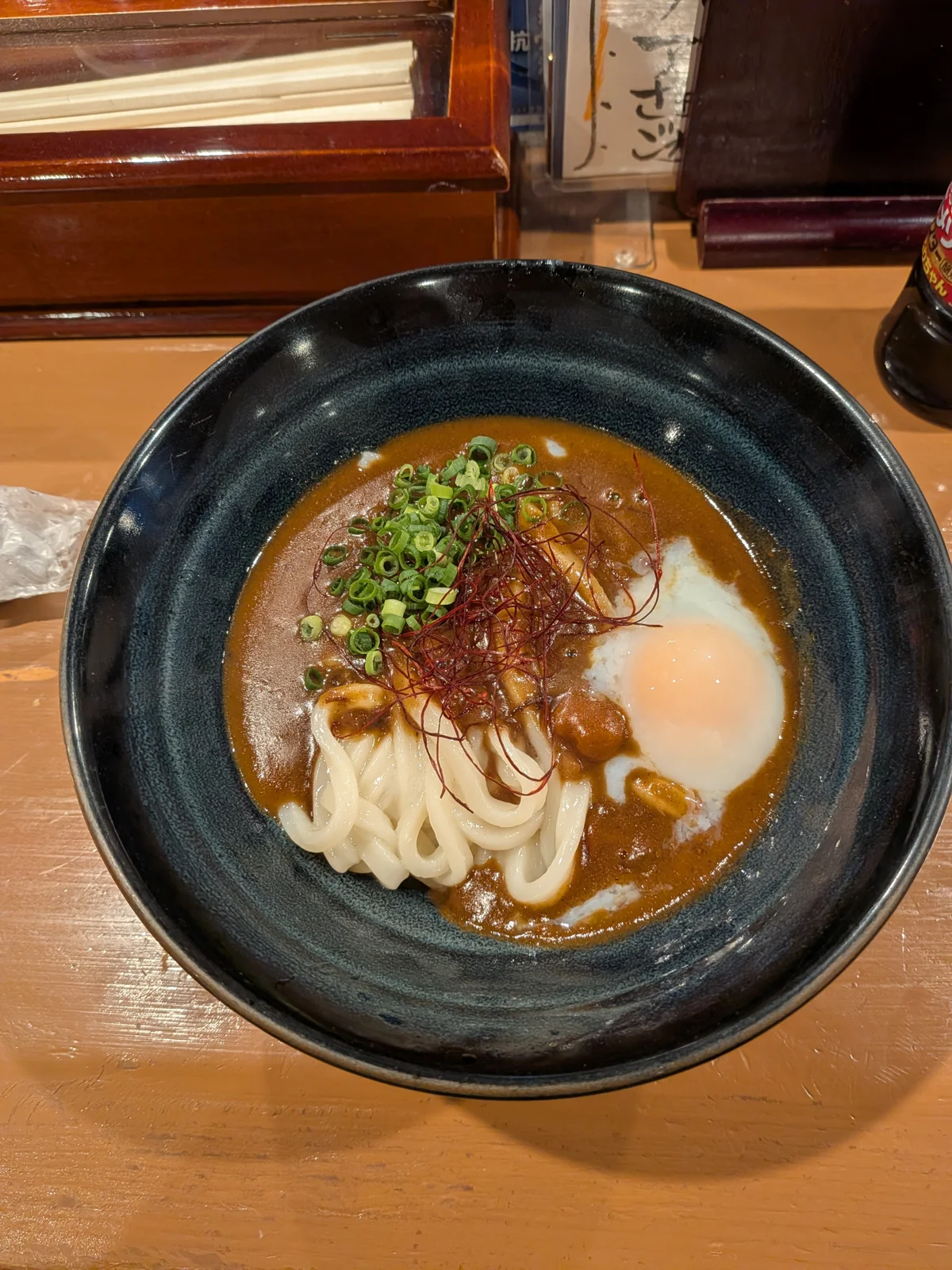
Finally, I wanted curry udon at Tsurumaru, but another long queue sent me to Kita-Furubaba Goemon. My bowl came with an onsen egg, scallions and red chilli threads. When I asked for soy sauce, I was given Kagome Worcestershire sauce instead. I found that funny, but decided against adding it.
Tuesday 17 November: Back to Tokyo and dinner with Katia
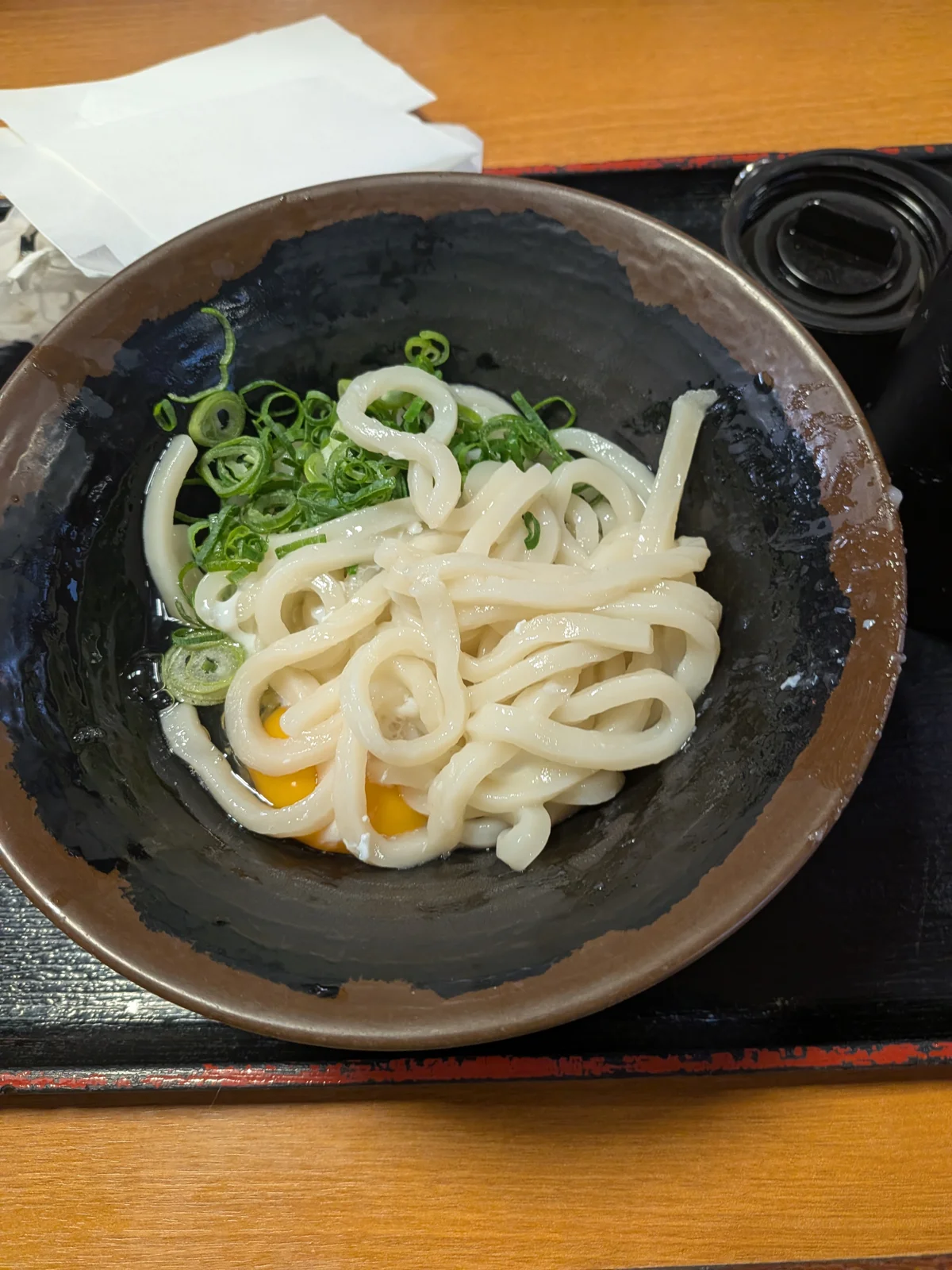
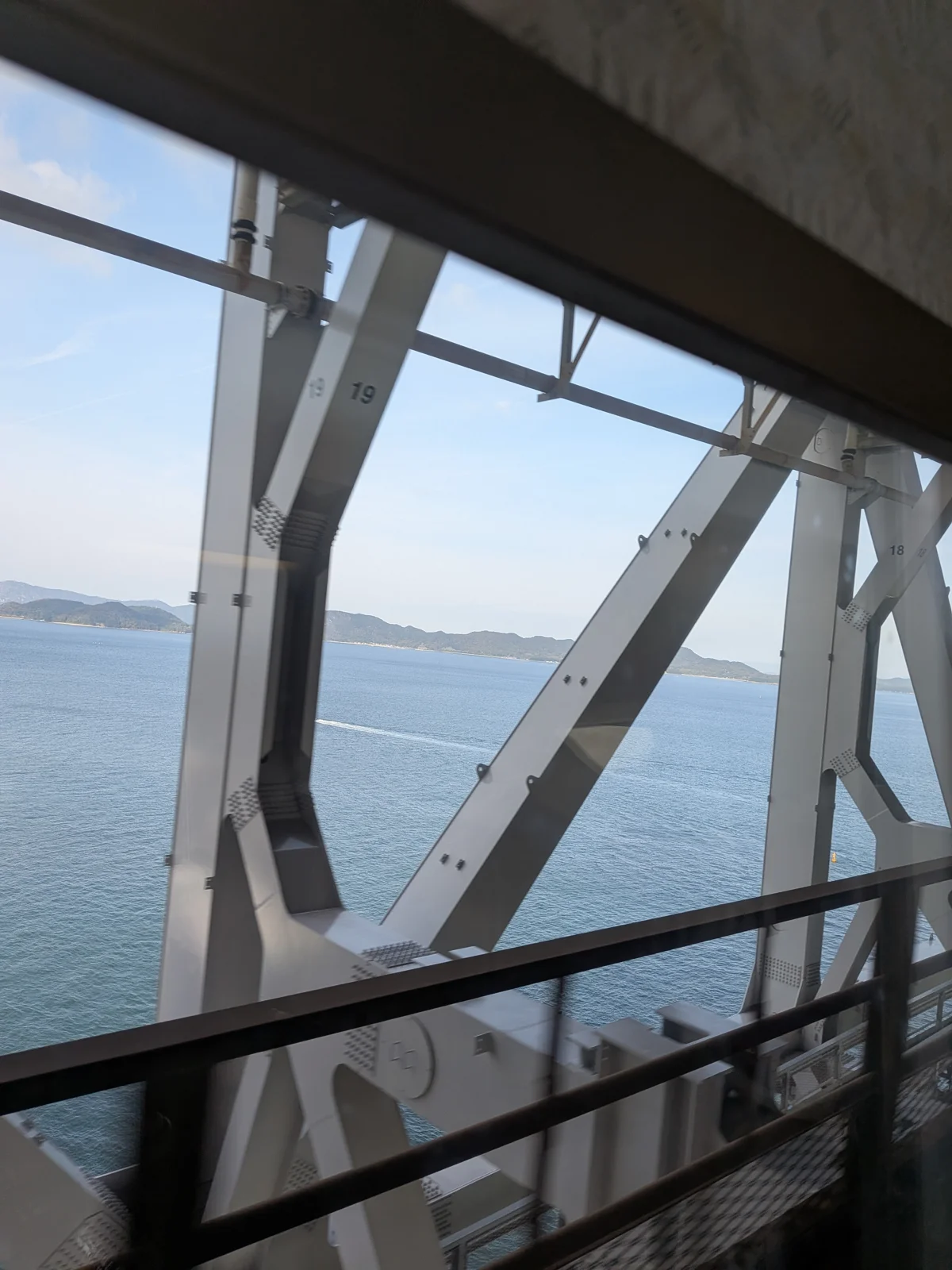
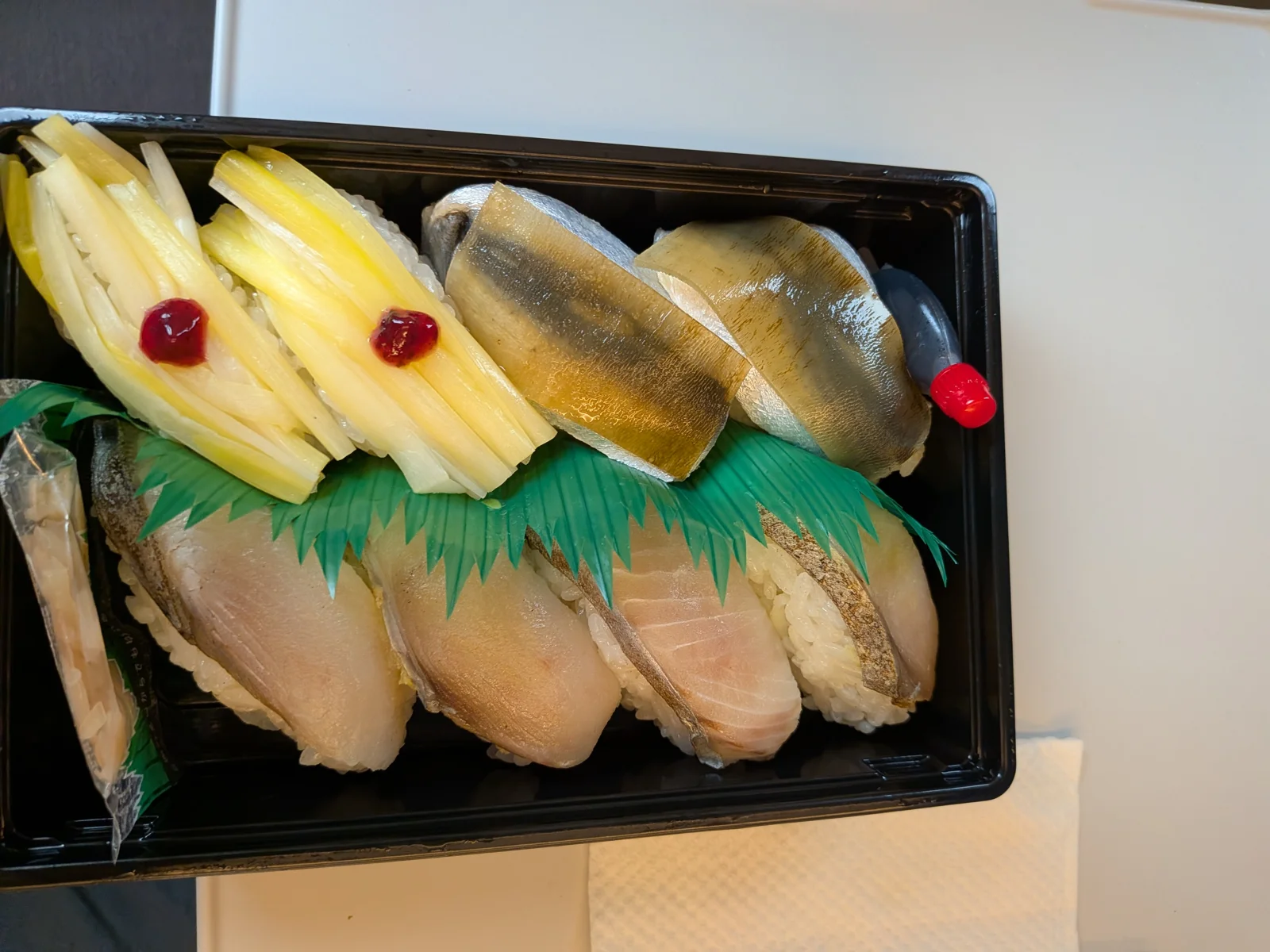
After an early bowl of udon at Merikenya Takamatsu Ekimae, I took the Marine Liner from Takamatsu to Okayama, across the Seto Inland Sea, then the Shinkansen to Tokyo. The journey went smoothly. At Azuma Sushi in Okayama Station, I picked up an eight-piece regional sushi assortment for the train: vinegar-marinated mamakari, mackerel and yellow garlic-chive sushi.
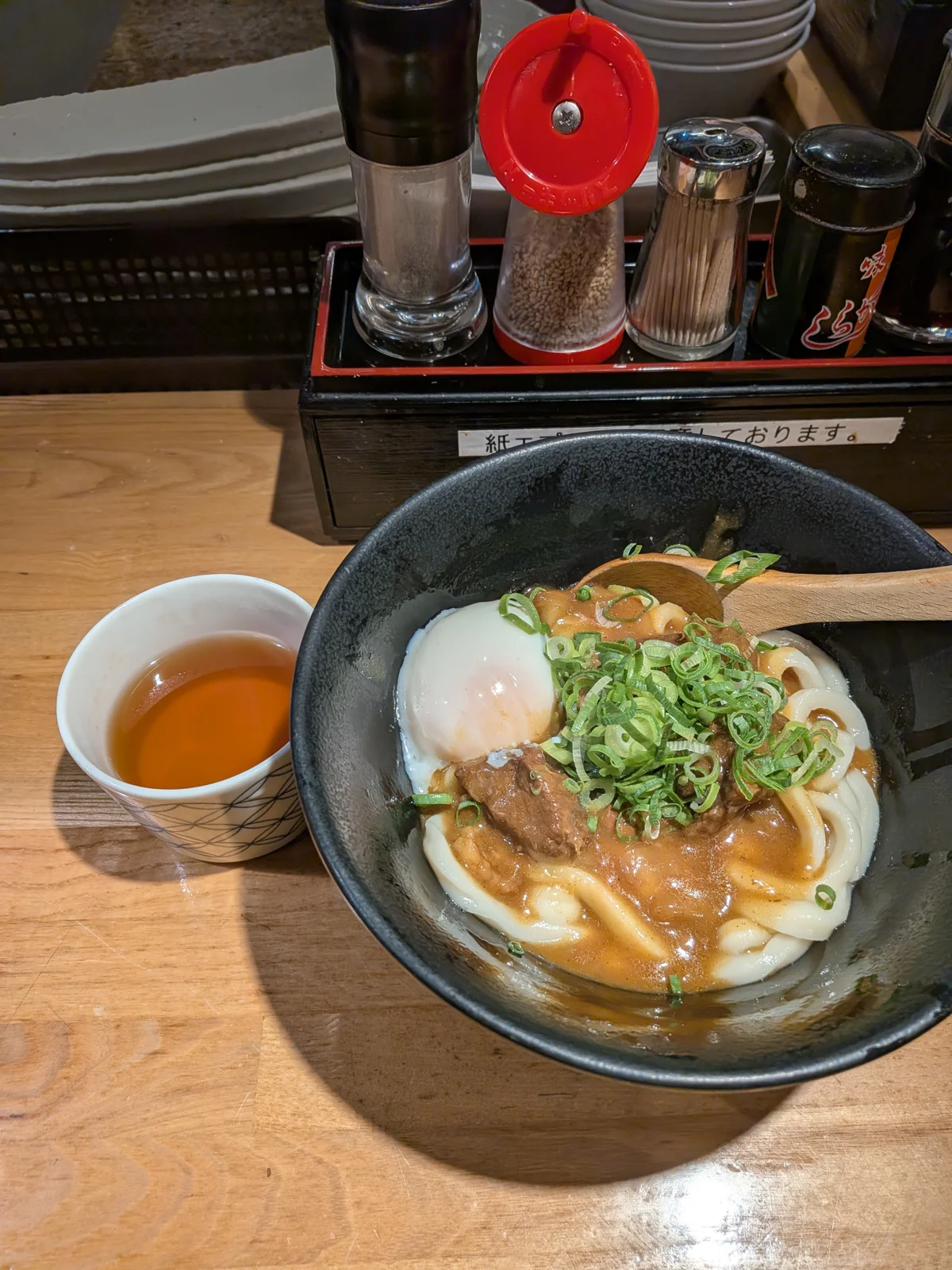
Tokyo was dark and rainy. I bought an umbrella at a convenience store. Before meeting Katia, I wanted something warming, and found beef curry udon at Udon Denji, near Shin-Okachimachi. It was ready in about two minutes. The warming curry spice, chewy noodles and creamy, silky onsen egg were exactly what I wanted in the rain.
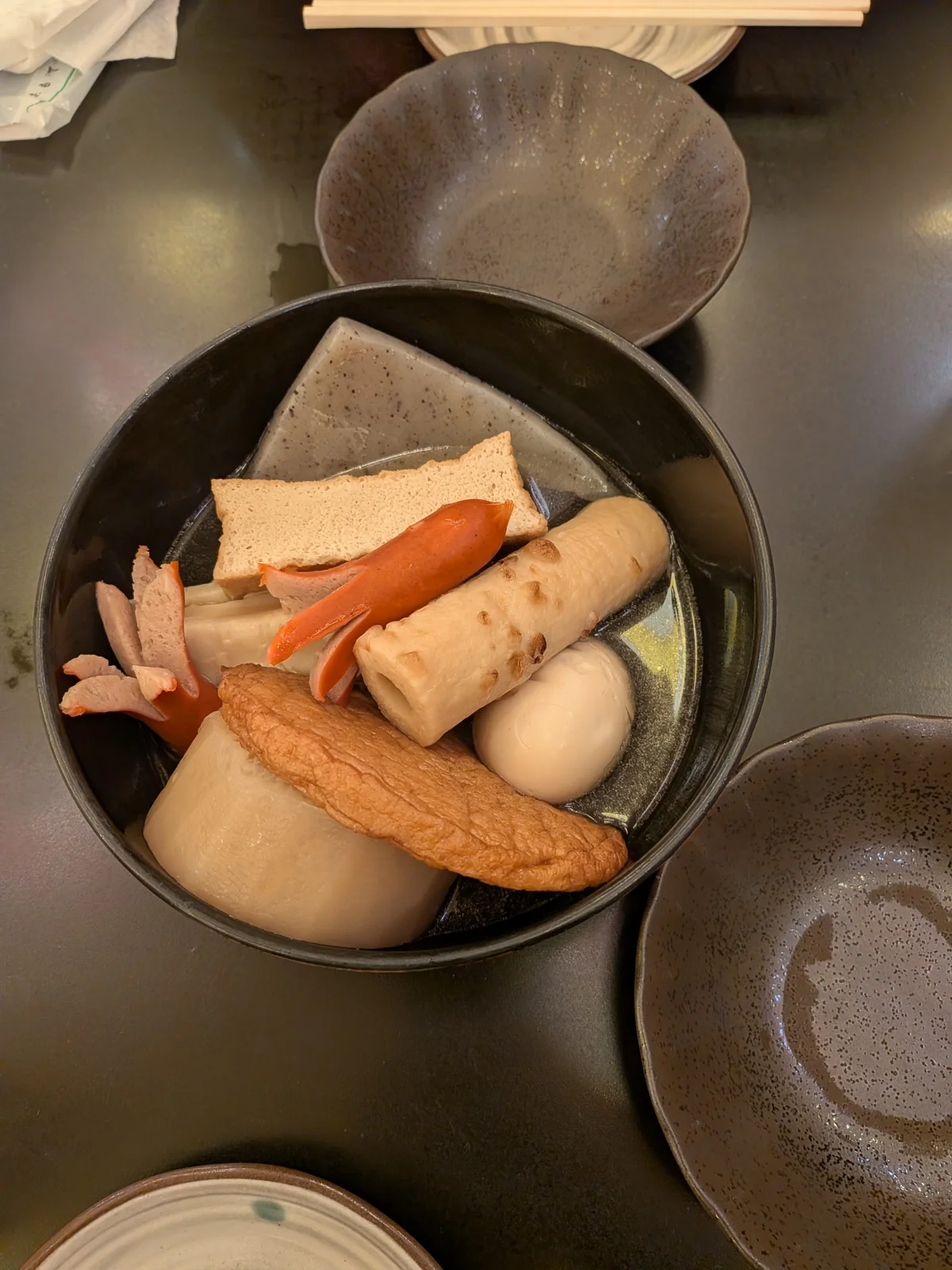
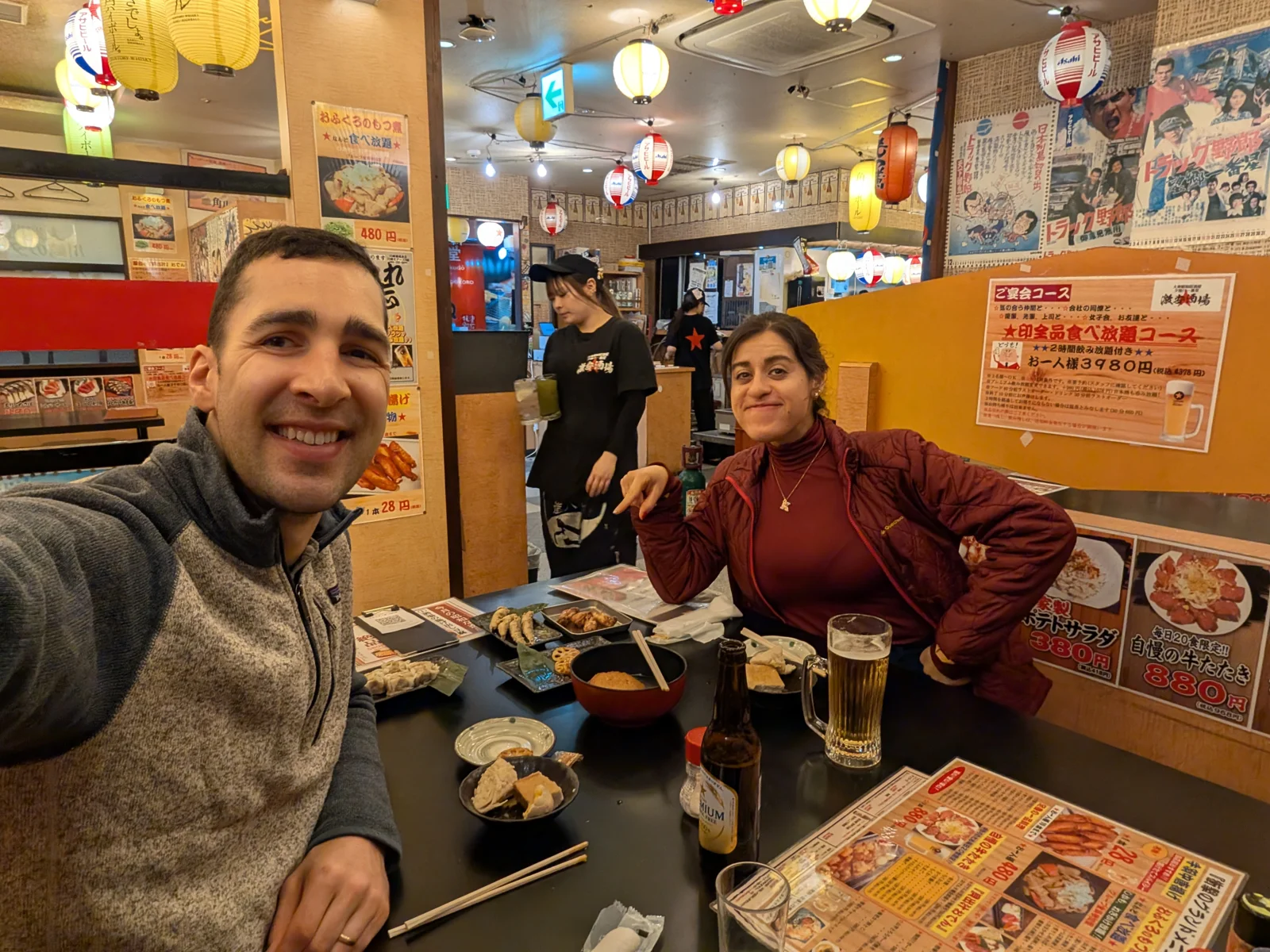
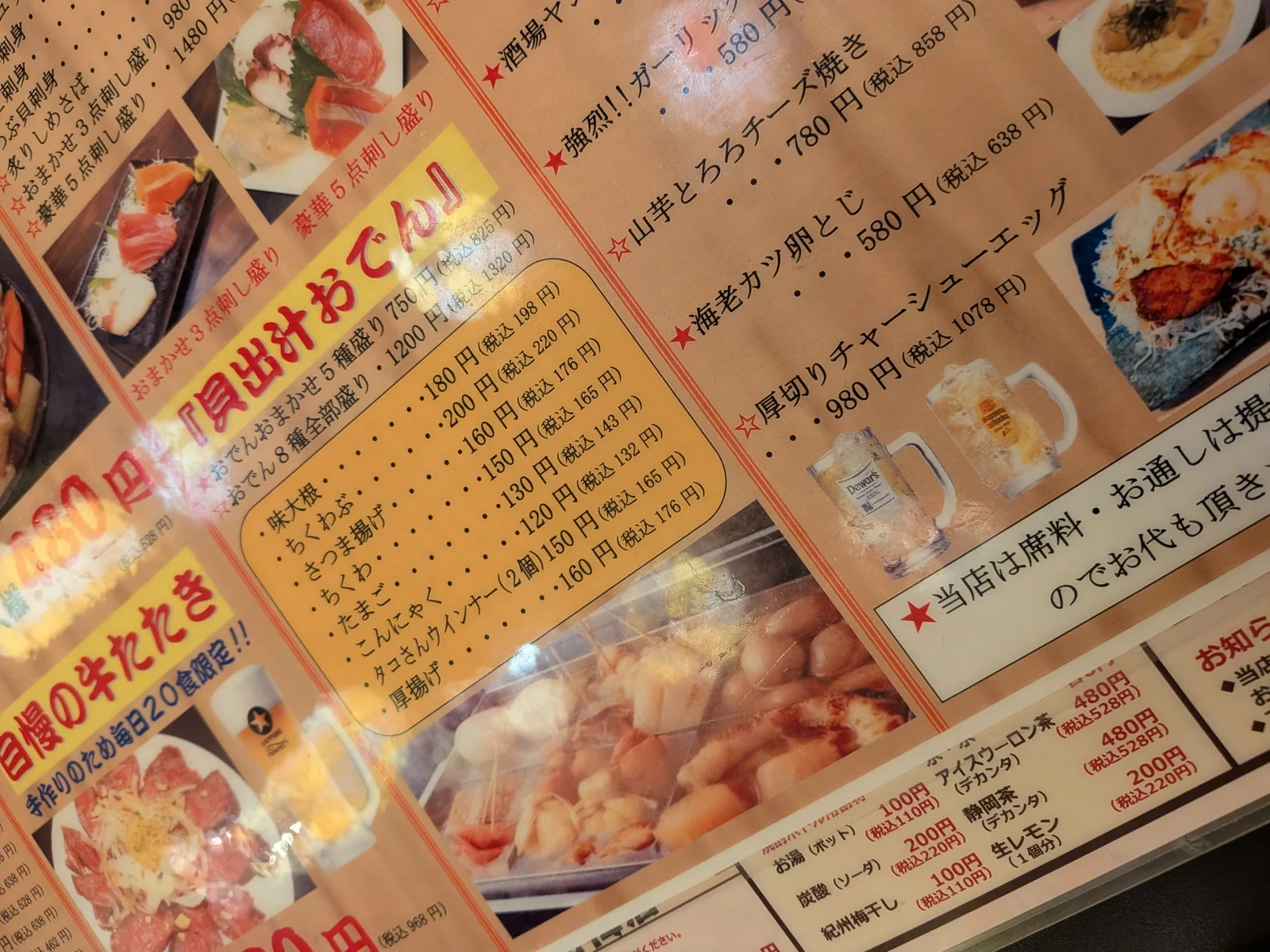
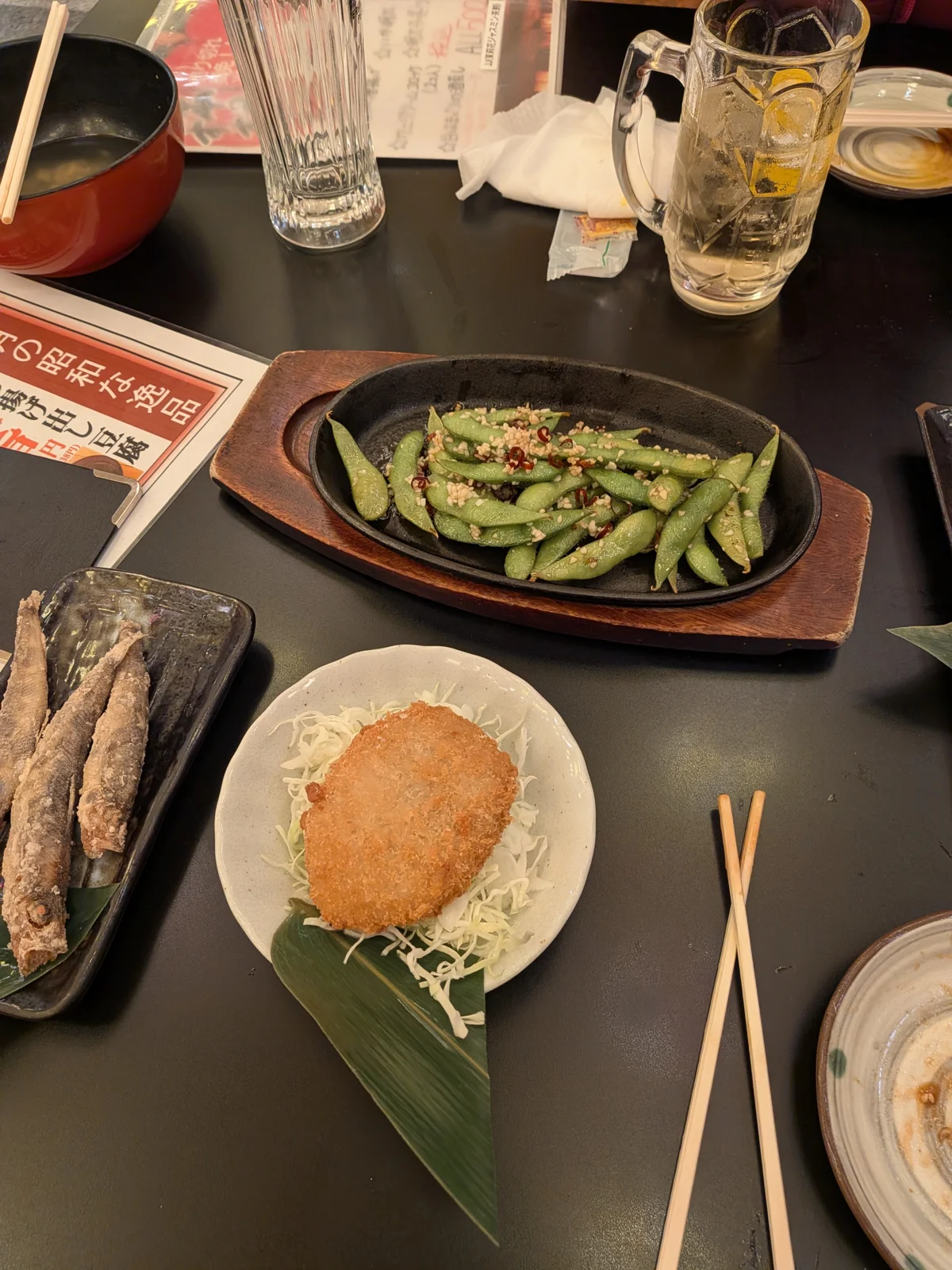
I took the train to Kawasaki to meet Katia at Kawasaki Sakaba, a cheerful, inexpensive izakaya with colourful lanterns and vintage posters. We ordered lots of small plates to share: very garlicky edamame, fried fish, chicken wings, lotus root, pork dumplings and assorted oden. We also had a cute little sausage, which Katia explained was called an “octopus sausage” in English because of the way it was cut to look like an octopus. We both particularly liked the edamame, and the fried fish was a satisfying, warming highlight. The variety of flavours and textures was a big part of the pleasure.
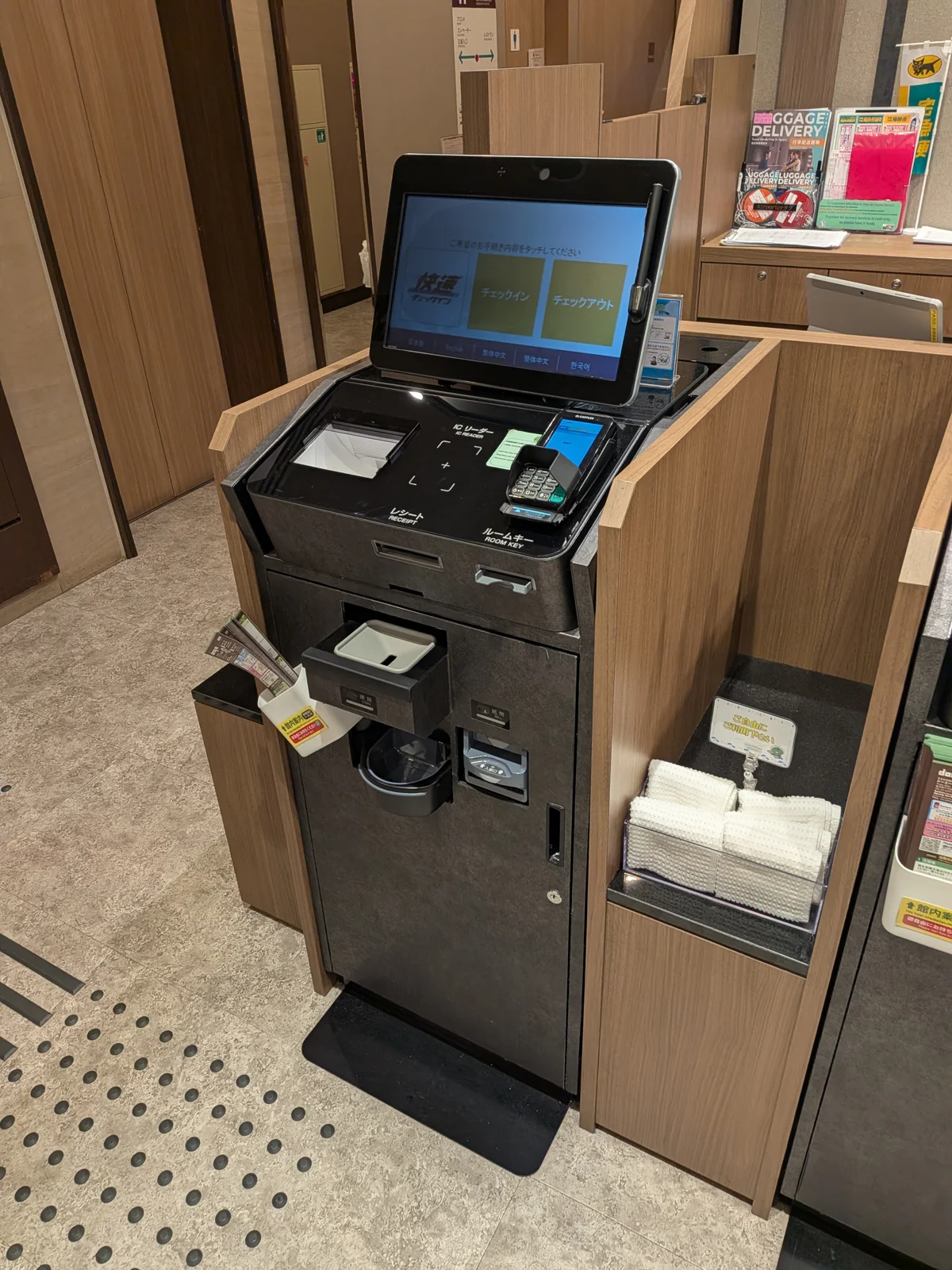
It was lovely to catch up on the preceding weeks, the unusual foods I had tried, and the places Katia hoped to visit for skiing and hiking. She told me she had studied in Kochi, and after my time on Shikoku I was delighted to know where that was. Afterwards I took the train back to Dormy Inn Akihabara and went to bed. By this point I appreciated the consistency of Japanese business hotels: the check-in kiosks, the firm 15:00 check-in time, and being able to leave luggage before checking in or after checking out.
Wednesday 18 November: A final full day in Tokyo
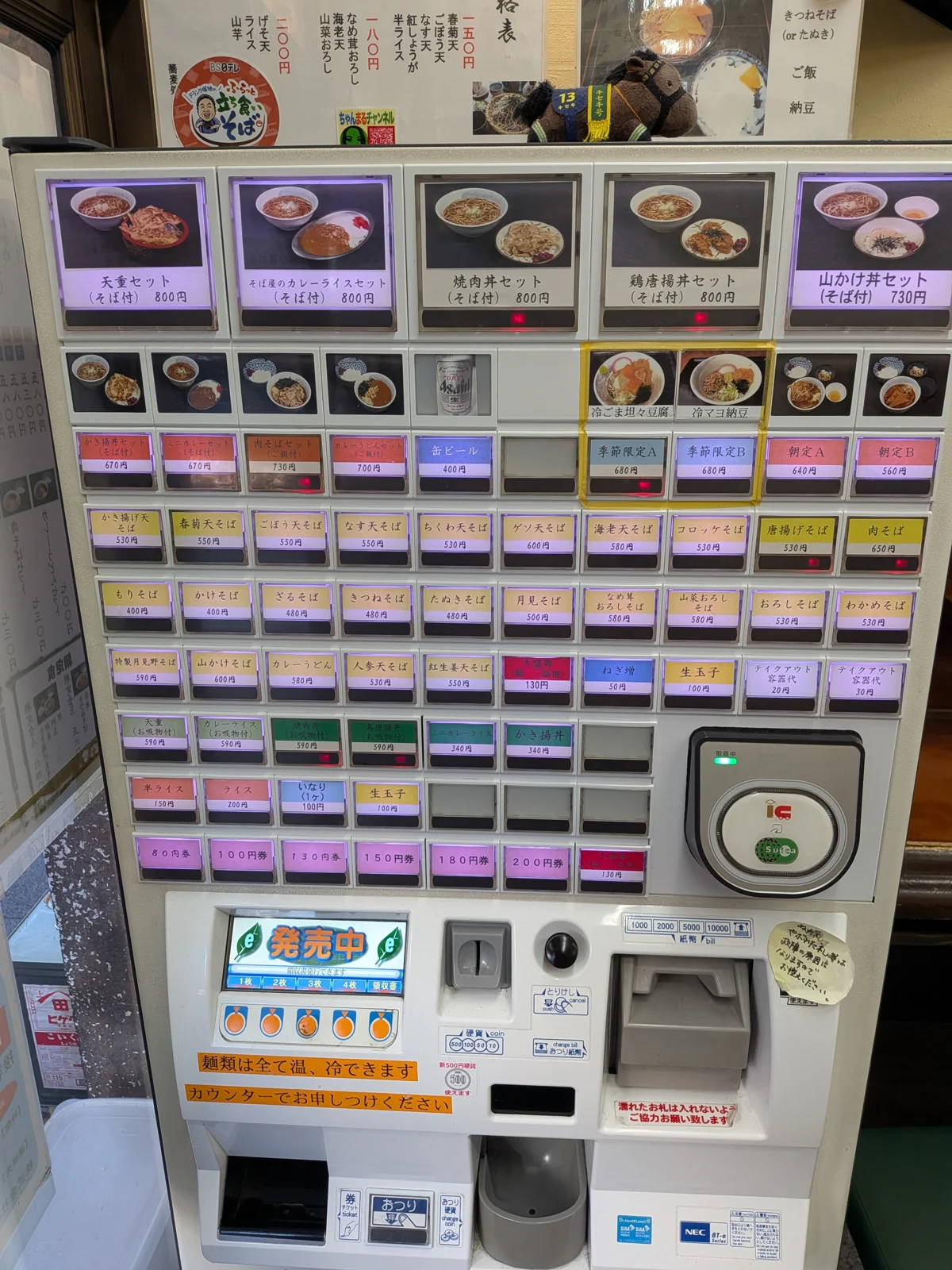
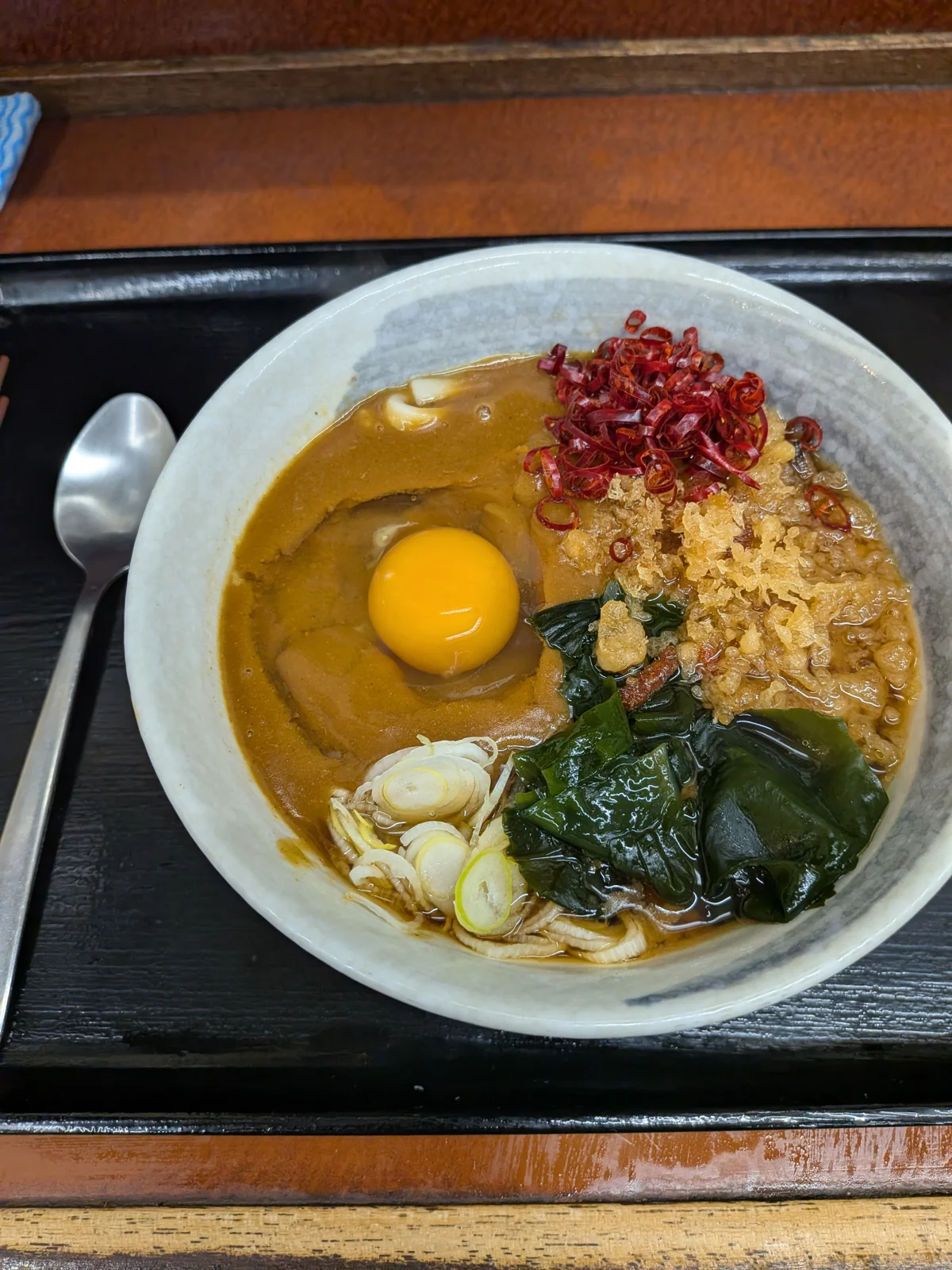
Breakfast was at Minogasa, an old-fashioned noodle shop with a ticket vending machine. All the choices were in Japanese, and with nobody at the machine to help, I photographed it and asked ChatGPT which button to press. I was the only Westerner there. The curry udon with a raw egg was fantastic.
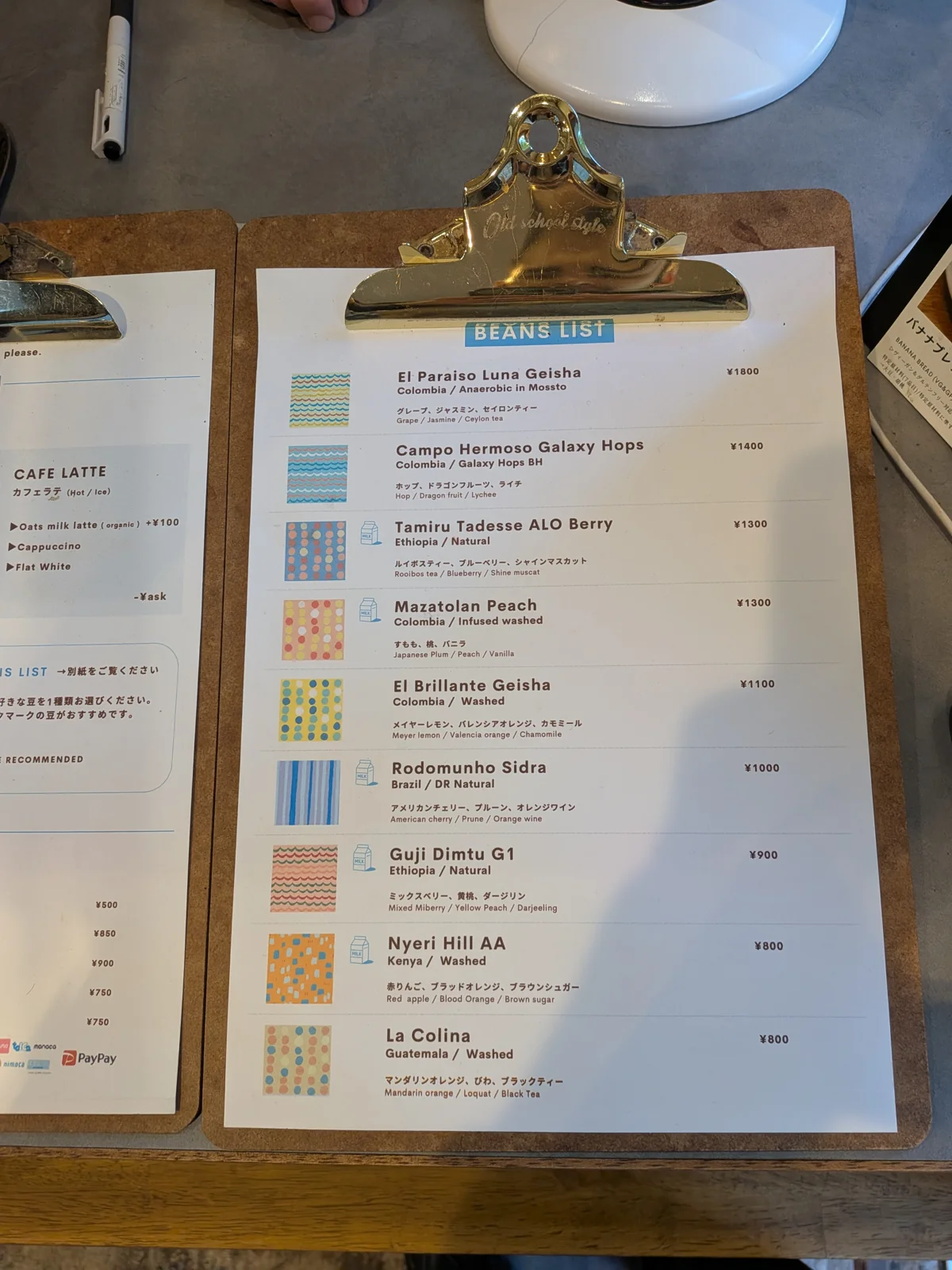
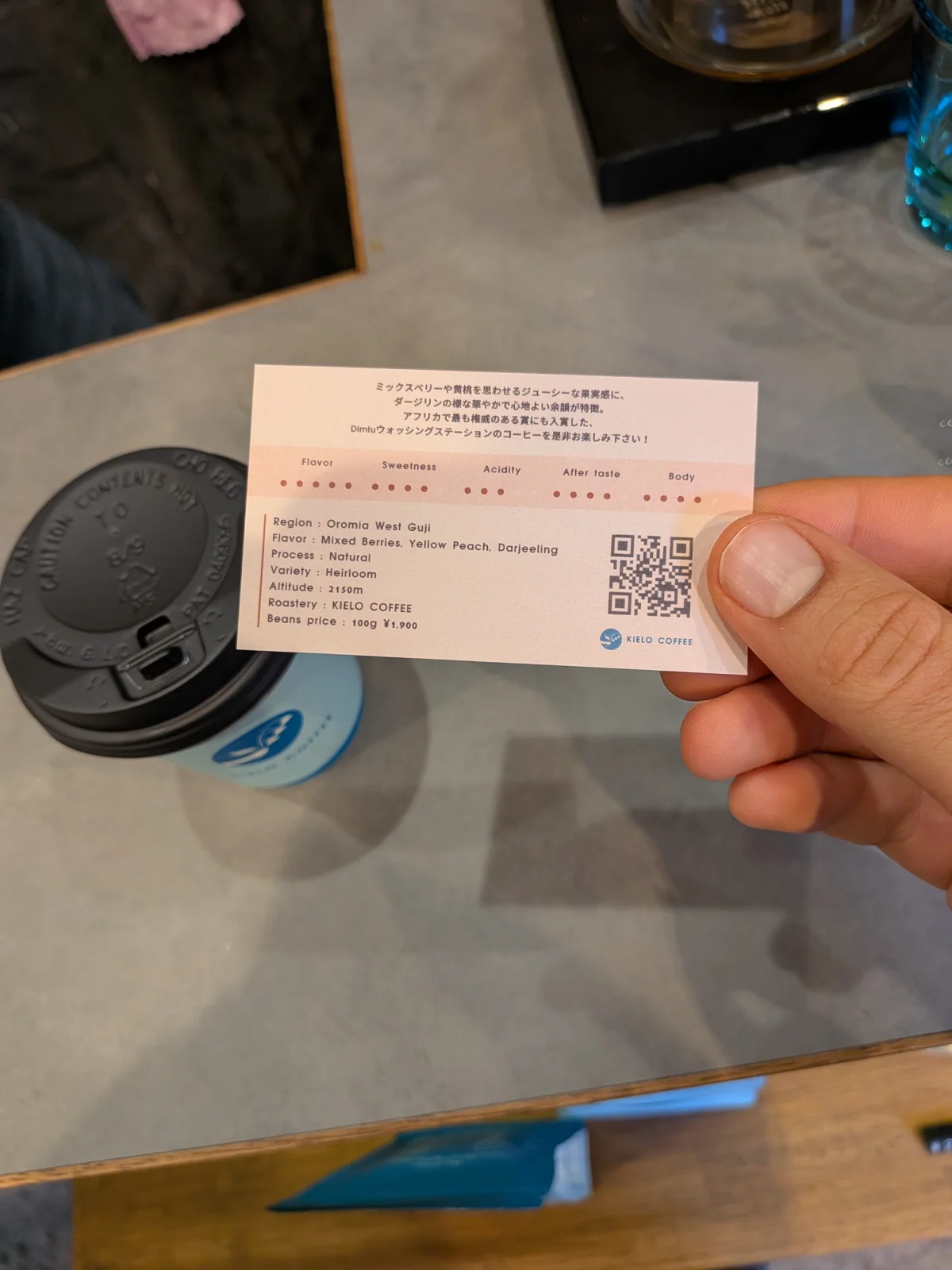
I also grabbed a pour-over at Kielo Coffee. I remained impressed by the bean selection at independent coffee places in Japan. I chose Ethiopian beans, and the coffee was excellent.
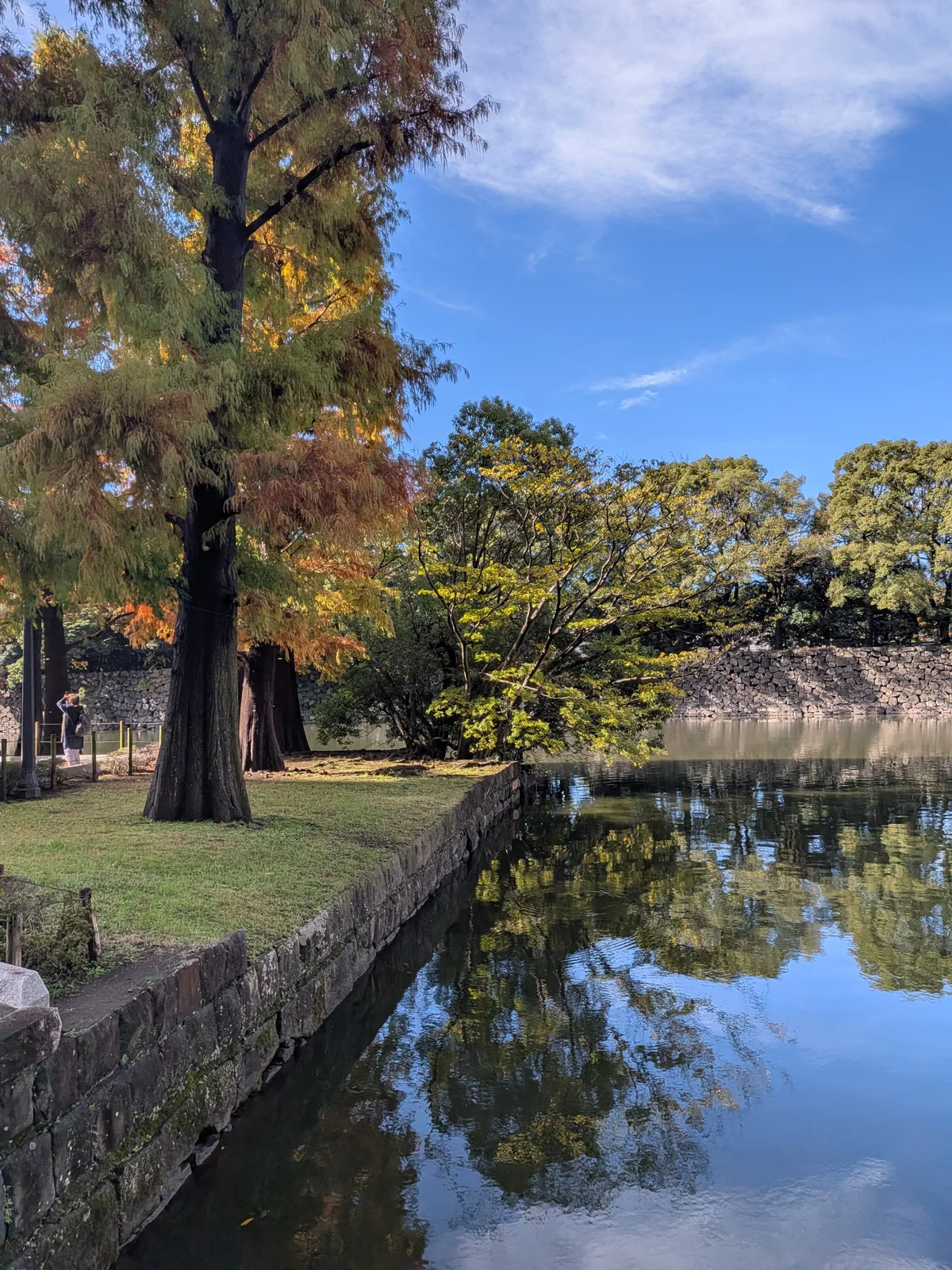
Later that morning, I visited Kokyo Gaien National Garden.
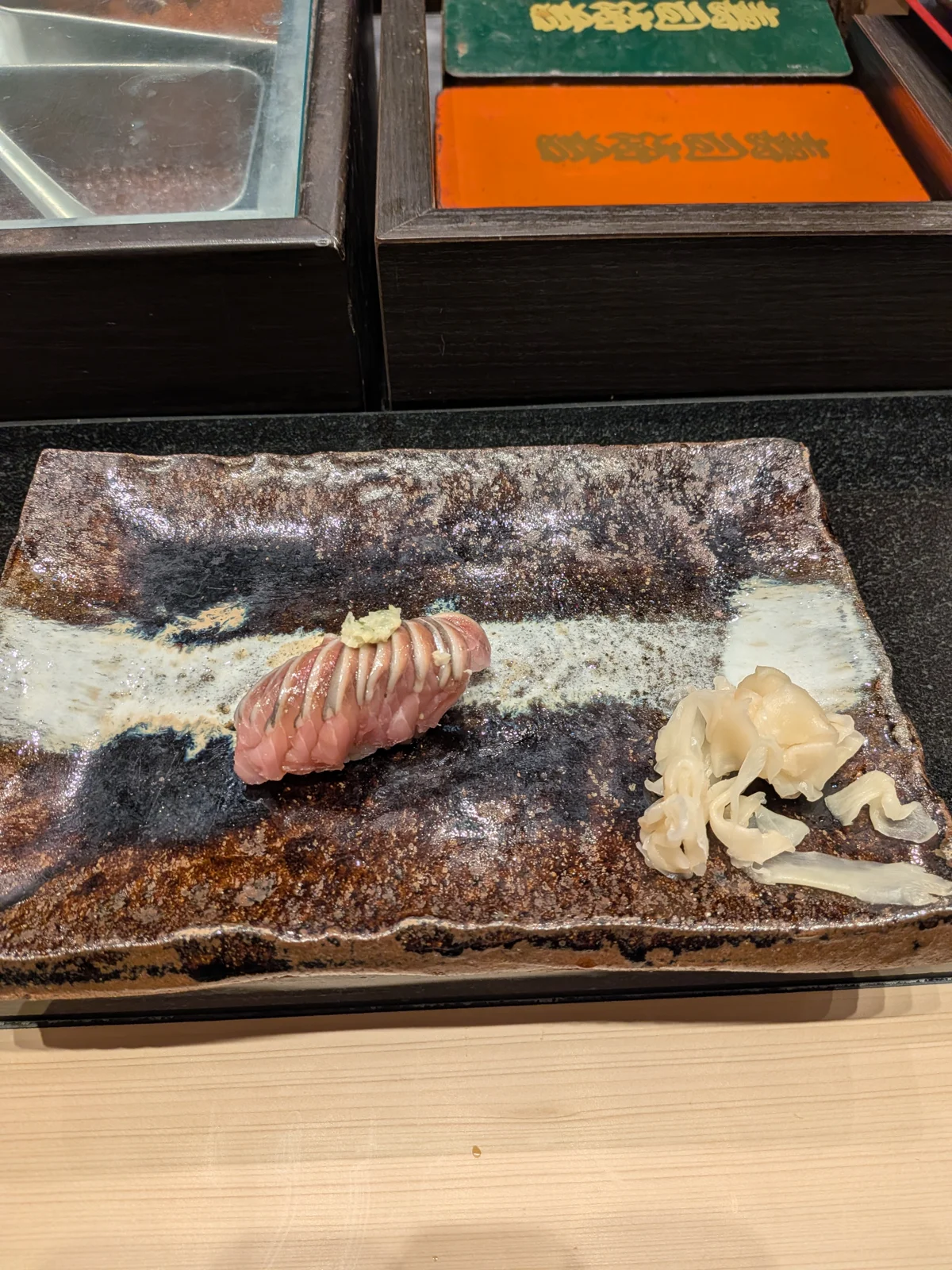
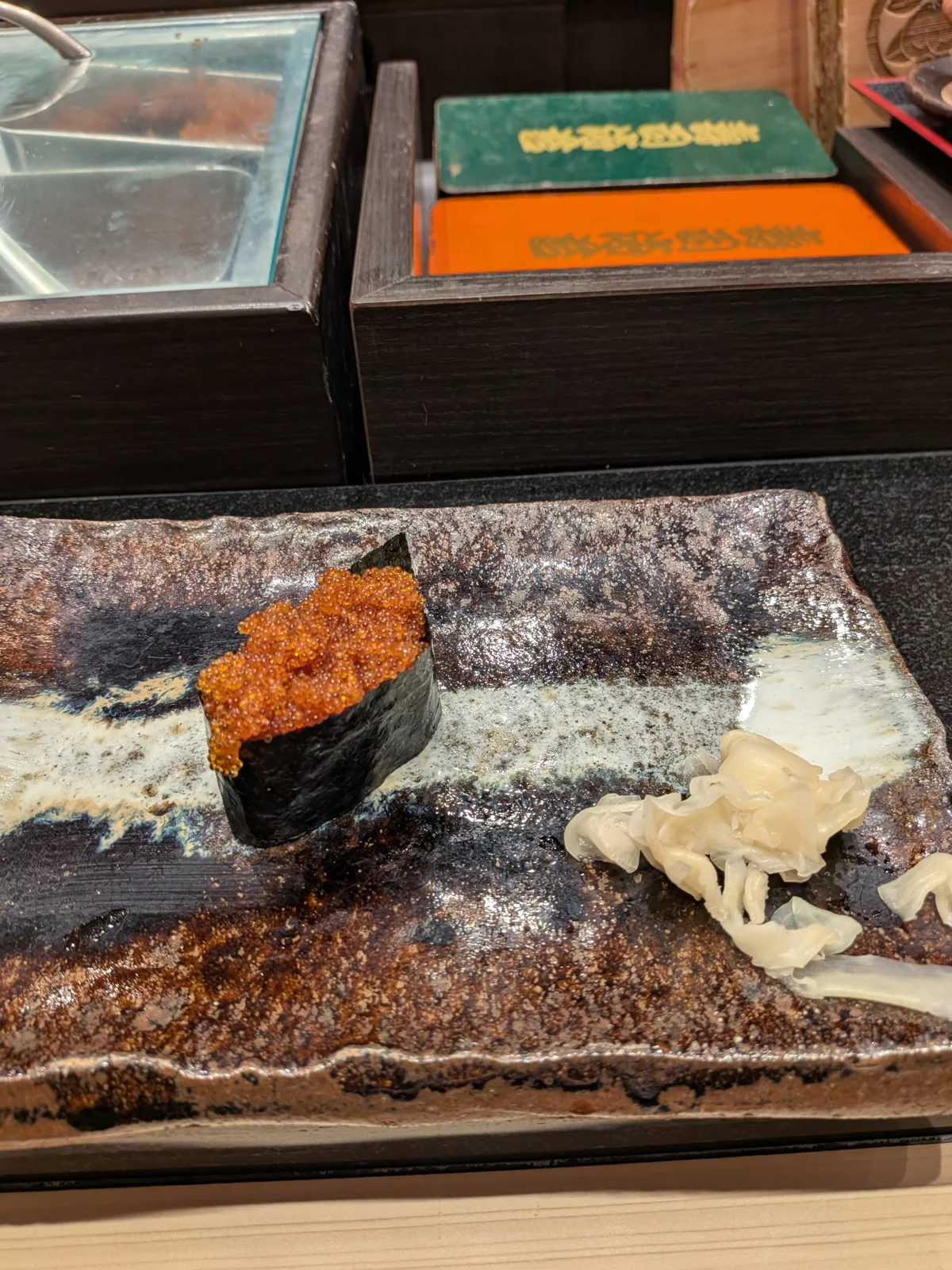
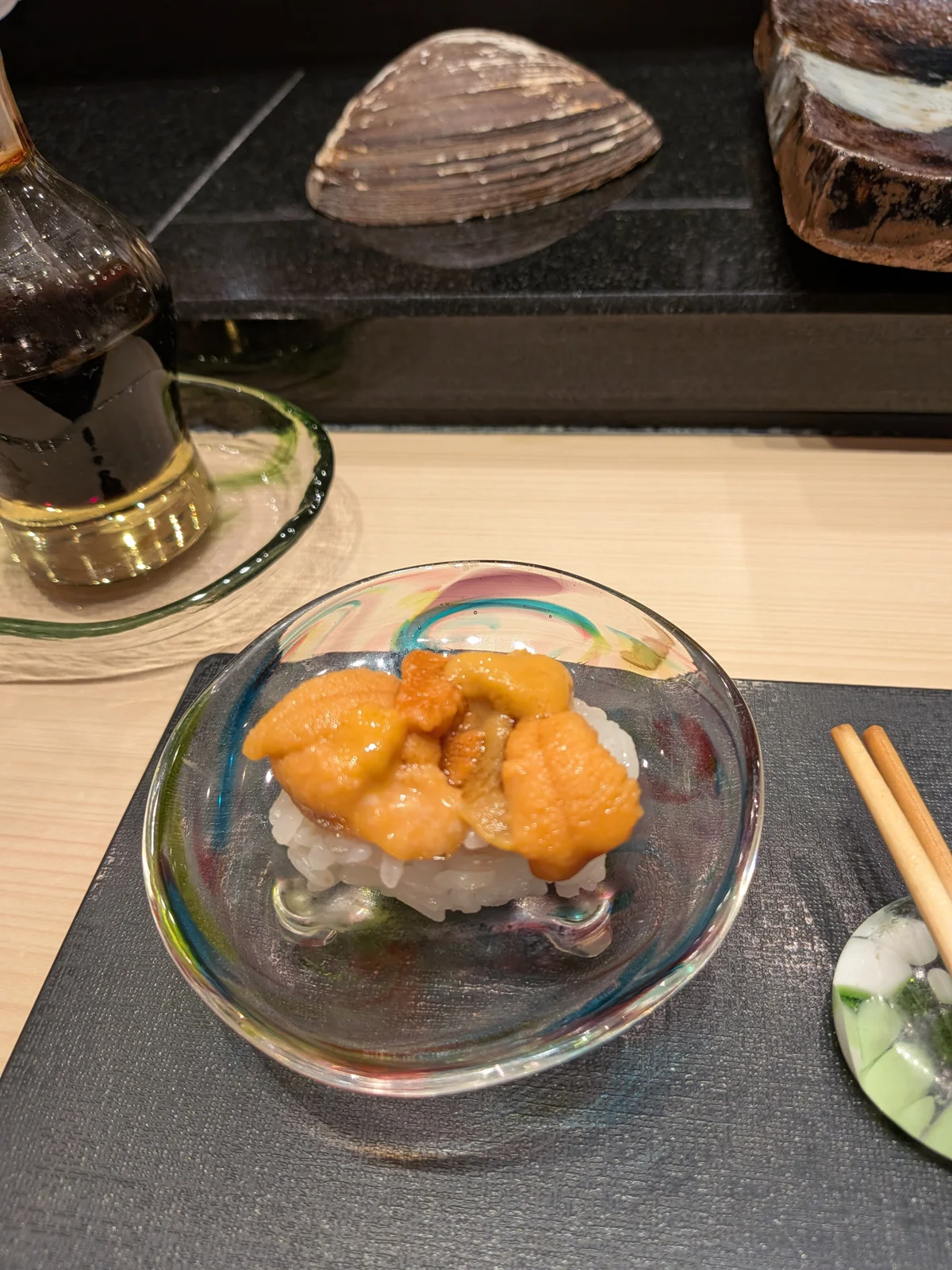
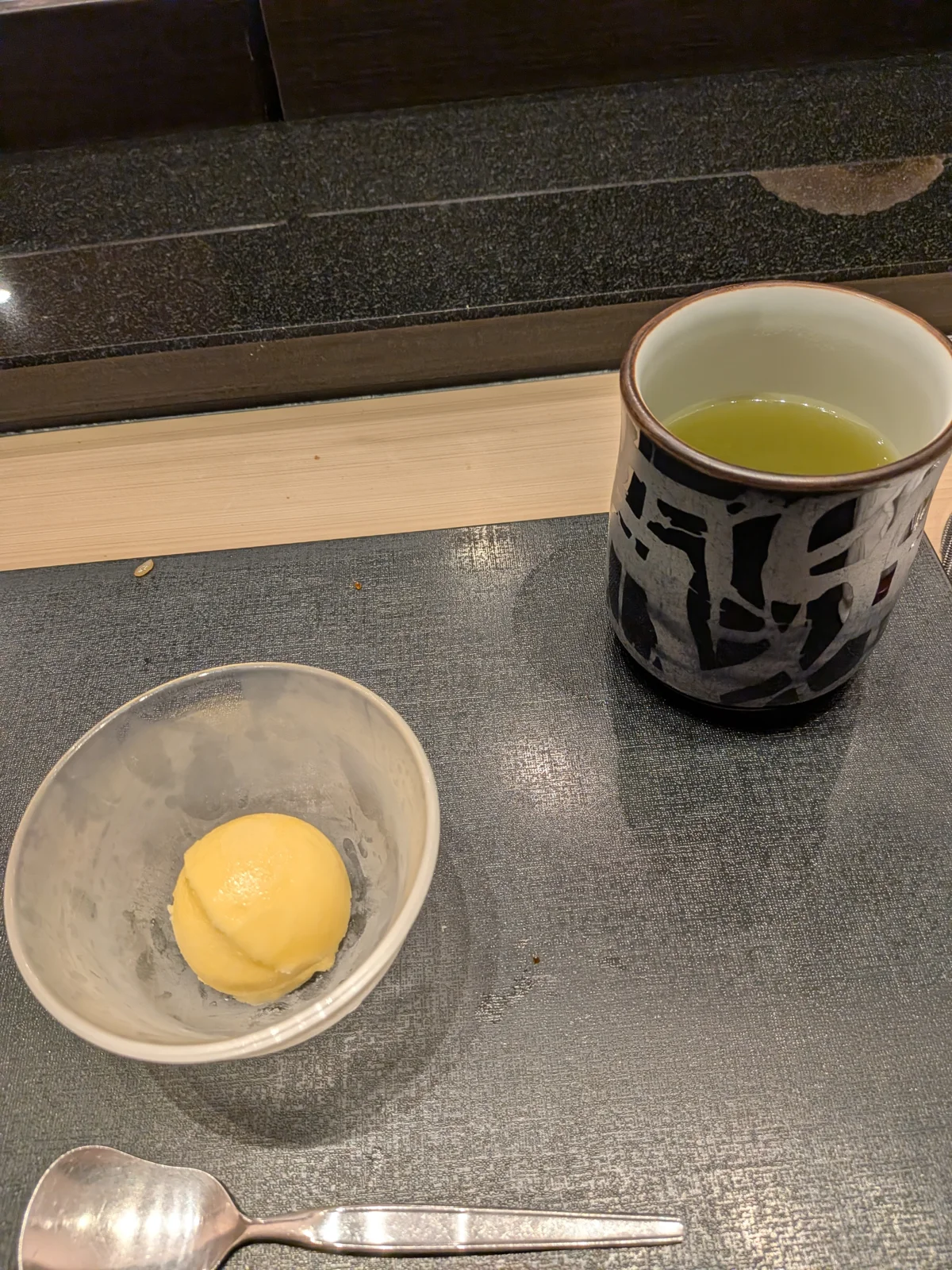
For my final sushi lunch, I sat at the counter at Otaru Masazushi Ginza for the Otaru course. It began with three small dishes, including eggplant with exceptional dashi and bonito flakes. The sushi was served individually. One of my favourites was a piece of white fish that was buttery, sweet and tender. The salmon was very rich, and I liked the contrast between the shrimp’s sweet, creamy flesh and crunchy tail. The octopus was mildly chewy, while the snapper was sweet, buttery and beautifully balanced. The herring was intensely fishy in a way I loved, the lean tuna was clean and tender, and the sea urchin had an extraordinary custard-like texture. Not every texture was my favourite: the clam was rather gelatinous and chewy. There was also tobiko, flying-fish roe, with a crunchy texture and briny flavour. An FT article, “‘Red caviar’ slips off Japan’s sushi menus as roe prices soar”, made me wonder whether a tasting menu at this price point might previously have included salmon roe instead. I appreciated this roe nonetheless. It was a very satisfying lunch, finishing with green tea and bright, citrusy yuzu sorbet.
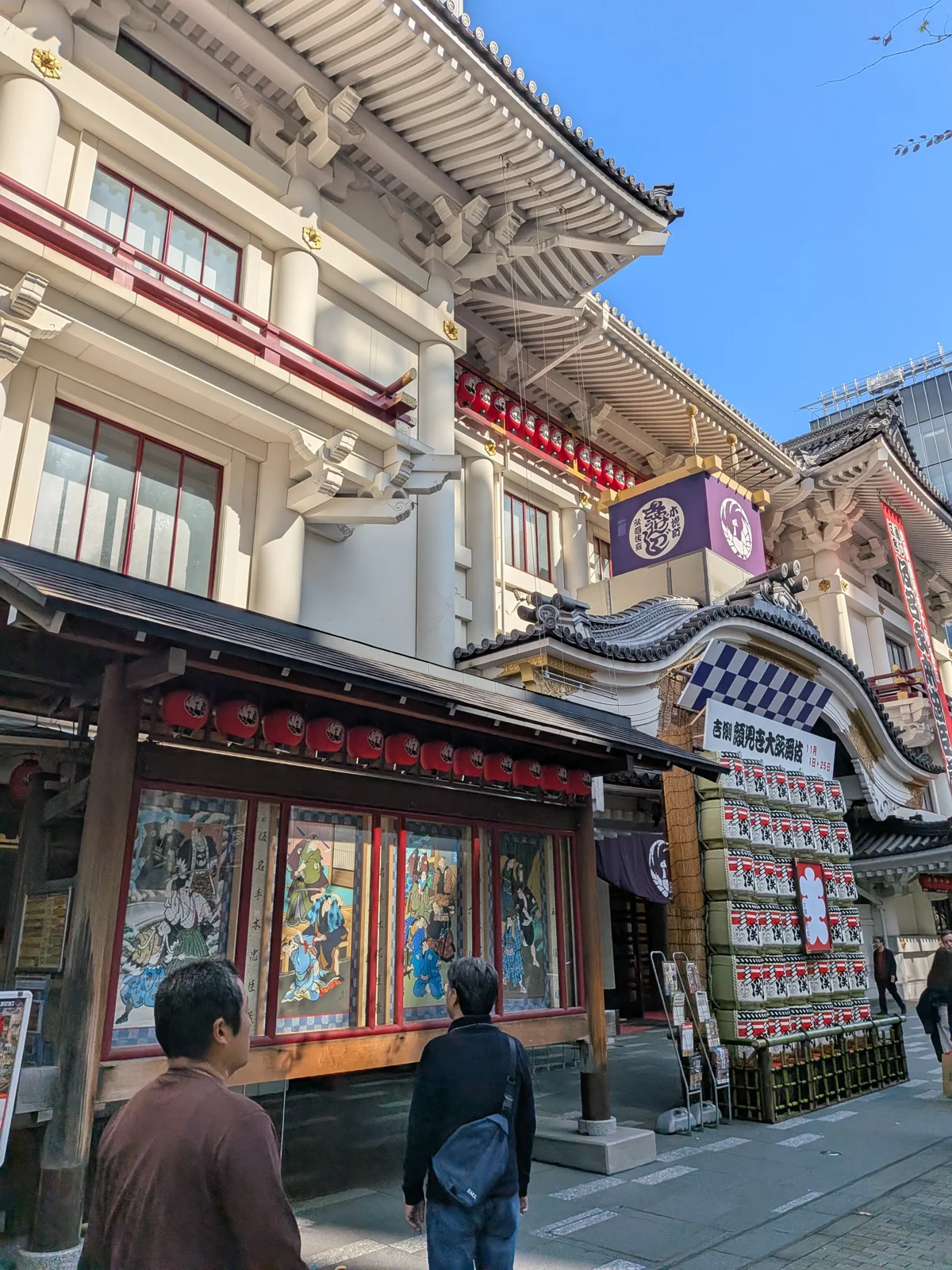
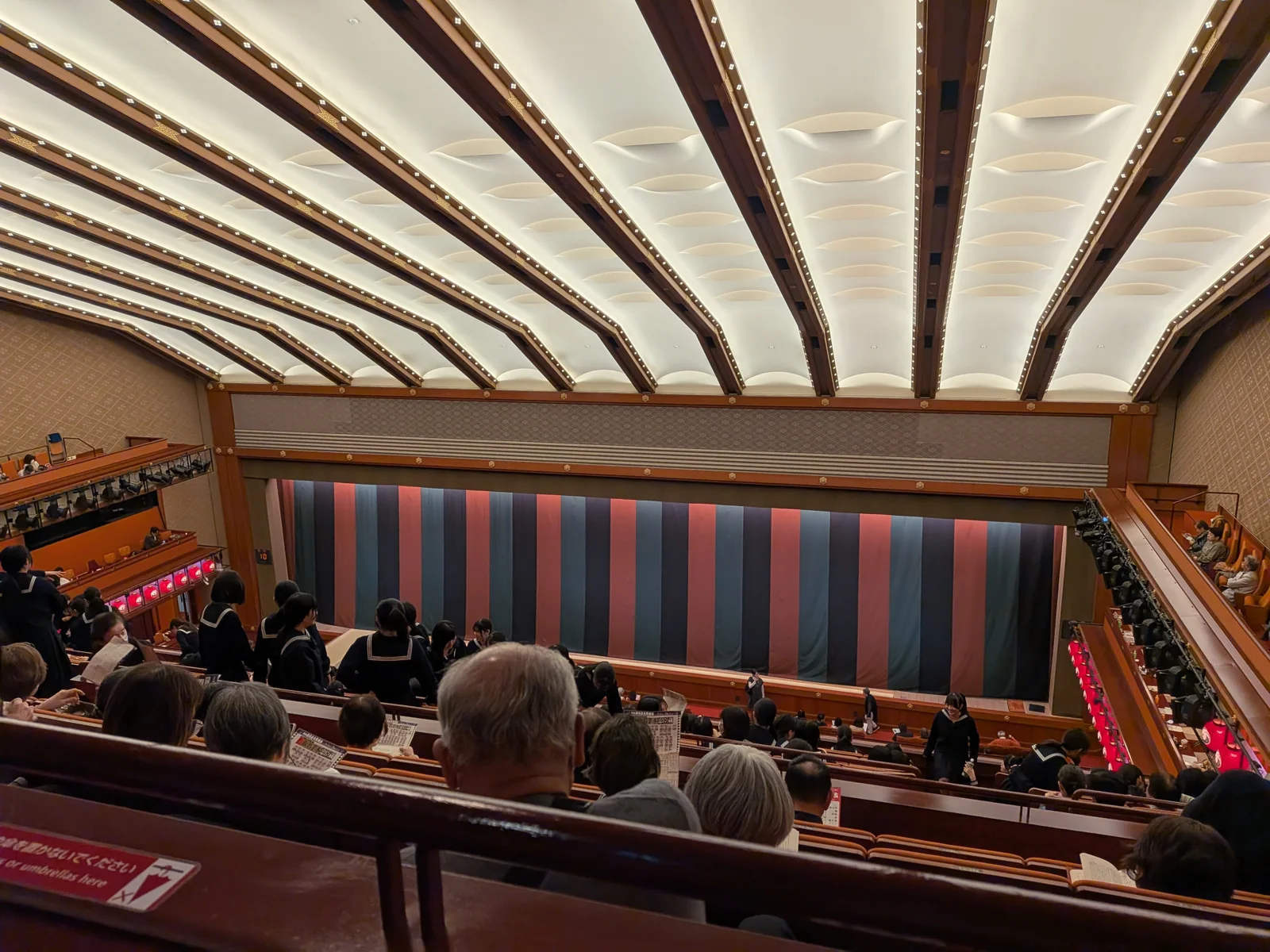
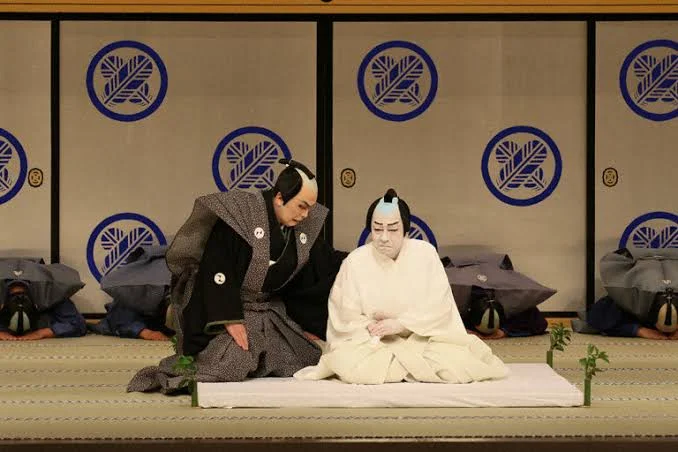
In the afternoon, I went to Kabuki-za for a single act lasting about 90 minutes. I liked being able to try one part of a much longer programme. The theatre was large and less ornate than I had expected, but the costumes and makeup were elaborate. There were ominous plucked strings, sudden bursts of movement involving lots of actors, and then long passages of stillness and slow speeches. Without English captions I struggled to follow the story. The scene was from Kanadehon Chūshingura (The Treasury of Loyal Retainers): Lord En’ya Hangan is ordered to commit seppuku after drawing his sword and attacking an official in the shogun’s palace. I was glad to experience something so unfamiliar. Photography during the performance was prohibited, but I found a picture showing how the actors were dressed and included it after my photo of the curtain.
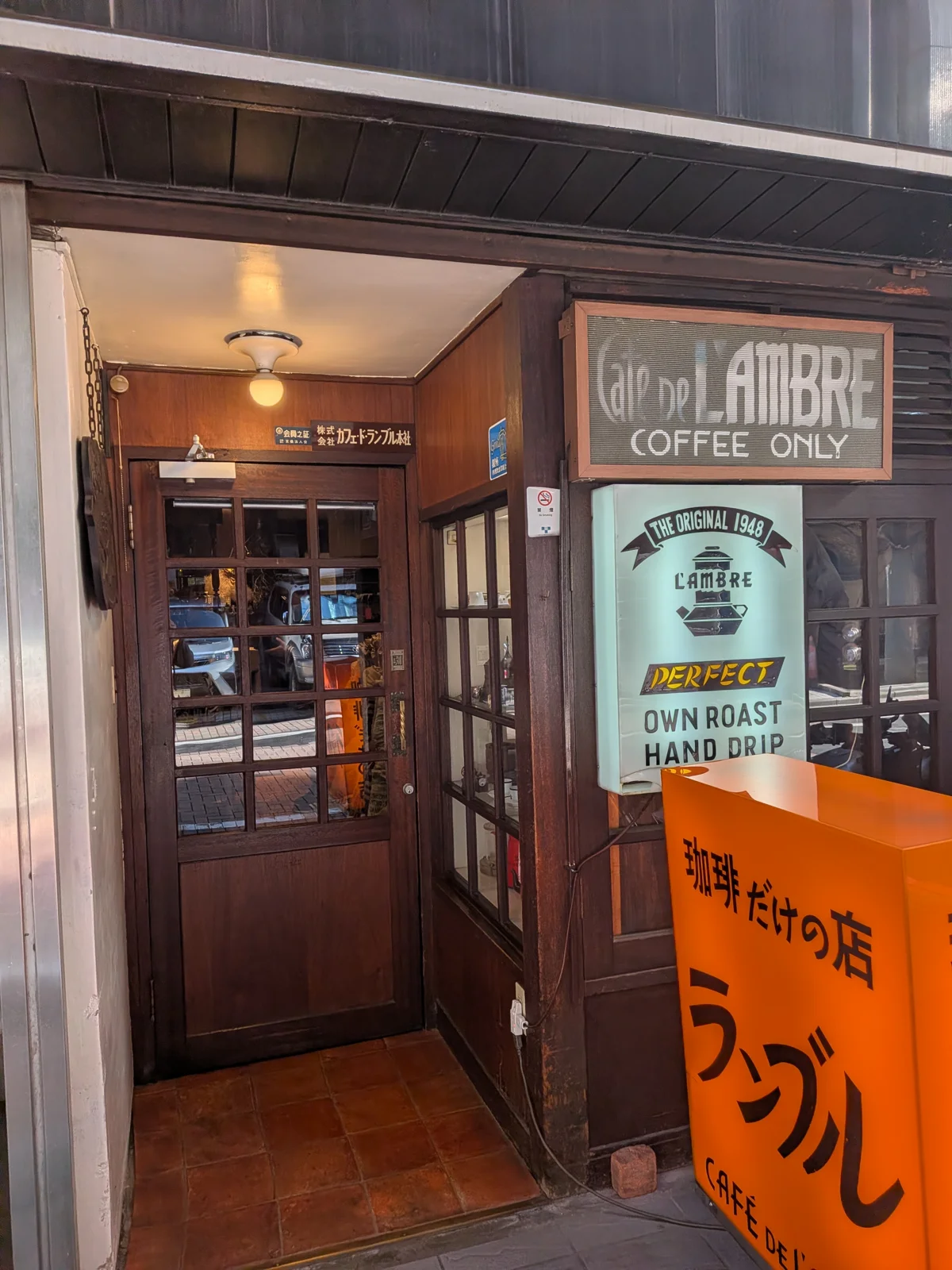
My friend Chandini had sent me recommendations for kissaten and Café de l’Ambre from Standart Magazine, Issue 10 (2017), pp. 121–123.
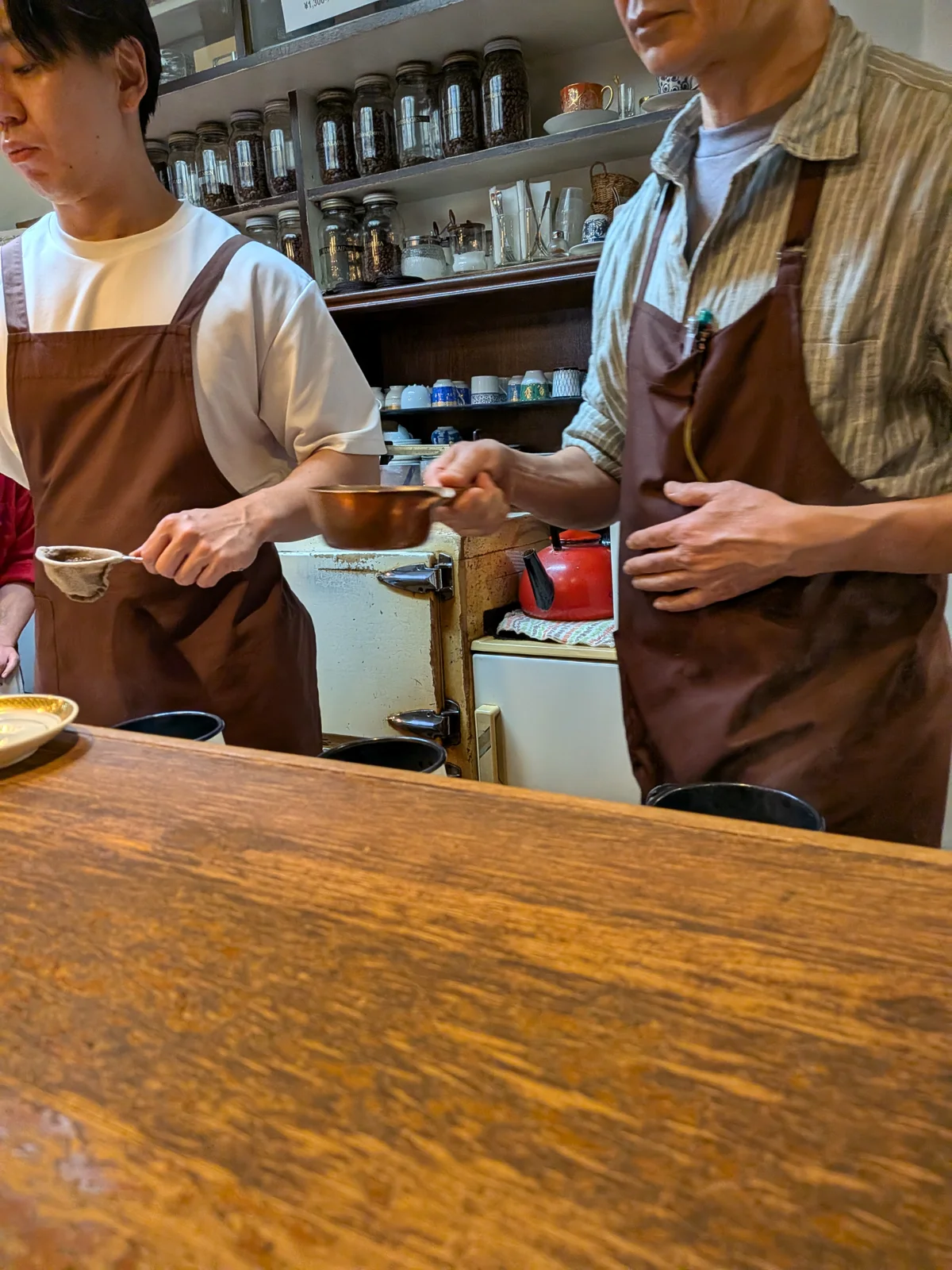
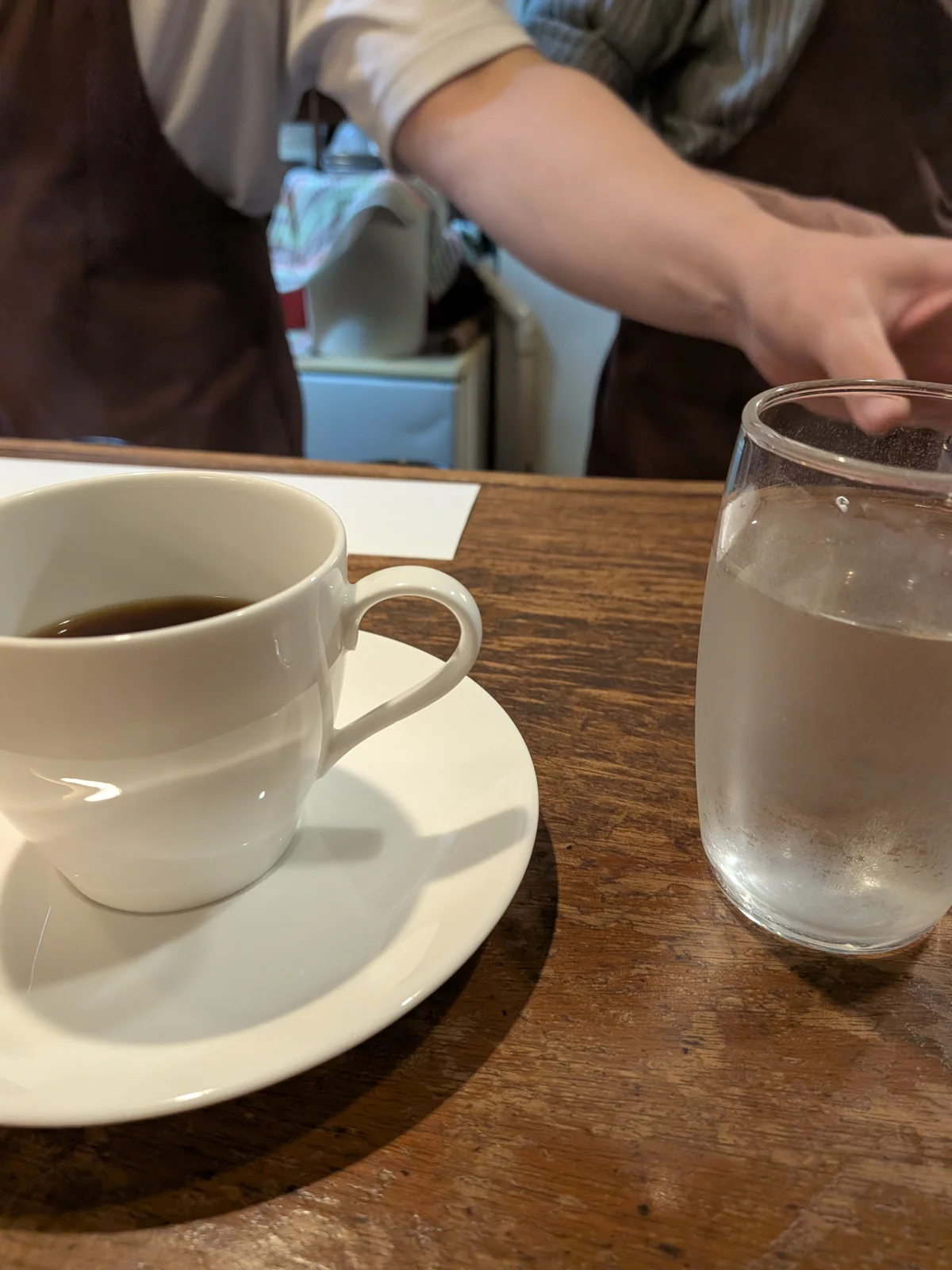
At Café de l’Ambre, the atmosphere felt straight out of the 1960s. I watched coffee being painstakingly brewed through cloth filters, with long-necked kettles pouring continuous thin streams of water. The coffee was dark-roasted, and the café’s use of aged beans was another point of interest. My small cup was expensive but delicious, and spending time at the busy wooden counter was as much part of the experience as the coffee itself.
Kissaten are Japan’s traditional coffee shops, which became especially popular in the postwar years. They made me think of informal living rooms: places to linger over a cup, read, write or listen, quite different from grabbing konbini coffee or choosing beans at a modern speciality café. Some specialise in jazz or classical music, with high-quality sound systems and little conversation. The Economist’s article on Japan’s music cafés connects that listening culture with its growing popularity abroad.
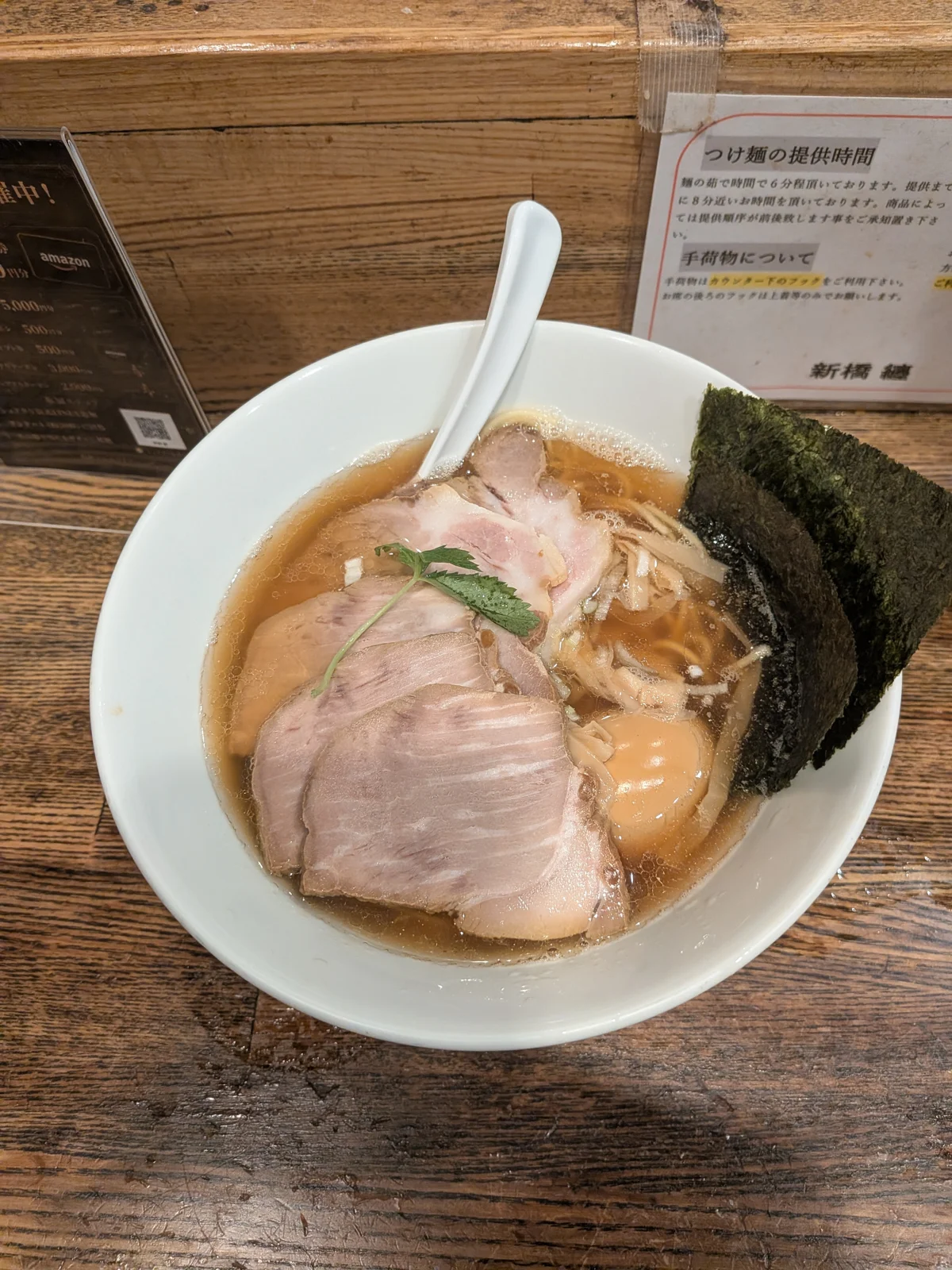
I also stopped at Shimbashi Matoi for hirako niboshi soba, with dried-sardine broth, chashu, seasoned egg and seaweed. The broth was deeply savoury, and I particularly enjoyed the pork.
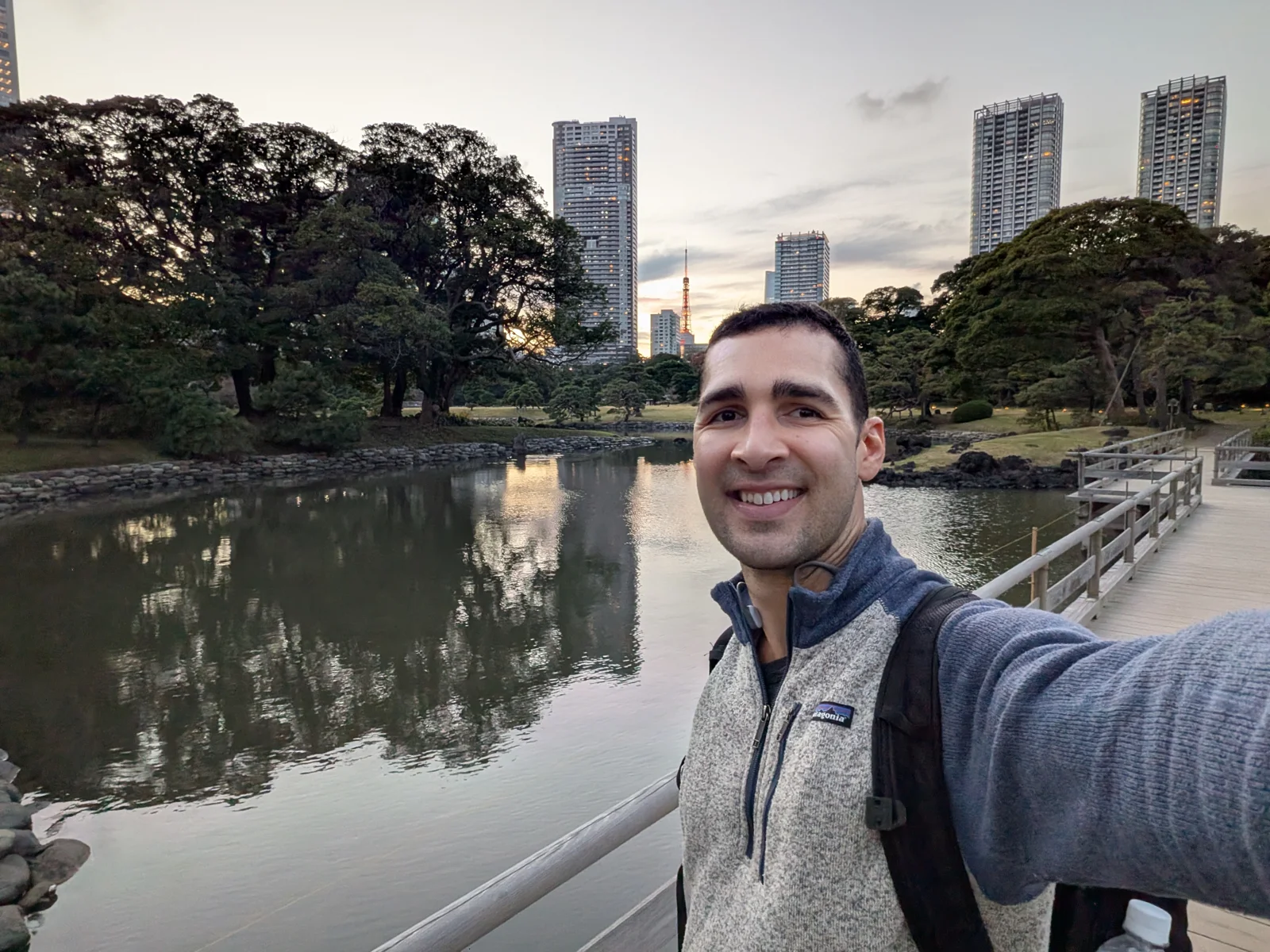
Before sunset, I walked through Hamarikyū Gardens. I admired the meticulously maintained planting, little islands, unusual trees and water. It was tranquil, felt distinctly Japanese to me, and made an ideal unhurried final wander.
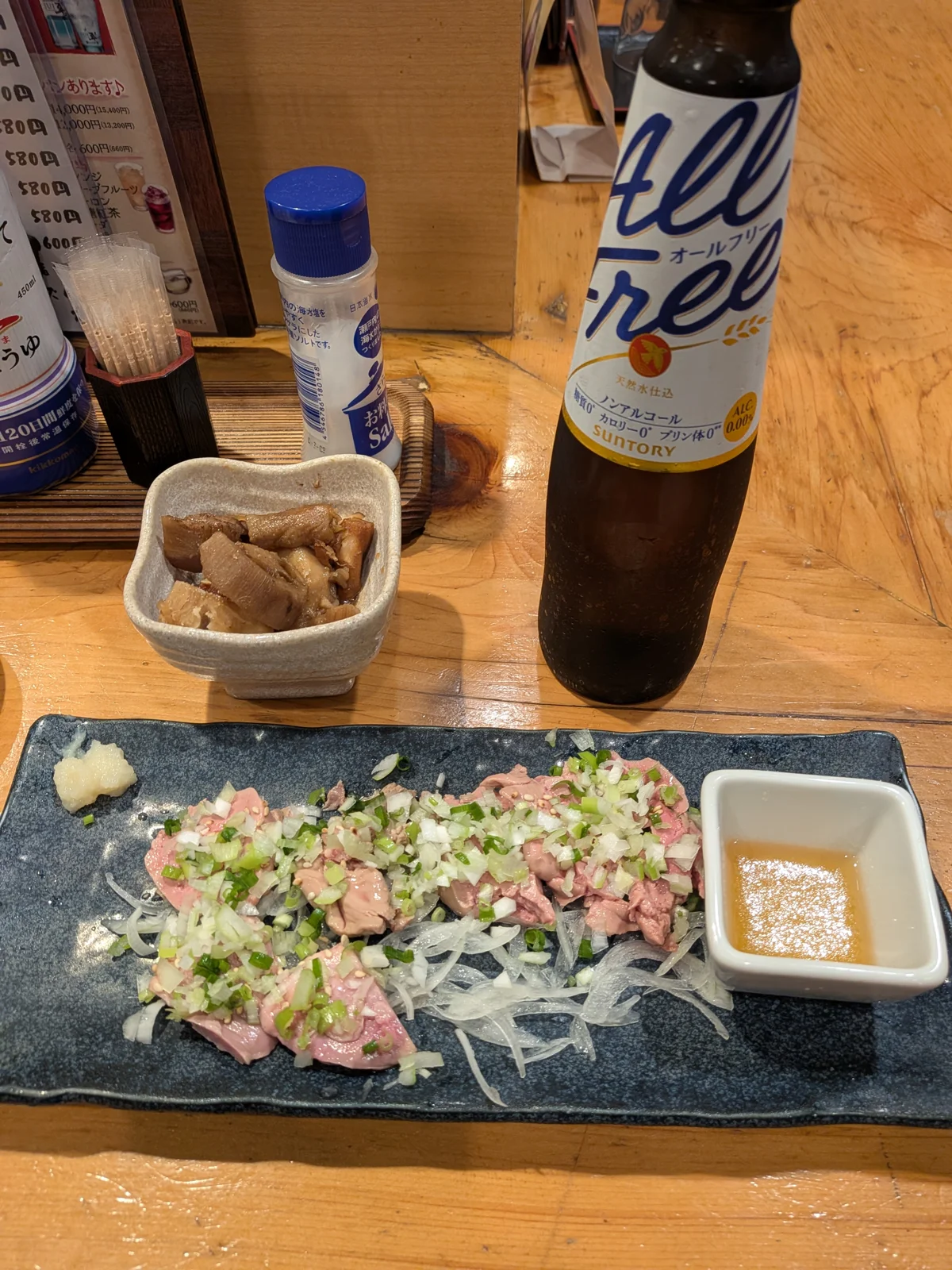
Back near Akihabara, I first tried Uoshun for fish collar, but it had sold out and the other options seemed expensive. I ended up at さくらstyle, a quiet seafood-focused izakaya run by a husband and wife, with only two other customers. I ordered chicken liver, which arrived cold with onions, scallions and sauce. It was delicate and beautifully garnished, but I had been hoping for grilled liver and the informal grill atmosphere I had enjoyed in Osaka. With the appetizer charge and an alcohol-free beer, the bill came to about ¥1,700. Despite the pleasant intimacy, it felt disappointing value for what I had wanted.
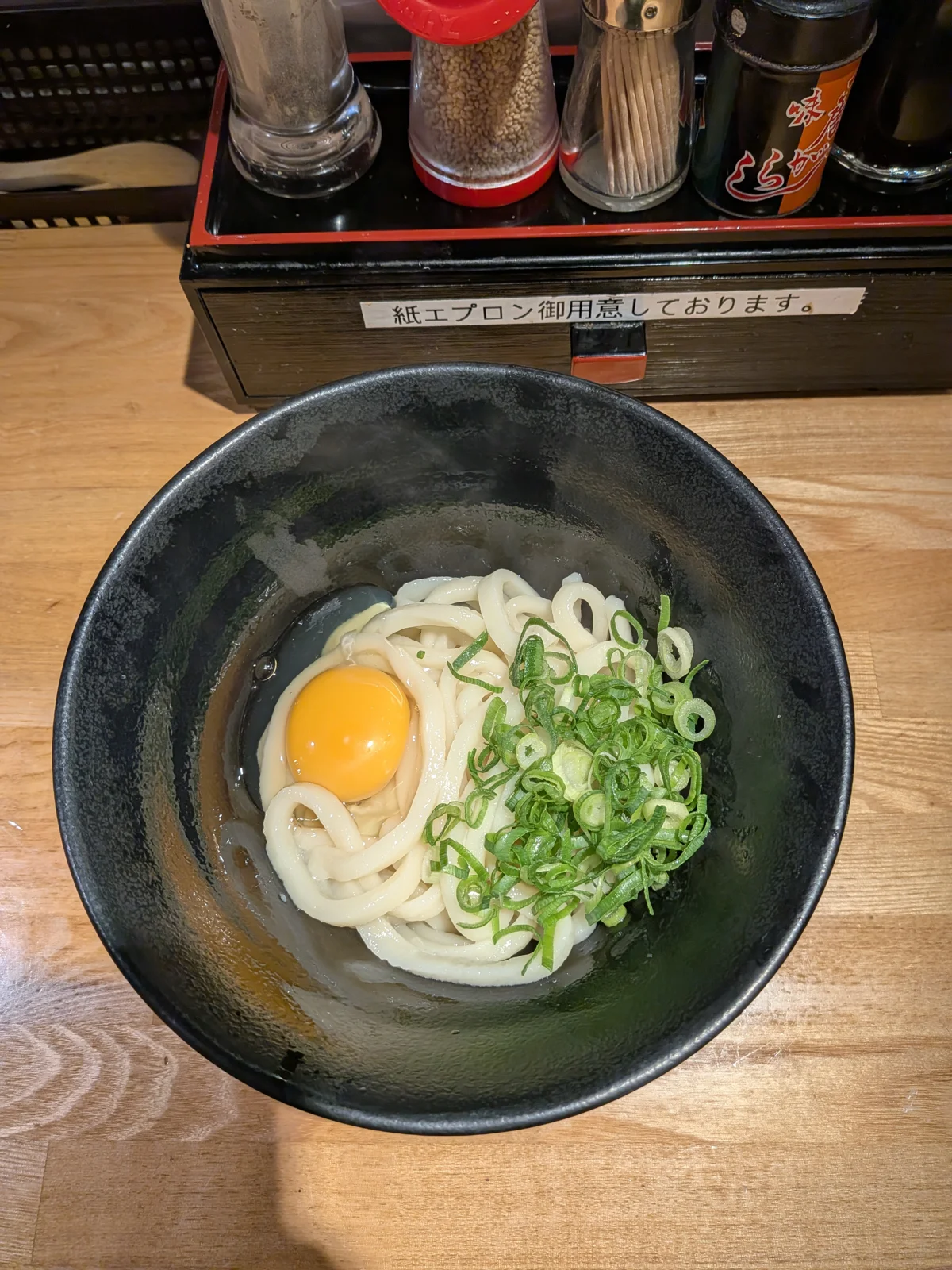
For my last dinner, I returned to Udon Denji after really enjoying the curry udon the night before. This time I had kamatama udon, a simple bowl of udon with raw egg. It was super satisfying, one of my favourite dishes of the trip.
I collected my luggage from the hotel and travelled smoothly to Haneda. As I waited to board the late flight, I felt I had made full use of the final day. I was sad to leave.